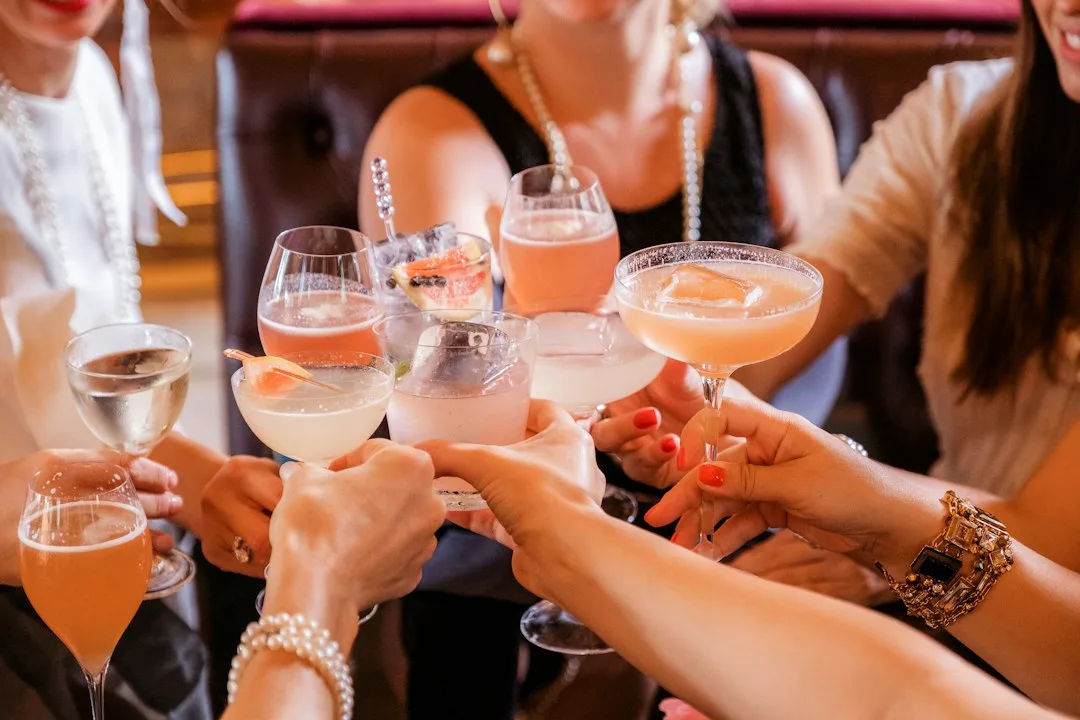
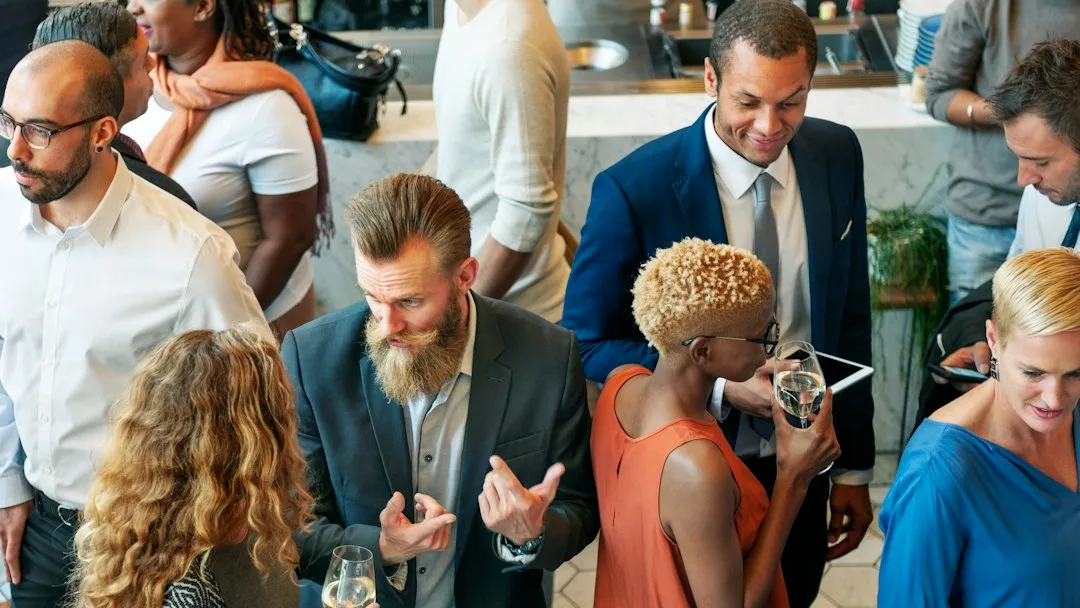
Walk into any upscale venue in Manhattan, Chicago, or Austin today and you’ll notice a quiet revolution: the formal sit-down dinner is losing ground to the standing cocktail party event. This isn’t nostalgia—it’s a fundamental recalibration of how professionals network, celebrate milestones, and entertain guests. Cocktail party events eliminate the friction of assigned seating, the awkwardness of formal speeches, and the constraint of a single timeline. Instead, attendees move freely, conversations overlap, and the space itself becomes the stage.
Why Standing Cocktail Party Events Win Over Seated Formats
The seated dinner model assumes a single narrative arc: welcome, first course, toast, main course, dessert, farewell. Cocktail party events operate on a different principle—they’re designed for overlap, flexibility, and guest agency. A study of event professionals by the International Live Events Association noted that venues hosting mixed standing-and-lounge formats report 40% longer average dwell times than traditional banquet setups. Guests linger because they can.
Logistically, cocktail party events cost 15–25% less than seated service per headcount because they eliminate plated service labor, seating infrastructure, and the table linens rental premium. This savings transfers directly to menu quality, cocktail selection, or entertainment budget. Consider a 100-person corporate gathering: seated format runs $85–120 per person; cocktail format runs $65–95 per person, often with superior spirits and passed hors d’oeuvres.
The psychological shift matters most. Standing venues activate the parasympathetic nervous system differently than seated tables—people feel less trapped, more empowered to exit conversations, approach strangers, and move through the space. For introverts, this agency is liberating; for networkers, it’s opportunity.
Quick Tips
- Arrange high-top tables in clusters of 2–3, not rows, to force movement and conversation cross-pollination.
- Position the bar or beverage station off-center, not at the room entrance—guests circulate instead of queuing.
- Offer passed appetizers on a 12–15 minute rotation, not stationary platters, to create natural conversation pauses.
- Limit seating to 30% of headcount; this removes the temptation to claim a chair and hide.
- Use standing-height tables with 30-inch diameter tops, not 42-inch rounds that trigger seat-hoarding behavior.
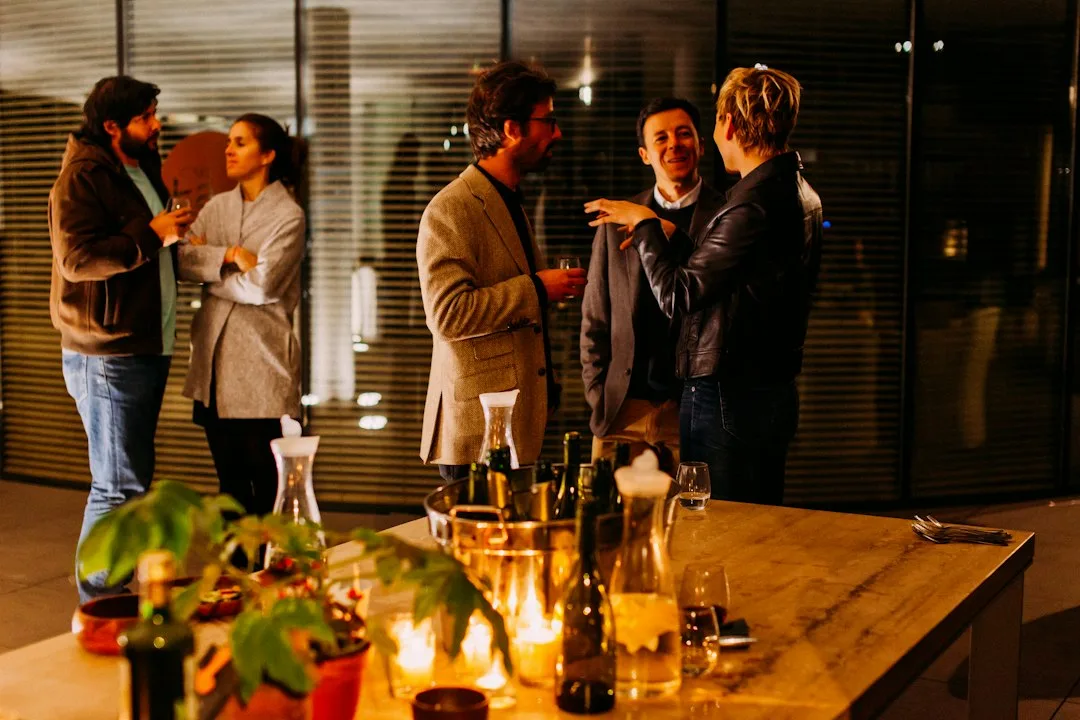
Passed Appetizer Strategy Sets Cocktail Party Events Apart
High-end catering firms like Lilia (based in San Francisco) and Gracious Thyme (Chicago) have redesigned their passed-appetizer service specifically for cocktail party events. Instead of four or five static platters, they deploy servers with rotating trays every 10–12 minutes, ensuring 70% of attendees taste a new item every cycle. This removes decision paralysis and keeps people moving rather than clustering at the lone passed-platter location.
The psychology here is concrete: guests feel attended to, the venue stays dynamic, and kitchen staff can pace production to room energy rather than course timing. A typical cocktail party event passes 12–16 pieces per person over 2.5 hours; a seated dinner delivers 8–12 across the same timeframe, with long waits between courses.
| Aspect | Seated Dinner | Cocktail Party Event |
|---|---|---|
| Guest Flexibility | Fixed seating, assigned table | Free movement, self-directed flow |
| Cost per Head | $85–120 with service labor | $65–95 with premium bar focus |
| Networking Ease | Limited to table mates + brief circulating | Unlimited conversation pairs and groups |
| Food Service | Plated courses on synchronized timeline | Passed items on rotating 12-min cycles |
The Common Mistake: Underestimating Liquor and Bar Station Placement
The #1 failure in cocktail party event planning is running out of cocktails or positioning the bar where it becomes a parking lot rather than a circulation hub. Many event planners budget 1.5–2 drinks per person for a 2.5-hour event—a major undercount. Industry standard for standing cocktail party events is 2.5–3 drinks per person, particularly when the event is 7 p.m.–10 p.m. or attracts professional crowds who linger.
A real example: a 75-person corporate client event in Denver budgeted 150 cocktails for 2.5 hours. By minute 90, the bar was dry except for wine and beer. The bartender made 4 vodka sodas and 2 mojitos before supplies ran out. This didn’t just frustrate guests—it created a 20-minute downslump in conversation energy. The fix: stock for 3 drinks per head minimum, add a secondary wine and beer bar on the opposite end of the room, and deploy a roaming bartender with a cart during peak hours (7:15–8:45 p.m.).
Bar placement also matters operationally. Placing the bar in the center rear of a 3,000-square-foot room kills circulation; guests bottleneck, the bar becomes a social hub by default, and the front half of the space empties. Move the bar 30% off-center or deploy two smaller bars (one spirits-focused, one wine-beer) at opposite ends.
Venue Design Elements That Elevate Cocktail Party Events
Forward-thinking venues like The Joule (Dallas) and 230 Fifth Rooftop (New York) have redesigned their standing cocktail party event layouts around what hospitality designers call “activity nodes”—clusters of high-top tables, lounge seating, standing bar stations, and food service zones that create natural gathering points without forcing guests toward any single spot.
The architecture of these nodes matters: 18-inch height difference between high-tops (42 inches) and lounge seating (30 inches) is enough to create distinct microclimates without making the room feel segmented. Guests at a high-top can see across the room; guests on a sofa feel contained but not trapped. Mixing these heights in a cocktail party event space keeps the overall energy lifted while offering respite zones.
Lighting is equally critical. Warm ambient light (3000K color temperature) combined with accent uplighting on architectural features makes a cocktail party event feel intimate at scale. Hard downlighting or overly bright venue defaults make standing guests feel exposed and fatigued; many will seek reasons to leave early.
How Cocktail Party Events Reshape Corporate and Social Calendars
Corporate event planners increasingly choose cocktail party events for fall 2026 client entertainment and employee celebrations because they sidestep the formality tax that seated dinners demand. A hybrid experience approach in corporate team building events often includes a standing cocktail reception component precisely because it breaks hierarchical seating and enables cross-departmental connection. This is especially relevant for companies with remote or distributed teams—a cocktail party event format feels inclusive and energetic to both in-person and freshly-returned employees.
For private celebrations—milestone birthdays, anniversaries, engagement parties—cocktail party events eliminate the pressure to feed 80 people a five-course meal while maintaining conversation continuity. A 3-hour standing reception with passed apps and two signature cocktails costs roughly the same as a 2.5-hour seated dinner but generates more photos, more mingling, and more Instagram-worthy moments. This matters for event memory and follow-up engagement.
Destination event weekends and luxury staycation gatherings are also adopting the cocktail party event model as a pre-dinner activity or standalone evening. Destination Wedding Events Drive Luxury Travel Growth in 2026 increasingly incorporate a standing welcome reception before seated dinners, signaling that the two formats now complement rather than compete.
Crafting Signature Cocktails for Cocktail Party Events
Smart event planners limit cocktail menus to two signature drinks plus wine, beer, and spirits-and-mixer options. Offering four or five cocktails sounds sophisticated; operationally, it exhausts bartenders and slows service to 90 seconds per drink. A cocktail party event at Denver’s Source Market Hall featured a fall-focused menu: a bourbon apple smash and a gin-based elderflower spritz, plus a house wine and IPA. This constraint allowed the bartender to execute each drink in 45 seconds, maintain consistency, and engage guests in conversation between orders.
The signature cocktail also functions as a brand or theme anchor—it becomes the memorable detail guests mention afterward. Naming matters: “Autumn Ember” triggers more word-of-mouth than “Bourbon Cocktail #1.”
Cocktail party events are reshaping fall 2026 because they solve a real problem: how to gather 50–150 people meaningfully in an era of choice fatigue and Zoom fatigue. By removing assigned seating, embracing movement, and optimizing bar and food service for continuous circulation, event planners create spaces where real connection happens. The shift from seated dinner to standing cocktail party event isn’t a trend—it’s a recognition that how we gather matters as much as whom we gather with.