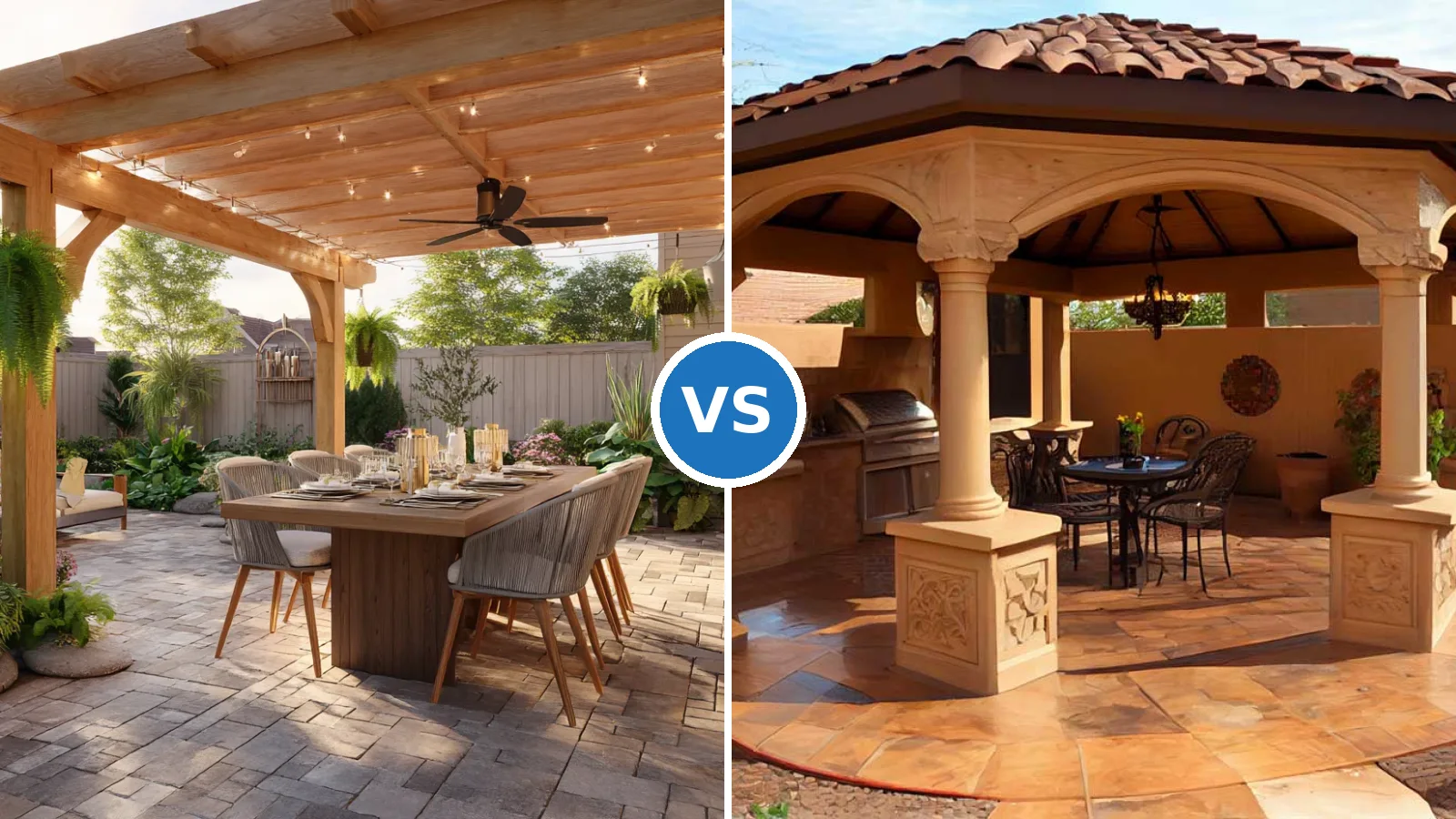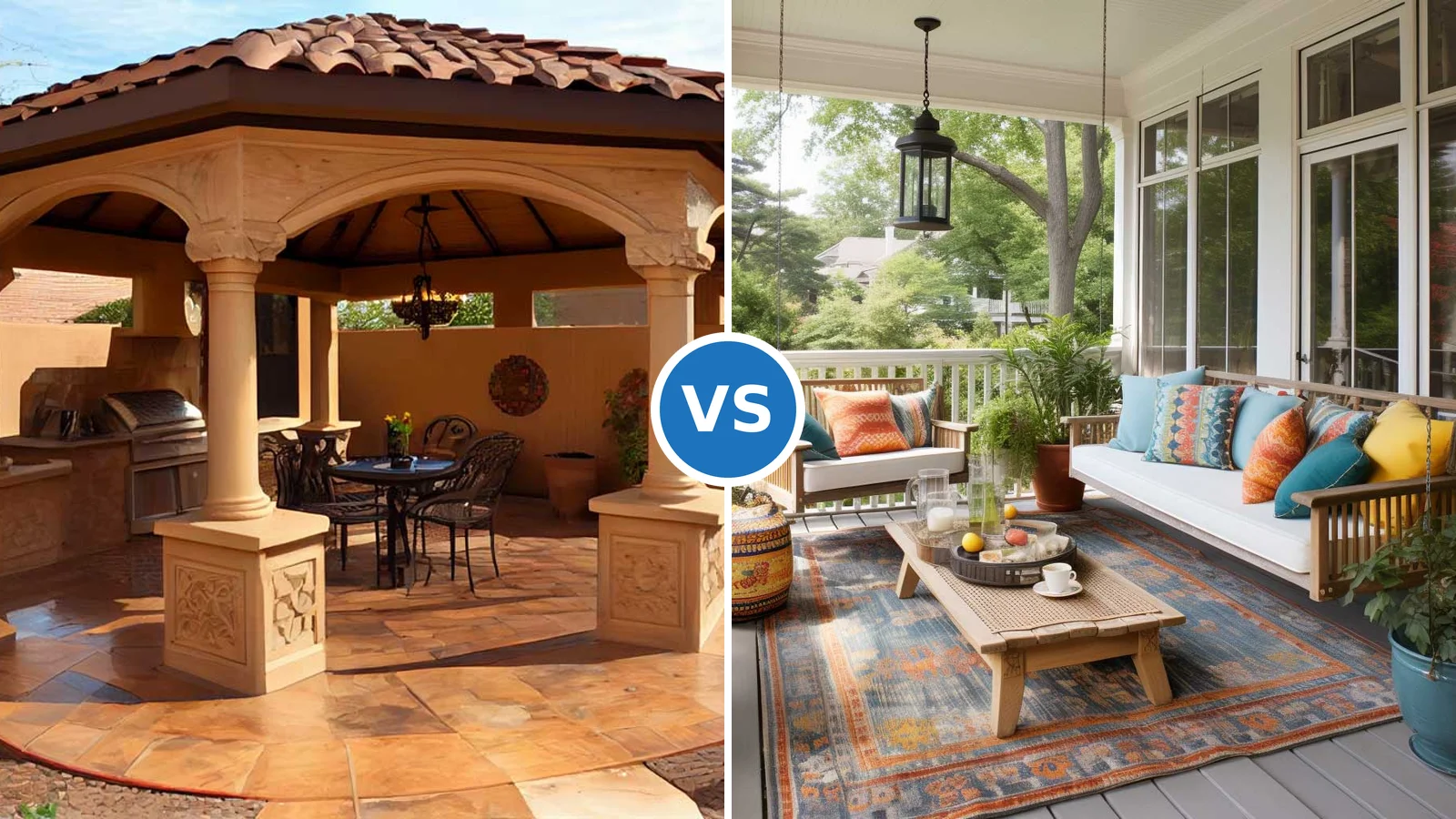
Patio cover vs porch is really a question about how you want to shade and use your outdoor space: a patio cover roofs a patio you already have, while a porch is a more room-like structure attached to the house. Choose a patio cover if you want adjustable shade and light, and a screened porch if keeping insects out matters most.
The search is broader than this comparison, because porches come in many forms. Here the patio cover is set against the screened porch, the porch type that competes most directly for the same job.

Patio cover vs porch and what each one is
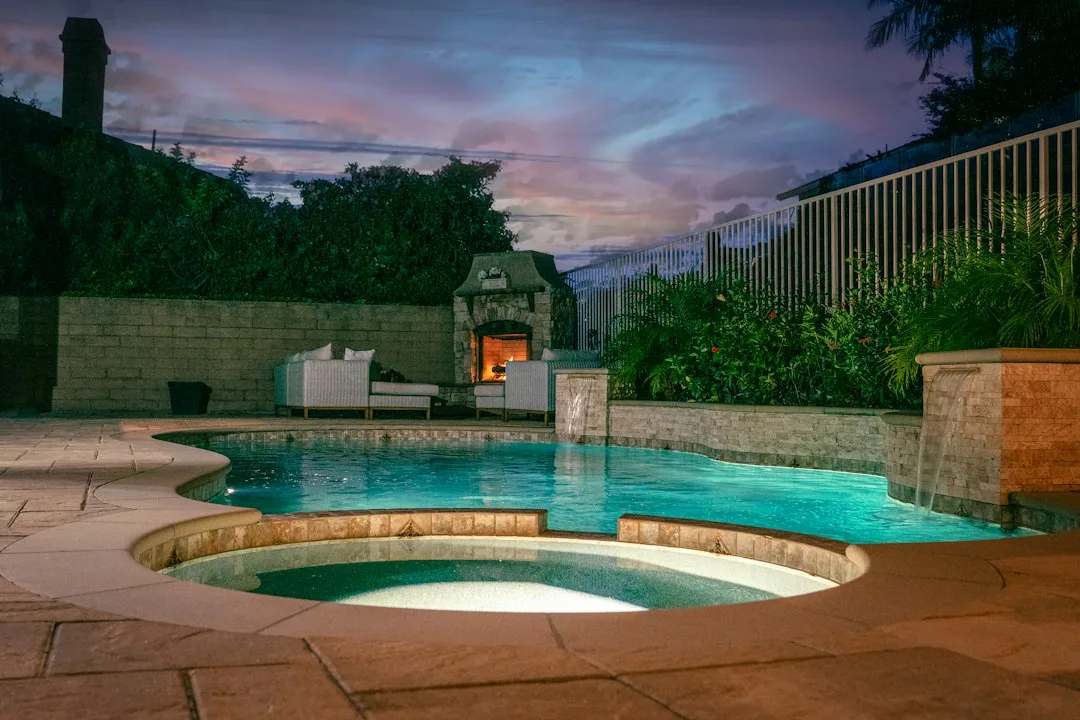
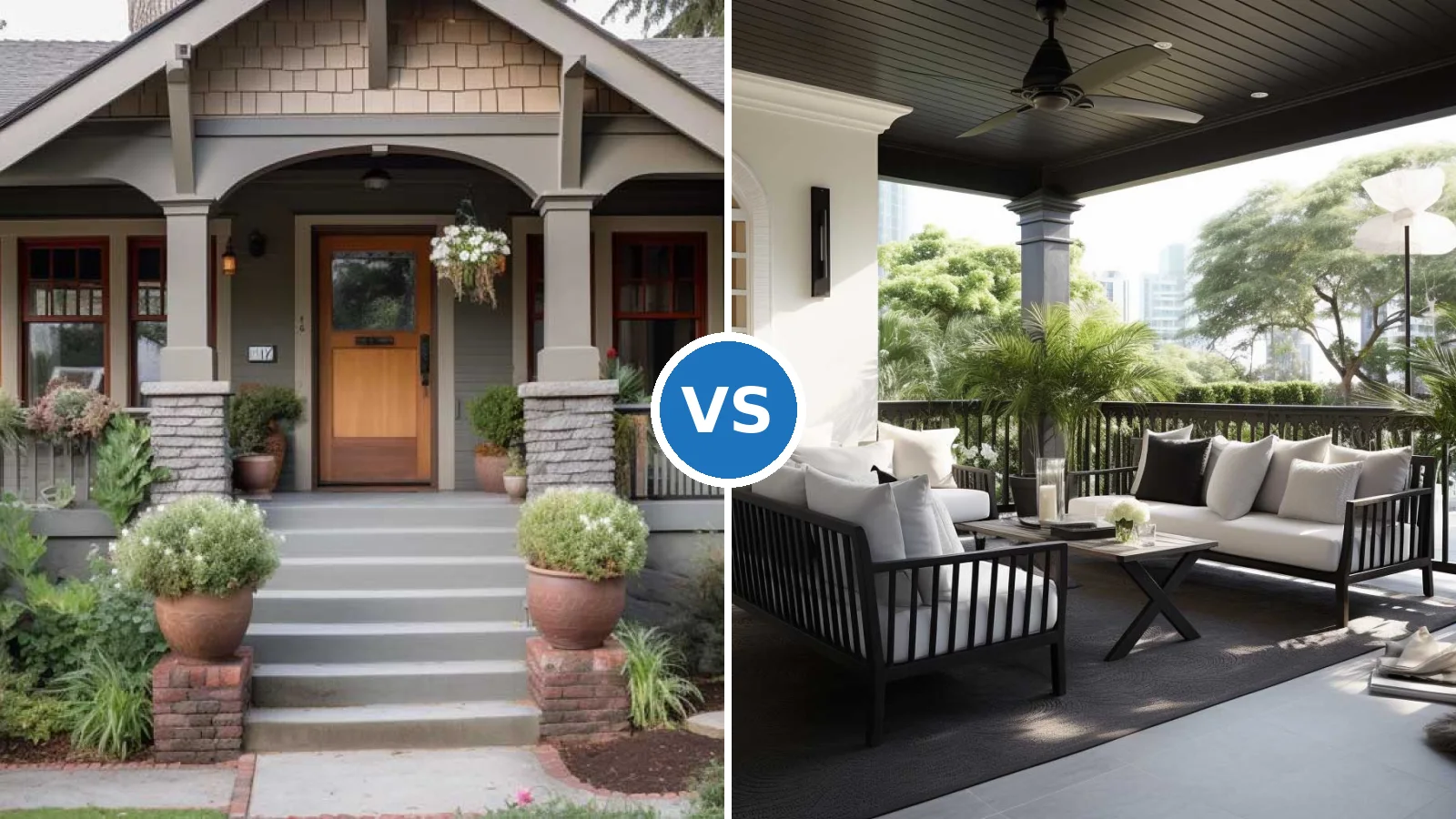
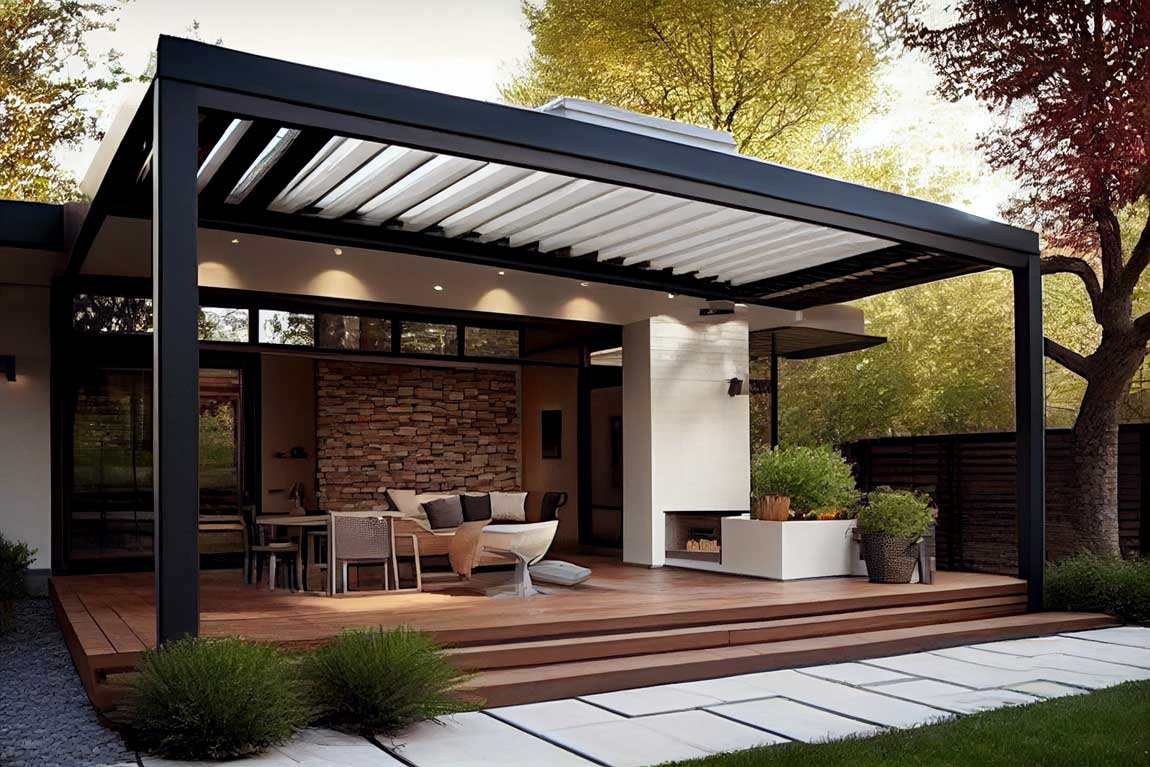
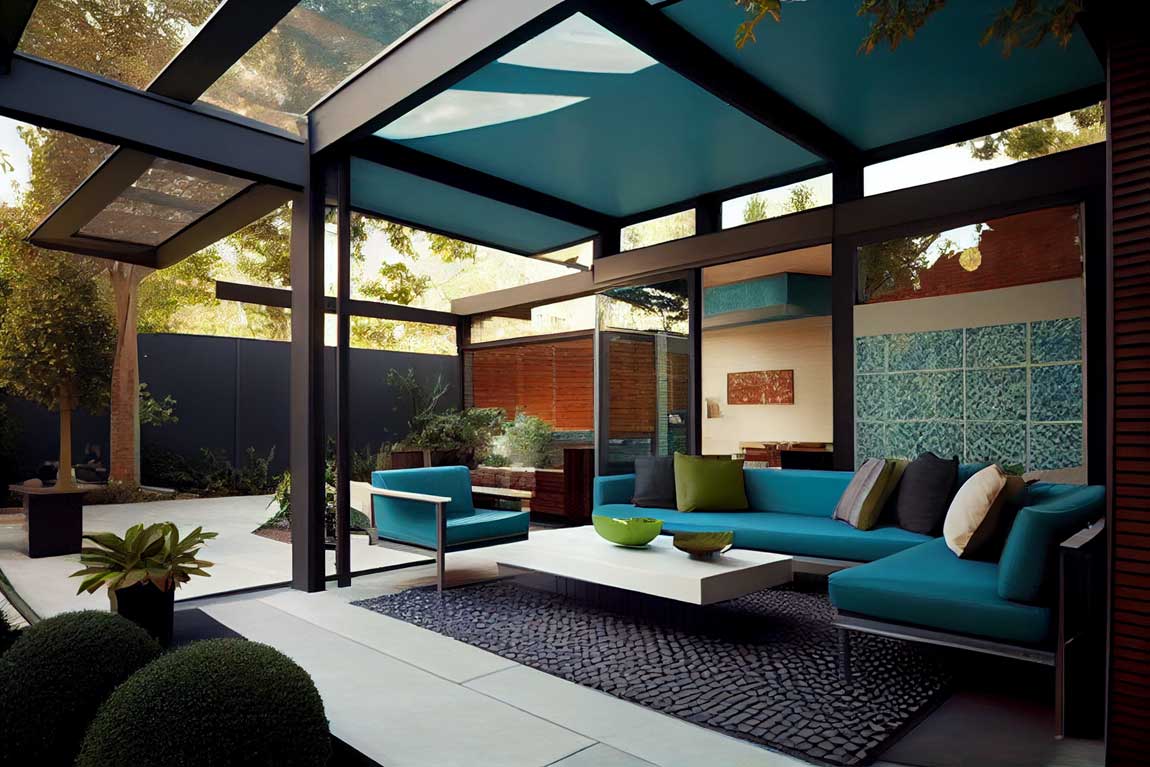
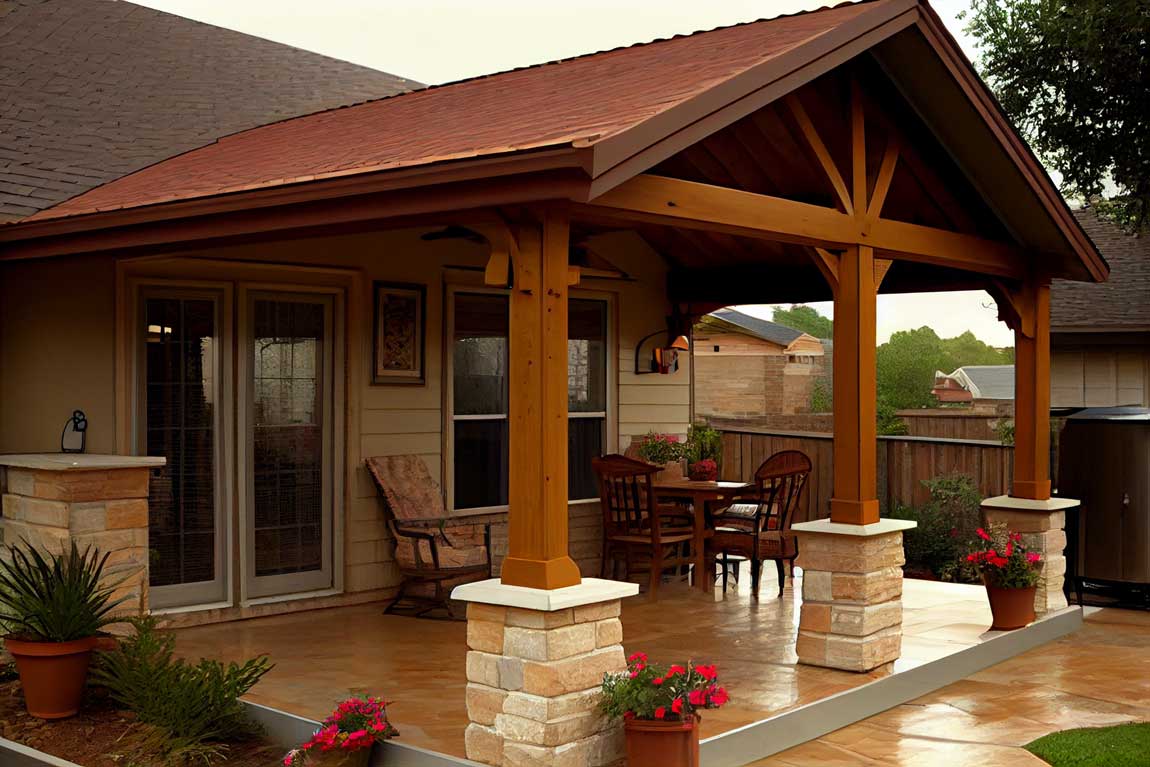
A patio cover is a roof-like structure over a patio, and the range is wide. ArtFasad’s look at current patio cover designs describes pergola, retractable, shade sail, solid, outdoor room, combination and living wall versions. Pergolas let light filter through, solid covers give full shade, and outdoor room covers add walls, windows and doors so the space can be used year-round.
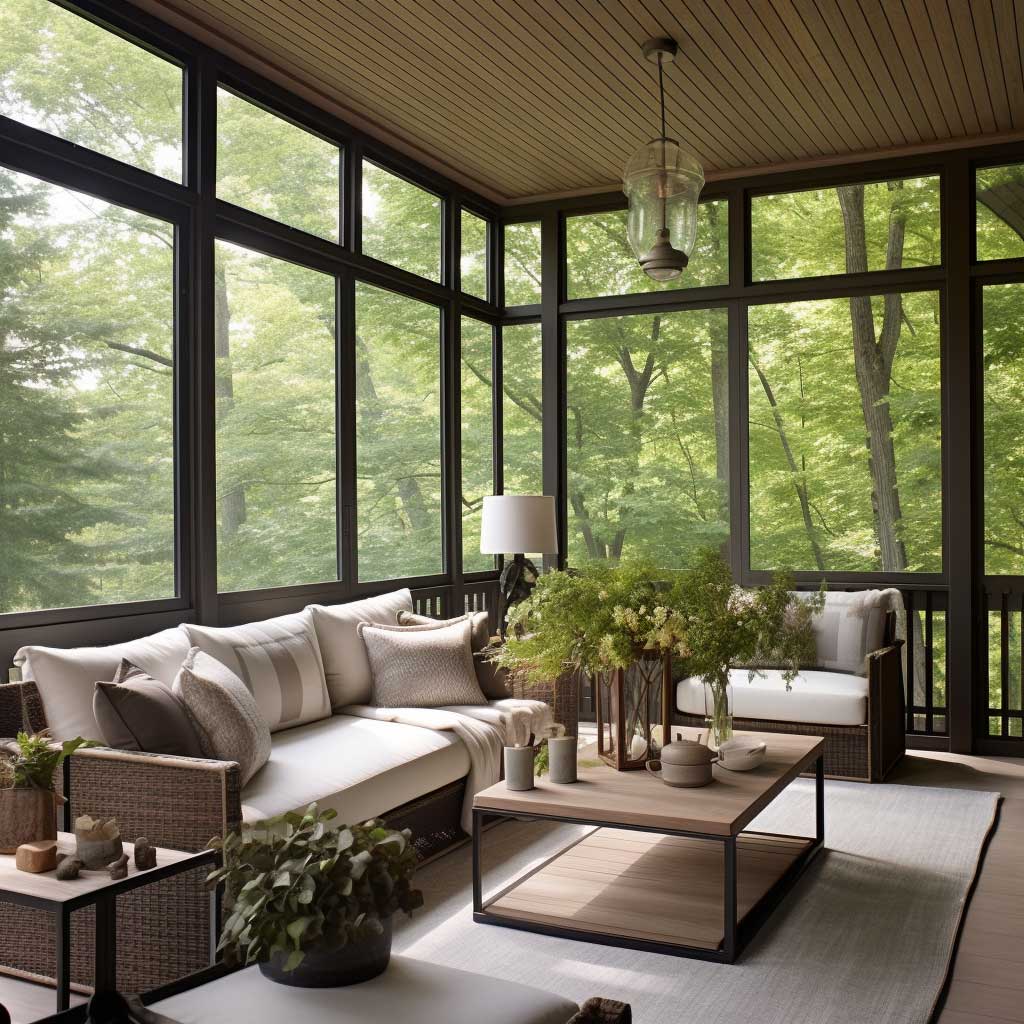
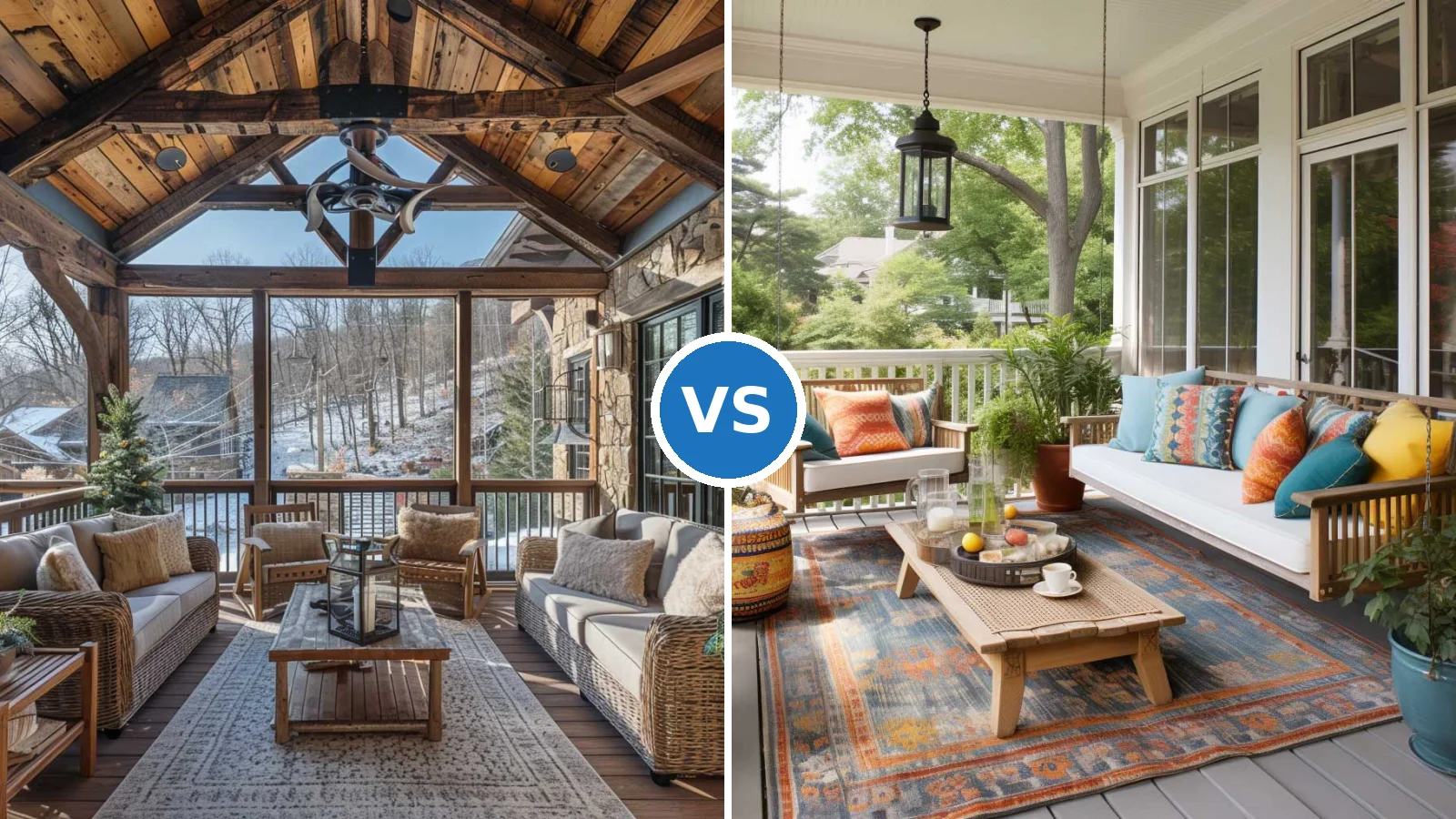
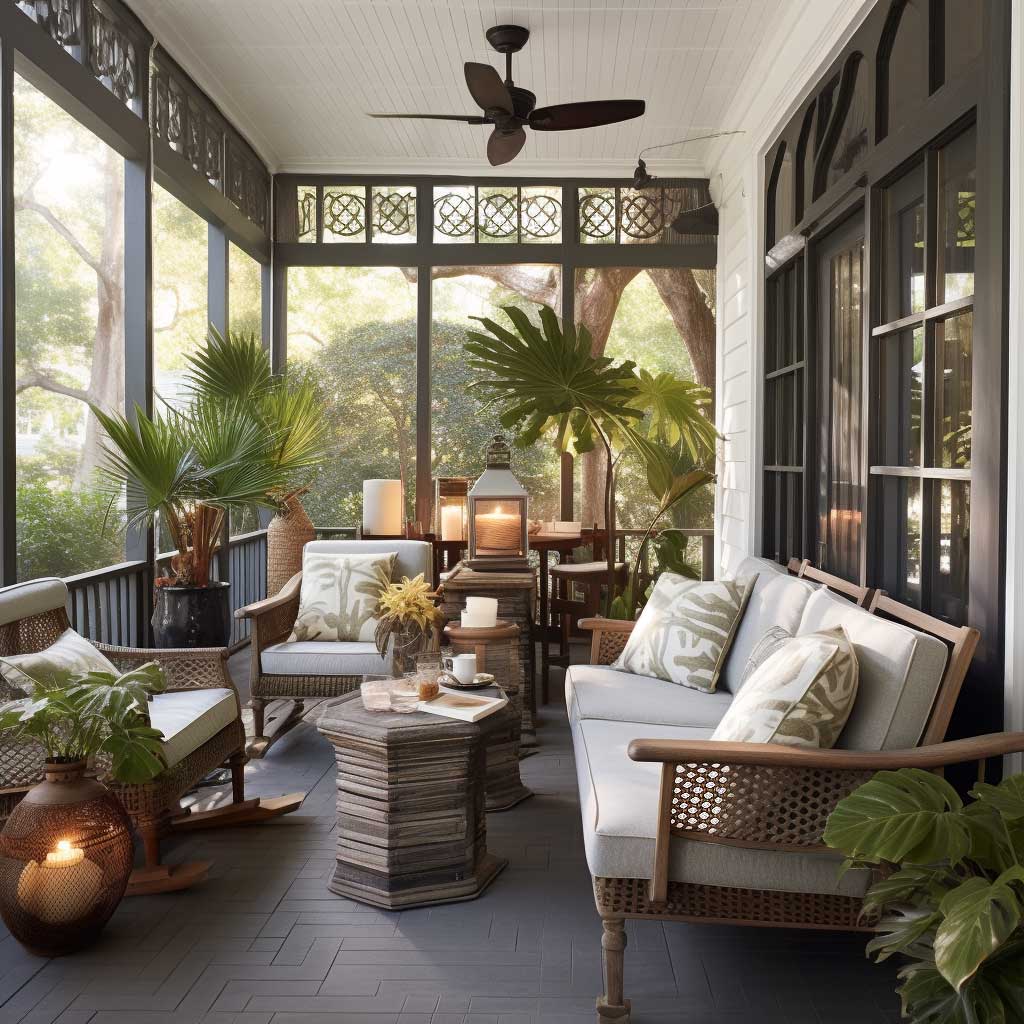
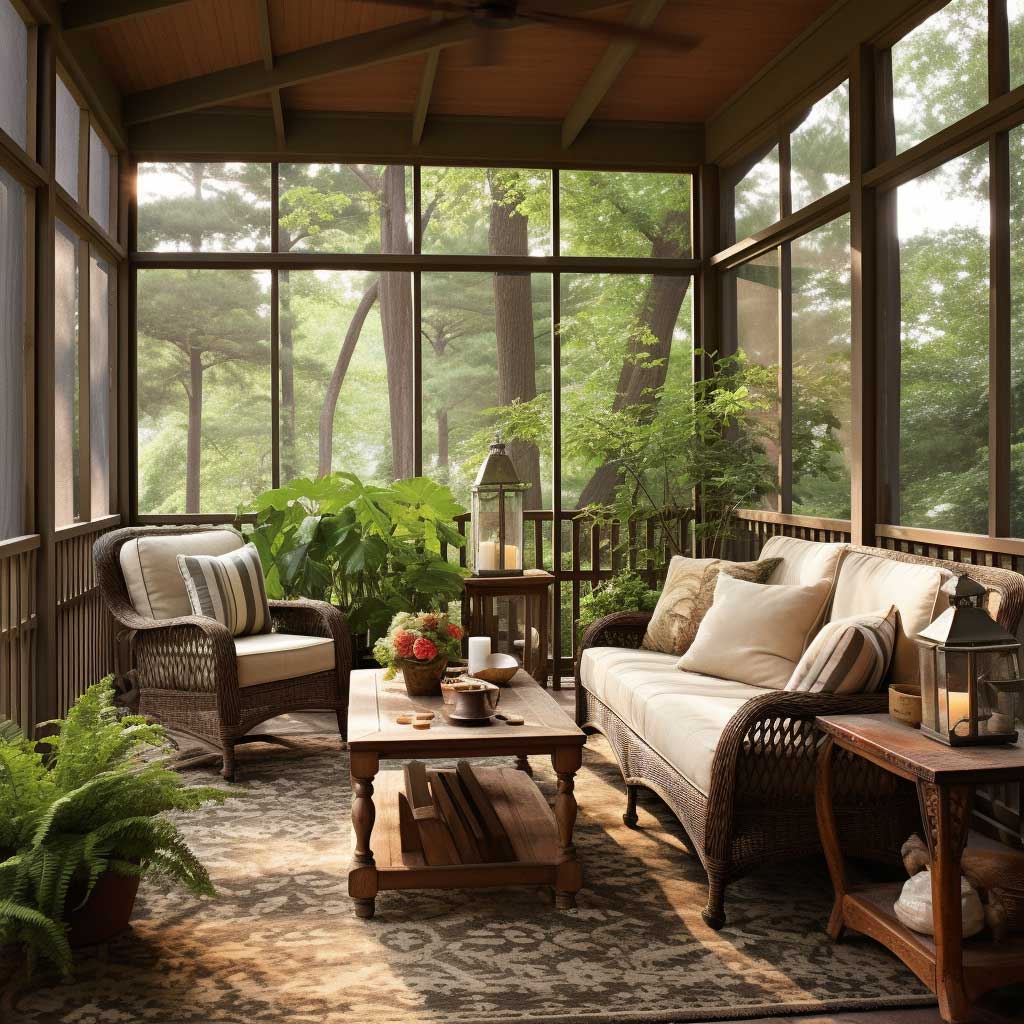
A screened porch wraps an outdoor sitting area in mesh. Its screened porch design styles article stresses that the screen material and furniture choices decide whether the space is still used a few years after the build. In short, the cover is about the roof, and the porch is about the walls of screen.
Quick Verdict
- Choose a patio cover if you already have a patio and want to control shade, light and rain cover, from a retractable roof to a solid ceiling.
- Choose a screened porch if insects are the main reason you avoid sitting outside and you want a room-like space with a defined edge.
Head-to-head on the criteria that matter
The table below puts the two side by side. Neither option wins everywhere, and the right choice depends on what is actually stopping you from using your yard.
| Criteria | Patio cover | Screened porch |
|---|---|---|
| Main job | Shade and weather protection over a patio | An insect-free sitting room |
| Design range | Seven types, from pergola to outdoor room | Four styles, such as cozy corner and contemporary |
| Adjusting light and shade | Retractable and pergola options let you control it | Screens filter light, but the layout stays fixed |
| Insects | Open to the air unless built as an enclosed outdoor room | Screens keep insects out |
| Upkeep | No screens to re-tension or replace | Fiberglass screen lasts about 7 to 10 years; aluminum holds its shape in wind |
| Cost information | Depends on the type; get quotes | $2,000 to $5,000 to screen an existing porch; $10,000 to $35,000 for a new 200 sq ft build |
Where a patio cover wins
Flexibility is the patio cover’s strongest card. A retractable cover opens or closes at the touch of a button, so you can have sun in the cooler months and shade when it is hot. Pergolas can carry climbing plants, and solid covers can hold lighting or ceiling fans.
It also needs less ongoing attention on the enclosure side. With no mesh to stretch, fade or replace, the main decisions are the roof material and style, such as wood, aluminum or vinyl for solid covers. Anyone who wants a project that grows in stages can start with a pergola and move to a combination design later.

Where a screened porch wins
The screened porch is the better answer to insects. The screens act as walls, filtering light and creating a sitting area that feels like an indoor room, which is why the style suits people who want to read, eat or work outside without interruption.
It also comes with concrete numbers to plan around. Fiberglass mesh is the cheapest screen, at $0.20 to $0.35 per square foot, but it degrades faster in sun-exposed, south-facing spots. Aluminum costs $0.45 to $0.75 per square foot and resists sagging in wind, so it suits sites that get regular gusts.

The most common mistake when choosing
The usual error is picking by looks and treating the covering as an afterthought. On a south-facing screened porch, standard fiberglass mesh can bow outward within two summers, which leaves gaps for insects, the exact problem the porch was built to solve. A PVC-coated polyester screen at $0.60 to $1.00 per square foot holds its tension longer, and the extra cost on a small enclosure is modest.
The same logic applies to patio covers. An open pergola gives filtered light but not full shelter, so someone who wants to sit out in wet weather should look at a solid or retractable cover instead.

Who should choose which
Go with a patio cover if the patio already exists, you want flexible shade, and a few insects are tolerable. An outdoor room version is the closer match if you want walls, windows and year-round use, although it is a bigger project.
Go with a screened porch if bugs keep you indoors, you prefer a defined room-like space, and you accept that the screens are a component to maintain. Request written quotes for both, ask what screen or roof material each includes, and compare them against how you will really use the space.