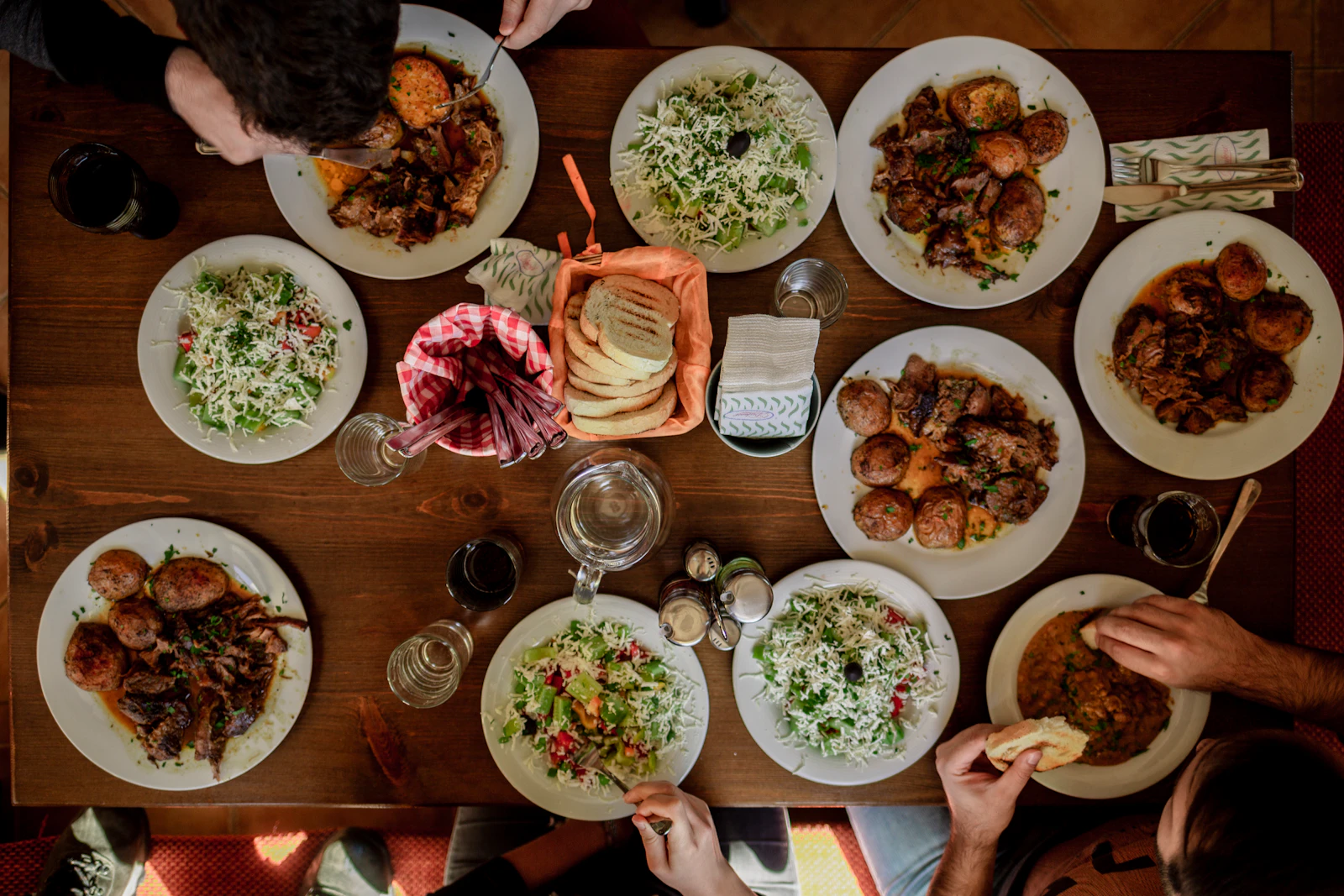
A Friendsgiving potluck is a Thanksgiving-style meal shared among friends, where the host provides the space and usually the main dish while guests each bring one assigned part of the menu. It suits groups who cannot all travel home for the holiday, or who want a relaxed meal of their own alongside family plans. The single most important step is assigning dishes by category in advance, so the table does not end up with four bowls of mashed potatoes and no dessert.
Thanksgiving falls on Thursday, November 26, 2026, which leaves roughly two weeks to plan. Most groups pick a date around the holiday weekend rather than the day itself, and the rest of the planning follows from that choice.
Picking a date that people can actually make
According to SignUp’s Friendsgiving hosting tips, the gathering is usually held on the Wednesday before or the Friday after Thanksgiving Day, though nothing stops a group from hosting weeks earlier. The Wednesday slot catches friends before they travel; the Friday slot works for those who stay in town and want a second, lower-key feast.
An earlier weekend in November often draws a fuller table, since nobody is juggling family obligations or airport runs. If children are coming, a lunch or early dinner keeps the evening calm and lets parents leave before bedtime.
Quick Tips
- Send the date and dish sign-up in the same message.
- Ask about allergies and dietary needs at the invite stage, not on the day.
- Count seats, plates and cutlery before you confirm the guest list.
- Keep oven and stovetop time free for reheating guests’ dishes.
- Set out snacks and drinks first in case dinner runs late.
Dividing the menu by category
The easiest system is a shared sign-up with slots for each course: appetizers, mains, sides, desserts and drinks. SignUp suggests also adding slots for setup and cleanup volunteers and any supplies guests should bring, such as ice, serving spoons or folding chairs. A shared spreadsheet or group-chat list does the same job, as long as everyone can see what is already taken.
As a rough split, the host covers the main protein and gravy, and the remaining guests divide sides, bread, salad, dessert and drinks. Encourage people to sign up for what they cook well rather than what sounds impressive; a reliable green bean dish beats an untested soufflé.
Handling allergies and dietary needs
A potluck makes it hard to know what is in each dish, which matters for guests with allergies. One simple fix is a small card next to every dish listing its name, the person who made it and key allergens such as nuts, dairy or gluten. SignUp recommends having guests fill out an allergy tag for each dish when they arrive.
If a guest is vegetarian or vegan, make sure at least one main-sized dish works for them, not only side salads. Ask the person assigned to that dish to label it clearly and serve it with its own spoon.
Planning the space before the food
QNS suggests starting with a simple spreadsheet that answers practical questions: how many seats are available, and whether there are enough plates and silverware. Those limits should decide the guest list, not the other way round.
Map out where food will sit. Hot dishes need oven or stovetop time, so stagger arrivals or ask guests to bring dishes that only need a short reheat. A buffet line along a counter usually moves faster than passing heavy platters around a crowded table. If the evening grows into a larger drop-in gathering, the format starts to resemble a holiday open house, which needs a different flow.
The mistake that slows the whole evening
The most common problem is timing. If guests arrive with dishes that still need a long bake, the host’s oven becomes a bottleneck and the meal starts late. For example, a turkey that needs the oven until serving time leaves no room for three casseroles that arrive cold.
Solve it before the day: tell guests which dishes should arrive ready to serve, which can sit at room temperature, and how much reheating time is available. Keep perishable food out only while people are eating, then refrigerate it promptly, following current food-safety guidance.
Wrapping up with leftovers and cleanup
Leftovers are part of the appeal. Buy a stack of takeaway containers or ask guests to bring their own, then send each person home with a share. Cleanup goes faster when the volunteers from the sign-up already know their role, whether that is loading the dishwasher or packing up borrowed chairs.
A short gratitude round, an easy table game or a simple dessert course keeps the group together after the main meal, and gives the host a chance to sit down before the dishes begin.