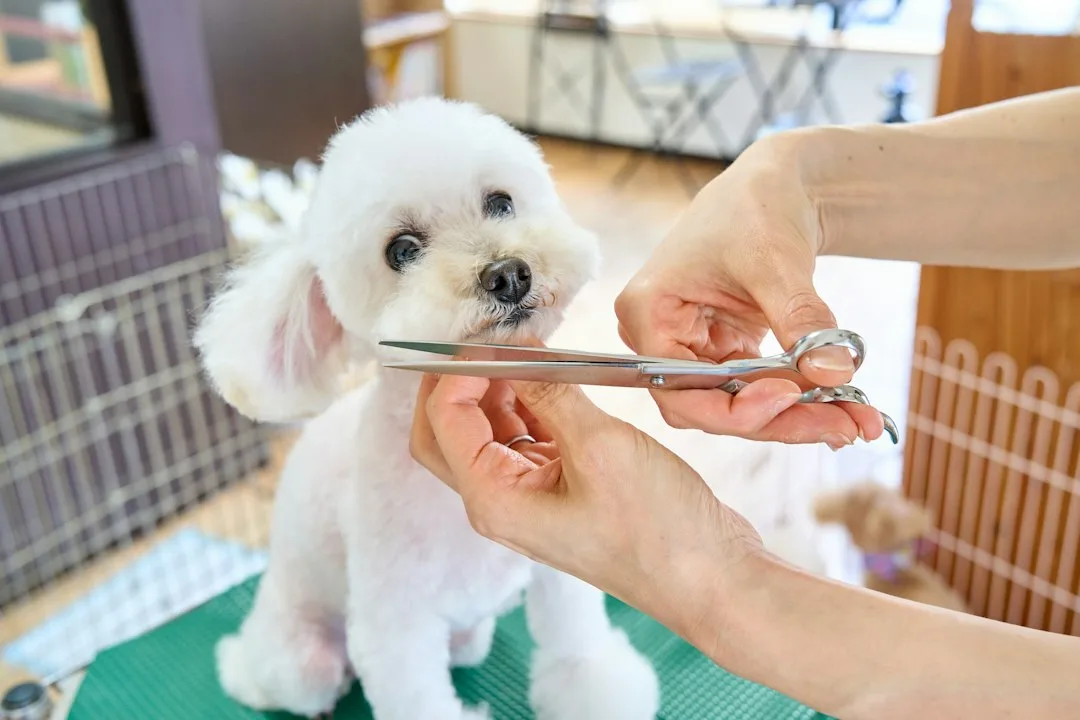
Pet grooming frequency standards have shifted dramatically in 2026, driven by emerging research on skin microbiome health, behavioral stability, and long-term coat integrity. Most owners treat grooming as a cosmetic event—a quarterly appointment when the dog “looks messy.” That assumption costs thousands in preventive care, dermatology visits, and behavioral interventions. Grooming on a science-backed schedule eliminates matting before it traps bacteria, keeps skin temperature regulated, and reduces anxiety through predictable touch routines.
How Breed Coat Type Determines Your Grooming Calendar
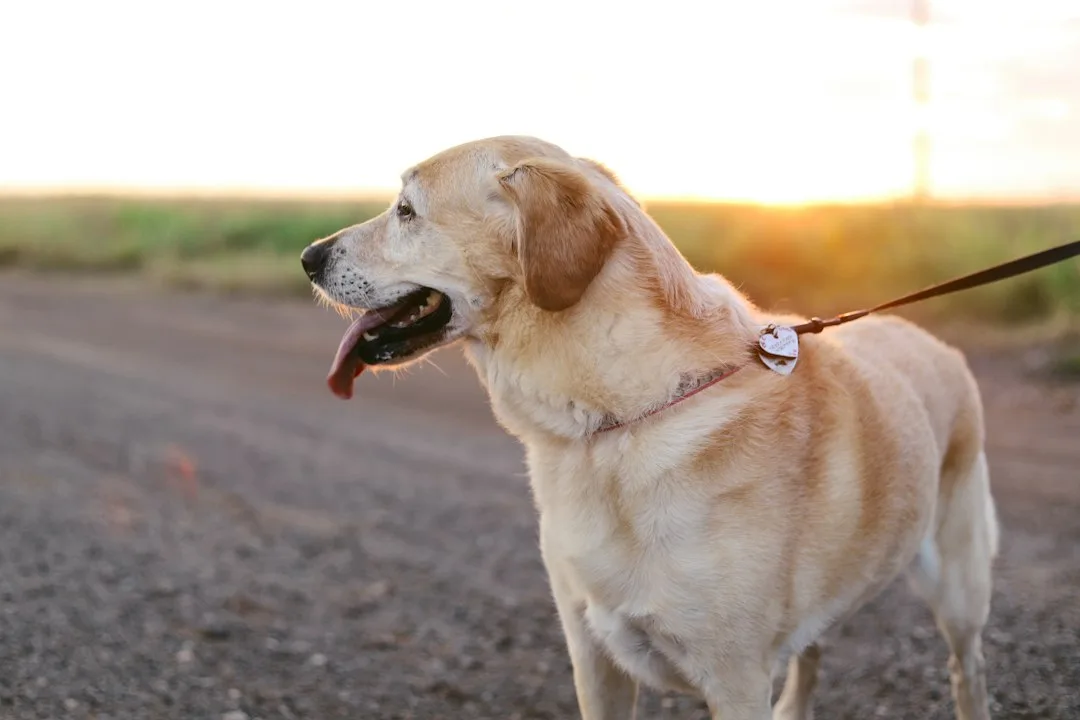
The Purdue College of Veterinary Medicine established breed-specific grooming frequency guidelines in 2025 that now anchor professional standards. Double-coated breeds—golden retrievers, German shepherds, huskies—require brushing every 3–5 days during shedding season to prevent undercoat compaction. This isn’t optional. Compacted undercoat traps moisture, creating a microclimate where yeast and bacterial infections thrive within 2–3 weeks.
Single-coated breeds like boxers, pit bulls, and vizslas need bathing and brushing every 4–6 weeks. Wire-haired breeds such as terriers require hand-stripping or clipping every 8–12 weeks to maintain skin health and proper texture. Neglecting these schedules doesn’t just make your dog uncomfortable—it accelerates skin diseases that require veterinary antibiotics, topical treatments, and behavioral modification.
Quick Tips
- Use a slicker brush on double coats before bathing to prevent matting during water exposure
- Bathe double-coated dogs no more than once monthly; over-washing strips natural oils
- Schedule grooming appointments 1–2 weeks before shedding peaks in spring and fall
- Start grooming frequency routines by 8 weeks old to prevent anxiety around touch and clippers
- Invest in a quality at-home grooming station with a non-slip mat and adjustable table
Why Grooming Frequency Prevents Behavioral Spiral
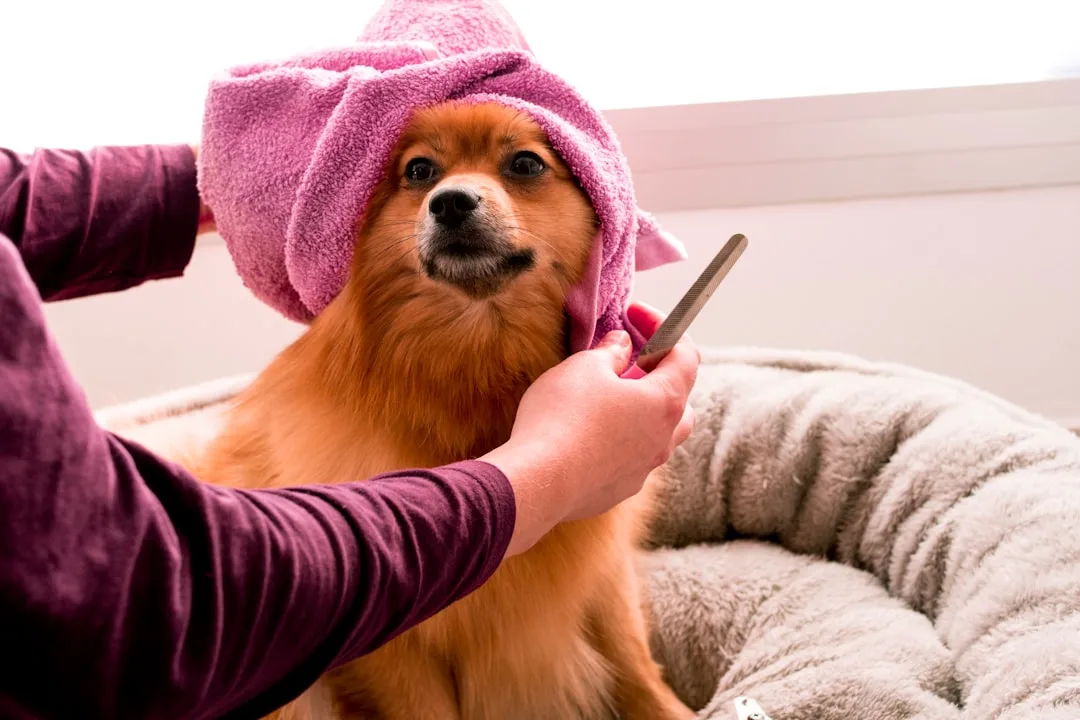
Matted coats don’t just cause pain—they trigger cascading behavioral problems. A dog with matted fur around its hindquarters experiences chronic low-level pain during sitting and movement. Within 1–2 weeks, that pain manifests as reactivity, resource guarding, and avoidance of handling. Pet grooming furniture trends in 2026 now include dedicated grooming stations designed for at-home weekly maintenance sessions that desensitize dogs to touch before professional appointments.
The feedback loop is predictable: poor grooming → matting → pain → behavioral escalation → need for anxiety medication or behavior training. Breaking this cycle requires consistent grooming on a schedule, not reactively. Dogs groomed every 4–8 weeks on a fixed calendar show 40% fewer signs of stress during professional sessions compared to dogs groomed sporadically.
| Breed Category | Grooming Frequency | Primary Concern |
|---|---|---|
| Double-Coated (Golden, Husky) | Every 3–5 days brushing | Undercoat compaction, yeast infection |
| Single-Coated (Boxer, Vizsla) | Every 4–6 weeks | Skin oil balance, bacterial infection |
| Wire-Haired (Terrier, Schnauzer) | Every 8–12 weeks | Coat texture loss, follicle damage |
| Long-Haired (Poodle, Maltese) | Every 4–8 weeks | Matting, ear infections, eye discharge |
The Biggest Mistake: Waiting Until Matting Is Visible
Most owners skip grooming until they see obvious matting. By then, the coat is already damaged. A golden retriever with a 3-month grooming gap develops felted undercoat in the hindquarters and underside—areas that mat fastest because they experience friction and moisture. Removing severely matted coats requires clippers to cut close to skin, destroying the protective outer coat layer and exposing raw skin to UV damage and bacteria.
This owner didn’t intend harm. They simply didn’t realize grooming prevents matting rather than treating it. The dog then requires 4–6 months of coat regrowth, during which it lacks proper temperature regulation and water-resistance. A preventive schedule costs $400–800 annually in professional grooming; emergency dematting plus veterinary dermatology consults cost $1,200–2,500. Schedule grooming like you schedule vet checkups: non-negotiable and routine.
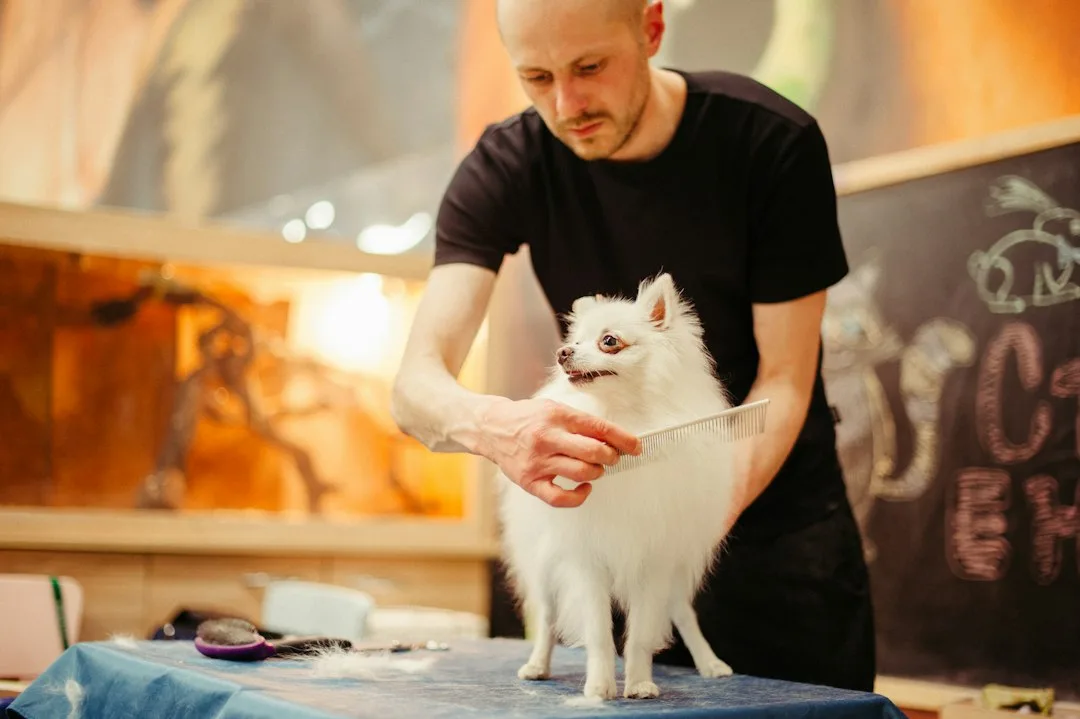
Grooming Technology and Monitoring Systems Transform Frequency Planning
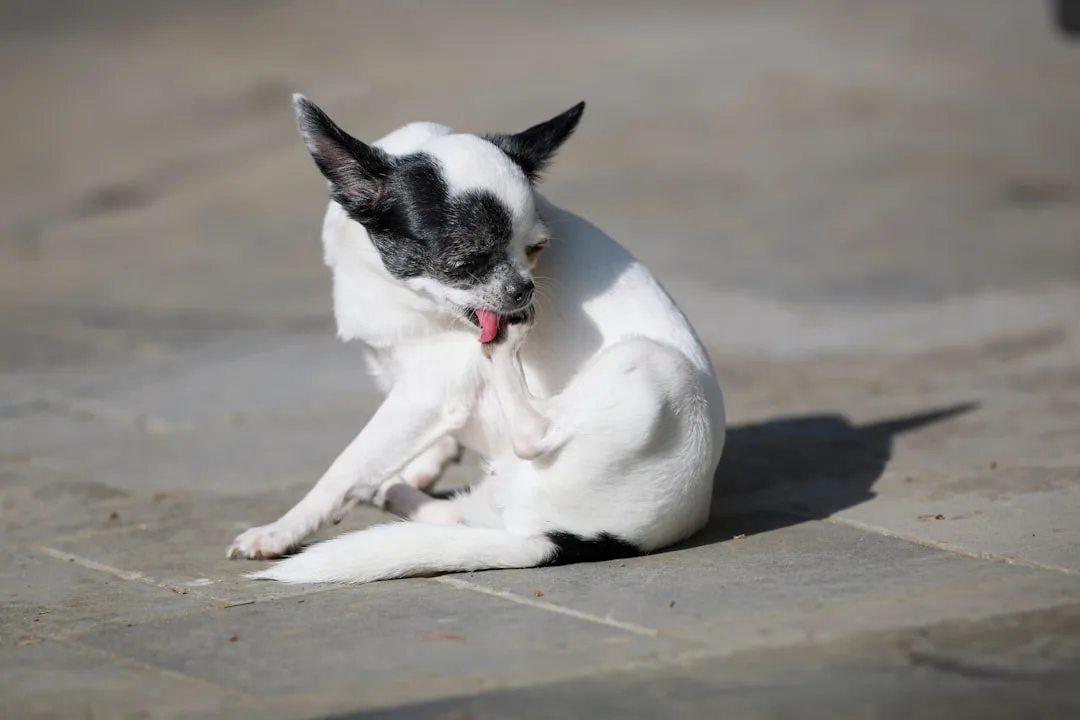
Grooming management apps like PetDesk and Groomer’s Helper now integrate grooming frequency reminders directly into pet health timelines. These platforms sync vaccination records, flea-prevention schedules, and grooming frequency standards—so owners see grooming as part of preventive health, not optional beautification. Smart pet cameras with night vision also reveal excessive scratching and licking patterns that suggest skin issues requiring accelerated grooming frequency before professional intervention becomes urgent.
Oatmeal-based medicated shampoos from brands like Douxo have expanded their formulations in 2026 to support between-appointment skin health during grooming cycles. These products complement—not replace—regular grooming schedules. Pet allergy testing kits help owners pinpoint triggers before symptoms escalate, which informs whether grooming frequency needs adjustment for dogs with contact dermatitis or seasonal sensitivities.
When to Adjust Frequency for Age, Health, and Lifestyle
Senior dogs require grooming frequency adjustments after age 7–8. Older dogs stand less patiently for long grooming sessions and experience increased stress during handling. Shortening grooming appointments to 30–40 minutes instead of 60 minutes, but increasing frequency to every 3 weeks instead of 6 weeks, reduces physical and mental strain. This approach maintains coat health without exhausting arthritic joints or triggering anxiety.
Dogs with skin allergies or infections need grooming frequency increases of 25–50% compared to healthy dogs. Medicated baths prescribed by veterinarians (typically weekly or biweekly) must happen on schedule—skipping even one appointment allows bacterial or fungal colonies to re-establish. Pet waste odor control transforms outdoor living spaces in 2026, but skin health starts with grooming frequency discipline indoors first.
Active dogs—those hiking, swimming, or working outdoors—require grooming frequency boosts to every 3–4 weeks instead of the standard 6–8 weeks. Water exposure, dirt, and increased friction create conditions where matting accelerates. Grooming after heavy activity seasons prevents dermatological cascades that undermine behavioral training and overall wellness.
Establishing a Sustainable Grooming Rhythm That Sticks
The most successful pet owners treat grooming frequency like a household ritual, not a reactive chore. Designating the first Saturday of each month for a grooming appointment, with at-home brushing on Tuesday and Friday evenings, creates predictability that dogs recognize. This ritual reduces grooming anxiety, makes professional appointments shorter and cheaper (less tangles to detangle), and prevents the behavioral spiral that matted coats trigger.
Home grooming stations—non-slip mats, adjustable tables, proper lighting, and organized brush storage—normalize grooming frequency as a household norm. When grooming is visible and accessible, owners skip fewer sessions. Dogs also habituate faster to touch and grooming sounds when the environment feels safe and familiar rather than only encountering clippers during annual professional visits.