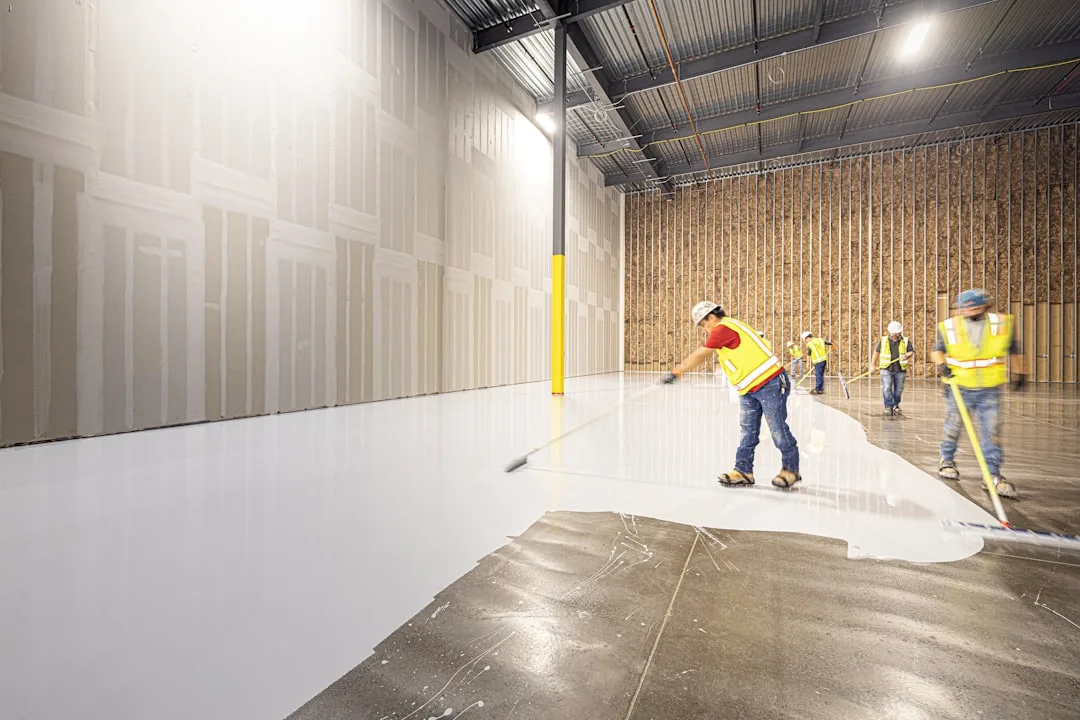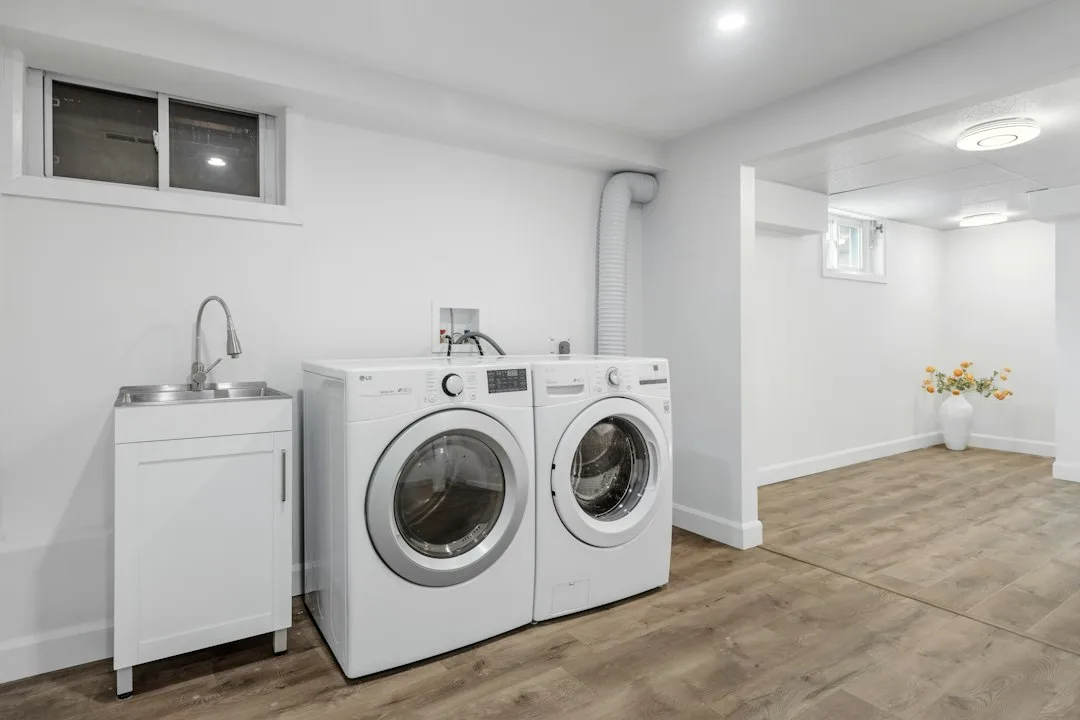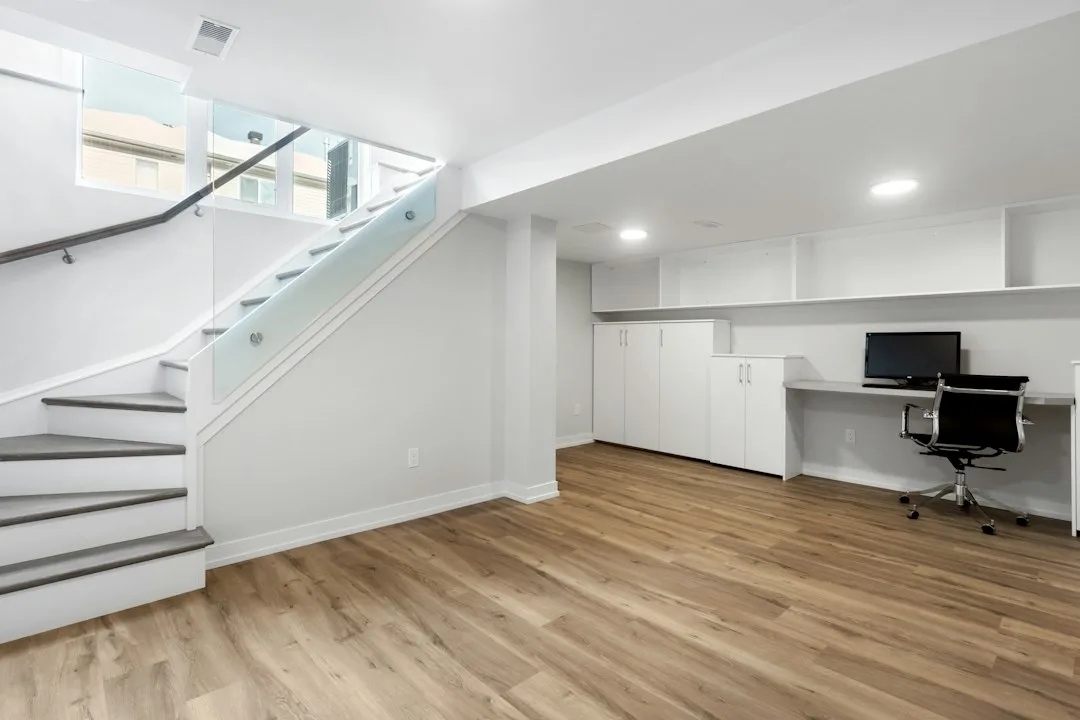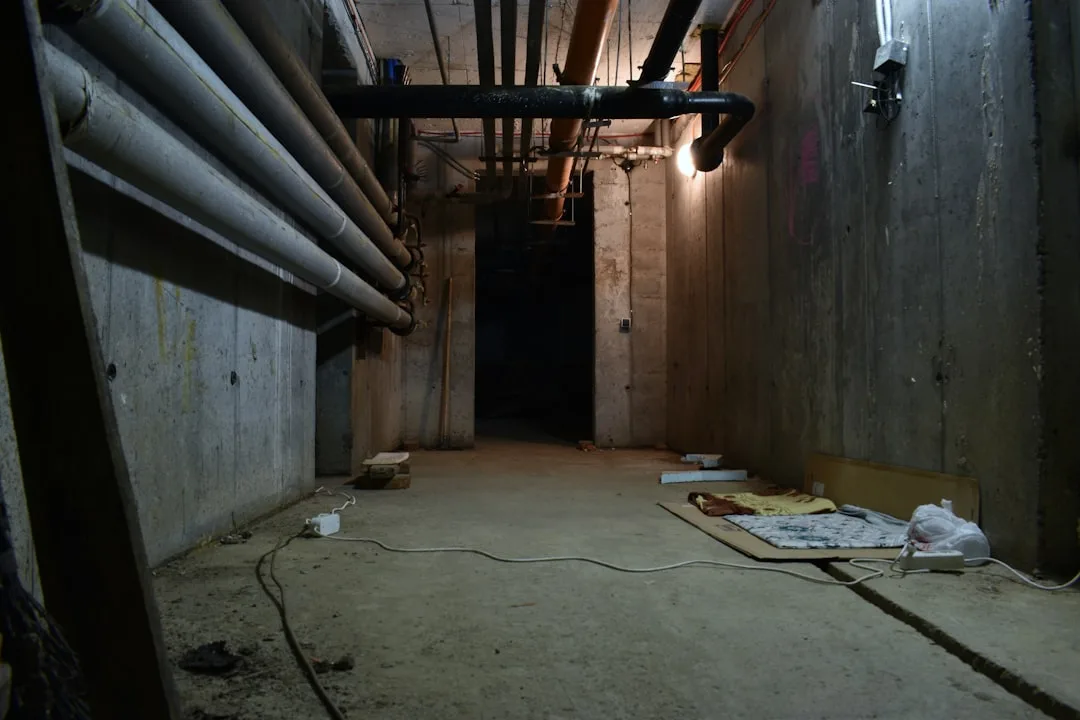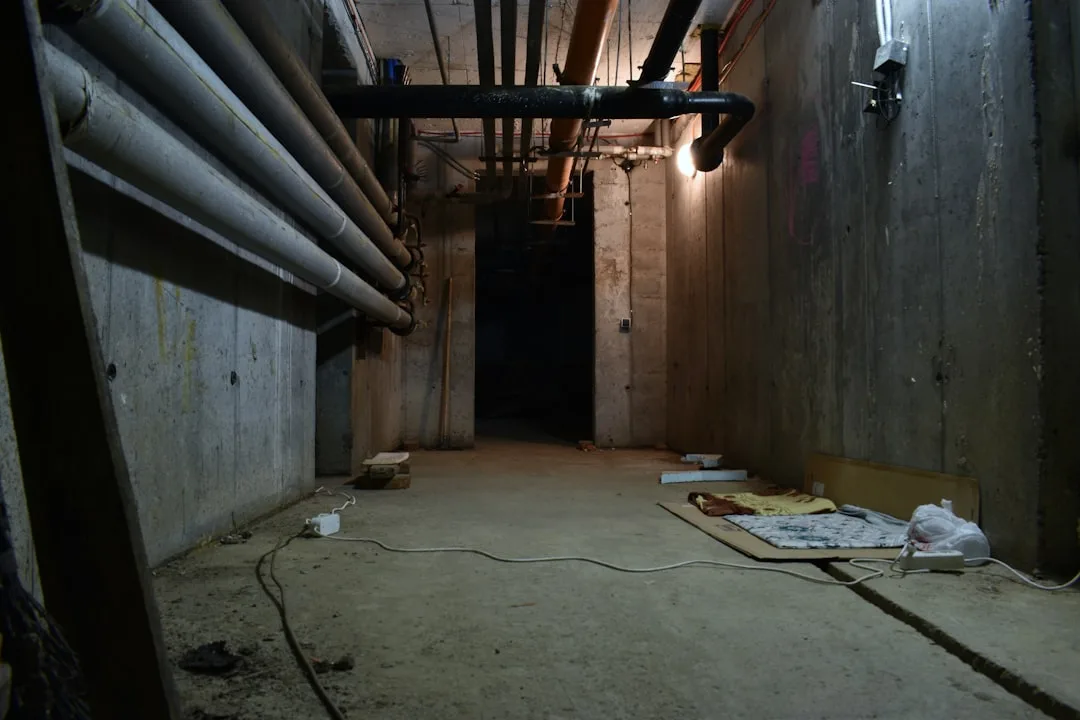
Walk into a basement in August 2026 and you’ll see a stark divide: raw concrete block walls still dominate lower-budget renovations, but finished interior basement walls now separate serious home improvements from half-measures. Interior basement walls finish has become the visible marker of whether a homeowner invested in proper moisture management or just slapped paint over structural risk.
The trend isn’t about aesthetics alone. Real estate appraisers in the midwest and northeast now dock 8-12% from basement valuations if interior walls remain exposed concrete or unfinished block—a shift that happened in just 18 months. Homeowners realized that finished walls signal both moisture control and livable intent to future buyers.
Moisture barrier systems anchor finished basement walls
Before any drywall touches a basement interior wall, a moisture barrier must create a sealed boundary. Dricore subfloor systems, common in 2024-2025 installations, are being paired with wall-mounted vapor barriers in 2026 work—the logic being that walls need the same protection as floors.
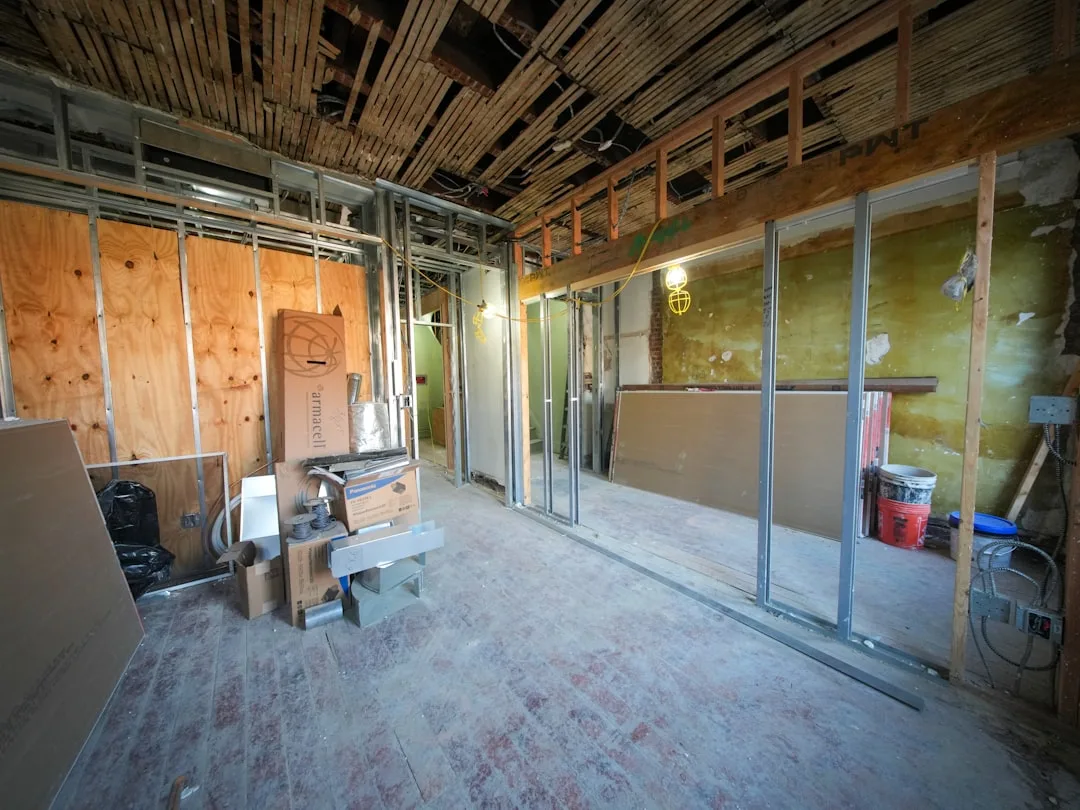
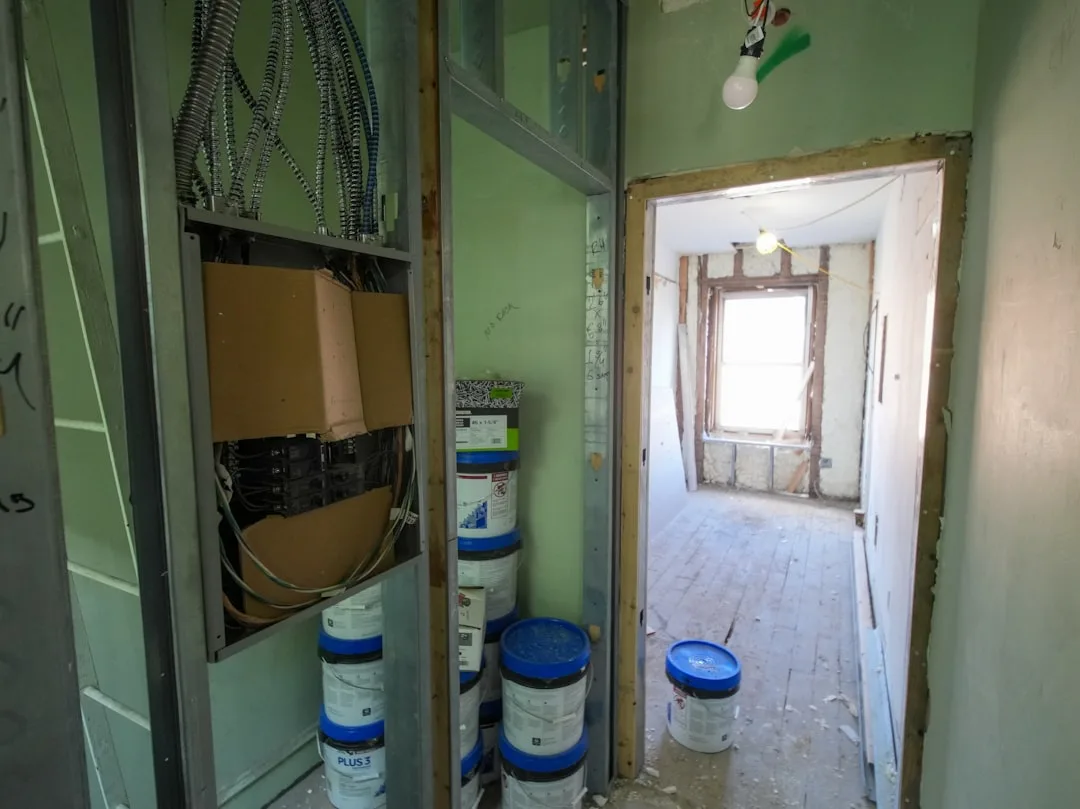
A typical sequence: apply a polyethylene or closed-cell spray foam moisture barrier directly to concrete, leaving a small air gap, then install metal studs (not wood) spaced 16 inches apart. Metal studs resist moisture absorption that would rot traditional lumber studs in weeks.
Omitting this step is the #1 mistake homeowners make with basement interior walls. Raw drywall stapled directly to concrete absorbs groundwater wicking up through the foundation—within 12-18 months, the drywall crumbles, mold colonizes the cavity space, and the entire wall must be torn out. The cost of repair (often $8,000-15,000 per wall) dwarfs the $600-1,200 upfront investment in proper barriers.
Quick Tips
- Install a 6-mil polyethylene sheet or closed-cell spray foam as your primary moisture barrier—do not skip this step
- Use non-corrosive metal studs rated for damp environments; wood studs will fail within 24 months in active basement moisture
- Leave a 1-2 inch air gap between the barrier and concrete to allow any residual moisture to dissipate
- Seal all seams in the vapor barrier with compatible tape; unsealed seams become water pathways
- Install a drainage mat at the base of interior walls if your basement has history of standing water
Drywall and finishing material choices shape long-term durability
Not all drywall is equal below grade. Standard 5/8-inch Type X drywall will fail in a basement; moisture-resistant (green board) or cement board drywall rated specifically for below-grade use is now standard in 2026 work.
Knauf PowerPanel and similar cement-based boards cost 40-60% more than standard drywall but resist mold and water damage for 15+ years instead of 2-3 years. The math is simple: replace drywall twice (failure + reinstall) or invest once in durable material.
| Material | Moisture Resistance | Lifespan Below Grade |
|---|---|---|
| Standard drywall | Low | 2-3 years |
| Moisture-resistant (green board) | Moderate | 5-7 years |
| Cement board | High | 15+ years |
| Closed-cell spray foam (full coverage) | Very high | 20+ years |
Closed-cell spray foam applied directly to basement concrete (2-3 inches thick) offers a hybrid approach: it serves as both moisture barrier and insulation, eliminates the need for separate vapor barriers, and creates a seamless wall system. Costs run higher upfront but warranty periods extend to 20+ years with major manufacturers like Demilec and Covestro backing their products.
Paint and surface finishes must be vapor-permeable
Interior basement wall paint choice determines whether your moisture management strategy succeeds or fails. Standard exterior paint applied inside acts as a moisture trap, sealing water into the cavity space and accelerating mold growth behind the wall.
Vapor-permeable basement wall paints from brands like Drylok and Kilz now dominate 2026 finishing schedules. These formulations allow trapped moisture to escape to the interior (where dehumidifiers handle it) while resisting exterior water penetration. The difference is subtle but critical: moisture moves outward, not inward.
Priming concrete or cement board with a mold-inhibiting primer (such as Kilz 2 Primer) before topcoat adds a second failure barrier. If any moisture breaks through the wall system, the primer resists colonization long enough for remediation.
Interior wall finishes create livable aesthetics and function
Once the moisture envelope is sealed, interior basement walls can be finished to match living spaces above. 2026 trends show paneling and accent walls moving below grade—not as decoration, but as acoustic and thermal performance layers.
Cork composite paneling (sustainably sourced, chemically inert, and naturally sound-dampening) now appears in finished basements designed as home offices or guest suites. Wood-look vinyl planking (luxury vinyl plank, or LVP) applied directly over cement board creates a warm aesthetic while remaining impermeable to moisture.
Fabric-wrapped wall panels absorb echo and add color without requiring paint. Brands like Guilford of Maine produce acoustic panels designed for basement environments; they reduce basement’s characteristic hollow echo while resisting mildew growth.
The key insight: interior basement wall finishing is a system, not a single product. Moisture barrier + structural frame + durable drywall + vapor-permeable paint + finishing aesthetic—each layer depends on the others functioning correctly.
Testing and maintenance prevent hidden failures
After interior basement walls are finished, periodic moisture monitoring protects the investment. Calcium chloride moisture testing kits (sold by supplier brands like Tramex and Lignomat) detect moisture trapped in cavities before visible mold appears.
Run tests quarterly in new basements during the first year. If readings exceed 3 pounds of moisture per 1,000 square feet, your dehumidification system is undersized or the moisture barrier has failed somewhere. Early detection prevents costly wall removal.
As you plan basement improvement projects, interior wall finishing is the foundation of success. Compare this to broader home improvement strategy where moisture control and structural integrity come first, aesthetics second.
Interior basement walls finish separates rooms worth 95% of above-grade square footage from perpetual moisture risks. The 2026 standard is clear: seal first, frame second, finish last.