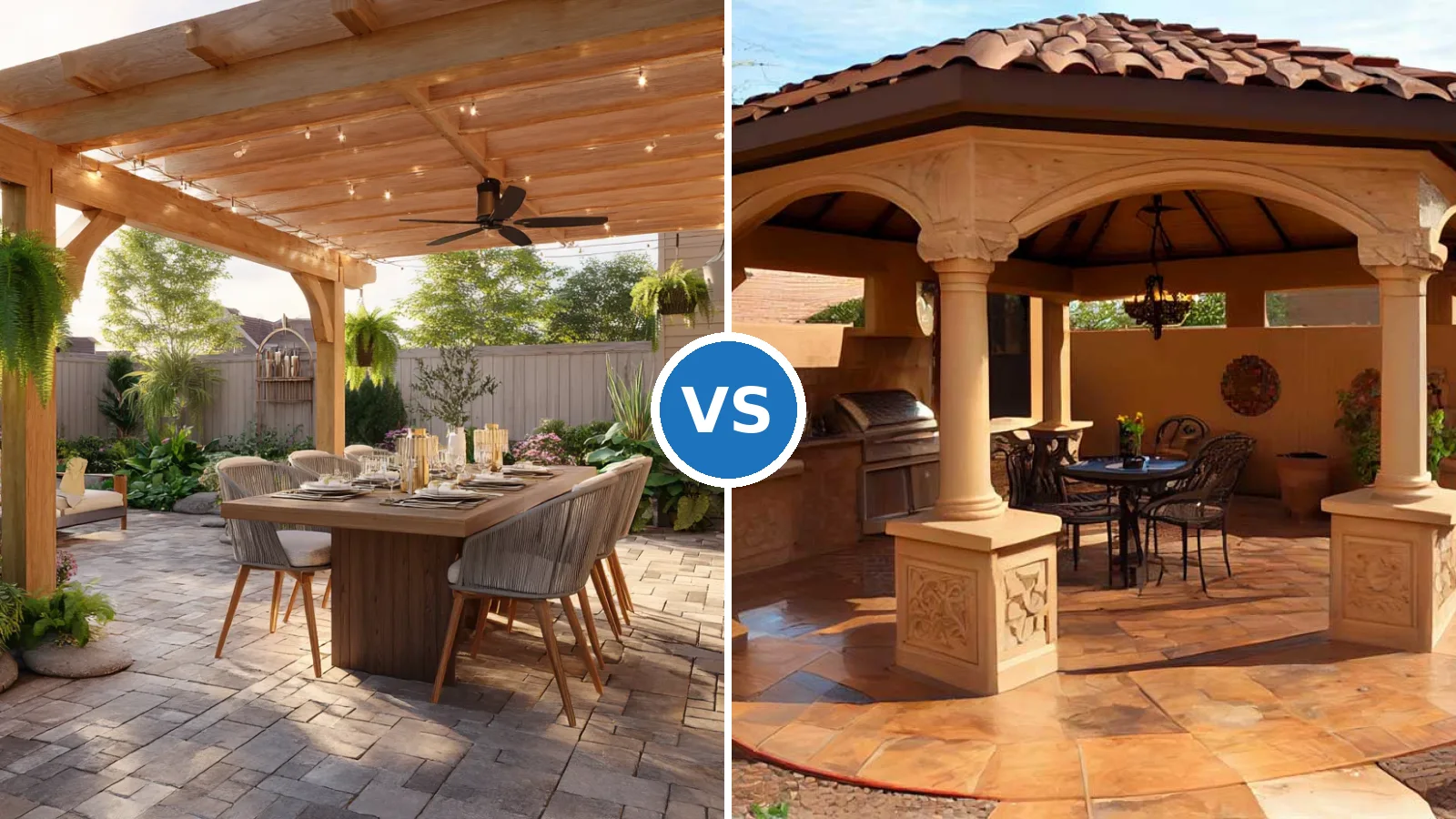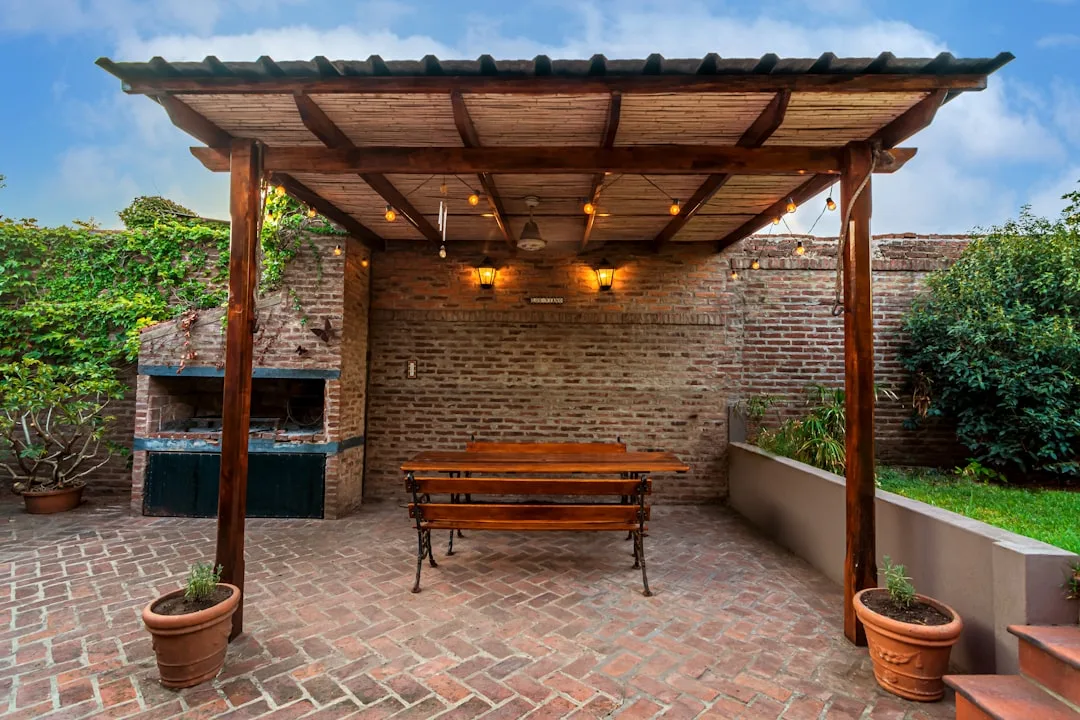
A residential architect in Portland redesigned her clients’ blank concrete patio by installing a motorized louvered shade structure in late 2025—and that single addition transformed their August afternoon gathering space into a year-round outdoor room they now use in February. Patio shade structures have stopped being seasonal accessories; they’re now permanent infrastructure that reshapes how homeowners think about outdoor time. The trend isn’t about suffering through heat anymore. It’s about controlling light, managing weather, creating intimacy, and—critically—extending the calendar.
Light Control Becomes the Real Design Driver
Most homeowners assume patio shade structures exist to block the sun. That’s part of the story, but it misses the actual draw. Louvered systems like those manufactured by Sunesta and Equinox allow you to adjust blade angle throughout the day, filtering harsh 2 p.m. rays while letting diffused morning light onto your outdoor dining table. You’re not eliminating light; you’re curating it.
The difference between a fixed pergola and an adjustable louvered structure shows up in how many months you’ll actually sit outside. Fixed structures cast the same shadow pattern every day—useful for June, useless for October when the sun sits lower and you need more warmth. Adjustable systems respond to seasonal sun angles and real-time weather. That flexibility translates to 8–10 months of usable outdoor living, not 3.
Consider the view lines too. A solid patio canopy or shade sail isolates you from sky and trees. A louvered system with adjustable slats keeps sightlines open while you control glare and heat gain below. You’re sitting in your backyard, not a tunnel.
Quick Tips
- Test your chosen shade structure’s blade angle range before purchase—verify it matches your latitude and the sun’s winter vs. summer arc
- Match structure depth to your seating depth; a 12-foot-wide lounge needs 10–12 feet of shade projection, not 6
- Install weather sensors if you choose motorized systems so blades close automatically in wind (typically above 20 mph)
- Choose light-colored blade undersides to reflect heat downward and reduce temperature gain by 3–5 degrees compared to dark materials
Materials Drive Durability and Maintenance Reality
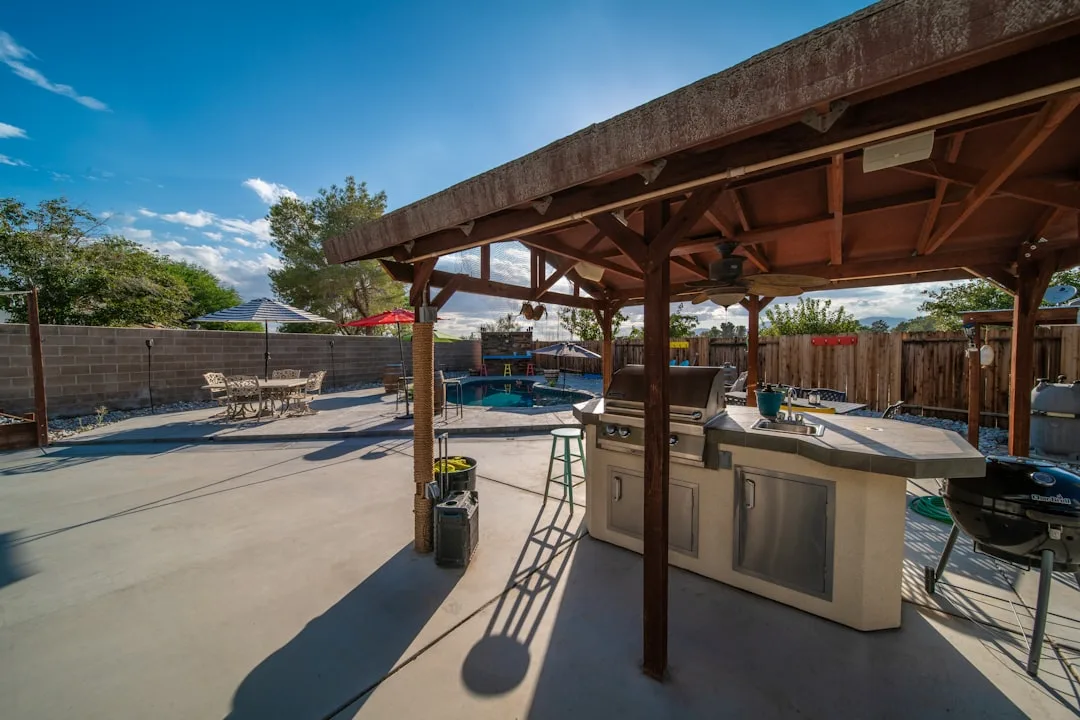
Shade structures aren’t all the same. Aluminum louvered systems (the category includes brands like Sunesta, Equinox, and Modular) cost more upfront—typically mid-range five figures for motorized installations—but require almost no maintenance beyond occasional cleaning. Aluminum doesn’t rust, splinter, or warp under UV exposure for decades.
Wood pergolas, by contrast, demand yearly staining or sealing to prevent rot, especially in humid climates. A cedar pergola looks warmer and photographs beautifully, but it’s a five-to-seven-year commitment to upkeep. Wood also doesn’t adjust for seasonal sun angle; it’s a static asset.
| Material | Maintenance Burden | Lifespan |
|---|---|---|
| Aluminum louvers | Minimal (rinse yearly) | 25–30 years |
| Cedar wood pergola | Annual stain/seal | 12–15 years |
| Retractable fabric shade sail | Monthly fabric check | 8–12 years |
| Steel frame shade structure | Annual rust inspection | 15–20 years |
Retractable shade sails (tension-mounted fabric systems) offer a compromise—lower cost than motorized louvers but higher maintenance than aluminum. Fabric can trap mildew in humid months and may need replacement every 8–10 years in high-UV regions. Choosing a structure is choosing a maintenance philosophy for the next 15 years.
The Mistake Most Homeowners Make First
The single biggest misstep: installing a shade structure sized for your furniture footprint, not your lifestyle footprint. You buy a 10×10 louvered canopy because your dining table is 4 feet by 6 feet. Then your family sits down on a humid August evening, and the table is shaded but the chairs overhang into brutal sun. You’re uncomfortable, the wood arms fade, and you resent the structure.
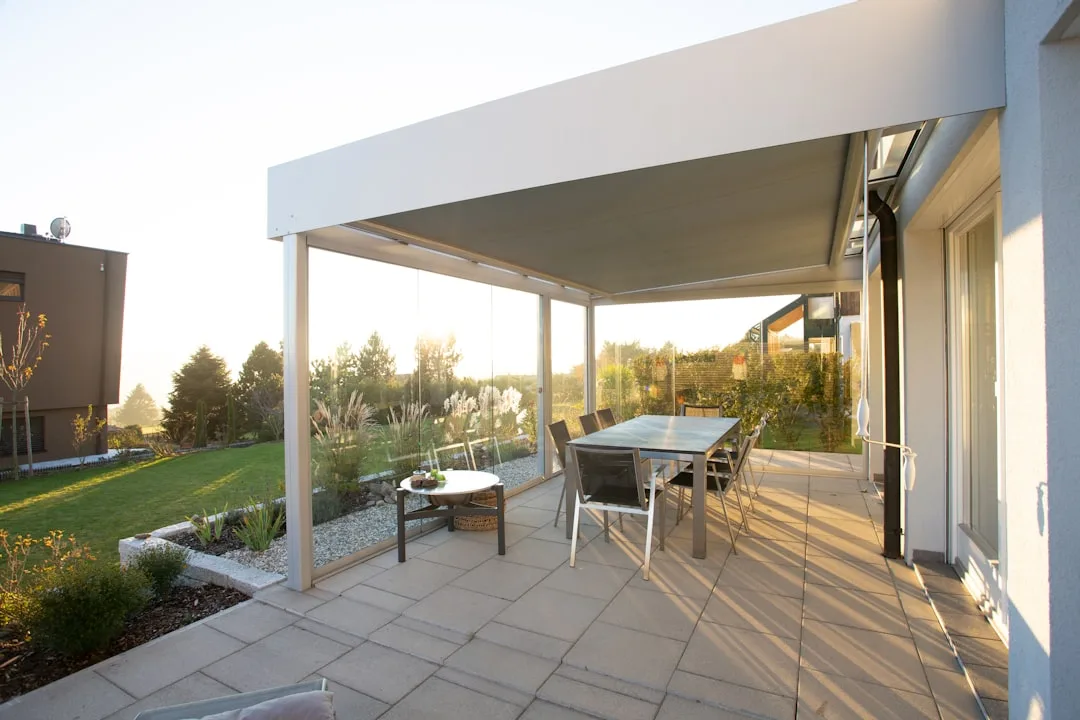
Shade needs to extend 2–3 feet beyond your seating perimeter in all directions. A proper patio shade structure for a standard outdoor dining setup requires at least 12 feet of depth and 14–16 feet of width. Beautiful Single Story House with Patio Yard examples show designers consistently over-sizing shade rather than undersizing it; there’s never regret about too much coverage, but undersizing creates an unusable expense. Plan for the entire gathering space, not just the furniture legs.
Thermal and Weather Performance Reshapes Seasonal Use
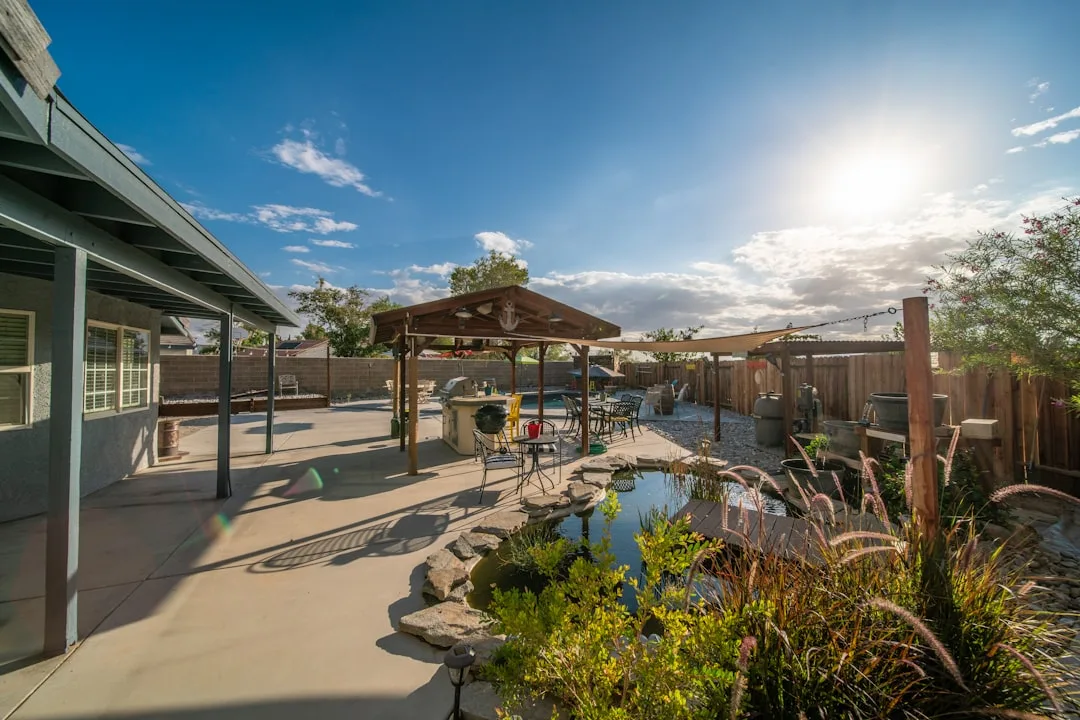
A motorized aluminum louvered system with light-colored blades can lower the temperature directly beneath it by 8–12 degrees Fahrenheit on a 95-degree day compared to full sun. That’s not marketing math; that’s radiant energy reflection. On a 75-degree evening in April, you can open the blades fully and let warming afternoon light through, extending your shoulder season by weeks.
Wind performance matters more than most buyers realize. Fixed pergolas absorb wind force across their entire plane. Louvered systems with closed blades dramatically reduce wind load—the air passes through rather than pushing against the structure. If you live in a region with wind gusts above 25 mph, a louvered structure is functionally safer than a solid canopy or pergola, and it requires less foundation depth.
Rain drainage is another hidden benefit. Louvered blades shed water away from the seating area below. A flat pergola or shade sail can trap standing water, turning your patio into a swamp after a storm. Concrete House Idea With Patio Style Courtyard designs show how integrated drainage channels under louvered structures direct water to perimeter downspouts, protecting the concrete substrate and extending its lifespan.
Smart Integration and Future-Proofing Your Investment
By 2026, the most practical patio shade structures integrate with existing smart home systems. Motorized louvers respond to light sensors, wind meters, and temperature thresholds automatically. When cloud cover arrives, blades open. When wind gusts spike, they close. You’re not managing shade with a remote or manual crank; the structure adapts to the weather in real time.
This isn’t luxury tech anymore—it’s mainstream across mid-range systems. Sunesta and Equinox models now ship with app-based controls and weather integration standard on motorized versions. The investment in motorization pays for itself in comfort consistency and extended usable seasons across spring, fall, and even mild winter days.
Material durability matters for longevity. Powder-coated aluminum in light gray or white resists salt spray in coastal yards and handles freeze-thaw cycles in northern zones without degradation. If you’re committing capital to a permanent structure, the material choice determines whether it functions beautifully for 25 years or becomes an eyesore by year 12.