Your home is more than shelter — it’s a living system of energy. Feng shui home design is the ancient Chinese practice of arranging your space so that energy, or chi, flows freely, nourishing every corner of your life. Whether you’re furnishing a brand-new apartment or rethinking a room that has always felt a little off, the principles of feng shui offer a surprisingly practical framework for creating spaces that feel genuinely good to be in.
This guide walks you through the core concepts, room-by-room applications, and modern adaptations of feng shui — with specific, actionable steps you can start today.
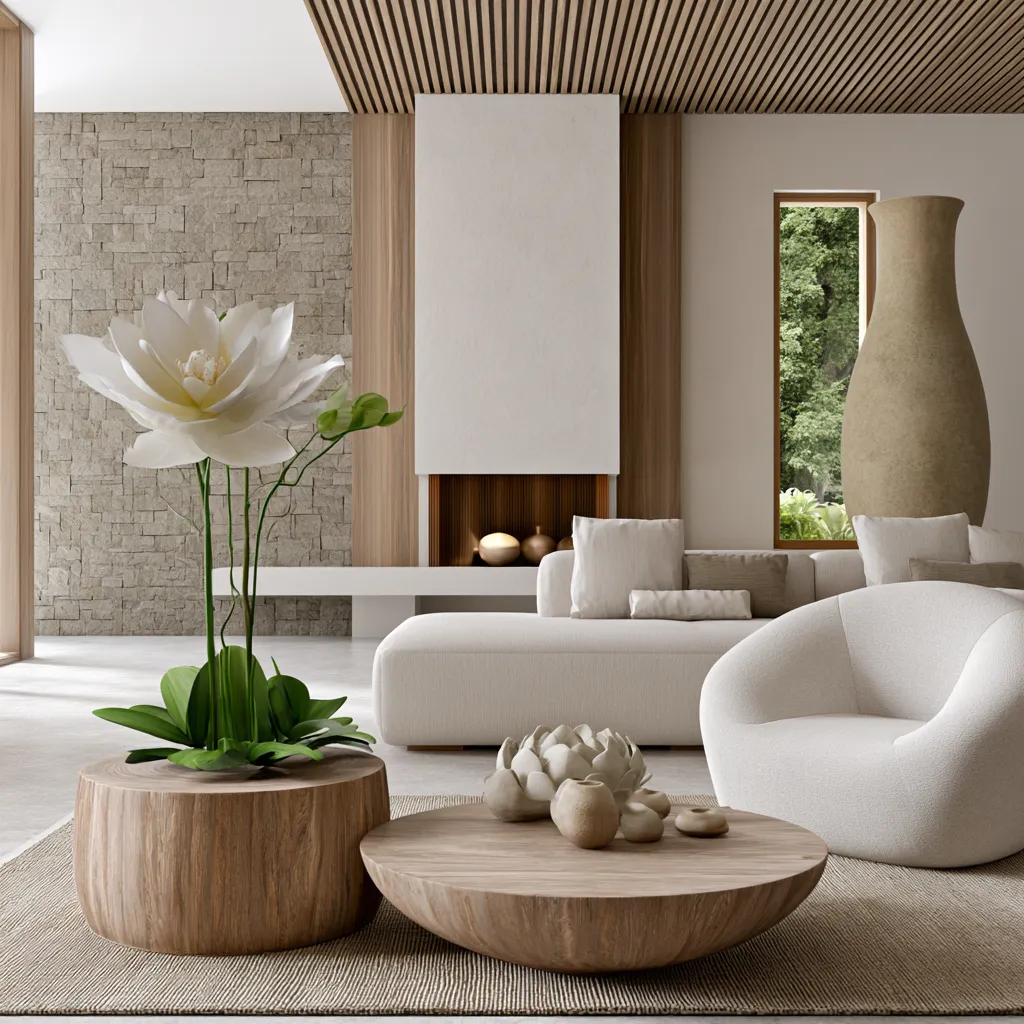
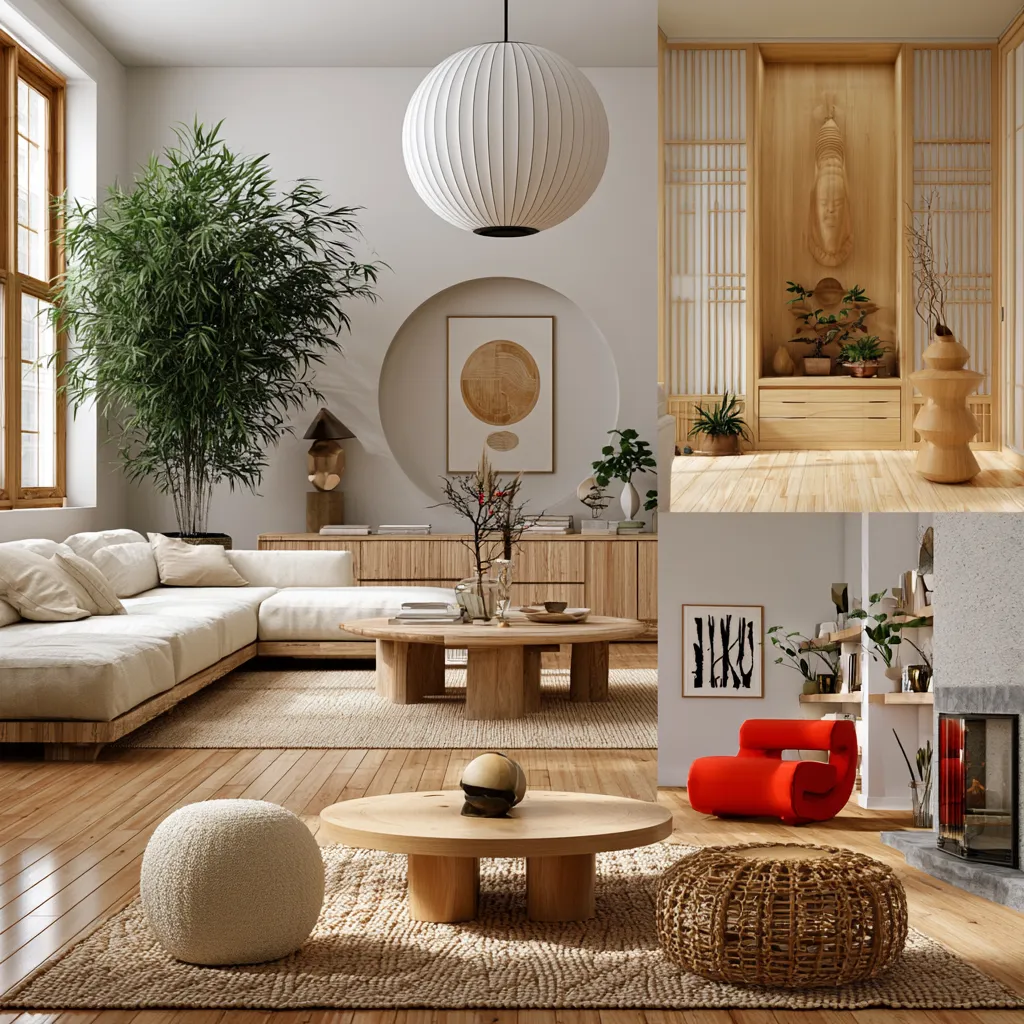
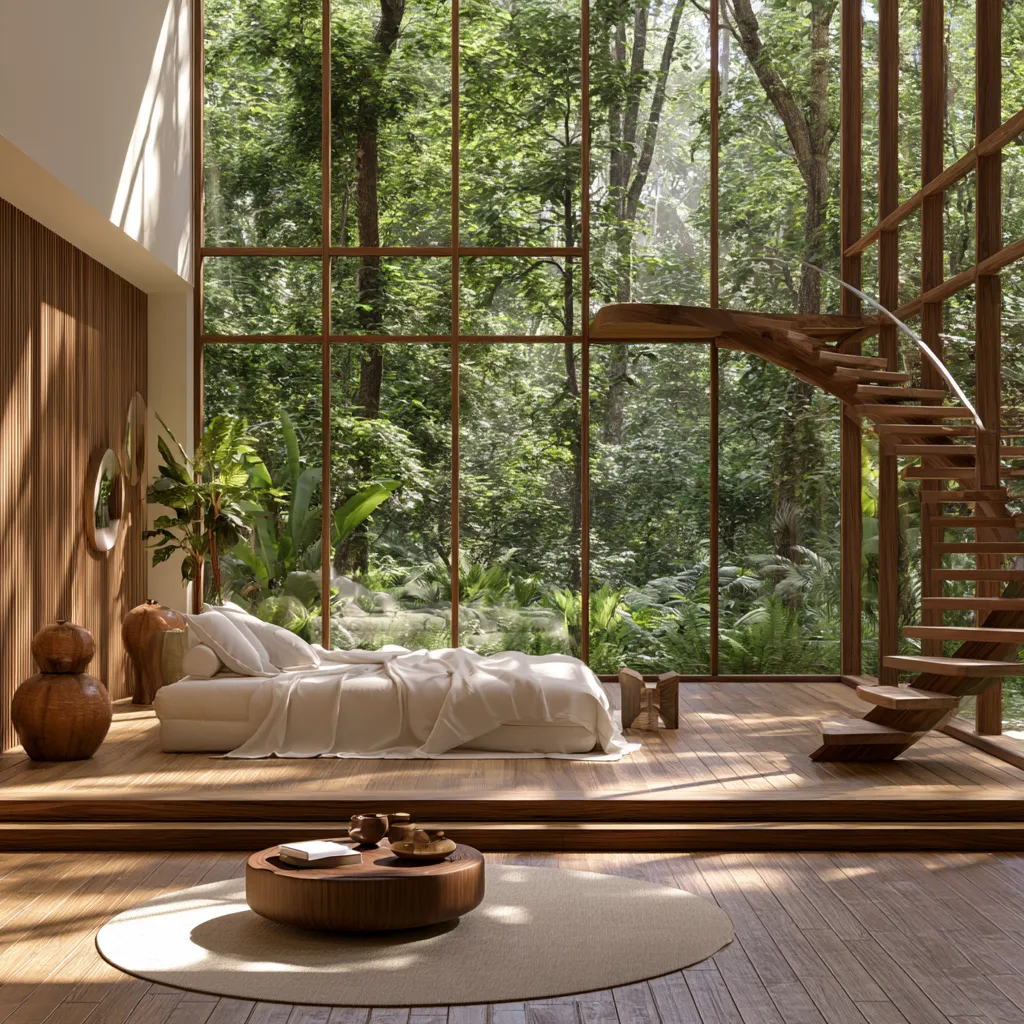
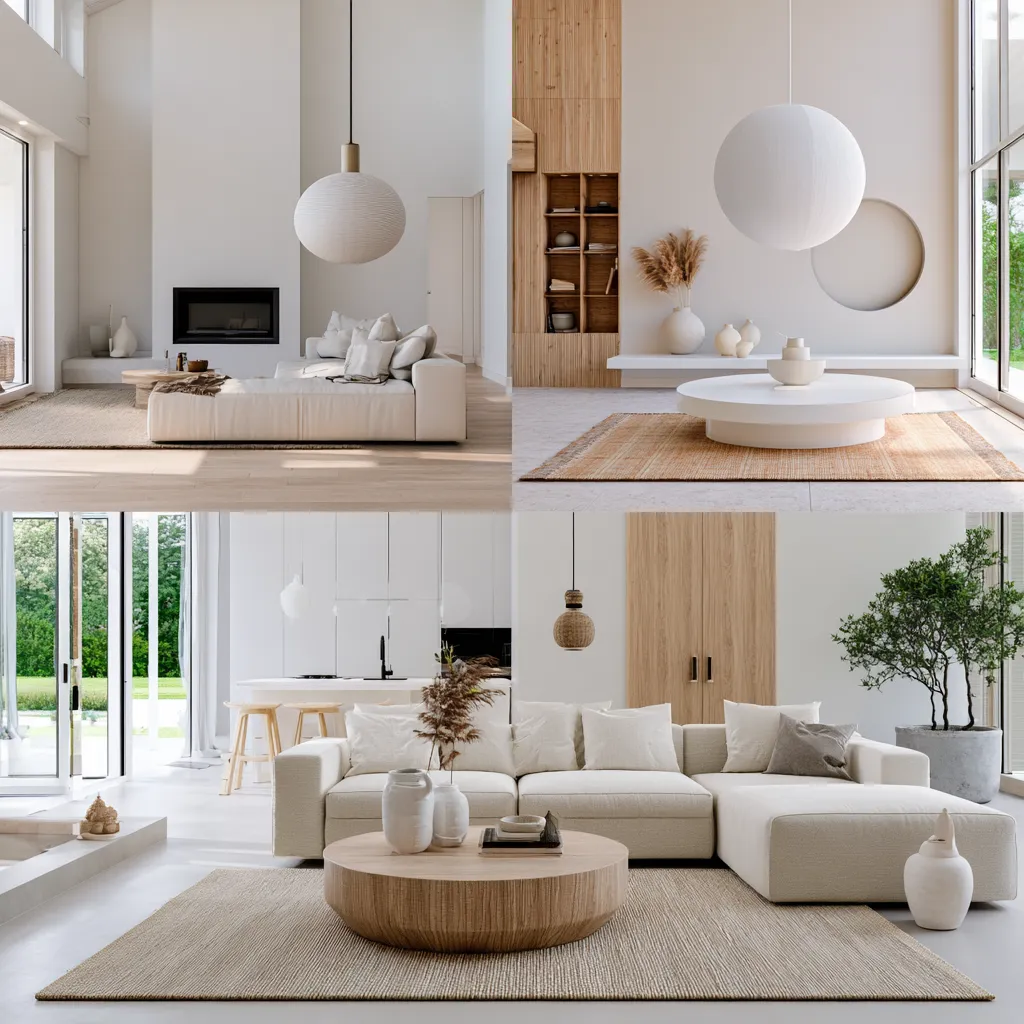
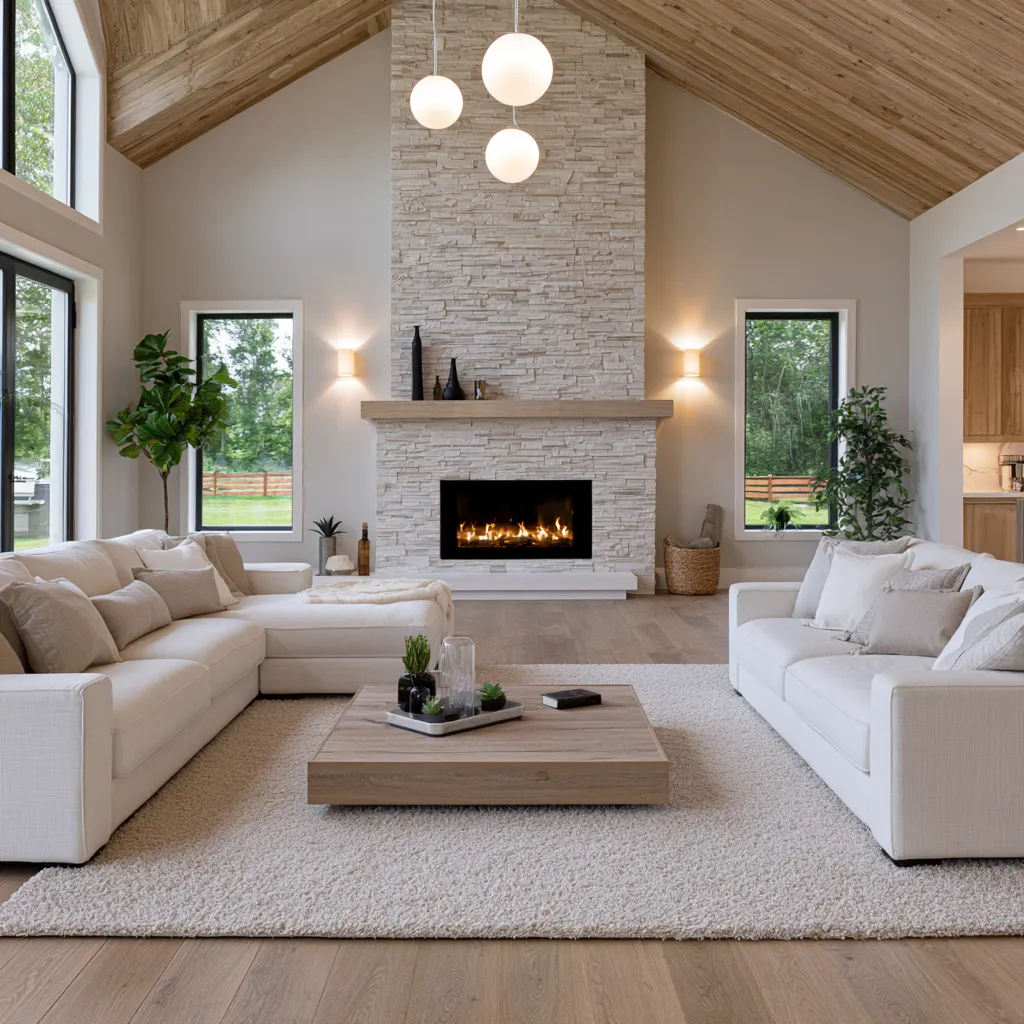
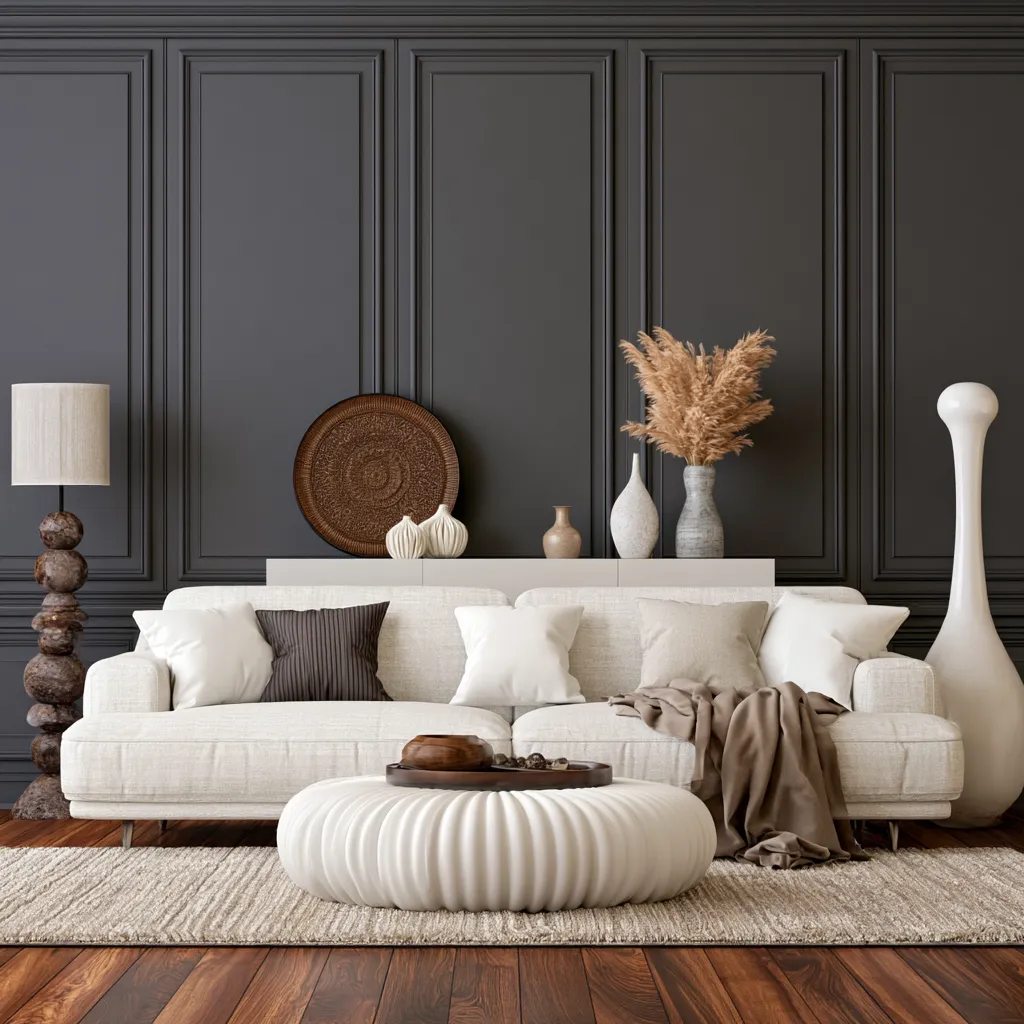
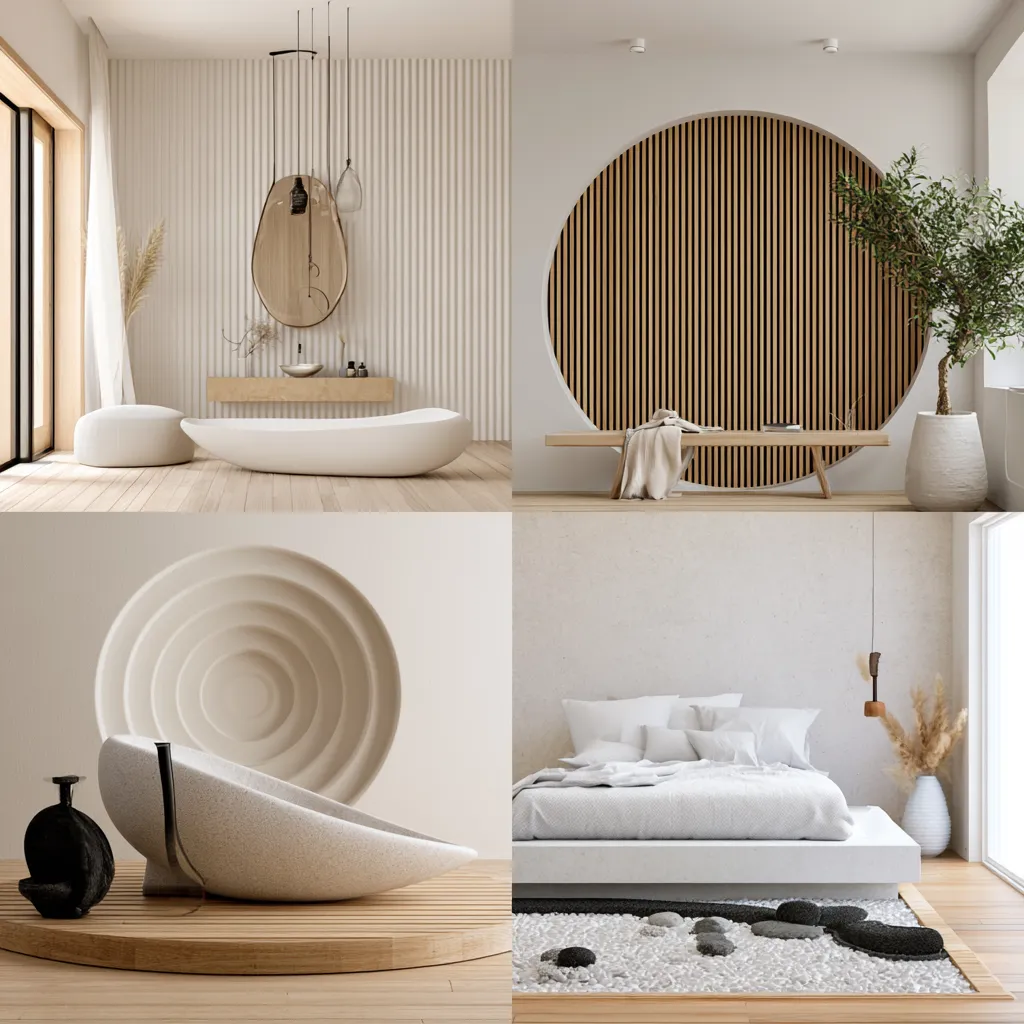
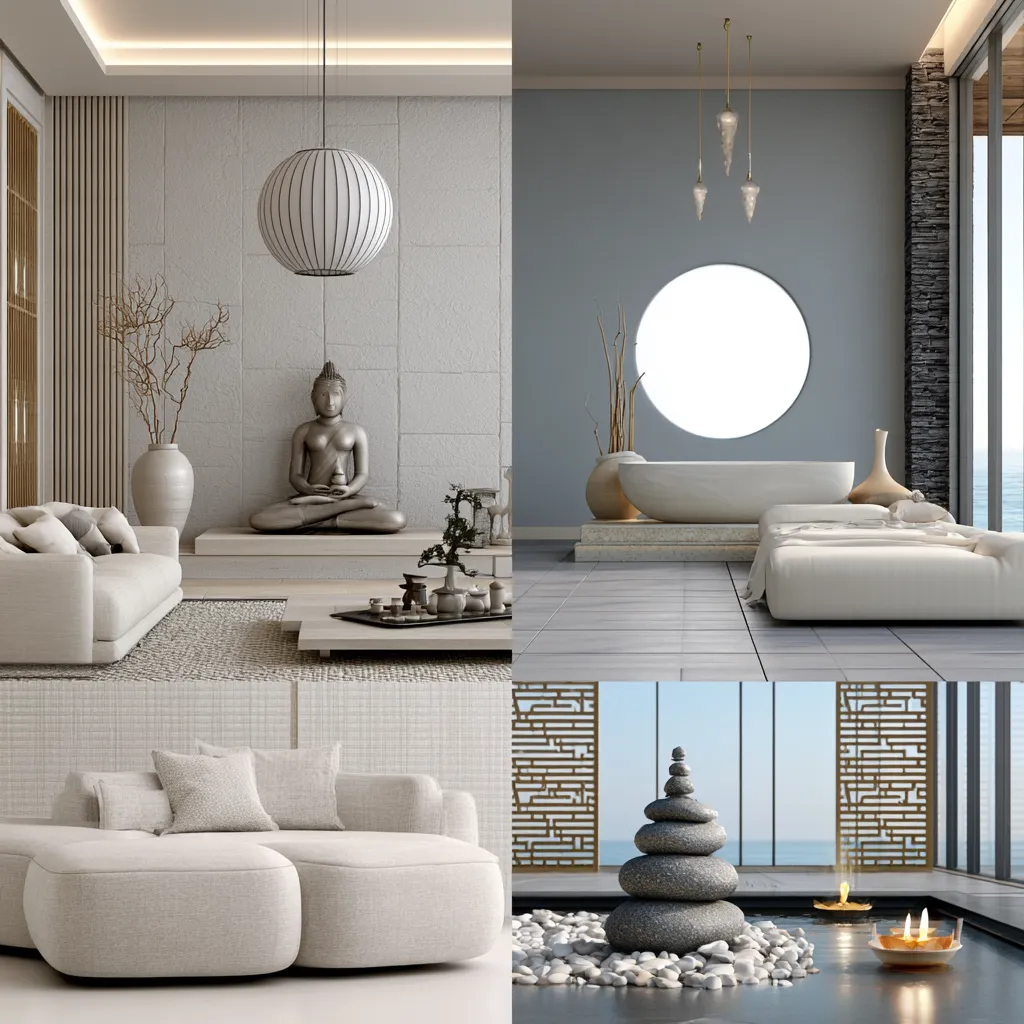
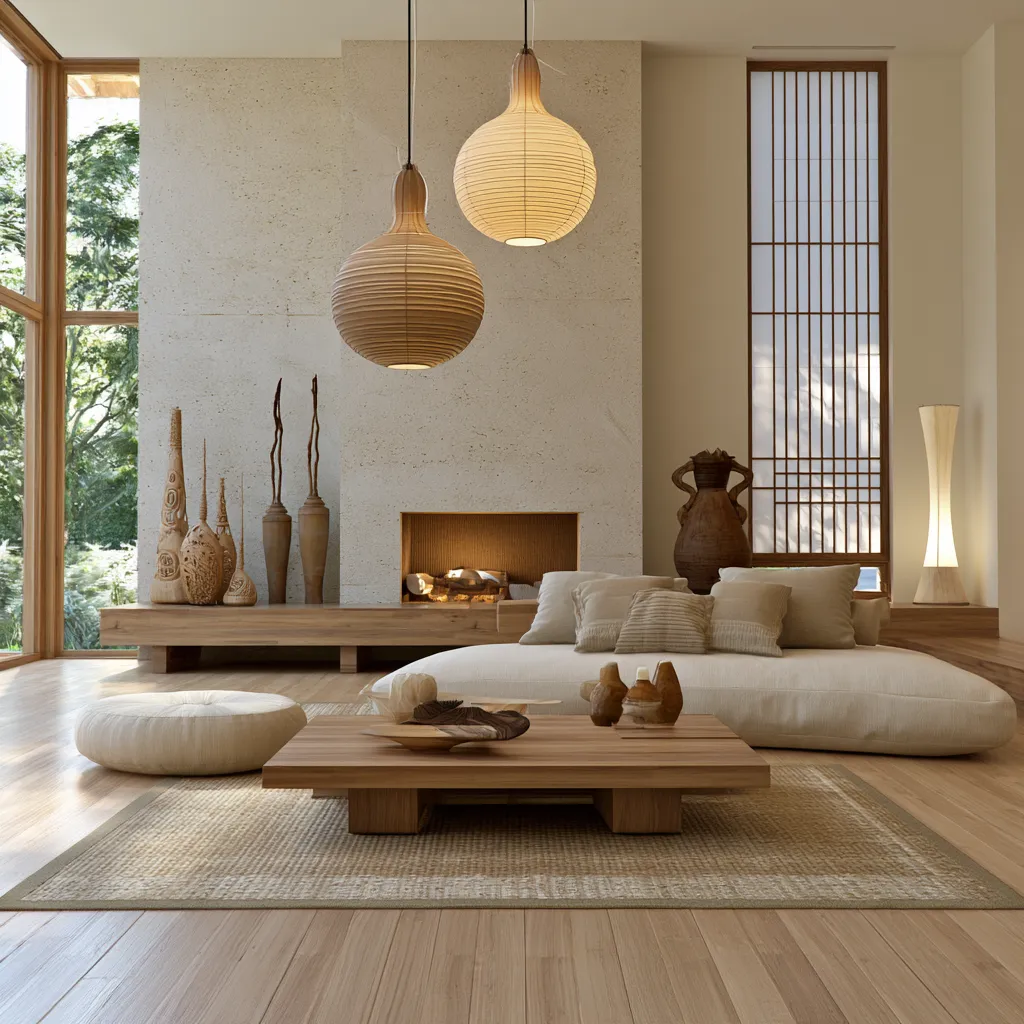
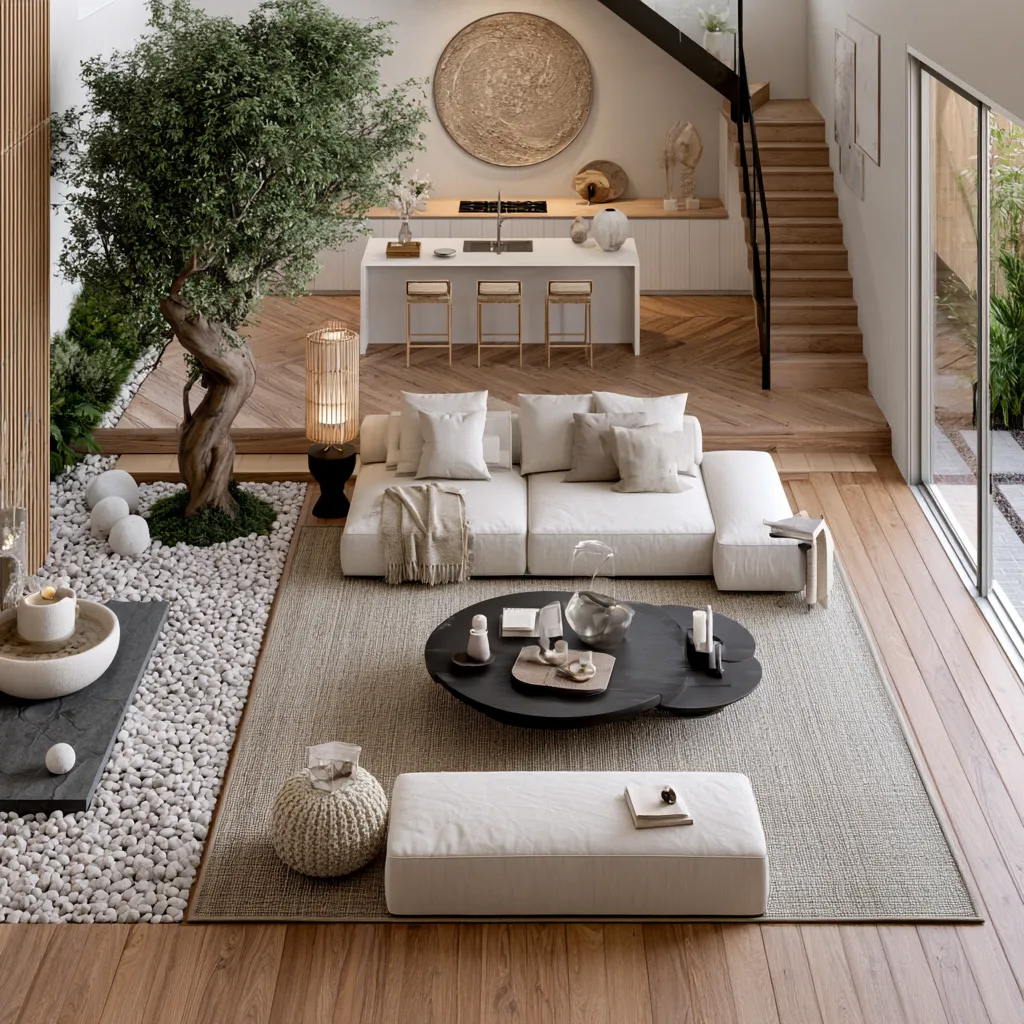
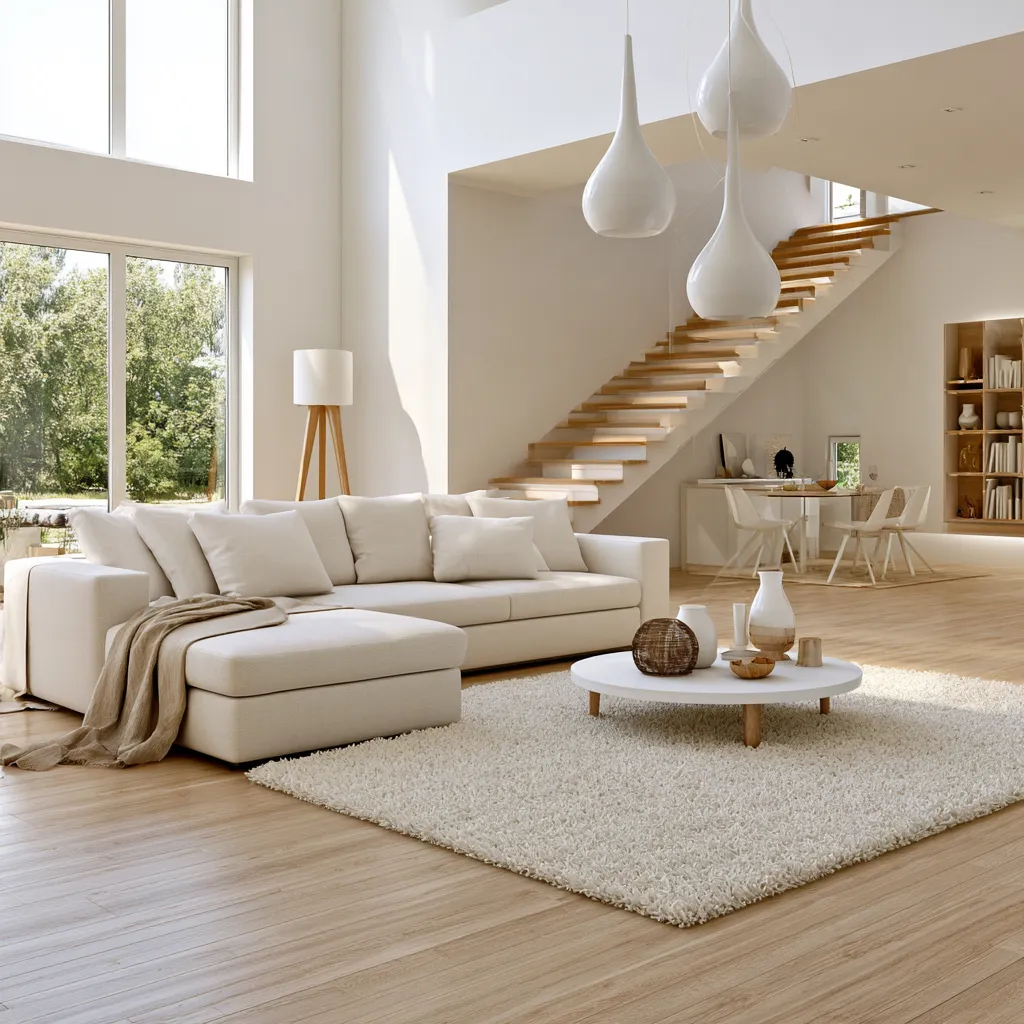
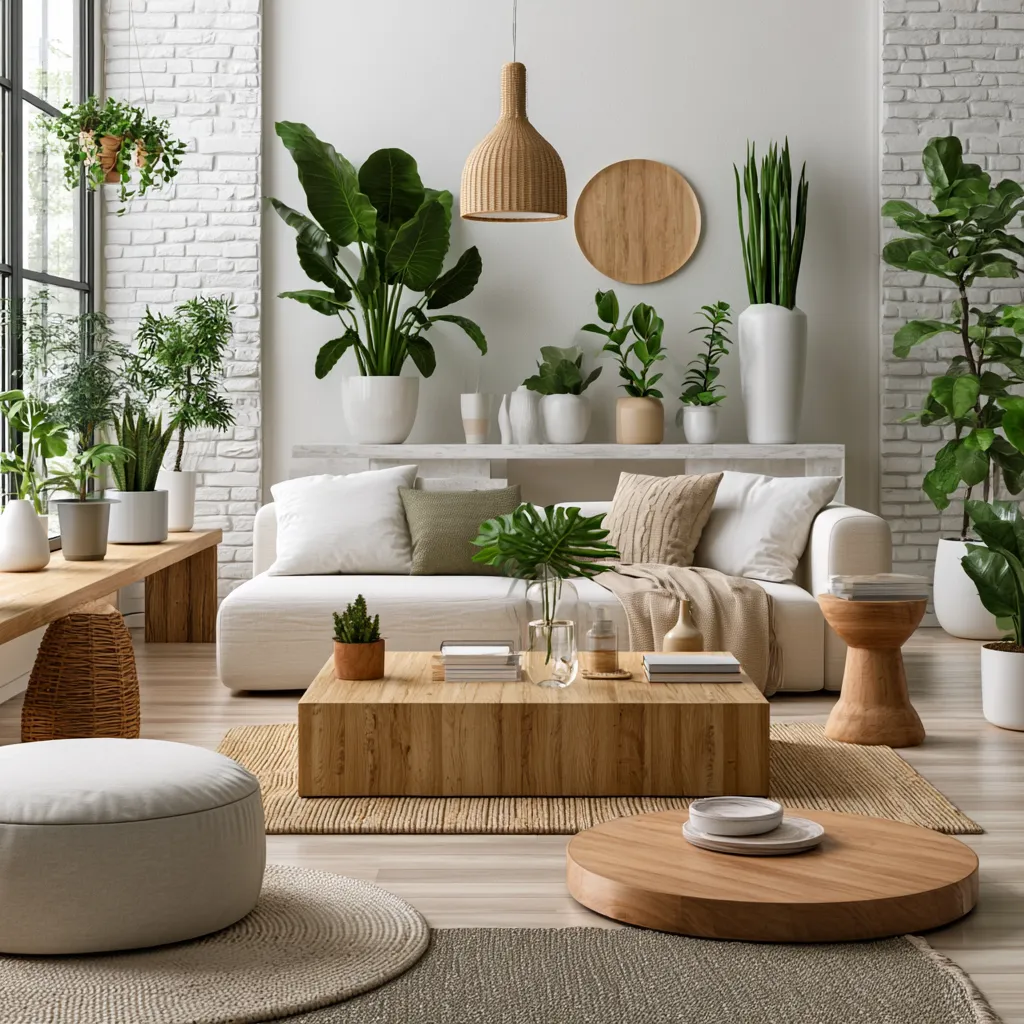
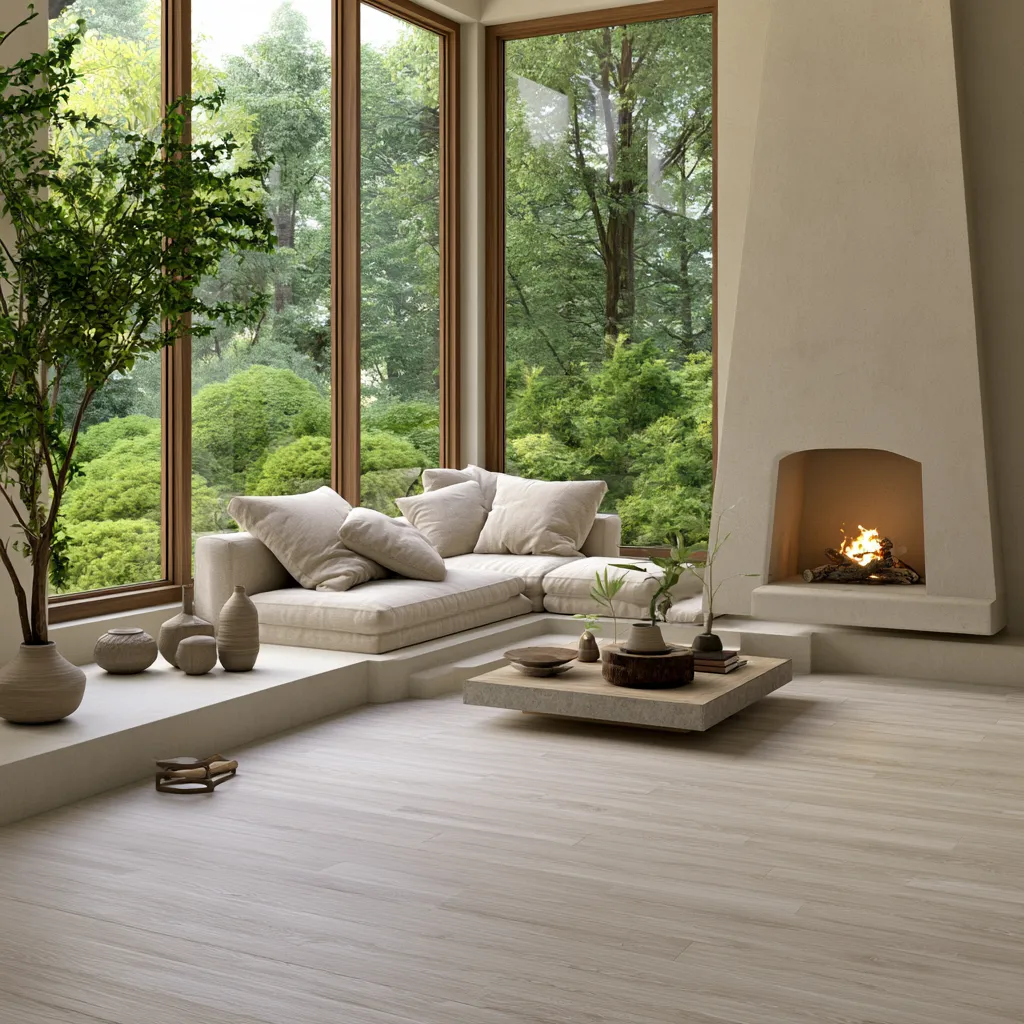
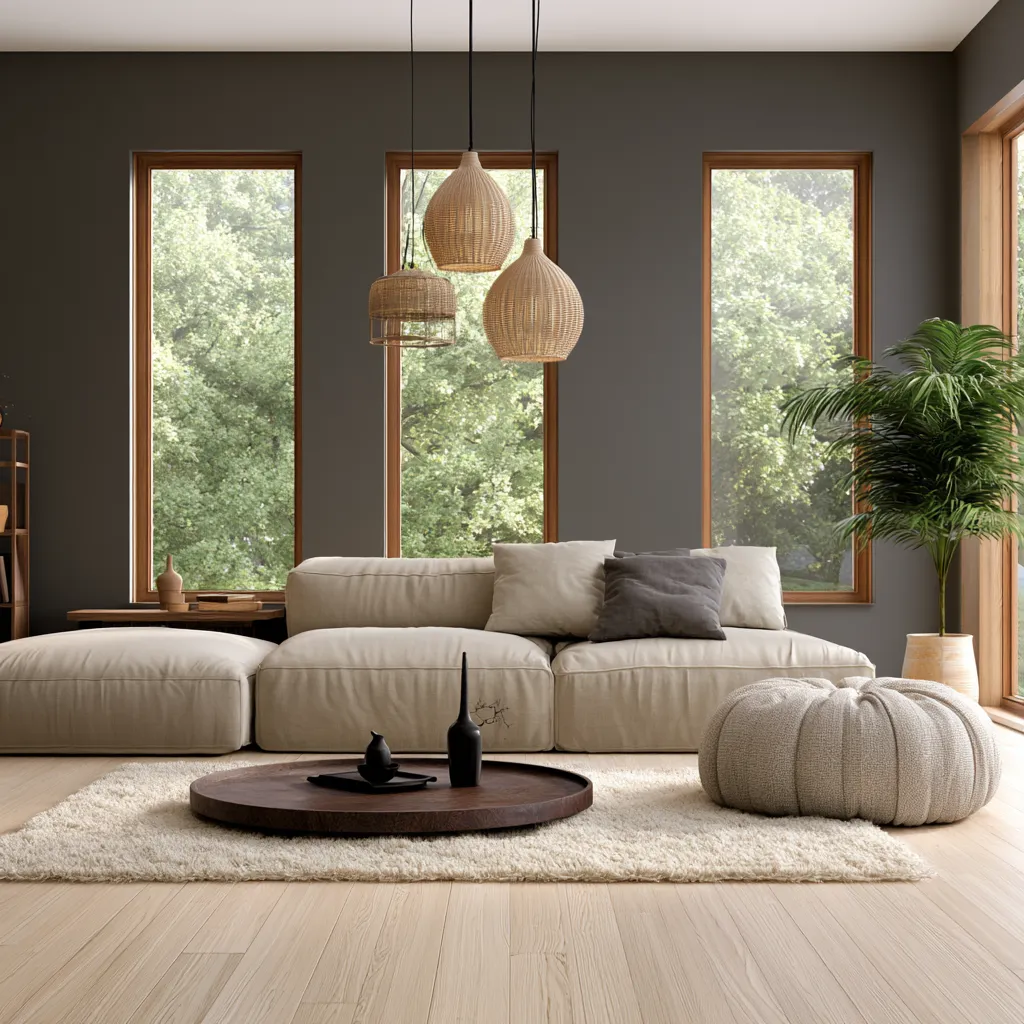
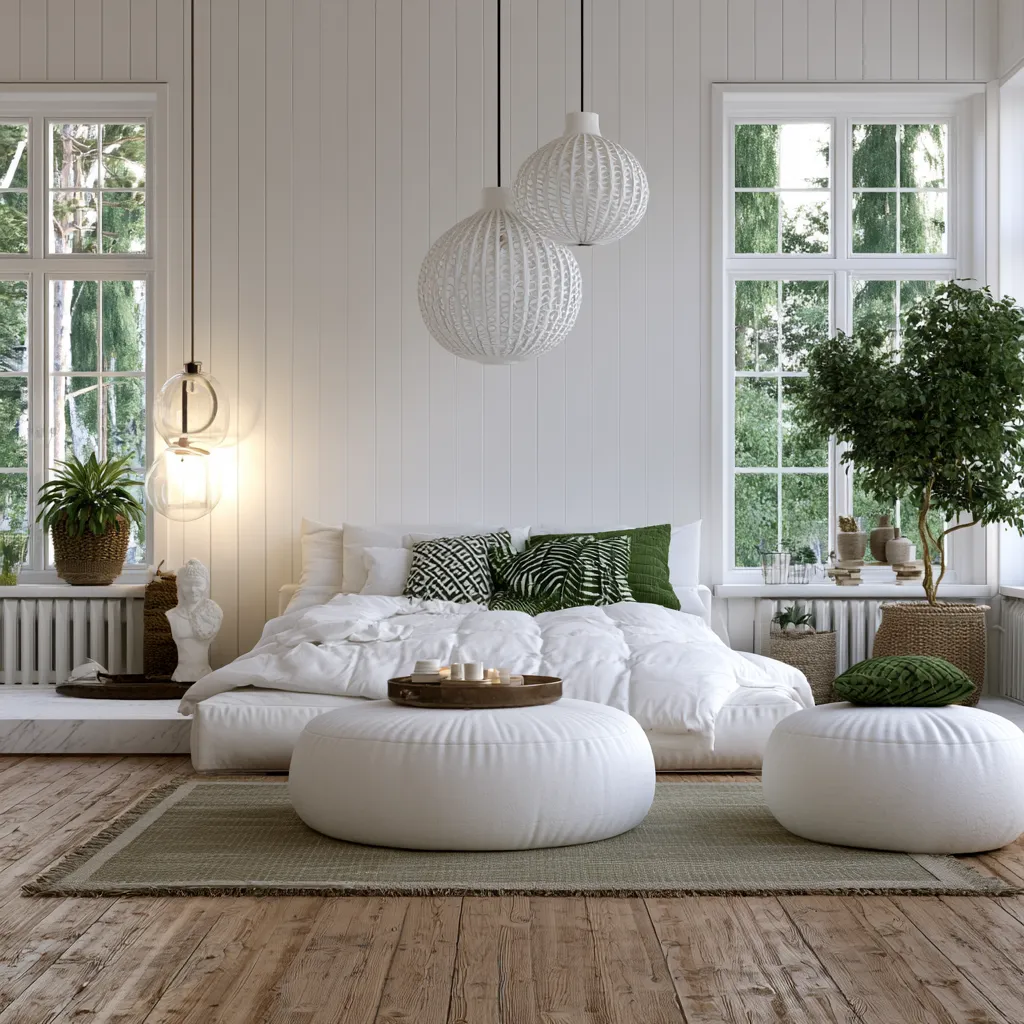
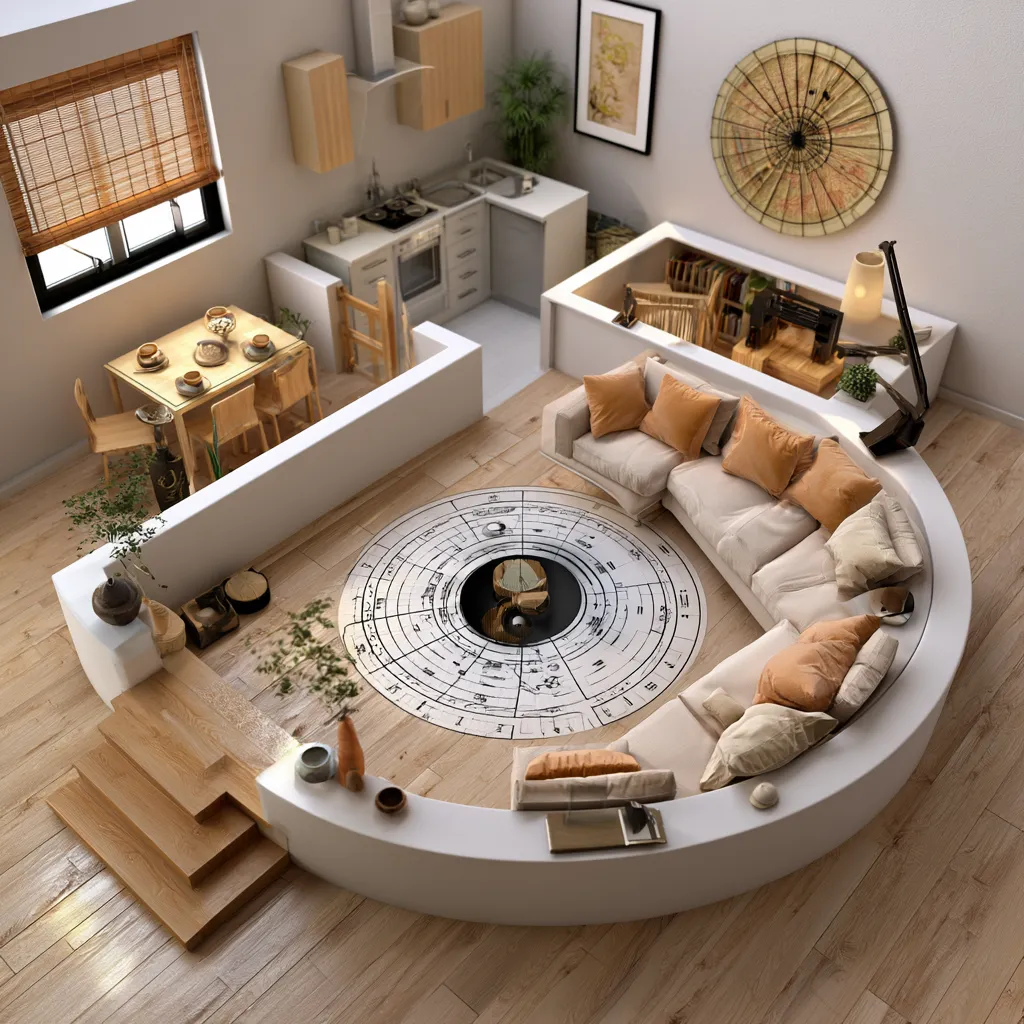
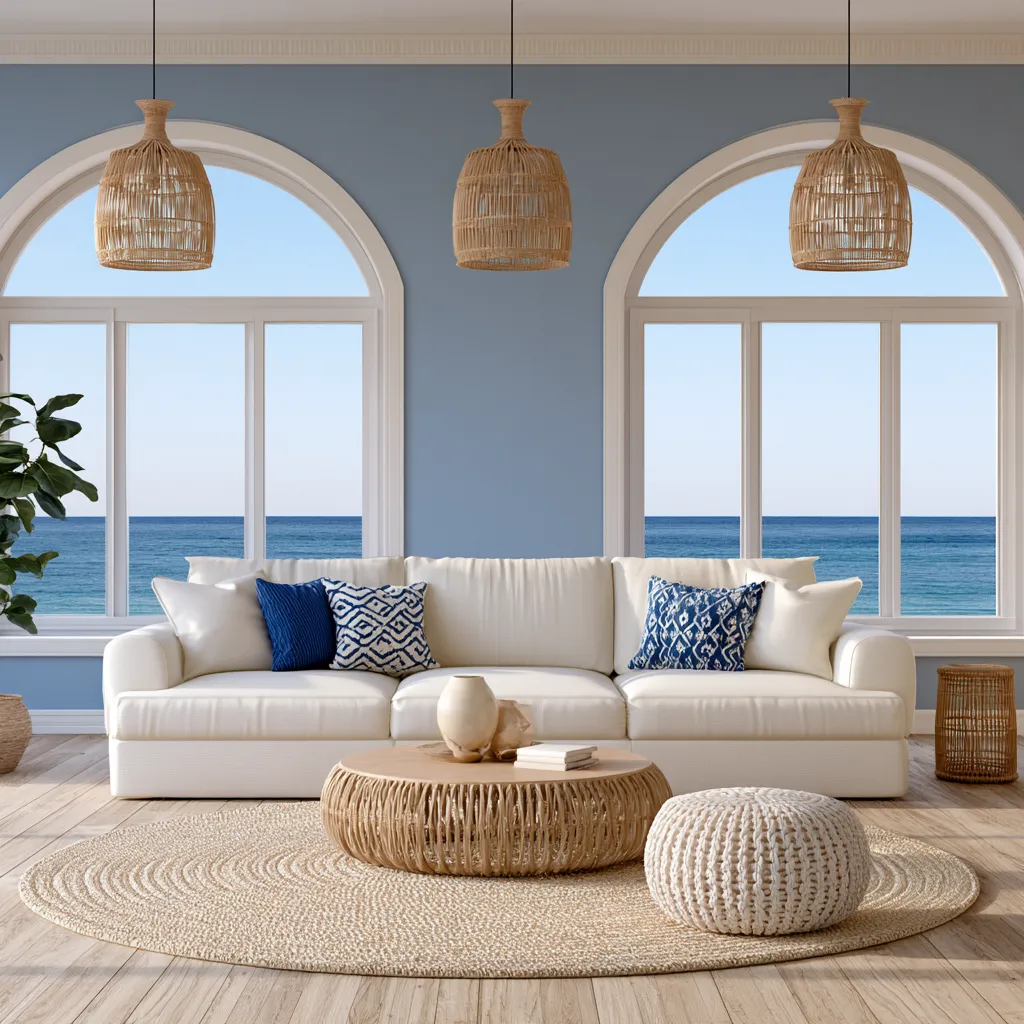
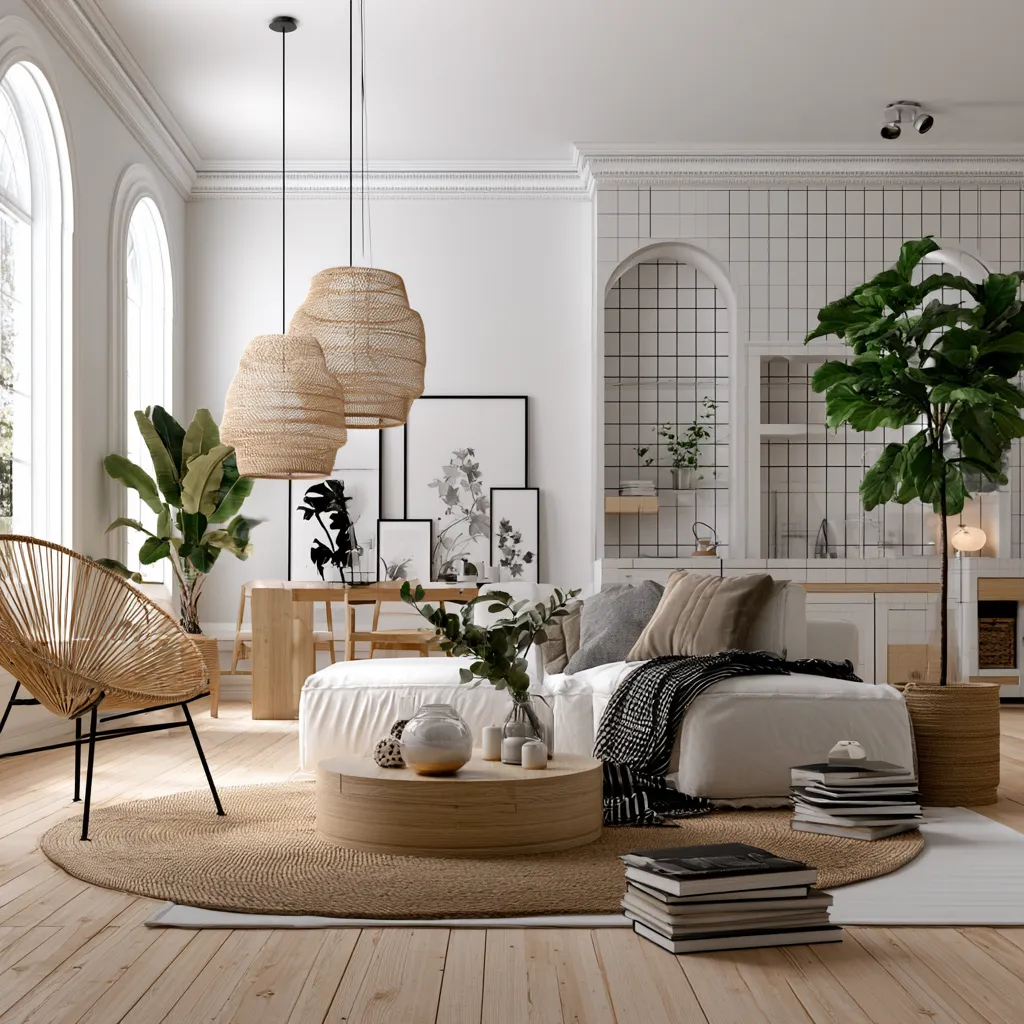
What Is Feng Shui Home Design and Why Does It Matter
Feng shui (pronounced “fung shway”) translates literally as “wind and water.” It is a 3,000-year-old Taoist discipline that studies how the physical arrangement of objects, the flow of natural light, and the placement of furniture affect the invisible energy that moves through a space. Modern neuroscience increasingly validates the core intuition: our environments profoundly shape our mood, productivity, and even physical health.
Feng shui home design is not about red envelopes, lucky cats, or a specific aesthetic. It is a set of spatial principles that can be applied to a Scandinavian minimalist apartment just as easily as a richly decorated traditional home. The goal is always the same: let energy move, let light reach you, and let your surroundings support what you’re trying to do with your life.
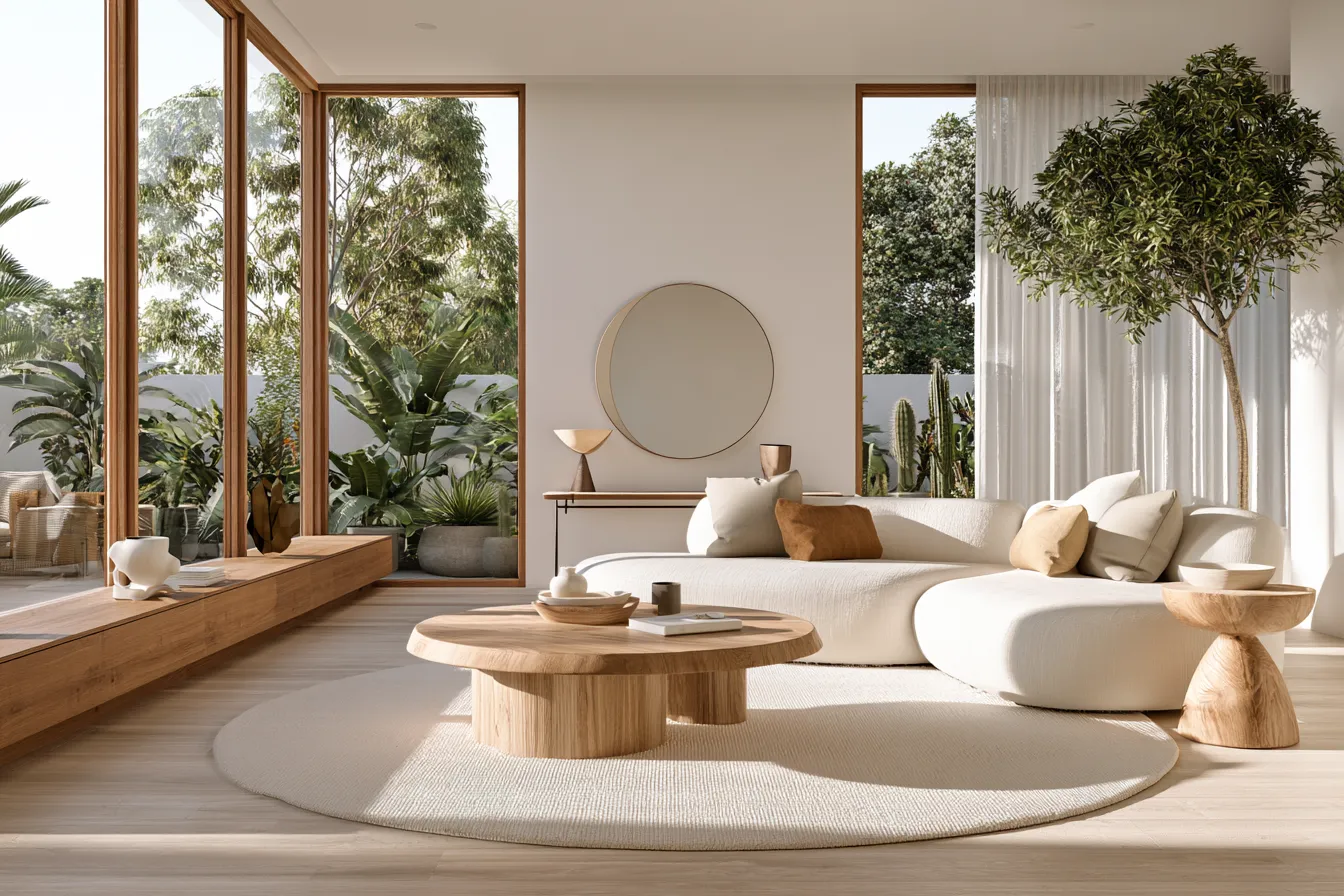
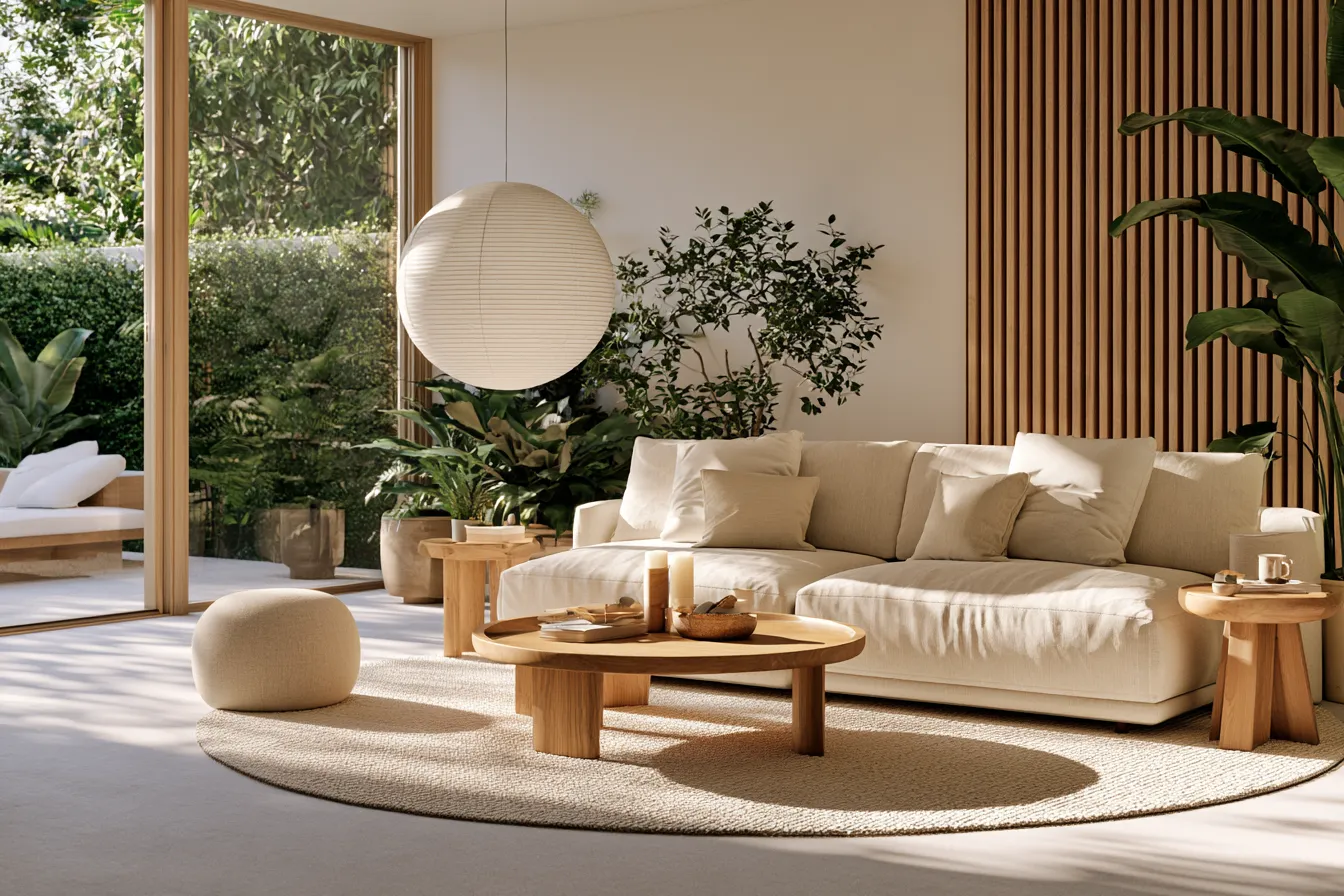
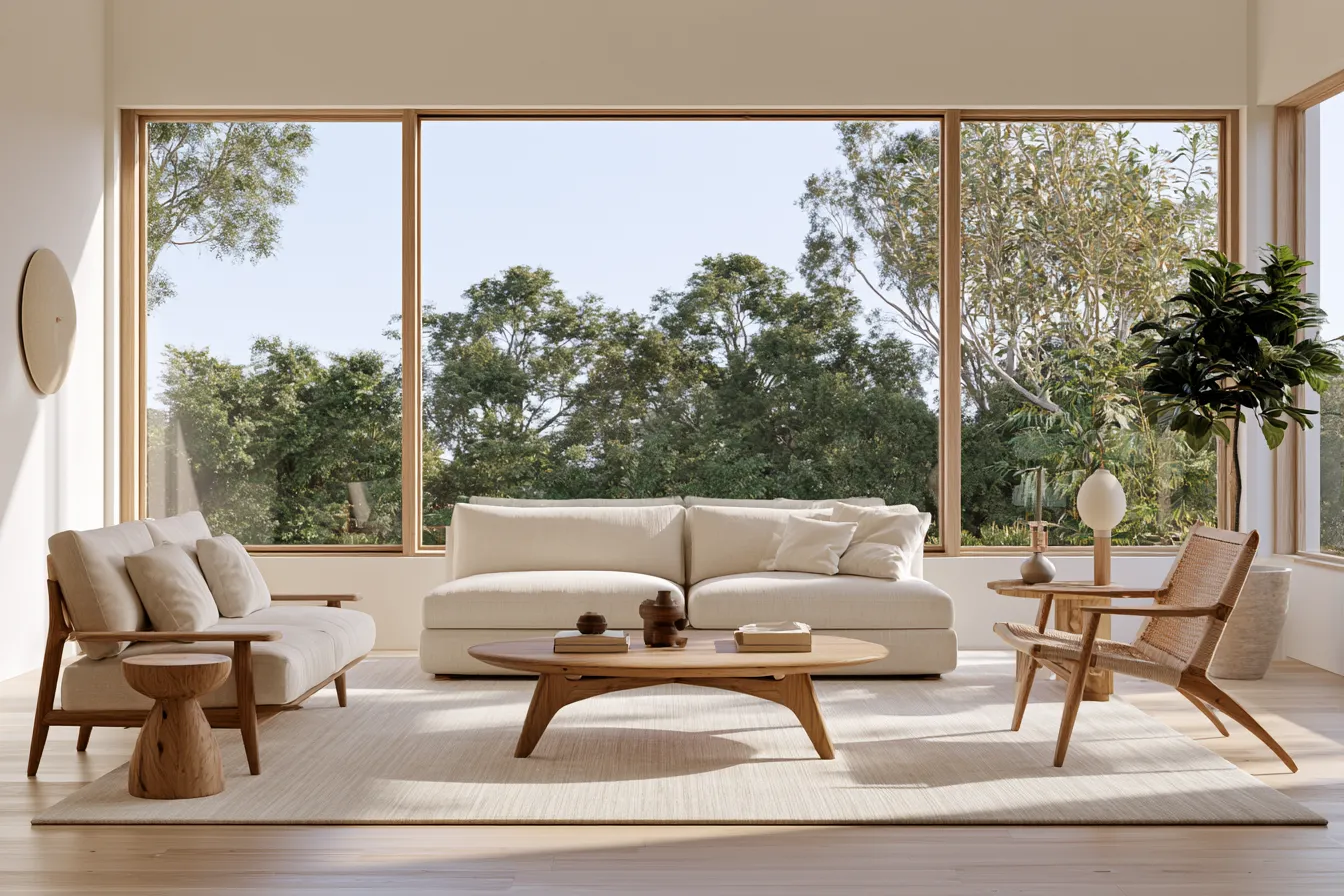
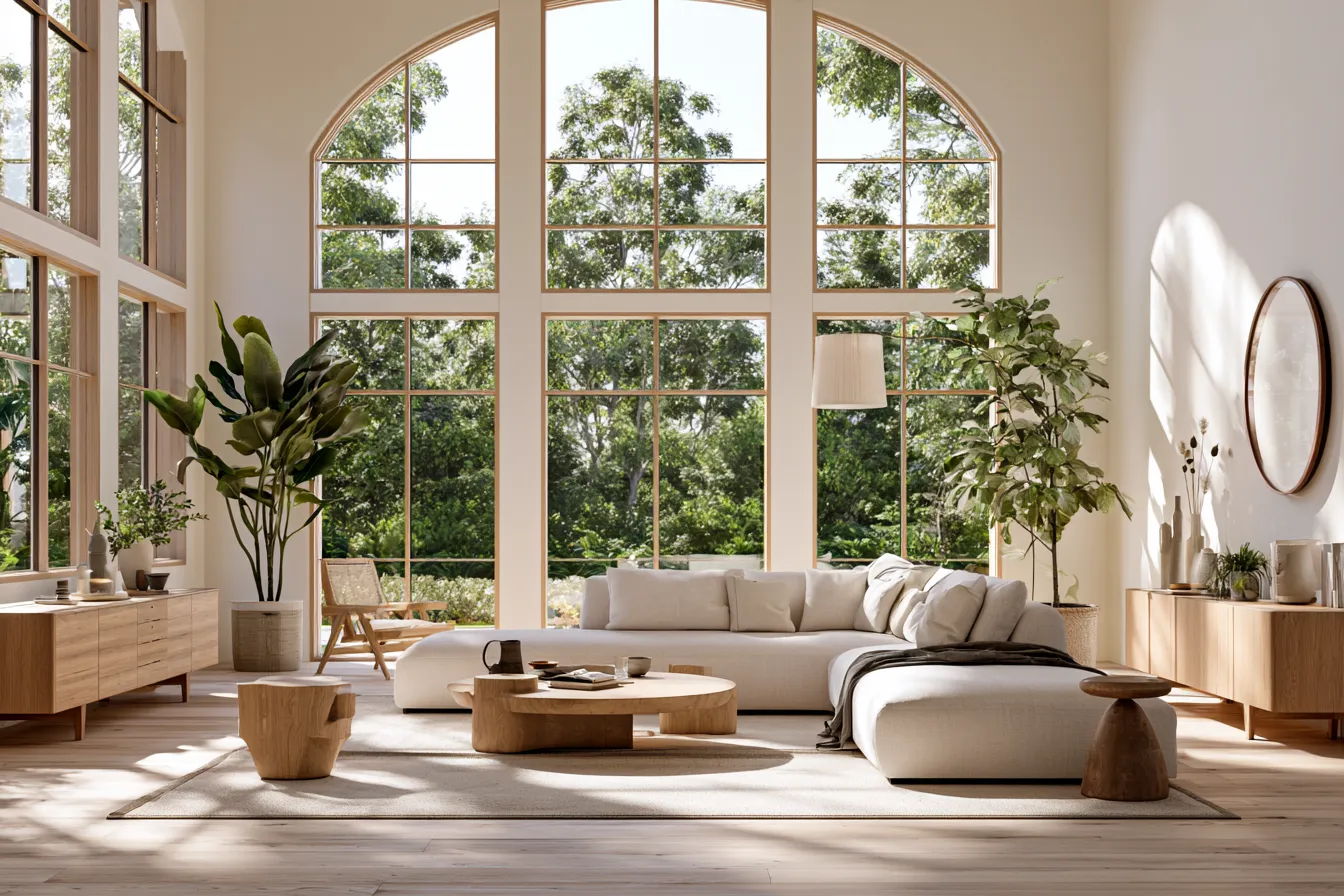
The Five Core Elements of Feng Shui Interior Design
Classical feng shui organizes the natural world into five elements: Wood, Fire, Earth, Metal, and Water. Each element carries specific qualities, and a balanced home incorporates all five in proportions that suit the people who live there. Understanding these elements is the fastest way to diagnose why a room feels restless or flat.
| Element | Qualities | Colors | Materials & Shapes |
|---|---|---|---|
| Wood | Growth, creativity, flexibility | Green, teal | Real wood, plants, columns, rectangles |
| Fire | Passion, visibility, transformation | Red, orange, purple | Candles, triangles, pointed shapes |
| Earth | Stability, nourishment, trust | Yellow, beige, terracotta | Ceramics, stone, squares |
| Metal | Clarity, precision, efficiency | White, grey, gold | Steel, copper, circles, arches |
| Water | Wisdom, flow, career | Black, navy, charcoal | Glass, mirrors, wavy shapes |
When one element dominates a room — say, a space that is entirely white with metallic finishes and no soft textures — the energy becomes one-dimensional. Adding a single live plant (Wood), a warm terracotta pot (Earth), or a deep indigo cushion (Water) instantly shifts the balance. This is why feng shui home design so often looks beautiful without the occupant understanding exactly why.
The Bagua Map and How to Use It in Your Home
The bagua (pronounced “ba-gwa”) is an octagonal energy map that feng shui practitioners overlay onto a floor plan to identify which areas of the home correspond to specific life domains. In the Western BTB (Black Hat Sect) method, the map is aligned with the front door. In the Classical/Compass method, it is aligned with the cardinal directions using a compass reading.
For practical feng shui home design, the BTB method is simpler and widely used. Stand at your front door looking in. The area nearest the door is divided into three zones: left (Knowledge and Self-Cultivation), center (Career and Life Path), right (Helpful People and Travel). Moving deeper into the home, the middle band holds Family, Health, and Creativity. The far wall holds Wealth (far left), Fame (far center), and Love and Relationships (far right).
Once you know which room or corner corresponds to which life area, you can make targeted adjustments. If your Wealth corner is a cluttered closet, clearing and beautifying it is a tangible, satisfying act — and one that tends to produce noticeable shifts in how energized you feel about your finances. For a deeper introduction to spatial energy mapping, explore our guide on mindful interior design for intentional living.
Feng Shui House Design Room by Room
The Entryway — First Impressions Shape the Energy
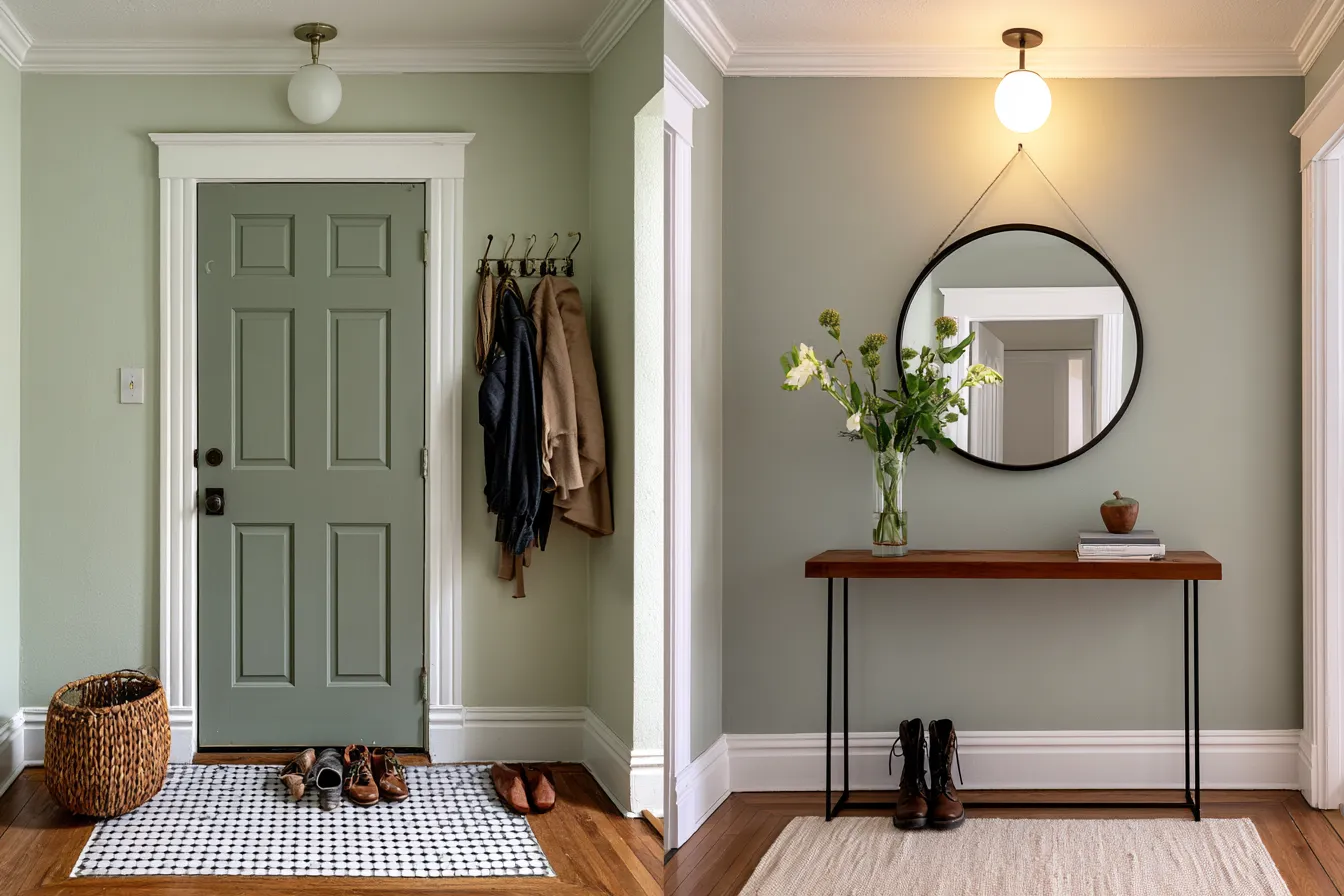
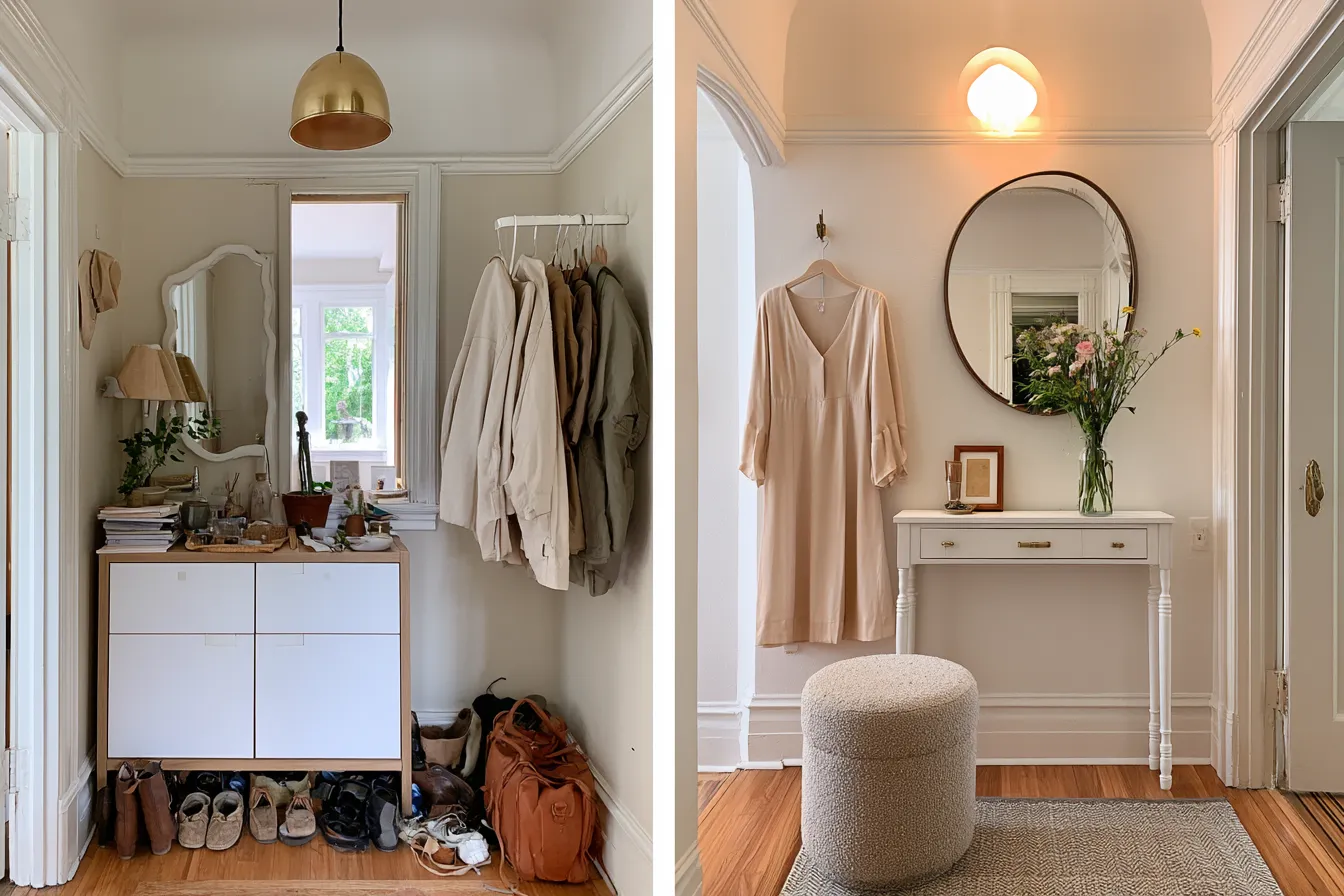
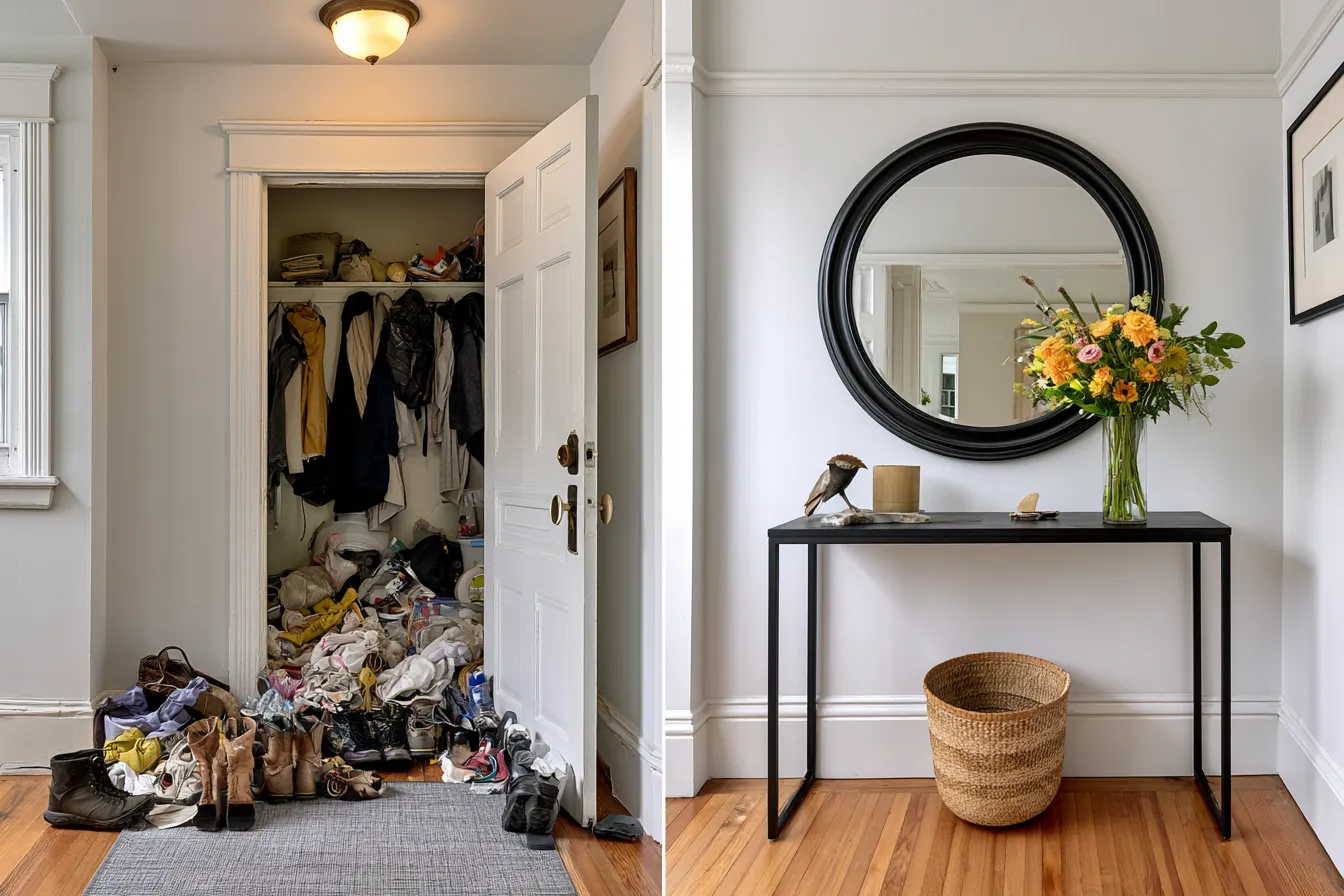
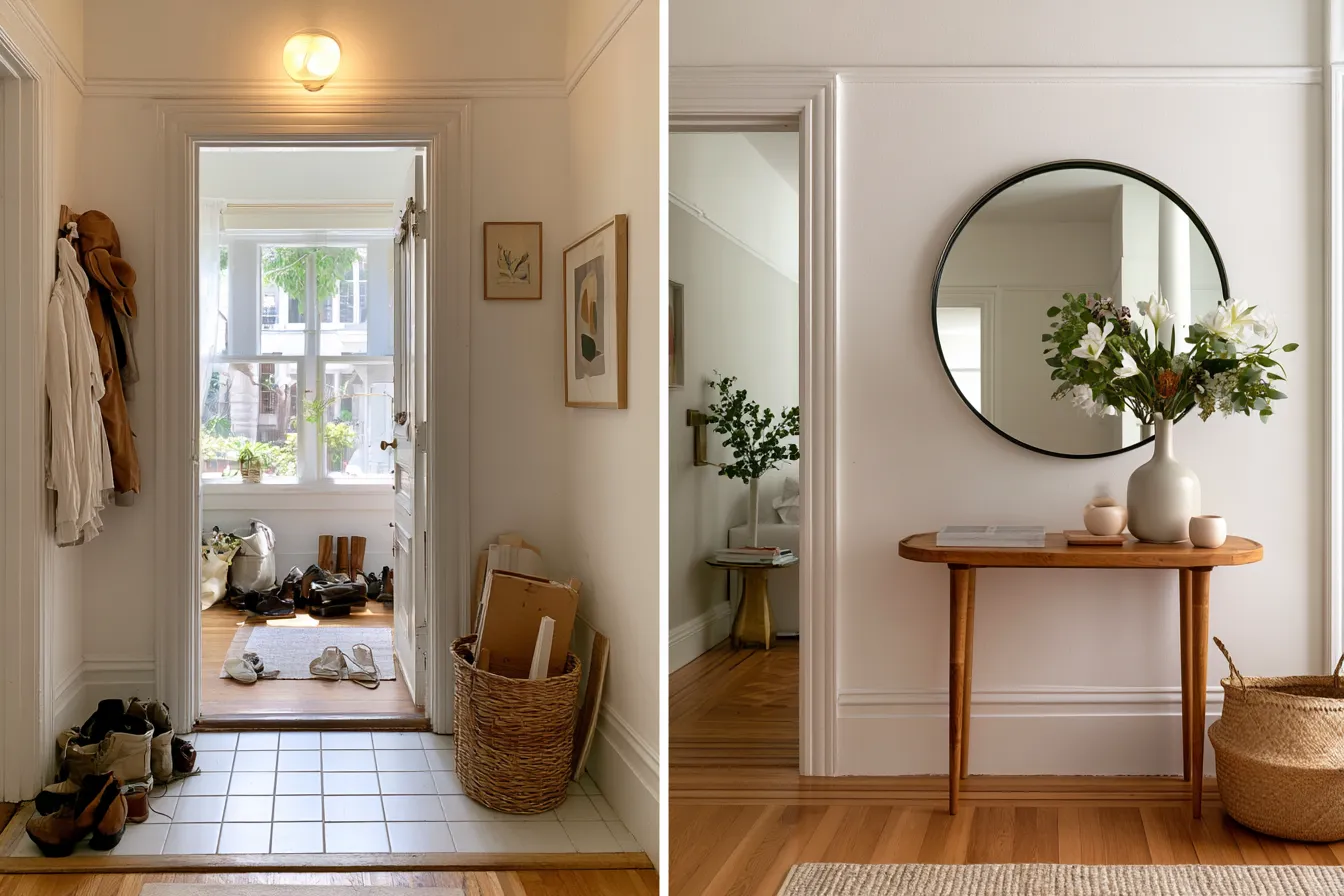
In feng shui home design, the front door is called the “mouth of chi.” It is where energy enters your home, and therefore where it enters your life. A welcoming, uncluttered entryway allows fresh energy to flow in; a dark, cramped, or blocked entrance constricts it.
Key principles for the entryway:
- Keep the front door in excellent repair — no squeaks, chips, or stuck handles.
- Ensure the path from the street to the door is clear and well-lit.
- Add a mirror on a side wall (never directly opposite the door, which bounces energy back out).
- Place a healthy plant or a bowl of fresh water near the entrance to invite Wood and Water energy.
- Remove shoe clutter immediately — a shoe rack with a lid, or a bench with hidden storage, keeps energy tidy.
The Living Room — Commanding Position and Conversation Flow
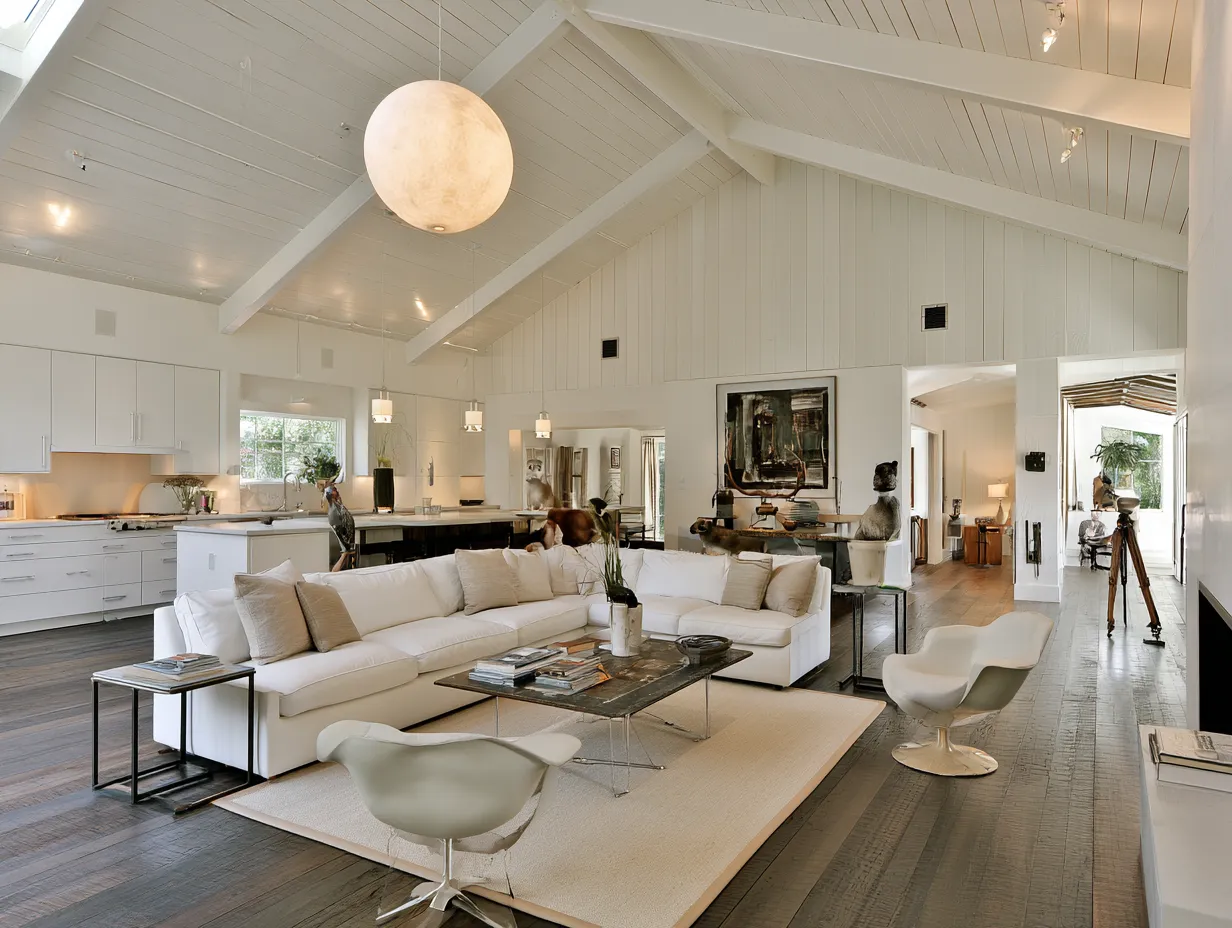
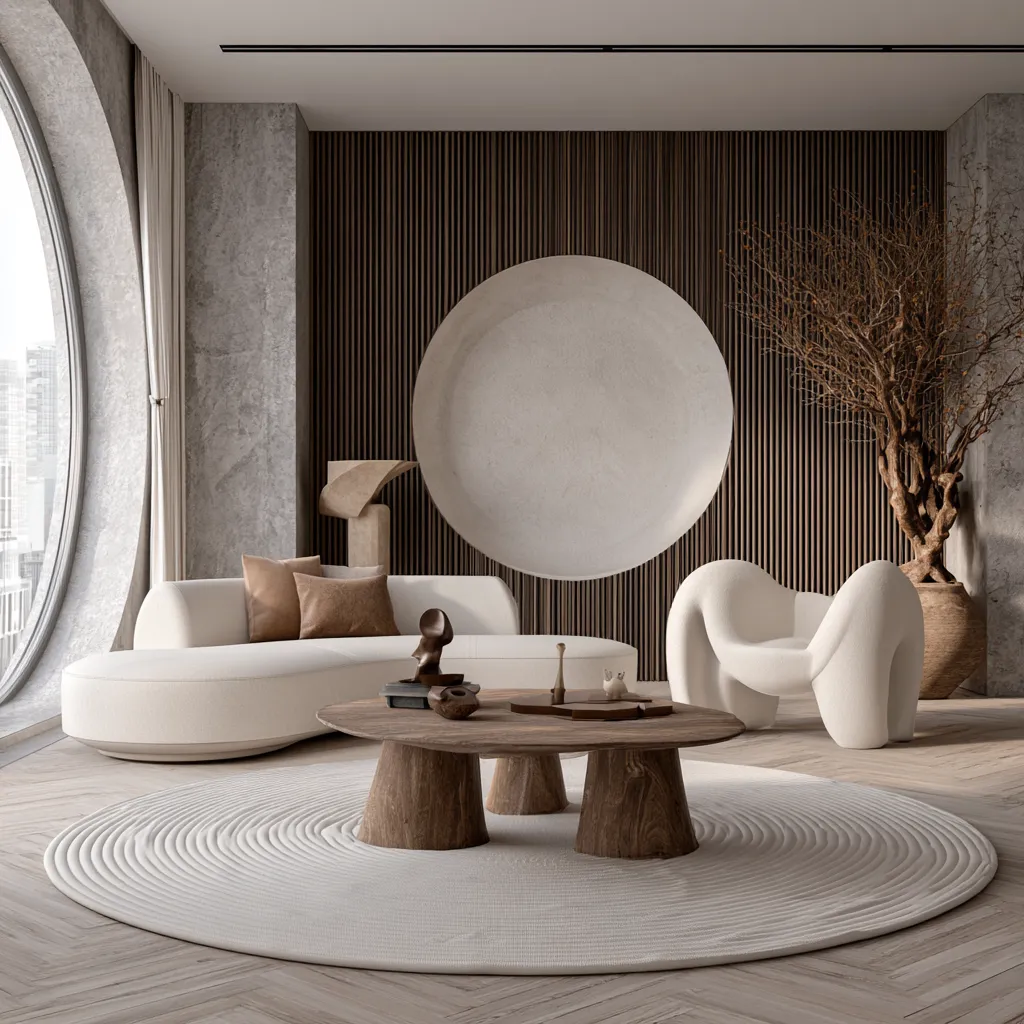
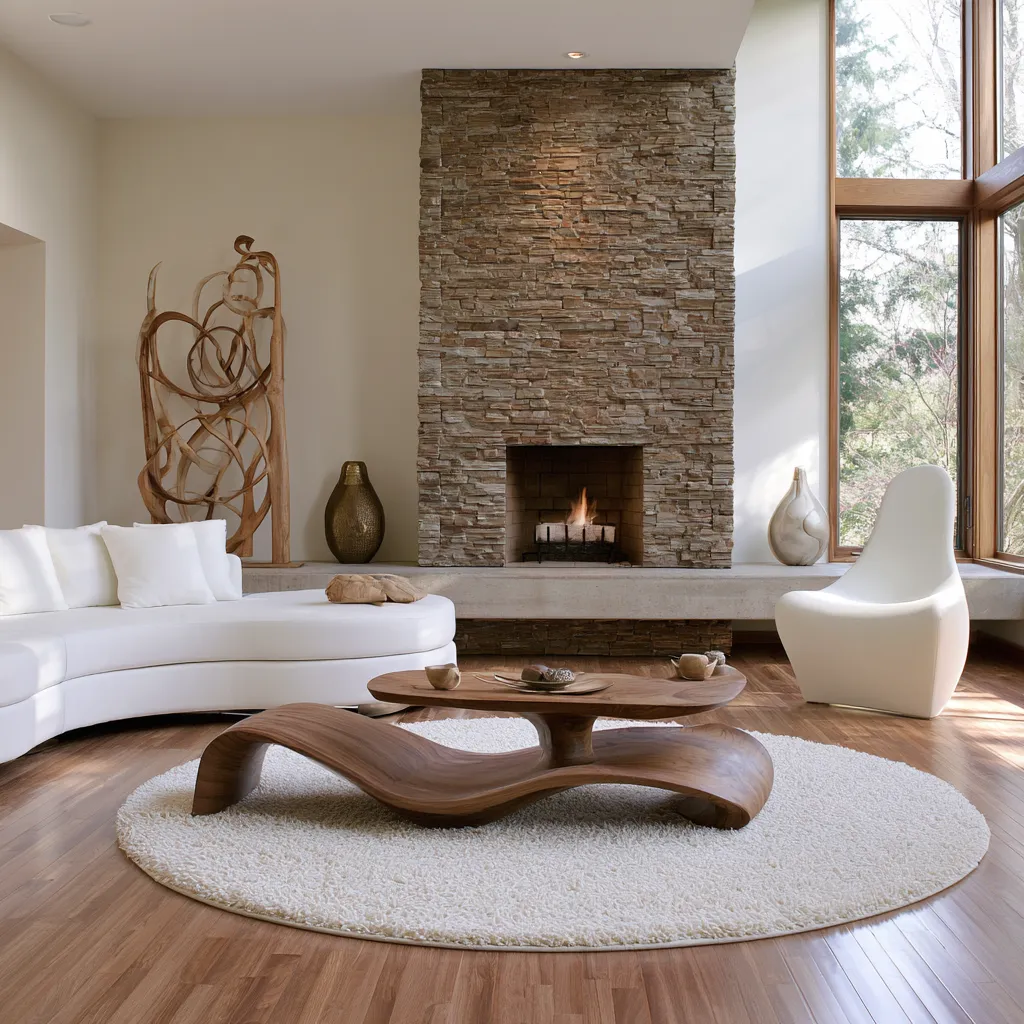
The living room is the social heart of the home, and feng shui living room design centers on the “commanding position.” This principle states that your main seat — typically the sofa — should have a solid wall behind it and a clear sightline to the door, without being directly in line with it. This position gives the occupants a sense of safety and control, which translates psychologically into feeling relaxed and open.
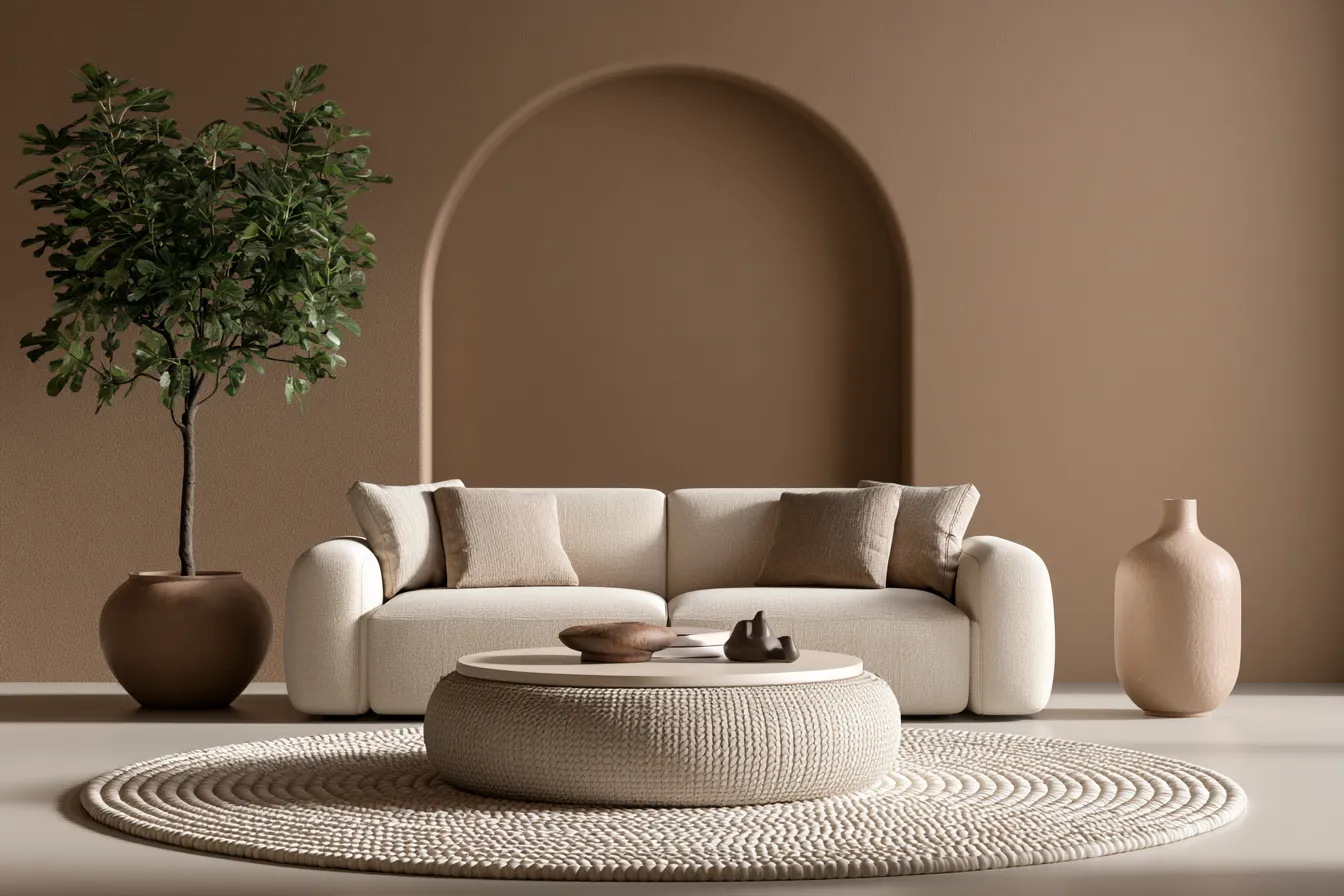
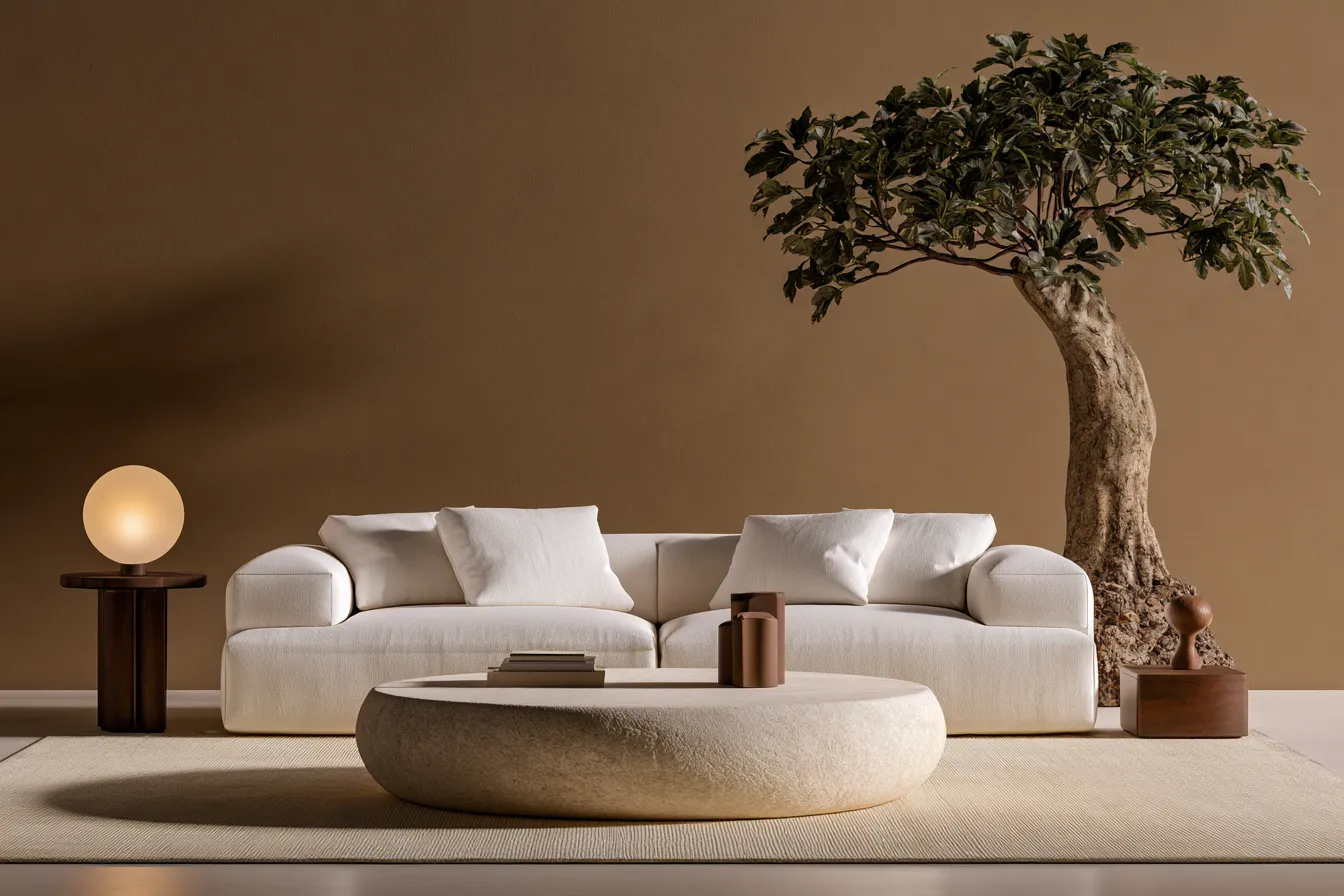
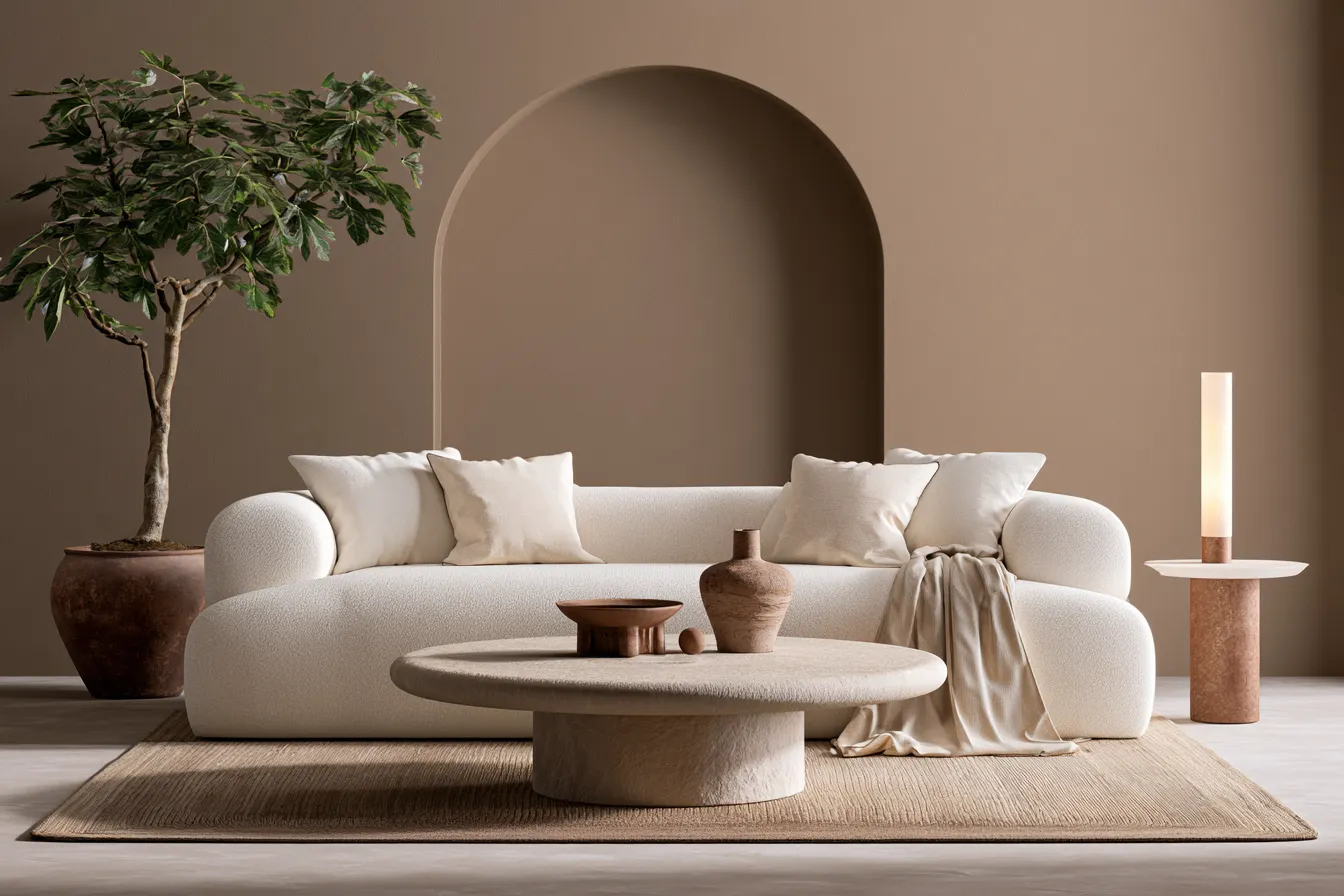
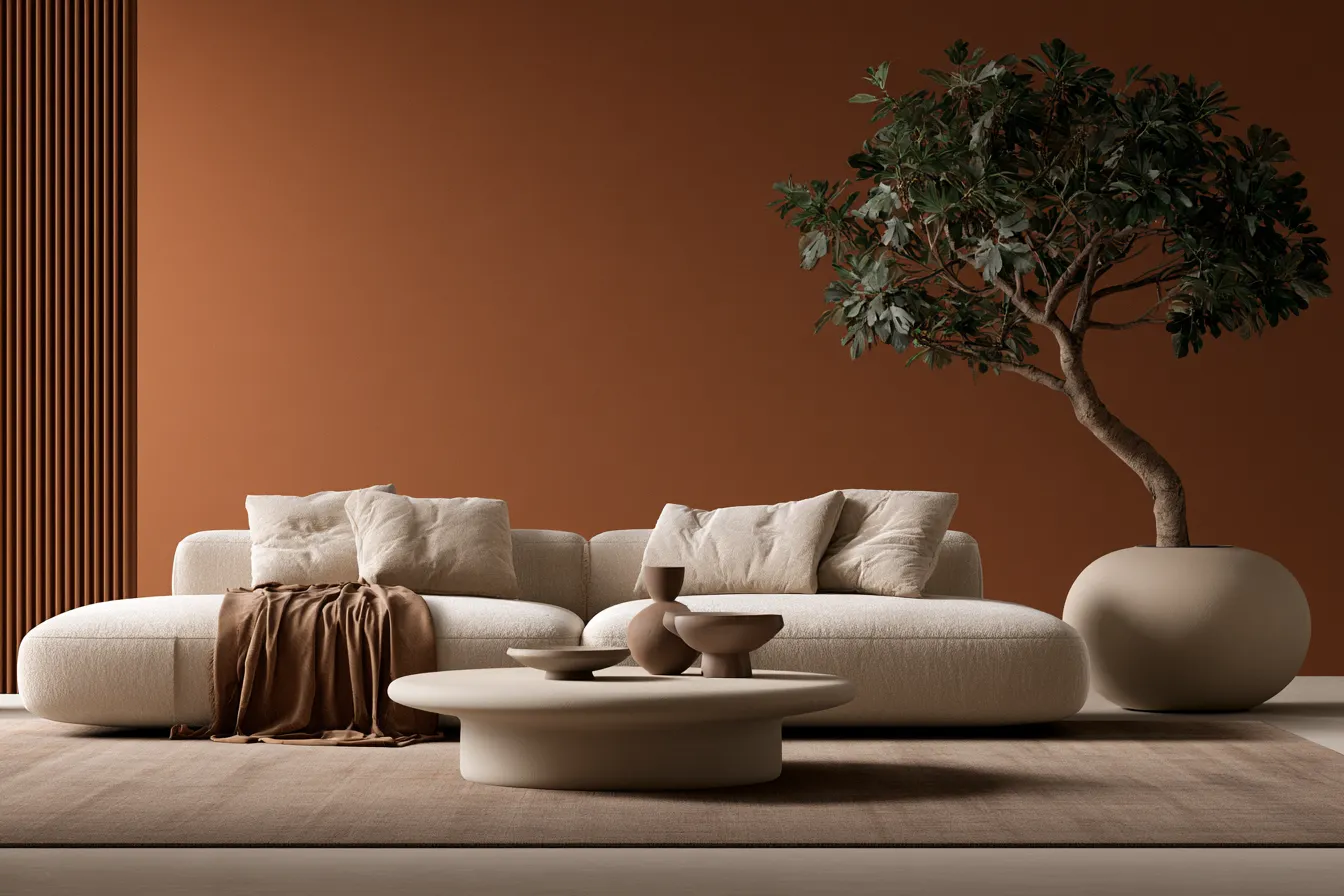
Avoid placing furniture with its back to the door. Round and oval coffee tables are preferred over sharp-cornered rectangular ones, since pointed corners direct “poison arrows” of harsh energy toward seating areas. Keep pathways between furniture at least 36 inches wide so people — and chi — can move easily.
The Bedroom — Rest, Restoration, and Relationship Energy
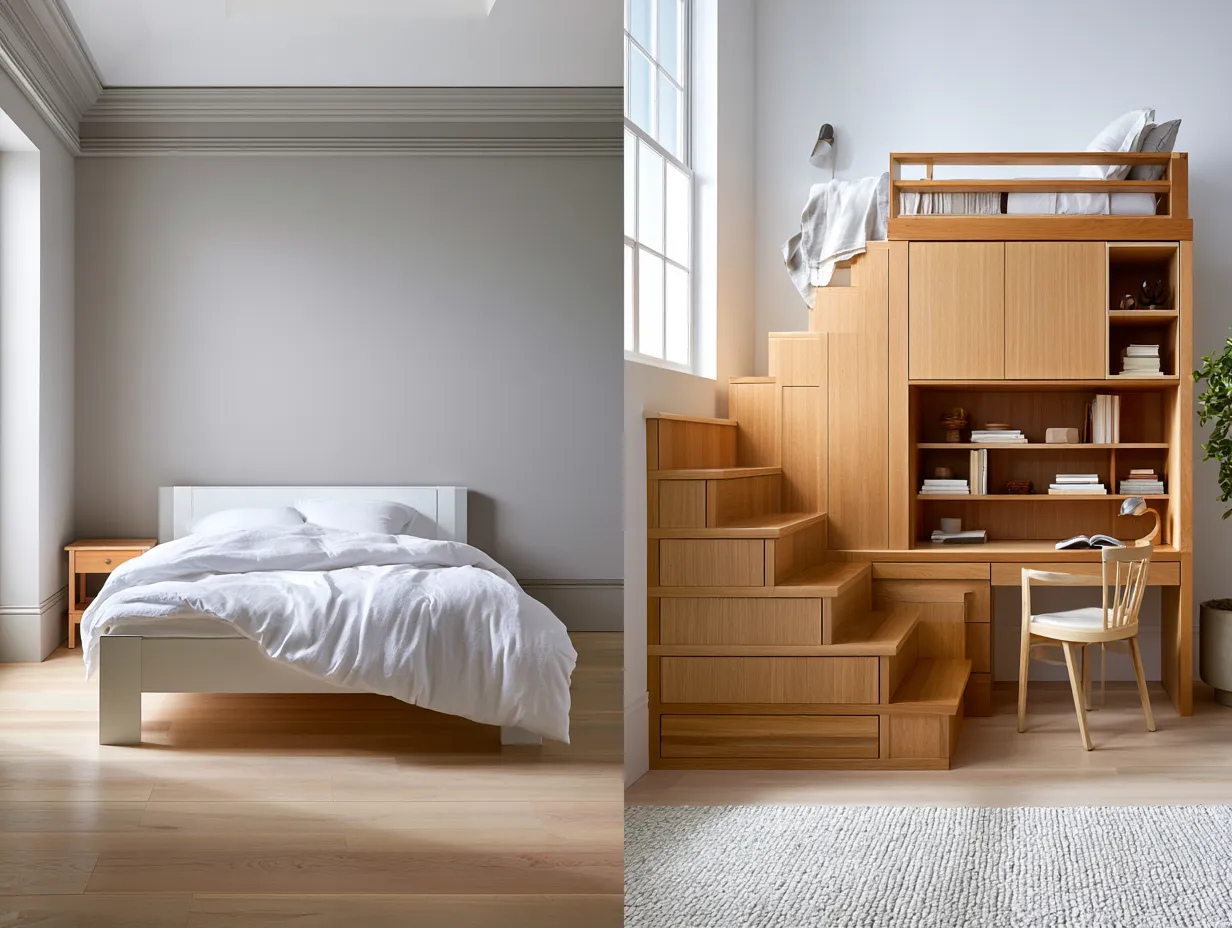
Feng shui bedroom design has perhaps the most direct impact on daily wellbeing, since we spend roughly a third of our lives there. The bed is the most important piece of furniture in the home. Position it so the headboard rests against a solid wall, you can see the bedroom door from where you lie, and your feet do not point directly at the door (the “coffin position,” associated with restless sleep).
For couples, allow equal space on both sides of the bed — two nightstands, two lamps — to energetically honor both partners. Remove or cover electronics, especially televisions and work devices, since their active yang energy disrupts the yin restoration needed for deep sleep. If you have a mirror facing the bed, consider covering it at night; mirrors are activating and can introduce a sense of being watched, disrupting rest.
Colors for the bedroom should be skin tones — creams, peaches, warm browns, and soft terracottas — which are considered nourishing and sensual without being overly stimulating. Cool blues and greens are calming but should be balanced with warm accents to prevent the room from feeling emotionally distant. If you’re redecorating and want to understand the psychology of bedroom color more deeply, our article on bedroom color psychology for better sleep is an excellent companion read.
The Kitchen — Nourishment, Abundance, and the Stove
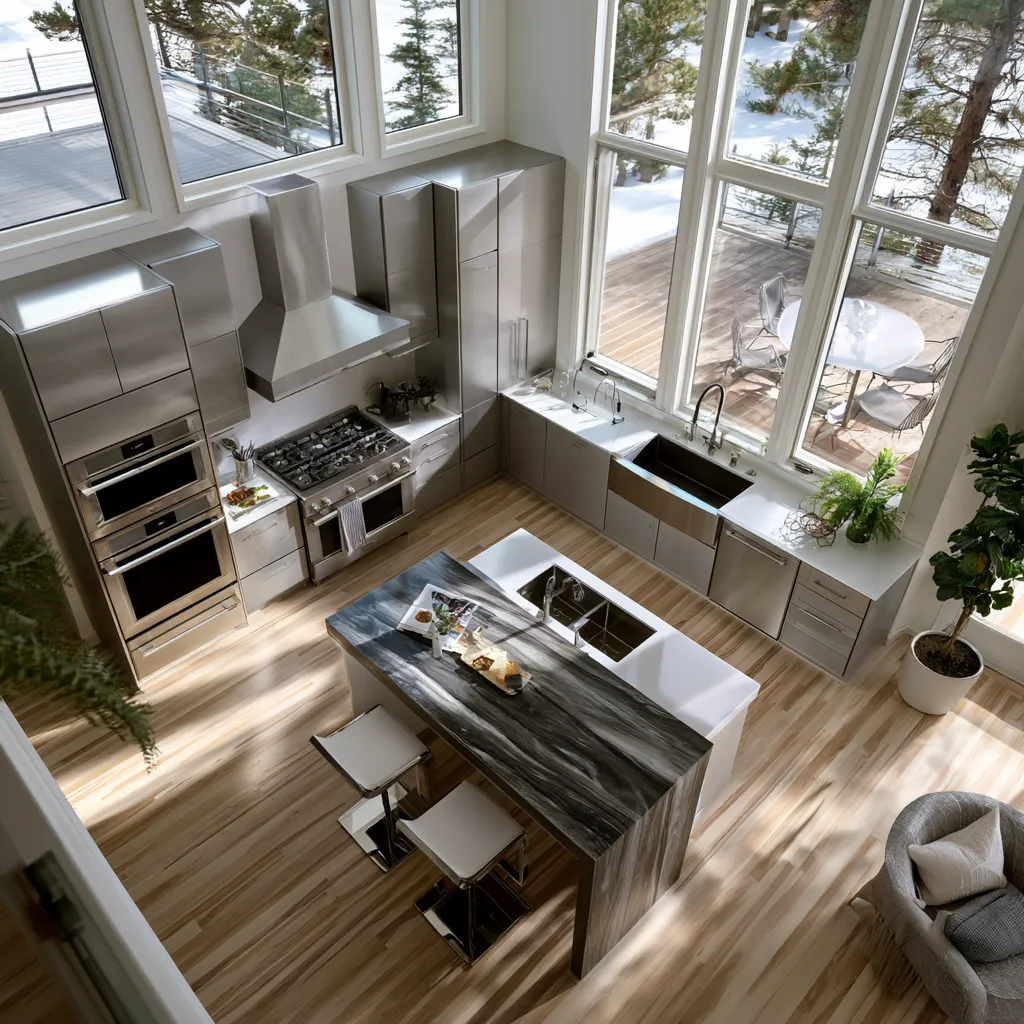
In feng shui, the kitchen represents nourishment and wealth. The stove, specifically, is associated with financial prosperity — a connection rooted in the historical reality that the ability to cook was synonymous with the ability to provide. Keep all burners clean and in working order; using all burners regularly (not just your favorite one or two) is said to expand the possibilities for abundance.
The cook should ideally stand at the stove with a view of the kitchen entrance — another application of the commanding position. If the stove faces a wall, a small mirror or reflective backsplash tile can correct this by allowing the cook to see what’s behind them. Keep the kitchen uncluttered, well-lit, and free of expired food; a clean, functioning kitchen is one of the highest-impact feng shui adjustments you can make to the entire home’s energy.
The Home Office — Focus, Clarity, and Career Chi
With remote and hybrid work now standard for millions of people, the home office has become one of the most energetically significant spaces in the house. Feng shui home office design follows the commanding position principle rigorously: desk facing the door (or angled to see it), solid wall or high bookcase behind the desk for support, no windows directly behind the chair (which creates a sense of exposure and scattered thinking).
Incorporate Metal element energy for clarity and precision — clean lines, organized surfaces, white or grey tones balanced with a Wood element plant for creative growth. A small water feature (even a desktop fountain) in the Career or Wealth area of your desk can activate those life domains. Keep cables managed and screens clean; in feng shui, visual clutter translates directly into mental clutter. For practical tips on creating a productive workspace, see our piece on home office setup ideas for focus and creativity.
Feng Shui Home Decor Principles That Work in Any Style
One of the most common misconceptions about feng shui interior design is that it requires a particular aesthetic — bamboo screens, Buddha statues, red lacquer. In reality, the principles of feng shui are purely spatial and energetic. They apply to a mid-century modern bungalow, a Victorian terrace, and a glass-and-steel penthouse equally. What matters is how energy moves, not what things look like.
Here are the universal feng shui home decor principles that cut across all styles:
- Declutter first, always. No feng shui adjustment works well in a cluttered space. Clutter represents stuck, stagnant energy and unfinished decisions. Clear it before doing anything else.
- Let natural light in. Light is yang energy — activating, clarifying, life-giving. Clean your windows, trim overgrown bushes blocking light, and add mirrors strategically to bounce daylight deeper into rooms.
- Add living things. Plants and fresh flowers introduce Wood element energy and literally clean the air. Choose healthy plants with rounded leaves (rather than spiky cacti near seating areas) and keep them well-tended.
- Fix what’s broken. A dripping tap, a door that doesn’t close properly, a flickering light — broken things signal and perpetuate stagnation. Repair them promptly.
- Choose art that makes you feel good. Images in your home affect your subconscious mind continuously. Remove art that depicts struggle, loneliness, or violence, and replace it with scenes that evoke the feelings you want to cultivate.
- Balance yin and yang. Yang spaces are bright, active, and social (kitchens, living rooms). Yin spaces are dim, quiet, and restorative (bedrooms, reading nooks). Make sure each type of space has the appropriate quality of energy.
Common Feng Shui Mistakes and How to Fix Them
| Mistake | Why It Matters | The Fix |
|---|---|---|
| Bed aligned with door (coffin position) | Activates anxiety and disrupts sleep quality | Move bed diagonally; if impossible, place a footboard or bench at the end of the bed |
| Mirror facing the bed | Activates energy during rest, may disturb sleep | Cover mirror at night or relocate it to a side wall |
| Desk facing a wall | Creates feeling of being blocked, limits perspective | Rotate desk to face the room; use a mirror if space doesn’t allow |
| Clutter under the bed | Stagnant energy directly beneath you while sleeping | Clear the space entirely or store only sleep-related soft items in low-profile bins |
| Dead or dying plants | Symbolizes and reinforces declining energy | Remove or revive immediately; choose low-maintenance species if plant care is a challenge |
| Toilet lid left open | Water energy (wealth) drains away symbolically | Keep lid closed and bathroom door shut when not in use |
| Sofa back to door | Creates subconscious anxiety, prevents relaxation | Rearrange so main seating has a sightline to entrance |
Feng Shui Design for Small Spaces and Apartments
Many people assume feng shui home design requires a large, well-proportioned property to work. In fact, the principles are often even more impactful in small apartments, where every square foot matters and spatial decisions compound quickly. A studio apartment in which the bed faces the cooking area, the door opens into the side of a sofa, and the windows are blocked by tall furniture is energetically chaotic — and its residents often feel it without knowing why.
In small spaces, the following adaptations make the greatest difference:
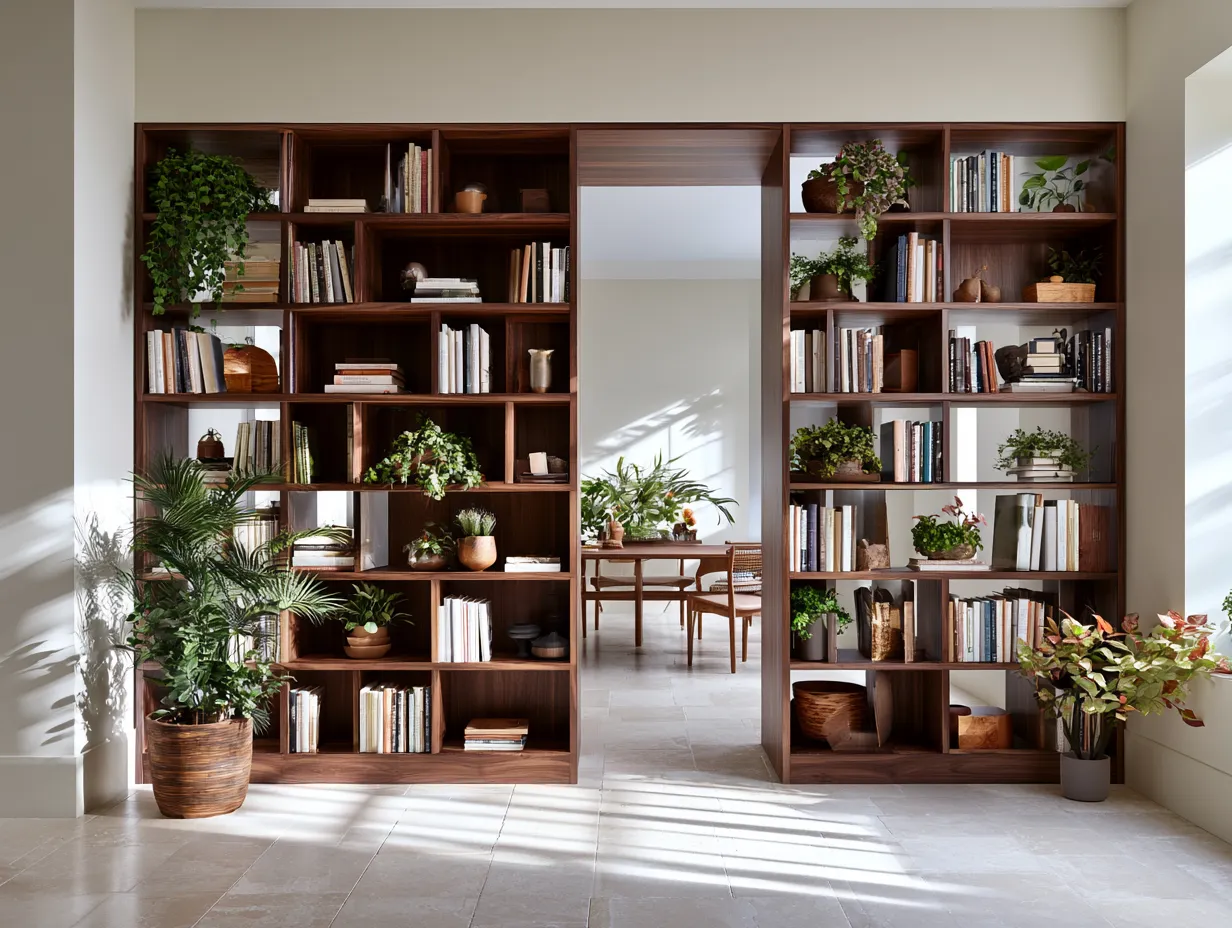
- Use a room divider or bookcase to create a symbolic separation between sleeping and living areas, giving the bedroom zone its yin quality even without walls.
- Maximize vertical space with tall shelving — high shelves draw the eye upward and make ceilings feel higher, which opens up chi flow.
- Choose furniture with legs rather than pieces that sit directly on the floor; chi is said to flow under and around furniture, and raised pieces feel lighter and allow better energetic circulation.
- Use mirrors deliberately — one well-placed mirror can visually double the space and reflect natural light, but avoid cluttering walls with multiple mirrors, which can create confusing, chaotic reflections.
- Go ruthlessly minimal with decor. In a small space, every object is amplified. Keep only what you genuinely love and use; let walls and surfaces breathe.
For tailored advice on making the most of compact living spaces, our guide to small space interior design strategies pairs naturally with these feng shui principles.
Colors in Feng Shui Interior Design
Color is one of the fastest and most affordable tools in feng shui home design. Every color corresponds to one of the five elements and carries specific energetic properties. Using color intentionally — based on the bagua map area you’re working with and the quality of energy you want to cultivate — can produce noticeable shifts without moving a single piece of furniture.
- Greens and teals (Wood): Growth, freshness, new beginnings. Excellent in the Family area, a home office, or any creative workspace. Also wonderful as an accent in bedrooms for people who feel stuck.
- Reds, oranges, purples (Fire): Visibility, passion, recognition. Use in the Fame area, dining rooms, or anywhere you want to stimulate social energy. Use sparingly in bedrooms and avoid in the bathroom.
- Yellows, beiges, terracottas (Earth): Stability, grounding, nourishment. Ideal for the center of the home (the Health zone), kitchens, and the Relationship area. These tones work in almost any room as a grounding neutral.
- Whites, greys, metallics (Metal): Clarity, focus, precision. Perfect for home offices, bathrooms, and the Creativity area. Can feel cold if overused — always balance with warm accents.
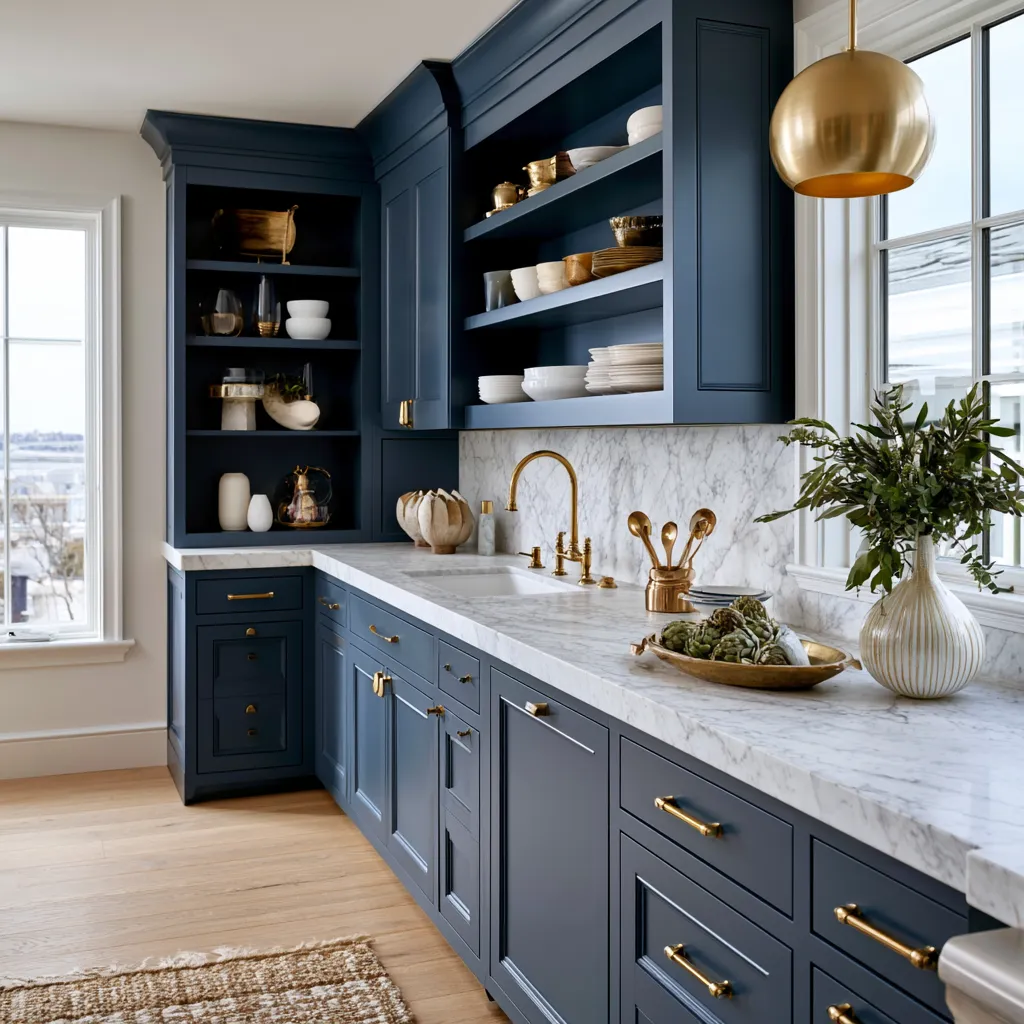
- Blues, blacks, charcoals (Water): Wisdom, depth, career energy. Use in the Career area (often the entryway or living room front zone) and anywhere you want to invite contemplation and flow. A navy accent wall in a study is a classic Water element move.
Bringing Nature Indoors — Plants, Water Features, and Natural Materials
Feng shui has always been a nature-based philosophy, and bringing natural elements inside is one of the highest-leverage things you can do for your home’s energy. Plants are the most accessible tool: they introduce Wood element vitality, actively purify indoor air, and create a living, breathing quality that no synthetic decoration can replicate.
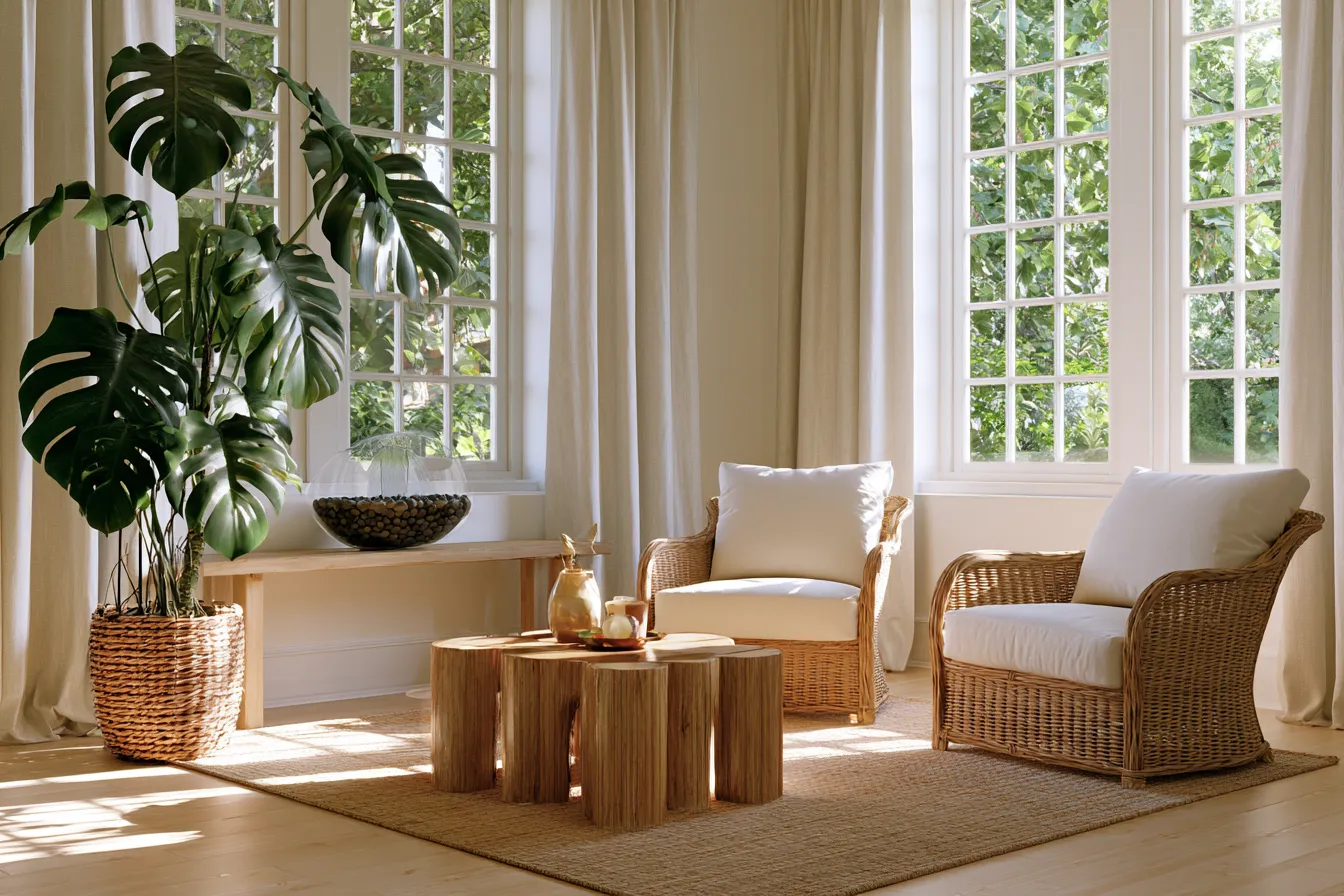
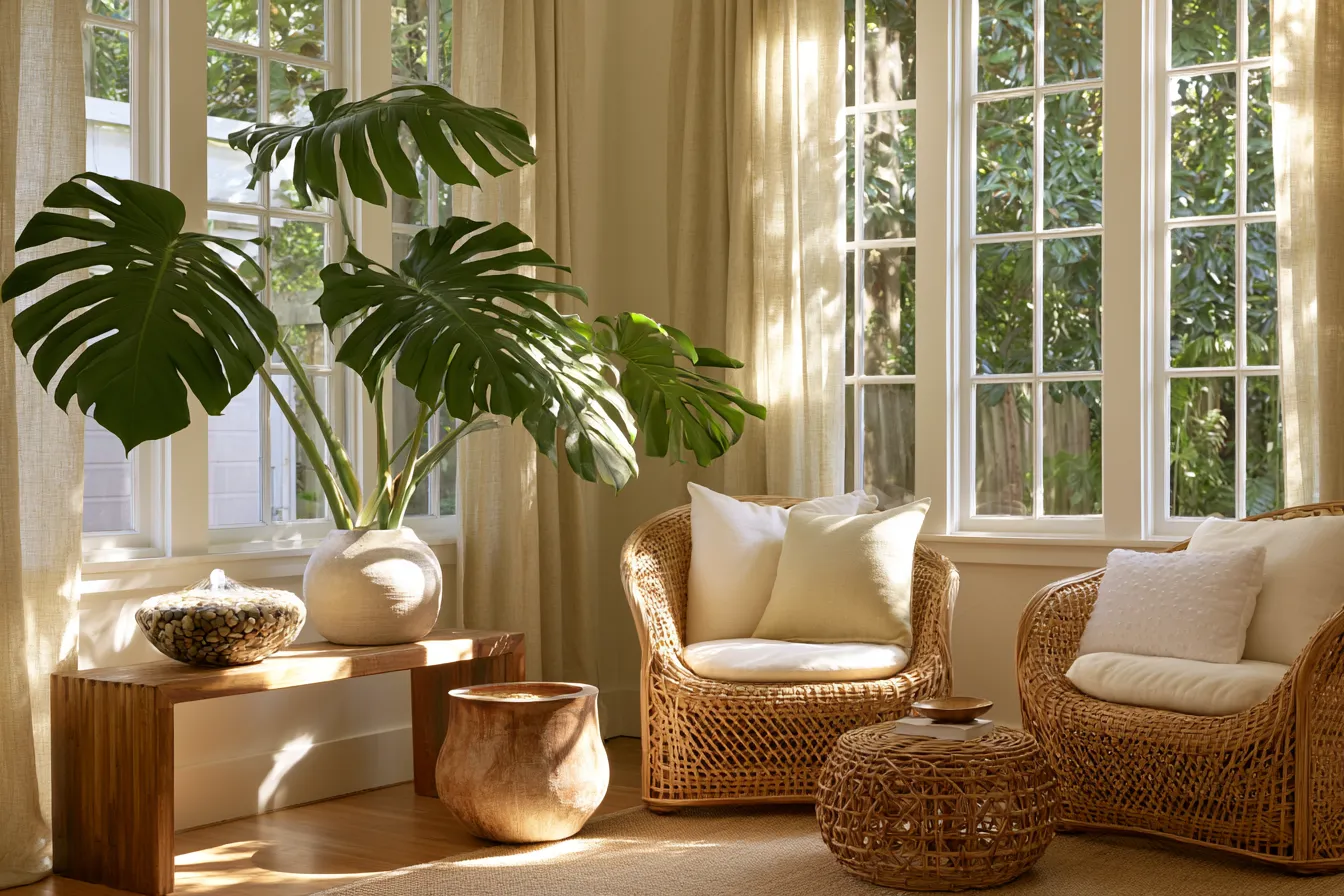
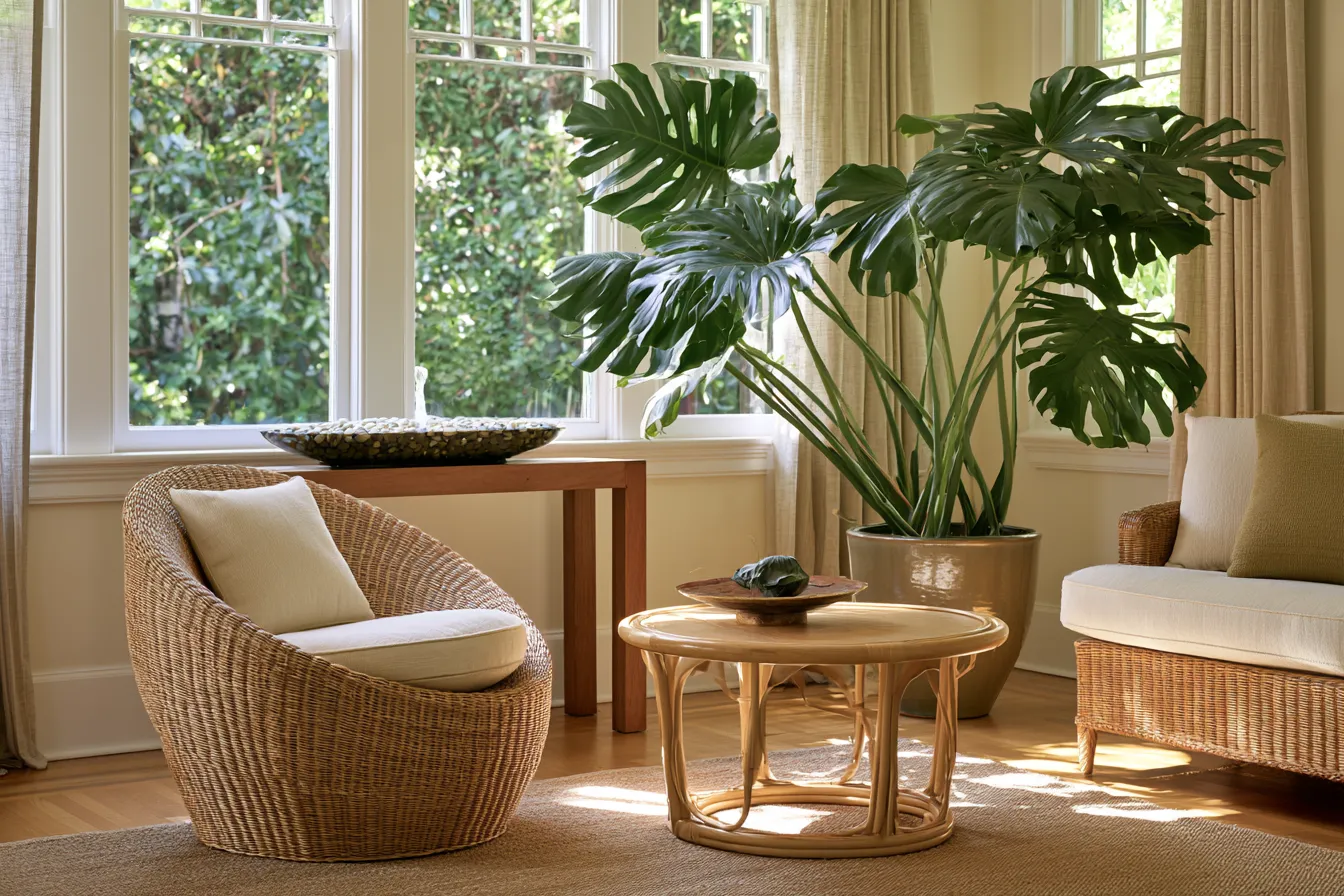
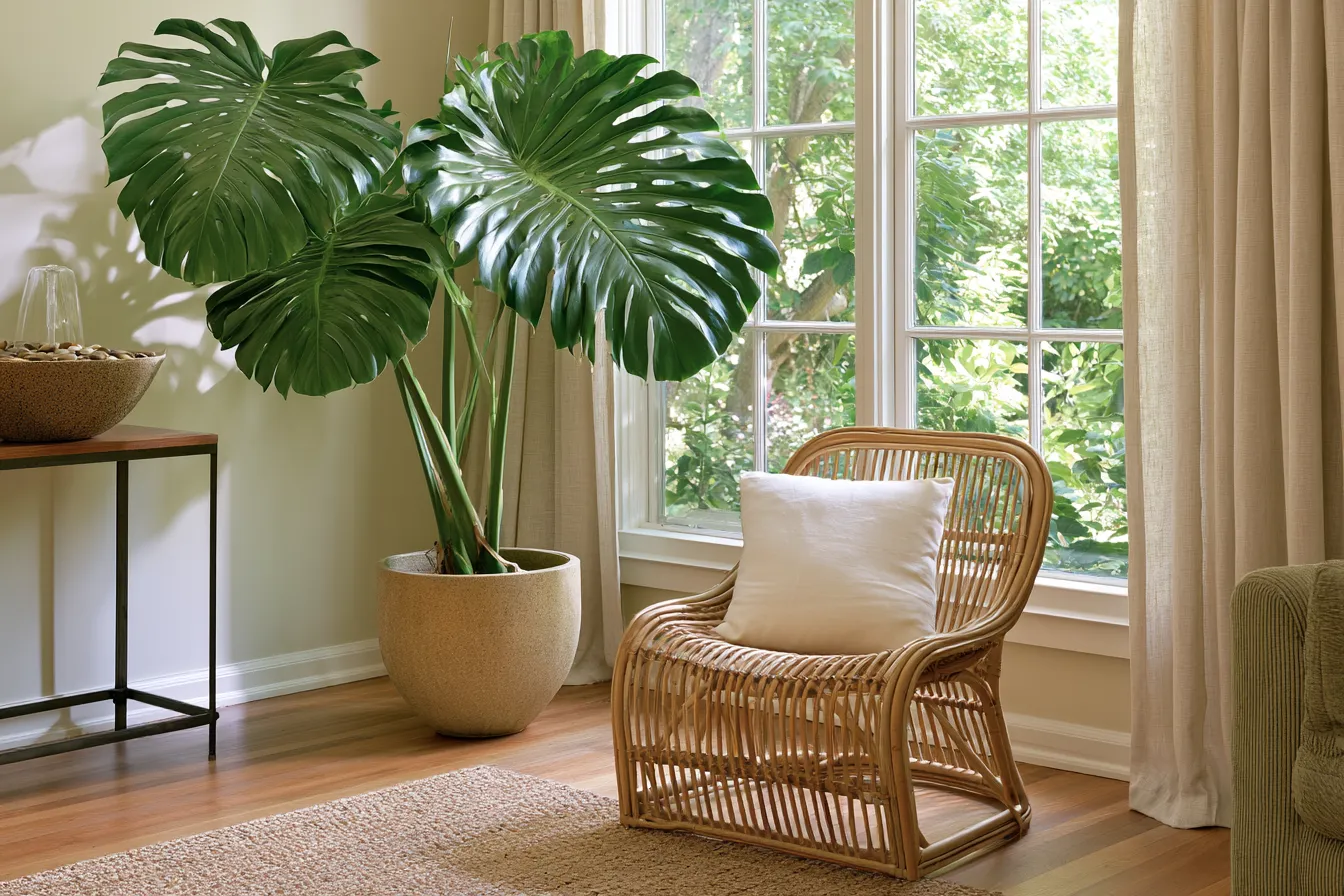
The best plants for feng shui are those with rounded, lush leaves: pothos, monstera, rubber plants, peace lilies, and jade plants. The jade plant is particularly associated with prosperity and is traditionally placed near the front entrance or in the Wealth corner. Avoid plants with thorns or very sharp, sword-like leaves near seating and sleeping areas — save cacti for sunny windowsills or outdoor patios.
Water features — even small tabletop fountains — introduce flowing Water energy, which is associated with the career and wisdom areas of the bagua. The direction of water flow matters: water flowing toward the center of the home is considered auspicious, while water flowing toward the front door is thought to carry wealth away. Natural materials throughout — real wood, stone, rattan, linen, cotton — all contribute elemental richness and a sensory groundedness that synthetic materials cannot replicate.
How to Start Your Feng Shui Home Transformation Today
Feng shui home design can feel overwhelming when you try to address everything at once. The most effective approach is to start with one small, meaningful action and build from there. Here is a practical sequence that consistently produces results:
- Declutter one room completely. Choose the room where you spend the most time. Remove everything that is broken, unloved, or unused. This single step shifts energy faster than any placement or color change.
- Fix what’s broken. Walk through your home and make a list of every small repair you’ve been postponing. Schedule them within the next two weeks.
- Check your commanding positions. Adjust the bed, desk, and main sofa so each has a sightline to the room entrance and solid support behind it.
- Add one living plant. Place it in the entry or living room. Choose a healthy, thriving specimen, and commit to caring for it.
- Clean and activate your entry. This is the single highest-impact zone. Repaint the front door if needed, add a welcome mat, ensure lighting works, and place something beautiful and alive near the entrance.
- Map your bagua and identify one priority area. Choose the life domain most in need of support and make one targeted enhancement in that corner of your home.
These steps require no budget, no specialized knowledge, and no commitment to any belief system. They are practical spatial improvements that any thoughtful homeowner can implement immediately. And if you want professional guidance for a more comprehensive transformation, consider consulting a certified feng shui practitioner for your specific floor plan and compass directions.
For further inspiration on creating spaces that feel intentional and alive, visit our collection of sustainable home design ideas — many of which align naturally with feng shui principles of respect for natural materials, energy efficiency, and spaces built for human wellbeing.
Final Thoughts on Feng Shui Home Design
Feng shui home design is, at its heart, the practice of paying deep attention to your environment and making choices that support the life you want. It asks you to see your home not as a static backdrop but as an active participant in your daily experience — something that can be shaped, tuned, and refined to work with you rather than against you.
The beauty of these principles is that they work whether you believe in chi or not. A bedroom with a solid headboard wall, a commanding view of the door, warm lighting, and no electronic devices will simply feel better. A kitchen that is clean, bright, and fully functional will inspire more cooking. An entryway that is welcoming and alive will make you feel glad to come home.
Start where you are. Use what you have. Make your home a place that genuinely nourishes you — and watch how the rest of your life responds.