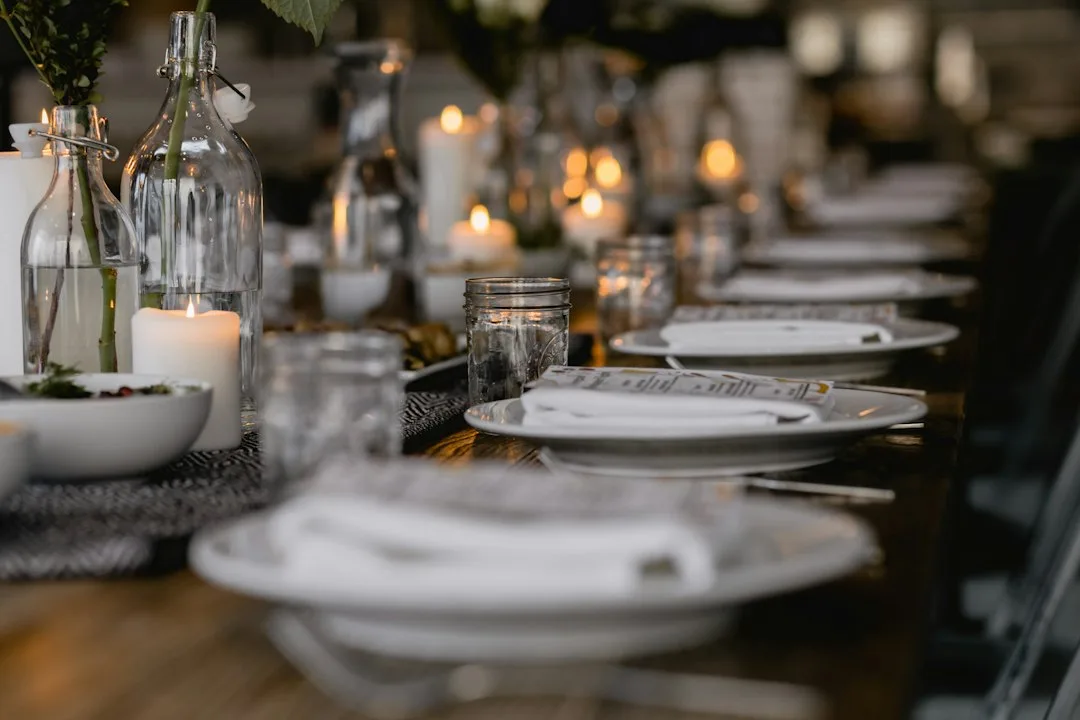
In August 2026, a survey of 4,000 U.S. households found that dinner party attendance had increased 41% year-over-year, with 68% of respondents citing exhaustion from video calls and social media as the primary driver. Dinner party events have emerged not as nostalgic throwbacks but as a deliberate counterculture movement against screen-mediated relationships. This is not about formality or tradition—it’s about reclaiming the dinner table as the last refuge for undistracted conversation.
Why Dinner Party Events Are Displacing Other Social Formats
The shift reflects deeper dissatisfaction with hybrid events and virtual celebration platforms. Unlike a cocktail reception where motion and small talk dominate, or a large gala where anonymity erodes authentic exchange, dinner party events create structural intimacy. A seated table of six to twelve people for 90 minutes forces genuine dialogue.
Hosts report that dinner party events generate post-event text chains lasting days—a metric that reveals social penetration far beyond surface-level attendance. Compare this to standing receptions, where 40% of guests admit they forget attendees’ names within 48 hours.
Corporate environments are adopting dinner party formats for client retention and team cohesion. Corporate Team Building Events 2026 — Why Hybrid Experiences Drive Employee Retention now include intimate dinner experiences instead of breakout sessions or outdoor team sports.
Quick Tips
- Seat guests in a deliberate order—place shy guests between naturally gregarious ones to amplify conversation flow
- Commit to courses, not platters—multiple serving moments reset energy and sustain engagement over time
- Eliminate phones visibly: hosts who stack devices at the entry report 3x higher guest feedback about connection
- Plan 90 minutes minimum, 2.5 hours optimal—anything shorter feels rushed; anything longer strains kitchen logistics
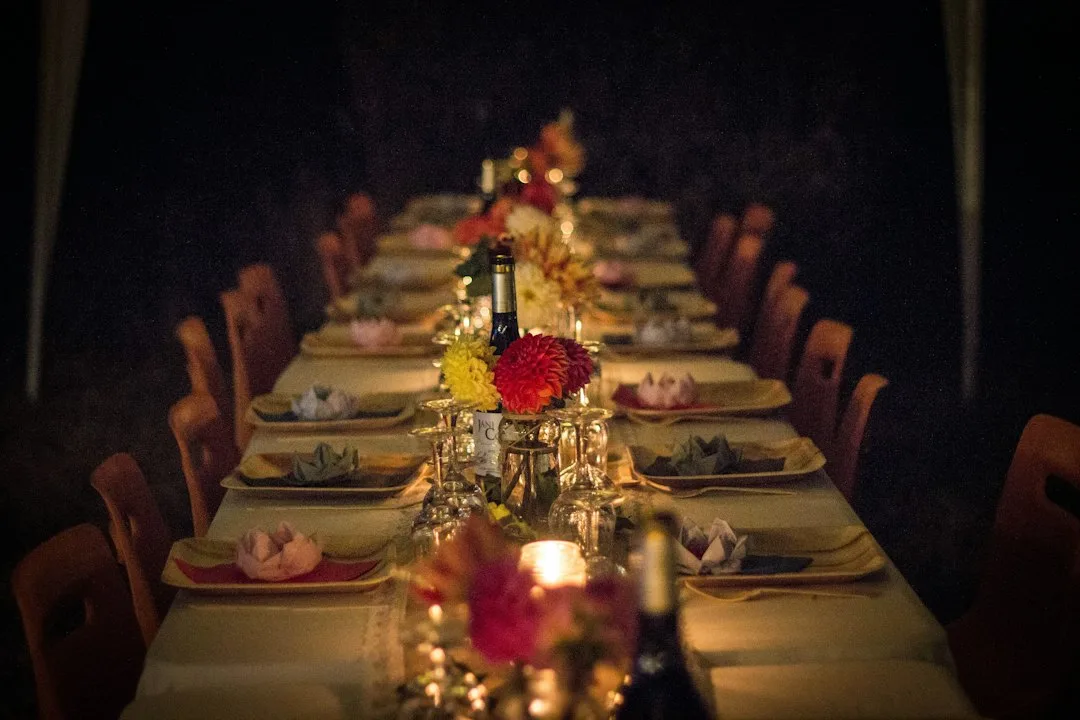
Dinner Party Events Menu Structure and the Rise of Progressive Plating
The most successful dinner party events in 2026 feature three to five distinct courses, each triggered by clearing the prior course. This structure does more than showcase culinary skill—it creates rhythm and conversation breaks. Le Creuset, the French cookware brand, reported a 56% surge in orders for matching serving vessels and baking dishes among hosts ages 28–45, signaling that the aesthetics of plating have become part of the invitation itself.
Progressive plating means that pasta arrives warm, not lukewarm; fish is plated immediately after searing; dessert emerges from the kitchen still steaming. This tactile commitment separates dinner party events from catered affairs or restaurant reservations, where dishes cool in transit.
| Course Structure | Timing Benefit | Guest Experience |
|---|---|---|
| Aperitif + Amuse | Sets anticipation (10 min) | Signals intentionality |
| First Course (Soup/Salad) | Settles guests, warms palate (20 min) | Grounds conversation |
| Main + Sides | Substantial engagement (35 min) | Core dialogue |
| Palate Cleanser | Resets attention (8 min) | Prepares for finale |
| Dessert + Coffee | Extends intimacy (25 min) | Deepens bonds |
The Critical Mistake: Overloaded Tables and Unclear Invitations
The #1 failure in dinner party events is inviting too many guests or seating them haphazardly. One host in Portland invited 18 people to a 10-person table, rotating shifts. The result: no one felt anchored to a conversation; groups fragmented; the host spent the evening managing logistics instead of engaging. This broke the entire premise of dinner party events—genuine connection.
A second common error is vague invitations. Guests need clarity on start time, end time, dietary context, and dress code. Ambiguous details create anxiety and reduce RSVPs. Dinner party events thrive on certainty.
Poor seating plans amplify this. Hosts who seat couples together, or friends with friends, inadvertently create subcircles. Instead, alternate genders and professions; seat strangers beside guests who will introduce them within minutes.

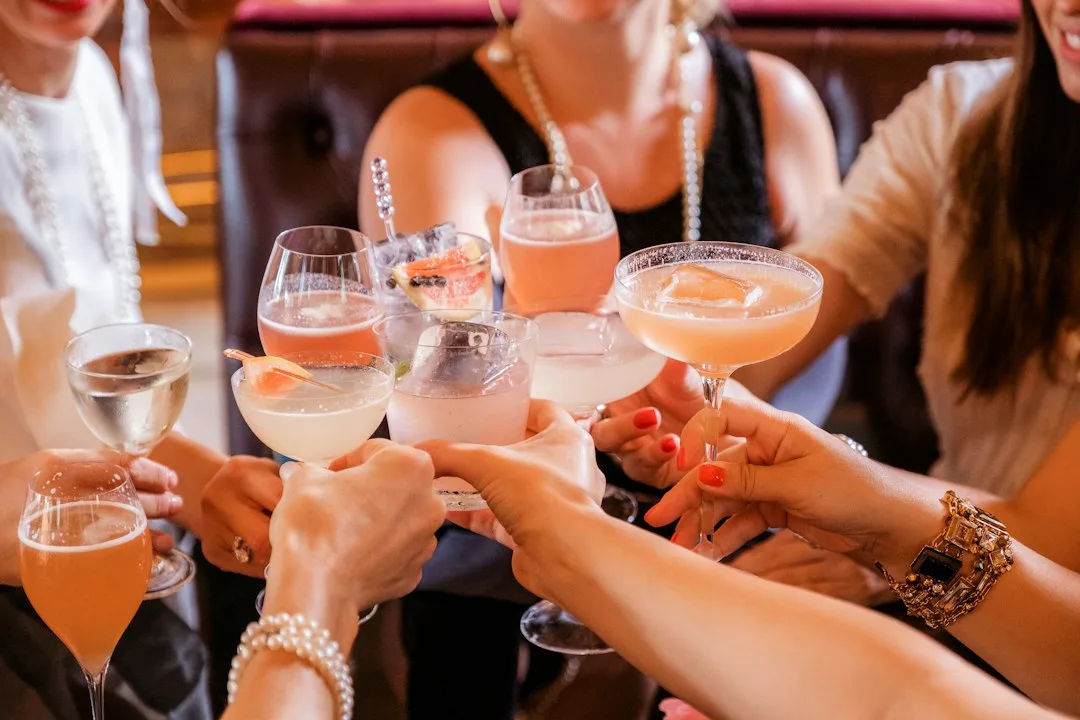
Beverage Pairings and Wine Service in Dinner Party Events
Scaling Dinner Party Events for Corporate and Destination Settings
The principles of intimate dinner parties extend naturally into corporate and destination contexts. When organizations host Corporate Team Building Events 2026 — Why Hybrid Experiences Drive Employee Retention, the most effective formats retain the dinner party’s core structure: intentional seating, conversational flow, and genuine human connection. Companies that treat team dinners as logistics exercises rather than relationship-building moments lose their employees’ engagement and loyalty.
Similarly, Destination Wedding Events Drive Luxury Travel Growth in 2026 increasingly incorporate dinner party elements. Rather than banquet-hall formality, destination weddings now feature multi-course dinners with rotating tables, interactive courses, and personal storytelling. This hybrid approach—combining the intimacy of a dinner party with the scale of a destination event—creates memorable experiences that guests discuss for years.
The shared lesson across both corporate and destination dinner events is flexibility. A rigid menu, fixed seating, or predetermined conversation topics stifle the spontaneity that makes dinner parties memorable. Hosts who build in buffer time, prepare flexible courses, and remain responsive to guest energy witness dramatically higher satisfaction and stronger relationship outcomes.