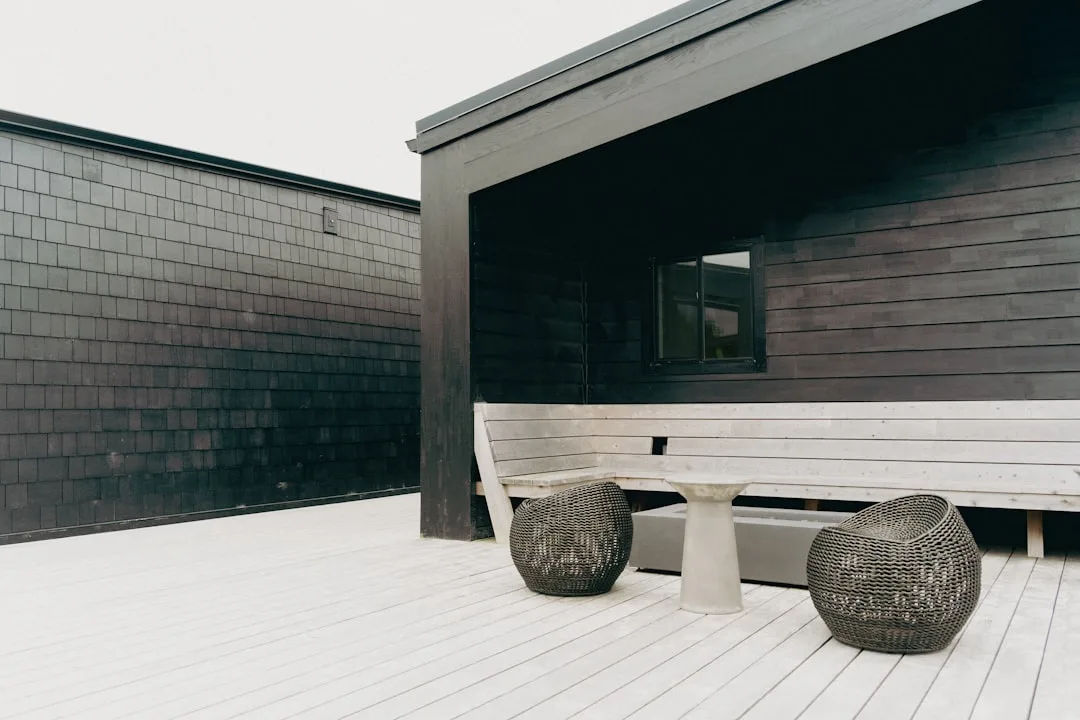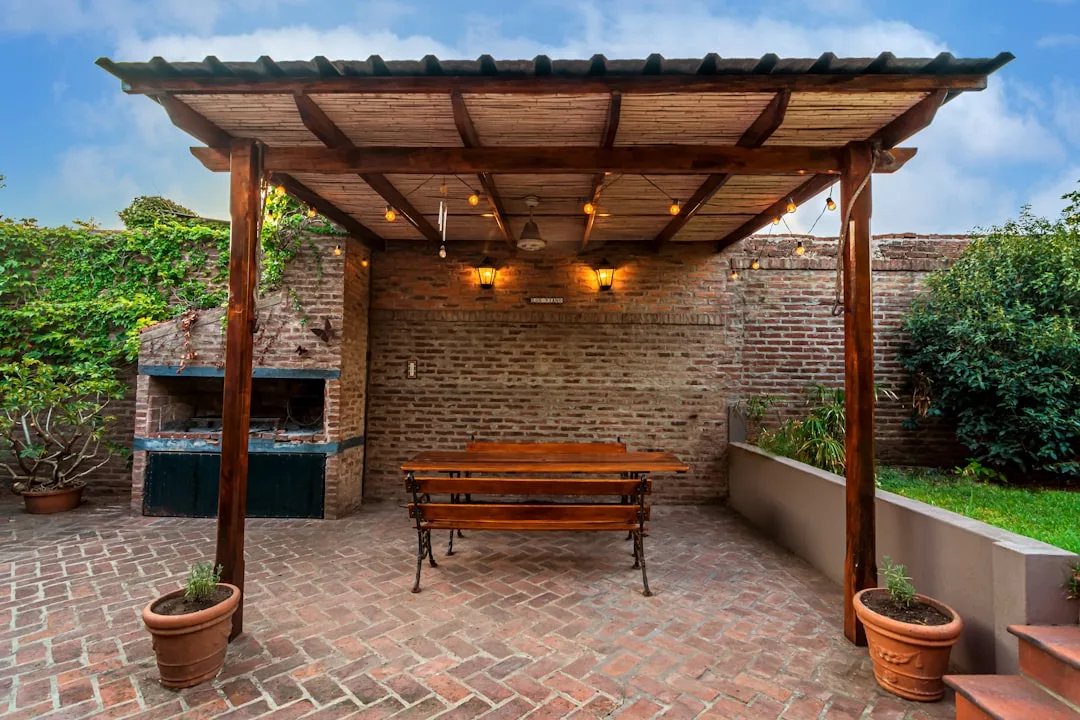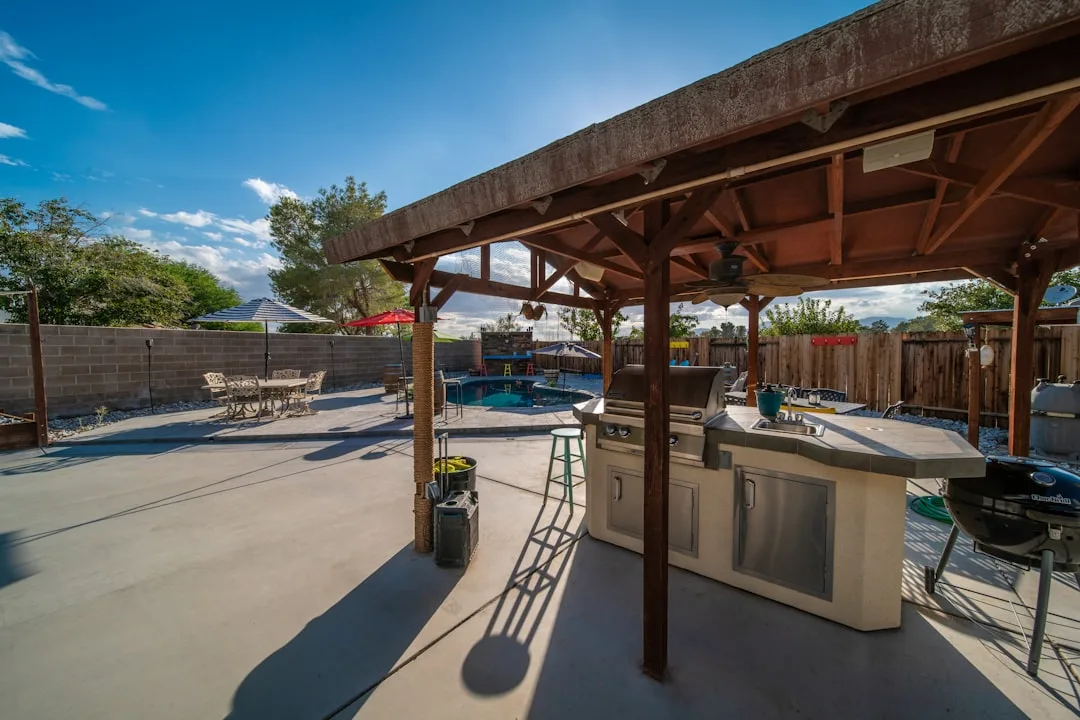
To winterize patio furniture, clean and dry every piece, repair small damage, then decide by material whether it goes indoors, under a breathable cover or stays out. Cushions, glass tabletops and natural wicker belong inside; metal and hardwood frames can usually stay out under a fitted cover; solid HDPE pieces are the most tolerant of all. The step most people skip, and later regret, is letting furniture dry completely before covering it.
Mid-November is the right moment for most regions, before the first heavy frost and snow. Doing it now takes an afternoon; skipping it can mean rust, mildew-stained cushions and cracked glass by spring.
Start with cleaning and drying
Dirt, pollen and food residue left over winter hold moisture against the surface. Hose each piece down, scrub with a soft brush and warm soapy water, and dry with towels. According to HomeServe’s winterizing steps, furniture covered while still damp can mold or rust in storage, so leave it in the sun until fully dry.
Quick Tips
- Check the manufacturer’s care instructions before using any cleaner or coating.
- Oil hinges, swivels and rocker mechanisms before storage.
- Remove foot caps on aluminum chairs to let trapped water drain.
- Disconnect propane tanks and gas lines from fire pit tables.
- Stack only pieces the manufacturer labels as stackable.
What to store, cover or leave out
Storing everything indoors is ideal, but few homes have garage space for a full dining set. The practical approach is to prioritize by material: the most vulnerable pieces go inside, the durable ones stay out under a cover.
When space is tight, make the most of walls and corners. Lean or hang folding chairs instead of laying them flat, keep seats clear of boxes so the fabric or slats do not tear, and push dining tables against a wall with chairs tucked underneath. A small shed or a corner of the garage usually fits the cushions, glass top and wicker, which are the pieces that suffer most outdoors.
| Material | Winter plan | Prep before winter |
|---|---|---|
| Cushions and fabric | Indoors | Clean, dry, fabric protector, breathable bag or tote |
| Glass tabletops | Indoors, nothing stacked on top | Discard if already cracked |
| Natural wicker | Indoors | Repair broken strands |
| Resin wicker | Sheltered spot, covered | Buff clean, no coatings |
| Wrought iron, steel, aluminum | Outside under a cover | Remove rust, touch up paint, wax |
| Teak and HDPE | Can stay out | Clean; cover optional |
Protecting wood and teak frames
Inspect wood for soft spots, deep cracks and splinters; badly damaged pieces are better replaced than patched. Fill minor dents with exterior wood filler, sand lightly and reapply paint, stain or sealant on painted or stained wood. Let coatings cure fully before covering, or they will stick to the cover.
Teak is the exception. It weathers to a silver-gray naturally and does not need sealing to survive winter. If you prefer the golden tone, BBQGuys recommends a water-based, non-corrosive teak sealer, and a teak cleaner can bring weathered gray teak back in spring.
Preventing rust on metal furniture
Wire-brush any rust spots on wrought iron or steel, then apply touch-up paint. Polywood’s winter checklist suggests a coat of car wax or silicone spray on wrought iron, aluminum and molded plastic as a barrier against moisture. On aluminum, brush paint over scratches and pull off the foot caps so water cannot pool inside the legs and freeze.
If you use rock salt on nearby paths, rinse metal furniture with warm water and towel it dry after storms. Salt does not hurt HDPE, but it corrodes metal hardware and frames.
Choosing and fitting covers
A cover only helps if it breathes. Non-breathable plastic traps condensation and grows mildew underneath, which defeats the purpose. Look for covers sold as waterproof and breathable, ideally with vents and straps, and pick a size that fits snugly. Loose covers collect snow and ice in their folds and can blow off in winter storms.
Set covered furniture on blocks or pallets so meltwater cannot pool and freeze around the legs, and keep pieces upright so snow load does not strain the joints. If you use a tarp, choose one large enough to wrap the whole piece and secure it with bungee cords or ratchet straps. Covered pieces near a backyard hot tub need extra attention, since steam adds moisture to the surrounding area all winter.
The cushion storage mistake
Sealing cushions in airtight bins seems logical but can backfire in humid garages and basements, where any trapped moisture turns into mildew by March. BBQGuys notes this risk and suggests breathable fabric storage bags in humid areas. Whatever you use, store cushions off the floor on a shelf, check them once or twice over the winter for mold or pests, and air them on a dry, sunny day.
Also store cushions flat or on edge without heavy items on top. A stack of firewood or boxes on a cushion for four months can leave permanent dents that no amount of fluffing will fix.