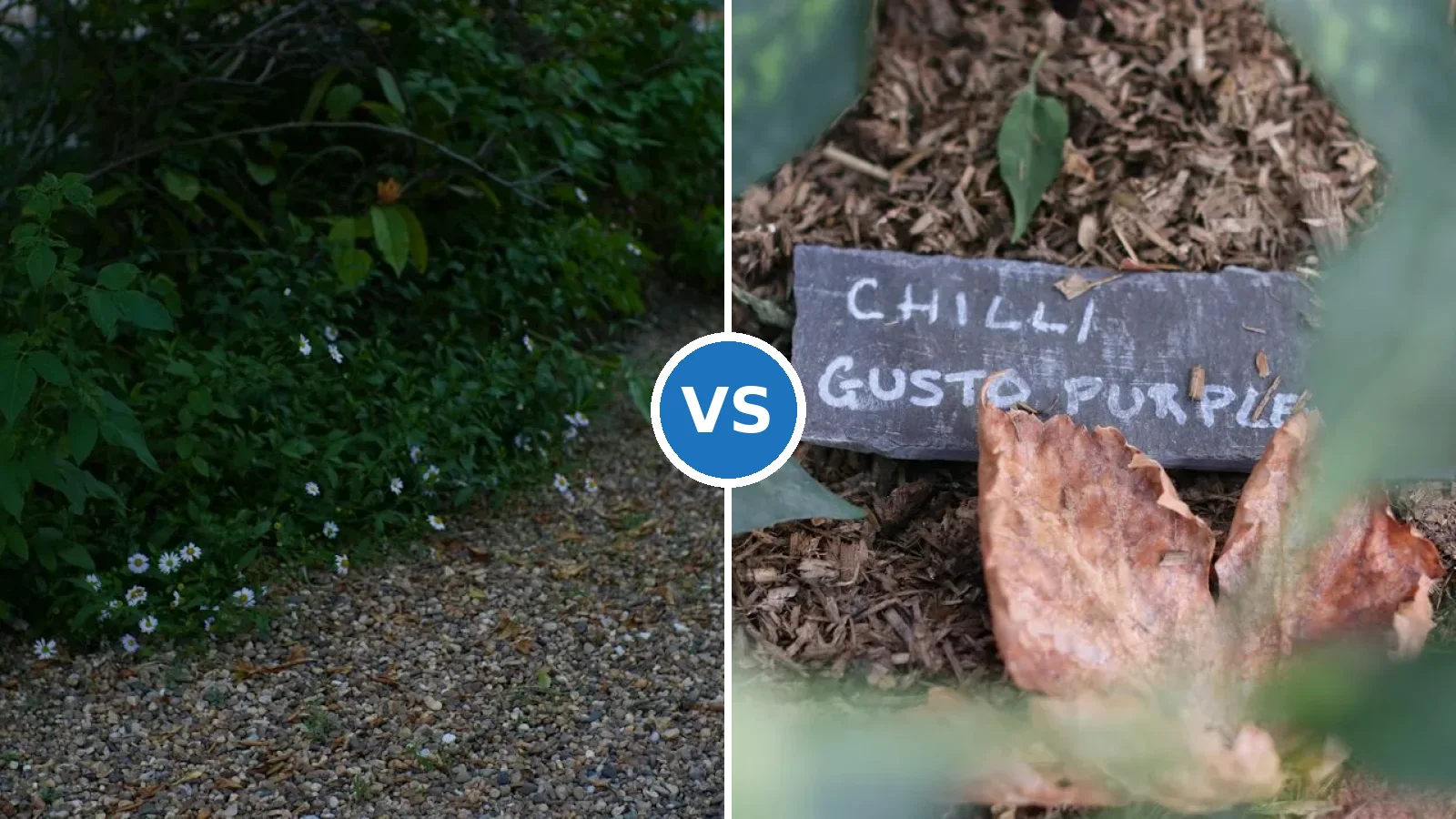
The gravel vs mulch choice comes up every fall, when leaves pile on the lawn and the yard still needs a plan for the dry months ahead. The leaf mulch bed is the mulch variant we compare here, since a loose layer of fallen leaves is the option most people weigh against crushed stone. Both can take the place of a thirsty lawn or a bagged cleanup, but they solve different problems.
A gravel garden suits a sunny yard where water use and mowing are the main worries. A leaf mulch bed suits a border of perennials, shrubs, and roses that needs more organic matter in the soil.
What each option actually is
Quick Verdict
- Choose gravel garden if your yard is sunny, you want less watering and mowing, and you prefer a crisp stone look.
- Choose leaf mulch beds if you already have perennials, shrubs, or roses and want fallen leaves to feed the soil instead of going to the curb.
- Choose gravel garden if ongoing upkeep matters more to you than building soil.
- Choose leaf mulch beds if you want the lower starting cost, since the material is already on your property.
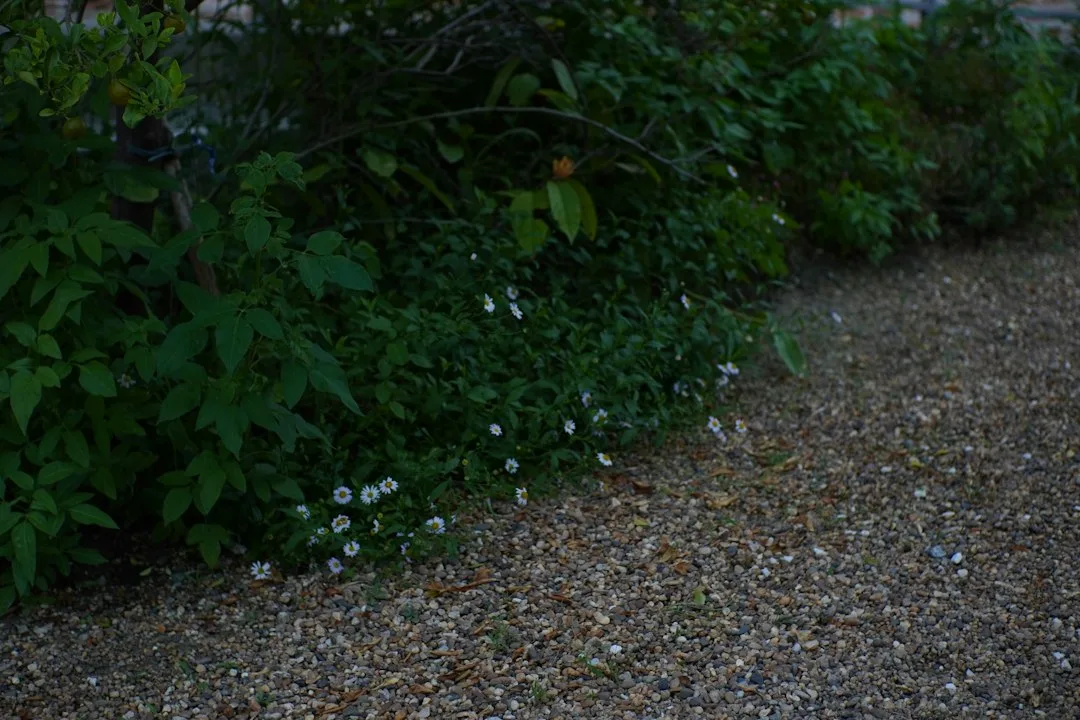
A gravel garden swaps turf for a bed of crushed stone laid over a fabric layer, with drought-tolerant plants set through it. The approach grew out of rebate programs and watering limits that pushed owners away from grass, as covered in gravel garden design. The look is pale, structured, and built around plants that handle dry feet.
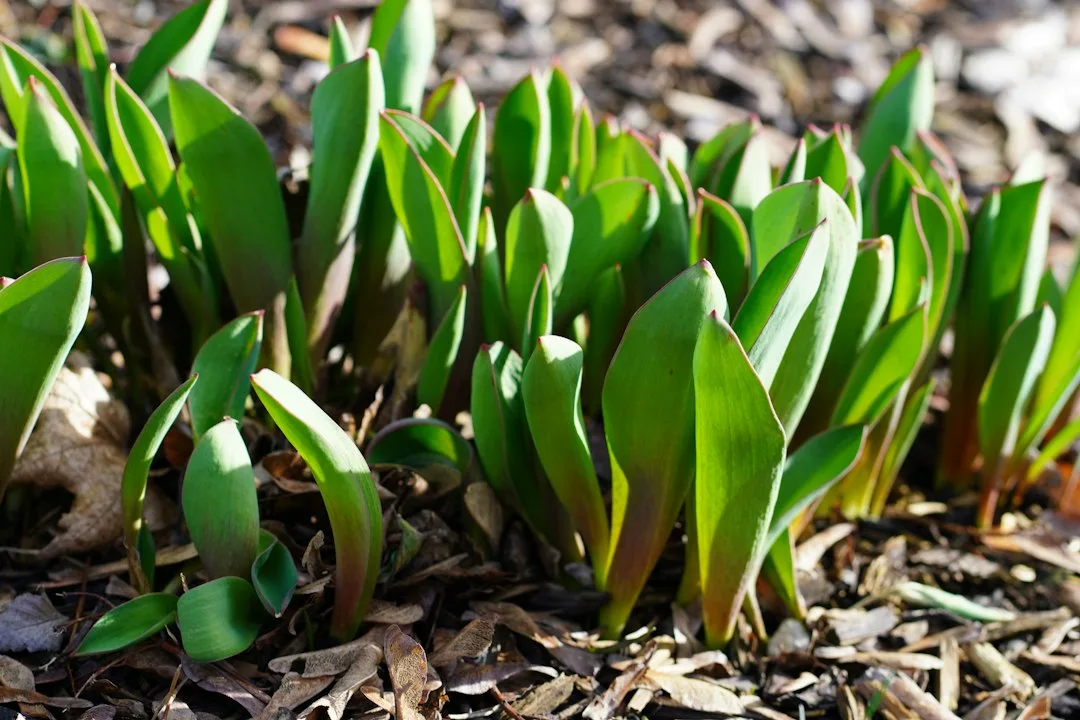
A leaf mulch bed takes the fallen canopy from your own trees and leaves it in place over the planting. Over the cold months the layer breaks down into organic matter, a process explained in leaf mulch garden beds. Nothing gets bagged or hauled away.
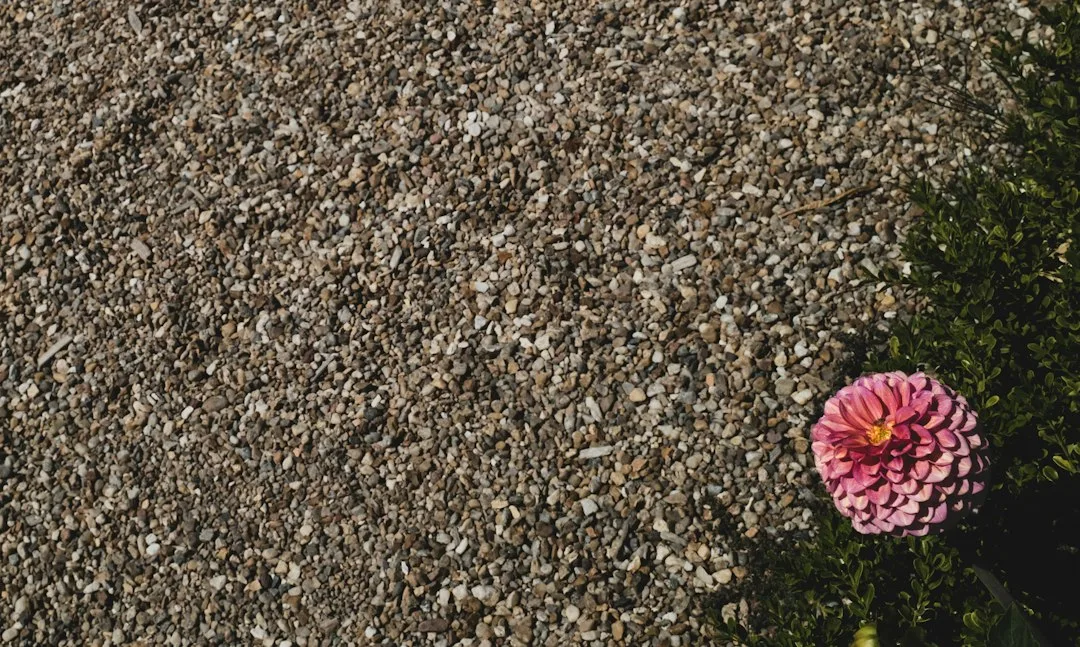
Gravel vs mulch head to head on cost and care
| Criteria | Gravel Garden | Leaf Mulch Bed |
|---|---|---|
| Water use | Low once plants are established | Helps soil hold moisture, but beds still need watering |
| Ongoing upkeep | Rarely mowed, with occasional weeding and re-leveling | Fall raking and shredding, with spring soil checks |
| Upfront cost | Stone, fabric, and plants, with stone sold by the ton | Leaves already on the property, plus basic tools |
| Soil health | Adds little organic matter | Adds organic matter as leaves break down |
| Winter look | Grasses and seed heads hold their structure | Soft layer that can mat when wet |
| Best fit | Sunny, dry spots and narrow courtyards | Perennial, shrub, and rose beds |
Gravel’s biggest edge is ongoing care. Once the plants settle in, the bed needs little watering, and mowing disappears entirely. Stone also stays tidy through winter when grasses and seed heads hold their shape.
Leaf mulch wins on upfront cost and soil health. The leaves are already on your property, so the material usually adds little to the budget beyond basic tools you own. As they break down, they return carbon, potassium, and trace minerals to the bed.
Stone is a different story at the start. Crushed stone is sold by the ton and priced in a moderate range that shifts by region. That makes the first investment in a gravel garden noticeably higher than raking leaves.
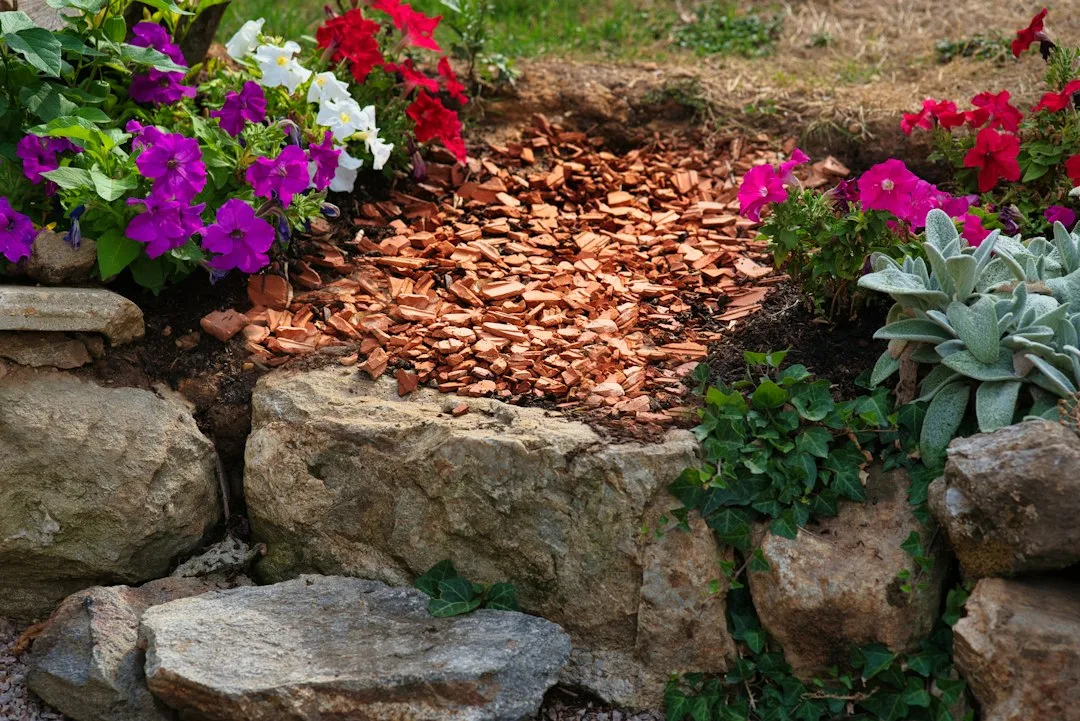
Where the gravel garden pulls ahead
Gravel wins when water and mowing are the real problems. The bed is built for dry feet, so it suits sun-baked strips, side yards, and narrow courtyards. Stone needs no mowing and fits tight passages easily.
Its look also stands out. Pale stone makes the shape and color of plants pop, and grasses keep their structure through winter. Stone beds need less cleanup than most perennial borders, which keeps the seasonal work light.
That is a clear edge for anyone tired of watering.
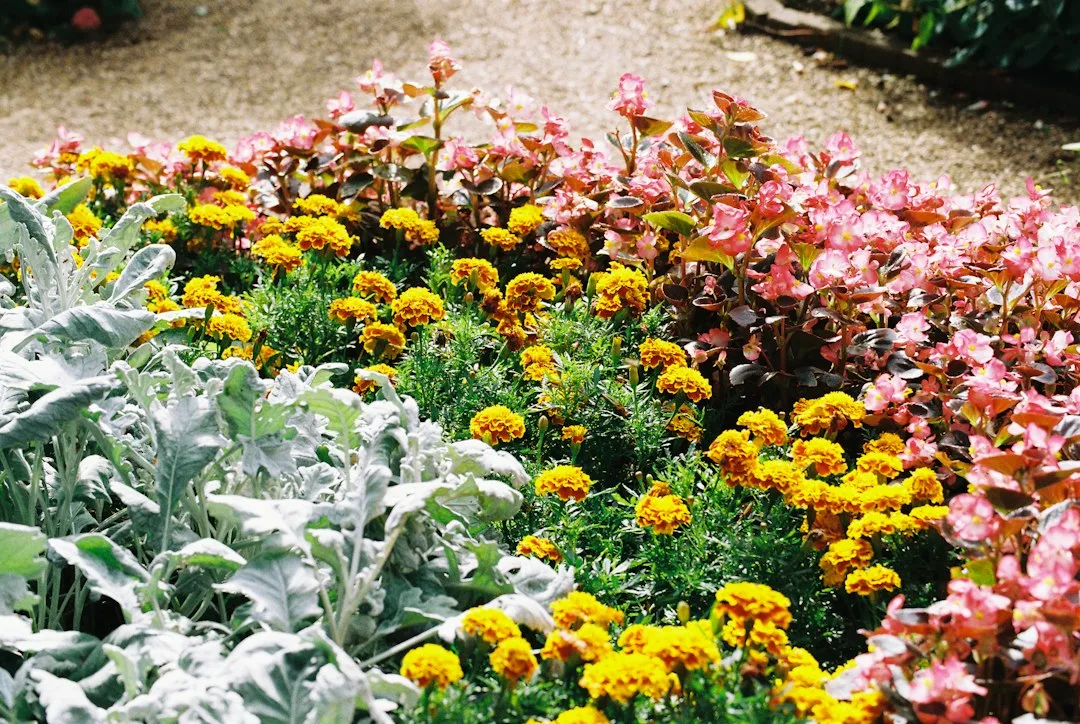
Where leaf mulch beds come out on top
Leaf mulch wins on soil. As the layer breaks down, it adds organic matter and gives earthworms a steady food supply through the cold months.
It also costs less to start, and skipping the bags saves trips to the curb. A mulching mower already in the shed can chop leaves so they settle flat instead of matting.
The layer insulates roots and slows evaporation through the cold, windy weeks. That protection suits perennials, shrubs, and roses well.
The mistake of choosing by looks alone
Picture a shady border with a clump of hostas, where someone picks gravel because stone looks tidy and easy. Hostas and astilbe sulk in stone beds, so the planting struggles and thins out. Any turf left under the stone can also push grass up within one season.
The reverse error happens with leaf mulch. Someone dumps a thick, wet mat of leaves over the hosta crowns, and the crowns rot before spring. Keep the layer pulled back from stems and crowns, and match the bed to the light, not the picture.
Final verdict on who should choose which
Choose gravel if your yard is sunny and dry, and your top goals are less watering and mowing. It also suits anyone who wants a crisp, structured look that holds through winter.
Choose leaf mulch if you already have a planted border and want to build soil at little cost. It fits anyone willing to rake and shred leaves each fall.
Neither bed is free of work, and both fail on bare or waterlogged ground. Match the bed to your light and your planting, and the choice gets simple.