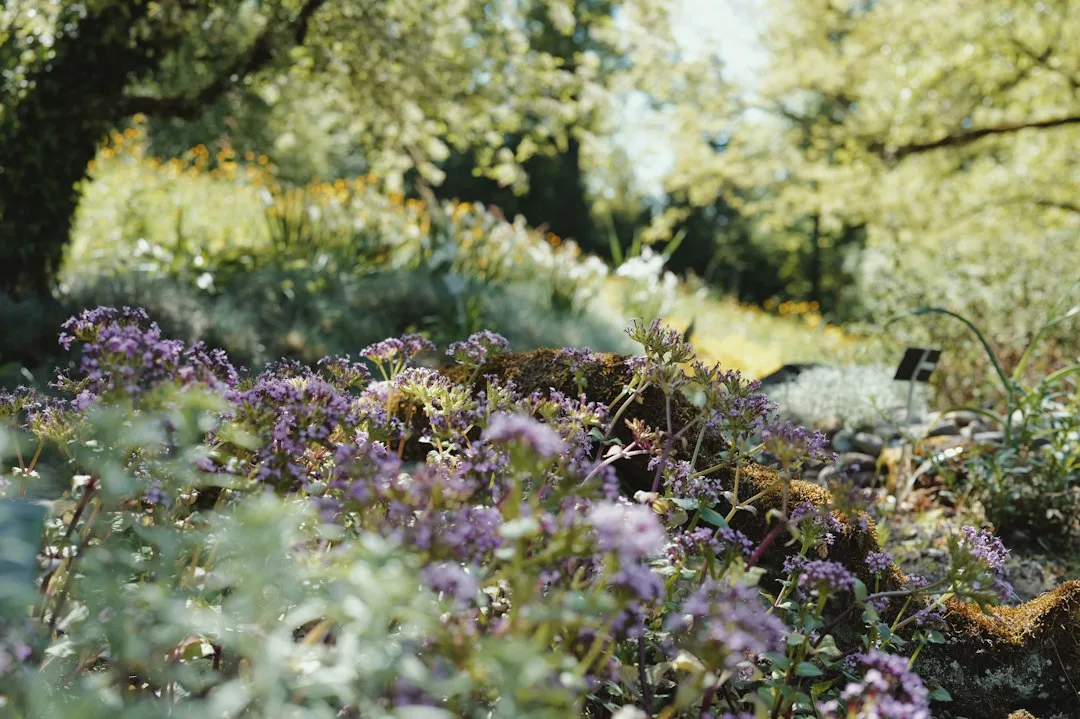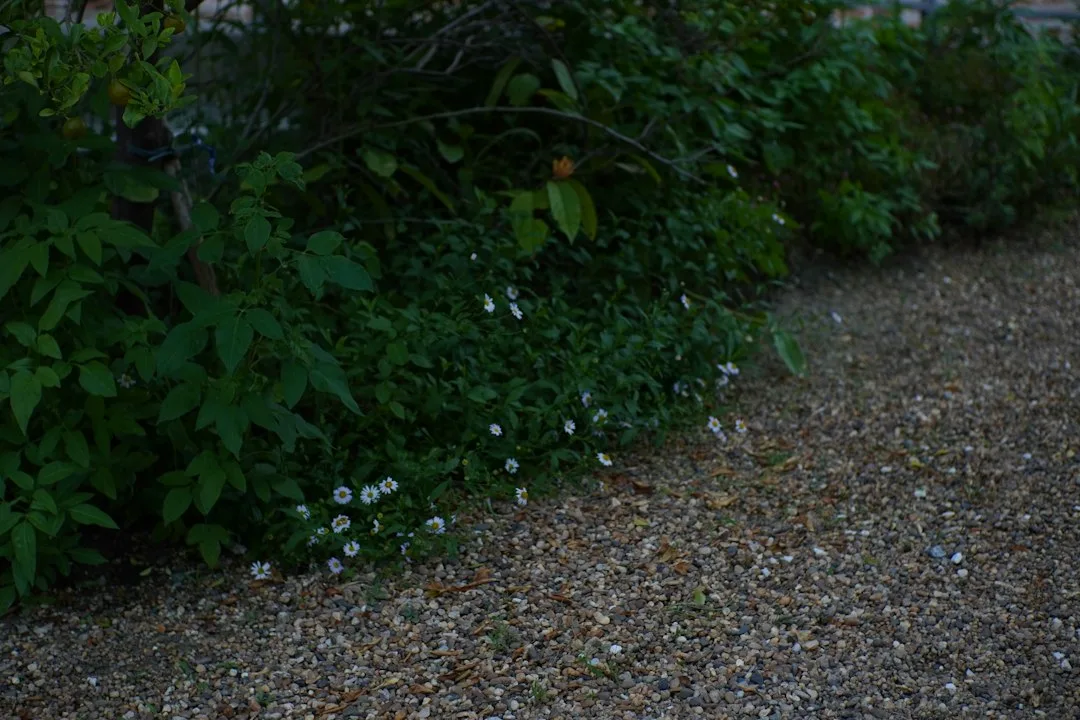
Southern California water agencies have paid homeowners to tear out thirsty lawns for years, and the replacement landscapes they favor look nothing like the sod they removed. Gravel garden design is the reason many of those yards now hold crushed stone, sculpted grasses, and drought-tolerant perennials instead. Here is why this look is spreading beyond arid states and how to build one that stays tidy.
Why Mineral Beds Are Taking Over Dry Yards
Turf is one of the thirstiest surfaces in a typical yard. Rebate programs, rising irrigation costs, and repeated watering restrictions have pushed owners to look for something that needs less. A mineral mulch bed fills that gap without looking bare.
The appeal is partly visual. Pale stone reads as clean and architectural, and it makes the color and texture of plants stand out. Designers often borrow this idea from Japanese dry gardens, where raked gravel suggests water without using any.
Quick Tips
- Test drainage first by digging a small hole, filling it with water, and timing how fast it empties.
- Use angular crushed stone over a woven fabric layer rather than round pea gravel that rolls and washes away.
- Plant in odd-numbered clusters so the stone looks intentional instead of scattered.
- Set a steel or stone edge to keep stone from migrating onto paths and lawn edges.
What Separates a Gravel Garden From a Gravel Pile
The difference is layering and plant selection, not the stone itself. A proper bed uses a planting layer of well-drained soil or compost under the mulch, with perennials chosen for dry conditions. A pile of stone over compacted soil simply sheds rain toward the street.
Round river rock behaves differently from angular crushed granite. Round stones roll underfoot and wash out during heavy storms, while crushed stone locks together and stays put.
| Feature | Gravel Garden | Traditional Lawn |
|---|---|---|
| Water use | Low once plants are established | High through summer heat |
| Mowing | Rarely needed | Needed through the growing season |
| Upfront cost | Stone, fabric, and plants | Sod or seed plus irrigation |
| Winter appearance | Grasses and seed heads hold structure | Brown and flat |
Plant Picks That Survive Stone Mulch
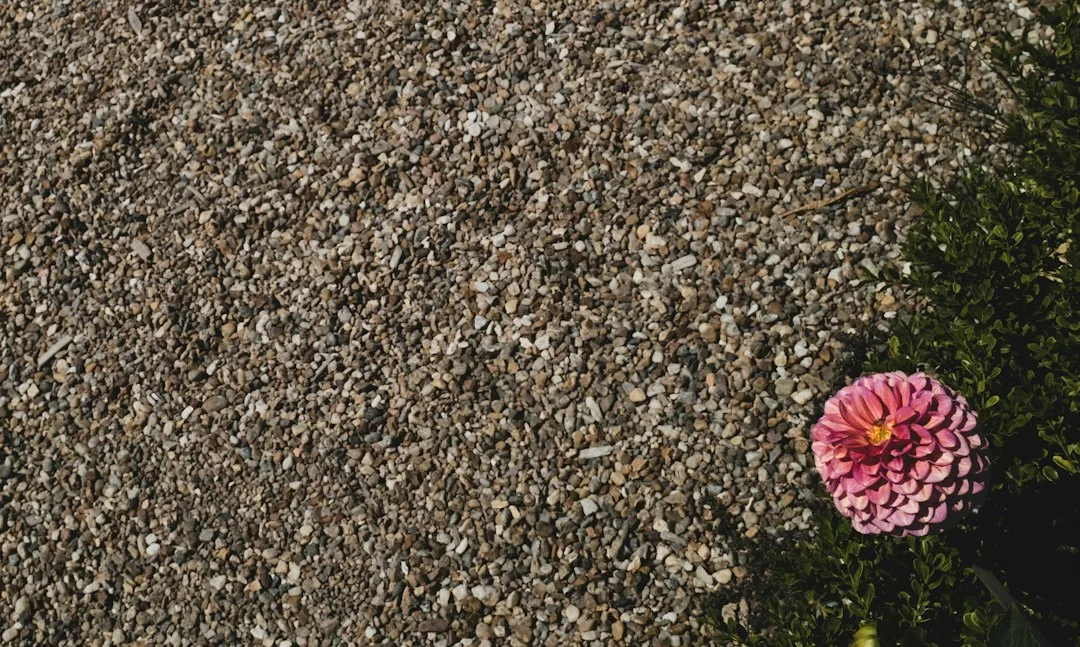
Choose plants that tolerate sharp drainage and full sun. Blue oat grass (Helictotrichon sempervirens) forms neat silver clumps, and purple coneflower (Echinacea purpurea) handles heat and lean soil well.
Sedums and Russian sage (Perovskia atriplicifolia) add height and late-season color. Lavender sits well in gravel because its roots handle dry feet. Avoid hostas and astilbe, which sulk in stone beds.
The Mistake That Turns Gravel Into a Weed Patch
The most common failure is laying stone straight onto bare soil with no barrier. Picture a backyard where someone spreads pea gravel over old turf and plants directly into it. Within one season, grass and dandelions push through the stone faster than the perennials can fill in.
The fix is a woven landscape fabric such as DeWitt Pro-5, pinned flat and overlapped at the seams, with the stone laid on top. Remove old turf first, because roots will regrow through even a thin layer.
Skip plastic sheeting, which traps water under the stone and suffocates roots. Also avoid spreading stone deeper than needed, since thick loose gravel makes walking awkward.
Gravel Garden Design Steps for a Weekend Install
Start by outlining the bed with a garden hose and adjusting the curves until they look right. Then strip the turf, grade the soil so water moves away from the house, and lay the fabric.
Bulk crushed stone is usually sold by the ton, priced in a moderate range that varies by region and quarry. Because the material bill is generally smaller than a full irrigation retrofit, the savings tend to show up as lower water and mower costs in the years that follow.
Set plants in their clusters, then spread stone to about two inches. Water new plants deeply and often during the first season, then taper off as roots settle.
Where Gravel Gardens Fit Small Courtyards
Narrow courtyards benefit most, because stone beds need no mowing edge and fit tight side passages. For layout ideas that work in small footprints, see 7+ Modern Garden Ideas In A Narrow Courtyard.
For taller accents, pair stone beds with a wall planter system from 13+ Cool Vertical Wall Gardening Design Ideas, which keeps the ground plane clean and open.
Winter Maintenance for Stone Beds
Stone beds need less cleanup than most perennial borders, but they still need attention. Leave grass seed heads and sedum flower heads standing through winter, since their structure catches frost and looks deliberate.
In early spring, rake the stone lightly and top up any thin patches before weeds germinate. Hand-pull weeds that appear in the stone, because the fabric layer makes them easy to lift. Re-level the stone after heavy storms so the fabric stays hidden.