Why Winter Sowing Seeds Is Replacing Indoor Seed Trays
Gardeners are skipping heat mats and grow lights by sowing seeds in recycled jugs outdoors. Here is how the method works, which seeds suit it, and where it goes wrong.
333k+ Lifestyle & Design Ideas

Gardeners are skipping heat mats and grow lights by sowing seeds in recycled jugs outdoors. Here is how the method works, which seeds suit it, and where it goes wrong.
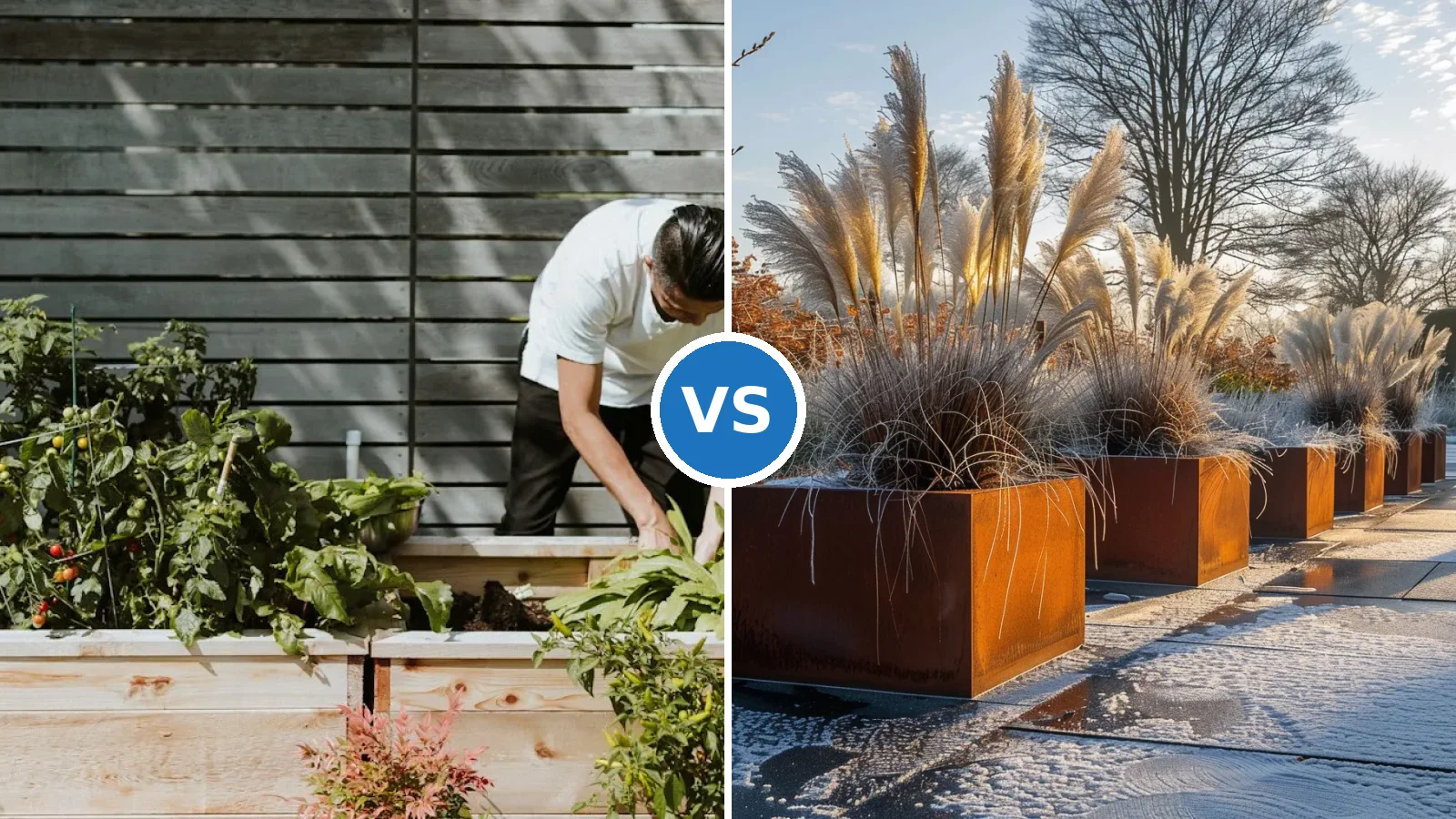
Raised garden beds suit anyone who wants to grow vegetables on a modest budget, while corten steel planters suit owners who want a long-lived, sculptural container. This comparison shows where each one wins and how to choose.
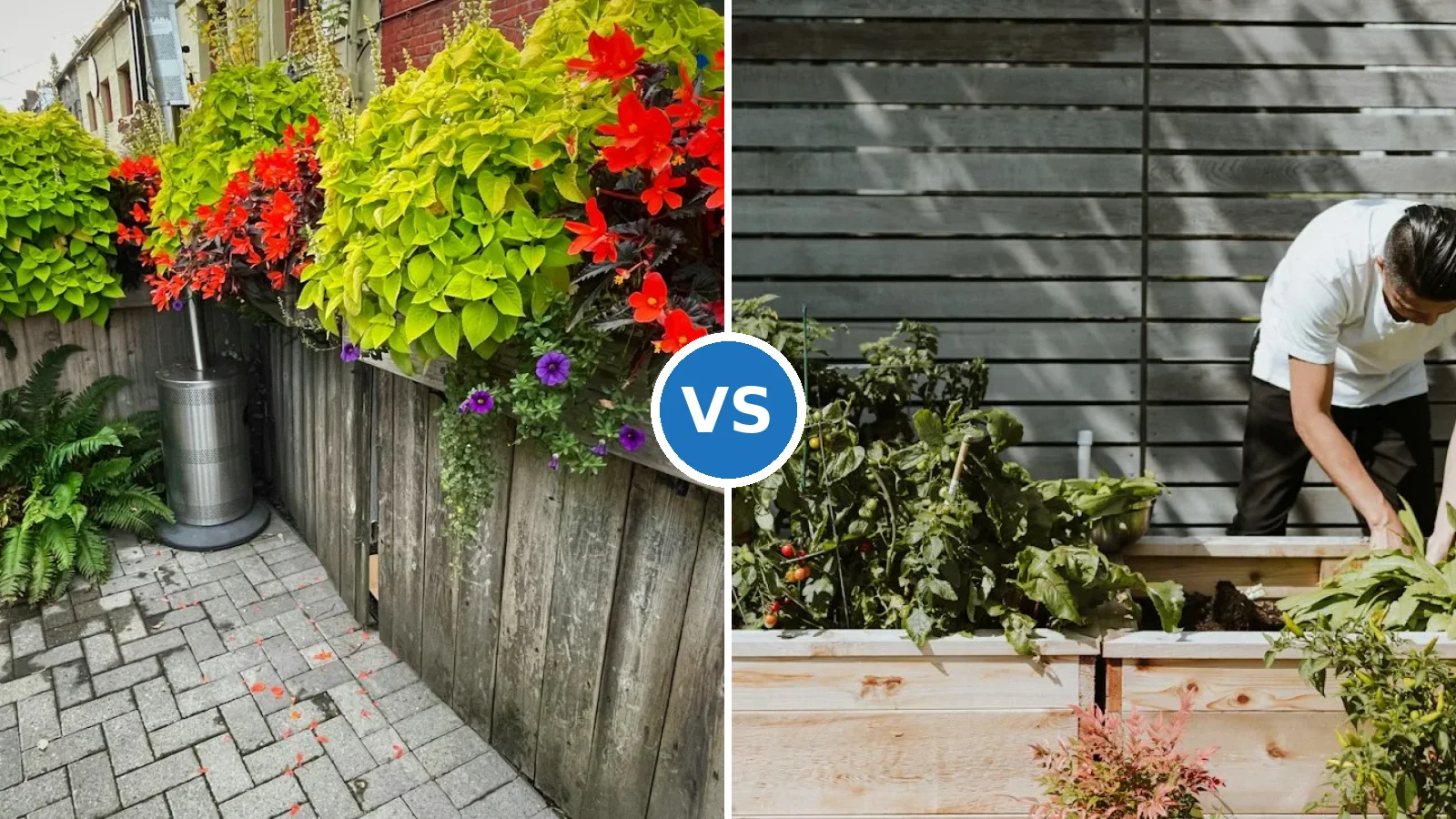
Container gardens bring movable, cold-hardy color to patios and entries, while raised garden beds give vegetable growers drainage and soil control. Here is how to decide which one fits your space.
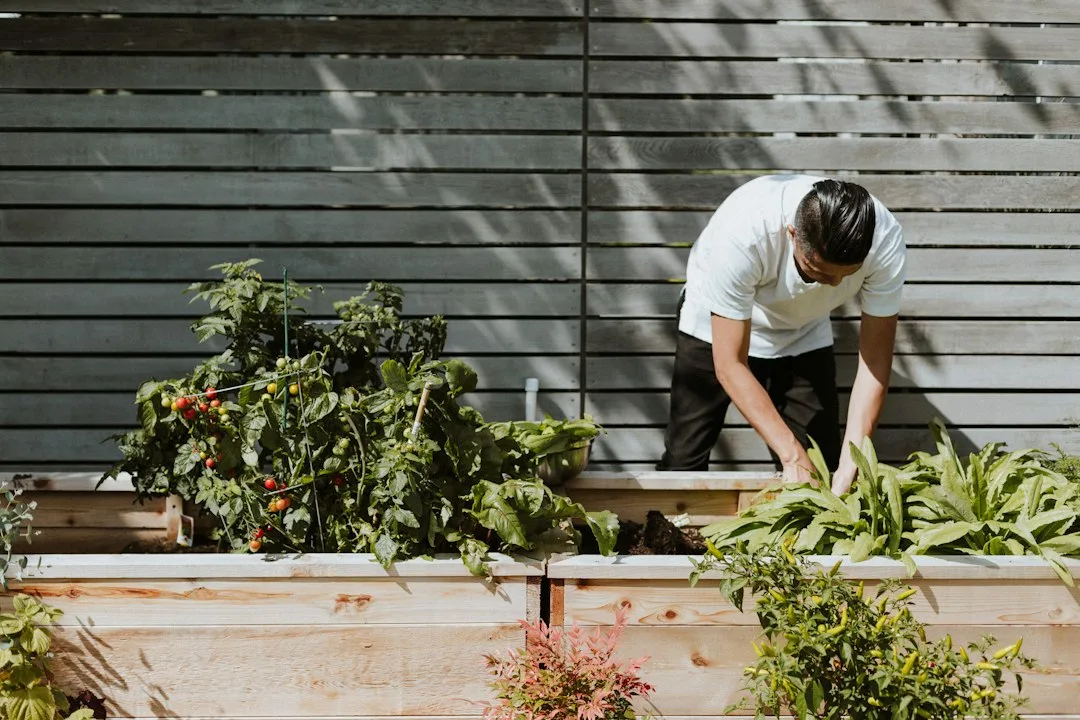
Raised garden beds are pulling vegetable growing out of tilled backyard rows and into framed boxes. The shift is practical, and it comes down to drainage, soil control, and easier maintenance.
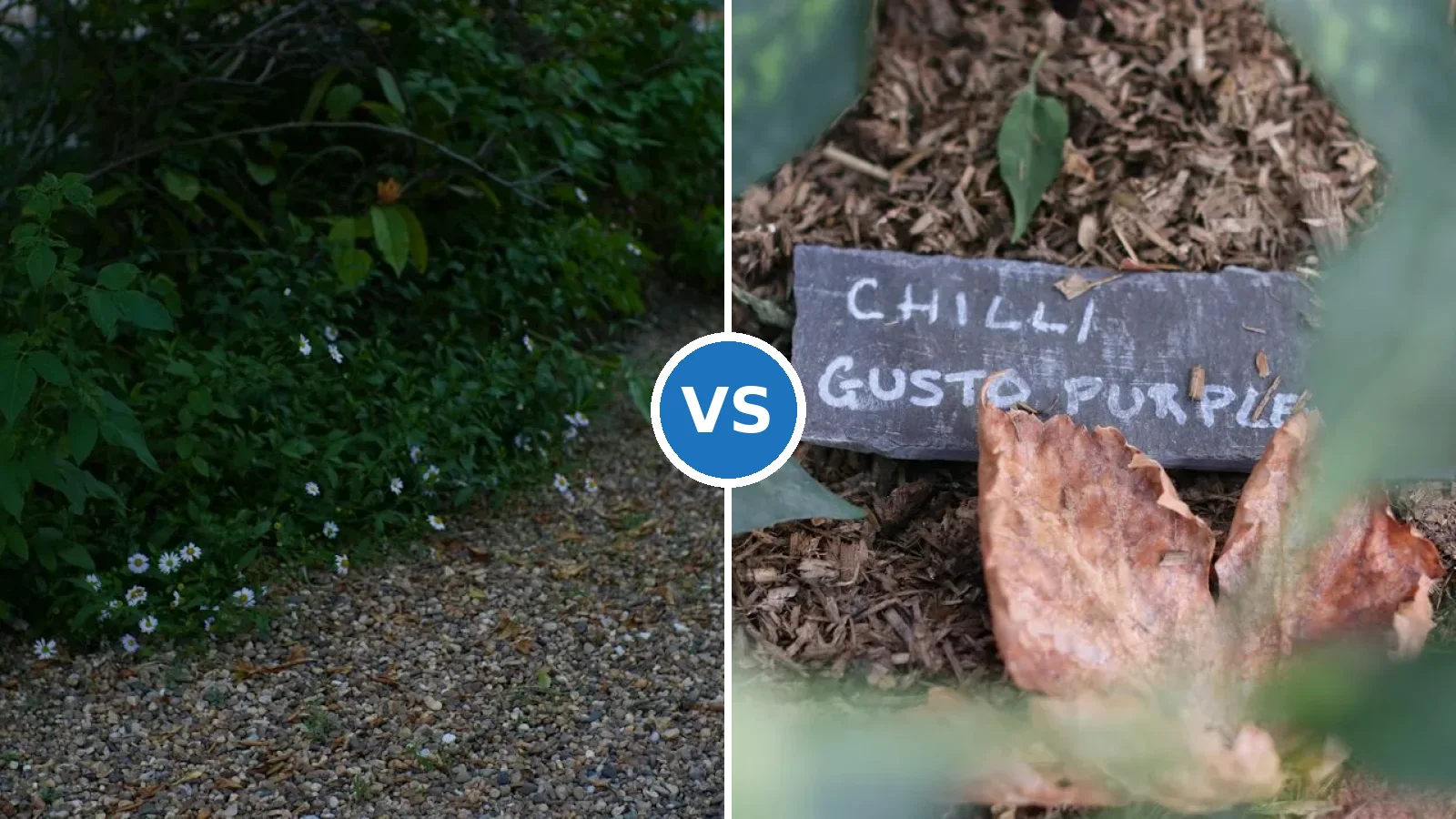
Gravel vs mulch depends on whether you want less watering or healthier soil. Here is how a gravel garden and a leaf mulch bed compare on cost, care, and where each one fits.

Leaf mulch garden beds keep soil moist, feed earthworms, and cut out curbside bag waste. Here is how to layer them so perennials stay healthy through winter.
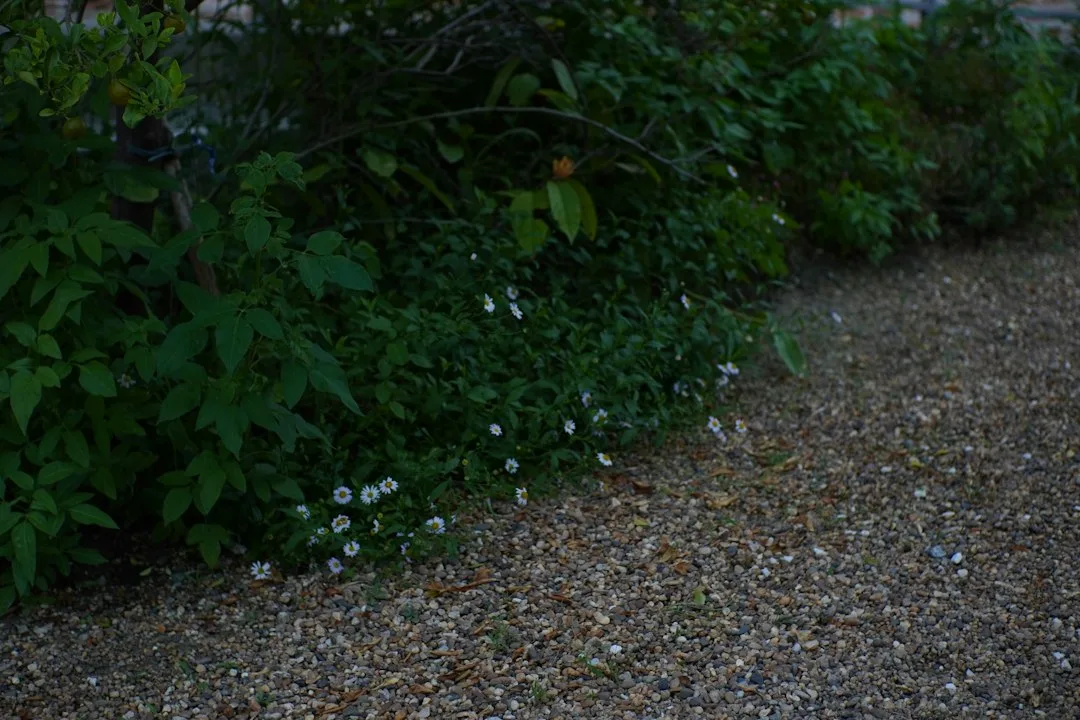
Gravel gardens are replacing thirsty lawns in dry suburban yards, using crushed stone and drought-tolerant perennials to cut watering. Here is why the trend is spreading and how to build one without drainage trouble.
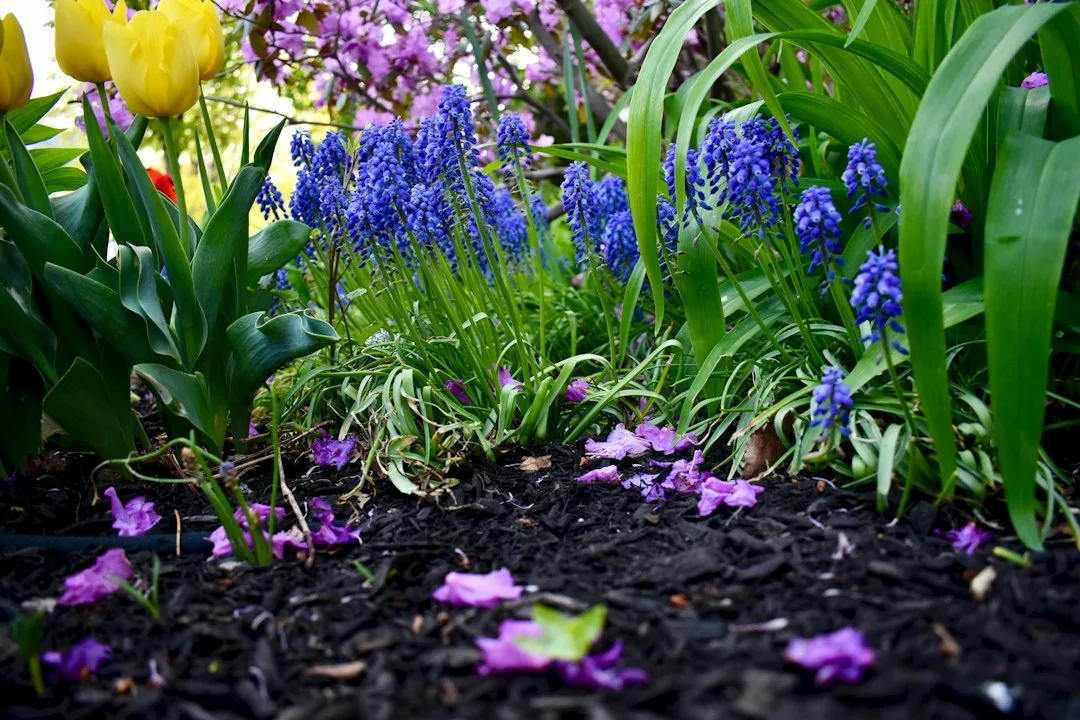
October is peak season for fall bulb planting—the window when soil temperatures drop to trigger dormancy and spring emergence. Strategic timing, proper depth, and soil amendment now determine whether your tulips, daffodils, and crocuses bloom brilliantly or fail entirely come April.
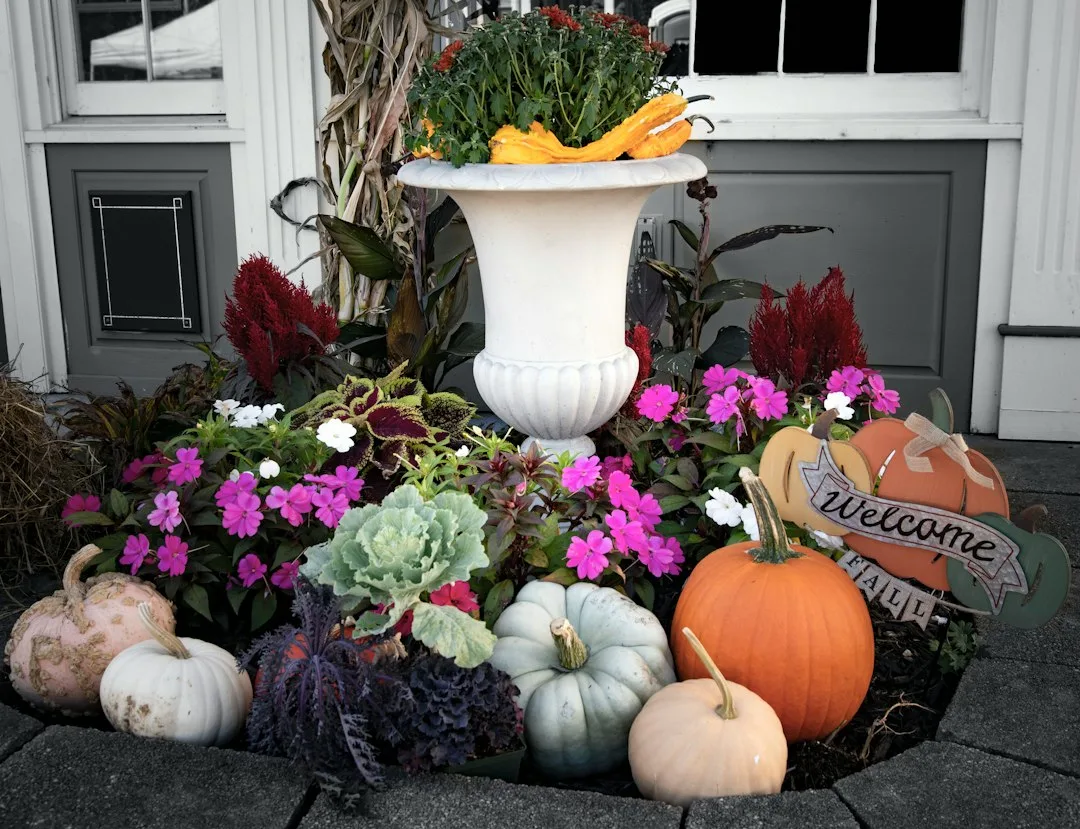
Autumn container garden transitions are redefining how gardeners shift from summer display to winter structure. Instead of clearing and replanting, savvy designers now layer dormant bulbs beneath fading annuals and swap out single containers for hardscaped focal points that bridge seasons.

September is the critical window for fall garden soil prep—before soil temperatures drop and winter dormancy locks in. Early amendment now means robust spring germination and healthier perennials.
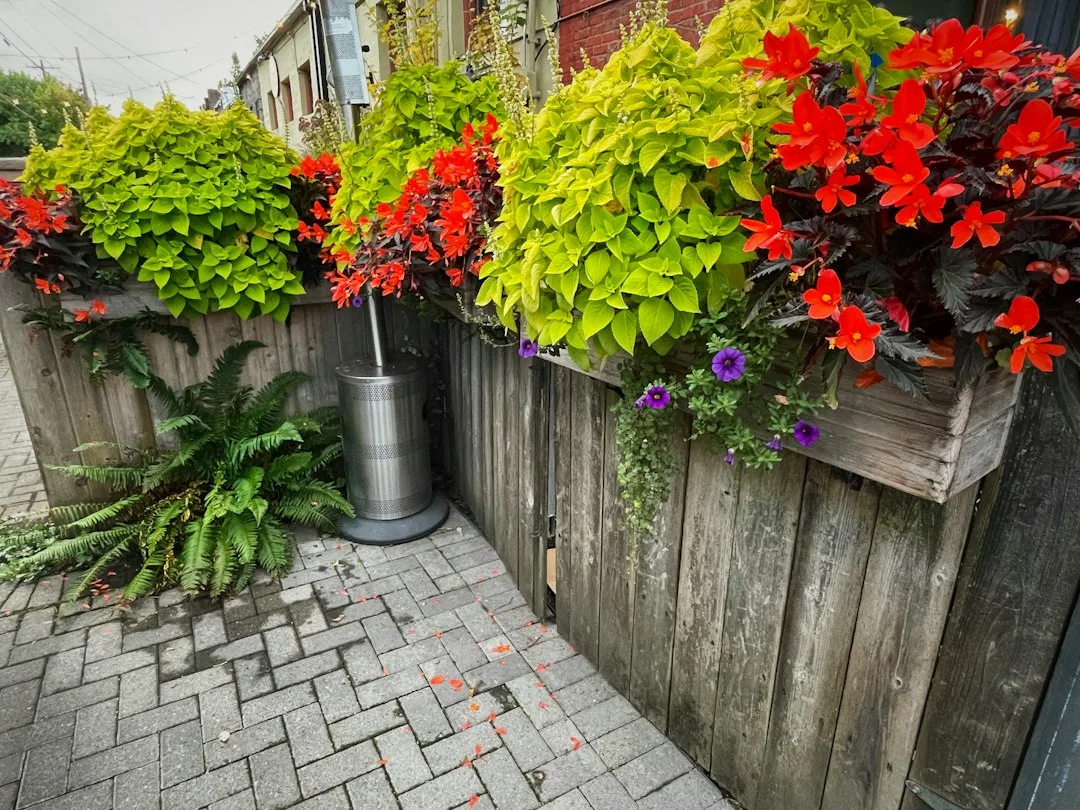
Gardeners are abandoning seasonal replanting cycles in favor of autumn container gardens that layer textures, focal plants, and long-blooming perennials for three-month visual interest. This shift cuts labor while deepening design sophistication.
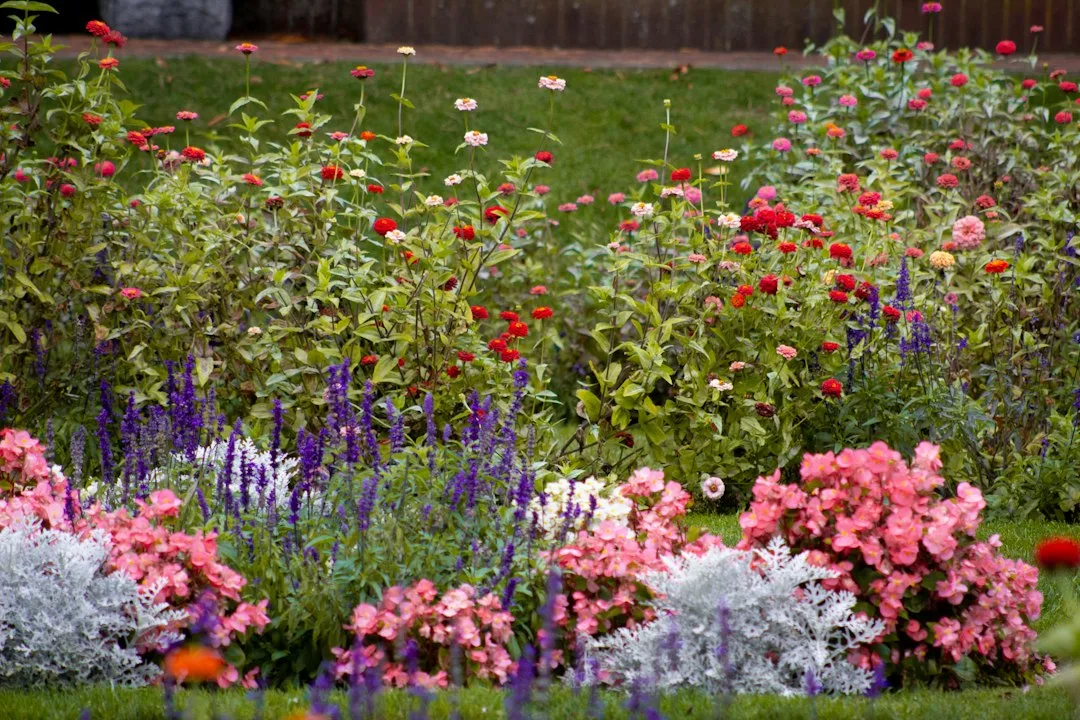
Autumn perennial garden transitions are reshaping how gardeners plan color from September through November. By staggering bloom times and selecting cultivars that extend their seasons, modern landscape designers are eliminating the dormant-looking gaps that plagued traditional fall gardens.

Garden water features have evolved beyond traditional ponds. Fountains, recirculating streams, and decorative wetlands are now reshaping how homeowners design outdoor spaces with sound, movement, and natural cooling.
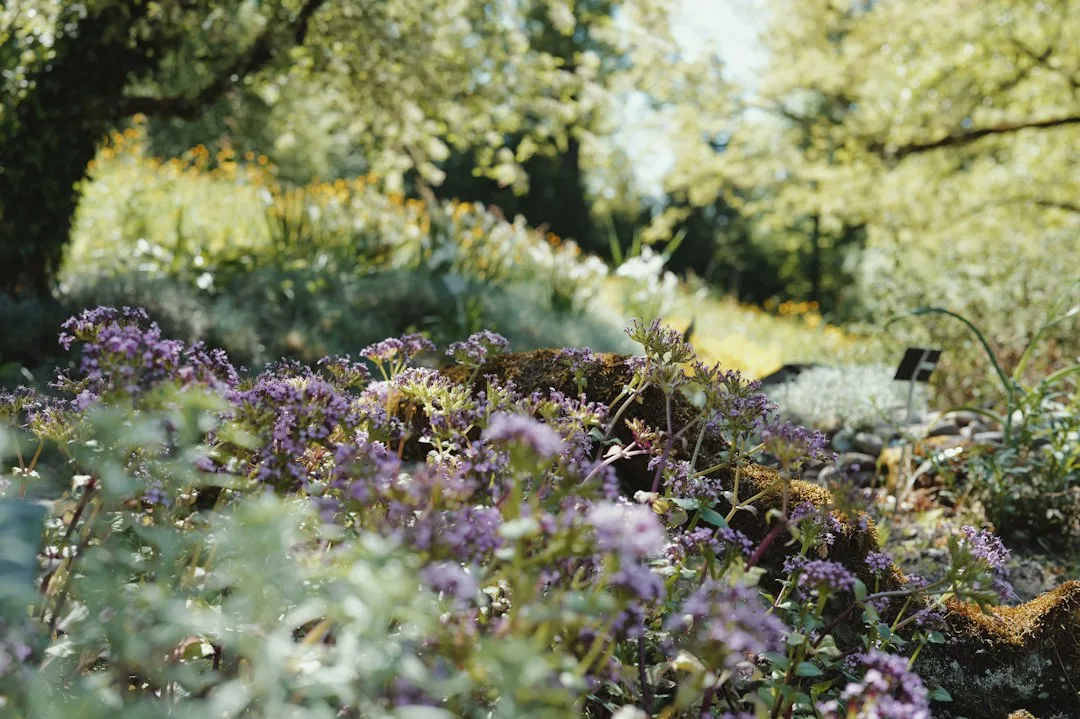
Micro perennials—compact perennials reaching just 3 to 8 inches tall—have become the fastest-growing solution for urban, courtyard, and container gardeners who refuse to sacrifice bloom or texture. By September 2026, landscape architects across the Northeast and West Coast are ditching traditional dwarf varieties in favor of true micro cultivars that deliver year-round interest without the sprawl.
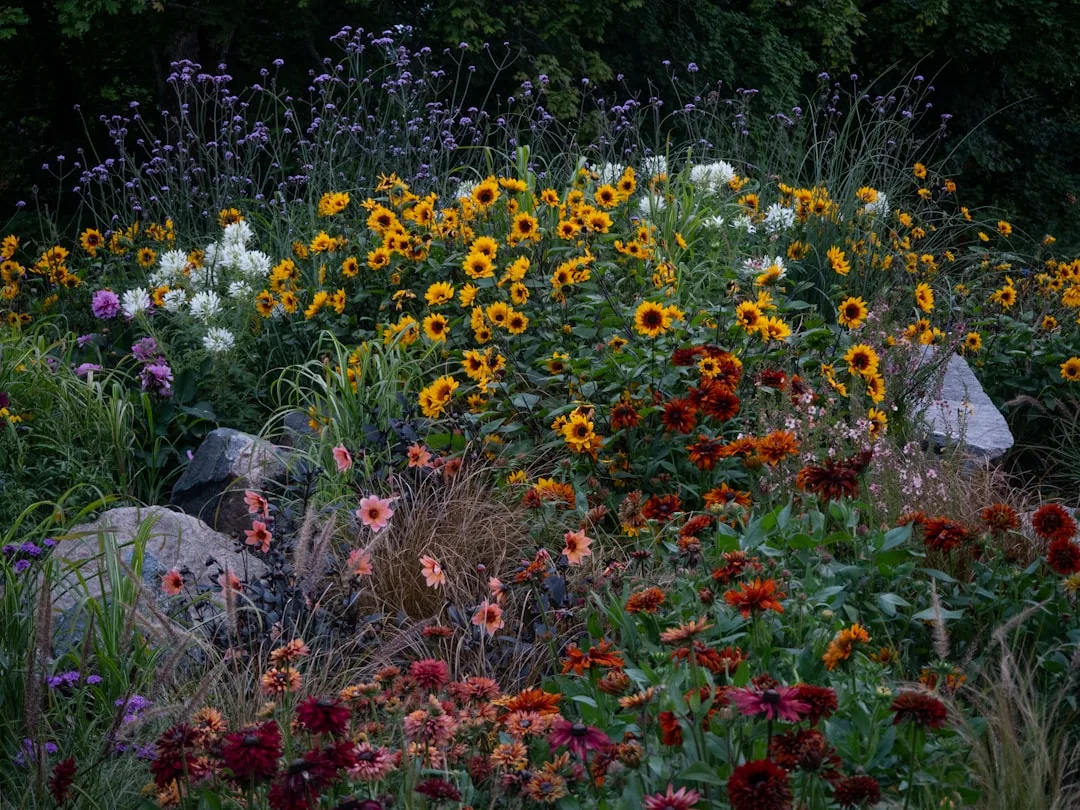
Gardeners are abandoning rigid shade-or-sun thinking for hybrid zones that leverage dawn light, tree-filtered afternoon sun, and strategic microclimates. This approach solves the hardest landscaping problem: the awkward transition between full sun and deep shade.
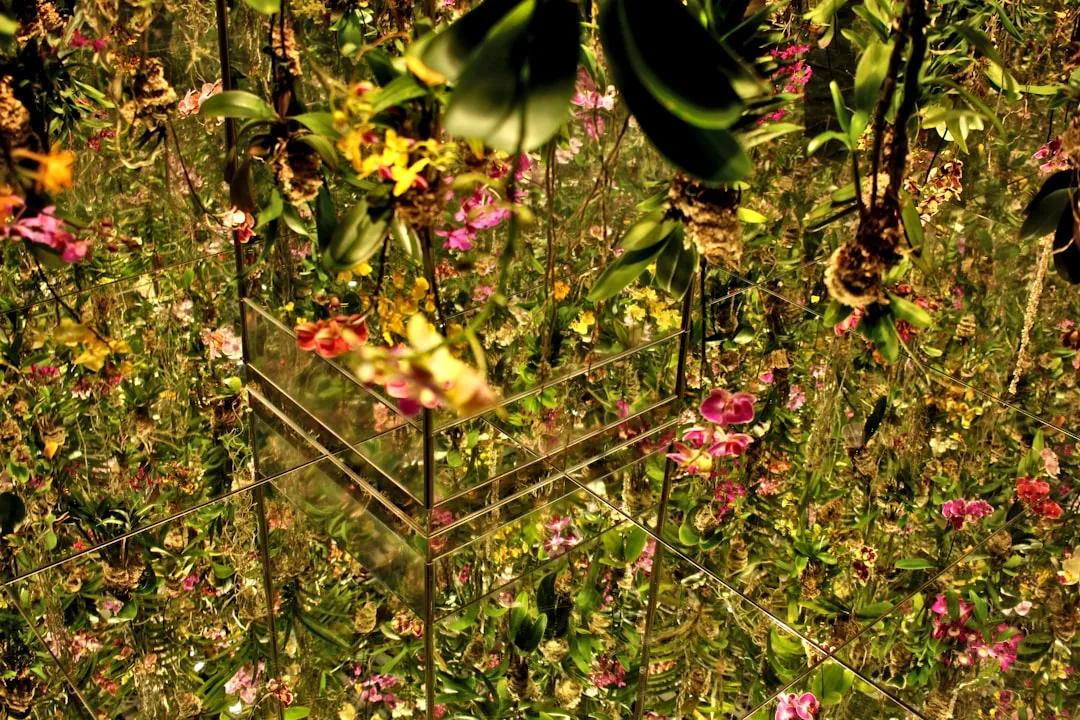
Sensory garden design is reshaping residential landscaping by engaging all five senses through strategic plant selection, water features, and tactile materials. This September 2026 trend prioritizes the therapeutic power of touch, fragrance, and sound alongside visual beauty.
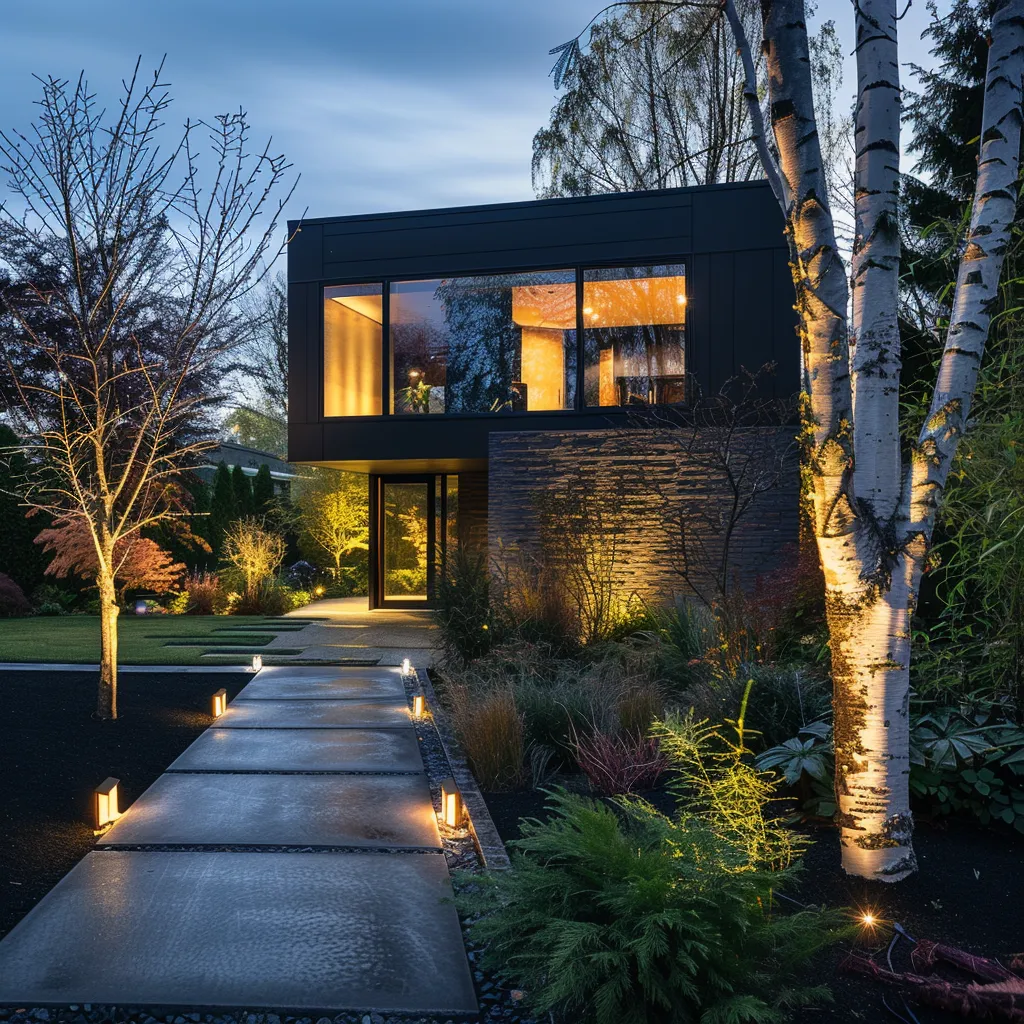
The space between your front door and the street is doing one of two things right now: it is either amplifying the architecture behind it, or quietly undermining it. For homes with modern facades — those defined by clean render, timber cladding, dark window frames, or exposed concrete — the front garden is not decoration. … Read more