Walk down any residential street in late October and you will see the same ritual: bags of raked leaves waiting at the curb like small brown sentries. Leaf mulch garden beds flip that habit entirely. The fallen canopy stays where it lands, breaking down through winter into the organic matter soil actually needs.
Gardeners who make the switch tend to stop bagging for good. The layer insulates roots, slows evaporation, and gives earthworms a steady meal through the cold months.
See also: 13+ Cool Vertical Wall Gardening Design Ideas.
Why Fallen Leaves Outperform Bagged Compost
On a block in Columbus, Ohio, a single mature sugar maple can drop enough leaves to fill several contractor bags in one week. Those bags usually head to a municipal facility, which means the nutrients leave your property. The same leaves left in place return carbon, potassium, and trace minerals to the bed where the tree pulled them up.
The benefit is structural as well as nutritional. A loose leaf layer keeps the top inch of soil from crusting after freeze-thaw cycles. It also holds moisture that would otherwise evaporate during the cold, windy weeks of November.
Quick Tips
- Shred or chop leaves before spreading them so they do not mat into a waterlogged sheet.
- Start with beds that hold perennials, shrubs, and roses, since those plants benefit most from insulation.
- Keep a rake handy to lift leaves off plant crowns after every windy night.
- Stop adding leaves in early spring so the soil can warm up on schedule.
Matching Leaf Types to the Right Bed
Oak leaves are thick, tough, and slow to break down. Maple leaves knit into a soft mat within weeks, which is useful for holding moisture but risky if the layer stays wet. Knowing the difference lets you place each type where it performs best.
Use the table below as a starting point when you plan your fall cleanup.
| Leaf type | Breakdown speed | Best placement |
|---|---|---|
| Oak | Slow, thick and tough | Shredded, under shrubs and roses |
| Sugar maple | Fast, matts when wet | Thin layer, or mixed with shredded oak |
| Sycamore | Medium, large and leathery | Always shredded before spreading |
| Pine needles | Slow, slightly acidic | Around acid-loving shrubs and conifers |
Layering Depth That Protects Without Suffocating
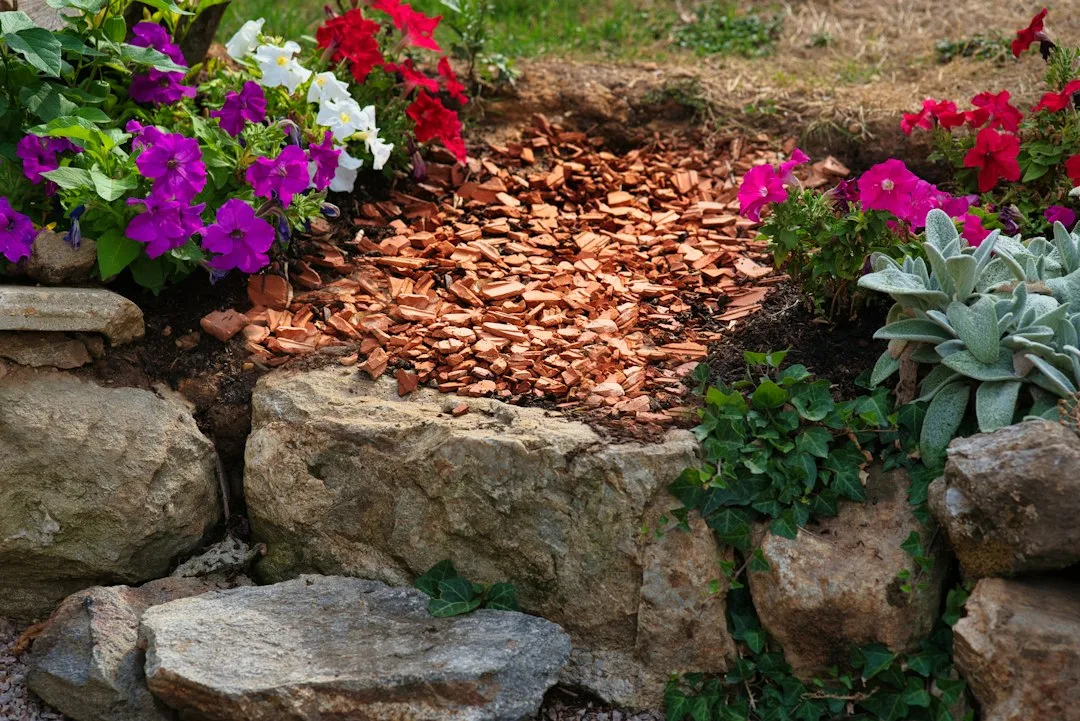
Two to three inches is the working range for most perennial beds. Thinner layers do little against freezing, while deeper piles start to hold too much water and heat. Check the depth with a ruler pushed into the mulch.
A Fiskars poly-tine leaf rake works well for gathering leaves without tearing up the soil surface. Its flexible tines lift leaves off the bed without pulling out the shallow roots of groundcovers. Spread the material by hand, then press it lightly so wind does not scatter it across the lawn.
The Crown Burial Mistake Most Gardeners Make
Picture a clump of hostas in a shady border, its crown sitting just under the soil line. The gardener dumps a wheelbarrow of wet maple leaves on top, eight inches deep, and calls the job finished. By March the crowns have rotted, and the hostas that once returned every spring simply do not come up.
The fix is simple but easy to forget. Keep the mulch pulled back a few inches from stems and crowns, and never pile it against the trunk of a young shrub. Thin layers around crowns protect them, while heavy mats trap moisture right where the plant needs to stay dry.
Shredding Leaves Speeds Up the Whole Process
Whole leaves take months to break down, but shredded leaves can settle into the bed before the first hard freeze. Sun Joe makes electric leaf mulchers that chop leaves into small pieces, and that size change alone shortens the breakdown window considerably. The result is a softer layer that sits flat and stays put.
Many owners skip buying a separate machine because they already own a mower. A Husqvarna mulching mower recirculates cut leaves under the deck, and a Toro mulch kit fits many of the company’s walk-behind models. Running the mower over a bagged-free lawn turns leaves into fine bits without any extra step. That saves time you would otherwise spend hauling bags to the curb.
Small Courtyards Benefit From Shredded Leaf Cover
Limited bed space makes every layer count. In a tight yard, a few well-mulched planters can carry as much plant health as a much larger border. Ideas for squeezing planting into narrow spaces appear in 7+ Modern Garden Ideas In A Narrow Courtyard, which shows how to plan around limited space.
Vertical planters add another layer of options. Wall-mounted pockets dry out faster than ground beds, so shredded leaves are a light, practical way to hold moisture at the base. For more layout ideas, see 13+ Cool Vertical Wall Gardening Design Ideas.
Checking Soil Before Spring Cleanup Begins
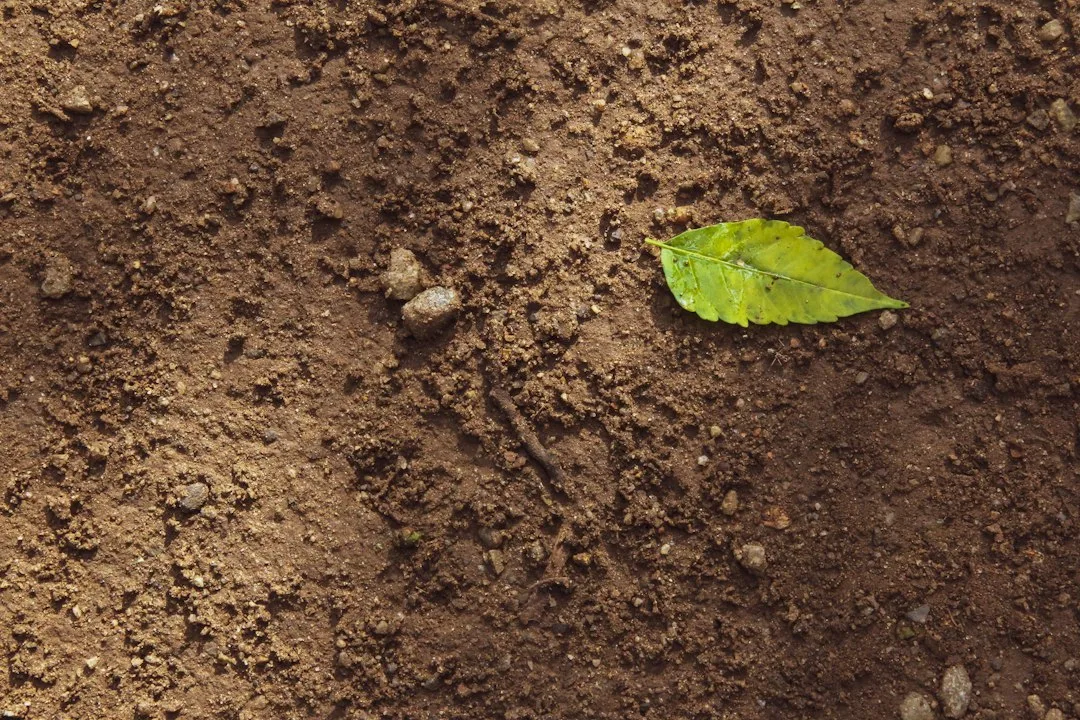
When temperatures climb in March, pull back the mulch and look at the soil beneath. Dark, crumbly texture with earthworm tunnels means the layer has done its job. Compacted, grey, or smelly soil suggests the leaves were too thick or too wet, and the next fall should use a thinner, shredded layer.
Rake lightly, then leave the best of the breakdown material in place as a head start for the new season. Your beds will need less fertilizer, and the bag count at the curb will be much lower.