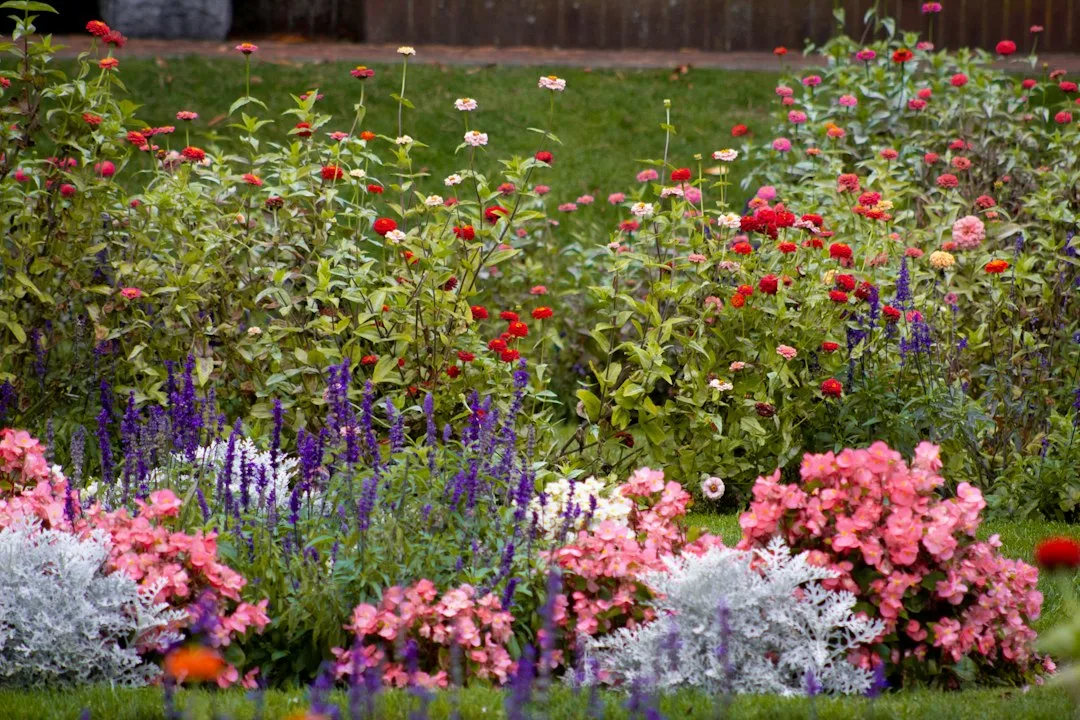
Landscape designers in Brooklyn, Portland, and Denver are quietly engineering a rebellion against the myth that small gardens require sacrificed beauty. Micro perennials garden design—the practice of using perennials that mature at just 3 to 8 inches tall—has emerged as the September 2026 answer to the creeping frustration gardeners face with standard dwarf and compact cultivars that still sprawl beyond their borders. This isn’t minimalism for minimalism’s sake. These plants deliver visual density, season-long color, and the resilience of a full perennial without eating up square footage.
The shift matters because most “dwarf” perennials still reach 12 to 18 inches—a measurement that sounds modest until you’re working with a 4-by-6-foot courtyard or a container garden on a Manhattan fire escape. True micro perennials redefine what’s possible in urban and small-space growing.
Dianthus Alpinus and the Dawn of Ultra-Compact Color
Dianthus alpinus, a micro perennial reaching 4 to 6 inches, has become the flagship plant for this trend. The cultivar ‘Joan’s Blood’ produces deep crimson flowers from June through August and tolerates poor, sandy soil that would kill standard pinks. Gardeners at the Denver Botanic Gardens documented full bloom density with zero deadheading required, a rarity in traditional perennials.
What makes alpinus so revolutionary is root-to-shoot efficiency. A 2-inch nursery pot of ‘Joan’s Blood’ fills a 12-inch container space completely within one season. This density eliminates the visual “thinness” that plagues tiny spaces when standard dwarf varieties are spaced at normal intervals.
The bloom period stretches from late spring straight through early autumn. That’s eight months of unbroken color from a plant occupying less soil volume than a coffee mug.
Quick Tips
- Space micro perennials 6 inches apart in beds; closer in containers for immediate visual impact.
- Use gritty, well-draining soil amended with perlite—micro varieties hate soggy conditions.
- Water shallowly but consistently; shallow root systems dry fast in summer heat.
- Deadhead selectively; most micro cultivars self-clean, saving you labor.
- Pair with micro grasses like Festuca glauca (4-6 inches) for architectural contrast.
Sempervivum Arachnoideum and Architectural Texture Without Height
Sempervivum arachnoideum, the cobweb houseleek, reaches only 2 to 3 inches in diameter and produces geometric rosettes that perform in full sun, part shade, and even drought stress. The cultivar ‘Bloodtip’ reddens under stress, creating color variation without flowers. Portland-based landscape firm Cascade Studio integrated 47 offsets of this single cultivar across a 40-square-foot front garden bed, creating textural rhythm that reads from the street.
Sempervivum requires zero fertilizer, minimal water, and tolerates temperatures from -40°F to 110°F. These plants live 3 to 5 years before flowering and dying, but each rosette produces dozens of offsets that spread naturally.
| Micro Perennial | Mature Height | Bloom Window |
|---|---|---|
| Dianthus alpinus | 4–6 inches | June–September |
| Sempervivum arachnoideum | 2–3 inches | N/A (foliage focus) |
| Thymus praecox coccineus | 3–5 inches | May–July |
| Aurinia saxatilis ‘Dudley Neville’ | 6–8 inches | April–June |
Thymus Praecox and the Creeping Thyme Revolution
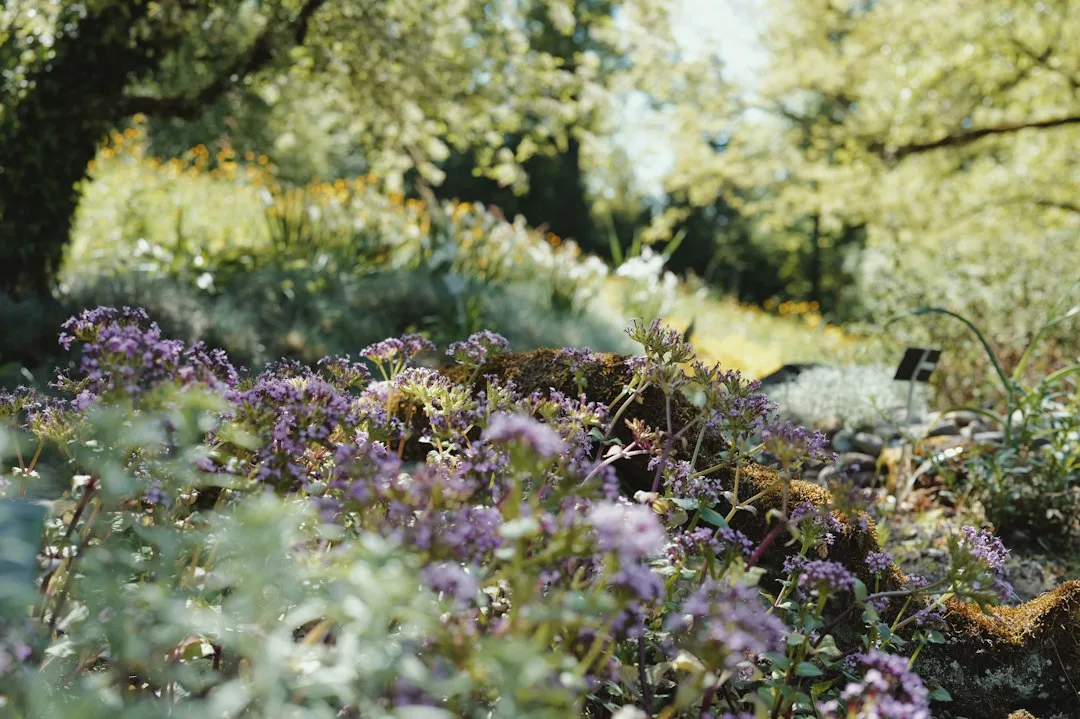
Creeping thyme cultivars, especially Thymus praecox coccineus, have crossed from culinary afterthought into design protagonist. The cultivar ‘Coccineus’ grows 3 to 5 inches tall with brilliant scarlet flowers and aromatic foliage that tolerates foot traffic. A single starter plant spreads 18 inches across one season in well-draining soil.
Designers in Aspen and San Francisco are using creeping thyme as living edging between hardscape and perennial beds. The thyme softens harsh lines while suppressing weeds—eliminating the need for mulch borders. One consequence: reduced maintenance below any traditional edging system.
The scent triggers memory and relaxation; brushing against it during garden work releases essential oils. This sensory component elevated thyme beyond its visual contribution.
The Biggest Mistake: Spacing Micro Perennials Like Standard Dwarf Plants
The most common failure happens the moment gardeners transplant micro cultivars on standard 12-to-18-inch spacing. A Dianthus alpinus planted 18 inches from its neighbor looks isolated and scattered rather than dense and architectural. The visual effect collapses.
A Brooklyn rooftop garden in 2025 followed this mistake—the designer spaced 24 Dianthus alpinus plants at conventional dwarf distances across a 200-square-foot bed. After one season, the bed read as sparse and thin despite full-size plants. A second year required complete replanting at 6-inch intervals. The corrected spacing cost an additional $180 in plant stock and four labor hours.
Micro perennials demand aggressive spacing—6 inches or less center-to-center. This transforms them into unified blocks of color rather than isolated specimens.
Combining Micro Perennials With Micro Grasses and Sedges
The real depth emerges when pairing micro perennials with tiny ornamental grasses. Festuca glauca ‘Elijah Blue’ reaches 8 inches and pairs visually with Aurinia saxatilis ‘Dudley Neville’ (a pale-gold alyssum at 6 to 8 inches) to create layered texture and extended seasonal interest. Denver landscape architect Michael Garcia documented a 16-square-foot test bed using only micro perennials and micro grasses; the design required 18 minutes of monthly maintenance over a five-month active season.
Sedges like Carex oshimensis ‘Evergold’ (10 inches, evergreen foliage) add winter structure. Most micro combos stay under 10 inches, allowing views through the planting rather than blocking them—crucial in courtyards and modern garden ideas in narrow courtyards.
This layering approach also reduces the need for additional hardscape elements. Where a standard small-space garden might rely on paved surfaces to break visual monotony, micro plantings generate complexity within compact footprints.
Container Design and Vertical Opportunities
Micro perennials thrive in containers because their shallow root systems (typically 6 to 8 inches deep) match pot depth requirements exactly. A standard 14-inch-wide ceramic container holds five to seven micro perennials without crowding. Window boxes, hypertufa troughs, and alpine pots have become primary vehicles for this trend.
Fire escapes, balcony rails, and tiered container arrangements allow 13+ cool vertical wall gardening design ideas adapted for micro scale. A stacked tower of three 10-inch pots yields the visual footprint of a standard 4-foot shrub while using 80 percent less soil and water.
The consequence is dramatic water savings—micro perennial containers require roughly 40 percent less irrigation than traditional potted perennials. This matters especially in drought-prone regions where water restrictions affect residential gardening.
Micro perennials garden design represents a fundamental reorientation toward density, efficiency, and specificity. By September 2026, dismissing small plants as mere accents misses their true power: they’re systems engineered for constraint, delivering full aesthetic impact in microscopically small spaces without apology.