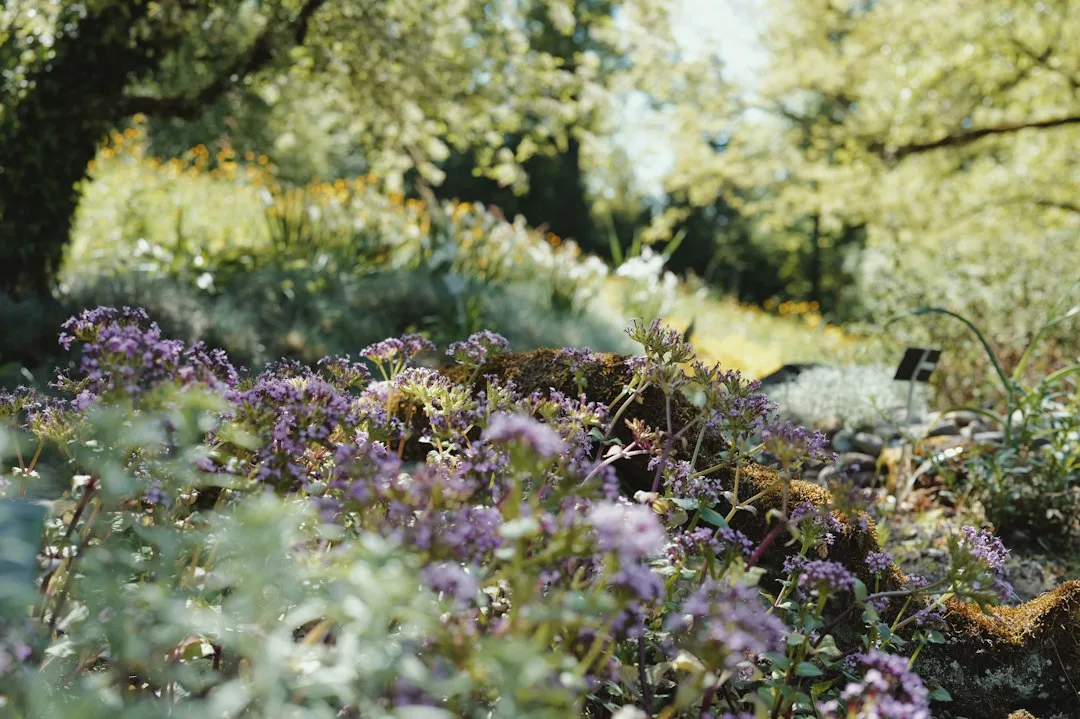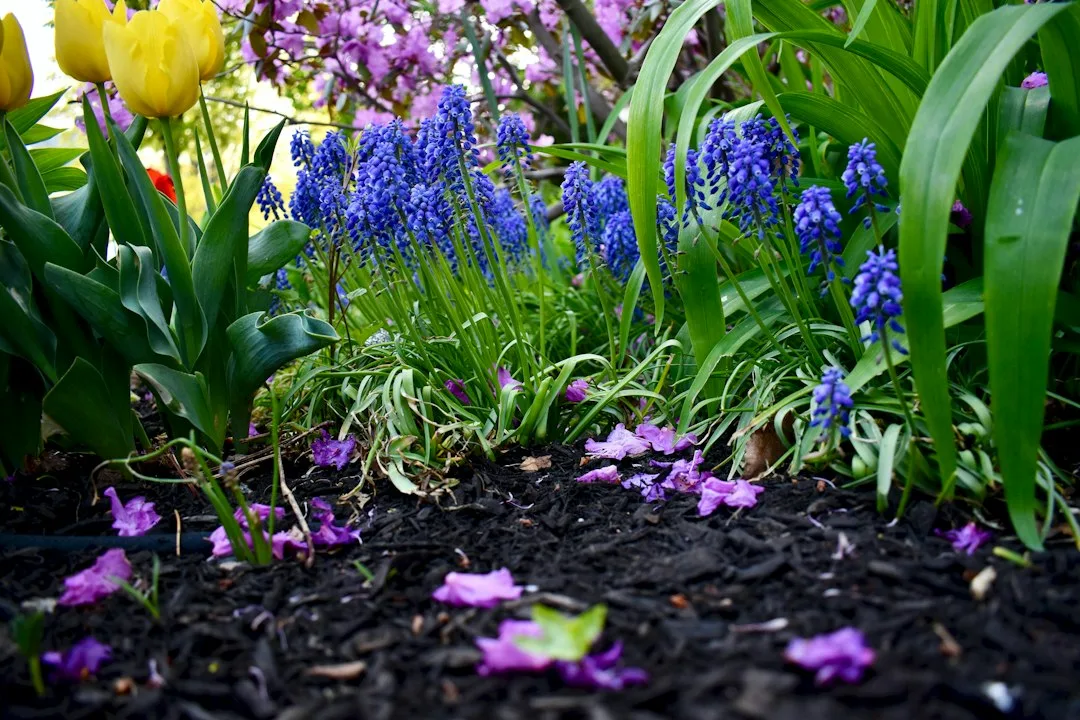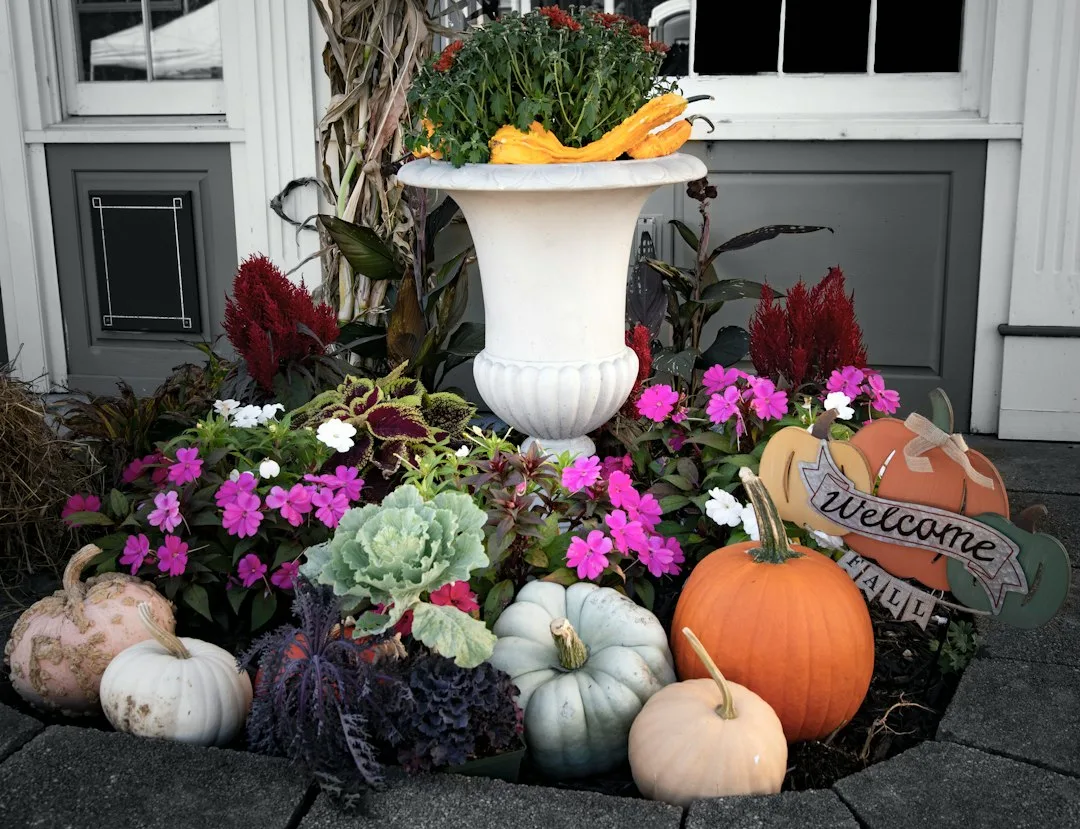
Autumn perennial garden transitions have moved from afterthought to design centerpiece in 2026. Most homeowners treat fall gardens as the landscape’s slow fade—a time when summer bloomers exhaust themselves and spring feels impossibly far away. But landscape architects and serious gardeners are now intentionally staggering perennial bloom cycles so color, texture, and depth extend continuously from late August through November.
The shift happened because garden-focused magazines and botanical societies began documenting which perennials actually overlap bloom periods, rather than treating them as isolated specimens. Nurseries began labeling cultivars by extended bloom range instead of peak month alone.
Sedum Cultivars and Overlapping Fall Color
Sedum ‘Autumn Fire’ begins flowering in late July and doesn’t reach peak color until mid-October, making it a bridge between summer borders and true autumn. This 18–24 inch plant transitions from deep pink to burgundy over 12 weeks, giving gardeners a single specimen that covers three distinct seasonal moods. The fleshy foliage also holds structural interest long after blooms fade, preventing the collapse that happens when herbaceous perennials die back abruptly.
Pairing ‘Autumn Fire’ with Sedum ‘Autumn Joy’—which flowers slightly earlier but persists into November—creates a sedum mass that deepens in color as cooler nights arrive. This isn’t random plant stacking; it’s intentional phenological overlap. Plant 3–5 sedum of each cultivar per 4-foot border section to create visual weight.
Quick Tips
- Plant spring-blooming perennials (hellebores, bleeding heart) near sedum; their emerging foliage masks fading sedum stems in early spring
- Deadhead late-summer asters only halfway through October to preserve architectural interest
- Space perennials 18–24 inches apart to accommodate their mature width; crowding reduces airflow and bloom density
- Water transitional perennials at soil level, not overhead, to prevent fungal issues as humidity rises in fall
- Leave 4–6 inches of stem on sedums when cutting back; insects overwinter in hollow stems

Aster and Liatris Extend Peak Bloom Windows
Aster novi-belgii (New York aster) and Aster novi-angliae (New England aster) bloom on opposite schedules. The New York aster peaks in late September and early October, while the New England aster doesn’t reach full flower until mid-October and holds color into November. Planting both cultivars side by side means the garden never transitions abruptly from one look to another.
| Perennial | Peak Bloom | Height & Spacing |
|---|---|---|
| Sedum ‘Autumn Fire’ | Oct 1–Nov 15 | 18–24 in.; 18 in. apart |
| Aster novi-belgii | Sept 15–Oct 30 | 24–36 in.; 24 in. apart |
| Liatris spicata ‘Kobold’ | Aug 15–Sept 30 | 18–24 in.; 12 in. apart |
| Helenium ‘Autumn Sun’ | Sept 1–Oct 15 | 36–48 in.; 24 in. apart |
Liatris spicata ‘Kobold’ flowers at the tail end of summer (August 15–September 15) and connects early autumn bloomers to aster season. Its compact 18-inch height makes it ideal for front-of-border positioning where it won’t shade emerging sedum flowers. The upright purple spikes also contrast sharply with the daisy form of asters, creating textural variety.
Ornamental Grasses as Seasonal Scaffolding
Ornamental grasses don’t bloom in the traditional sense, but their seed heads mature and color during autumn, creating a foundation that extends visual interest long after flowering perennials fade. Panicum virgatum (switchgrass) cultivars like ‘Shenandoah’ develop deep burgundy seed heads by late September and persist until heavy snow.
Position grasses behind shorter sedum and aster borders so they frame color without obscuring it. A 4-foot-tall grass screen planted 2–3 feet behind a 24-inch aster border creates depth. Grasses also catch morning light and frost, adding luminosity to autumn gardens that would otherwise feel flat by November.
The mistake most gardeners make is cutting grasses back in October, assuming dead-looking stems mean the garden is finished. Leaving grasses standing through January actually extends structural interest and provides insect habitat for pollinators overwintering in hollow stems.
Dahlia Succession Planting for Extended Fall Blooms
Dahlias planted in two waves—one in May, a second in late June—flower at staggered intervals that carry color through November. The first planting peaks from August through September; the second wave reaches peak bloom in October and holds through the first frost. This is why dahlia has become the autumn perennial garden transitions anchor in zones 5–8.
Dahlias require full sun (minimum 6 hours) and well-draining soil amended with aged compost. Mulch 2–3 inches deep to moderate soil temperature, which extends bloom longevity. Deadhead spent flowers every 2–3 days; dahlias bloom prolifically only when seed formation is prevented.
Pairing dahlias with 13+ Cool Vertical Wall Gardening Design Ideas (using dahlia supports as living trellis systems) allows vertical garden zones without sacrificing bloom quantity. This is especially useful in narrow spaces where 7+ Modern Garden Ideas In A Narrow Courtyard depend on layered, space-efficient planting.
Timing Soil Preparation for Transitional Blooms
Autumn perennials perform well only when soil has been amended in spring or midsummer. Waiting until August to add compost disrupts root systems of established perennials and creates inconsistent soil moisture. Amend beds with 2–3 inches of aged compost in May, tilling or digging it 6–8 inches deep.
Feeding transitional perennials in late July (using a balanced 10-10-10 formulation) supports flower development without promoting excessive new growth that won’t harden off before frost. Overfertilizing in September creates tender growth that dies back prematurely, negating the entire advantage of succession planting.
Mulch depth matters significantly for autumn bloomers. A thin 1-inch layer allows soil to warm in early fall, triggering flowering; a heavy 4-inch mulch retains too much moisture and keeps soil cool, delaying bloom. Adjust mulch thickness in late August based on local soil temperature and rainfall patterns.
Related Topics
FAQ
How do I prevent autumn perennials from flowering too early or too late?
Which autumn perennials work in zones 3 and 4?
Can I plant autumn perennials in spring or must I wait until fall?
How much does an autumn perennial garden transition cost to install?
What companion plants look good behind autumn sedum and aster borders?
Do autumn perennials need staking or structural support?
Complete guide
Garden Design Ideas That Actually Transform Your Outdoor Space
Landscaping, planting, patios, walls, structures, ecological design — all in one place