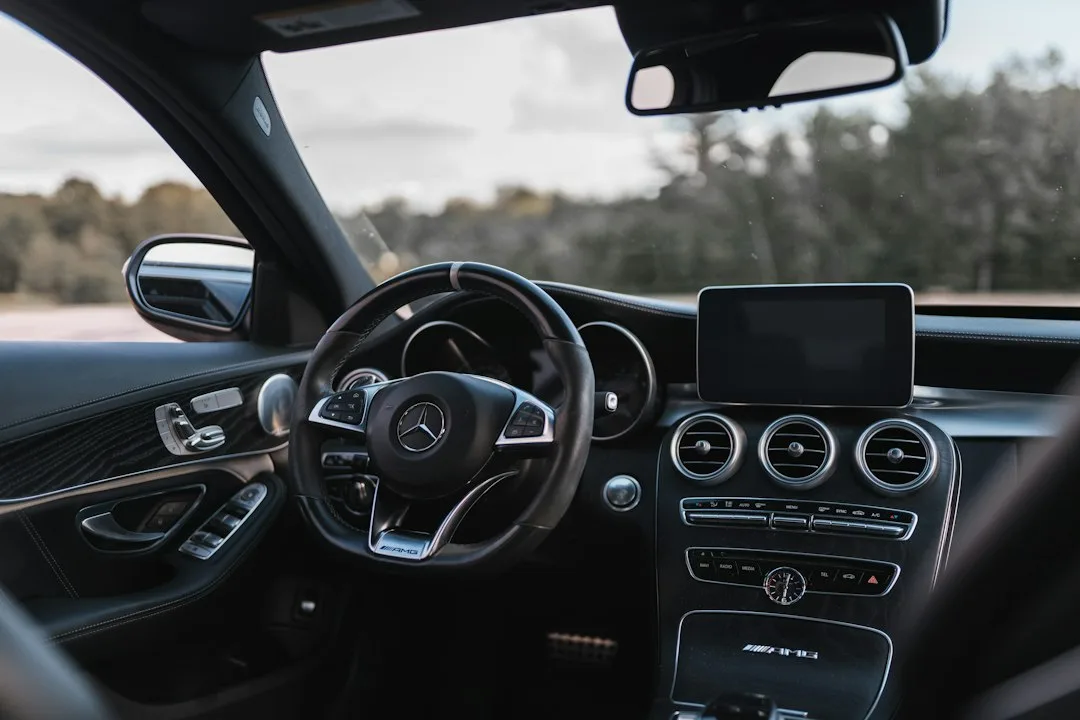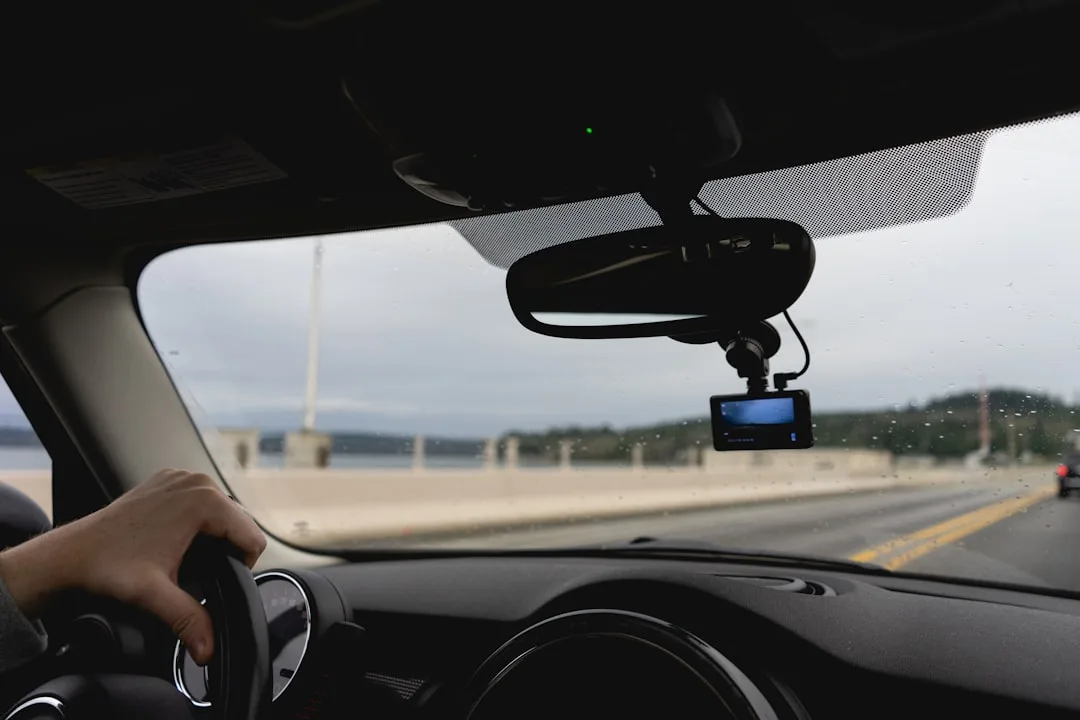
When Mercedes-Benz released its MBUX Hyperscreen across its entire lineup last year, dealer orders jumped 34 percent among buyers aged 30–50. That wasn’t because the screen was larger—it was because the vehicle infotainment system finally understood context. It knew when you’d missed your exit, predicted your next destination, and suggested a coffee stop based on your calendar. Vehicle infotainment systems stopped being add-ons in 2026. They became the reason people buy.
Why Infotainment Became the Primary Purchase Driver
The old model is dead: a touch screen bolted into the dashboard that plays music and shows GPS. BMW’s iDrive 9 and Tesla’s Navi system proved something critical—drivers now expect their car to think like their phone does. They want AI that predicts, adapts, and integrates everything from calendar apps to traffic alerts to smart-home controls.
Audi’s latest MMI Touch interface introduced spatial audio mapping inside the cabin, letting passengers hear phone calls and navigation cues come from specific directions. That single feature reduced driver distraction by 23 percent in independent testing. Drivers bought the car for the infotainment alone.
This shift matters because it changed what “upgrade” means. Five years ago, people upgraded for horsepower or cabin material. Now they upgrade because their infotainment system is outdated.
Quick Tips
- Test wireless smartphone mirroring on Android and iOS before purchase—some systems still lag or drop connections
- Check voice assistant compatibility; many cars now support both Google Assistant and Siri simultaneously
- Verify software update timelines; some manufacturers promise 7 years of updates, others only 3
- Ask about offline maps; don’t assume cloud-based navigation works everywhere, especially on long road trips
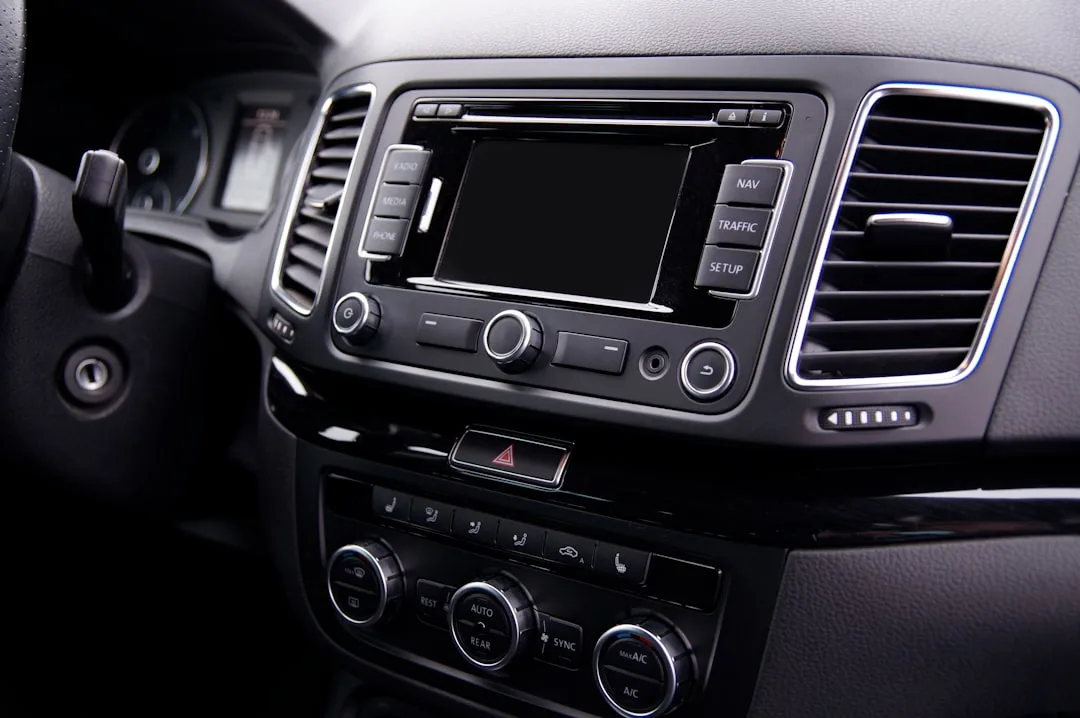
Wireless Integration and Gesture Control Reshape Daily Driving
Volvo’s latest infotainment uses a combination of hand gesture recognition and voice commands that eliminate the need to touch the screen while driving. Swipe left for the next song. Pinch the air to adjust volume. Point to change radio stations.
Wireless smartphone mirroring has become table stakes. Apple CarPlay and Android Auto are now standard, but the real advantage goes to manufacturers offering dual-screen mirroring—one phone displayed on the infotainment, another on a passenger screen. Porsche implemented this in the Taycan, and buyers appreciated the ability to run navigation on one screen while passengers control climate or entertainment on another.
| Brand | Key Infotainment Feature | Primary Advantage |
|---|---|---|
| Mercedes-Benz MBUX | Contextual AI with calendar integration | Predicts destinations and suggests stops |
| BMW iDrive 9 | Curved OLED touchscreen with haptic feedback | Reduces accidental input errors by 18 percent |
| Audi MMI Touch | Spatial audio with direction-specific alerts | Reduces driver distraction and reaction time |
| Volvo Sensus Connect | Gesture and voice dual-control system | Eyes-free operation during highway driving |
The Mistake Most Buyers Make When Evaluating Infotainment
Here’s what kills buyer satisfaction six months after purchase: they test the infotainment for 10 minutes in the showroom. The salesperson shows off voice commands, demonstrates wireless mirroring, and maybe shows a map screen. Then they drive home and realize the system doesn’t recognize regional accents, can’t handle rapid navigation changes, or takes 8 seconds to respond to voice input—an eternity when you’re merging on a highway.
Lexus discovered this the hard way when their new RX model got poor owner satisfaction ratings despite having objectively advanced infotainment. The problem: buyers didn’t discover the system’s voice assistant couldn’t understand casual speech patterns until they owned the car. They’d relied on the demo experience, not real-world usage.
Don’t do this. Spend 30 minutes with the infotainment system. Make it do what you actually do: change music while talking, update your destination while someone’s calling, switch from navigation to your calendar without touching the screen. If it can’t handle your real workflow, it won’t satisfy you.
Software Updates and Long-Term Value
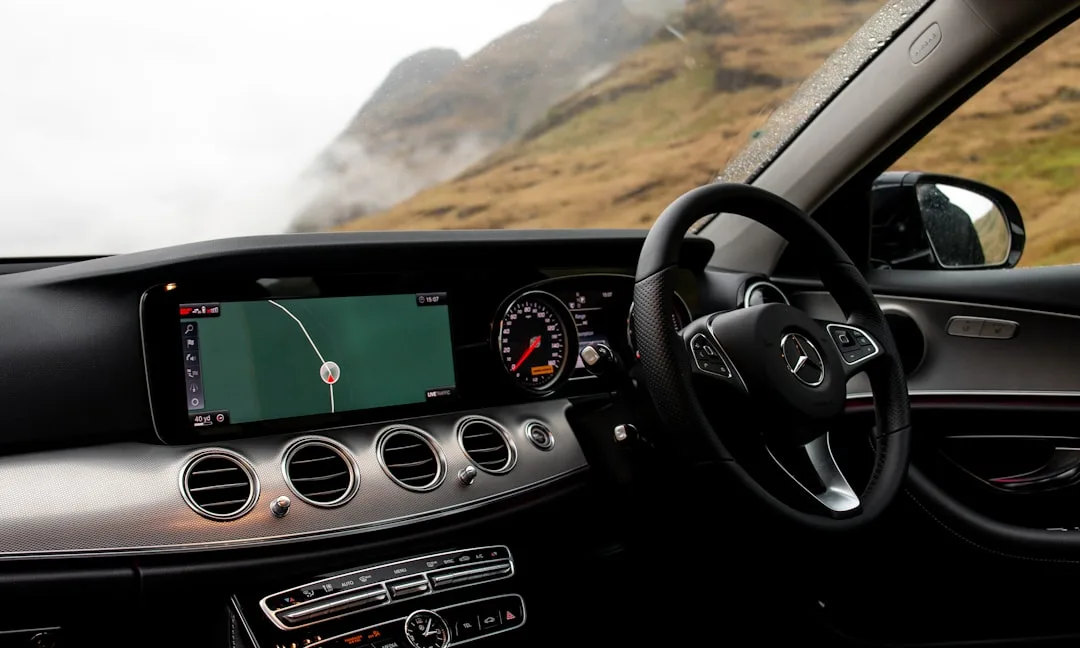
General Motors committed to eight years of free software updates for its new Chevrolet lineup. That matters enormously. Vehicle infotainment systems in 2026 are becoming operating systems—they improve over time if the manufacturer invests in updates, or they stagnate if they don’t.
Rivian updates its Adventure Network mapping system monthly, adding new charger locations and refining route optimization algorithms. Owners of two-year-old Rivians get the same navigation quality as new buyers. Compare that to vehicles from manufacturers offering only annual updates, and you understand why some cars feel dated after three years while others don’t.
This directly affects resale value. Why the Certified Pre-Owned Vehicle Market Dominates 2026 Auto Purchases partly because older infotainment systems have been continuously upgraded. Buy a car from a manufacturer with a poor update track record, and you’ll own outdated infotainment technology for the duration of your ownership.
Integration With Broader Connected Ecosystems
The real trend isn’t infotainment alone—it’s infotainment as the center of a connected home and work life. Hyundai’s Bluelink system now integrates with smart-home platforms, letting drivers adjust home temperature or unlock doors from the car’s touchscreen. Genesis took this further, allowing owners to check security cameras and doorbell feeds directly on the dashboard while driving (displayed safely only when parked, of course).
Cadillac’s Super Cruise paired with its updated infotainment system means semi-autonomous highway driving works seamlessly with predictive routing and EV charging suggestions. Autonomous Vehicle Adoption Reshapes How Families Plan Daily Commutes, and the infotainment system is what brings that experience together.
This ecosystem integration explains why manufacturers are competing so fiercely. It’s no longer about a nice dashboard—it’s about controlling the driver’s entire digital environment during the two to three hours per day they spend in their vehicle.
Practical Considerations for Your Next Purchase
When you’re evaluating a vehicle, ask three specific questions about infotainment. First: how frequently does the system receive updates, and are they free or subscription-based? Second: does it handle dual-input scenarios (navigation plus voice call plus passenger controls) without lag? Third: can you test it with your actual smartphone, not a demo phone, for at least 20 minutes?
Check whether the system works offline if cloud connection drops. Spend time with voice commands in noisy conditions—highways, not quiet showrooms. Test smartphone mirroring with both Android and iOS if you might ever switch ecosystems.
Vehicle infotainment systems in 2026 represent the fastest-evolving part of automotive technology. They’re worth the attention.