You survived pregnancy, labour, and approximately 4,000 diaper changes — and then your hair started falling out in fistfuls. Around three to four months postpartum, up to 40% of new mothers notice significant shedding along the temples and hairline, a condition called telogen effluvium. The hormonal shift after delivery pushes a large portion of hair into the resting phase simultaneously, and several months later it all exits at once. The good news: this is temporary. The even better news: the right haircut or styling trick can make thinning hairline areas almost invisible while your strands grow back in.
This guide covers the most effective postpartum hair loss hairstyles to conceal a thinning hairline — from face-framing cuts and strategic bang placements to lengths and textures that create the illusion of fullness at the roots.

Why Postpartum Hair Loss Targets the Hairline First
The hairline — temples, forehead edge, and the area just above the ears — tends to look the most affected because these hairs are finer to begin with and regrow more slowly than the bulk of the scalp. Dermatologists note that postpartum shedding typically peaks between months three and five after birth. By month six to twelve, regrowth is underway for most women, but those short new hairs standing straight up (often called “baby hairs”) can feel just as frustrating as the original loss.
Understanding the timeline matters for choosing the right hairstyle strategy. In the active shedding phase, you want cuts and styles that reduce visible sparseness. Three to six months later, when two-to-three-inch regrowth hairs appear, you need styles that incorporate or disguise those short flyaways — a different challenge entirely, and one worth planning for ahead of time.
The 5 Best Postpartum Hairstyles to Hide Thinning Around the Hairline
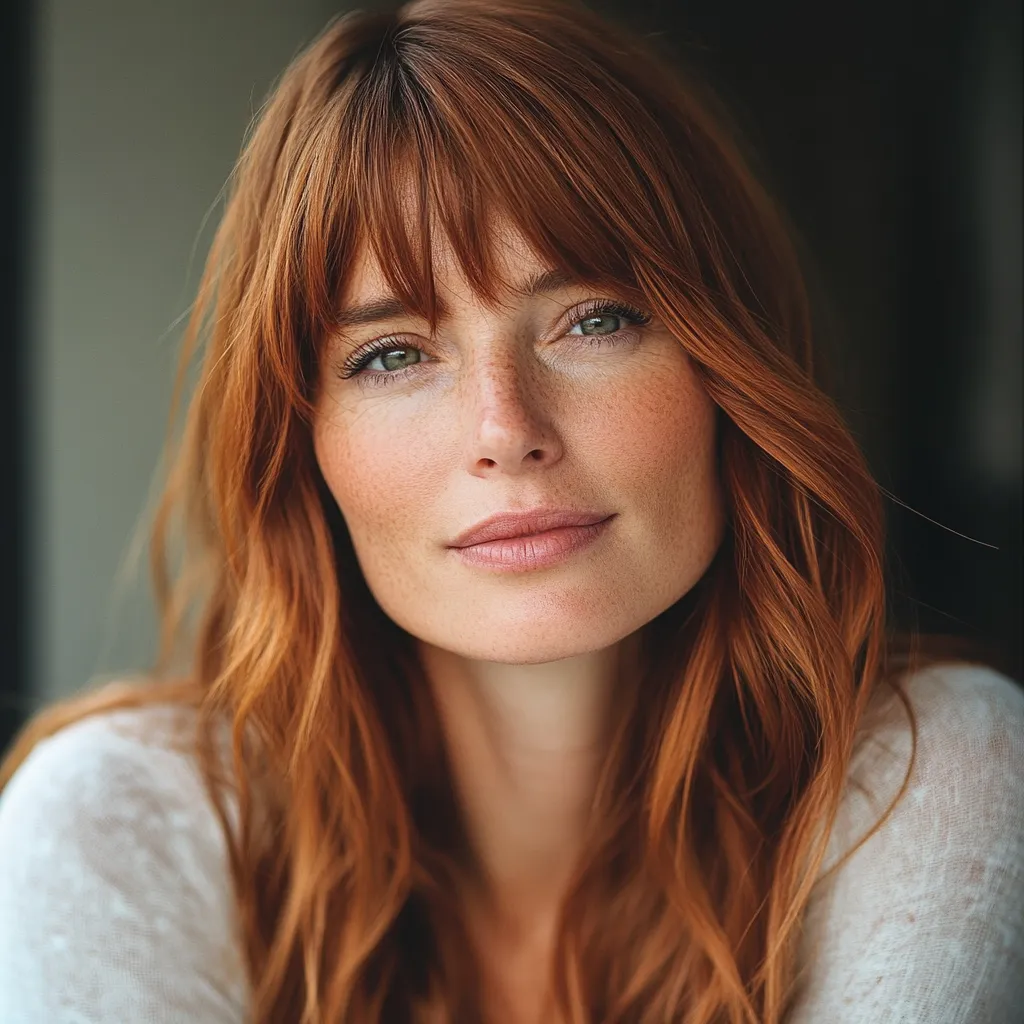
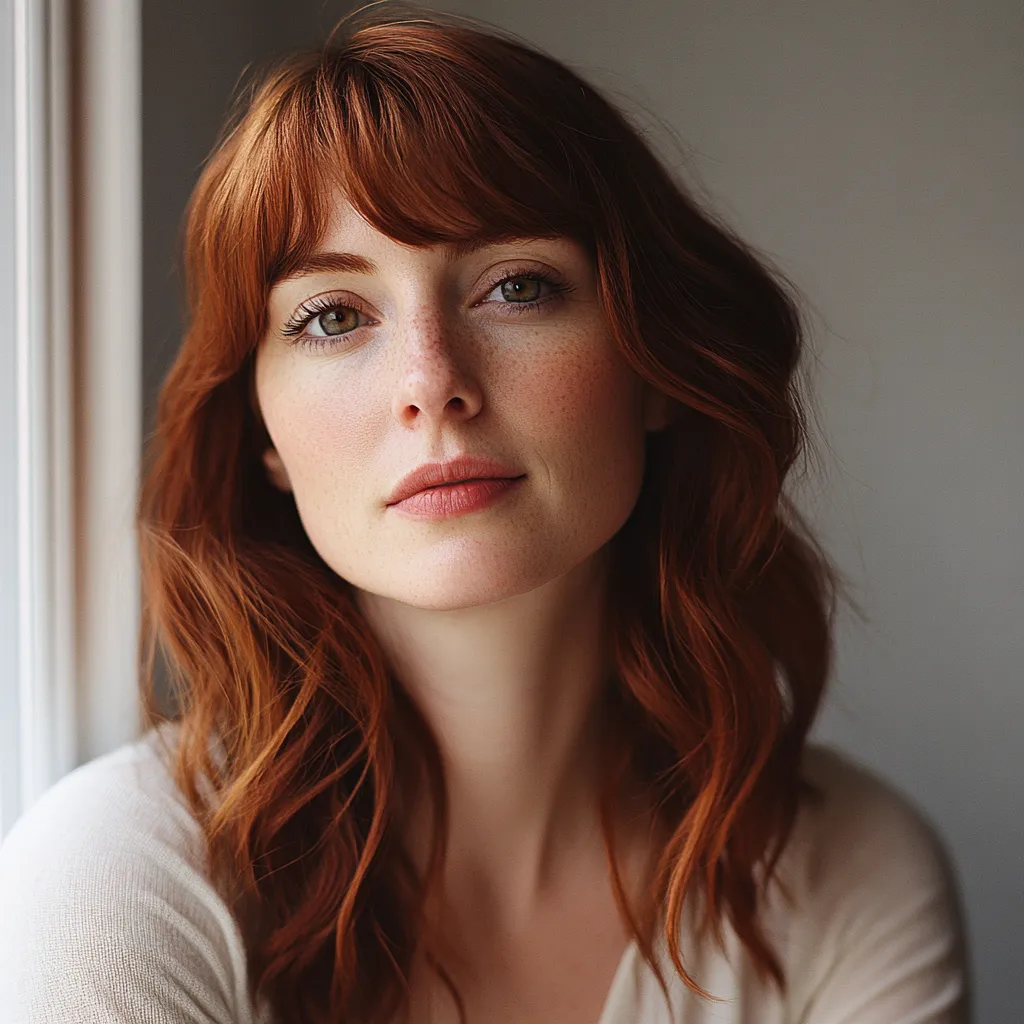
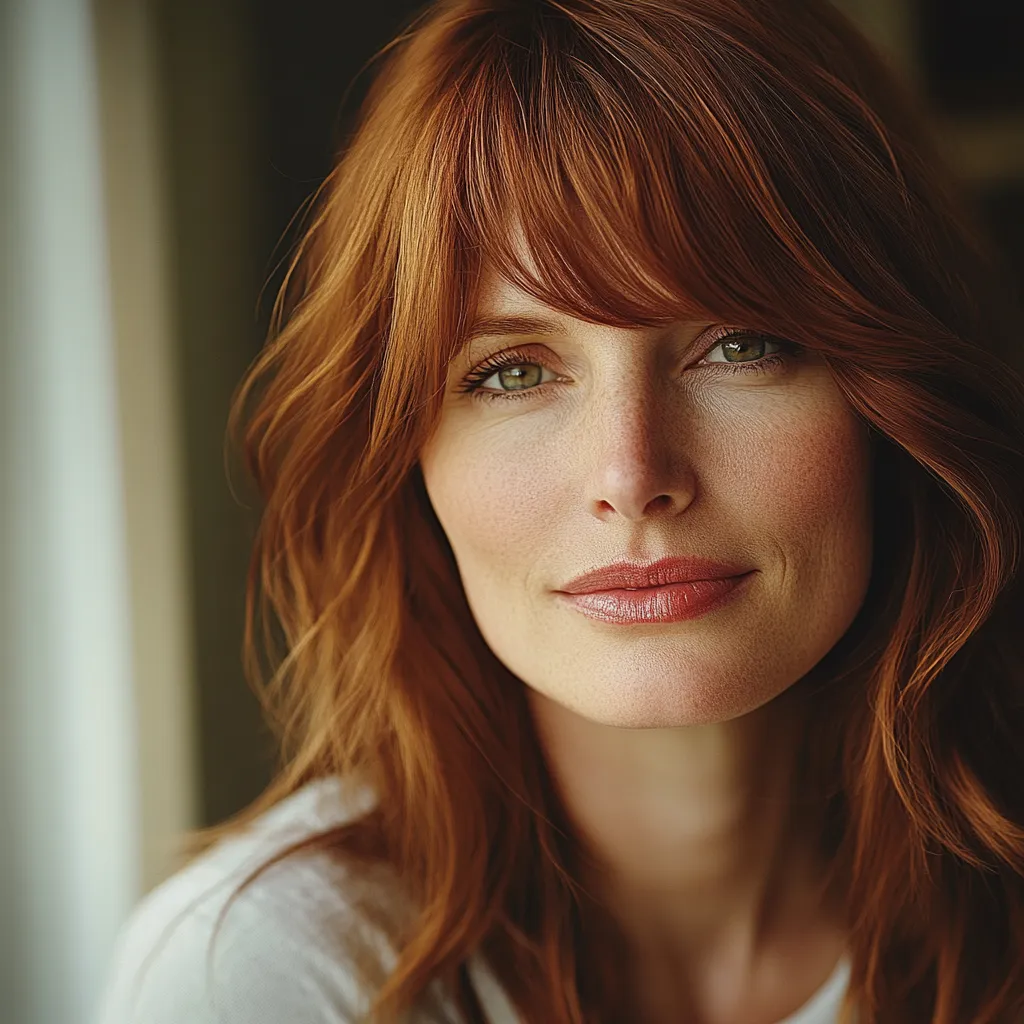
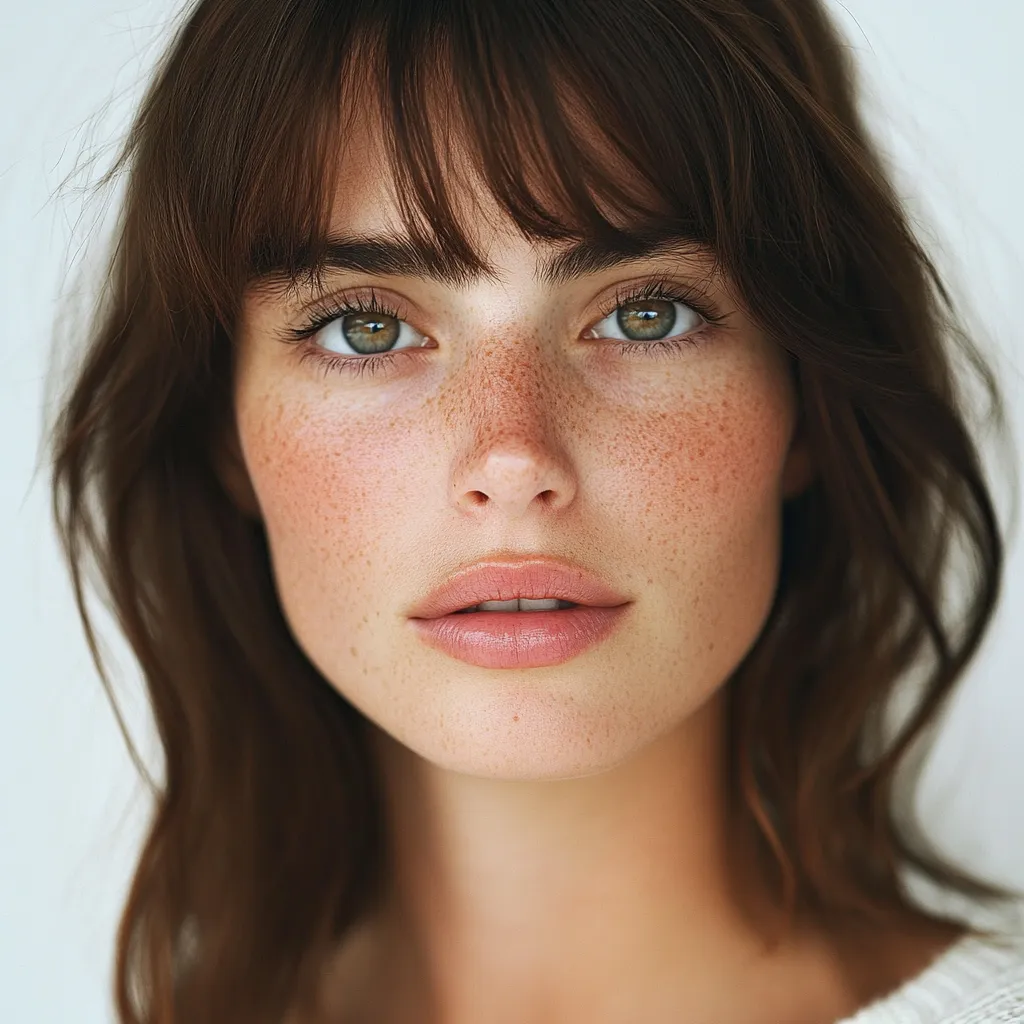
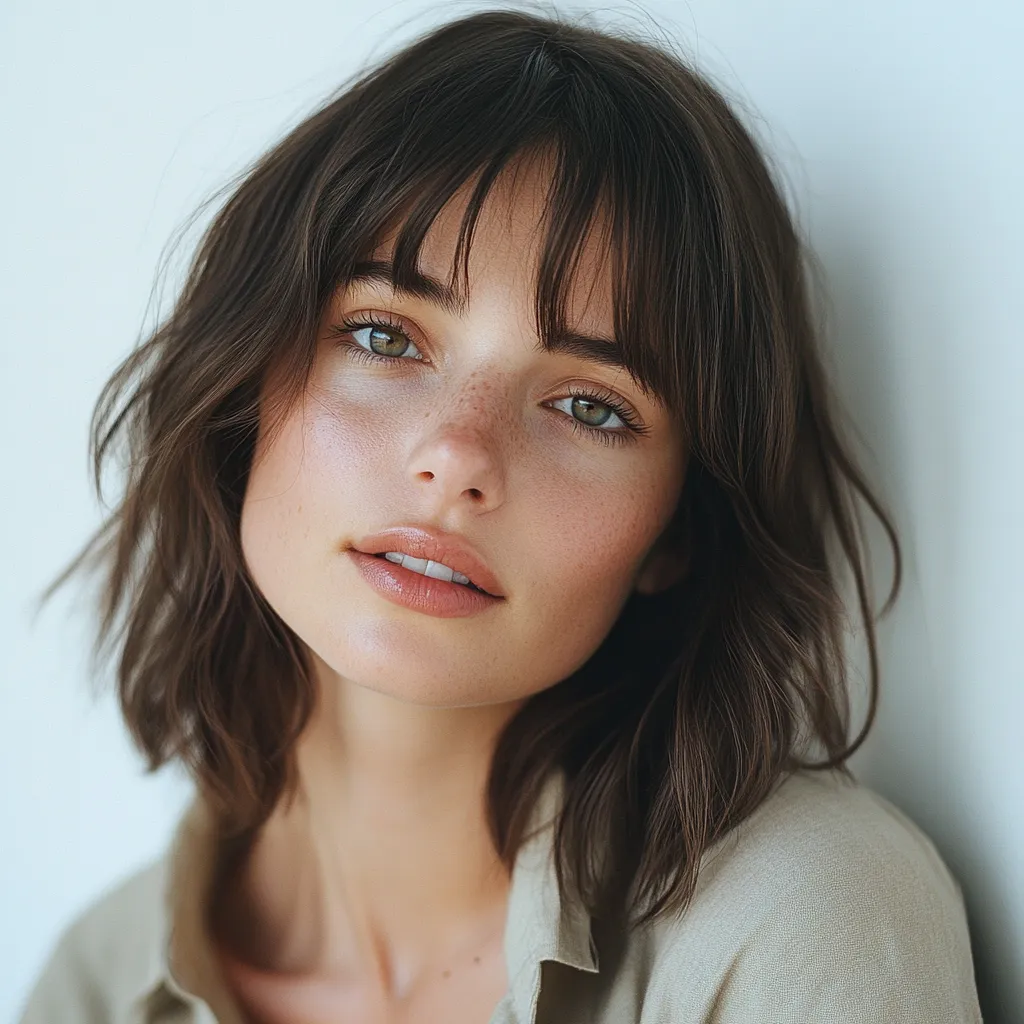
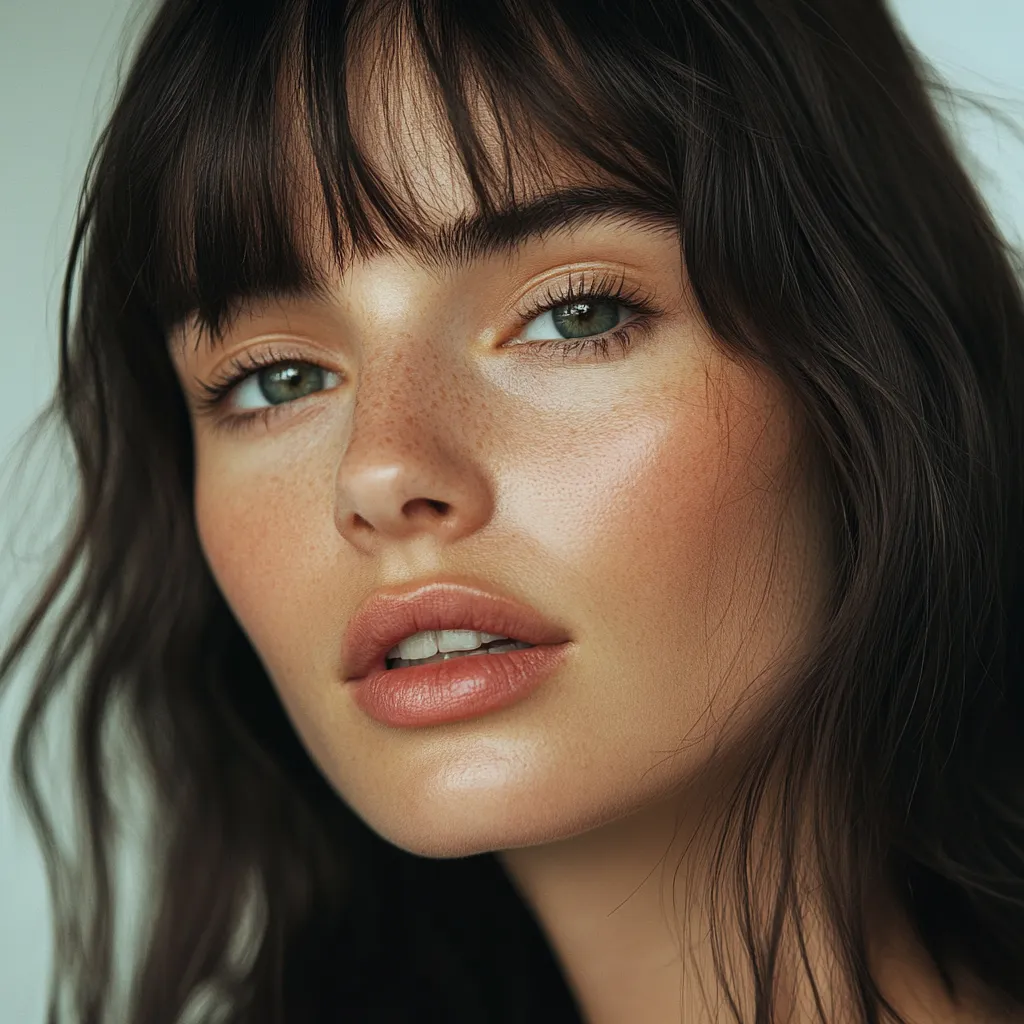
1. Curtain Bangs — The Most Forgiving Thinning Hairline Solution
Curtain bangs are split down the centre and swept to each side, which does two things simultaneously: they cover the temples — the most commonly thinning area — and they direct attention to the middle of the face rather than the perimeter where hairline gaps are visible. Unlike blunt bangs, curtain bangs require minimal upkeep and grow out gracefully, which matters when you have a newborn and exactly eleven minutes to get ready.
Ask your stylist to cut them from just behind the hairline so the fringe uses your existing density rather than thinning front sections. A textured curtain bang with soft internal layers works particularly well for postpartum hair because the piece-work finish adds visual weight without relying on actual hair volume.
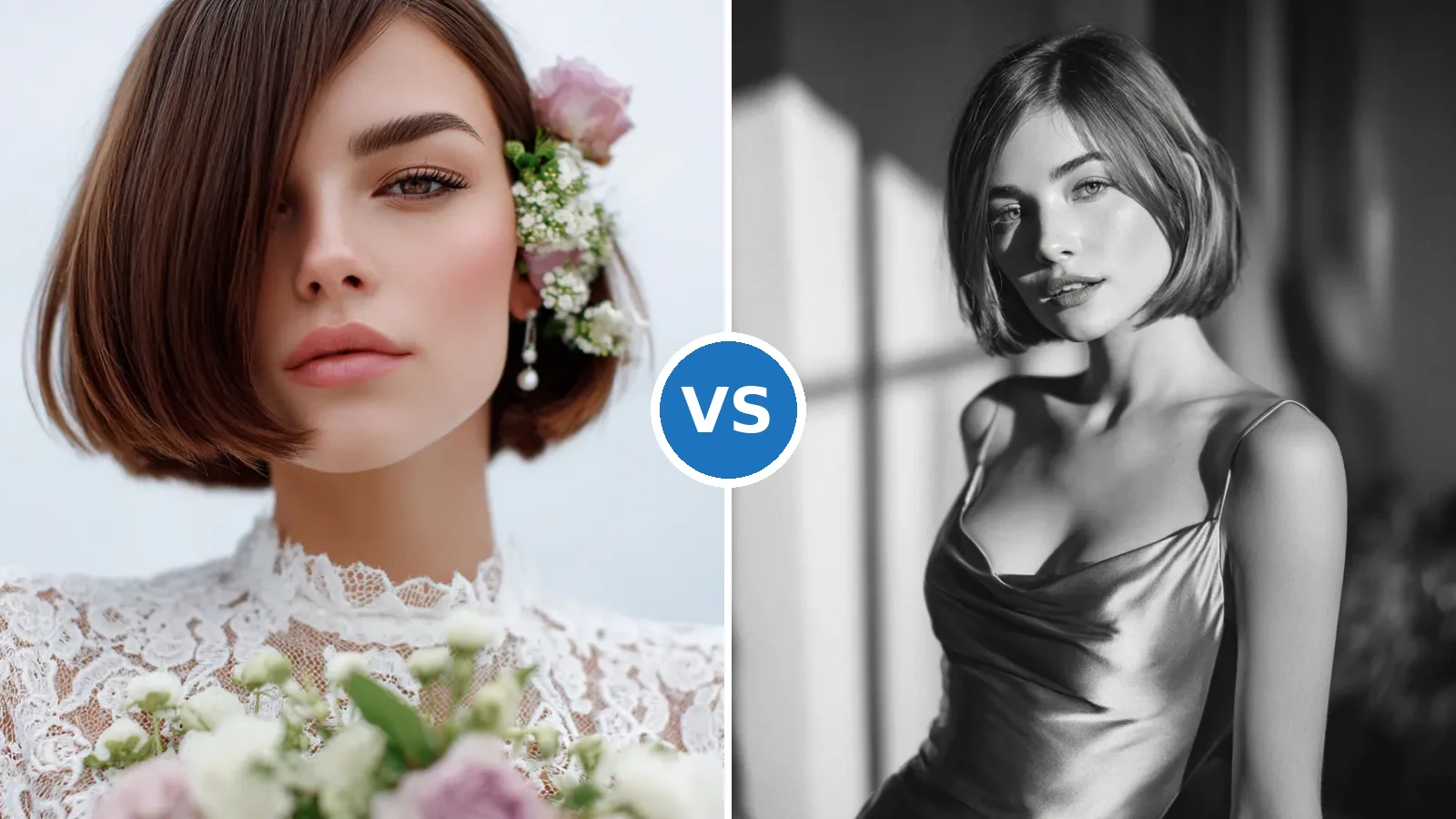
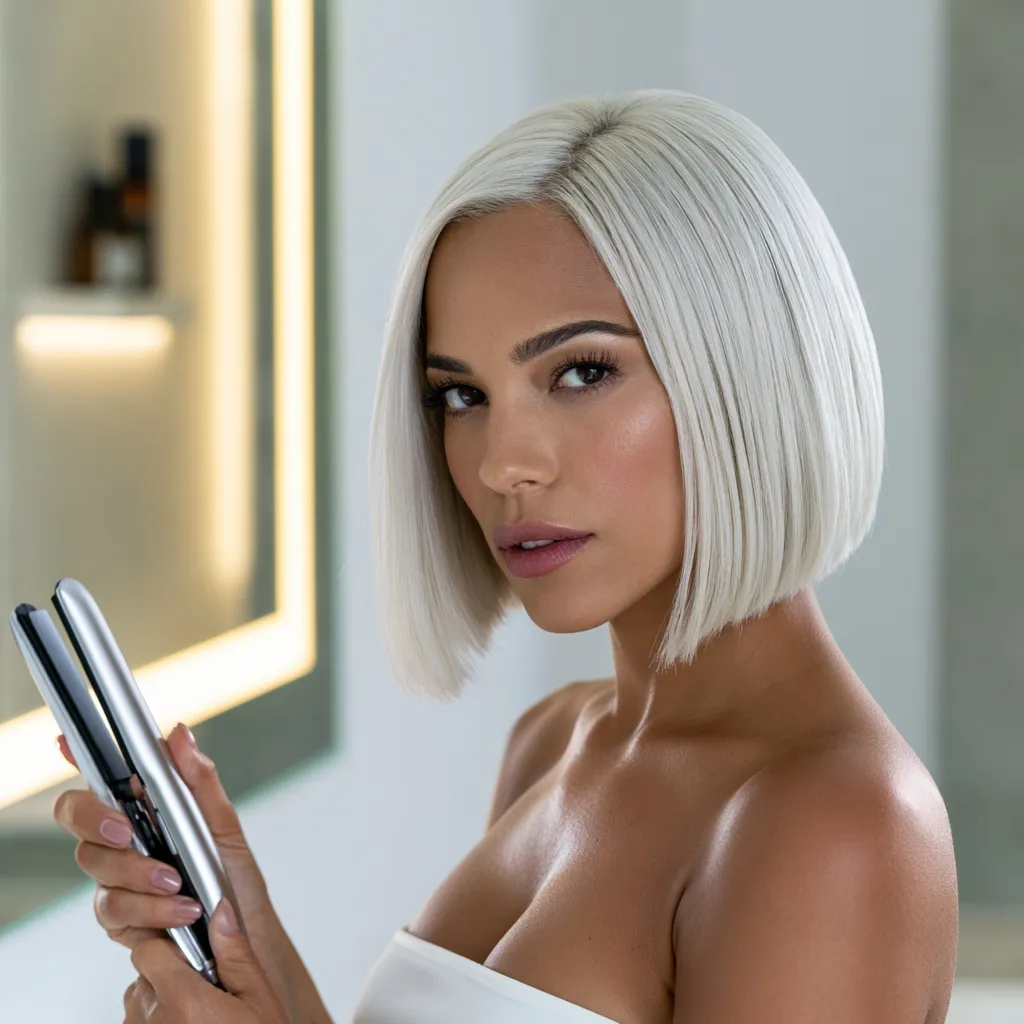
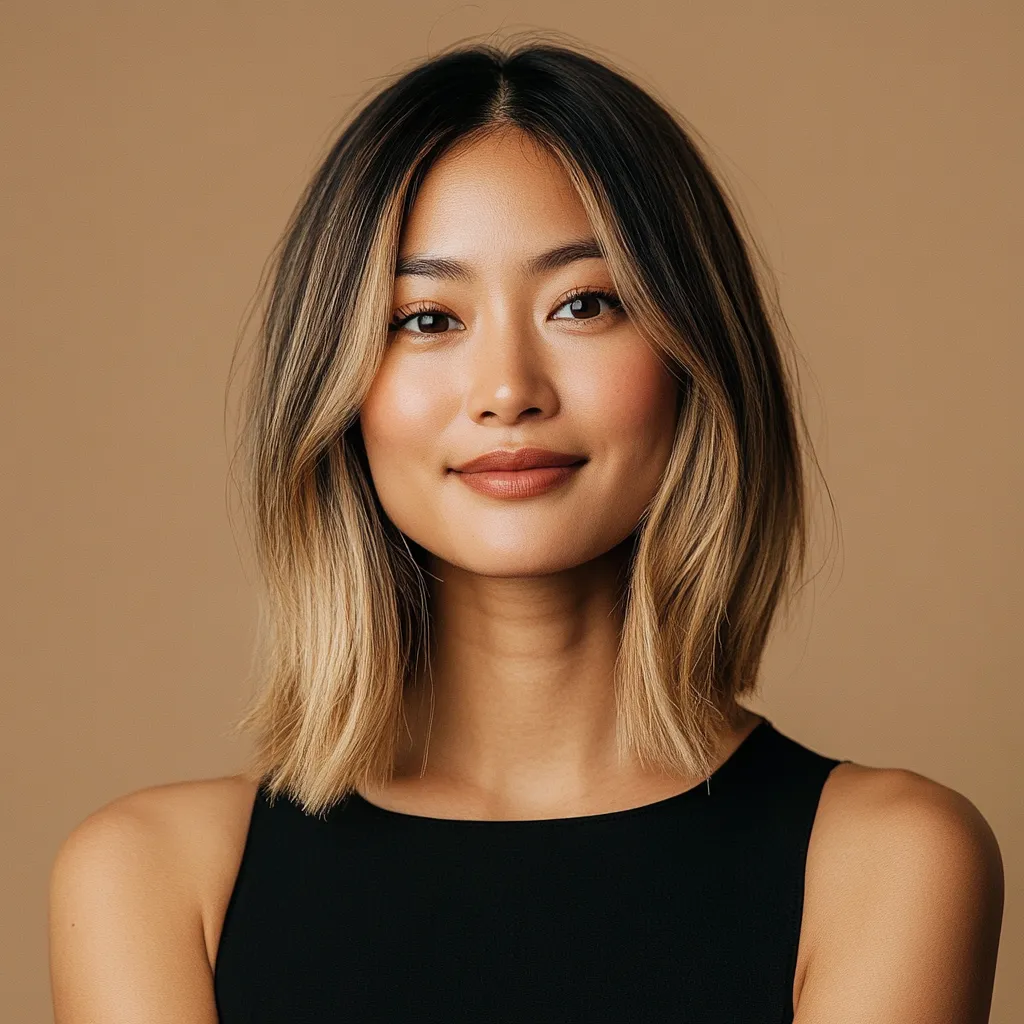
2. The Volumising Bob — Density Where You Need It Most
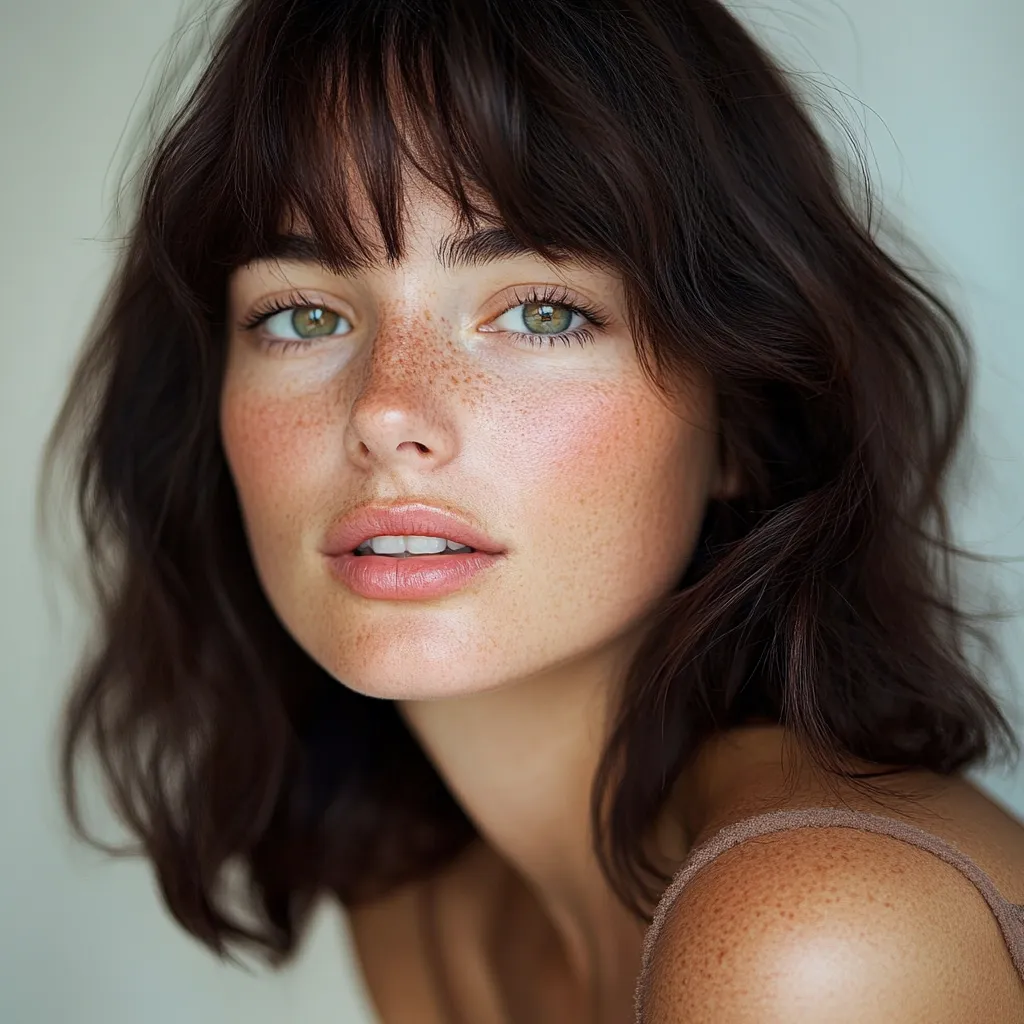
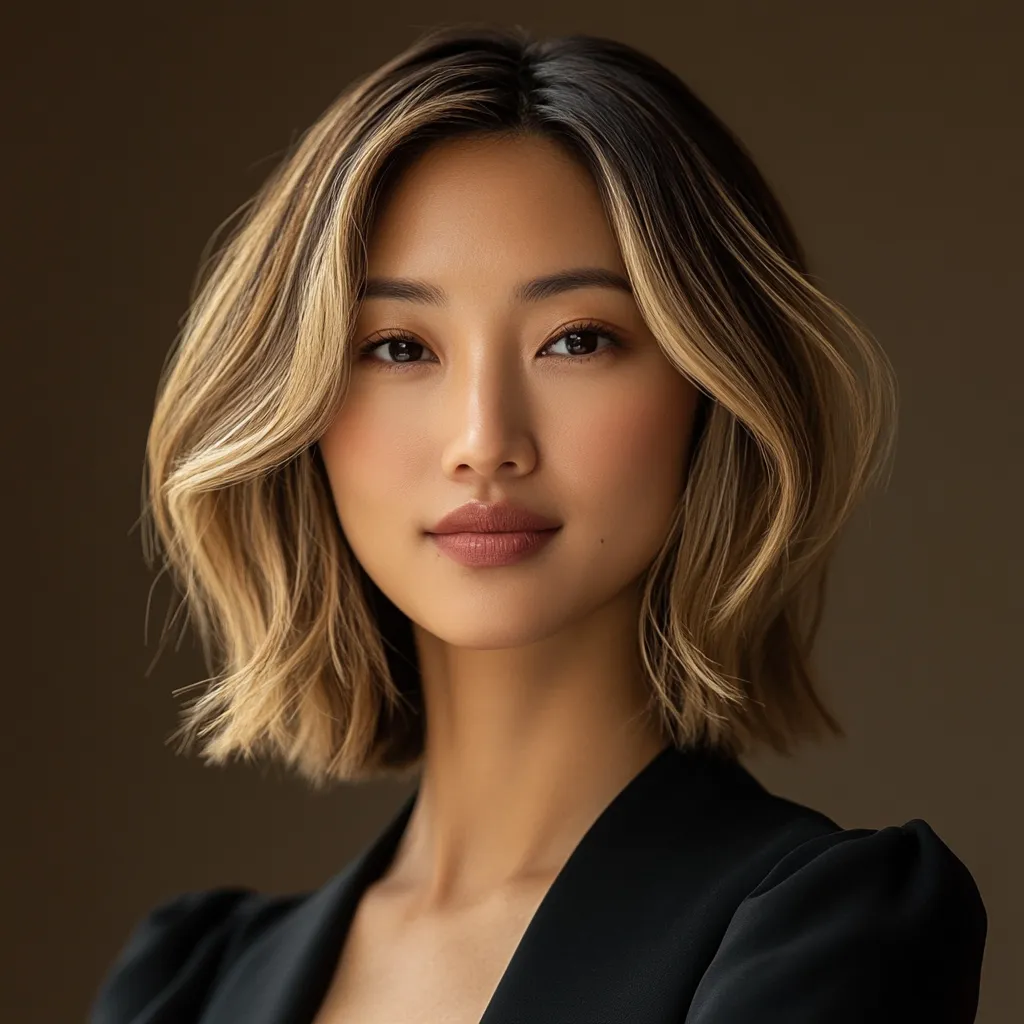
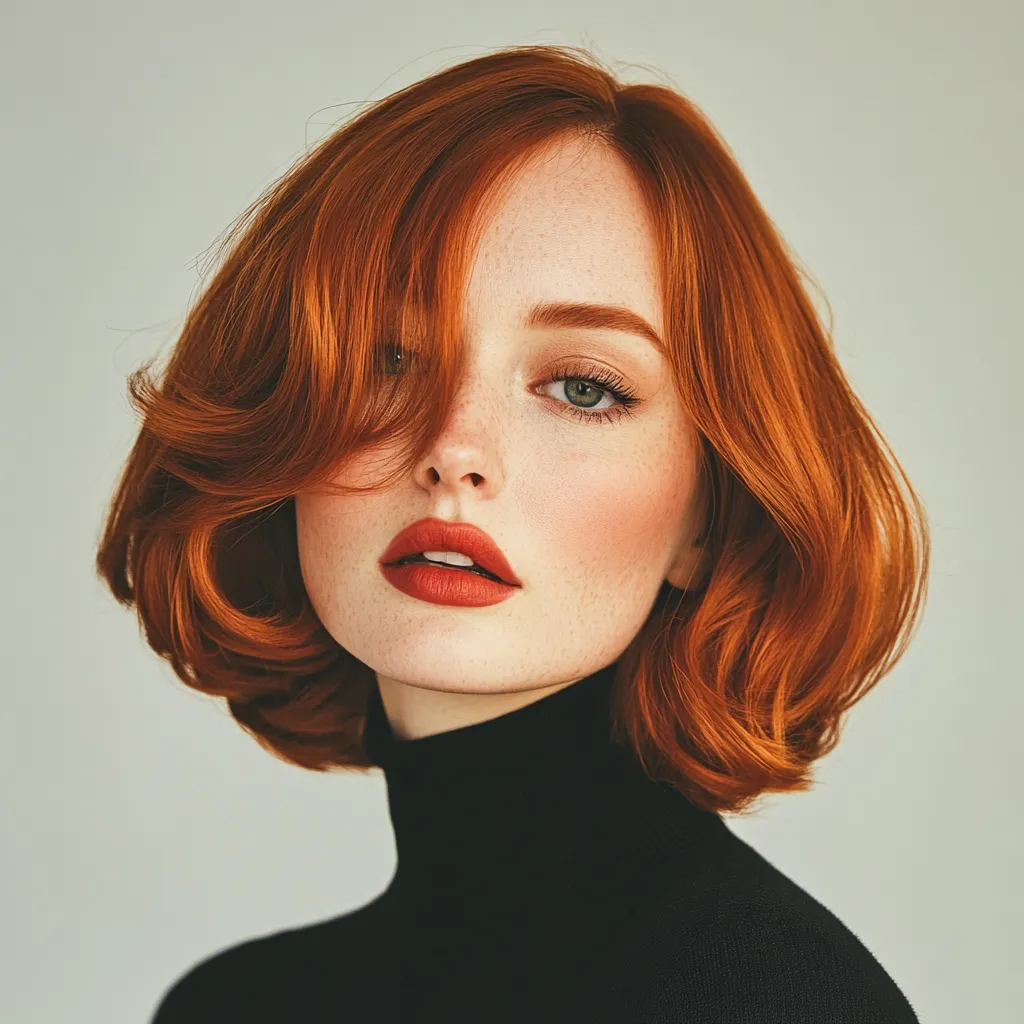
A bob cut between the chin and jaw removes weight from the ends and redistributes visual mass upward — exactly where postpartum thinning is most noticeable. The shorter length means less hair pulling the roots flat, so the hair naturally lifts at the crown and sides. A textured or slightly layered interior prevents the cut from going flat on fine, post-pregnancy strands.
The key detail: ask for a slight graduation at the back, which builds structure into the cut so it holds shape even on days when you skip the blowout entirely. For a more detailed breakdown of bob variations by density and face shape, the guide to every bob haircut worth knowing about covers the key differences between blunt, textured, and stacked versions.
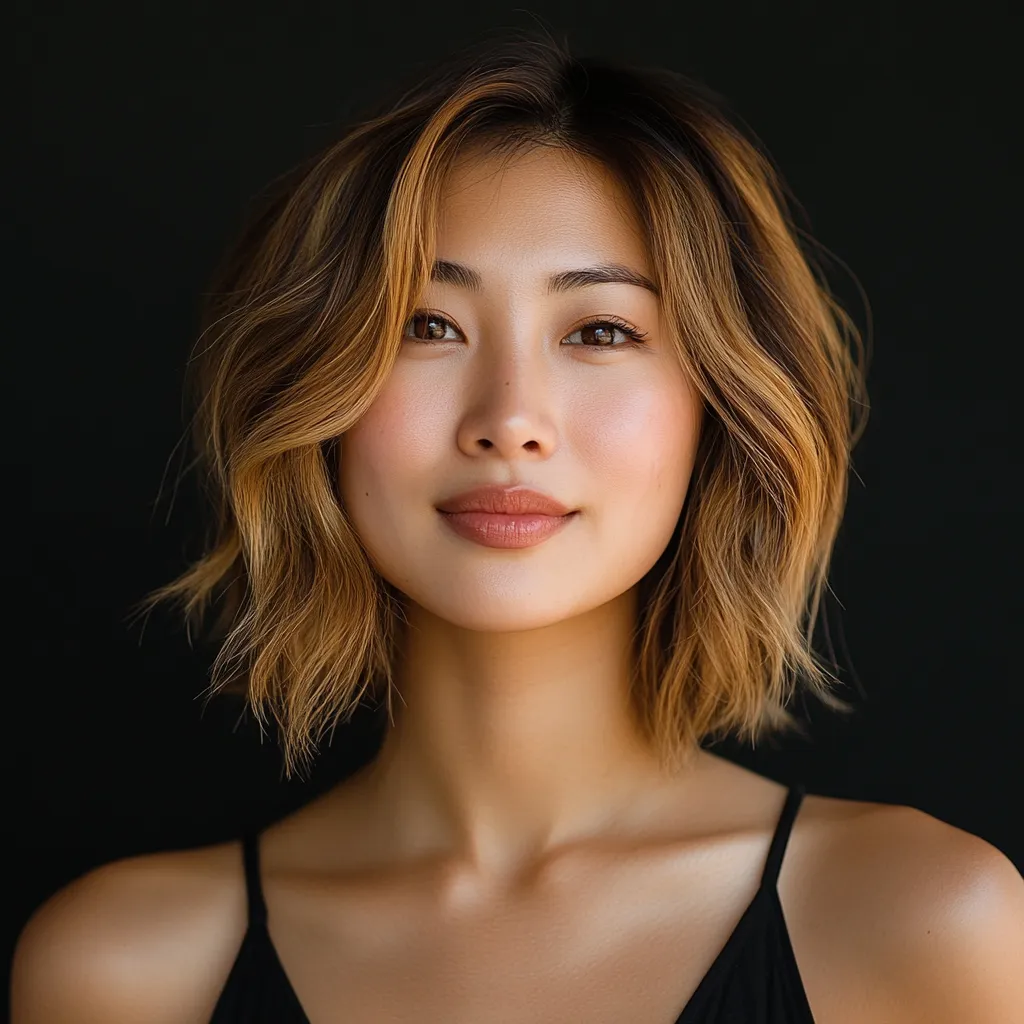
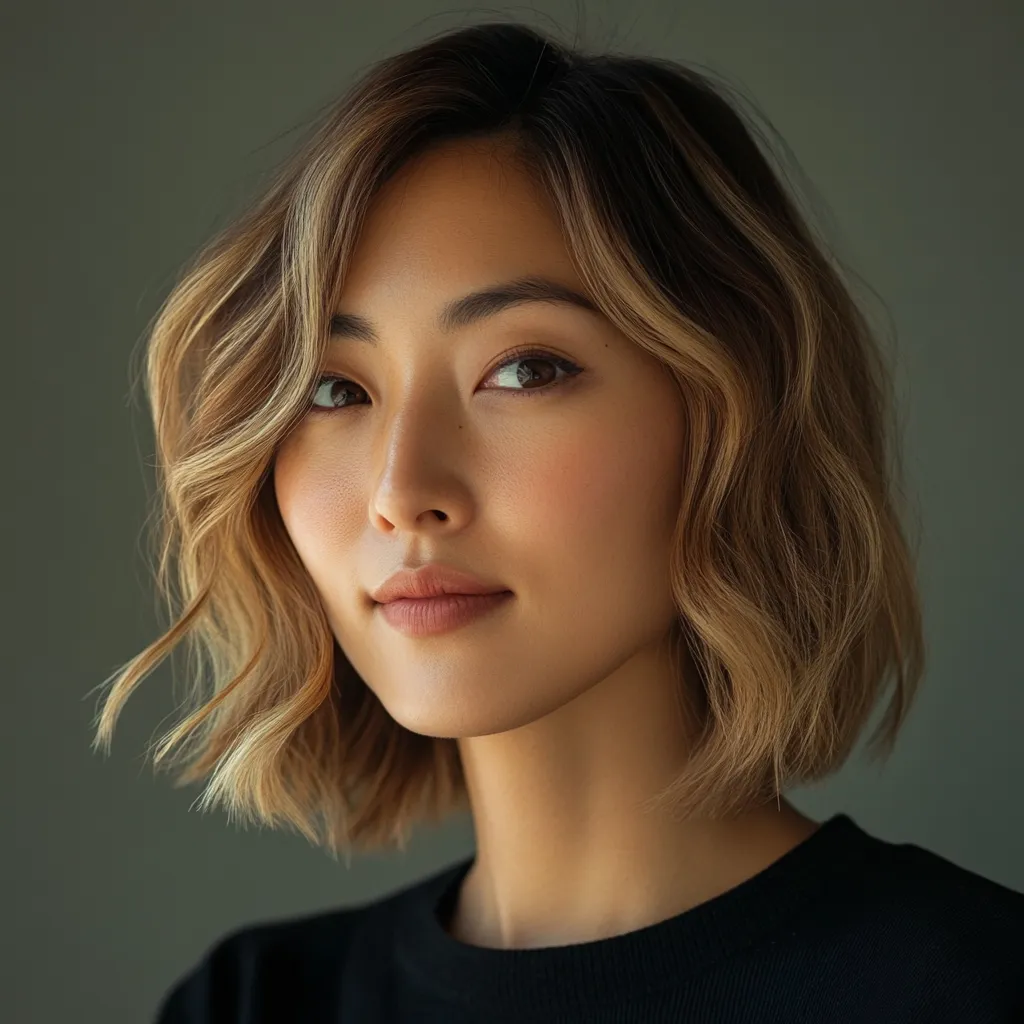
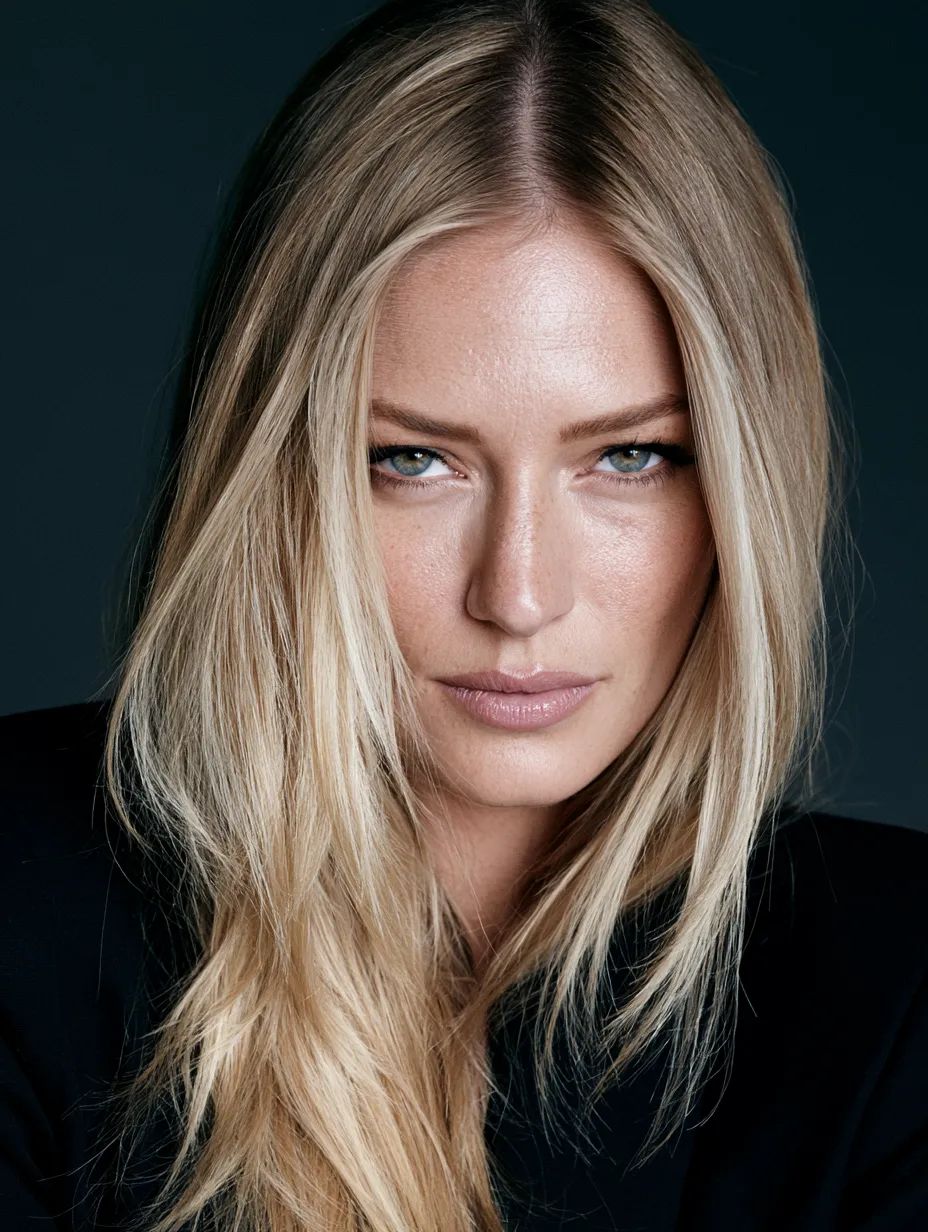
3. Face-Framing Layers on Medium Length — Controlled Movement Over Sparse Areas
If you are not ready to cut significantly shorter, face-framing layers on a medium or lob length are one of the most effective postpartum hair loss hairstyles for thinning hairlines. These layers are positioned specifically around the face — not throughout the full length — so they add movement and dimension exactly where the hairline is sparse without removing bulk from the rest of the hair.
The layers work by creating a cascade effect: each piece slightly overlaps the one behind it, so individual thinning areas are visually broken up. Request layers starting no higher than the cheekbone so they fall over and past the temple zone. For further inspiration, the complete guide to textured layered haircuts and how they create movement shows how piece-work framing behaves on different densities of hair.
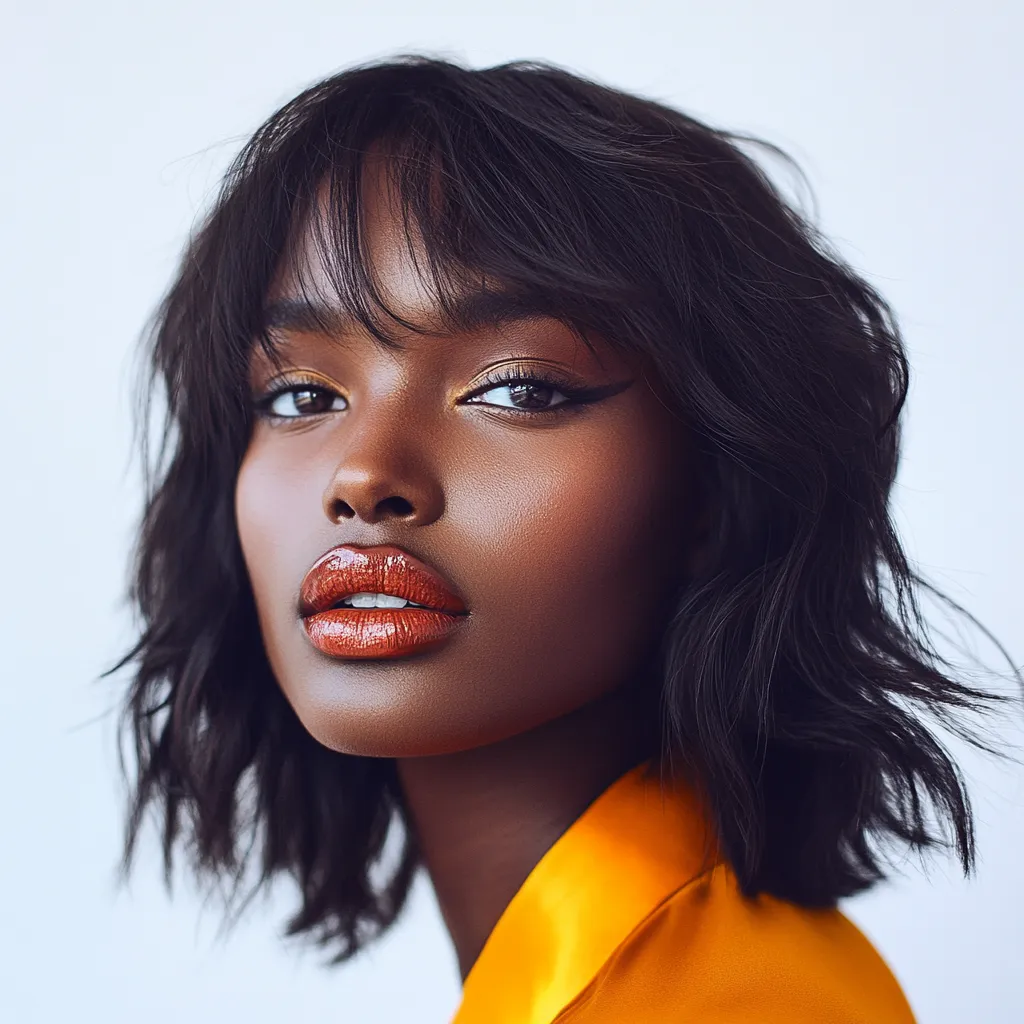
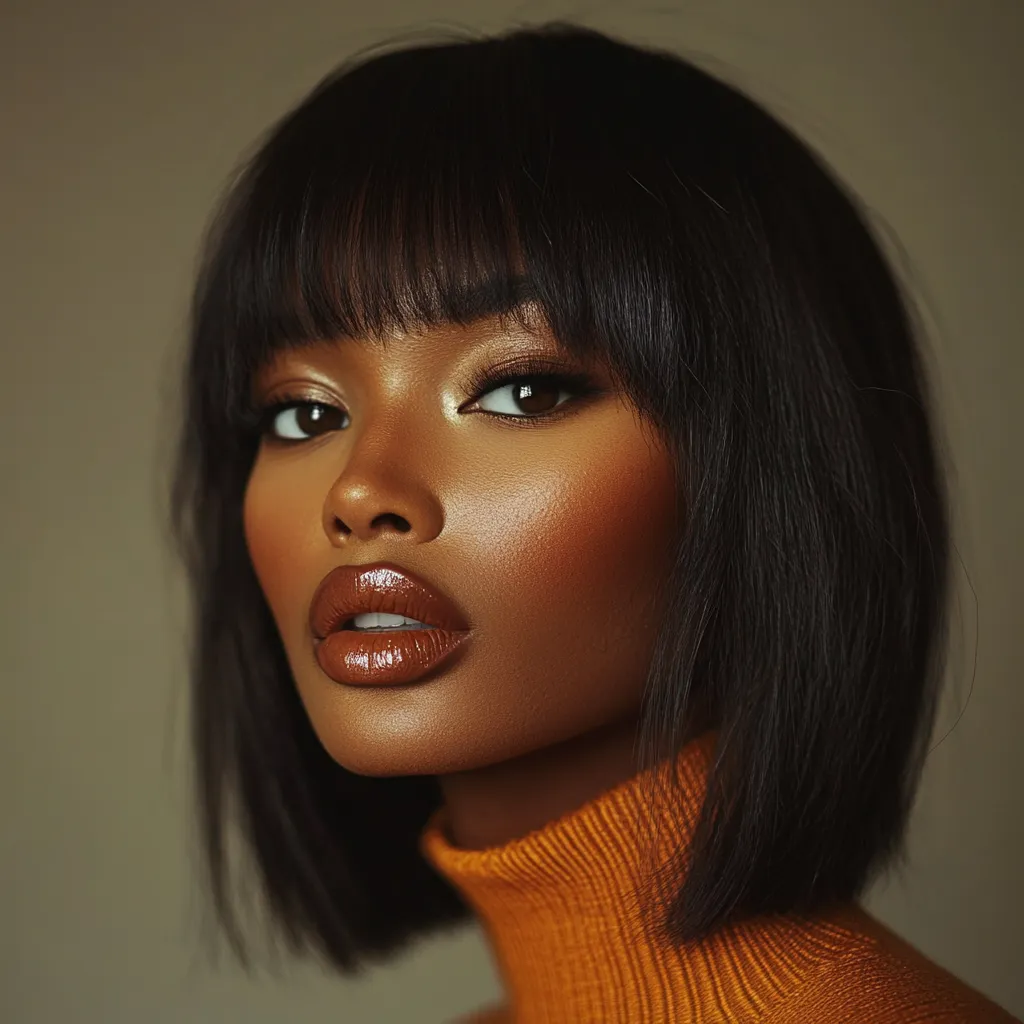
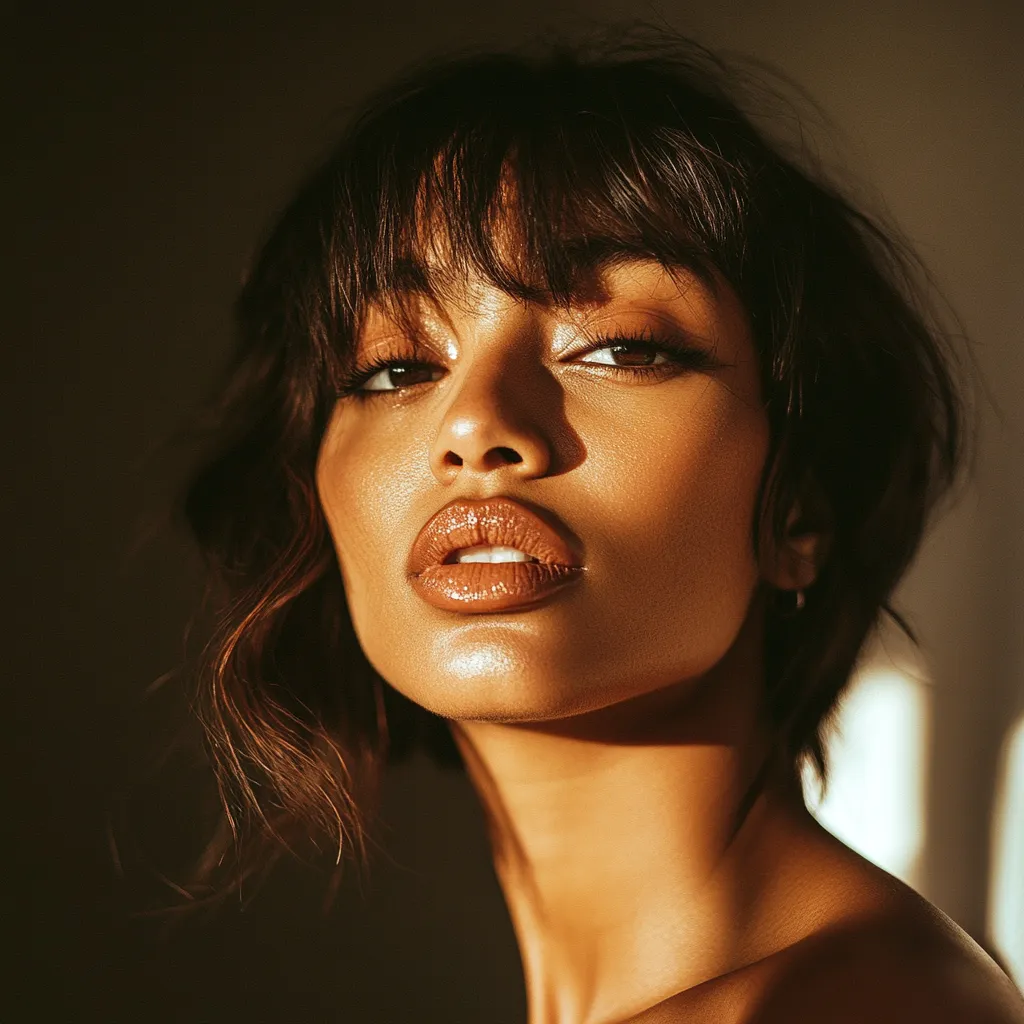
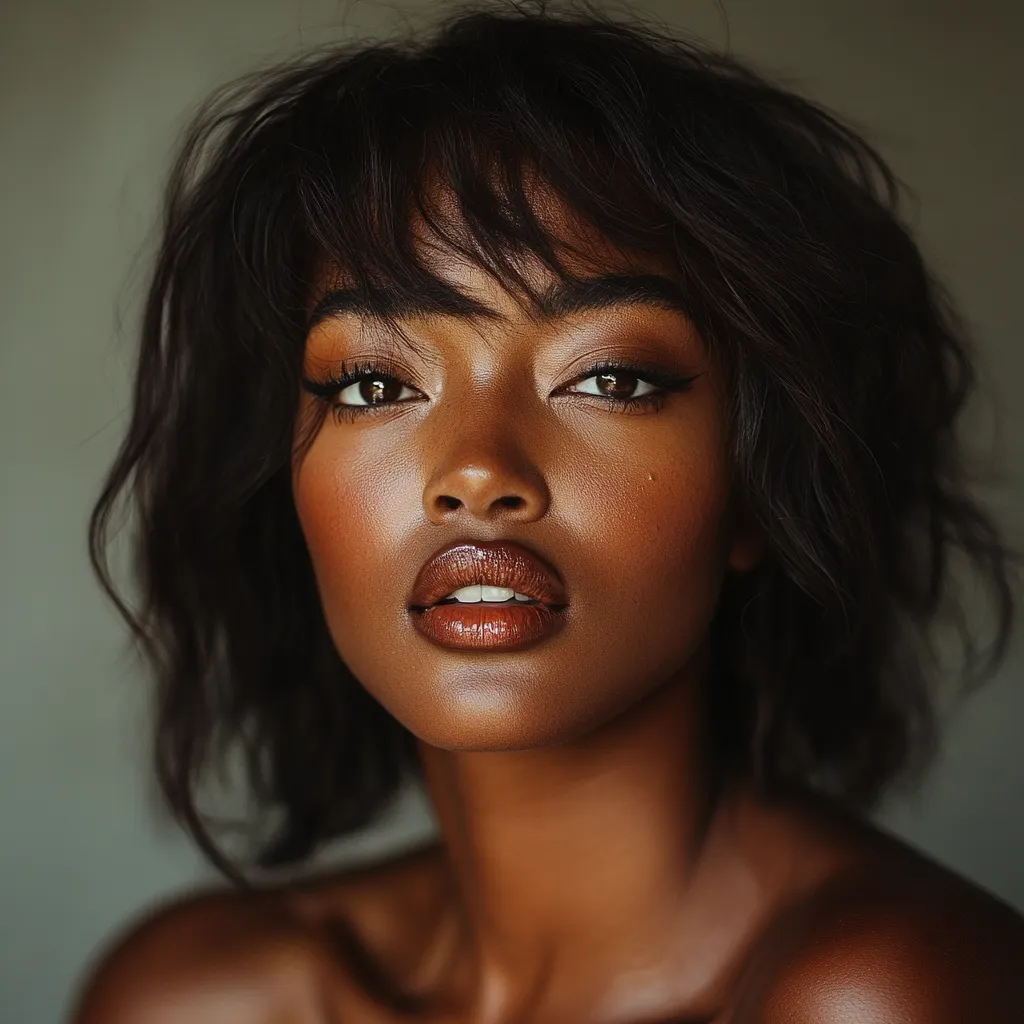
4. Wispy Side-Swept Fringe — The Fastest Fix for Visible Hair Loss at the Forehead
A wispy, side-swept fringe is asymmetric — heavier on one side, feathering away on the other — and it covers more of the forehead than a centred bang while keeping the look casual and modern. Because it uses hair from the fuller side of the head and sweeps across, it maximises coverage from existing density rather than exposing the thinner hairline areas.
This style requires almost no daily effort: a single pass of a round brush while blow-drying or even just finger-combing with a light hold product sets it in place. It also grows out naturally into curtain bang territory, making it a sensible transitional choice for the first six months postpartum when shedding is at its worst.
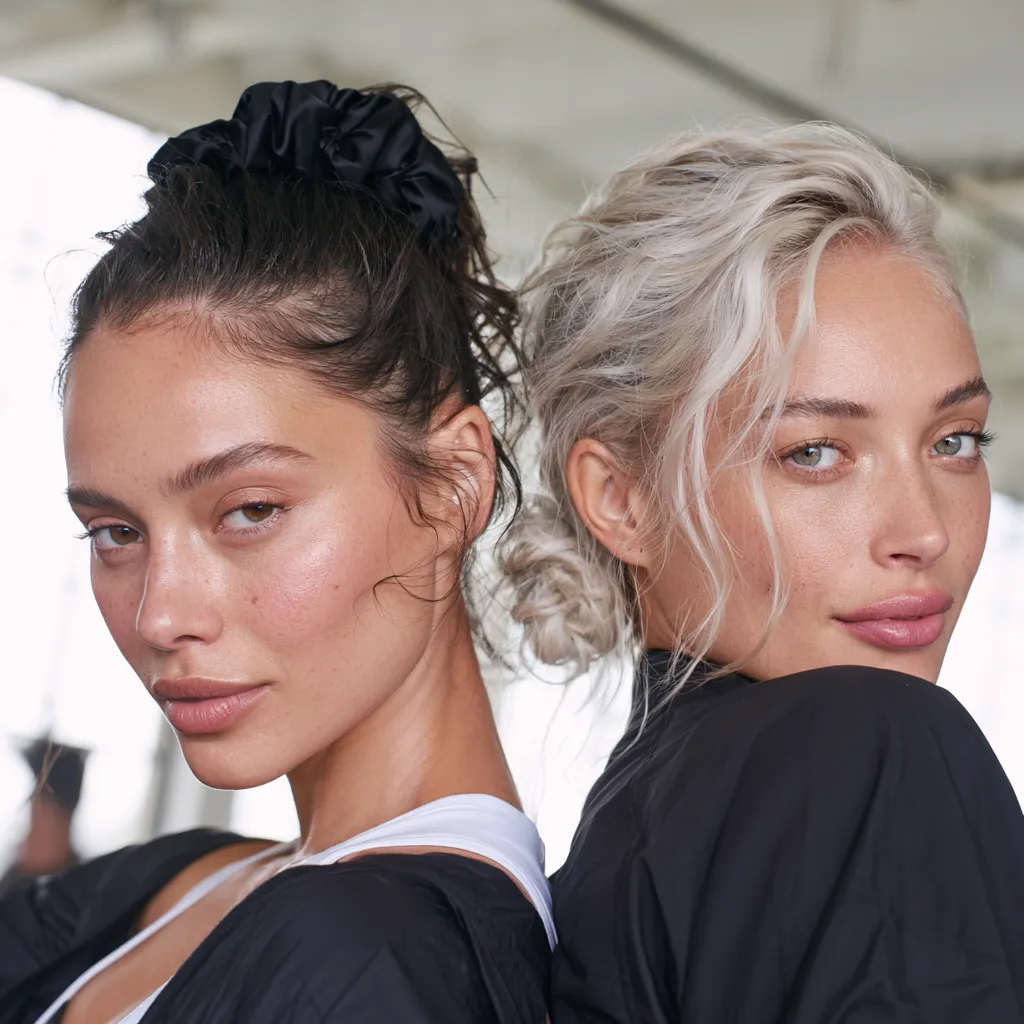
5. The Simple Hairstyle with Strategic Root Volume — For Moms Who Skip the Salon
Not every postpartum hair loss hairstyle requires a fresh cut. For moms who have not yet had a chance to get to the salon, styling techniques that build root volume can mask a thinning hairline effectively. Dry shampoo applied at the roots while the hair is still slightly damp, then finger-lifted, adds texture that makes thin areas look populated rather than sparse. A loose low part — positioned an inch or two away from where thinning is most visible — immediately redistributes visible density.
The collection of simple hairstyles for thin hair women that create hidden lift includes several everyday looks that apply directly to postpartum hair conditions, requiring nothing more than five minutes and a diffuser or velcro roller at the root.
Postpartum Hair Loss Hairstyles at a Glance
| Hairstyle | Best for hiding | Effort level | Works during regrowth phase |
|---|---|---|---|
| Curtain bangs | Temple thinning, receding corners | Low | Yes — grows out gracefully |
| Volumising bob | Overall flat root area | Medium | Yes — short length lifts roots |
| Face-framing layers | Sparse hairline edges | Low–Medium | Yes — layers absorb regrowth |
| Wispy side-swept fringe | Forehead hairline loss | Very Low | Yes — transitions into curtain bangs |
| Root-volume styling | Overall thinness at part/crown | Very Low | Yes — works at any length |
What to Tell Your Stylist About Postpartum Hair Loss
Many stylists will not ask about postpartum status, but it is one of the most important pieces of context they can have. Tell them: approximately when you gave birth, where the thinning is most visible (temples, crown, diffuse overall), and whether you are in active shedding or already seeing half-inch regrowth hairs. These three data points change which cut makes sense.
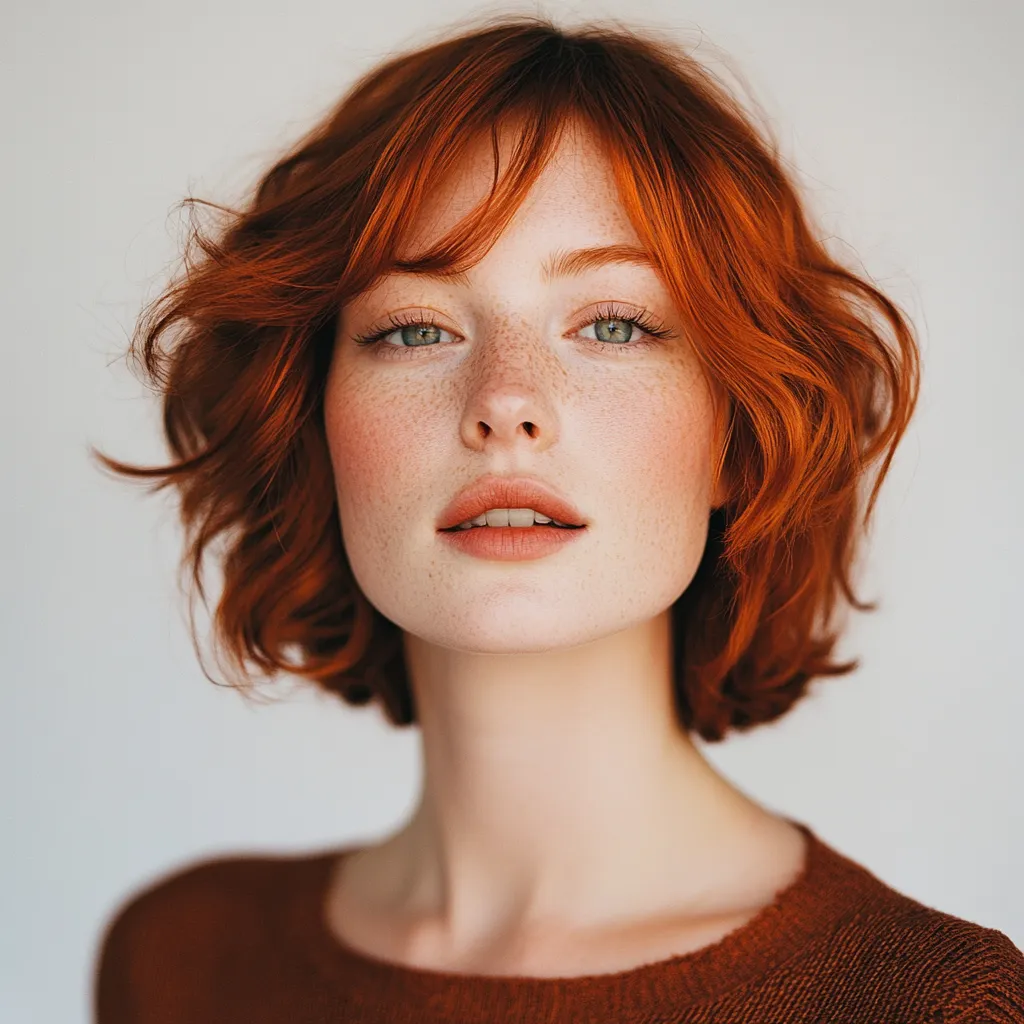
During active shedding, the goal is camouflage — fringe, shorter lengths, and texture. During regrowth (when short hairs are standing up), the priority shifts to incorporating those baby hairs into the style rather than fighting them. Curtain bangs and face-framing layers are particularly good at absorbing regrowth hairs because the piece-work texture blends the different lengths together without looking patchy.
- Avoid tight ponytails and buns during the postpartum shedding phase — traction on already-weakened follicles increases visible loss at the hairline
- Request soft, internal layers rather than heavy thinning shears, which can make already-fine hair look even more sparse
- Ask for a dry cut consultation if your hair texture has changed significantly post-pregnancy — wet cutting on fine hair can result in the style sitting differently once dry
- Avoid chemical processes (bleach especially) during the peak shedding period; colour can add weight and shine but aggressive lightening weakens the shaft when the hair is already in a vulnerable growth cycle
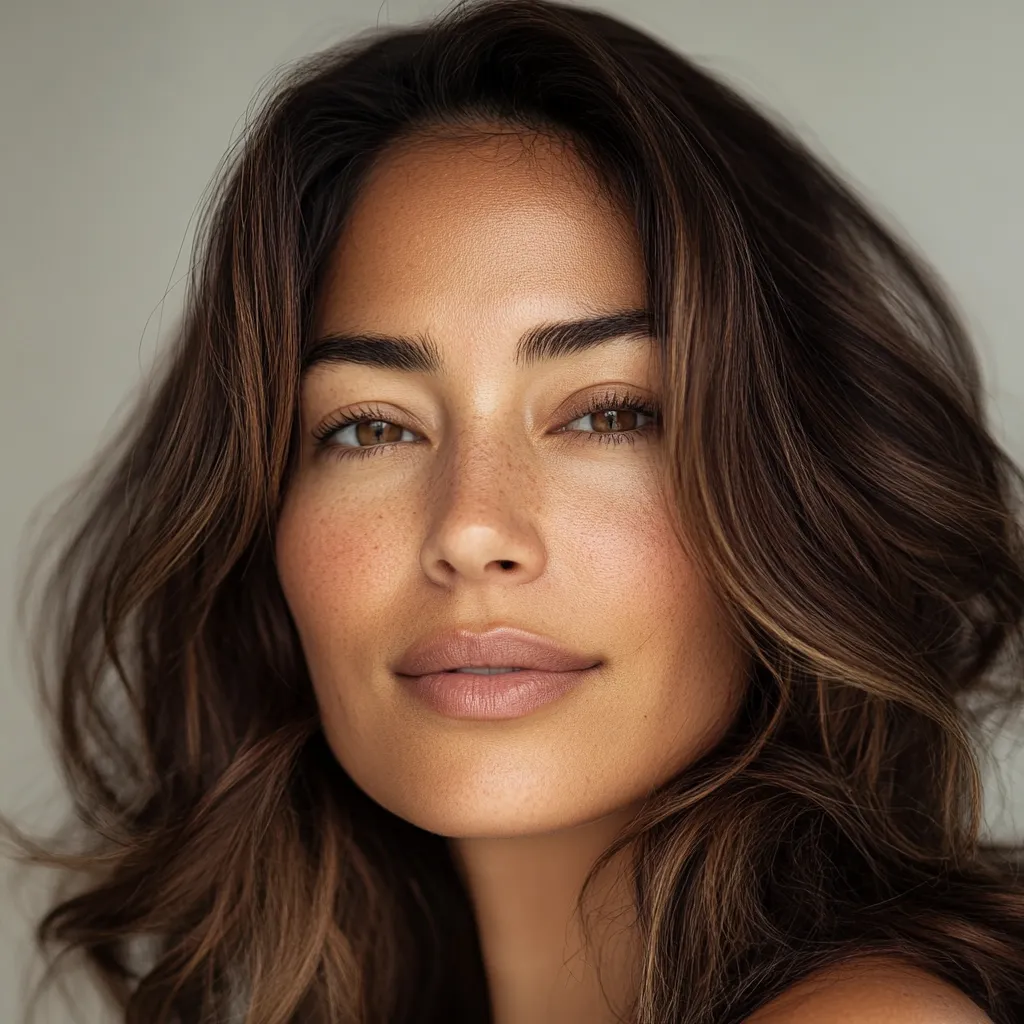
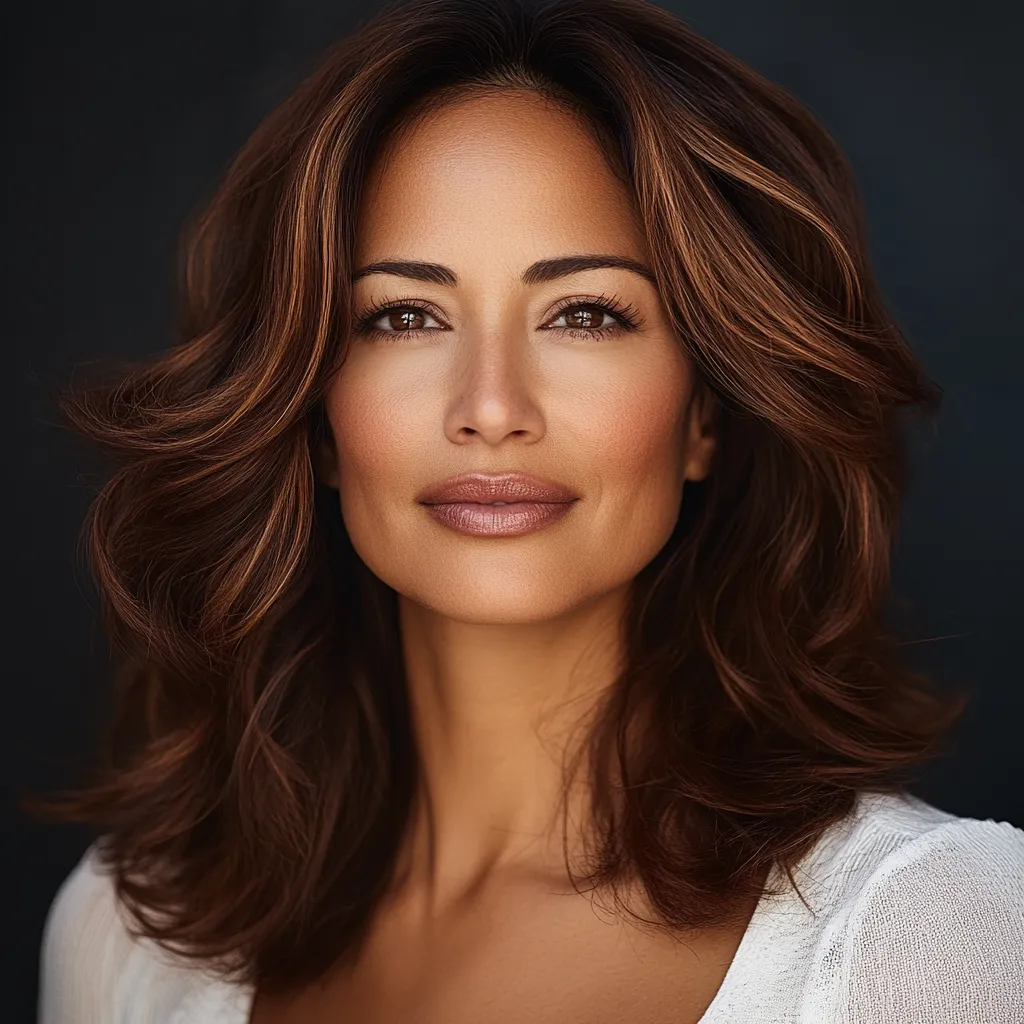
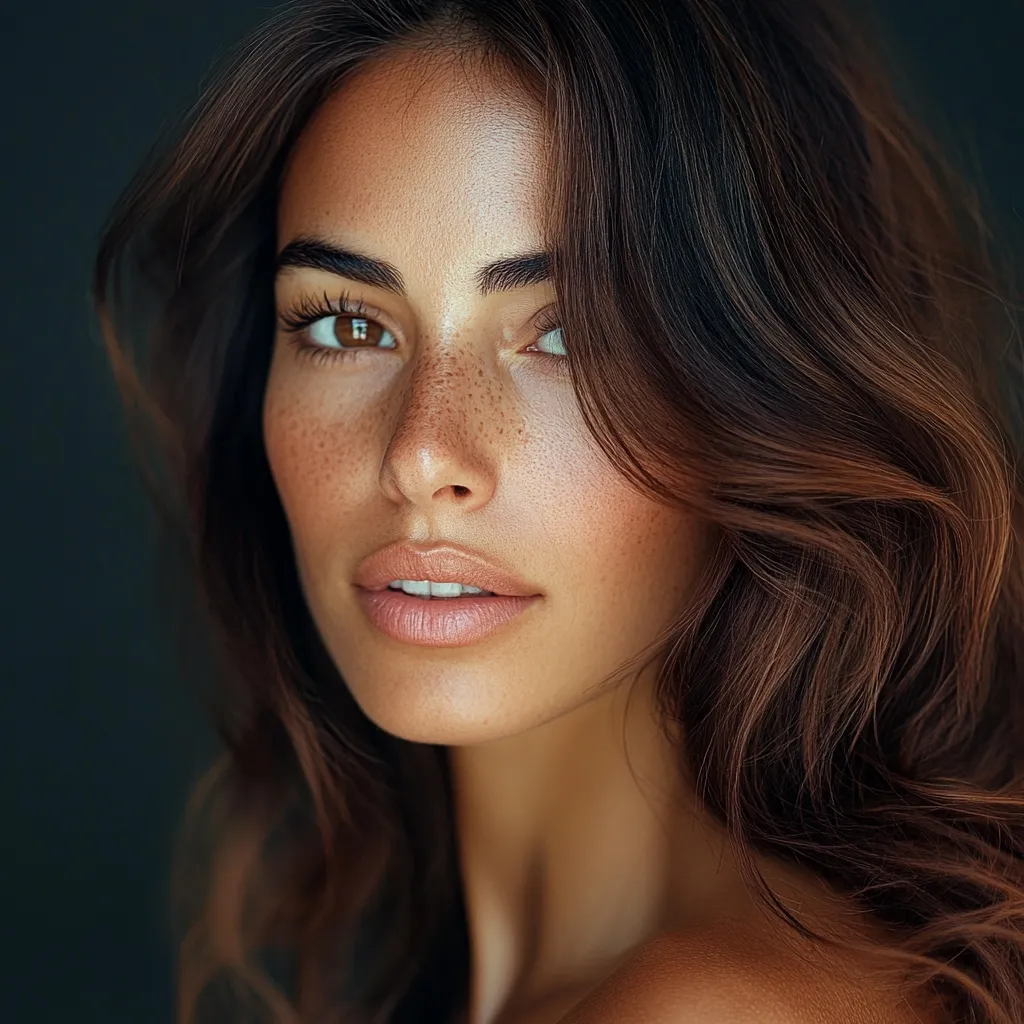
Colour Tricks That Make a Thinning Hairline Look Fuller
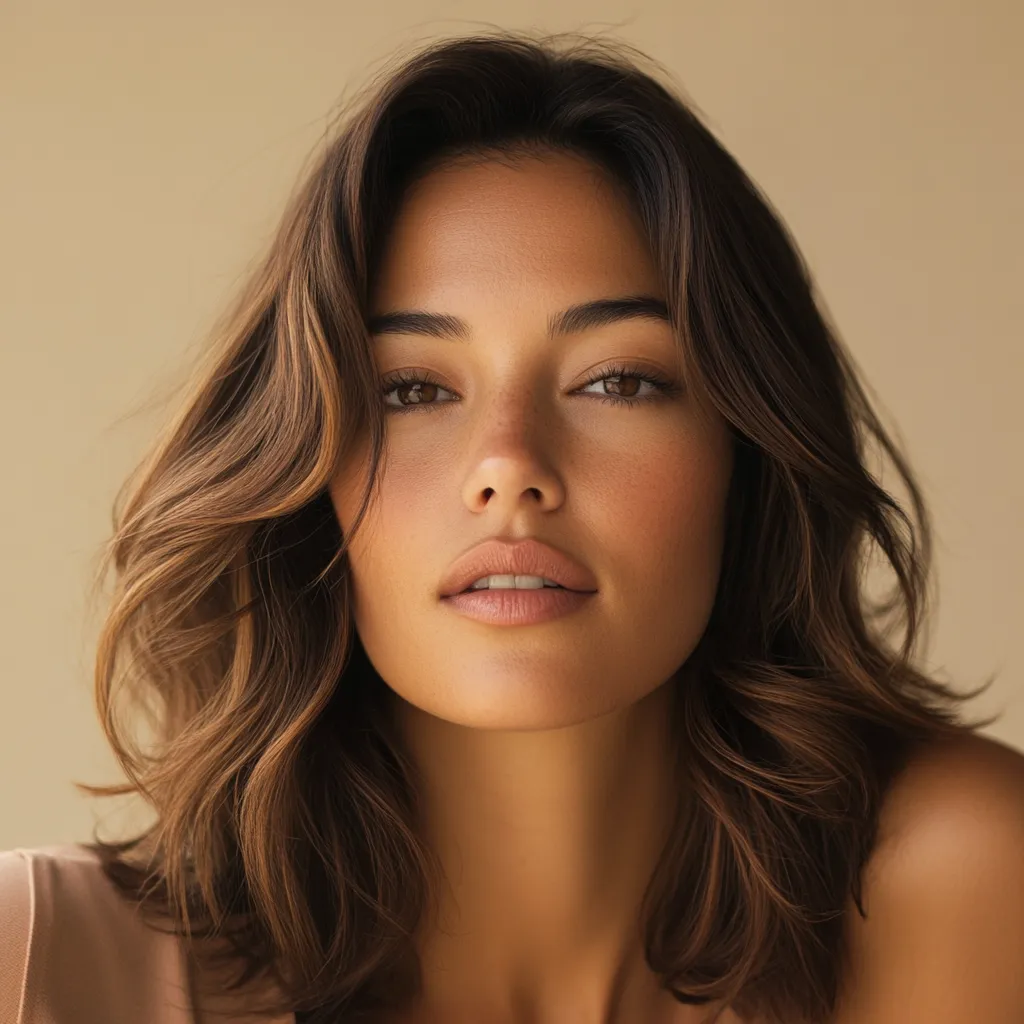
Colour does not replace a good cut, but it dramatically changes how visible scalp contrast is — which is the real enemy when the hairline thins. When hair and scalp are a similar tone, individual sparse areas become almost invisible. Three techniques are most effective for postpartum hair loss situations:
Root smudging softens the contrast between the scalp and the hair colour so that any visible scalp through thin areas does not read as an obvious gap. It works particularly well on darker hair tones where a pale scalp creates strong contrast.
Face-framing highlights draw the eye forward and inward — away from the edges where hairline thinning is most visible. Lighter pieces positioned at the cheekbones and temples pull attention to the centre of the face. Because highlights add texture, they also create the illusion that there is more hair movement and density than there actually is.
Shadow root technique keeps the roots naturally dark — matching the scalp tone — before transitioning to a lighter mid-length. This eliminates the high-contrast line at the hairline that makes thinning look more pronounced.
Hairstyles to Avoid During Postpartum Hair Loss
Certain styles that look beautiful on full, healthy hair actively make postpartum thinning look worse. Sleek, pulled-back styles — high ponytails, slicked-back looks, or anything that pulls the hairline taut — expose every sparse area and add traction stress at the same time. The modern minimal hairstyles for thin hair women guide touches on which low-tension updos work without creating extra tension at vulnerable follicles.
Centre parts on flat, fine hair without any fringe amplify how thin the hair is at the temples because they divide the hair directly through the widest visible area of the scalp. If you prefer a middle part, add a light wave or texture through the lengths to break up the flatness.
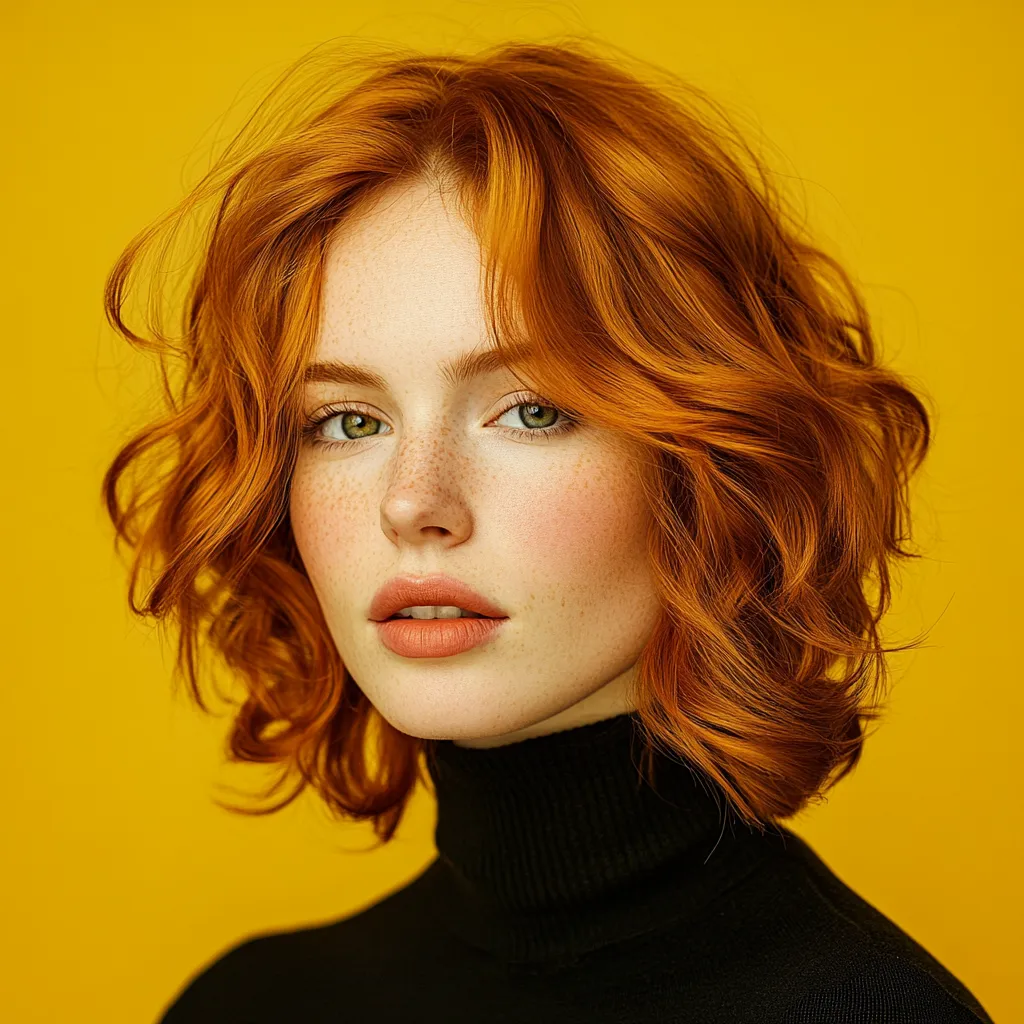
Very long hair without layers creates weight that pulls roots flat — which removes the only natural volume left when density is reduced. If cutting significantly shorter feels too drastic, face-framing layers are a lower-commitment way to restore lift without changing the overall length.
When to See a Dermatologist About Postpartum Hair Loss
Most postpartum hair loss resolves completely within six to twelve months without medical intervention. However, there are situations where a dermatologist or trichologist consultation is worthwhile. If shedding continues beyond twelve months postpartum, if you notice distinct bald patches rather than diffuse thinning, or if the hairline recession is asymmetric, these may indicate a separate condition — such as alopecia areata or thyroid-related hair loss — that requires its own treatment.
Iron deficiency is extremely common in the postpartum period and significantly prolongs telogen effluvium. A simple blood panel checking ferritin levels can determine whether nutritional supplementation is needed. Studies show that ferritin levels below 30 ng/mL are associated with increased hair shedding, and many postpartum women fall well below this threshold without knowing it.
The Timeline of Postpartum Hair Regrowth and How to Style Around It
Understanding exactly what your hair will do over the coming months helps you plan styling changes strategically rather than reactively. Here is a realistic month-by-month picture:
Months 1–3 postpartum: Hair may still appear full because shedding has not peaked. No major changes needed yet.
Months 3–5: Peak shedding. Hairline thinning is most visible. This is the best time to add a fringe or shorter length that camouflages the loss.
Months 5–8: Shedding slows. Short regrowth hairs — typically half an inch to two inches long — begin appearing. Styling priority shifts from hiding loss to incorporating regrowth. Curtain bangs and textured layers work best at this stage.
Months 8–12: Regrowth hairs are long enough to begin blending with surrounding hair. Consider growing out fringe or adding colour to unify the varying lengths. Most women see close to full density restored within this window.
Month 12+: For most women, the postpartum hair loss hairstyle chapter closes here. For those still experiencing significant shedding beyond this point, a dermatologist visit is the appropriate next step.
Products That Support Both Hair Health and Your Hairstyle
While no shampoo reverses postpartum hair loss (which is hormonal, not topical), certain products genuinely support the styling strategies above and improve the appearance of thinning areas. Volumising mousses and root sprays create mechanical lift without heavy ingredients that cause buildup on an already-stressed scalp. Scalp serums with peptides and niacinamide have clinical evidence for stimulating follicle activity, though the effect on postpartum telogen effluvium specifically is modest — they are more useful for the regrowth phase than the active shedding phase.
Avoid heavy oils and silicones applied directly to the roots during postpartum shedding — they add weight to already-flat roots and can clog follicles during a phase when the scalp environment is already disrupted. Lightweight sprays and foams give the volume that postpartum hair loss hairstyles for thinning hairlines depend on without the side effects.