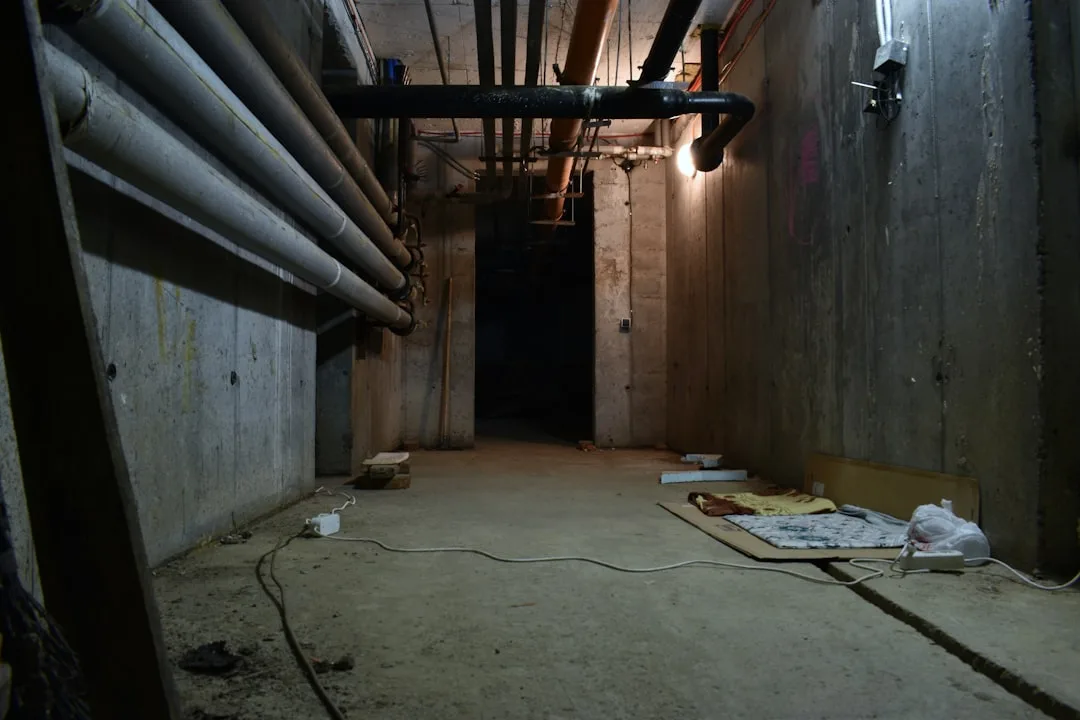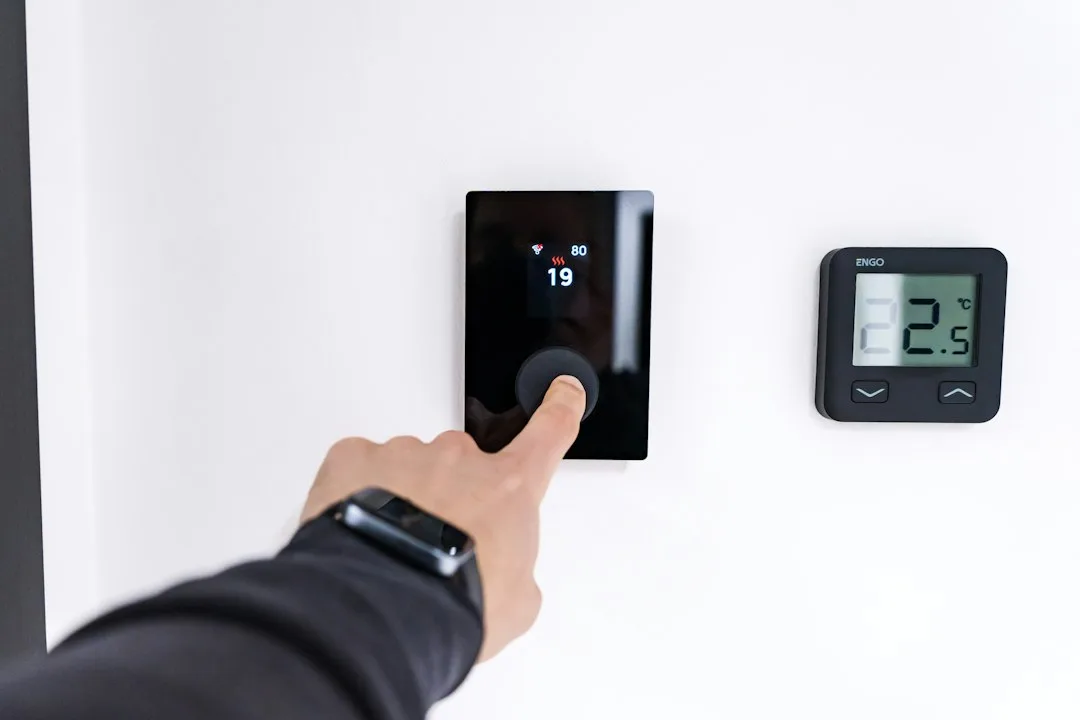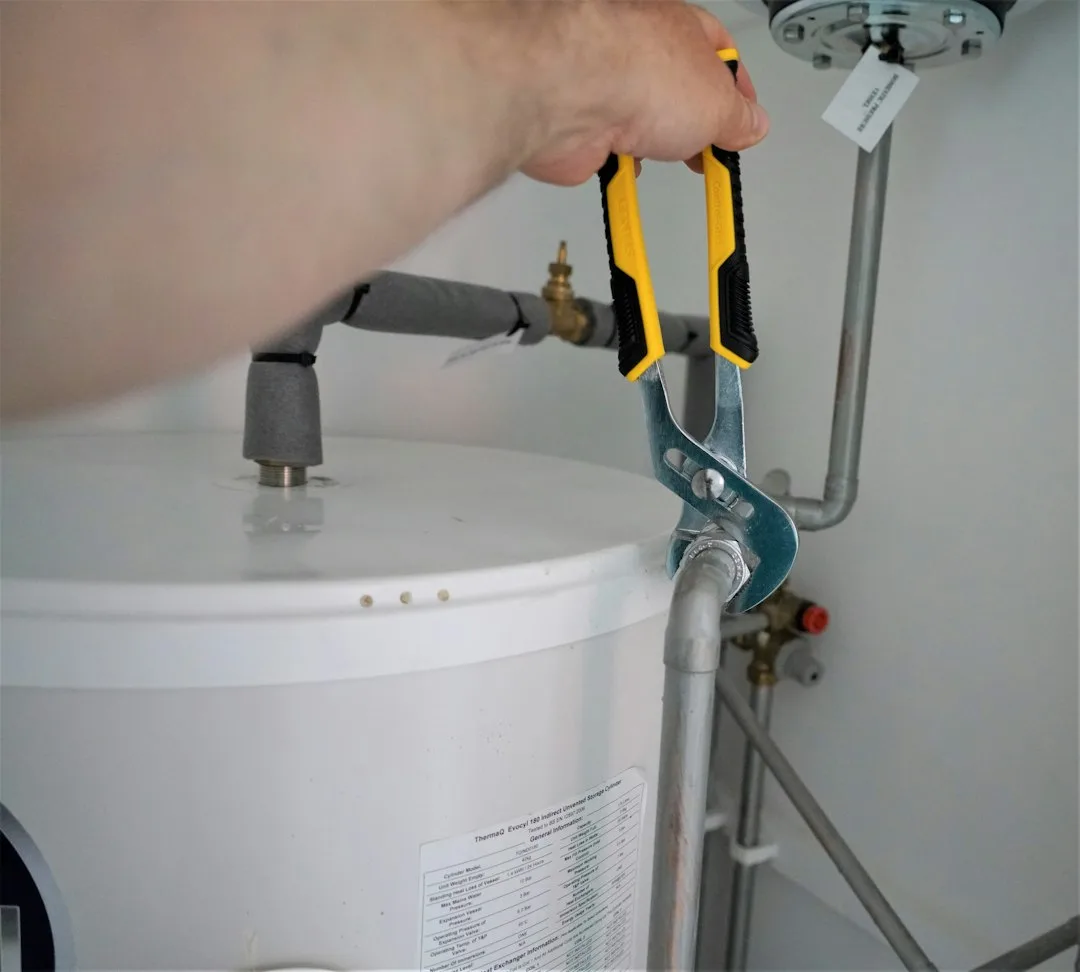
Walk into a basement utility room in a newer suburban home and you will often find a tall cylinder with a control panel and a round vent duct. That tank is increasingly a heat pump water heater, and the shift is happening quickly as homeowners look for ways to cut the electric bill without giving up hot showers. A heat pump water heater works differently from a standard electric tank, and that difference decides whether it saves you money or disappoints you.
Why Heat Pump Water Heaters Are Gaining Ground in Utility Rooms
Water heating ranks among the largest energy uses in a typical home, so manufacturers have pushed efficiency hard for years. Heat pump models run a compressor that draws heat from surrounding air into the water, using the same refrigeration principle as a refrigerator running in reverse. Less electricity is needed to heat each gallon.
Brands such as A.O. Smith, with its Voltex heat pump line, and Rheem, with its Prestige heat pump range, have made these units familiar to plumbers and contractors. GE’s GeoSpring hybrid helped introduce the category to many households that had never considered a heat pump for water. The technology is no longer a niche experiment.
Quick Tips
- Check the manufacturer’s minimum room size before you shop, since air volume drives performance.
- Keep the intake area clear of lint, shelving, and stored boxes.
- Confirm your electrical circuit and panel capacity match the unit’s rating.
- Compare the ENERGY STAR listing and the first-hour rating on each spec sheet.
Heat Pump Water Heater Basics for Modern Homes
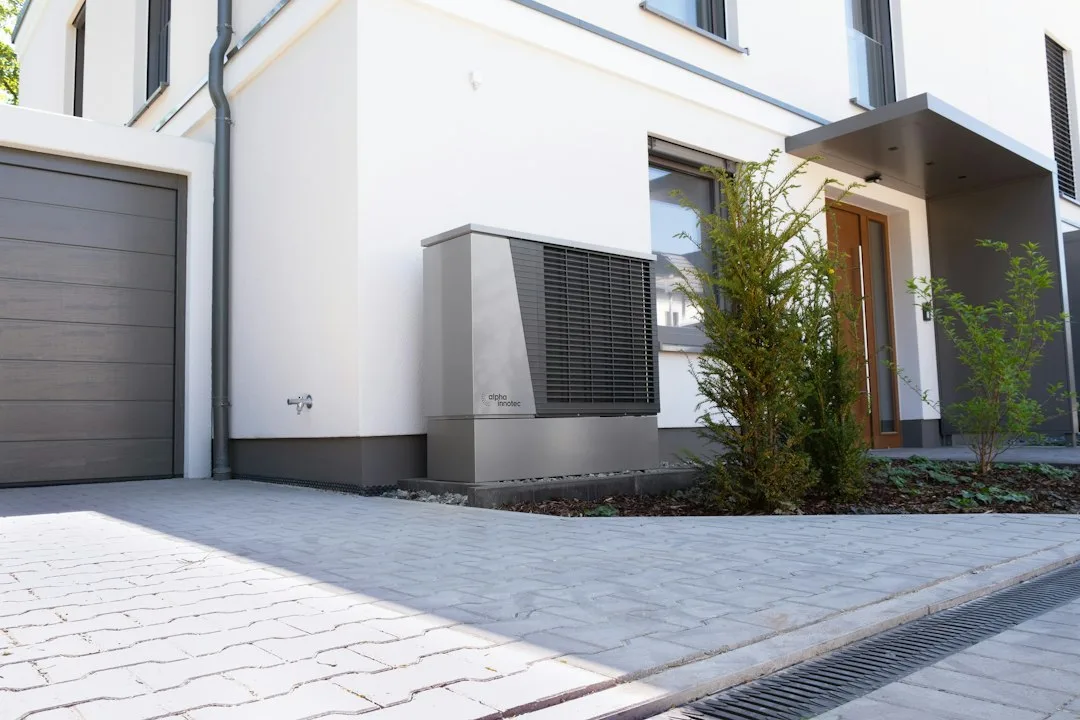
The unit has two main parts: a heat pump module on top and an insulated tank below. The heat pump moves warmth from room air through a refrigerant loop and transfers it to the water. An electric resistance element usually stays in place as backup for heavy demand or very cold rooms.
| Feature | Standard Electric Tank | Heat Pump Model |
|---|---|---|
| Heat source | Resistance element inside the tank | Compressor pulling heat from room air |
| Room effect | Little effect on room temperature | Cools and dehumidifies the surrounding air |
| Noise | Nearly silent during operation | Audible fan and compressor sound |
| Best fit | Small spaces with limited air volume | Basements, garages, and open utility rooms |
Most homeowners see the biggest difference in summer, when the unit draws heat from a warm basement and returns cooler, drier air. That side effect reduces the load on a dehumidifier or air conditioner in the same space. The benefit is real but modest, so do not buy a unit for cooling alone.
Choosing the Right Unit for Your Space
Start with the room. Units need enough air volume to supply heat, and a cramped closet can leave the compressor starved for warmth. Many manufacturers list minimum room sizes in their installation manuals, so check those first.
Next, match the tank size to your household. A family of four with two morning showers usually needs more capacity than a couple. Compare the spec sheets from A.O. Smith Voltex and Rheem Prestige models side by side, looking at capacity, warranty length, and noise rating.
Consider the climate inside the room too. In a warm basement, output stays strong and humidity drops. In a cold garage during a winter cold snap, output falls, so the electric backup element carries more of the load. If you are planning a wider upgrade, these three improvement projects pair well with a utility room refresh.
The Install Mistake That Undermines Heat Pump Models
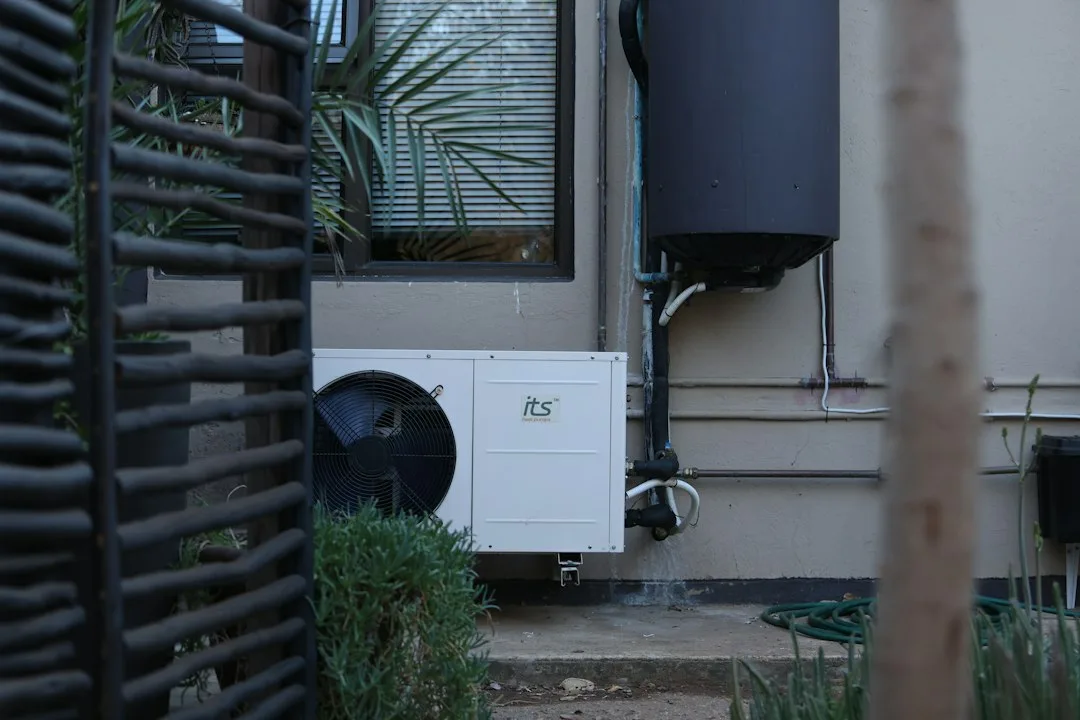
The most common failure is placing the unit in a tight closet with a solid door or a louvered door that restricts airflow. A homeowner who squeezes a unit into a converted attic utility closet may see it run constantly while delivering lukewarm water. The compressor cannot pull enough heat from air that is trapped and already cool.
The fix is simple. Keep at least the clearance the manufacturer specifies. Leave the intake unobstructed.
Avoid placing the unit where it pulls cold air across the path of a furnace return or a chilly exterior wall. Leave the unit in heat pump or hybrid mode, because electric-only mode erases the efficiency gain you paid for.
Installation Costs and What They Replace
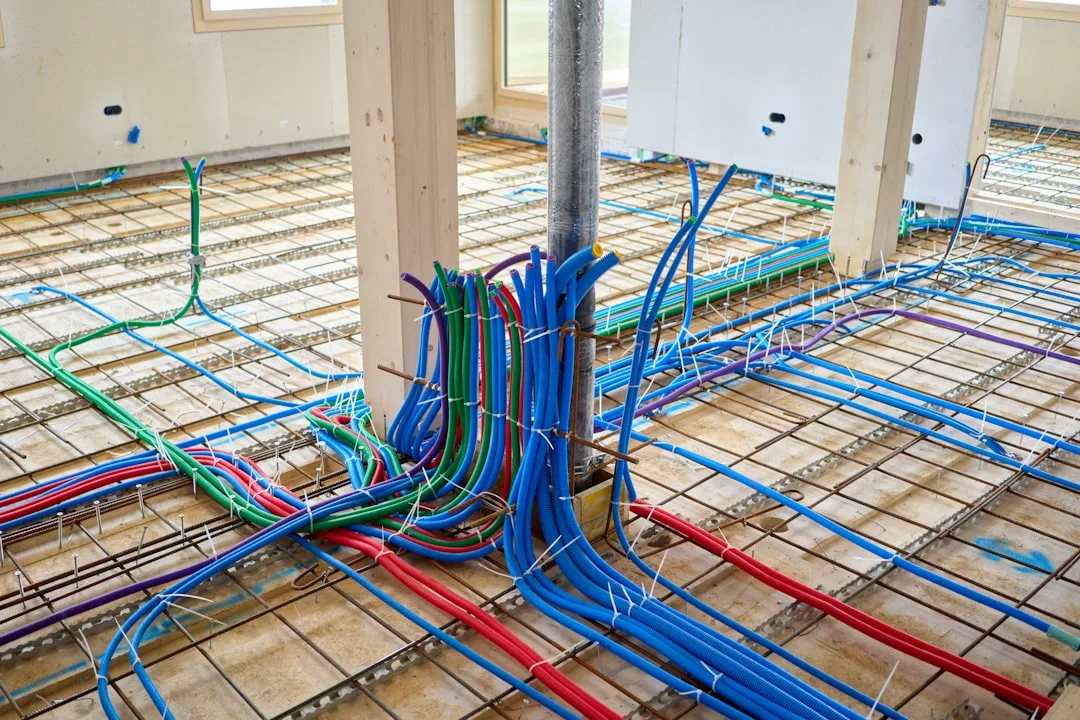
Installation usually involves more than swapping the tank. Plumbers may need a new drain pan, a condensate drain line, and an electrical circuit sized for the unit. Plan for these add-ons before you assume the job is simple.
A quote that includes these items may run higher than a like-for-like electric tank swap. That extra spending buys lower monthly electric use over the life of the tank. It also replaces the surprise service call that often follows an undersized or poorly drained setup. Ask for line-item pricing so you can compare offers fairly.
What Changes in Your Home After Installation
Once the unit runs, you will notice that the tank area stays quiet while the fan end is audible. Track your electric bill for two full billing cycles to see the real difference. Check whether your utility offers rebates for qualifying units before you buy, because program terms change from year to year.
Homeowners who pair a new tank with sealed ducts and better attic insulation usually see the most noticeable comfort gains. For a broader view of how these upgrades fit together, read Elevating Your Living Space Through Architectural Innovation and Home Improvement. Start with the utility room, because it is the simplest place to see results.