
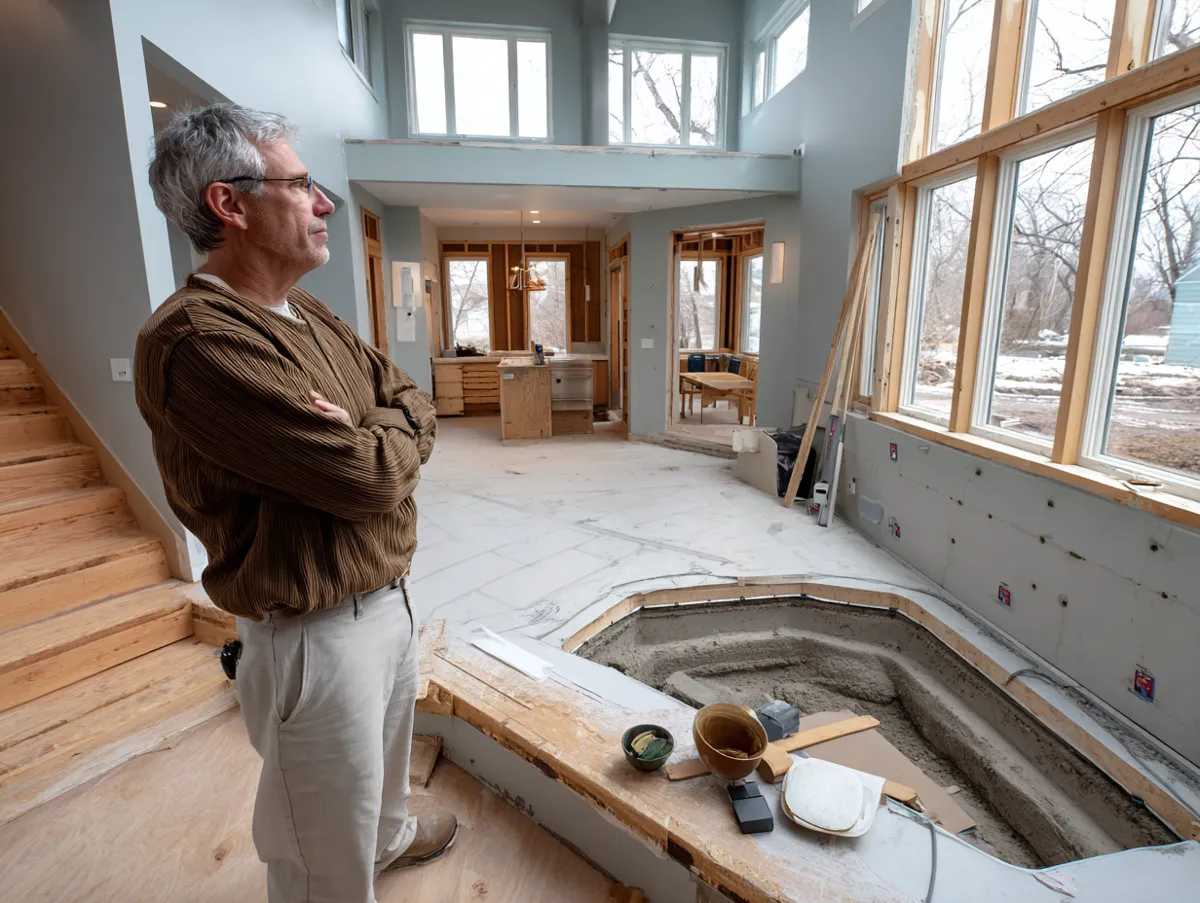
The construction landscape in Minnesota is evolving, and more business owners are turning to design build as a smarter, more efficient project delivery method. Whether you’re planning to develop a dental office, manufacturing facility, or mixed-use commercial space, understanding how the design build process works can help you save time, reduce risk, and improve your bottom line.
For projects that require customization based on your business needs, Built to Suit Construction is often the best option. This approach allows businesses to create purpose-built spaces through a streamlined process that combines design and construction under one roof.
This article breaks down the phases, advantages, and local considerations of design build construction, especially for those navigating commercial projects across Minnesota.
Why Minnesota Businesses Are Turning to Design Build
Minnesota’s commercial property market is shaped by unique regional factors including tight construction windows due to weather, varying municipal requirements, and a strong demand for fast project delivery. Traditional design-bid-build methods, while familiar, often lead to delays, unexpected costs, and communication breakdowns.
That’s why more developers are adopting the design build model. By consolidating design and construction into a single contract, businesses benefit from:
- Faster project timelines
- Better budget predictability
- Clearer communication and accountability
- Streamlined decision-making
It’s a method that fits well with Minnesota’s climate-driven scheduling challenges and regulatory requirements.
What Design Build Means for Commercial Construction
Design build is a project delivery method where a single entity is responsible for both the design and construction phases. This contrasts with the traditional approach, which separates design (handled by an architect) from construction (handled by a general contractor).
With design build:
- Owners have a single point of contact
- Design and construction teams collaborate early
- Projects often move forward more efficiently
- Risks are reduced due to unified responsibility
This integrated approach creates a more transparent process and allows for real-time adjustments that wouldn’t be possible under a segmented delivery model.
Phases of the Design Build Process
Pre-Construction Planning
At the earliest stage, the team works with the client to assess the site, budget, zoning, and feasibility. In Minnesota, pre-construction planning must account for:
- Local permitting timelines
- Environmental and energy codes
- Soil and frost considerations
- Access to utilities and infrastructure
This step sets the foundation for success by aligning scope and expectations.
Integrated Design and Architecture
Instead of finalizing architectural drawings in isolation, the design team collaborates directly with estimators and project managers. This helps maintain cost alignment while allowing design intent to drive the project.
Key advantages include:
- Early identification of construction challenges
- Cost-saving material and systems choices
- Efficient value engineering opportunities
Construction Execution
Once design and approvals are in place, construction begins, often while certain design elements are still being finalized. This overlapping timeline helps speed up delivery without sacrificing quality.
A typical design build project in Minnesota will incorporate:
- Continuous communication between the field and office
- Flexibility to respond to seasonal or weather shifts
- Real-time updates for stakeholders
Benefits of the Design Build Model in Minnesota
Design build is not just a national trend, it’s a strong fit for the realities of Minnesota construction. Some of the most notable benefits include:
- Shorter Timelines: Overlapping design and construction reduces total project duration
- Fewer Change Orders: Early coordination minimizes surprises during build-out
- Cost Control: Budgets are monitored from the start, reducing overruns
- Adaptability: Local codes, climate variables, and utility access are addressed early and often
Whether in the Twin Cities metro or Greater Minnesota, design build can simplify even the most complex commercial projects.
What to Look for in a Design Build Contractor in Minnesota
Choosing the right partner is critical to the success of your project. Look for a contractor with:
- Local Knowledge: Familiarity with Minnesota building codes, climate constraints, and permitting jurisdictions
- In-House Design Capabilities: Direct control over both design and construction ensures accountability
- Transparent Communication: A single point of contact for the entire process
- Proven Track Record: Look for projects completed on time and within budget
Site-specific experience, strong supplier relationships, and a proactive mindset are also important. Your contractor should act as a trusted advisor, not just a vendor.
Final Thoughts on Choosing the Right Construction Delivery Method
Design build is reshaping how commercial construction projects are delivered in Minnesota. Its streamlined, collaborative approach is especially valuable in today’s fast-paced and budget-conscious market.
While every project is unique, business owners seeking speed, simplicity, and cost control may find that design build offers the clarity and efficiency they need. And when customization is key, built to suit construction provides a powerful way to align building functionality with long-term business goals.
You Might Also Like



Related Topics