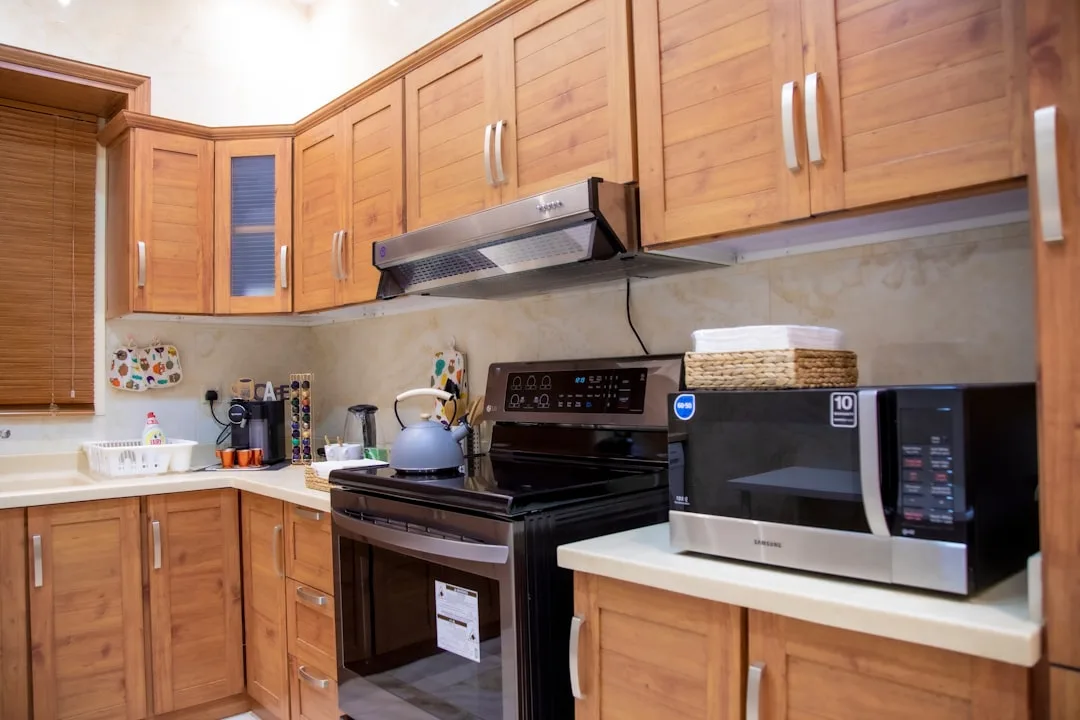
Kitchen cabinet refinishing has become the defining renovation trend of August 2026 because it solves a specific problem: homeowners need kitchen updates without the six-figure price tag of a complete gut renovation. Cabinets occupy roughly 40% of visible kitchen surface area, so refreshing them alone can make an entire room feel new.
When Sherwin-Williams released their 2026 Kitchen Finish report in early August, they documented a 67% uptick in cabinet refinishing consultations compared to the same period last year. The shift reflects real economics—full cabinet replacement runs $15,000 to $40,000 for an average kitchen, while refinishing the same space costs between $3,000 and $8,000. That’s not just a trend; it’s a rational reallocation of renovation budgets.
Why this matters now: interest rates remain elevated, inflation has cooled slightly, and homeowners are prioritizing ROI over aspirational design. Cabinet refinishing delivers both.
What Cabinet Refinishing Actually Means
Cabinet refinishing takes three distinct forms, and the choice depends on your budget and desired outcome. Repainting involves sanding existing cabinets, priming, and applying two coats of cabinet-grade enamel—this typically costs the least and offers the widest color range.
Staining refinishes the wood itself, deepening or changing its tone while preserving the grain pattern. Refacing replaces door and drawer fronts with new veneered panels while keeping the existing cabinet boxes in place. Each method preserves the original structure.
Quick Tips
- Prepare for 5–10 days of kitchen disruption during the refinishing process, not weeks
- Request water-based enamel finishes to reduce VOC (volatile organic compound) odor and dry time
- Photograph your current layout before hardware removal; reinstallation mistakes are the top DIY failure point
- Budget an additional 15% for unexpected repairs once cabinet interiors are accessed
- Use this as an opportunity to upgrade hinges and pulls—new hardware alone refreshes perceived value by 20%
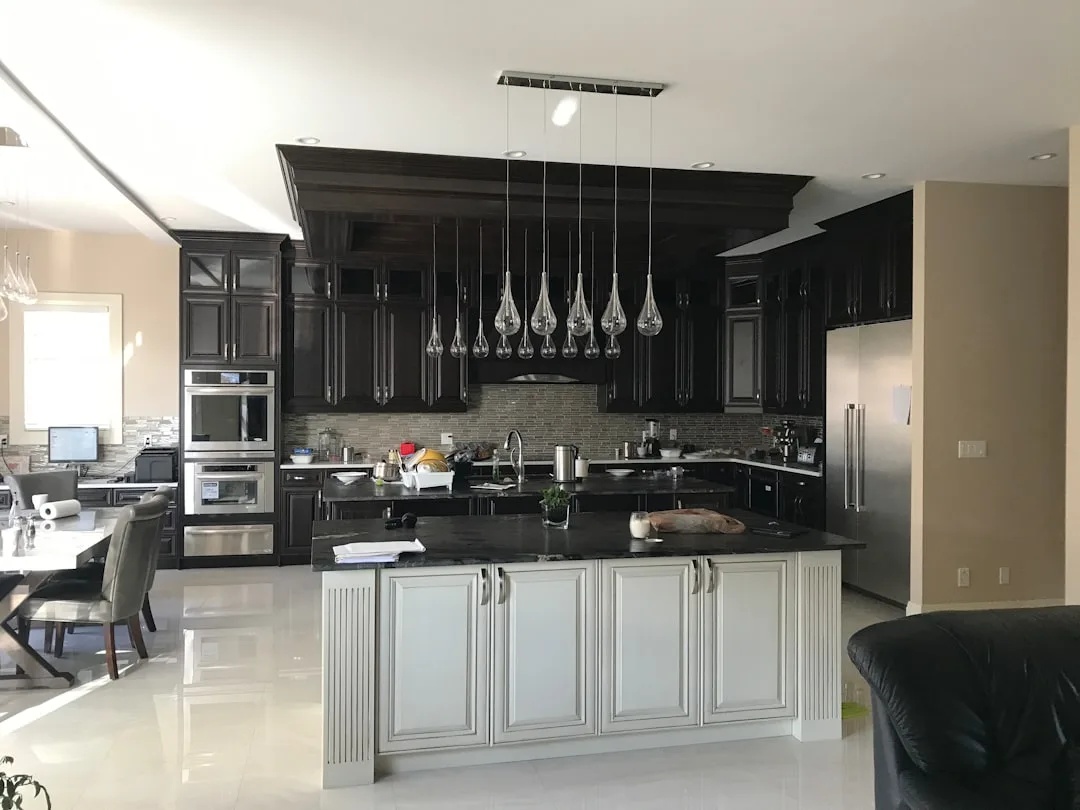
Cabinet Refinishing vs. Cabinet Replacement Comparison
Understanding the trade-offs helps clarify why refinishing has become the smarter choice for 2026 budgets.
| Aspect | Refinishing | Full Replacement |
|---|---|---|
| Total Cost Range | $3,000–$8,000 | $15,000–$40,000 |
| Timeline | 5–10 days | 3–6 weeks |
| Layout Flexibility | None; keeps existing structure | Complete redesign possible |
| Durability (years) | 7–12 with care | 15–25 |
| Waste Generated | Minimal; 15–20 lbs | Significant; 800+ lbs to landfill |
Why Professionals Recommend Professional Application
Benjamin Moore’s cabinet paint—specifically their Advance enamel formula for cabinetry—delivers superior adhesion and durability compared to standard wall paint. The product is engineered for surfaces that open and close dozens of times daily.
Cabinet-specific primers like Zinsser Bulls Eye 1-2-3 create a seal that prevents tannin bleed-through, a common failure in DIY projects. Tannin bleed appears as brown stains emerging through paint 3–6 months after application. Many homeowners attempt the refinish themselves, sand the cabinet boxes, apply two coats of generic interior paint, and watch the finish bubble and peel within a year.
The number-one mistake people make is treating cabinet refinishing like wall painting. Wall paint is designed for static, flat surfaces. Cabinet paint must flex with wood movement, resist water splash, and endure physical contact daily.
Professional application typically includes wood conditioning, primer, two topcoats, and hardware installation—reducing the risk of reapplication to near zero. Professional finishing systems also manage climate variables, something DIY approaches often overlook.
Color and Finish Trends Dominating 2026 Kitchens
Warm neutrals—particularly warm whites, soft grays, and warm blacks—dominate refinishing requests in 2026. These tones pair seamlessly with brass, brushed gold, and aged bronze hardware, which have replaced stainless steel as the preferred metal accent.
Matte finishes outpace gloss and semi-gloss by a 3:1 ratio because they hide fingerprints and water spots better on cabinet faces. A satin topcoat balances durability and aesthetics, offering a subtle sheen that reads as contemporary without the reflective glare of high-gloss enamel.
Two-tone cabinetry—pairing painted upper cabinets with stained or different-colored lower cabinets—has surged 40% in refinishing requests since January 2026. This trend allows homeowners to introduce contrast and visual interest without replacing construction.
Health, Environmental, and Long-Term Value Impact
Refinishing reduces kitchen renovation waste by approximately 90% compared to full replacement. Those original cabinet boxes, even if 20 years old, contain solid plywood construction and dovetail joinery that modern stock cabinetry often lacks.
Indoor air quality improves when refinishing uses low-VOC or water-based enamel formulas, a specification that professional refinishers prioritize but DIY paint purchases often skip. Low-VOC finishes cure faster and release fewer chemical fumes into the home’s breathing space.
Resale value increases measurably; updated cabinetry signals kitchen investment to potential buyers even if the layout remains unchanged. Professional renovation practices that minimize waste also appeal to environmentally conscious buyers, a demographic growing in influence across residential real estate.
Cabinet refinishing aligns with the 2026 shift toward slow renovation—thoughtful, incremental improvements rather than explosive, wasteful full overhauls. It respects the structure while honoring the desire for visual renewal.
Practical Resources for Cabinet Refinishing
Free tools, safety guidance, and manufacturer how-tos for people actually starting a cabinet refinishing project — from checking for lead paint to picking new hardware.
Could my cabinets have lead paint, and is it safe to sand them?
What paint is actually built to survive a cabinet door that opens dozens of times a day?
How much ventilation do I actually need while the primer and paint are curing?
Warm white or soft gray — how do I see it on my own cabinets before buying a gallon?
How do I find someone qualified if I decide not to DIY?
Do I actually need a special primer, or will any primer stop old stains from bleeding through?
If I do hire a lead-safe certified contractor, how do I confirm they’re actually certified?
What’s the actual order of steps, start to finish?
What do I do with leftover paint and primer once the project is done?
If I’m upgrading hardware too, what size actually looks right on my doors and drawers?