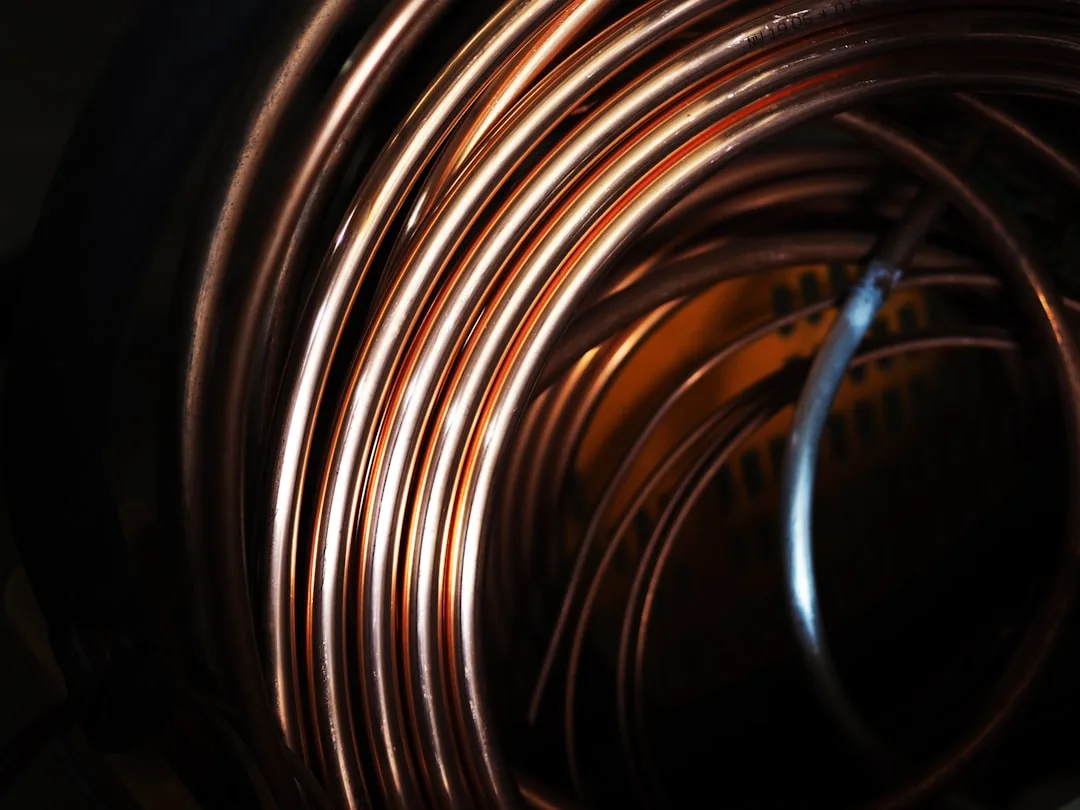
Homeowners typically discover their copper pipe problem only after water damage has already started. A single burst pipe in an uninsulated basement or crawl space can cost $3,000–$25,000 in structural repair, flooring replacement, and mold remediation. Copper pipe insulation addresses this risk directly—yet most homes built before 2010 still lack it entirely, and many newer constructions skip pipes in non-conditioned spaces to save on material costs. September 2026 marks a critical window: temperatures are beginning to dip at night in northern regions, and the urgency to act before deep winter is now.
Why copper pipes need insulation protection
Copper is an excellent conductor—which is exactly why it fails when exposed to temperature swings. When outside air or unheated basement temperatures drop below 32°F, water inside uninsulated copper pipes freezes, expanding and creating internal pressure that ruptures the pipe wall. A single 3/8-inch copper supply line can release 100+ gallons of water per hour once it bursts, flooding basements, crawl spaces, and first-floor cavities before the homeowner even notices.
Beyond freeze risk, bare copper also sweats. In humid basements or during humid seasons, condensation forms on cold copper surfaces—especially on return lines carrying chilled water back to the heater. That condensation drips onto drywall, insulation, and structural beams below, creating invisible rot pockets that weaken framing and invite mold growth within weeks.
Uninsulated pipes also bleed thermal energy. A 50-foot hot water line running through an unheated basement loses approximately 15–25% of its heat before the water even reaches the tap, forcing water heaters to run longer and use 10–15% more energy annually. For households with 200+ linear feet of exposed copper, this translates to measurable utility cost creep.
Quick Tips
- Measure all exposed copper runs in basements, crawl spaces, and exterior walls before purchasing insulation sleeves—most hardware stores cut custom lengths.
- Prioritize supply lines and the first 10 feet of return lines; these carry the highest-temperature water and suffer the greatest heat loss.
- Avoid vinyl insulation in damp crawl spaces; closed-cell foam or rubber sleeves resist moisture absorption better than expanded plastic.
- Wrap joints, elbows, and valve handles first—these are thermal weak points where condensation forms earliest.
- Schedule installation before mid-October in climates where nighttime temps drop below 50°F; you’re working against the weather calendar now.
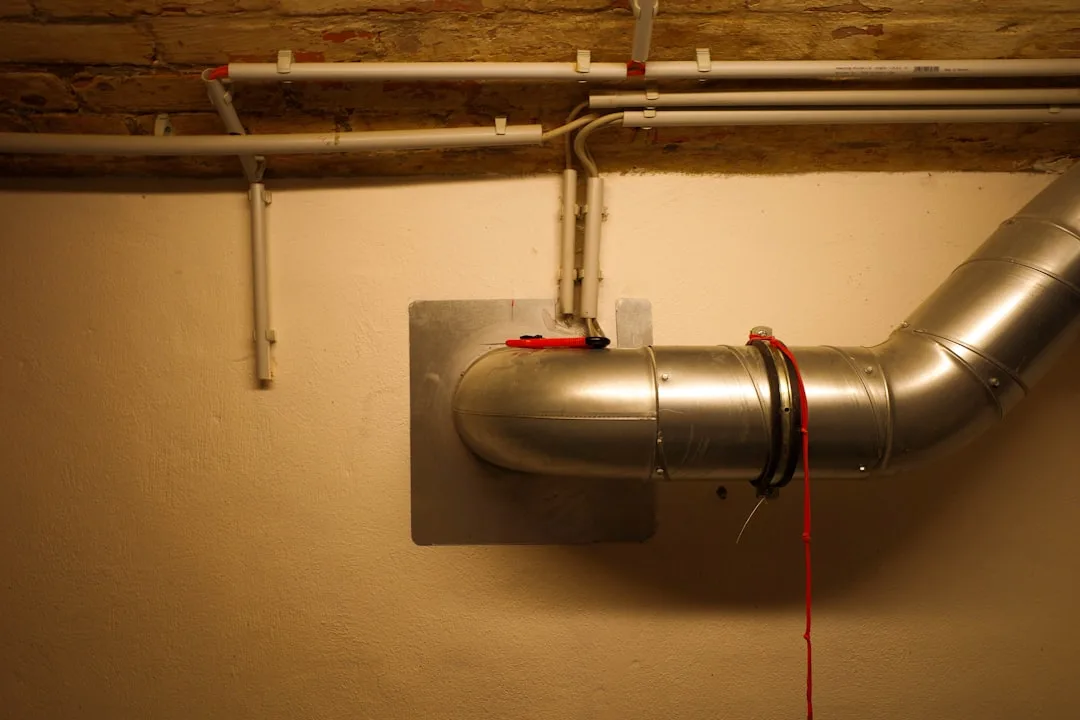
Materials and installation methods that actually work
Armacell and Frost King are the two most commonly specified brands for residential copper protection. Armacell’s elastomeric foam sleeves (typically 3/8-inch wall thickness for 1/2-inch copper) have a closed-cell structure that resists moisture penetration and maintain flexibility in freezing temperatures, whereas cheaper expanded polystyrene alternatives become brittle below 40°F and crack under pipe expansion stress.
Frost King offers self-sealing slip-on sleeves and pre-slit wrap styles, with the wrap option faster for retrofit work since you don’t need to disconnect or reroute existing pipes. The self-sealing feature means the overlapping edges fuse slightly, creating a continuous moisture barrier rather than gaps where condensation sneaks through.
| Insulation Type | Freeze Protection | Best Use Case |
|---|---|---|
| Elastomeric foam (Armacell) | Excellent; maintains flexibility below freezing | Basements, crawl spaces, permanent installations |
| Expanded polystyrene (generic white) | Fair; becomes brittle in cold | Temporary, mild-climate protection only |
| Rubber wrap (Frost King) | Excellent; high R-value per inch | Retrofits, complex routing, joints |
| Fiberglass with vapor barrier | Good; condensation resistance strong | High-humidity crawl spaces |
The mistake homeowners make with incomplete coverage
The most common failure is wrapping the main supply line while leaving return lines and branch lines bare. A homeowner in Minneapolis wrapped her 3/4-inch main copper supply beautifully but left the 1/2-inch return line from the water heater uninsulated because it seemed less important. That single oversight cost her $340 in wasted hot water over one winter season. The return line carries water that’s cooled as it travels back from fixtures, and every degree of heat loss means your water heater must work harder to maintain temperature. Branch lines to bathrooms and kitchens deserve equal attention, especially in unheated spaces like basements, attics, or crawl spaces.
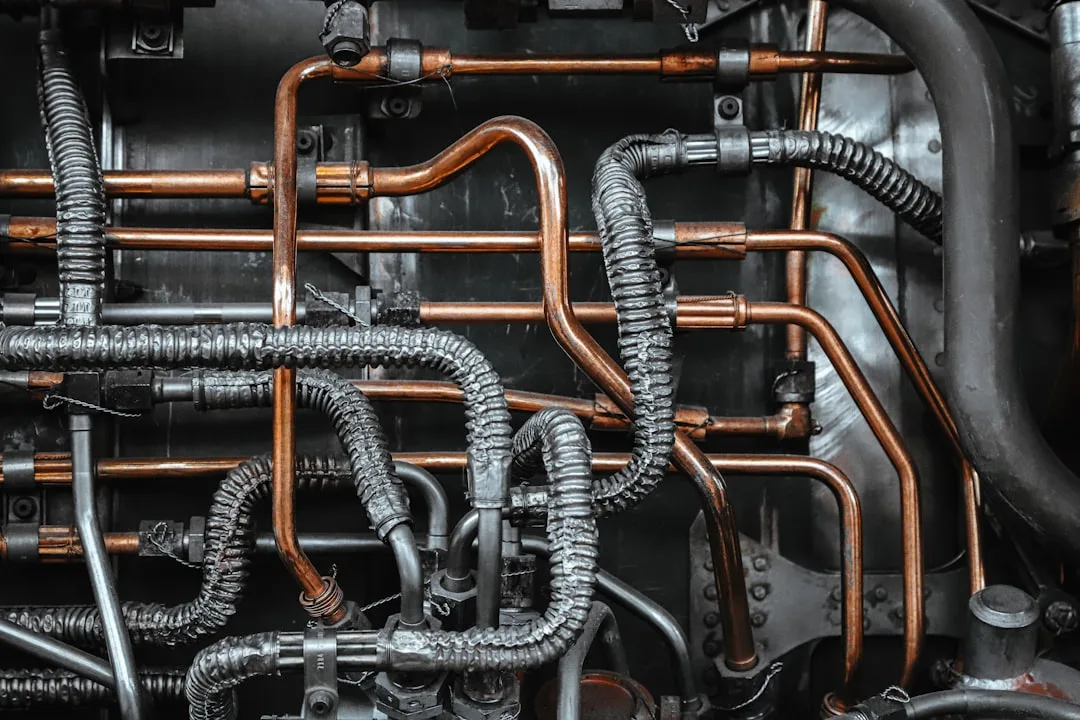
Seasonal preparation and maintenance schedules
Pipe insulation isn’t a one-time installation. Before winter arrives, inspect all wrapped pipes for signs of deterioration, pest damage, or gaps where the foam or fiberglass has shifted. Cold-climate homeowners should complete this check by mid-fall to allow time for repairs before temperatures drop below freezing. Look for cracks in foam sleeves, separation at seams, and any areas where water or moisture has penetrated the insulation material.
Spring maintenance involves checking for condensation buildup, especially on cold water lines in humid climates. If you notice moisture pooling inside the insulation or on pipe exteriors, increase ventilation in that area or consider upgrading to a vapor-barrier product. Inspect pipe supports and hangers as well—insulation adds weight, and older metal straps may need reinforcement to prevent sagging that could damage the pipes themselves.
As part of your broader Upgrade Your Home with These 3 Improvement Projects, refreshing pipe insulation can deliver immediate energy savings without requiring contractor assistance. Many homeowners pair this task with other seasonal tasks like weather-stripping doors or re-caulking exterior gaps.
Integration with smart home temperature monitoring
Modern homeowners can enhance pipe protection by pairing insulation with smart thermostats and water heater monitors. These devices track your water heater’s runtime and cycling frequency, providing early warning signs that heat loss is increasing. If your system cycles more frequently than usual during winter months despite stable usage patterns, incomplete insulation is often the culprit. Some systems even alert you to potential freeze risks in specific zones of your home.
When planning a comprehensive home upgrade that includes Elevating Your Living Space Through Architectural Innovation and Home Improvement, consider mapping your entire plumbing system and identifying which pipes run through climate-vulnerable areas. Smart sensors placed on key supply and return lines can help you optimize your insulation strategy, showing which areas lose heat fastest and therefore deserve premium insulation products.