Designing a childrens room interior is often an exciting yet challenging task. Parents want to provide a space that feels safe, inspiring, and practical, while children look for fun, color, and imagination. Striking the right balance means focusing on both functionality and creativity. A thoughtful childrens room interior does not require extravagant budgets or major renovations. Sometimes, the smallest changes have the biggest impact. Adjusting colors, incorporating natural textures, playing with light, or rethinking furniture layouts can all lead to a space that feels refreshed and uniquely personal.
By approaching a childrens room interior with an eye for subtle details, families can create an environment that grows with the child, encourages learning, and provides comfort for everyday life. Whether the goal is to spark creativity, maximize space, or simply bring warmth to the home, small touches make a world of difference.
Bright Childrens Room Interior With Natural Light
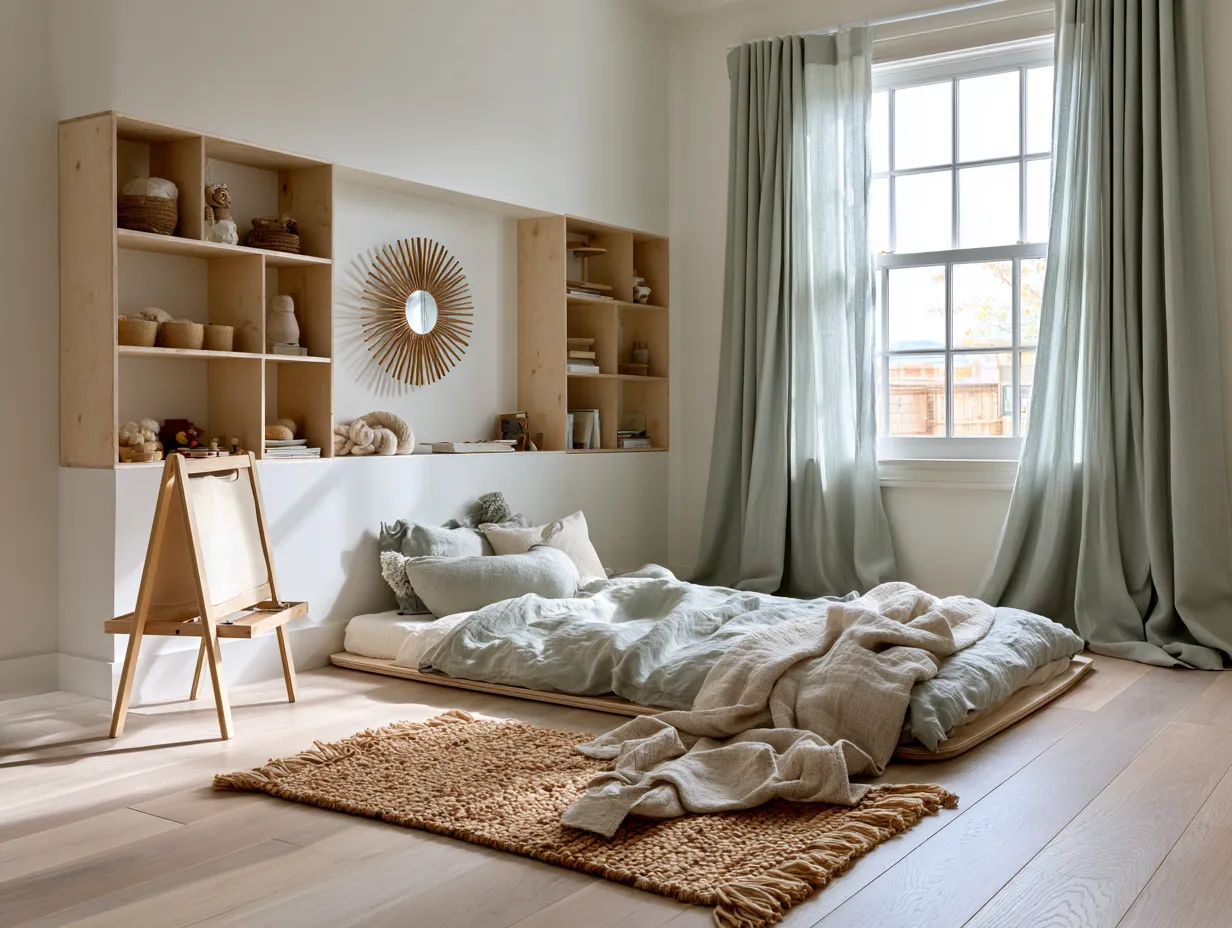
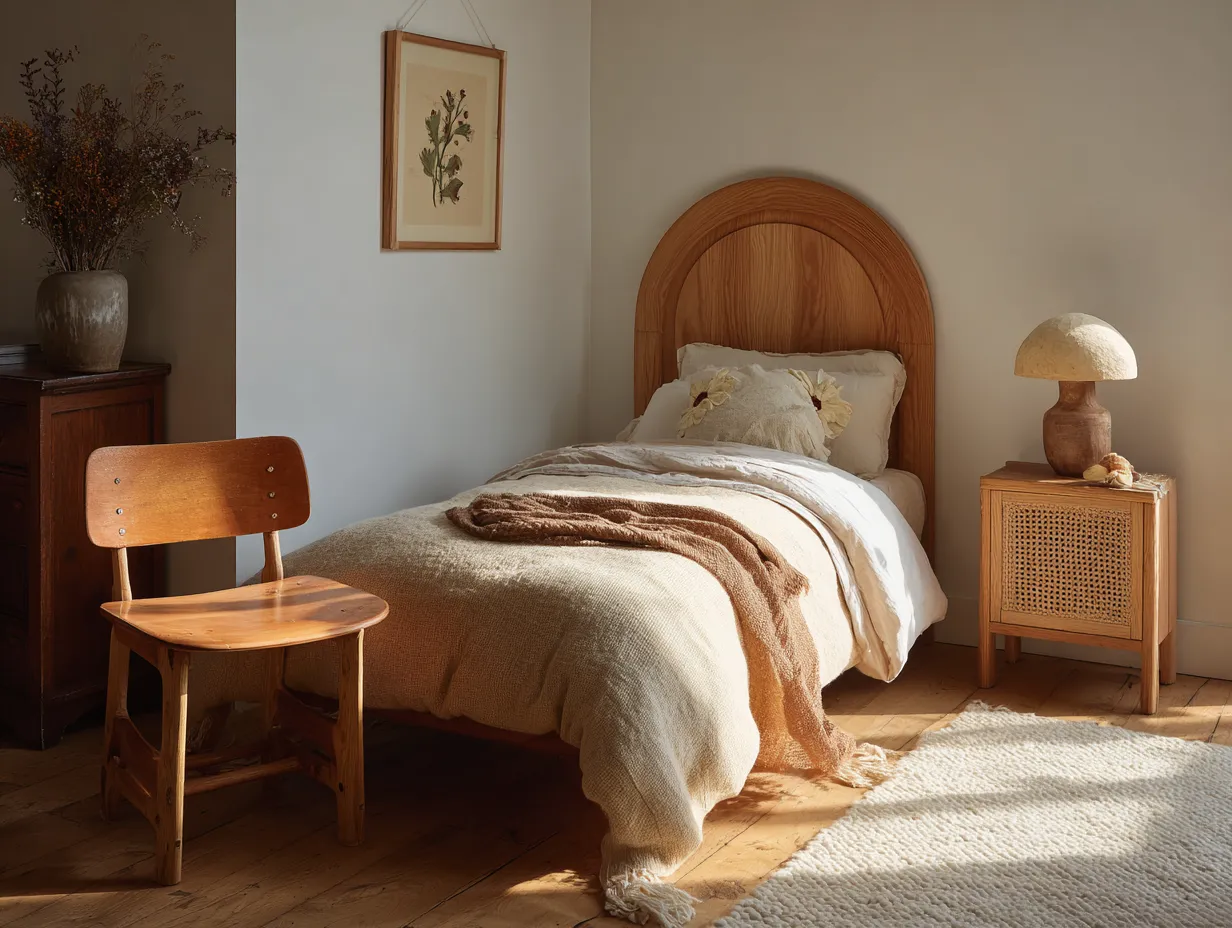
A well-designed childrens room interior thrives on light. The presence of natural light not only adds brightness but also influences mood, productivity, and overall comfort. When sunlight pours into the space, it softens the edges of furniture, highlights colors, and creates a playful atmosphere children naturally enjoy. Parents aiming for a functional yet charming childrens room interior often begin by reconsidering window treatments. Heavy curtains tend to block daylight, while sheer fabrics allow for illumination without losing privacy. Choosing breathable materials ensures that natural light remains the star of the space.


Walls in a childrens room interior also play an important role. Lighter shades reflect sunlight, expanding the perception of space, while neutral tones make the room versatile as the child grows. Adding small accents of pastel shades or wall decals can bring individuality without overwhelming the harmony of the environment. A well-chosen palette means the childrens room interior stays timeless, even as tastes evolve.
Furniture placement influences how light circulates. Placing study desks near windows allows natural light to support concentration, while reading corners bathed in sunshine encourage quiet activities. Beds positioned thoughtfully ensure a balance between rest and energy. Each choice within a childrens room interior should prioritize not only style but also the child’s well-being.
The texture of natural materials enhances brightness. Wooden flooring, woven rugs, and cotton fabrics create softness while interacting beautifully with light. The result is a childrens room interior that feels warm, welcoming, and easy to adapt for various activities. Mirrors, too, are subtle additions that amplify light, giving the impression of openness.
Parents seeking inspiration should remember that light shapes emotion. A bright childrens room interior is more than an aesthetic choice; it nurtures growth and creativity. Small changes like adjusting window treatments, refreshing wall colors, and rearranging furniture transform the feel of the space entirely. The harmony between light and design gives children a healthy environment that evolves with their needs. In the end, natural light remains one of the most effective and affordable ways to elevate a childrens room interior.
Minimalist Childrens Room Interior With Playful Accents
Simplicity often creates the most versatile foundation for a childrens room interior. Minimalist design emphasizes clarity and openness, giving children the freedom to play and explore without distraction. A streamlined space removes clutter while focusing on essential furniture pieces. Parents who choose this path for a childrens room interior discover that less truly can be more, provided the space is balanced with touches of warmth and personality.


Neutral tones set the stage for a minimalist look. White, beige, and soft grays form a canvas that accommodates the ever-changing interests of children. This restrained backdrop ensures flexibility when adding toys, artwork, or fabrics. A minimalist childrens room interior is never cold, because it welcomes playful accents that bring life and vibrancy.
Color accents are key to maintaining charm. Whether through a bold rug, cheerful cushions, or wall art, bright pops against neutral surroundings make the space engaging without overwhelming it. A minimalist childrens room interior can evolve over time simply by swapping small accessories, keeping the room dynamic while avoiding unnecessary expenses.
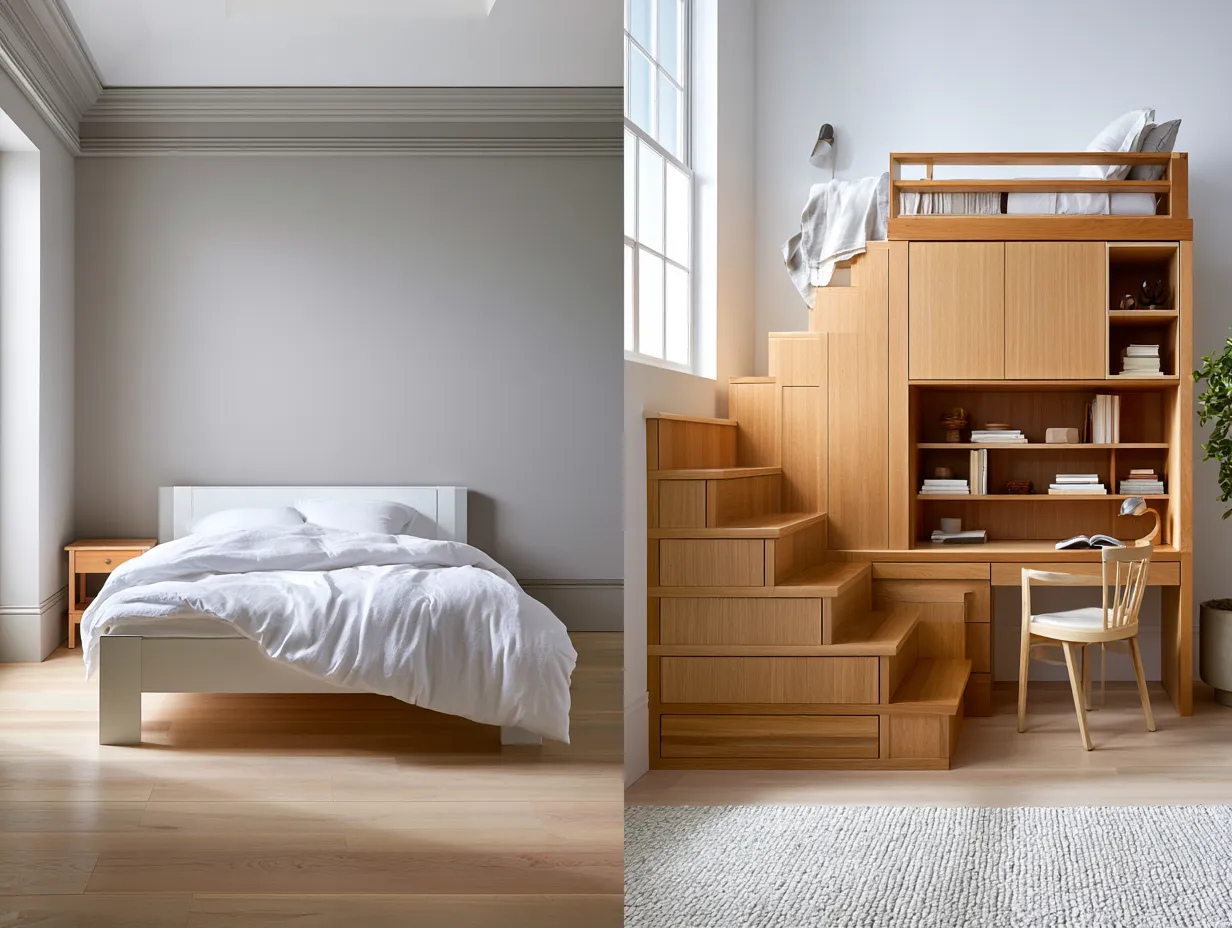
Furniture choices must balance design with durability. Streamlined storage systems prevent chaos, while modular shelves or low cabinets give children independence in organizing their belongings. This level of order supports both aesthetic goals and daily routines, making a minimalist childrens room interior practical for families.
Textures also play a crucial role. Linen bedding, wooden furniture, and woven baskets add warmth and authenticity to the otherwise clean palette. These natural elements ensure that the childrens room interior feels welcoming and not sterile. Combining simplicity with craftsmanship gives the space sophistication while still remaining child-friendly.
Ultimately, a minimalist childrens room interior highlights the importance of quality over quantity. By choosing durable materials, organizing storage cleverly, and adding colorful accents sparingly, the room becomes a timeless canvas for creativity. Playful details prevent the environment from feeling too rigid, striking the perfect balance between calmness and joy. This approach demonstrates that minimalist design is not about restriction but about creating a functional, beautiful, and adaptable space.
Cozy Childrens Room Interior With Creative Storage
Comfort is often the heart of a childrens room interior. A cozy design makes children feel safe and relaxed while encouraging them to enjoy their personal space. Creating warmth begins with textures: layered fabrics, soft rugs, and inviting cushions define the mood. Parents aiming for a practical yet warm childrens room interior quickly discover that coziness depends not only on textiles but also on thoughtful storage solutions.
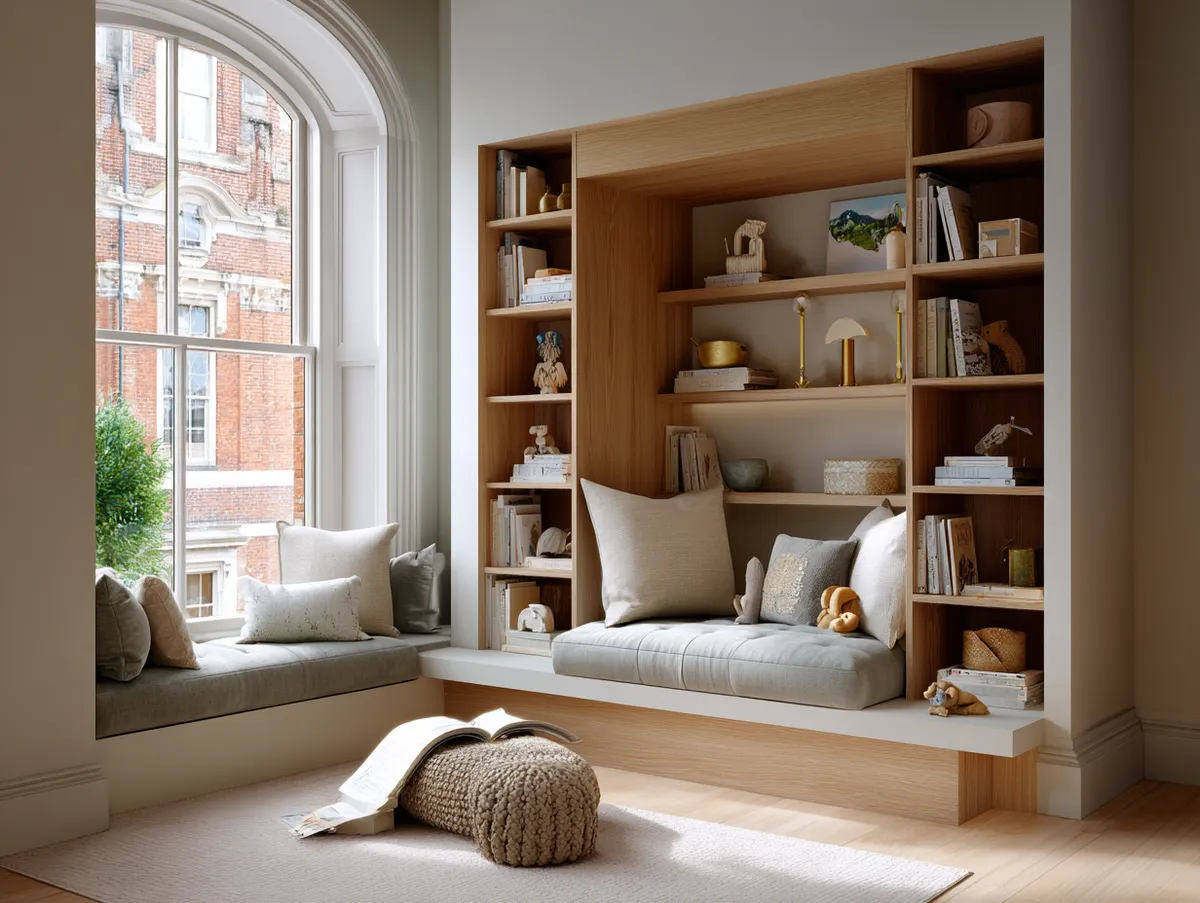


Creative storage is essential in any family home. Built-in shelving, under-bed drawers, and wall-mounted organizers all help maintain order while blending seamlessly into the design. A clutter-free childrens room interior feels calmer, making it easier for children to focus on play, study, or rest. When storage becomes part of the overall architecture, it no longer looks like an afterthought but rather an integrated feature of the room.
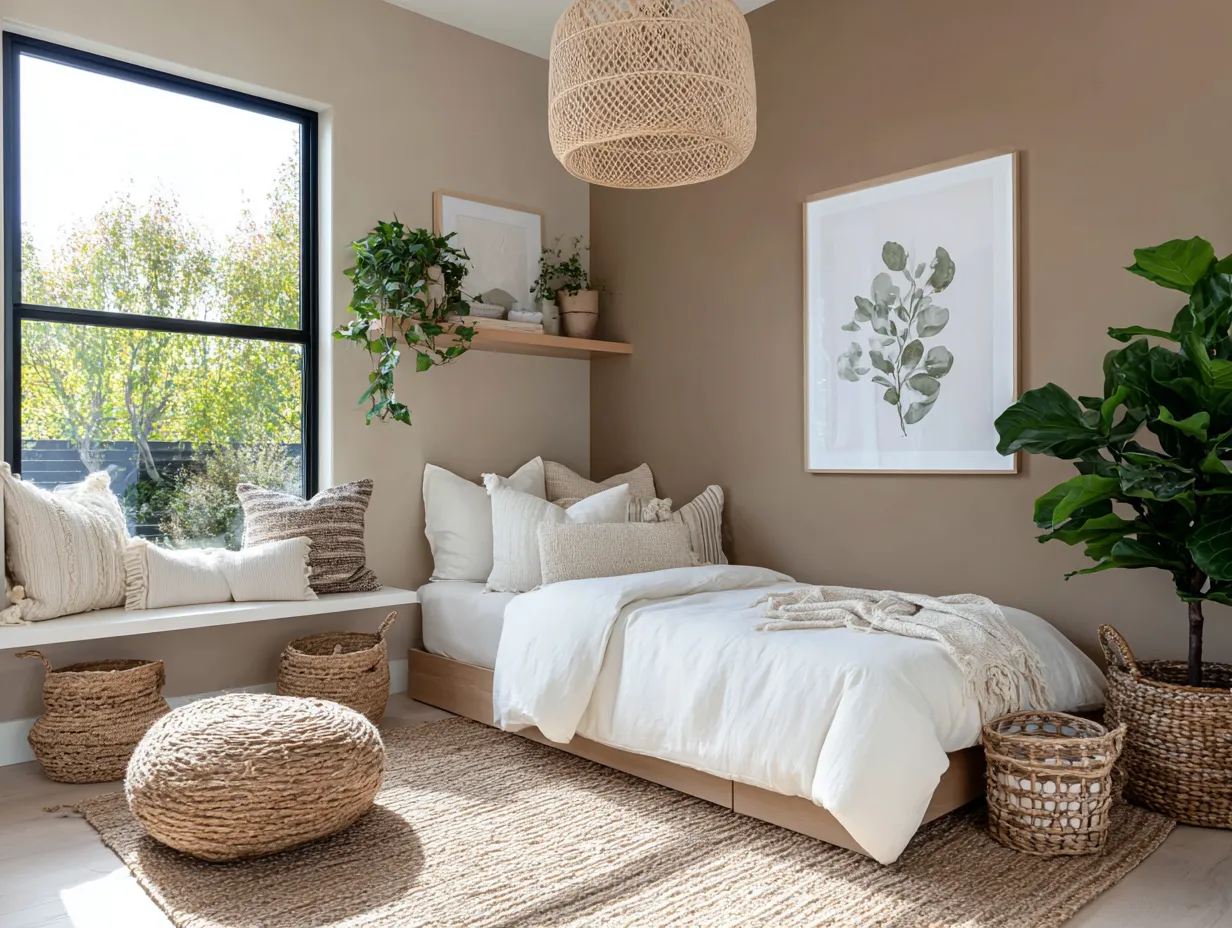
Color palettes influence coziness. Warm tones, such as soft terracotta, muted greens, or gentle blues, create a sense of peace and belonging. These shades in a childrens room interior pair well with natural wood, giving the space a homely touch. Parents may also use accent lighting to highlight storage areas, creating subtle layers of atmosphere while ensuring functionality.
Nooks and corners provide additional opportunities. A small built-in reading space, complete with shelves and cushions, transforms into a retreat for children. This kind of thoughtful detail brings individuality to a childrens room interior while still prioritizing practicality. By designing areas that encourage rest and reflection, parents give their children tools for relaxation and imagination.
Storage can also become playful. Cubby systems painted in bright colors, or storage boxes shaped like houses or animals, add joy without compromising order. A childrens room interior that makes organization fun ensures that children actively engage in maintaining tidiness. This approach instills habits while supporting an aesthetically pleasing design.
In the end, coziness and organization go hand in hand. A well-structured childrens room interior feels welcoming because it prioritizes both comfort and functionality. Creative storage solutions not only save space but also enrich the character of the room. Parents who focus on these small but effective touches provide their children with an environment that is warm, organized, and adaptable, ensuring happiness and comfort for years to come.
Transforming a childrens room interior does not require grand projects. Instead, thoughtful adjustments—embracing natural light, streamlining design, and adding creative storage—deliver lasting impact. Each approach shapes the environment into something functional, inspiring, and deeply personal. A well-planned childrens room interior grows alongside children, nurturing their creativity, comfort, and confidence.