A shift is happening in bedrooms across North America and Europe: parents are moving away from constant contact-based settling toward independent sleep training methods that let children fall asleep on their own. This isn’t abandonment—it’s structured autonomy. Pediatric sleep consultants report a 34% increase in inquiries about independent sleep training between January and June 2026, signaling that families are exhausted by fragmented sleep cycles and ready for evidence-backed alternatives. Independent sleep training works because it rewires both child and parent behavior, reducing nighttime dependency while building the child’s ability to self-regulate emotional responses to separation.
The trend reflects a broader parenting philosophy: competence before comfort. When a child learns to settle themselves to sleep, they develop neurological pathways for managing stress and anxiety that persist into adolescence and adulthood. This isn’t about leaving infants to cry indefinitely—modern independent sleep training combines graduated exposure, predictable routines, and responsive parenting.
How the Ferber Method Evolved Into Responsive Sleep Training
The original Ferber Method (cry-it-out with timed intervals) emerged in the 1980s and polarized parents. Today, sleep specialists like Dr. Marc Weissbluth and organizations including the American Academy of Pediatrics have refined the approach into what experts now call “responsive sleep training”—methods that honor attachment while building self-soothing capacity.
The Role of Technology and Digital Habits in Sleep Quality
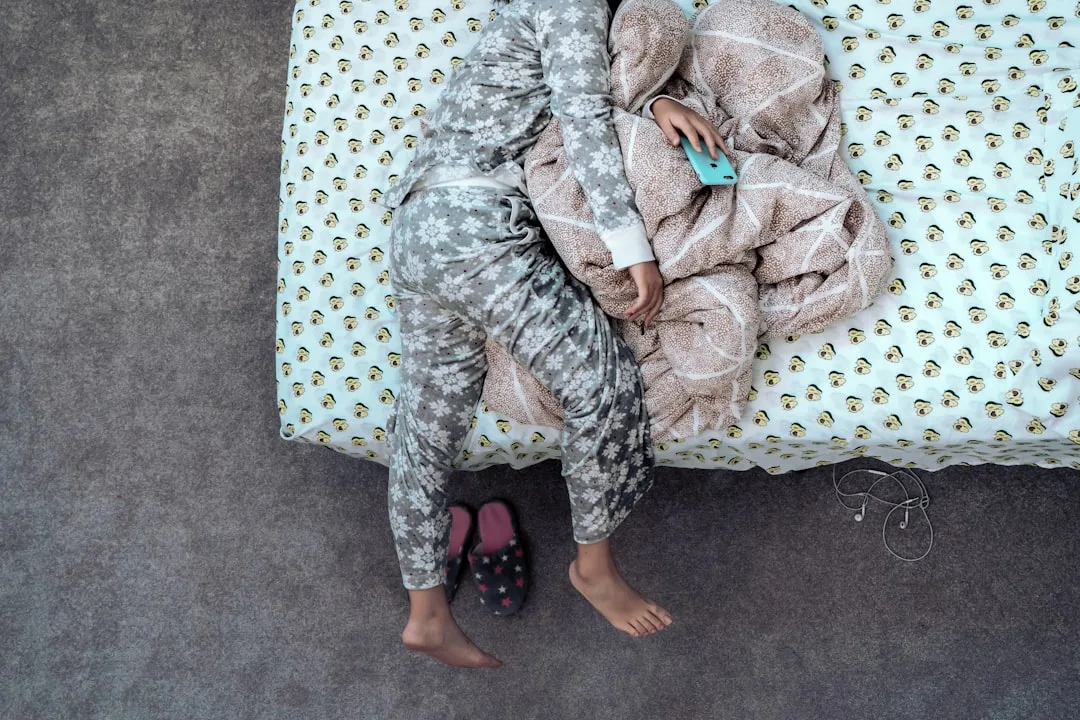
Modern parenting introduces a complication absent from earlier generations: screens in bedrooms. Exposure to blue light from devices suppresses melatonin production, the hormone regulating sleep-wake cycles. Progressive parents recognize that sleep independence requires environmental boundaries, not just behavioral training.
The shift toward Screen Time Limits for Children 2026 — Why Chronometric Parenting Replaces Unrestricted Digital Access reflects this understanding. When children establish device-free wind-down periods—typically one to two hours before bed—their natural sleep architecture strengthens. This creates a foundation for independent sleep that no training method can replicate if screens remain accessible during transition hours.
Sleep independence and digital discipline work synergistically. A child who self-regulates sleep also tends to self-regulate screen consumption, developing metacognitive awareness about their own neurological needs.
Attachment Parenting and Sleep Independence Are Not Opposing Forces
A persistent myth suggests that independent sleep training contradicts attachment-based parenting. In reality, secure attachment—the foundation of all healthy child development—enables a child to tolerate brief separations at night. A securely attached child sleeps independently not from neglect, but from internalized confidence in the caregiver’s availability.
Responsive sleep training preserves attachment by maintaining daytime connection, consistent nighttime routines, and prompt response to genuine distress (illness, fear, physical needs). The distinction lies in differentiating between legitimate needs and habitual comfort-seeking. A child who learns this distinction actually experiences deeper security, knowing their caregiver responds meaningfully rather than reflexively.

Privacy, Social Media, and the Boundaries of Parental Documentation
Independent sleep training occurs within the private sphere of family life—yet increasingly, parents document and share these journeys on social platforms. The emerging concern around Why Sharenting Privacy Is Reshaping Modern Parenting in 2026 extends to sleep training narratives, where detailed accounts of a child’s crying, resistance, or emotional responses become permanent digital records.
This intersection between parenting methodology and digital citizenship creates new ethical terrain. Parents pursuing independent sleep approaches must consider not only the immediate developmental benefit but also the child’s future right to privacy regarding intimate family processes. The most competent modern parents recognize that documenting a sleep training journey for social validation undermines the very autonomy and self-regulation they’re cultivating.
Practical Implementation Without Perfectionism
Independent sleep training succeeds not through rigid adherence to a single method but through principles adapted to individual temperament and family context. Consistency matters more than methodology—a child benefits more from moderately consistent, imperfectly executed training than from alternating approaches based on guilt or external judgment.
Real implementation involves setbacks: illness disrupts progress, travel requires flexibility, developmental regressions occur. Parents who view these interruptions as failures often abandon training entirely. Instead, competent parenting frames these moments as temporary detours, not abandonment of long-term developmental goals. When parents maintain their own emotional regulation during these challenges, children internalize resilience rather than anxiety about sleep separation.

Creating physical environments that support independent sleep
The bedroom itself functions as a parenting tool. A space designed for independent sleep—with appropriate blackout curtains, white noise machines like the LectroFan or simple fan, and a comfortable mattress—removes obstacles to sustained rest. Environmental consistency signals to a child’s developing nervous system that this particular space reliably means sleep time, reducing the mental work required to transition to sleep.
Temperature control matters more than many parents realize. Children sleep better in cooler rooms, typically between 65-70 degrees Fahrenheit. A quality crib sheet or appropriately weighted sleep sack—products like the Swaddleme or Halo SleepSack offer graduated sizing—prevents temperature fluctuations that interrupt sleep cycles. These physical supports work alongside emotional readiness; the environment removes friction so that a child’s developing self-soothing abilities can actually function.
Some families benefit from transitional objects like a specific blanket or stuffed animal that becomes associated with the sleep space. Unlike entertainment items or screens, these simple objects can provide genuine comfort during the vulnerable moment of separation. The object becomes a bridge between parental presence and solitary sleep, something concrete a child can hold that represents safety.
Navigating cultural differences and extended family input
Many families operate within cultural contexts where independent infant sleep conflicts with traditional practices. Multigenerational households, co-sleeping customs, or cultural values emphasizing constant physical proximity create legitimate tension with sleep independence approaches. Parents honoring their heritage while gradually introducing independent sleep need not choose between cultural identity and child development.
Grandparents who raised children differently may actively resist sleep training, viewing it as cold or rejecting. A practical approach involves including them in the process: explaining the actual method you’re using (rather than letting imagination fill gaps), inviting them to observe for a few nights, and genuinely incorporating their comfort measures—perhaps the child naps in their room some days, creating familiarity with different sleep spaces without abandoning your broader approach. When extended family feels included rather than overridden, they often become unexpected allies.
Some families find success with compromise approaches: perhaps a child sleeps in a bedside sleeper (a crib-like structure attached to the parent’s bed) rather than a separate crib, maintaining physical proximity while establishing a distinct sleep surface. Products like the Arms Reach co-sleeper create an intermediate option. Other families practice co-sleeping for infancy then transition to independent sleep around 18-24 months, aligning with both cultural practice and developmental readiness. The specific strategy matters less than parental confidence that the chosen path aligns with family values.
Communication with extended caregivers prevents sabotage of progress. When a grandparent regularly brings a sleeping child into their bed despite the family’s independence plan, progress stalls. Clear agreements about sleep location—even when they feel awkward to discuss—prevent resentment and protect the consistency that children need. This might sound like: “I know you’re trying to comfort them, and I appreciate that. For now, when they wake, here’s what helps them resettle in their own space.”
Parents navigating these dynamics often carry guilt about potentially disappointing family members. Recognizing that your child’s sleep patterns and emotional security ultimately depend on your decisions—not on extended family approval—frees you to make intentional choices. This doesn’t mean dismissing cultural wisdom; it means integrating it thoughtfully rather than abandoning your parenting instincts due to external pressure.