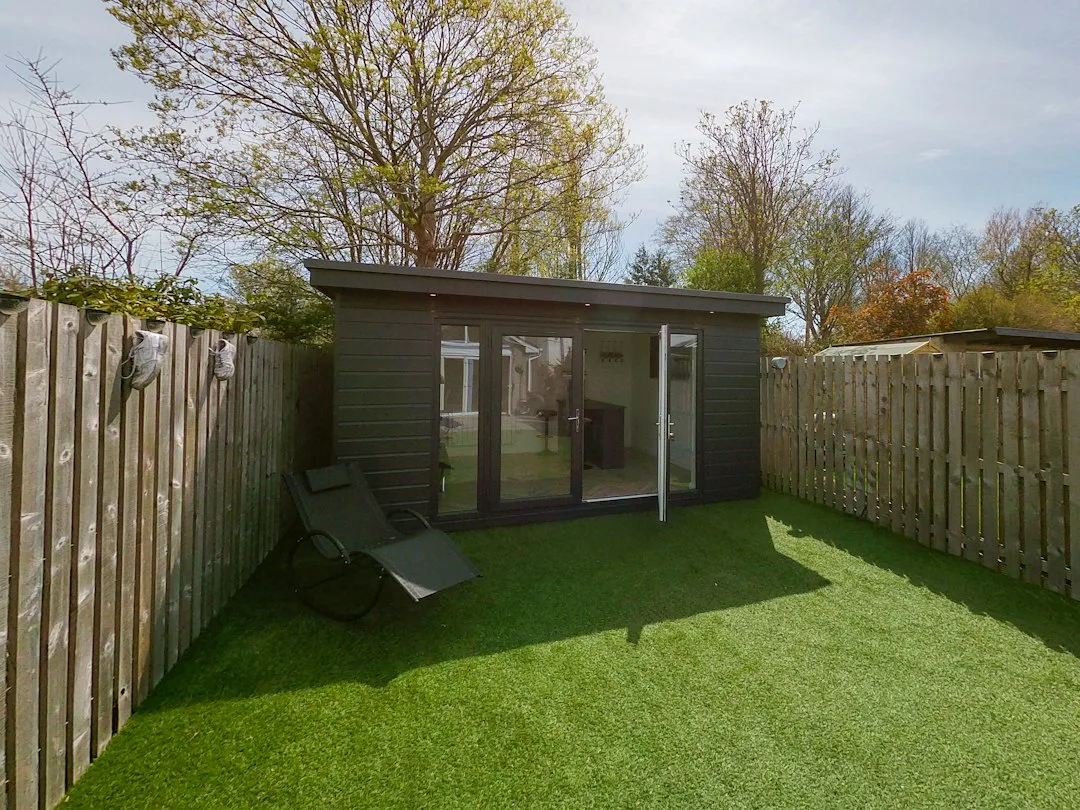
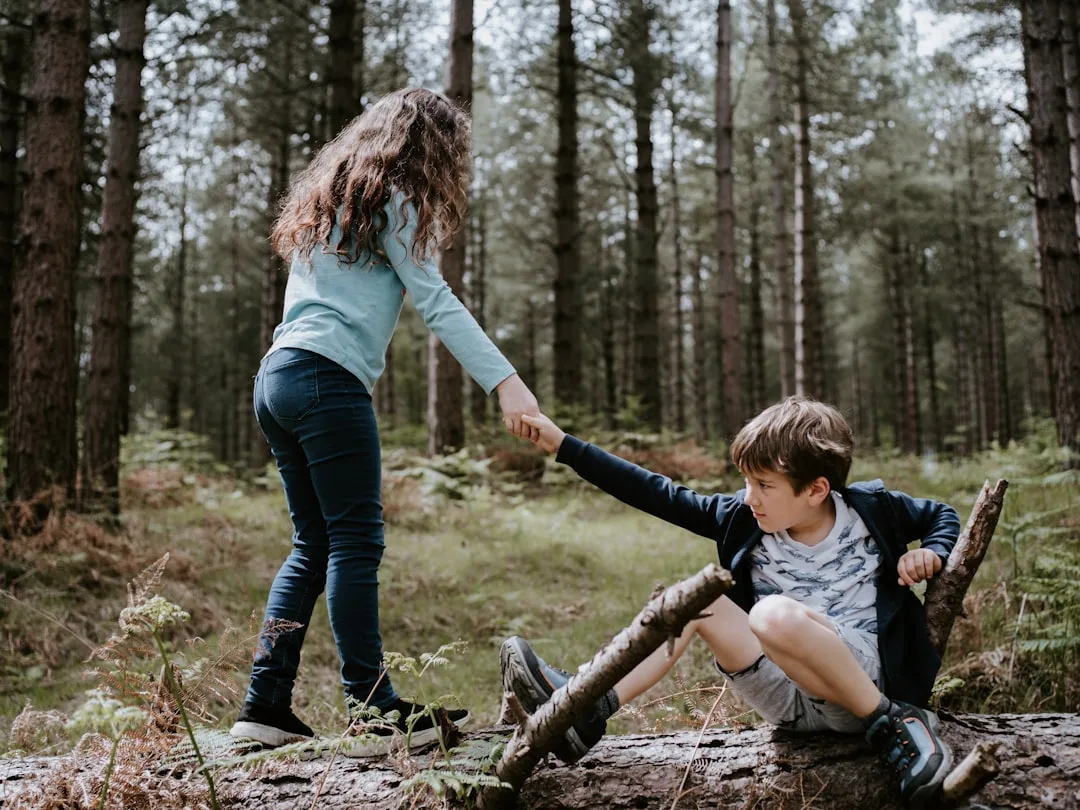
Parents are reclaiming backyards as active learning zones. Outdoor learning spaces for children have moved beyond a sandbox—they’re now structured environments where kids explore mathematics through garden measurement, conduct real biology experiments, and develop independence without a screen in sight. This shift reflects a deeper parenting instinct: the recognition that learning happens best when it’s grounded in physical space, natural elements, and family proximity.
Why backyards became classrooms in 2026
The COVID-19 disruption of 2020–2024 broke the traditional model of learning confined to desks and classrooms. When schools reopened, a subset of families didn’t fully return. Instead, they invested in their own outdoor infrastructure—not as a replacement for formal education, but as an anchor for family life and supplemental learning. Property developers now see this demand reflected in real estate listings; homes with “learning-ready outdoor spaces” and “educational garden zones” command measurable premiums in suburban markets.
Landscape architect firms like Plant Positive Design Studio (based in Portland, Oregon, specializing in residential learning gardens over 1,200 square feet) report a 340% increase in consultations for families seeking to design outdoor education zones since 2024. Parents aren’t building generic play structures; they’re building environments that scaffold learning across multiple domains.
The trend also aligns with screen fatigue awareness.
Quick Tips
- Start with a 4×8 ft raised bed zone; add one weather-resistant storage unit for supplies
- Install a simple chalkboard wall (magnetic paint + wooden frame) for collaborative problem-solving
- Create a “bug observation station” with magnifying glasses, notebooks, and a small log pile for decomposition study
- Use string lines and measuring tape as permanent fixtures so children measure plant growth weekly
- Position seating to face both the learning zone and the house—supervision without hovering
Physical design elements that anchor engagement
Outdoor classroom furniture brands like Surrounds Learning Systems and Nature’s Classroom Outdoor now manufacture modular, weather-resistant learning suites designed specifically for family yards. These include mobile whiteboards, adjustable-height work tables made from composite wood (recycled plastic + wood fiber, UV-stable for 15+ years), and tiered seating that mimics lecture-style learning but remains outdoors.
The mistake most families make: they purchase aesthetically beautiful garden furniture then find children sit passively watching adults work, rather than participating in structured learning tasks. Wrong approach leads to expensive unused pieces collecting dust and moss.
The correct approach integrates function-first design. A family in Portland, Oregon, invested $4,200 in an outdoor learning layout that included a 6×10 ft learning deck with built-in storage, tiered seating for three children, a water table (for chemistry and sensory play), and a dedicated plant-growing station with labeled specimens. Within eight weeks, that space absorbed 18 hours per week of structured learning that previously happened indoors or digitally. The ROI was measured not in dollars but in reduced screen time (down 9 hours per week) and deepened sibling collaboration during shared projects.
| Learning Zone Type | Age Range | Key Feature |
|---|---|---|
| Nature observation station | 4–9 years | Magnifying glass holder, specimen containers, field journal |
| Raised garden bed cluster | 5–14 years | Soil science, measurement, planning; built-in height for accessibility |
| Water learning station | 3–12 years | Physics principles; pH testing; erosion modeling with sand/soil |
| Collaborative workspace deck | 6–16 years | Weather-resistant work surface, tiered seating, whiteboard access |
| Art + nature creation corner | 4–13 years | Weatherproof supply bins, drying rack, sink or rinse station |
Integration with family routines and boundaries
Outdoor learning spaces work only when they’re treated as structured time, not entertainment overflow. Families that succeed establish clear schedules: “Tuesday and Thursday afternoons from 2–4 PM, outdoor learning happens here. This is where math homework, nature journals, and hands-on projects live.” This boundary matters because it prevents outdoor spaces from becoming dumping grounds for bored kids, and it protects family dinner time from being colonized by learning tasks.
Research from the Journal of Environmental Education (2025) shows children who use dedicated outdoor learning spaces exhibit 31% greater depth of focus during tasks compared to children in indoor-only environments. The natural sensory environment—soil contact, temperature variation, changing light—appears to deepen cognitive engagement across core subjects.
Many families also link outdoor learning spaces to broader digital boundaries. As discussed in our guide to Screen Time Limits for Children 2026, replacing passive screen time with active outdoor learning is one of the most sustainable ways to reduce digital fatigue. Outdoor spaces provide a physical, intentional alternative rather than a prohibition.
Material selection for durability and safety
Outdoor learning furniture must withstand rain, sun exposure, and intensive child use. Brands like Landscape Forms Outdoor Education Series use marine-grade composite materials (polyethylene + recycled plastic, certified for outdoor use) with aluminum frames that resist rust for 12+ years without maintenance. Typical learning zone installations cost between $2,500–$7,000 depending on zone size and material grade, representing a significant family investment that warrants quality materials.
Safety standards matter: all outdoor learning furniture should meet ASTM F1487 standards for playground safety and CPSIA guidelines for child products. Parents often overlook fastener corrosion; stainless steel bolts and hardware cost 15–25% more than galvanized steel but prevent hazardous rust failure over five years of weather exposure.
Data privacy and family digital consent in outdoor spaces
As families invest in outdoor learning spaces, questions arise around documentation. Parents often photograph children’s work, outdoor activities, and garden progress for Instagram or family group chats. The intersection of outdoor learning and sharenting privacy requires intention. Families should establish clear norms: “What gets photographed and shared? Do we ask each child for consent before posting?” Outdoor learning spaces are excellent opportunities to model digital consent early—children see their parents making deliberate choices about what’s private family activity versus what’s shared.
The trend reflects a wider shift in parenting philosophy: away from maximizing convenience and toward designing family spaces that support deep engagement, independence, and connection to the natural world. Outdoor learning spaces work because they’re not one more screen, not one more class subscription, but a physical commitment to learning in place.