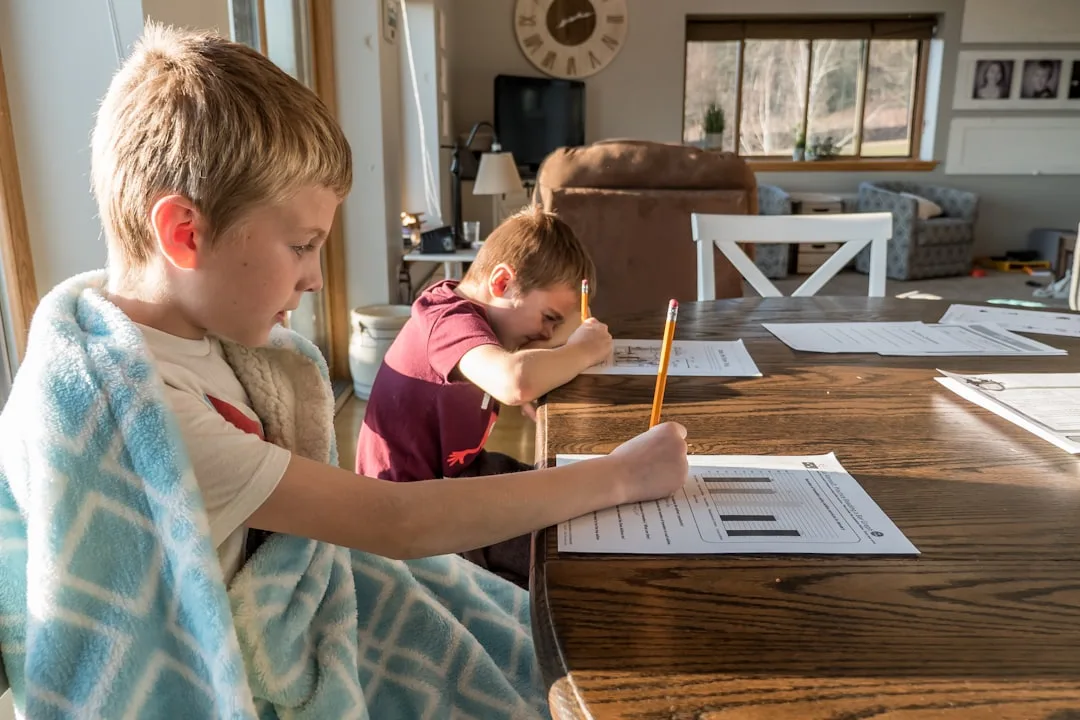
Sibling conflict resolution strategies rank as the #1 request in parenting workshops across North America right now. Parents report that between 35% and 60% of daily household friction stems from sibling disputes—not misbehavior, not screen time, but the raw friction of shared space and competing needs. What’s changed in 2026 is that families are no longer accepting conflict as inevitable; they’re treating it as a learnable skill.
The shift matters because unresolved sibling conflict doesn’t just feel exhausting in the moment. It shapes how children navigate peer relationships, workplace disagreements, and future partnerships for life. When parents intervene with intentional sibling conflict resolution strategies rather than defaulting to “go to your room,” they’re building emotional literacy in both children at once.
The Psychology Behind Why Siblings Clash More in Close Quarters
Researchers at UC Davis and Cornell University tracked 180 multi-child households over 18 months and found that homes with shared bedrooms saw 23% more sibling disputes than homes where each child had private space. But the breakthrough wasn’t the space itself—it was what happened when families applied sibling conflict resolution strategies intentionally.
The real issue: siblings lack a neutral framework for expressing frustration. When a 7-year-old wants the tablet and a 10-year-old is mid-video, neither has language for negotiation. Most parents jump in with judgment: “You should share” or “She had it first.” This teaches compliance, not resolution.
Sibling conflict resolution strategies flip this. Instead of ruling from above, parents become mediators who ask questions that reveal each child’s actual need.
Quick Tips
- Use the “Two-Chair Method”: Seat both children facing each other, one at a time speaks uninterrupted for 2 minutes while the other listens without rebuttal.
- Implement a “Cool-Down Zone”—not a punishment corner, but a designated cushion or bean chair where either child can self-regulate before conflict escalates.
- Create a weekly “Family Meeting” (15 minutes, same day/time) where siblings air grievances in a structured setting with a parent facilitator, not a judge.
- Teach the “Feelings → Needs” translation: “I’m angry that you took my marker” becomes “I need my supplies to stay where I put them so I feel secure.”
- Offer real choice in resolution, not false compromise: “Would you prefer to take turns for 5 minutes each, or pick a different activity together?”
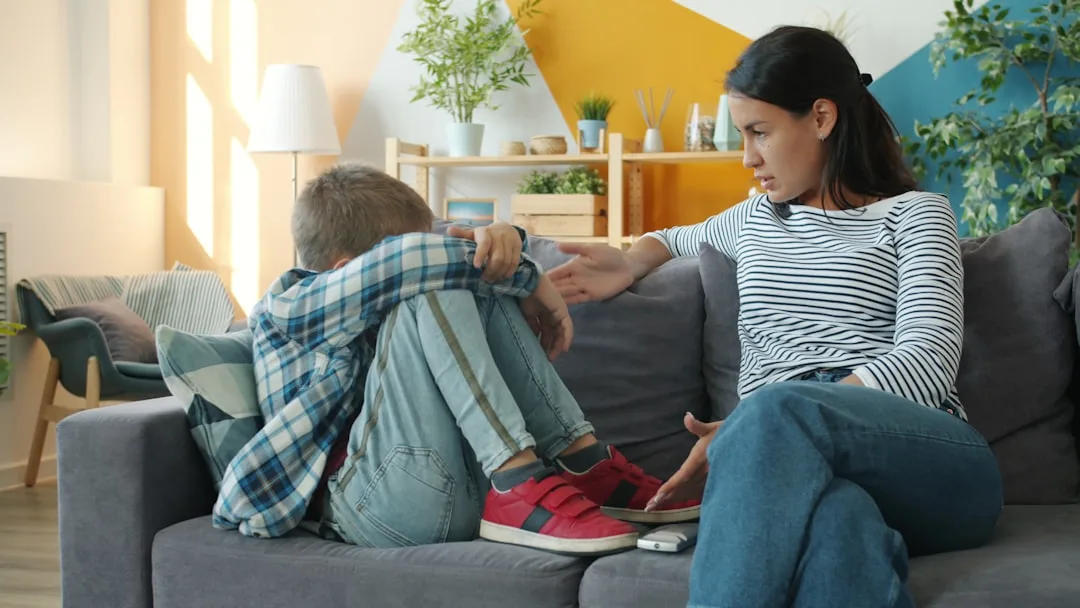
Structured Dialogue Training Teaches Negotiation Before Arguments Spiral
The Gottman Institute, known for couple’s therapy but increasingly applied to family systems, found that 78% of sibling conflicts escalate because there’s no pause mechanism. One child raises voice, the other matches it, and within 90 seconds both are dysregulated.
Sibling conflict resolution strategies introduce what therapists call “soft startup.” Instead of accusation, the child learns to open with observation: “When you borrowed my book without asking, I felt…” not “You always steal my stuff.”
Families using programs like Siblings Without Rivalry (Adele Faber & Elaine Mazlish’s framework) report that structured dialogue cuts repetitive conflicts by 40-50% within 6 weeks. The tool isn’t magical—it’s just practice. Children need 30-50 repetitions of a new communication pattern before it becomes automatic.
| Conflict Type | Default Parent Response | Sibling Conflict Resolution Strategy |
|---|---|---|
| Toy/Possession Dispute | “Share it” or take it away | Ask each child what they need from the object; negotiate time splits or alternatives |
| Physical Space Invasion | “Respect your sibling’s space” | Help both children set and enforce boundaries together; create a visual room map |
| Verbal Insult or Mockery | “Apologize now” (often insincere) | Ask hurt child to name the impact; ask insulter to repeat it back before offering repair |
| Exclusion from Activity | Force inclusion or punish excluder | Explore why exclusion happened; find age-appropriate alternatives or compromise roles |
The Biggest Mistake Parents Make with Sibling Conflict
Here’s what derails most families: parents treat every conflict as a referendum on fairness. They ask, “Who started it?” and “Who’s right?” This frames sibling conflict resolution as a verdict system, not a learning system.
Example of what NOT to do: Two kids fight over the last snack. Parent says, “I bought these for both of you, so you need to split it.” Sounds fair. But the child who wanted that snack for a specific reason (energy before sports, comfort during stress) learns that their need is less important than abstract equality. Resentment builds.
Better approach: “I see you both want that snack. What do you each need right now?” One child needs fuel before soccer; the other needs comfort. One gets the snack; the other gets a granola bar plus 10 minutes of your attention. Both actual needs met. Sibling conflict resolution strategies focus on meeting needs, not keeping score.

Tools and Spaces That Support Ongoing Resolution Practice
Families implementing sibling conflict resolution strategies often redesign their home spaces to support the practice. A dedicated “conflict corner” with a visual emotions chart (like those from Learning Express or Therapy Works) gives children language when parents aren’t present.
Timer-based systems help too. A simple kitchen timer set for 3 minutes of uninterrupted speaking time per child removes the “who talks longer” power struggle. Some families use a talking object—a stuffed animal or smooth stone—so only the person holding it speaks.
Digital tools are emerging: apps like Bark and Our Family Wizard include shared calendar features and messaging that help older siblings and co-parents track who’s responsible for what, reducing resource conflict before it starts. This connects to broader screen time limits and chronometric parenting strategies that families are adopting to manage access fairly.
Measuring Success Beyond the Arguments Stopping
Parents often ask: “How do I know if sibling conflict resolution strategies are working?” The answer isn’t “no more fights.” It’s the quality of the conflict.
Week 1: Arguments are loud, accusatory, and escalate fast. Week 4: Arguments still happen, but they include actual requests. “Can you stop that?” instead of name-calling. Week 8: Siblings start mediating smaller disputes without parent input.
One parent at a Portland parenting collective reported that her two kids, ages 8 and 11, went from 4-5 major blowouts weekly to about 1-2, and those remaining conflicts resolved in under 10 minutes because both children used the language they’d practiced. The real win: they started defending each other to peers, not just against each other at home.
Long-term outcome research from the journal Family Relations shows that children raised with explicit sibling conflict resolution training report stronger peer friendships in middle school and higher emotional intelligence scores by high school. They also report feeling more secure in their sibling relationship itself—even when conflicts happen.
As your family integrates these strategies, remember that they layer naturally with other boundary-setting practices. Many families combine sibling conflict resolution with intentional sharenting privacy guidelines so siblings also respect each other’s digital presence and personal stories. The toolset grows as children grow.