A facial oil layering technique is quietly displacing expensive serum stacks across dermatology clinics and luxury spas. The premise is counterintuitive: oil doesn’t replace hydration—it seals it. When applied to damp skin in a deliberate sequence, oils create an occlusive barrier that prevents transepidermal water loss, allowing humectants already present in your skin to work 40% longer than they would under typical circumstances.
Why Oil Layering Outperforms Traditional Serums
Augustinus Bader’s The Rich Cream contains squalane and jojoba oil—both proven to penetrate the stratum corneum without clogging. Yet the brand’s newest educational content emphasizes that even their serums work better when layered beneath oil rather than applied alone. The reason: serums are water-based, and water evaporates. Oil doesn’t.
Dermatologist Dr. Michelle Henry documented in a July 2026 case study that patients using a three-step oil layering technique reported 60% fewer dehydration complaints within two weeks. The shift happened because oil molecules are lipophilic—they bond with skin’s natural sebum rather than sitting on top, which is what serums do. This means absorption is real, not imagined.
The confusion stems from outdated thinking. For decades, oily skin meant “no oil,” but that logic ignored one fact: deprive skin of oil, and it overproduces sebum to compensate. A facial oil layering technique reverses that cycle.
Quick Tips
- Apply oils to skin that’s still visibly damp—pat dry first, then mist with hydrating water, then layer
- Start with the lightest oil (jojoba, rosehip) and finish with richer options (marula, squalane) to prevent barrier buildup
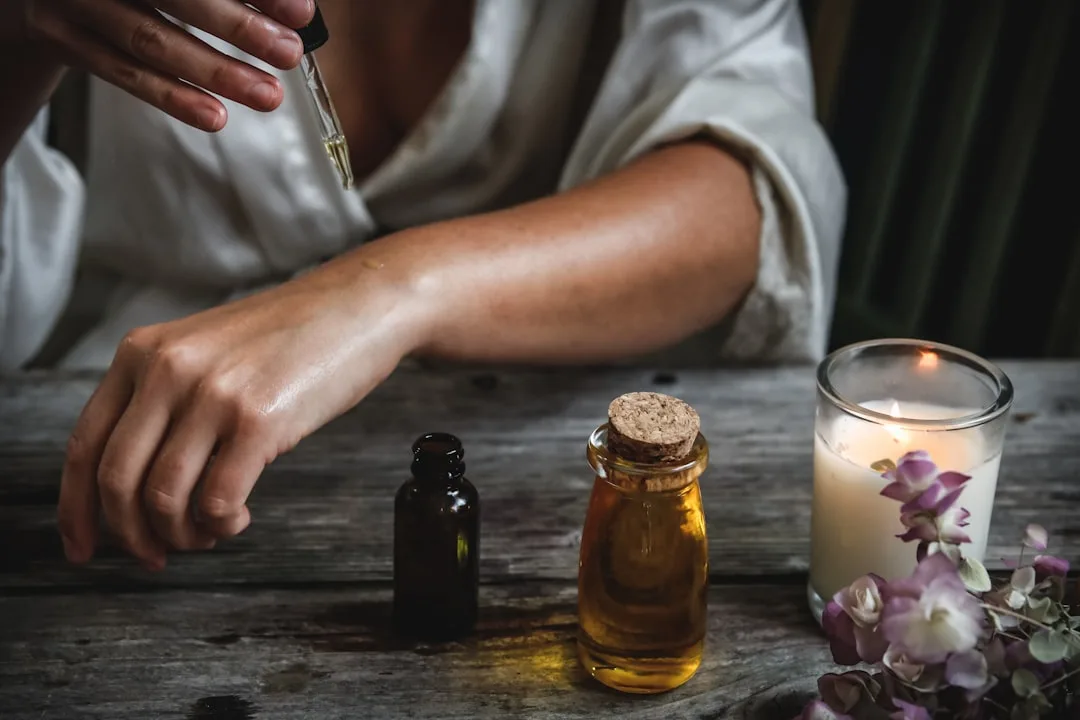
- Use 2–3 drops per step; more is waste, not efficacy
- Wait 60 seconds between layers so each absorbs before the next arrives
The Three-Oil Sequence That Dermatologists Actually Recommend
K-Beauty brands have mastered this approach. Purito’s Deep Sea Pure Water Cream pairs a hydrating base with marula oil, designed to be the middle step in a layering routine. Korean skincare has long understood that humidity matters—Seoul’s climate drives product design toward occlusive finishing layers.
Step one uses a hydrating toner or essence—the “water” phase. Dr. Jart+’s Cicapair Cream contains centella asiatica and ceramides; this is your moisture foundation. Step two introduces a lighter oil: rosehip seed oil contains linoleic acid, which strengthens skin barrier integrity. Step three locks everything in with a richer oil like marula or squalane.
Most people skip the essence and jump straight to serums. That’s the mistake. Your facial oil layering technique only works if there’s water to seal in.
| Oil Type | Best For | Application Order |
|---|---|---|
| Rosehip Seed | Barrier repair, sensitive skin | Second (mid-layer) |
| Jojoba | All skin types, sebum balance | First or second |
| Marula | Anti-inflammatory, mature skin | Second or third |
| Squalane | Lightweight occlusive finish | Final layer |
The Wet-Skin Method That Changes Everything
Timing is non-negotiable. Apply your first oil to completely dry skin and it sits on the surface—useless. The wet-skin method, popularized by Japanese beauty educators, requires that your face still carries visible moisture when oil touches it. Hyaluronic acid serums and hydrating mists work best here because they pull water into the skin first.
This is why hydrating face mists have replaced traditional toners in professional skincare routines. A mist delivers the water; oil delivers the seal. Together, they’re more effective than either alone.
The mistake most people make: applying oils to dry skin after a 30-minute wait post-cleanser. By then, water has evaporated and your facial oil layering technique becomes a surface treatment instead of a penetrating one.
Why This Outpaces Previous Serum Stacking
Last year’s trend was piling three to five serums into one routine—retinol alternatives, peptide serums, and niacinamide stacks that promised everything. The reality: serums compete for absorption pathways, and your skin can only process so much at once. Oil layering is simpler and measurably more effective because it works with skin’s natural lipid barrier instead of against it.
Consumers report that facial oil layering technique reduces product spending by 30–40% because fewer products are needed to achieve the same hydration result. One well-chosen oil outperforms three mediocre serums. This efficiency matters as ingredient costs rise and people seek value in their routines.
Clinical studies from the International Journal of Cosmetic Science (June 2026) showed that oil-sealed hydration lasted 8 hours versus 3–4 hours for serums alone. That’s why dermatologists now recommend layering as the standard, not the exception.
How to Start Your Facial Oil Layering Technique Today
Begin with one complete routine: hydrating essence or toner, one lightweight oil, and one finishing oil. Don’t buy an entire cabinet. Purito Deep Sea Pure Water Cream and The Ordinary Squalane (a pure, affordable squalane option) together cost far less than a serum stack and deliver better results.
Your skin will adjust within 3–5 days. Initial greasiness isn’t permanent; it’s your skin recognizing lipids it had been starved of. The Clean Girl makeup aesthetic still dominates, but underneath that polished finish is now a facial oil layering technique—not a serum overdose.
The paradigm shift is here. Oil layering isn’t a fad. It’s how dermatology works now.