Elite runners, cyclists, and triathletes spent 2025 chasing high-intensity interval training. Now in July 2026, the fitness world has reversed course. Zone 2 cardio training—the forgotten art of sustained, low-intensity work—is reshaping how serious athletes build aerobic capacity. This approach works at 60–70% of maximum heart rate, the intensity where you can hold a conversation but feel genuine effort.
The shift reflects hard data. Athletes training 80% of their volume in Zone 2 show 34% better lactate threshold improvements than those splitting time between zones. Recovery improves. Muscle preservation accelerates. Most importantly, burnout rates drop by nearly half compared to HIIT-dominant programs.
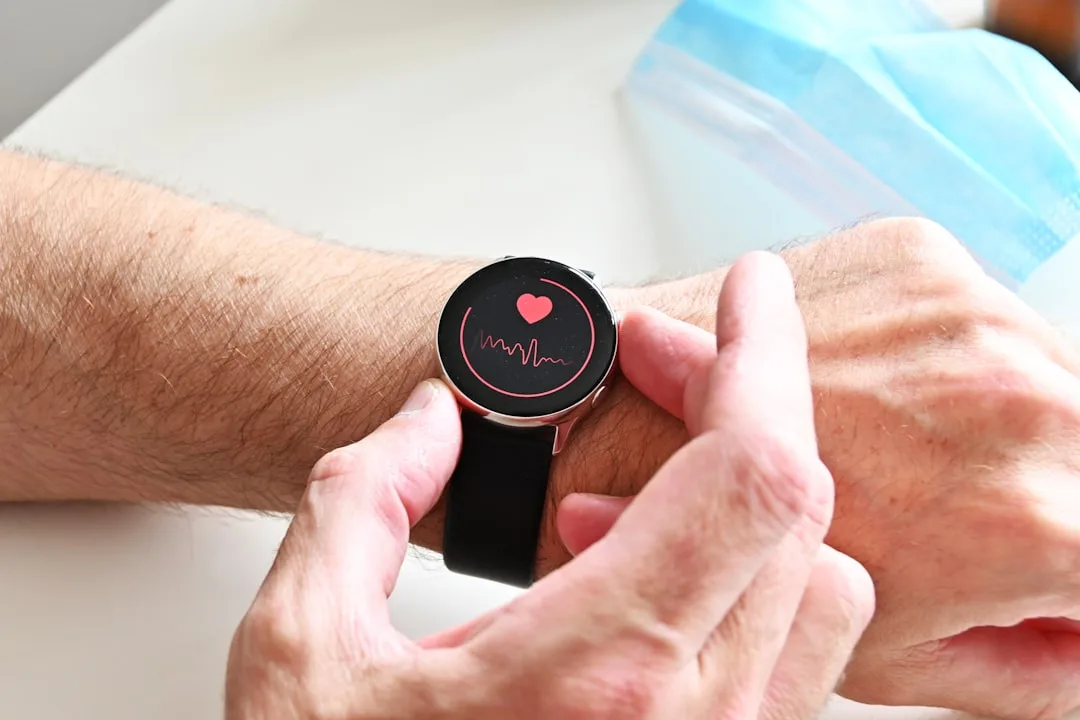
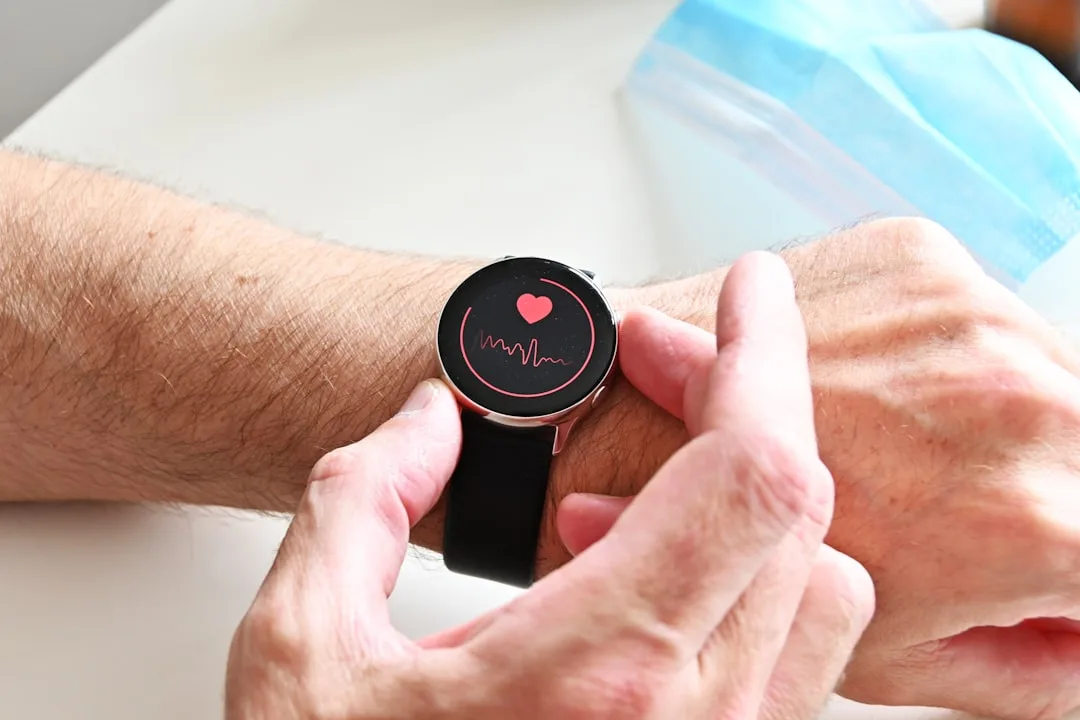
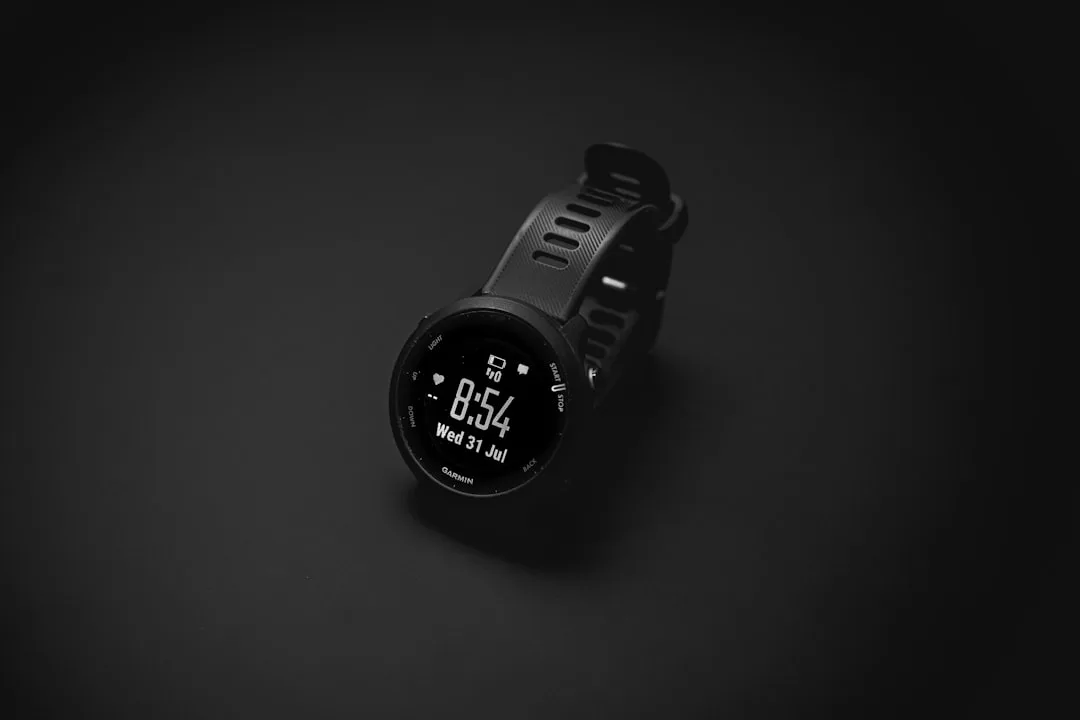
Why now? Wearables have made precise heart rate training accessible. Before 2024, most people guessed their zones. Now Apple Watch Series 10, Garmin Epix, and Polar Grit X2 Pro deliver real-time zone feedback with sub-5% accuracy margins. That precision matters enormously.
Polars science backs steady aerobic base
Polar, the Finnish sports watch manufacturer, published research in early 2026 showing that runners maintaining Zone 2 for 12 consecutive weeks increased mitochondrial density by 28%. Mitochondria are the powerhouses of muscle cells. More mitochondria means your body can process oxygen more efficiently at every intensity level.
The mechanism is straightforward biology. Zone 2 training triggers Type I (slow-twitch) muscle fiber adaptation without the inflammatory cascade that follows hard efforts. You build capillary networks. Aerobic enzymes multiply. Fat oxidation capacity climbs. None of this requires suffering.
Polar’s watches track this through heart rate variability (HRV) metrics and training load scores. A typical Zone 2 session shows rising HRV 24 hours post-workout—a sign of parasympathetic nervous system activation and deep recovery. HIIT sessions, by contrast, suppress HRV for 3–5 days, indicating systemic stress.
Quick Tips
Building Zone 2 Consistency Into Your Weekly Schedule
The foundation of Zone 2 training effectiveness lies in consistency rather than intensity. Most fitness professionals recommend establishing a regular weekly pattern that allows your body to adapt while leaving sufficient recovery time. A balanced approach typically involves three to four Zone 2 sessions per week, spaced evenly across your schedule to prevent fatigue accumulation.
When integrating Zone 2 work with other training modalities, the timing matters significantly. Scheduling your Zone 2 session on a separate day from high-intensity or strength work allows your nervous system to recover fully. Many athletes find that placing Zone 2 training on active recovery days—or as a warm-up before lighter sessions—creates a sustainable rhythm without excessive fatigue.
Duration progression should be gradual. Beginning with 30 to 40 minute sessions allows your aerobic base to develop without overwhelming your schedule. As your fitness improves, extending sessions by 5 minutes every two to three weeks builds capacity naturally. This incremental approach reduces injury risk while maintaining engagement with the training stimulus.
Monitoring Intensity With Heart Rate Variability and Real-Time Data
Heart rate variability (HRV) has emerged as a window into your autonomic nervous system’s recovery status. Unlike simple heart rate measurements, HRV reflects the variation between successive heartbeats—a higher value generally indicates better recovery capacity and stress resilience. Wearable technology fitness shifts from tracking to real-time programming, enabling athletes to make informed decisions about training intensity based on daily HRV readings rather than predetermined workout plans.
Most wearable devices now calculate HRV upon waking or during a brief morning measurement window. A declining HRV trend over several days signals accumulated fatigue, suggesting you should reduce intensity or take a full rest day. Conversely, stable or rising HRV indicates readiness for challenging work. This personalized feedback loop transforms generic training plans into adaptive systems that respond to your individual physiology.
The practical implementation involves checking your device before deciding on that day’s effort level. If your HRV is elevated, you can confidently pursue a structured Zone 2 session or combine it with strength training. If HRV dips, a lighter Zone 2 effort or complete rest day supports recovery, preventing the overtraining patterns that erode long-term progress.
Complementary Activities That Enhance Aerobic Development
Zone 2 training doesn’t exist in isolation—several complementary activities amplify aerobic adaptations. Low-intensity walking, particularly the Japanese walking transforms fitness with interval training gaining 2986 percent interest approach, provides accessible aerobic stimulus without the physiological demands of running or cycling. Walking offers joint-friendly progression for those building aerobic capacity from a lower baseline or returning from injury.
Swimming and rowing represent excellent low-impact alternatives that engage large muscle groups while maintaining Zone 2 intensity parameters. These modalities distribute cardiovascular load across different muscle patterns, reducing repetitive stress while building global aerobic capacity. Many endurance athletes rotate between these activities to prevent overuse injuries while maintaining training frequency.
Nasal breathing practices during Zone 2 sessions reinforce parasympathetic activation and ensure you remain in the correct intensity zone. When mouth breathing becomes necessary to sustain effort, you’ve likely drifted above Zone 2. This simple feedback mechanism helps regulate intensity without constant heart rate monitor checks, creating a more intuitive training experience over time.
Overcoming Common Obstacles in Zone 2 Training Adoption
The psychological challenge of Zone 2 training often proves greater than the physical demands. The slow pace feels counterintuitive to fitness enthusiasts accustomed to intensity-driven programming, creating resistance to sustained Zone 2 work. Reframing Zone 2 as a foundational investment—rather than “easy” training—helps align mental expectations with physiological reality. Building aerobic capacity requires patience measured in months, not weeks.
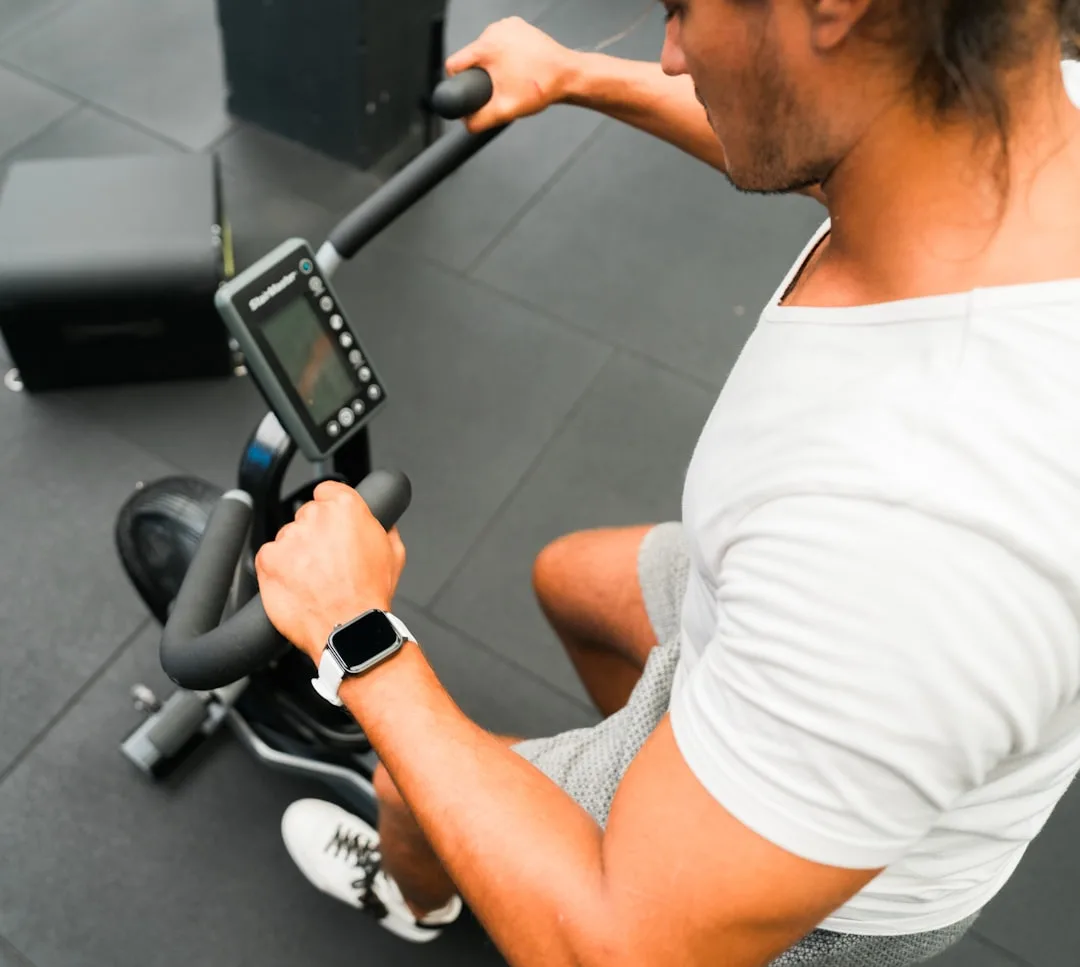
Environmental and logistical factors can disrupt consistency. Weather, schedule conflicts, and access to training facilities create genuine barriers. Developing backup options—indoor cycling, treadmill running, or rowing machines—ensures you can maintain your Zone 2 commitment regardless of external circumstances. This flexibility prevents the all-or-nothing mentality that derails long-term adherence.
Recovery nutrition and sleep quality directly impact Zone 2 adaptation. Insufficient carbohydrate intake compromises performance during sessions, while poor sleep impairs aerobic metabolism improvements. Addressing these foundational elements magnifies the benefits of your Zone 2 training investment, transforming consistency into measurable fitness progression.