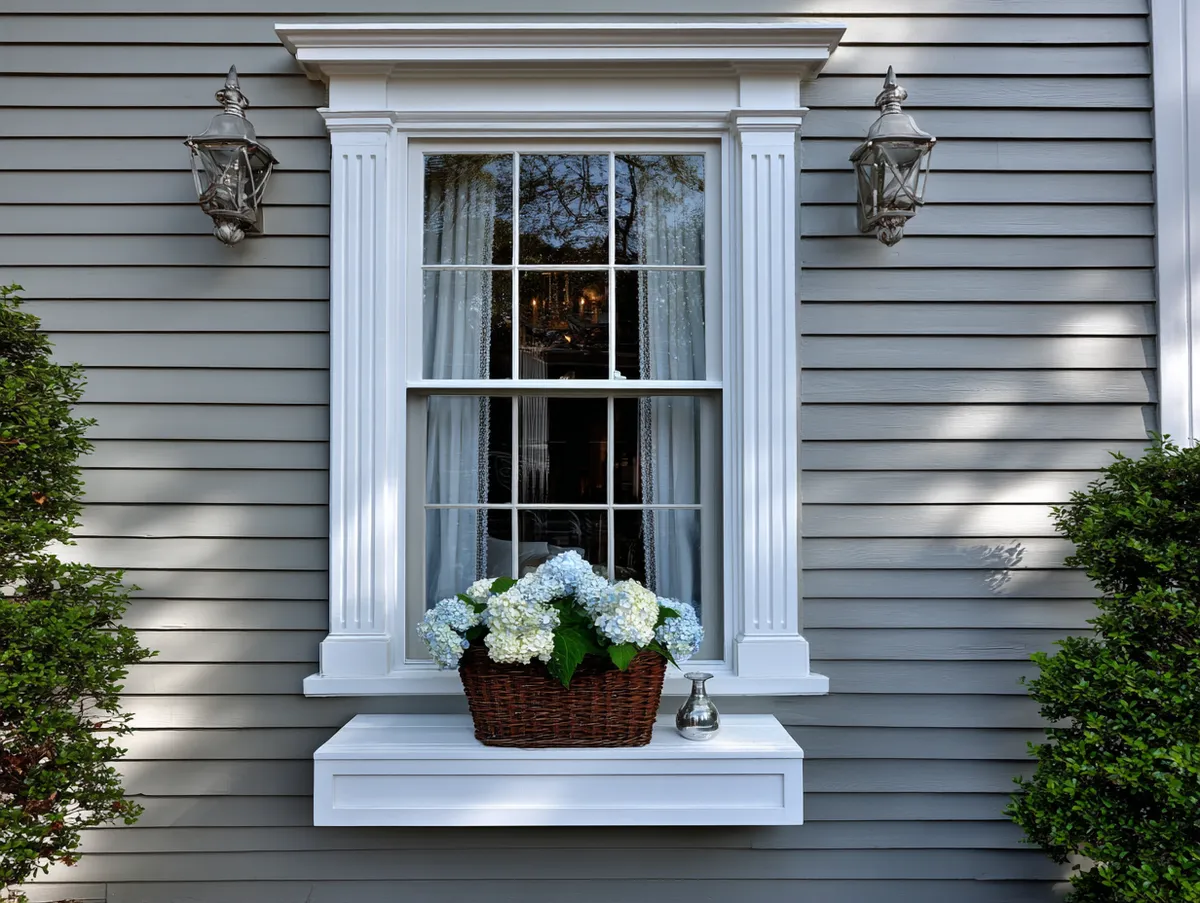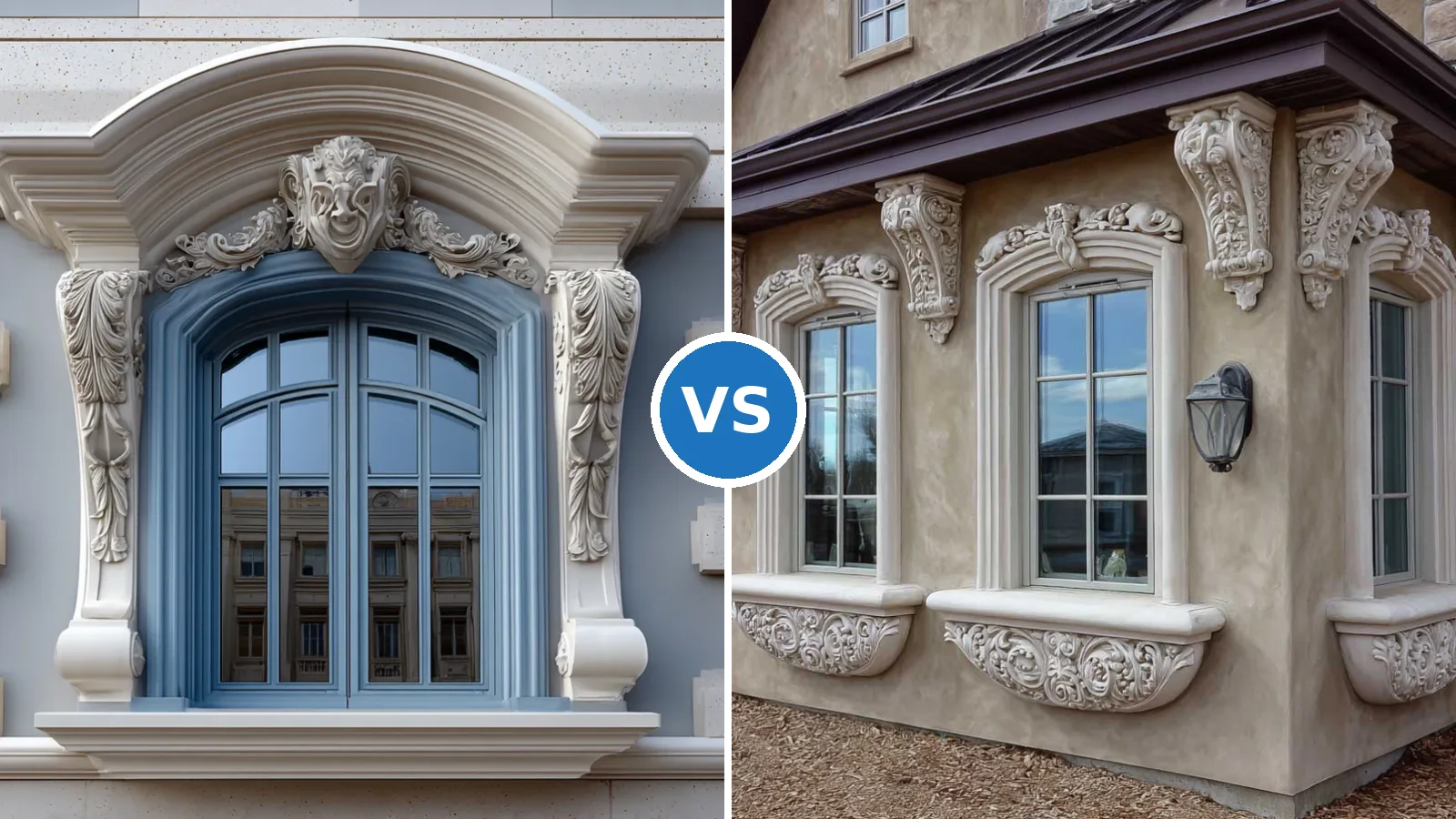
Weighing casing vs trim for a window often comes down to one question: what is the wall made of? That choice shapes everything else. Window casing suits owners who want the widest range of styles on almost any facade, while foam trim, the stucco-specific option we compare here, suits homes that need light weight, low upkeep, and a predictable budget.
What each option actually is
Quick Verdict
- Choose window casing if you want a wide range of styles and materials on almost any facade and you don’t mind regular upkeep.
- Choose foam window trim if your house is stucco and you want a surround that won’t rot and has a clearer installed cost.
- Choose window casing if you plan a custom design built by skilled craftsmen.
- Choose foam window trim if you prefer a weekend DIY install with few touch-ups later.
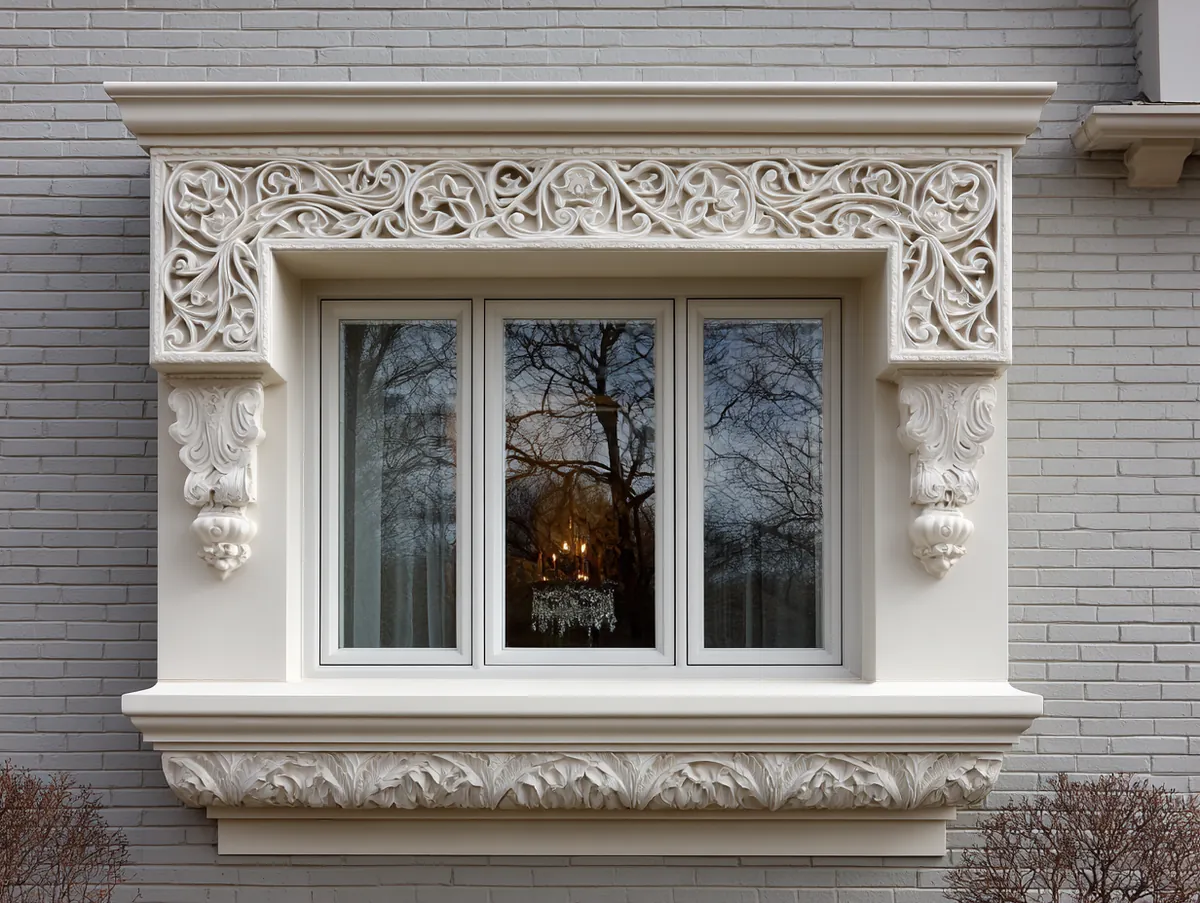
Window casing is the frame of moldings that surrounds a window and hides the gap between glass and wall. It usually includes a head casing across the top, side casings on each edge, and a sill or stool at the bottom. For broader design ideas, see our exterior casing ideas.
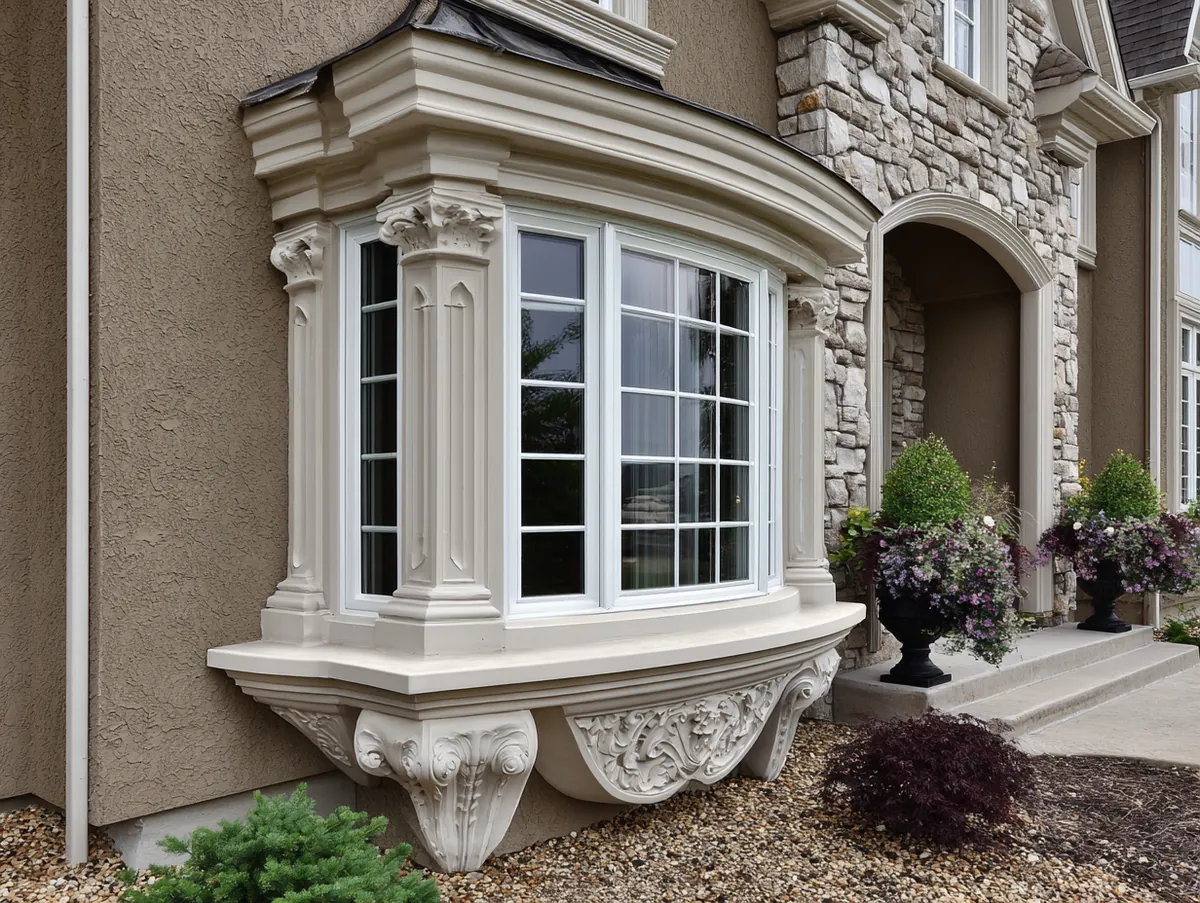
Foam window trim is a surround made from expanded polystyrene with an acrylic base coat, shaped into classical, flat, or ornamental profiles. It is designed for stucco facades, where heavier add-ons can crack the wall at attachment points. Our article on stucco foam window trim covers the profile choices in detail.

Casing vs trim head to head on look, cost, and upkeep
| Criteria | Window casing | Foam window trim |
|---|---|---|
| Style range | Traditional, craftsman, Victorian, and modern | Classical, flat modern, Mediterranean-inspired, and organic motifs |
| Best wall type | Almost any facade | Stucco facades |
| Weight | Varies with the material chosen | Lightweight, a fraction of precast concrete per foot |
| Rot and warp | Wood can rot and warp over time | Won’t rot or warp through freeze-thaw cycles |
| Repainting | Wood needs regular paint and sealing | No annual repainting needed |
| Installed cost | Varies widely with material and custom work | About $15 to $45 per linear foot installed |
| Install effort | Custom work usually calls for skilled craftsmen | Cut, glue, caulk, and paint over a weekend |
| Lifespan | Depends on material and care | 20–25 years with the acrylic coat intact |
Look is where casing pulls ahead. Its styles run from traditional and craftsman to Victorian and modern, and it can follow almost any house. Foam trim stays inside its lane, with profiles that suit symmetrical classical fronts or flat modern stucco.
Cost is harder to compare directly because casing price swings with material and custom work. Foam trim sits in a stated range of about $15 to $45 per linear foot installed, which makes budgeting simpler. Treat that as a starting point, since profile complexity drives the final number.
Upkeep is the clearest win for foam. It won’t rot or warp through freeze-thaw cycles, and it doesn’t need annual repainting. Wood casing needs regular paint and sealing to hold up over the years.
Where window casing wins
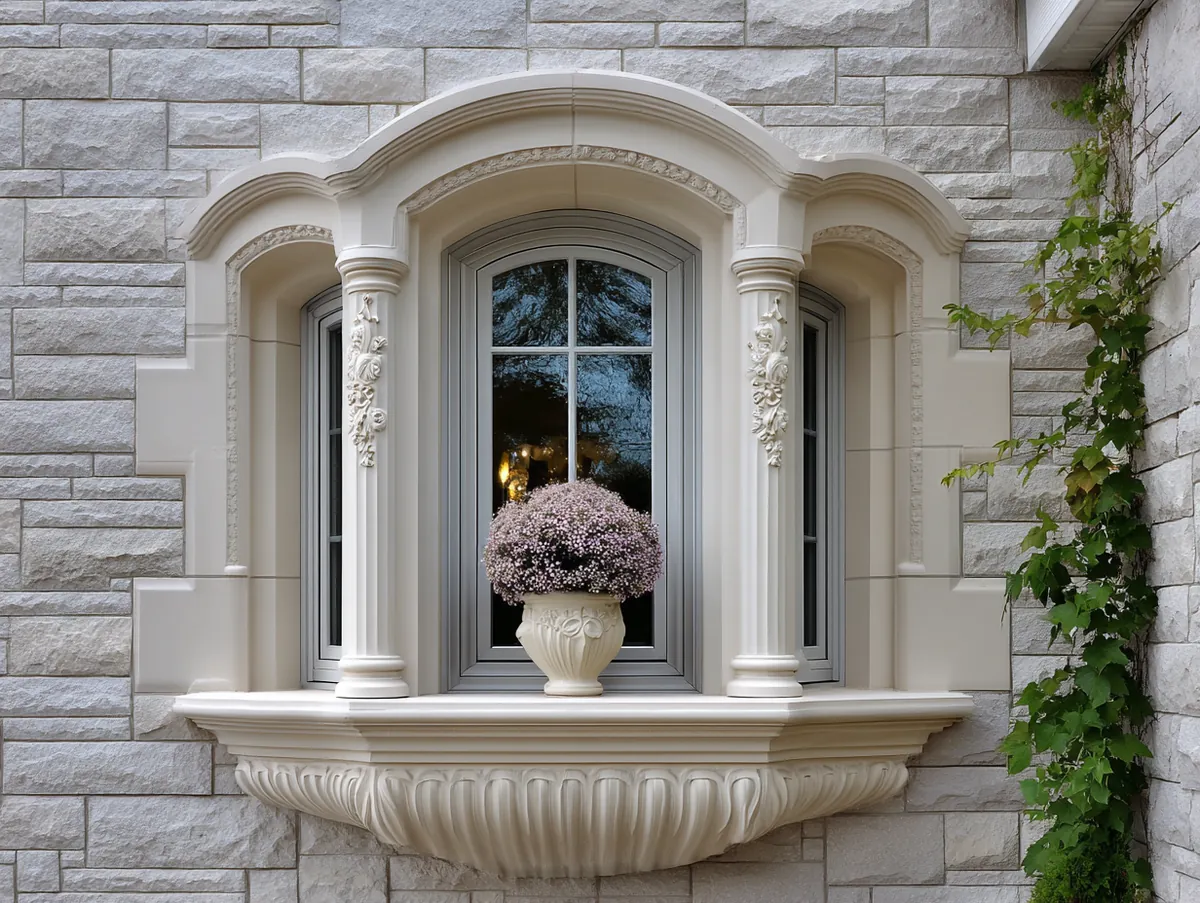
Window casing wins when design freedom matters most. Its traditional, craftsman, Victorian, and modern styles let you match almost any type of house. That range is hard to beat if your home has no stucco at all.
It also suits owners who want a surround built to their own drawings. Skilled craftsmen can shape a one-of-a-kind window surround that stock foam profiles rarely offer. You get a custom result rather than a catalog pick.
Casing is the better choice for a non-stucco facade, where foam simply isn’t the right material. Choose it when the look matters more than low upkeep.


Where foam window trim wins
Foam trim wins on stucco walls and on upkeep. Its lightweight build avoids the heavy add-on problem that can crack existing stucco systems within two seasons. That alone makes it the safer pick for many stucco houses.
It also installs with simple tools in a weekend, so the labor job is smaller. The cost is easier to predict using a per-foot range. Fewer surprises at the estimate stage is a real advantage.
Foam holds its look for roughly 20–25 years if the acrylic coat stays intact. Inspect the caulk lines every three years to catch small problems early. That routine is far lighter than repainting wood every few years.


The mistake of matching ornament to the wrong house
The biggest error is choosing an ornate profile without checking scale or house style. Picture a single-story asymmetrical ranch with keystone headers pasted over a narrow window. The keystone ends up bigger than the frame it is meant to accent.
Casing carries the same trap. A Victorian surround on a plain modern box reads as costume rather than architecture. The fix is to match the profile to the house’s era and symmetry before you order anything.
Check ceiling height for classical foam trim, and skip the keystone on narrow openings. Use a flat header band instead. That single habit helps avoid regrets in either material.

Final verdict on who should choose which
Choose window casing if your house is not stucco, or if design flexibility and custom craftsmanship rank above low upkeep. It is the broader tool, and you can pick a style that fits almost any home. Accept that wood needs regular care to look its best.
Choose foam window trim if your facade is stucco and you want a lightweight surround with a predictable cost and minimal repainting. Within its profile range it delivers well, as long as you match the scale to the house. For most stucco owners who value simplicity, foam is the easier decision.

FAQ
Is foam window trim cheaper than window casing?
Can I put foam window trim on a brick house?
How long does foam window trim last?
Does window casing need more maintenance than foam trim?
Can I install foam window trim myself?
Complete guide
Geometric Style Interior Design Ideas That Transform Every Room
Wallpaper, tiles, furniture, lighting, wall art, rugs — all in one place
Complete guide
Exterior Decor Ideas Every Homeowner Should Know
Facade trim, moldings, patio design, garden, hardscape, outdoor living — all in one place