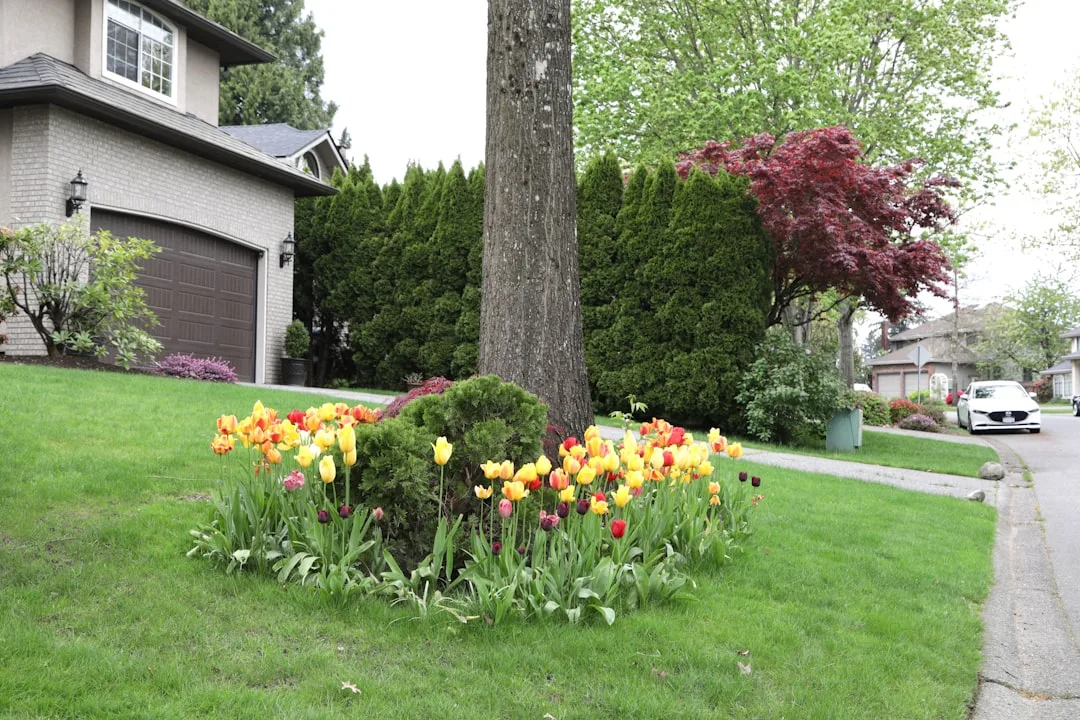
The front yard is no longer a stage for busy hedge rows and repetitive foundation plantings. In 2026, a single, architecturally striking specimen tree commands the entire composition—a deliberate shift away from the fussy, symmetrical approach that dominated 2015-2023. This trend reflects a deeper change: homeowners now value drama, seasonal performance, and structural year-round presence over the bland uniformity of dwarf conifers and boxwood borders. A well-placed specimen tree does the work of ten mediocre shrubs, reducing maintenance while increasing curb appeal and property value.
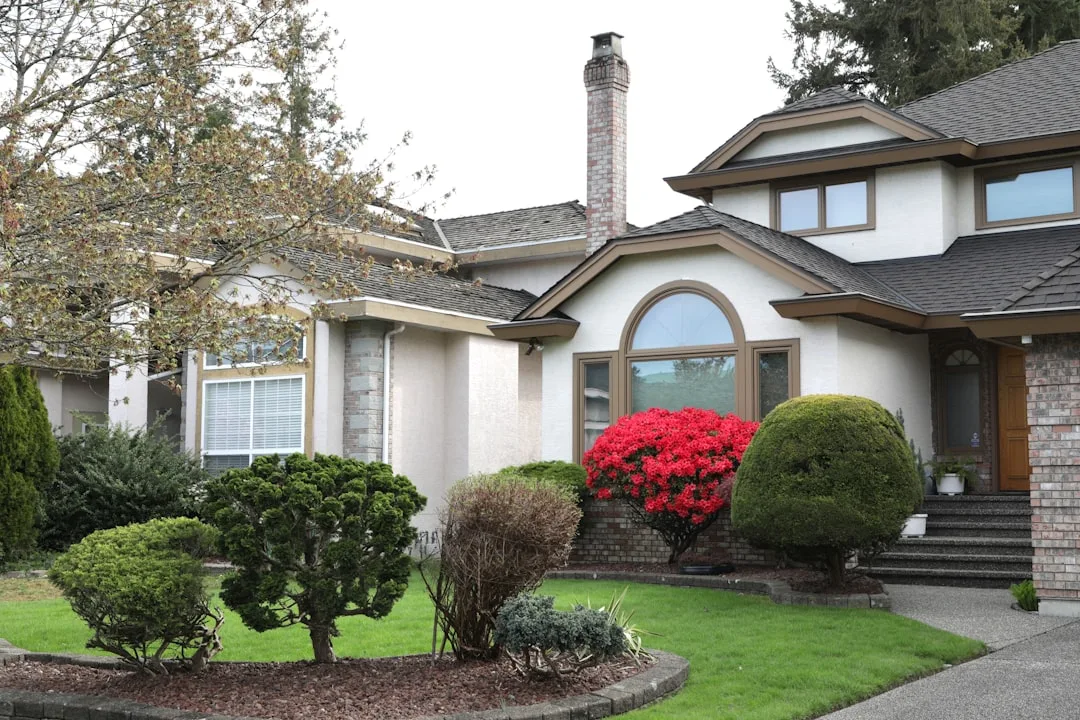
Why Specimen Trees Dominate Front Yard Design Now
The move toward specimen trees aligns with three forces reshaping residential exteriors. First, climate volatility has exposed the weakness of monoculture plantings—a row of uniform junipers or privets fails spectacularly under drought, pest pressure, or unexpected freeze cycles. A diverse specimen tree with proven resilience performs. Second, labor costs for hedge trimming and formal pruning have tripled since 2020; a mature tree pruned once annually costs far less than biannual hedge shearing. Third, Instagram and Pinterest have normalized maximalist, visually dominant focal points in gardens—the quiet, understated landscape no longer reads as sophisticated.
Specimen trees satisfy all three drivers simultaneously. A Japanese maple (Acer palmatum) or a multi-stemmed birch becomes the entry statement, reducing the need for filler plantings that require constant attention and replacement.
- Choose trees with year-round visual interest (bark, branching structure, seasonal color, or persistent fruit)
- Verify mature height and spread against your front setback—avoid trees that eventually block windows or sidewalks
- Source trees from climate-adapted regional nurseries, not big-box retailers, for disease resistance
- Plan irrigation for the first 3 years; mature trees become self-sufficient in most climates
- Install in early spring or fall to maximize establishment before stress seasons
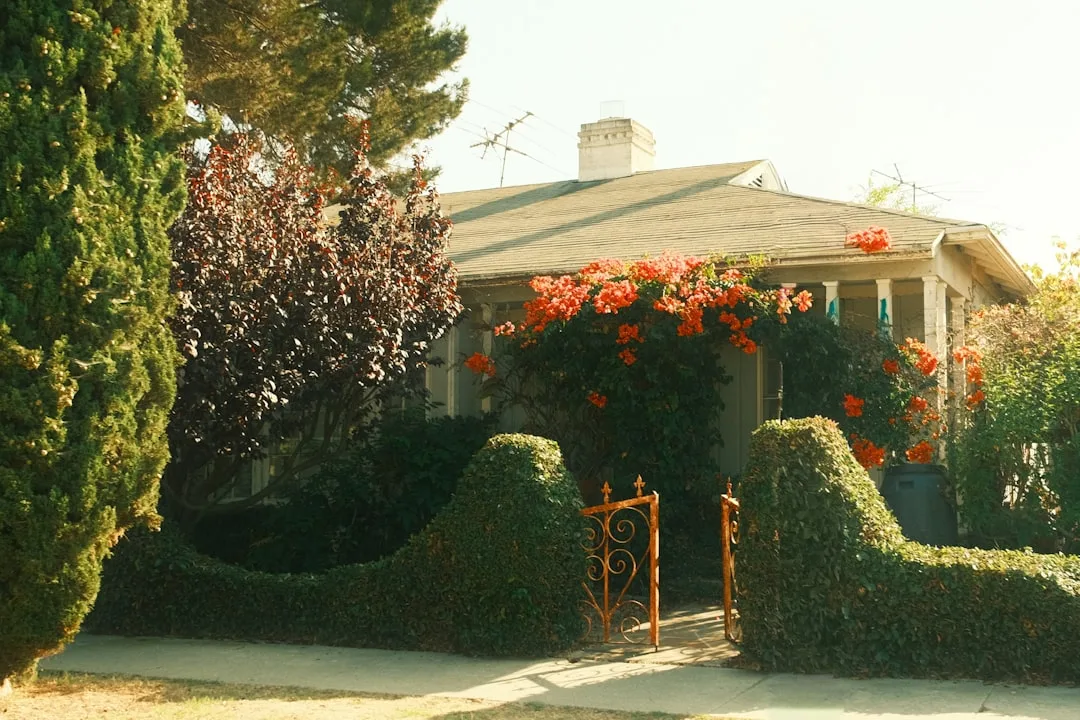
Three Specimen Trees Trending in 2026 Front Yards
Japanese Maple Varieties (Acer palmatum) remain the gold standard for specimen use. Trees like ‘Bloodgood’ and ‘Sango Kaku’ deliver fine texture, spring interest, and brilliant autumn color that lasts 8-10 weeks. A 10-12-foot specimen from specialty nurseries like Monrovia runs $180–$350, depending on form and maturity. This price reflects 7-10 years of nursery cultivation; big-box alternatives at $60–$90 are often single-stem, poorly branched, or diseased within two seasons. Over a 20-year landscape lifespan, the premium specimen saves money by eliminating replacements and disease management.
Multi-Stem Birch (Betula nigra ‘Heritage’) offers exfoliating bark that peels to reveal cream, tan, and bronze layers—a living sculpture in winter when deciduous interest peaks. The ‘Heritage’ cultivar resists bronze birch borer, a pest that decimates single-stem birches in warm climates. A 25-foot mature specimen costs $250–$400 from native plant nurseries and thrives from zones 4-9, making it regionally versatile in a way Japanese maples are not.
Crabapple (Malus sargentii or Malus ‘Prairifire’) delivers spring bloom (3-4 weeks of pink or white flowers), persistent fruit for autumn interest and winter wildlife food, and compact branching that frames rather than overwhelms. ‘Prairifire’ matures at 20 feet with deep red flowers and burgundy fruit; specimens cost $120–$220 and perform reliably in harsh midwestern and northern climates where other specimens struggle.
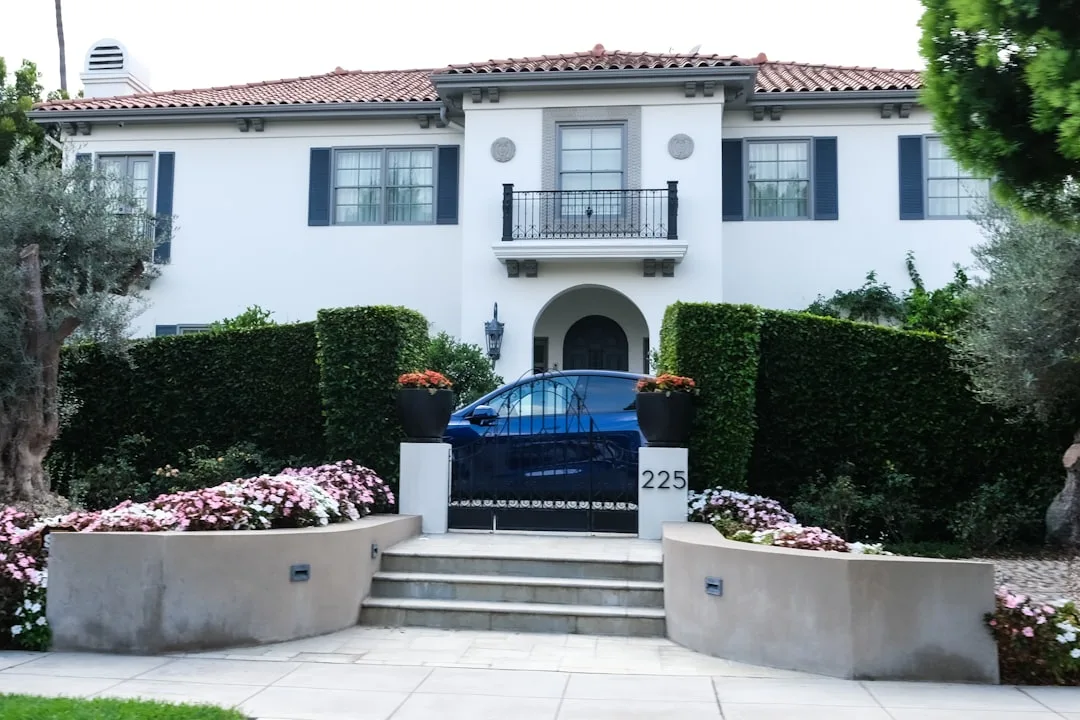
How Installation and Site Prep Determine Success or Failure
The #1 way front yard specimen trees fail is poor siting and shallow planting. A $300 Japanese maple planted in full sun (when it needs dappled afternoon shade), in compacted clay (without amendment), or with the root collar buried 4 inches deep will decline within 2-3 years, yellowing and producing sparse foliage before dying. The homeowner blames the tree; the tree was never positioned to survive the microclimate. Avoid this by commissioning a soil test ($40–$80) and spending 30 minutes observing light patterns across your front yard before selecting a specimen.
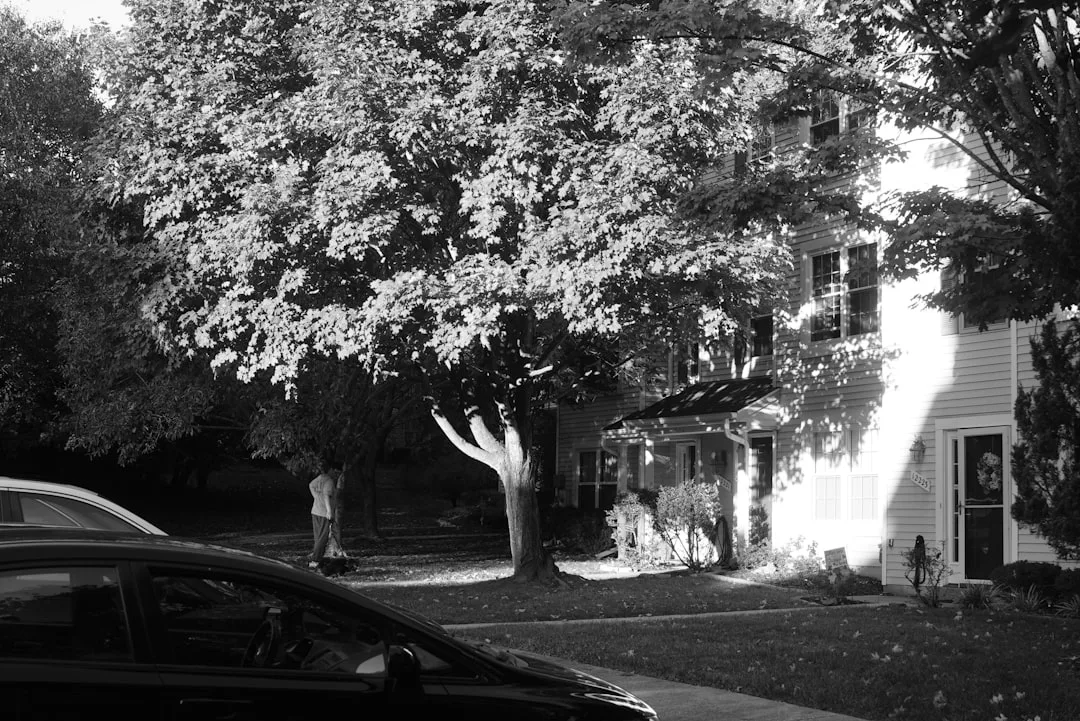
Complete guide
Exterior Decor Ideas Every Homeowner Should Know
Facade trim, moldings, patio design, garden, hardscape, outdoor living — all in one place