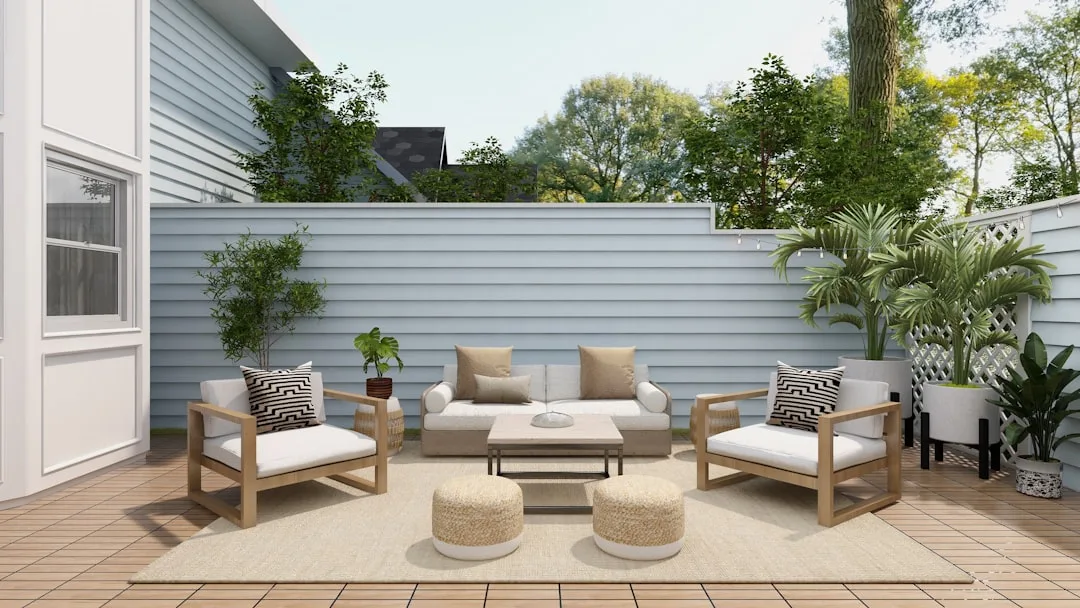
The backyard sofa that once stayed locked in position for five years is now a relic. In June 2026, modular outdoor seating has become the definitive trend because homeowners demand flexibility—the ability to reconfigure their patio for a dinner party, then shrink it back for intimate mornings with coffee. This shift reflects a broader cultural movement toward spaces that adapt rather than dictate.
Why Modular Design Dominates Outdoor Living Right Now
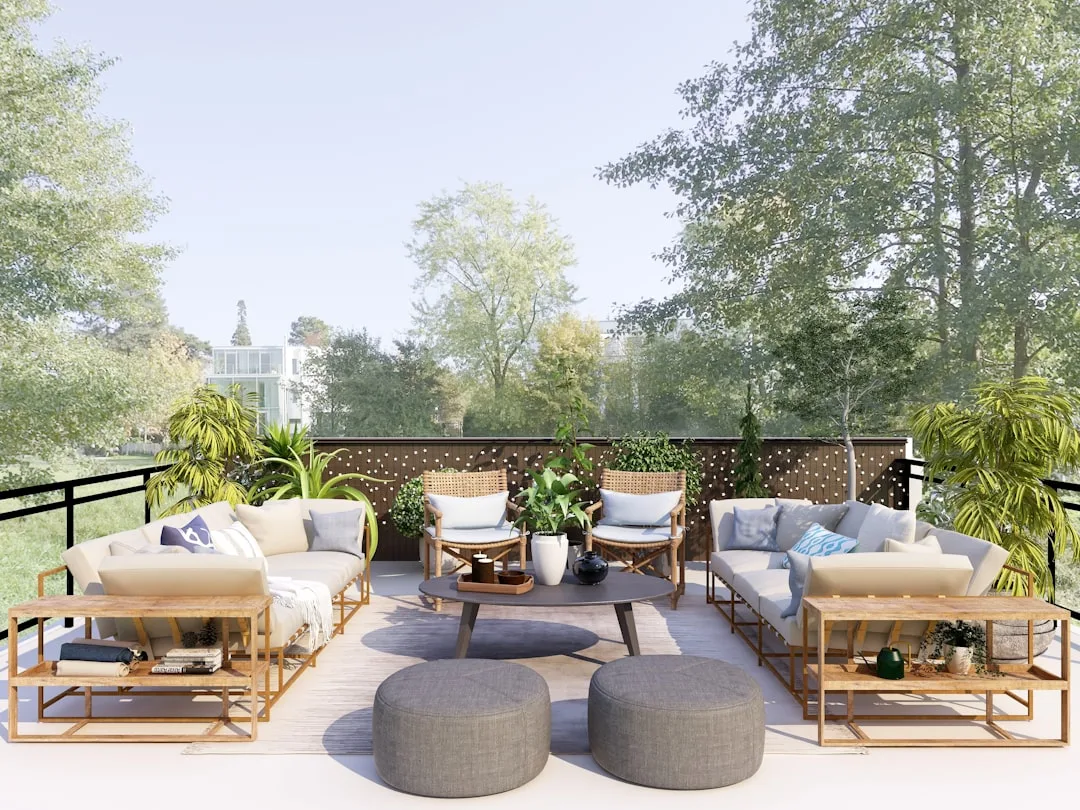
Three forces converge to explain modular outdoor seating’s explosive growth. First, remote work normalized flexible home spaces; second, rental and multi-use patios became mainstream; third, younger homeowners reject permanent layouts. Modular pieces transform yards into living systems rather than static showrooms.
The Restoration Hardware Cloud Modular Sectional ($2,495–$5,840 depending on configuration) exemplifies this trend. Each piece—armless center, corner, chaise, ottoman—clips together magnetically and unscrews in under two minutes, replacing the old paradigm where sectional purchase meant a decade-long commitment to one arrangement. Within five years, you’ll have reconfigured it 15+ times instead of tolerating a single layout because you invested too heavily to change it.
West Elm’s Tillary Outdoor Modular Sofa ($999 three-piece starting base, $300–$450 per add-on module) proves modularity isn’t luxury-only territory. This mid-range option reaches homeowners with $50,000–$150,000 patios who want Scandinavian minimalism without the four-figure commitment per piece.
- Start with a neutral-colored base (gray, beige, charcoal) — you’ll swap cushions twice yearly, so the frame shouldn’t compete
- Measure your patio’s widest usable zone before purchasing; modular only works if you have 14+ feet of linear space to play with
- Buy from brands offering individual cushion replacement ($80–$200 each) — weather destroys covers faster than frames
- Test the connection mechanism: magnets beat bolts for real-world rearrangement speed
The Fatal Flaw Most Buyers Ignore Until Too Late
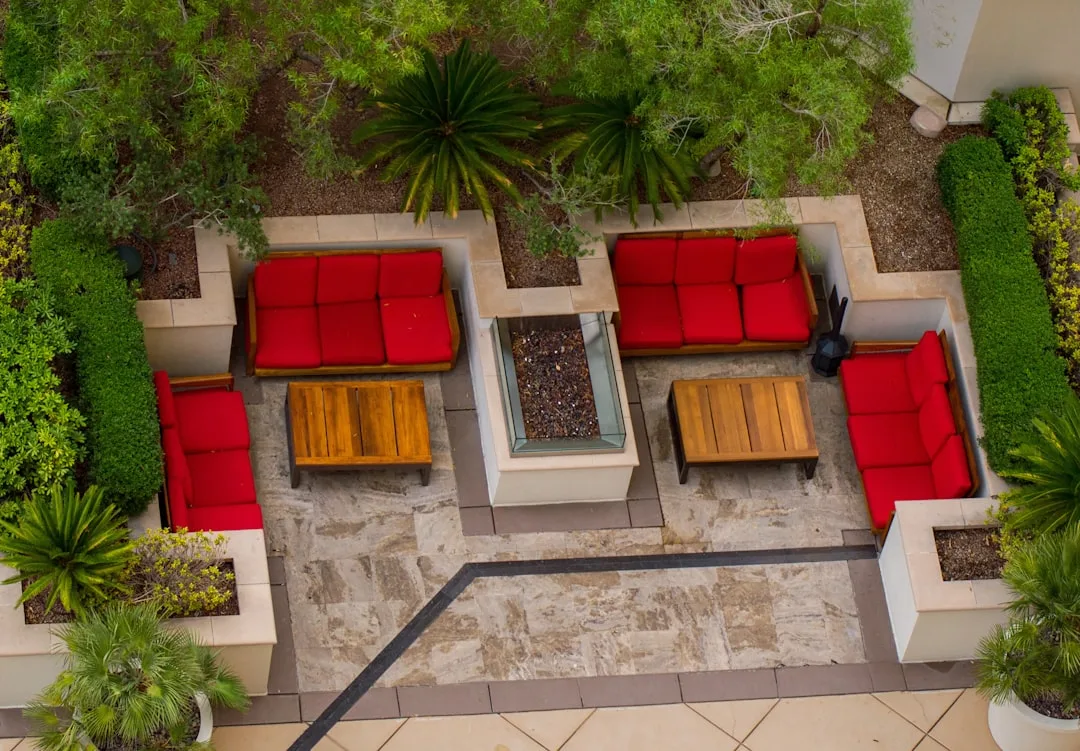
Modularity sounds perfect until you discover connection failure. The Polywood EDGE system ($1,200–$3,400 depending on configuration) uses friction-fit joints that loosen after 40–50 rearrangements in harsh sun and moisture. By year two, that $2,800 setup rattles when guests sit down, defeating the entire flexibility premise because you’re too exhausted to tighten bolts before every gathering.
Magnetic connectors solve this problem. Restoration Hardware’s Cloud pieces use engineered magnets rated for 10+ years without degradation. Expect tightness loss on budget models ($699–$1,200 range) within 18 months if you reconfigure monthly; premium systems ($2,500+) hold tension for 5–7 years of heavy use.
Never prioritize price over connection durability. A $999 modular sofa that becomes immobile after two seasons costs more than a $2,495 system you’ll actually reconfigure because it stays solid. Over five years, the cheaper choice wastes $1,500 in replacement expense plus the psychological weight of owning broken furniture.
Reconfiguration Patterns Define 2026 Patio Life
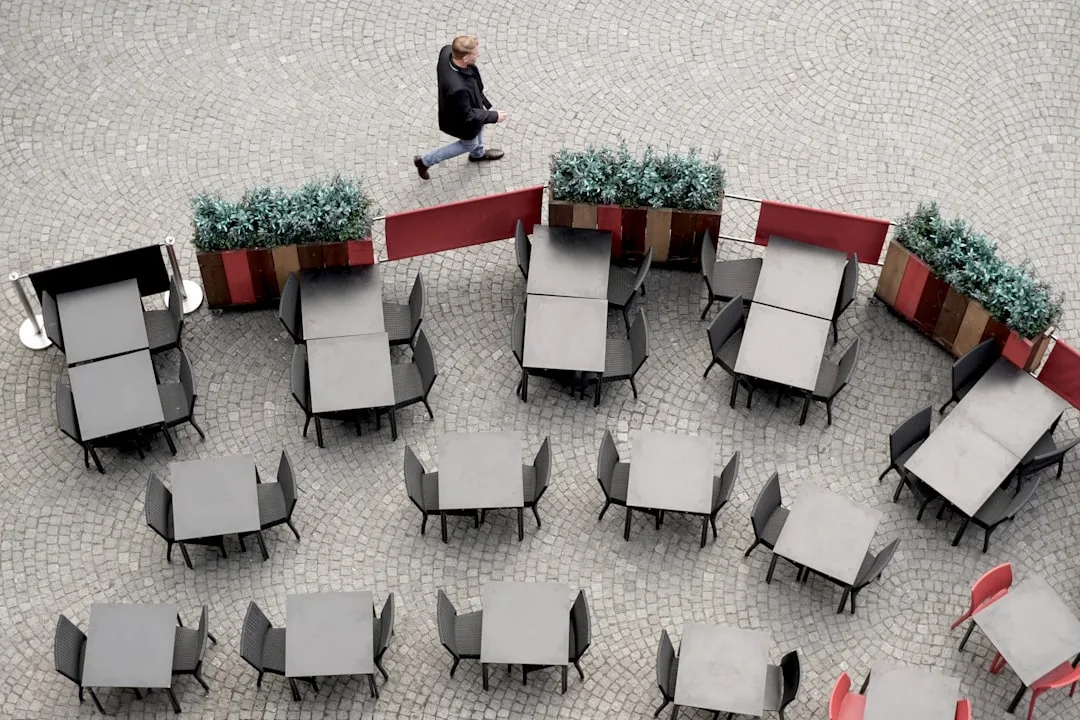
Homeowners now plan patios around three seasonal configurations. Summer entertainment mode clusters seating around a fire table or outdoor kitchen, requiring 8–10 linear feet of sofa. Article’s Sven Modular ($699–$1,599) lets you pop off a chaise and two side pieces, shrinking your footprint by 40% within five minutes.
Spring and fall shift to intimate conversation U-shapes; winter in mild climates (California, Florida, Arizona) means loosening cushions and rotating pieces toward heat sources. The modularity trend exists because static furniture destroys this adaptive rhythm. A traditional sectional locks you into one seasonal identity.
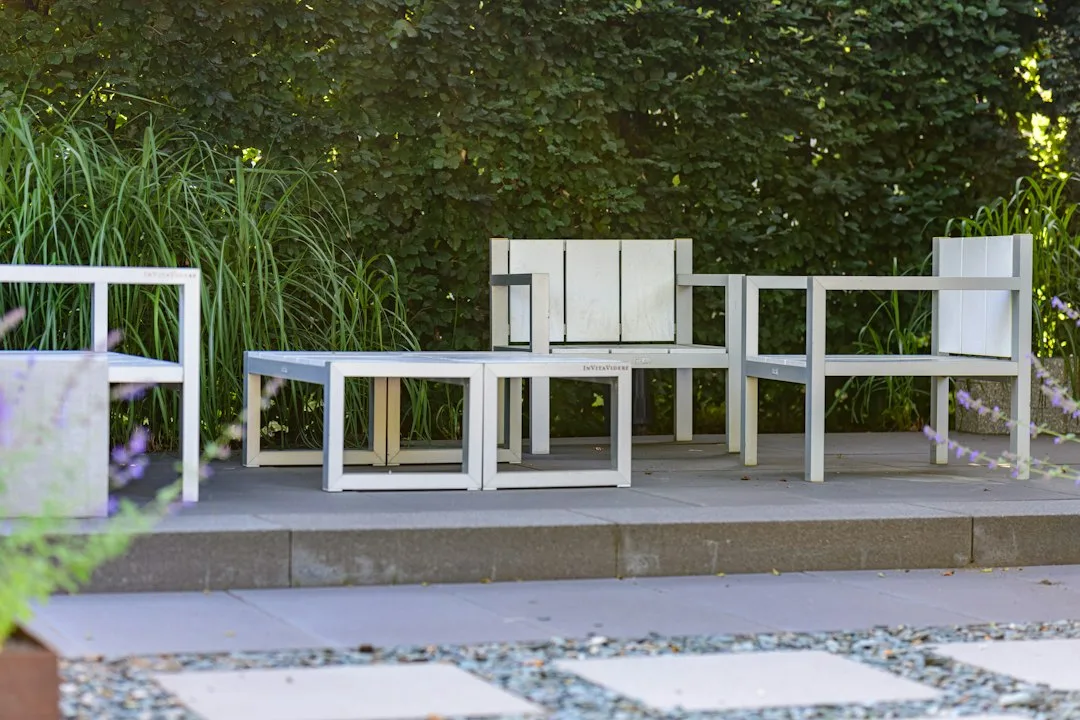
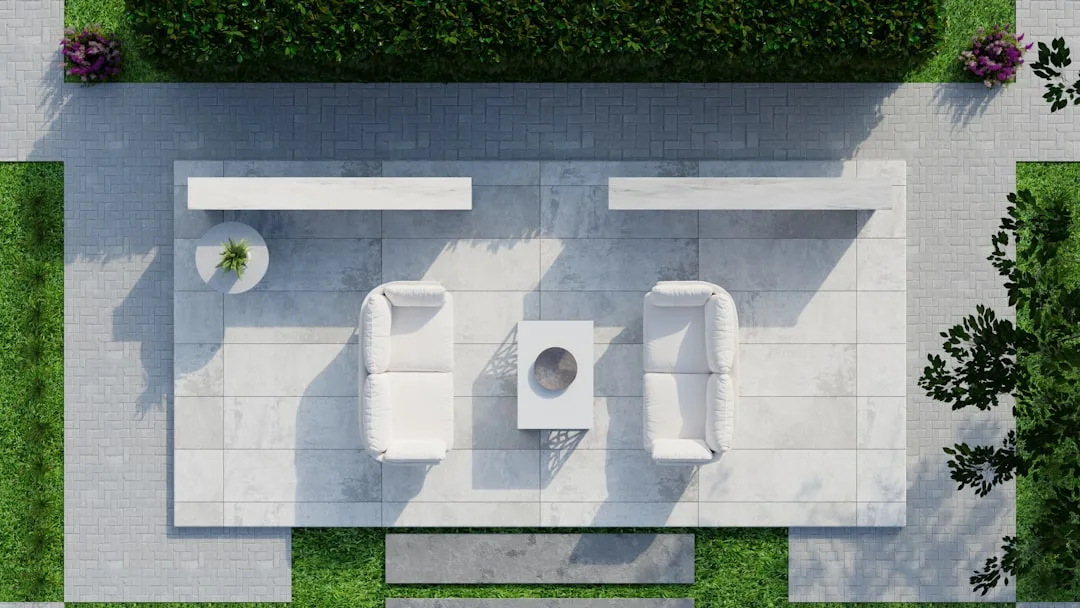
Kettal Code’s minimalist aesthetic ($3,200–$6,500) targets design-forward patios where the frame itself becomes the statement. Paired with a patio connected to a modern single-story layout, these pieces anchor outdoor rooms rather than clutter them, proving modularity and minimalism reinforce each other in 2026.
Material and Weather Performance in Coastal and Urban Zones
Salt air and intense sun demand specific modular frame materials. Polywood EDGE ($1,200–$3,400) uses recycled plastic lumber that never rots, splinters, or requires sealing—a $300–$400 annual maintenance advantage over teak or cedar frames that demand seasonal oils. Over 10 years, that saves $3,000–$4,000 in protective products and labor.
Aluminum frames (West Elm Tillary, $999–$2,200) weigh 40% less than wood, matter for renters and anyone who reconfigures monthly. They conduct heat, though—cushions stay wet longer after rain because air circulation reduces around metal than wood frames. Cushion replacement budgets should reflect this: plan $150–$250 annually for sun-exposed modular systems.
Fabric choice locks you into a maintenance philosophy. Sunbrella solution-dyed acrylic ($80–$150 per cushion cover) fades less than polyester under UV, extending visual life to 5–7 years versus 3–4. Performance fabrics also dry 30% faster after storms, critical for humid courtyard patios where moisture traps between pieces.
Assembly and Long-Term Ownership Economics
Magazine spreads never show the assembly phase. Restoration Hardware Cloud ships components that require 3–4 hours to position and connect; West Elm Tillary cuts this to 90 minutes with pre-attached legs and labeled connectors. Polywood EDGE averages two hours for a five-piece configuration, plus 30 minutes every six months to check bolt tension.
Labor costs matter. Professional assembly runs $200–$400 for larger setups, making a $1,200 modular sofa actually cost $1,400–$1,600 installed. Budget this before committing. DIY assembly on Kettal Code ($3,200–$6,500) demands technical confidence; one misaligned connector stresses the entire system, creating wobble you’ll feel every time guests lean back.
Resale value protects modular investments. A five-year-old West Elm Tillary retains 45–55% of original cost on Facebook Marketplace or Craigslist because buyers know frame quality and can add new cushions. Traditional sectionals drop to 20–30%, making modularity a hedge against furniture obsolescence.
Complete guide
Furniture Decor Ideas for Every Room in Your Home
Living room, bedroom, dining, kitchen, outdoor — all in one place
Complete guide
The Minimalist Style Guide That Covers Every Room, Surface and Outfit
Interiors, exteriors, kitchens, bedrooms, fashion, hair — all in one place
Complete guide
Patio and Yard Ideas That Turn Any Backyard Into a Living Room Outside
Flooring, furniture, shade, pools, kitchens, fire pits, courtyards — all in one place