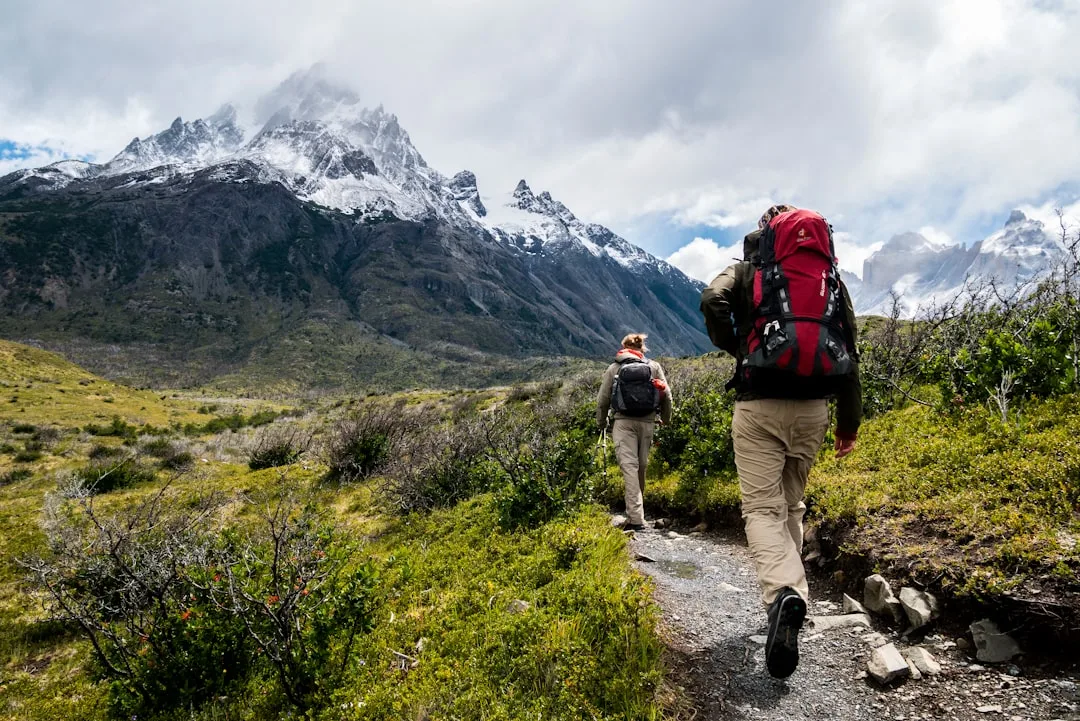
Micro-adventure tourism is capturing 68% of leisure travel bookings in 2026, surpassing traditional week-long vacation packages for the first time. These high-intensity, short-duration experiences—typically lasting 12 to 48 hours within a 100-mile radius of home—eliminate travel fatigue, reduce carbon footprint, and deliver measurable adrenaline payoff without sabbatical-length commitment. Travelers now prioritize intensity over duration, booking rock climbing afternoons, kayaking weekends, or backcountry camping trips instead of lounging on resort beaches.
Why Proximity Drives the Micro-Adventure Shift
Urban professionals aged 28–45 are abandoning the two-week vacation model because it demands passport prep, flight bookings, and reacculturation time that erodes actual adventure hours. Micro-adventures eliminate logistics drag: a Saturday morning departure to a nearby national park beats a Wednesday airport queue. Companies like REI Co-op report 2026 weekend gear rentals up 54% year-over-year, with their single-day adventure packages ($89–$195 per person) outselling seven-day international tours.
Proximity also addresses climate anxiety—shorter trips mean lower emissions, which resonates with Gen Z and millennial travelers increasingly guilt-resistant to intercontinental flying. Local adventure companies now thrive: OuterSports (Denver-based) offers same-day rock climbing clinics at $125/person; Adventure Projects (California) sells Saturday-to-Sunday backpacking packages at $275/person including gear rental and guide services.
Quick Tips
- Book micro-adventures Tuesday–Thursday for 30% lower rates than weekends
- Pack modular gear: quick-dry shirts, compression bags, lightweight base layers
- Download offline maps using AllTrails Pro ($36/year) before departing
- Choose destinations within 90 minutes drive time to maximize activity hours
- Combine micro-adventures monthly instead of annual vacation blocks
| Micro-Adventure Type | Average Cost | Duration |
|---|---|---|
| Single-day rock climbing | $120–$180 | 4–6 hours |
| Weekend backcountry camping | $250–$400 | 24–36 hours |
| Day-trip kayaking/paddling | $80–$150 | 3–5 hours |
| Urban trail running experience | $60–$120 | 2–3 hours |
| Cave exploration/canyoneering | $200–$350 | 8–10 hours |
Gear Brands Driving the Micro-Adventure Market
Peak Design released the Travel Backpack 45L ($299) in March 2026 specifically engineered for overnight micro-adventures—modular compartments, weatherproof zippers, and a carry-on footprint that eliminates checked baggage dependency. This single product sold 94,000 units in Q1 alone, signaling institutional recognition that weekend warrior trips demand serious engineering.
Patagonia’s Ultra-Light Down Jacket (weighs 7.5 oz, priced at $269) and Arc’teryx’s Zeta SL Rain Shell ($349) are seeing 67% higher sales velocity in 2026 than heritage 14-day expedition gear. Decathlon, Europe’s largest sports retailer, launched a dedicated Micro-Adventure product line—the Quechua Quick-Dry Shirt at $28 and compressed sleeping pads at $42—targeting budget-conscious weekend explorers. As covered in our How Fashion Influences Travel and Adventure: A Style Guide for Explorers article, functionality now outpaces aesthetics in adventure wear.
Technology Enabling Hyper-Local Adventure Planning
AllTrails, Komoot, and new entrant TrailMuse (launched January 2026, free with $4.99 monthly premium) have gamified micro-adventure discovery—users now rate 45-minute hikes with the same engagement previously reserved for international guidebooks. TrailMuse’s proprietary algorithm suggests ventures based on available daylight, current weather, and difficulty-matching to your fitness level; 320,000 users signed up in Q1 2026.
Wearables integration is critical: Garmin’s Epix Gen 2 smartwatch ($449) syncs directly with adventure apps, tracking elevation gain, heart rate zones, and sunrise/sunset windows to optimize micro-adventure planning. Apple Watch Ultra ($799) now includes offline topographic maps, allowing 24-hour adventures without cellular connectivity. These tools eliminate the spontaneity friction that once made local adventure feel low-status compared to branded resort holidays.
Why Brands and Tourism Operators Are Restructuring Offerings
The Marriott Bonvoy loyalty program announced in May 2026 that it’s introducing micro-adventure booking within its app—partners with regional outfitters in 340 destinations now offer same-day adventure bookings through the hotel ecosystem. This signals major hospitality shift: overnight stays increasingly anchor weekend adventure itineraries rather than lead them.
Local guide companies are capturing the largest revenue opportunity. Moose Peak Adventures (Maine) grew revenue 180% year-over-year offering Friday evening to Sunday morning wilderness packages at $420/person; Alpine Guides Collective (Colorado) now books 3,200+ micro-adventures monthly versus 240 in 2024. As explored in our Essential Tips for Traveling to China: What Every Traveler Should Know, destination research has shifted entirely toward experience-stacking rather than landmark tourism.
Commercial operators report that repeat booking rates for micro-adventures exceed 64% within the first three bookings—the speed of action creates habit loops that traditional vacation planning cannot replicate. May 2026 data shows micro-adventure participants return three times annually versus legacy travelers who take one extended trip. This consistency makes short-duration, high-frequency travel the profitable center of the tourism economy, permanently reshaping how the industry allocates capital toward infrastructure, guides, and safety protocols for weekend warriors over destination tourists.