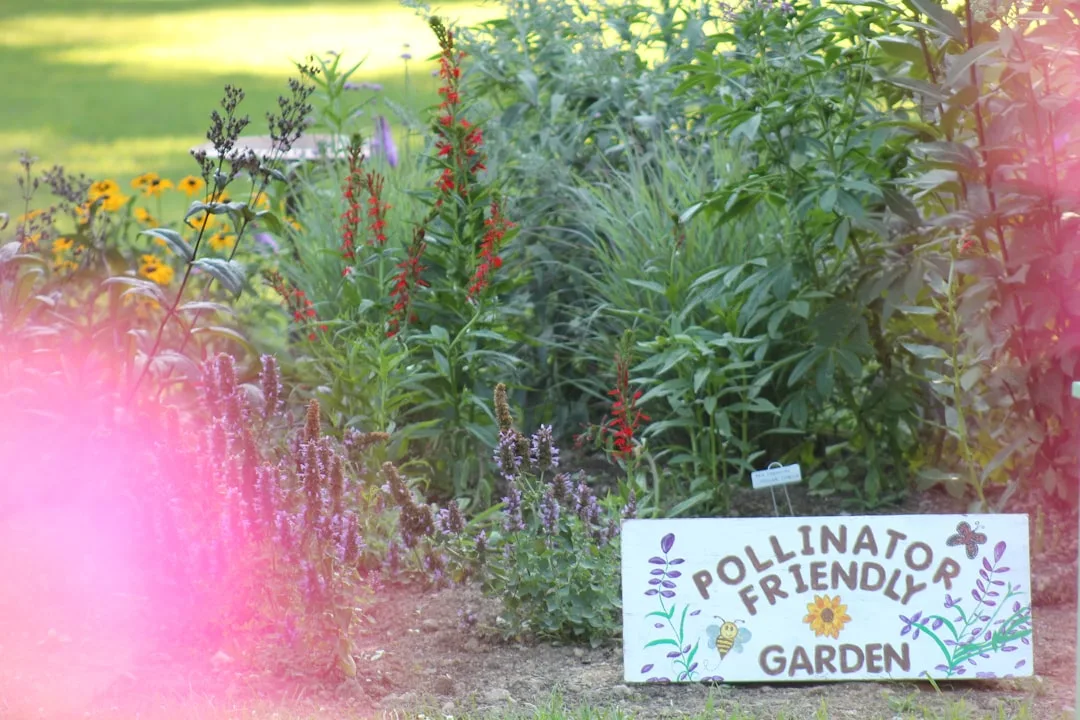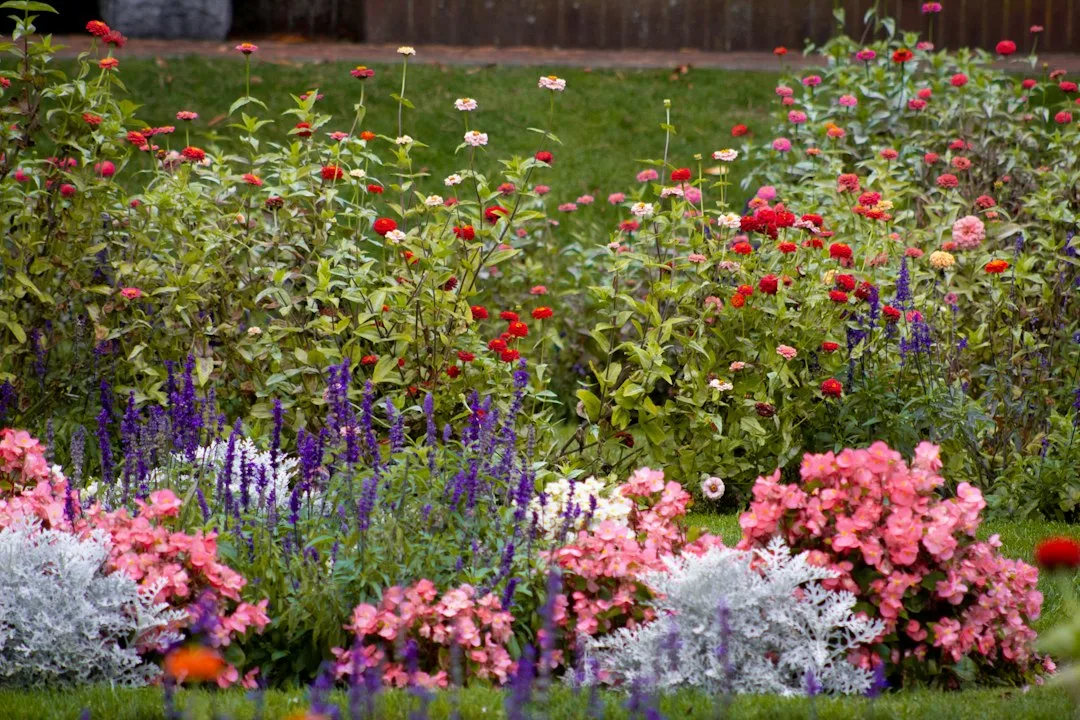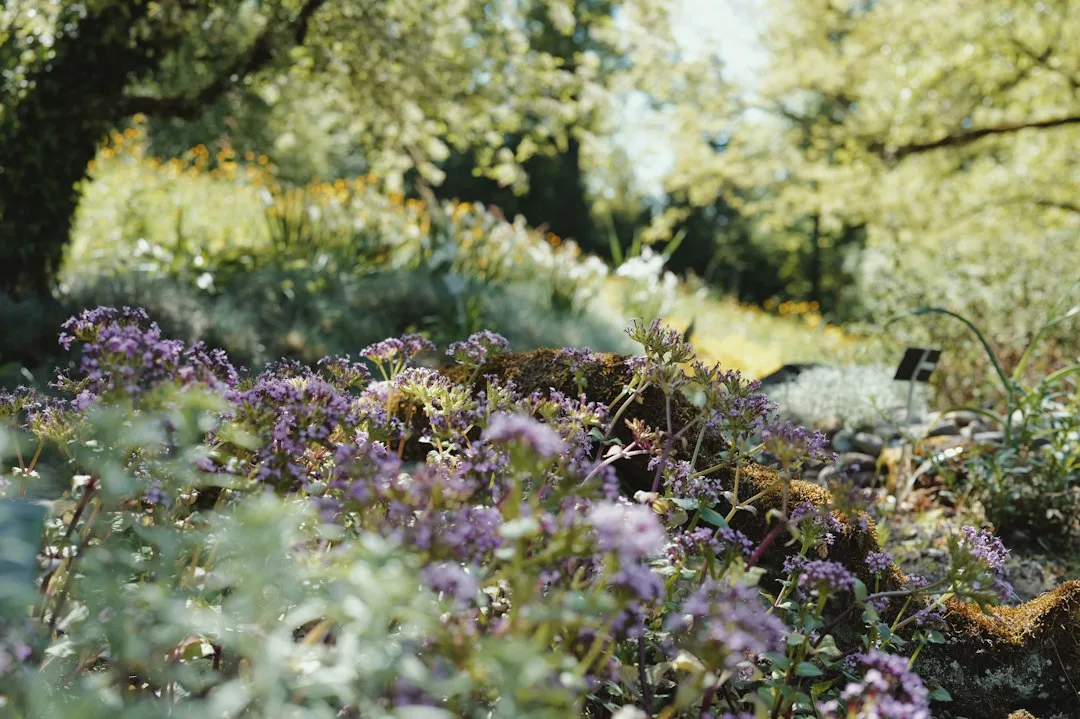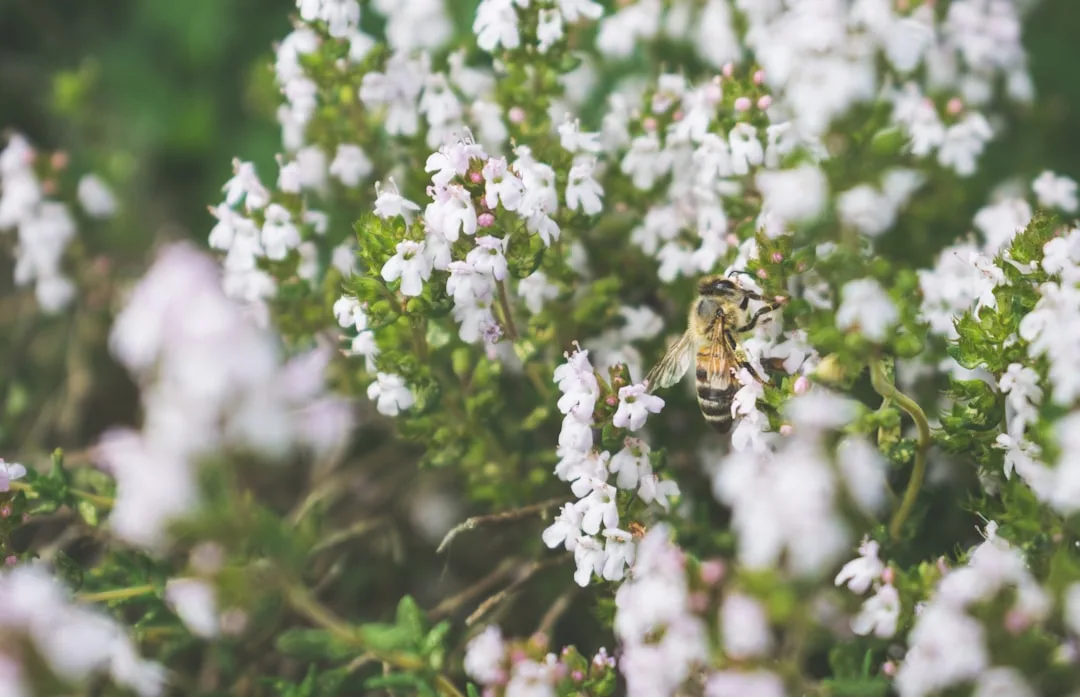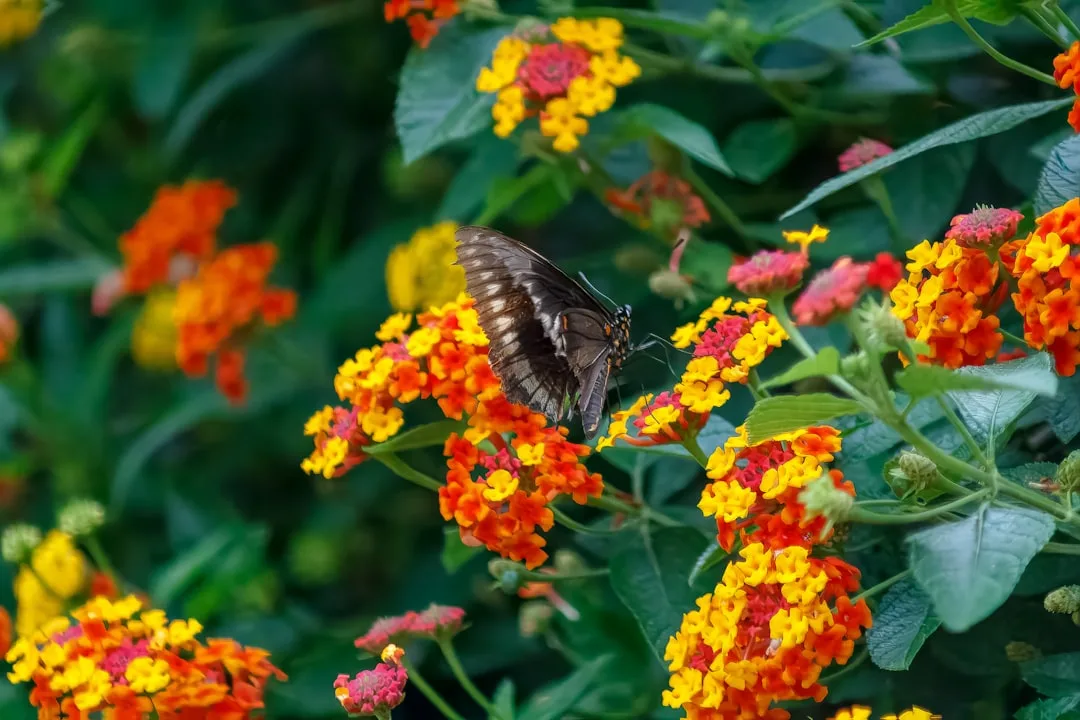
Your manicured lawn sits empty. No wings. No movement. No life beyond the grass itself—and that’s the design failure reshaping American gardens in 2026. While neighbors still invest in weed-free beds and uniform sod, a measurable shift toward pollinator garden design is reframing what residential landscaping actually does. This isn’t garden styling. It’s ecological renovation, and it works.
Pollinator gardens have moved from niche permaculture practice into mainstream residential design for one core reason: measurable impact on butterfly, bee, and hummingbird populations within 30 days of planting native species. The USDA reported in 2025 that monarch butterfly populations increased 18% in regions where native milkweed replaced lawn. This year, garden designers and homeowners are treating pollinator habitat not as a side project but as the primary function of outdoor space.
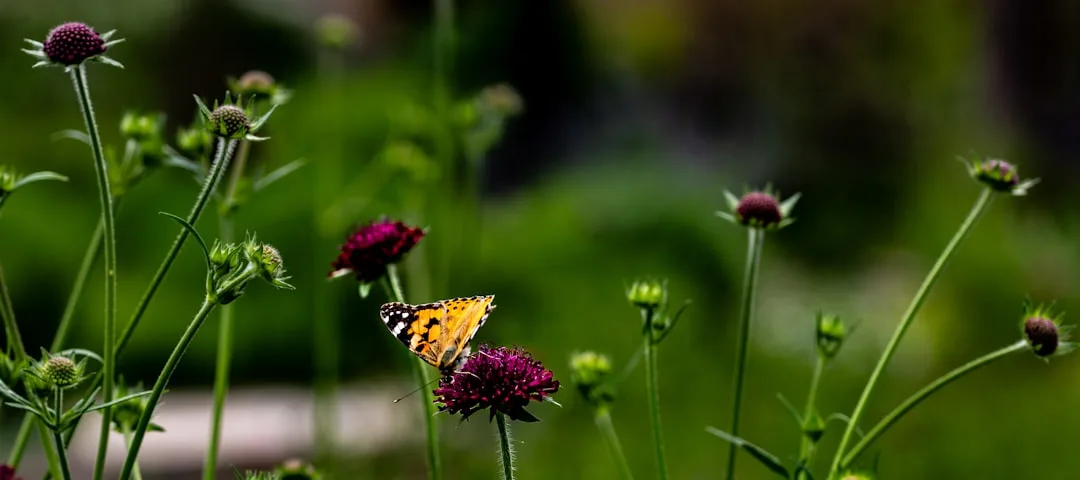
Native Milkweed and Monarch Habitat Anchor the Trend
Asclepias incarnata (swamp milkweed) is the 2026 centerpiece of pollinator garden design—not because it looks ornamental, but because monarch butterfly caterpillars eat nothing else. One mature plant $12–18 from Proven Winners supports 40+ caterpillars per season. That’s a measurable output replacing zero from turf grass.
Asclepias syriaca (common milkweed) spreads aggressively and costs under $8 per plant from most native nurseries—a fraction of the annual fertilizer and mowing budget for conventional lawns. Homeowners planting 8–12 milkweed specimens report monarch visits within 6 weeks during migration season. The trade-off: milkweed doesn’t stay confined. It colonizes. But that’s the point.
Showy milkweed (Asclepias speciosa) thrives in western pollinator gardens, with pink-orange clusters attracting butterflies and hummingbirds simultaneously. Cost runs $10–15 per plant from regional native plant nurseries. Over a 5-year lifecycle, one milkweed plant produces 200+ seeds and hosts generations of pollinators—compared to zero ecological function from perennial ornamentals.
- Plant in full sun (6+ hours) for maximum butterfly visitation
- Space 18–24 inches apart to allow mature spread
- Let seed pods dry on plant through fall—don’t deadhead
- Water weekly first month, then establish drought tolerance
- Expect bare-ground appearance year one; full canopy year two
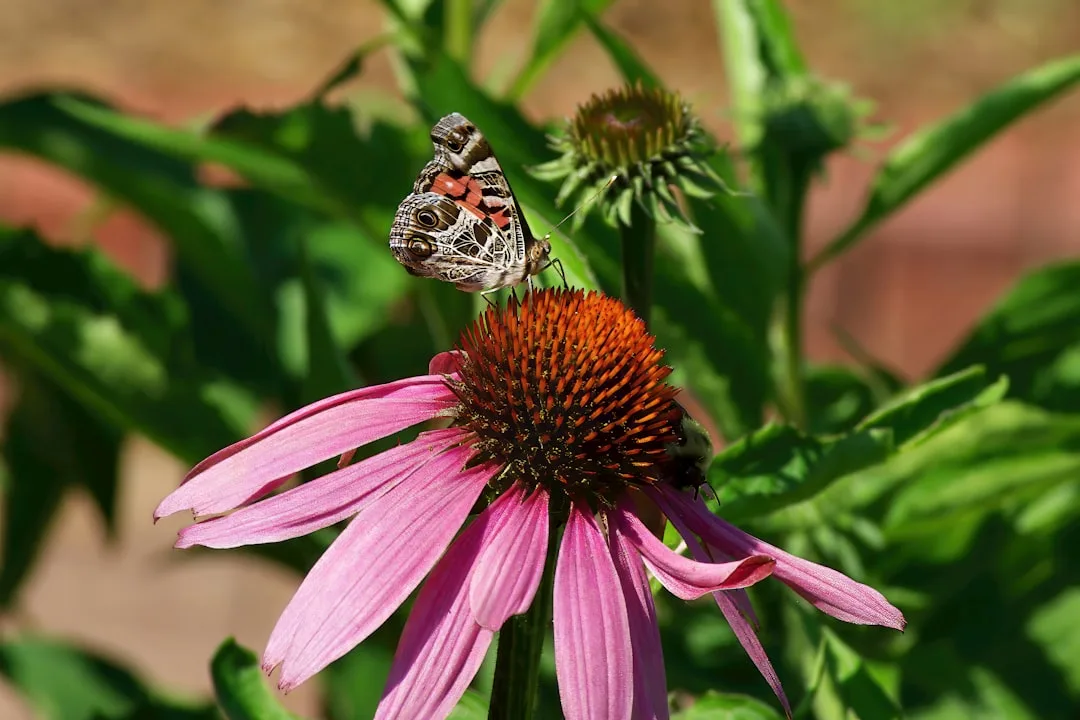
Companion Native Flowers Extend Nectar Seasons
Echinacea purpurea (purple coneflower) flowers June through October and costs $4–7 per plug from Monarda Nursery or local suppliers. One plant produces 200+ flower heads annually, each attracting 8–12 individual pollinators per day at peak bloom. Compare that to ornamental coreopsis, which provides ornamental color but minimal nectar production.
Rudbeckia (black-eyed Susan) self-seeds aggressively and costs $3–6 per plant; it’s the economic workhorse of pollinator gardens. A 4×8-foot bed ($48–96 in plants) generates continuous bloom and attracts swallowtail butterflies, native bees, and goldfinches eating seeds in late season. The failure mode: planting too densely or in shade, where bloom stops and powdery mildew begins.
Liatris (blazing star) delivers vertical spikes in July–August and costs $5–9 per plant. Unlike traditional perennials selected purely for color, Liatris attracts specific bee species—sweat bees, mining bees, and bumble bees simultaneously. Plant 6–8 plants in drifts rather than scattered singletons; density triggers stronger pollinator attraction.
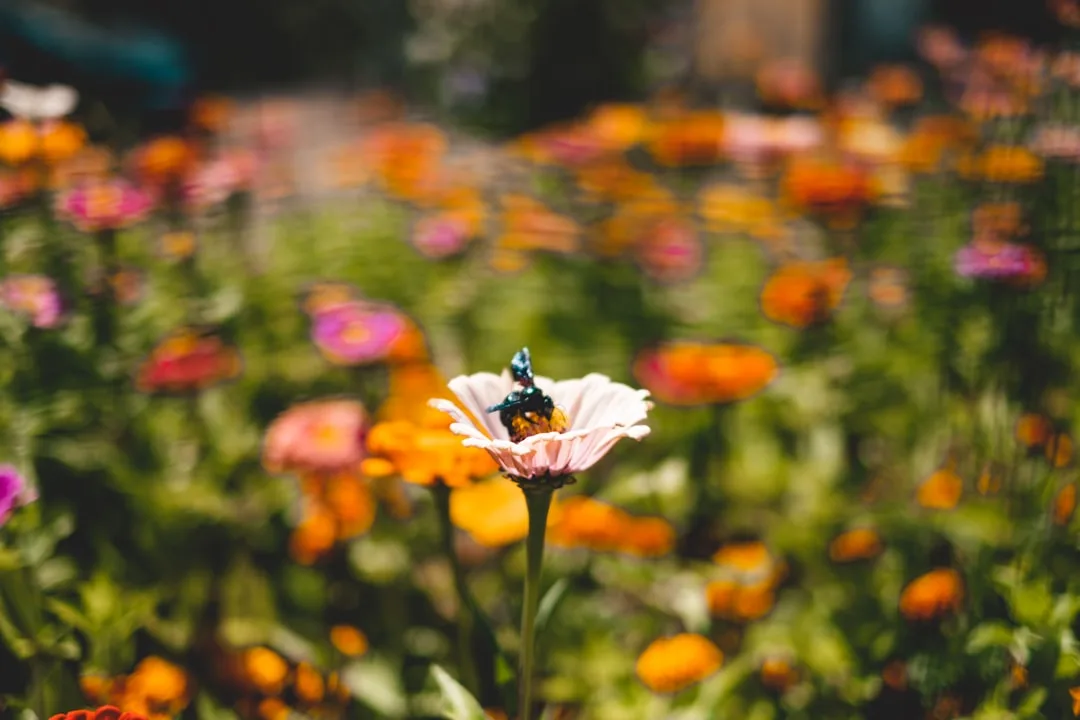
Design Structure Replaces Lawn with Pollinator-First Layouts
Pollinator garden design in 2026 prioritizes continuous bloom and layered planting over visual symmetry. The biggest shift: front lawns now use the framework from 13+ Cool Vertical Wall Gardening Design Ideas to stack multiple bloom seasons vertically, using flowering shrubs (2–4 feet), mid-layer perennials (1.5–2.5 feet), and groundcover (under 12 inches).
Spacing follows ecological density, not aesthetic rhythm. Instead of placing 3 plants per 10-foot bed, designers now use 8–12 plants in drifts. Cost increases 40% upfront ($600–900 per bed vs. $400–600 for conventional perennial borders) but eliminates annual deadheading, fertilizing, and weed pressure. That’s $120–200 saved annually in maintenance after year one.
Pathways now use gravel or stepping stones rather than continuous sod. This preserves bloom space. A 100-square-foot pollinator garden produces more ecological output than a 200-square-foot lawn, making efficient land use the priority. See 7+ Modern Garden Ideas In A Narrow Courtyard for compact layouts that maximize bloom density.