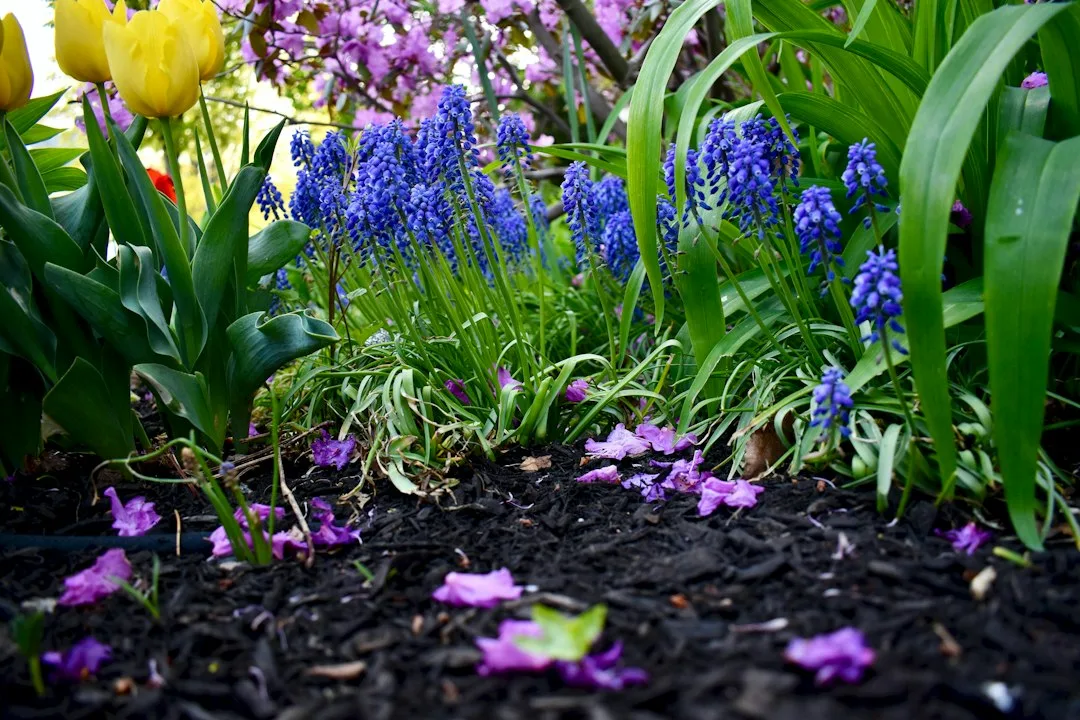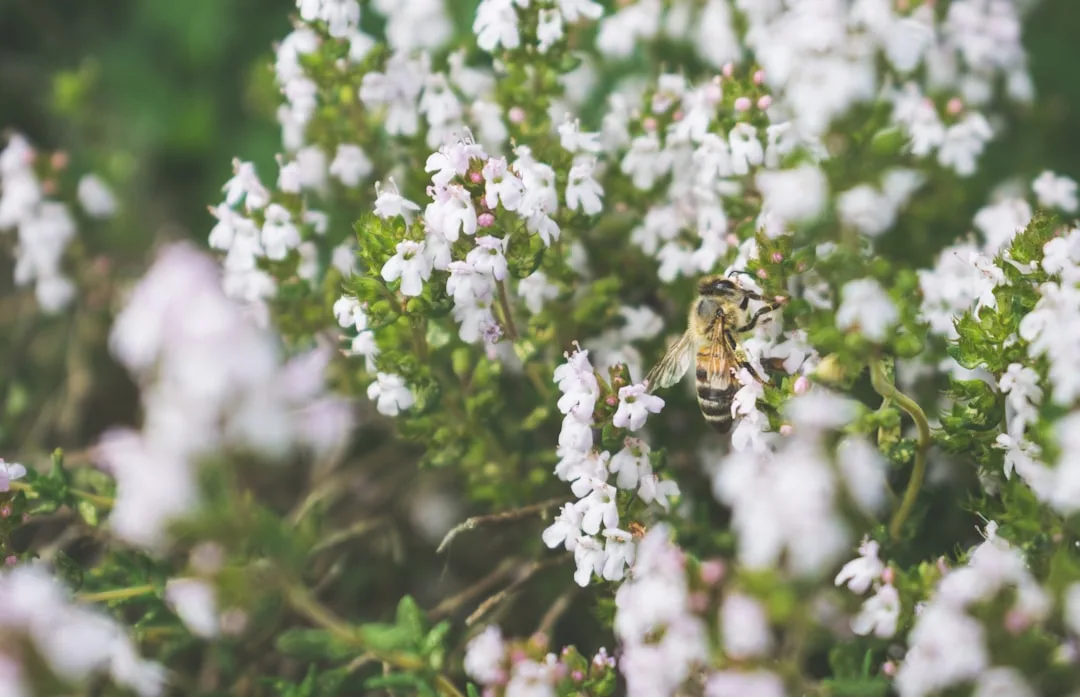
Walk past a suburban border in August 2026 and you’ll see fewer ornamental sedums and more cascading oregano, blooming thyme, and basil flowers swarming with honeybees. Pollinator-friendly herb gardens are replacing purely decorative beds because they solve two problems at once: they feed insects that stabilize regional food systems, and they deliver fresh culinary herbs for the kitchen. This isn’t gardening as decoration—it’s gardening as infrastructure.
Why Pollinators and Herbs Belong Together
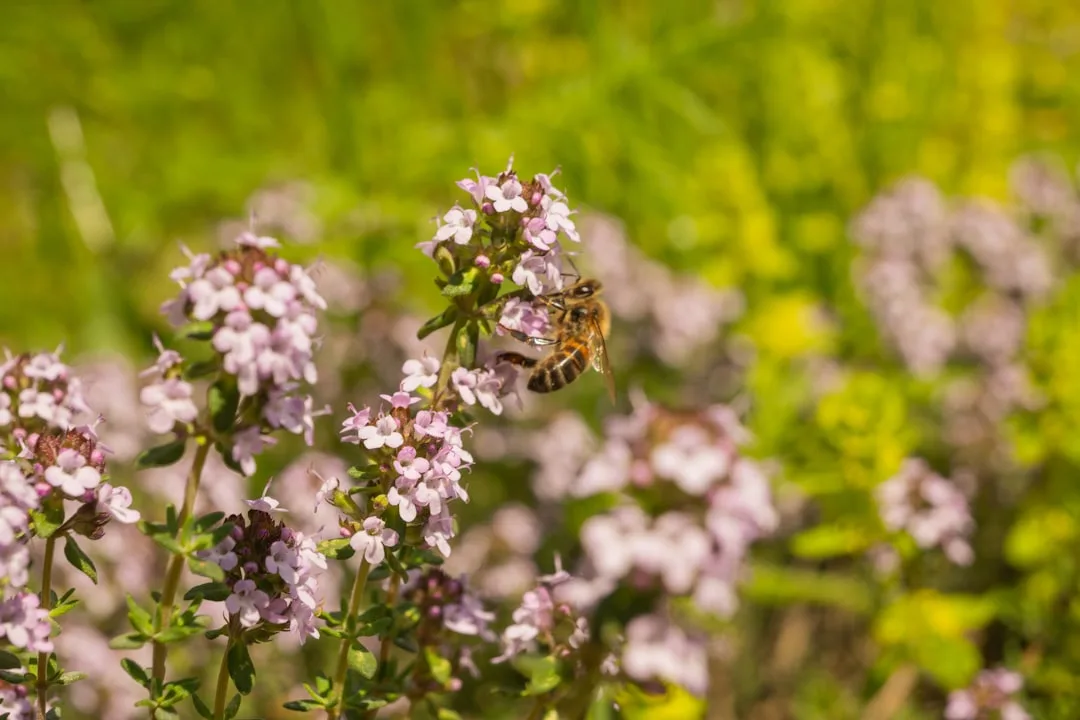
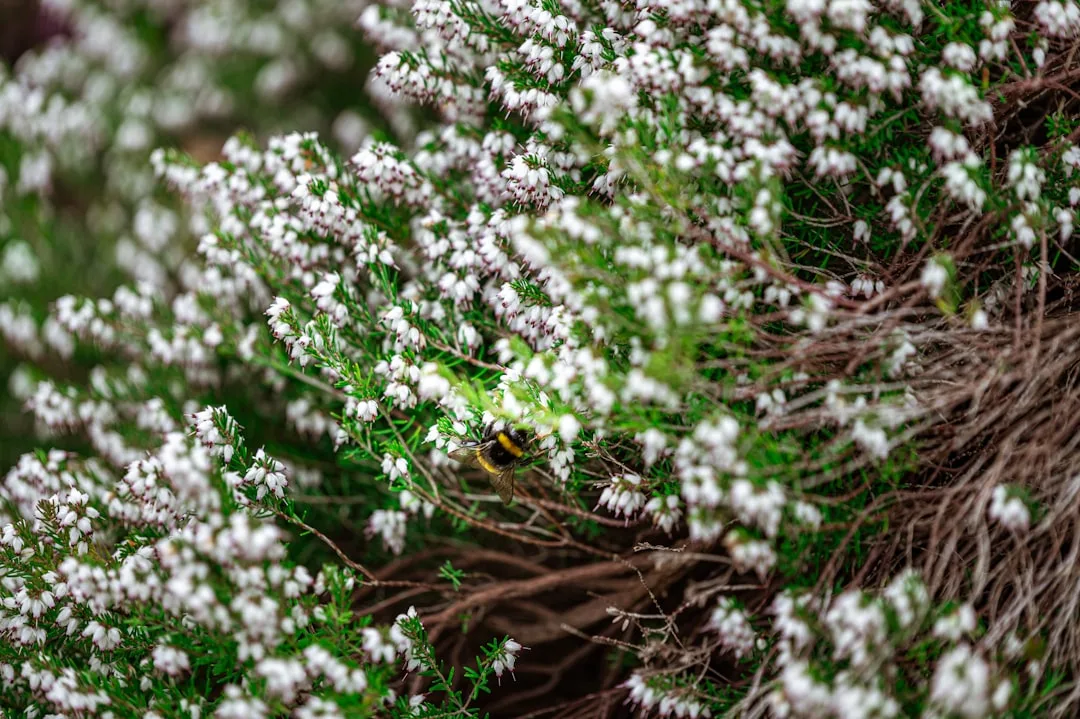
Oregano, thyme, sage, and marjoram all flower prolifically, and their small blooms are designed by nature to attract bees, butterflies, and native wasps. Unlike ornamental borders that require deadheading and pest management, these herbs actively improve soil while feeding insects. A single thyme plant in full bloom can host dozens of bees in one afternoon.
The Xerces Society, a nonprofit focused on invertebrate conservation, has documented that herb flowers—especially those in the mint and daisy families—rank among the top nectar and pollen sources for pollinators in residential zones. Basil varieties like ‘Siam Queen’ and ‘African Blue’ bloom continuously from June through frost if you pinch them correctly, creating an extended food source.
This shift matters because conventional ornamental lawns and non-blooming decorative plants contribute nothing to pollinator survival. A pollinator-friendly herb garden fixes that deficit with zero extra maintenance.
Quick Tips
- Plant herbs in clusters of 3–5 of the same species so bees spend less energy searching
- Leave spent flower heads on thyme and oregano through September to extend bloom windows
- Space plants 18–24 inches apart to allow air flow and reduce powdery mildew
- Install a shallow water basin nearby; bees need water access within 15 feet of forage plants
Layout Strategy for Maximum Pollinator Activity
The most effective pollinator herb gardens follow a clustered layout, not a single-file row. Landscape architects at the University of California’s Extension program recommend grouping herbs by bloom time and water needs in drifts of 2–3 square feet each.
A north-facing bed might hold shade-tolerant mint and parsley in one cluster, early-summer bloomers like oregano in the middle zone, and late-season sages toward the south edge where heat stress triggers secondary flowering. This staggered bloom sequence feeds pollinators from May through October, far longer than conventional borders.
| Herb Type | Bloom Window | Pollinator Value |
|---|---|---|
| Oregano | June–September | High—bees prefer pink/purple |
| Thyme | May–August | Very high—tiny dense blooms |
| Sage | July–October | High—purple spikes attract hummingbirds too |
| Basil | July–frost | Moderate—best left to flower late season |
| Marjoram | June–August | Very high—similar to oregano |
For vertical wall gardens, dwarf oregano and trailing thyme varieties cascade down trellises while still producing flowers. This approach adds pollinator forage to homes with minimal ground space.
The Biggest Mistake: Harvesting Too Aggressively
Many home gardeners pinch basil and oregano constantly through summer to maximize leaf yield, which prevents flowering entirely. If you never allow flowers to bloom, bees never arrive—and you lose the entire reason to plant these species over ornamental borders.
The correct strategy: harvest aggressively from June through late July, then stop all pinching by mid-August. Let the remaining stems flower for 6–8 weeks. You sacrifice some fresh leaves in late summer, but you gain consistent pollinator visitation and sustainable seed production if you let flowers set.
A home gardener in Portland, Oregon who made this shift reported a 40% increase in native bee visits after letting sage and oregano bloom untouched from August onward. The trade-off—fewer fresh leaves in September—is negligible compared to the ecological return.
Soil and Spacing Matter More Than You Think
Mediterranean herbs like oregano, thyme, and marjoram thrive in well-draining soil with low organic matter. If you plant them in rich, amended beds designed for vegetables, they’ll grow lush but flower weakly and become prone to root rot.
Instead, amend beds with coarse sand or perlite to reach a 60% native soil, 30% compost, 10% sand ratio. This mimics the low-fertility, fast-draining conditions these herbs evolved under in Greece and Turkey. Plants grown this way flower more reliably and attract pollinators at higher densities.
Spacing also controls disease: basil planted 12 inches apart in humid climates will develop powdery mildew, while basil at 24 inches apart with good airflow stays clean. Tighter spacing saves money upfront but costs you in lost plants and weak flowering.
Why Pollinator Herbs Beat Ornamental Borders Financially
A typical ornamental border requires replanting every 2–3 years, deadheading twice weekly during bloom, and pest management applications 4–6 times per year. Costs add up quickly. A 100-square-foot mixed herb garden, by contrast, requires one initial investment in soil amendment and plants—then minimal input beyond annual spring pruning and occasional division.
Seed companies like Johnny’s Selected Seeds and Territorial Seed Company now bundle herb seeds specifically for pollinator gardens, often at lower per-packet costs than designer ornamental varieties. This accessibility has driven adoption among budget-conscious homeowners who get food and ecology in the same space.
You also recoup investment through harvested herbs; 10 basil plants produce $30–50 worth of retail-equivalent leaf in a single season if you eat from them 2–3 times weekly.
Getting Started in a Narrow or Shaded Space
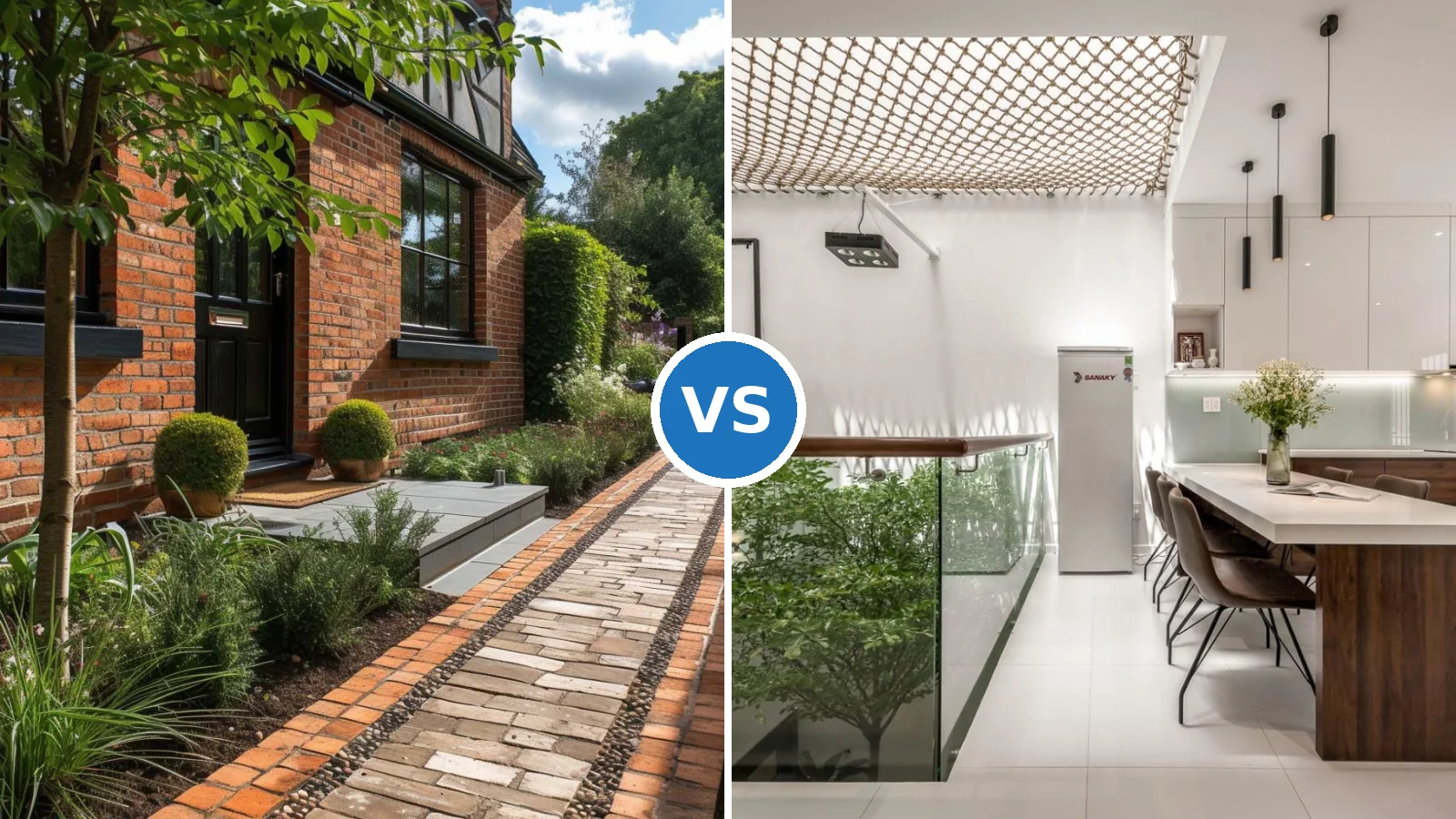
If your yard is small or partially shaded, 7+ Modern Garden Ideas In A Narrow Courtyard shows how to integrate pollinator herbs into confined spaces. Mint, parsley, and chives tolerate 4–6 hours of indirect light, while oregano and thyme need full sun but can be stacked vertically.
A 4-foot-by-4-foot raised bed can hold 12–16 herb plants in a layout that serves pollinators and your kitchen simultaneously. Container planting works too: a collection of 10-inch pots with thyme, oregano, and sage on a south-facing patio mimics the density and bloom pattern of an in-ground bed.
The shift to pollinator-friendly herb gardens reflects a broader recognition that beauty and function must coexist. Ornamental borders have had their era. In 2026, a border that doesn’t feed bees and humans alike is wasted space.