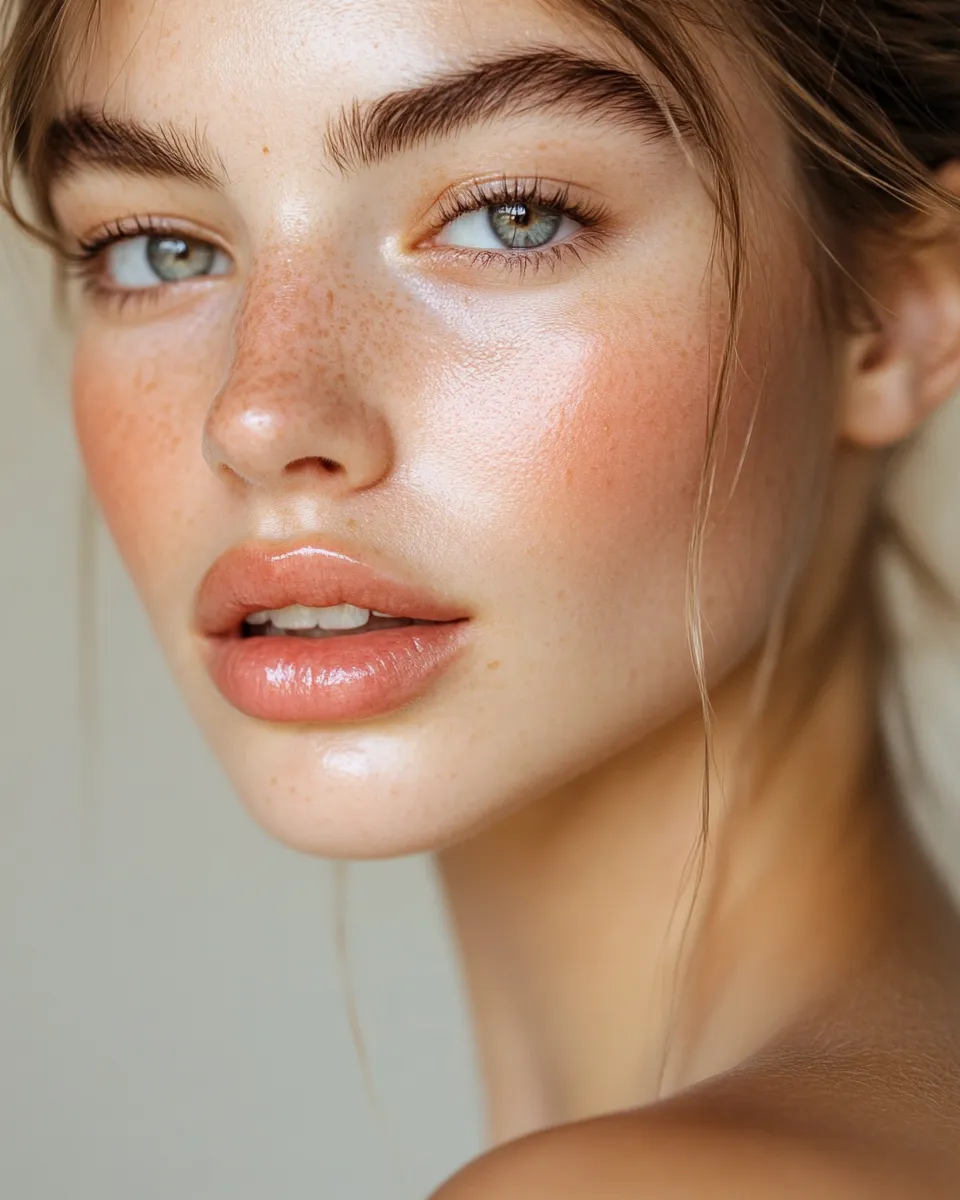
There is a specific frustration that almost every woman over 50 recognizes: you apply your makeup carefully in the morning, it looks good in the bathroom mirror, and by mid-morning the concealer has gathered in the creases under your eyes, the foundation has settled into nasolabial folds and fine lines, and the whole effect has aged you by a decade rather than refreshing your appearance. This is not a product quality problem. It is a formulation and technique mismatch — one that is extremely common because the majority of makeup tutorials, product recommendations, and application methods are developed with younger skin in mind.
Skin after 50 is structurally and chemically different from skin at 25 or 35 in ways that directly affect how makeup behaves. Sebum production decreases by approximately 40 percent between ages 20 and 60 according to research published in the British Journal of Dermatology, meaning the skin surface is drier and less able to maintain a smooth, even texture throughout the day. Collagen production declines by roughly 1 percent per year from the mid-20s, and by 50 the cumulative loss creates the fine lines, loss of elasticity, and textural changes that standard makeup formulas cling to and exaggerate. Trans-epidermal water loss increases with age, meaning mature skin dehydrates faster under makeup throughout the day.
None of this means natural makeup for mature skin over 50 is impossible or even particularly difficult. It means the formula choices, the prep routine, and the application technique need to be specifically calibrated for this skin type — not adapted from routines built for other skin types. This guide does exactly that.
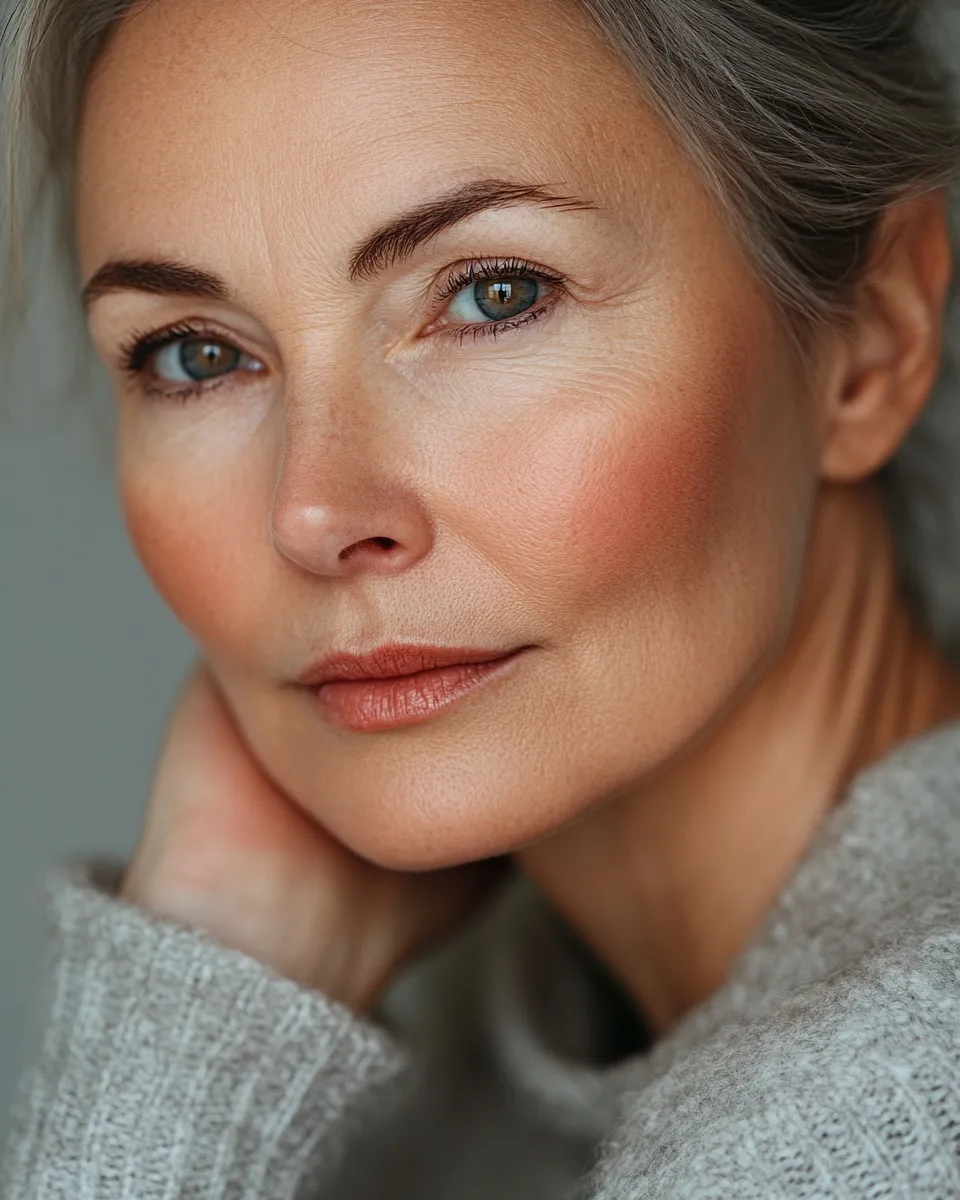
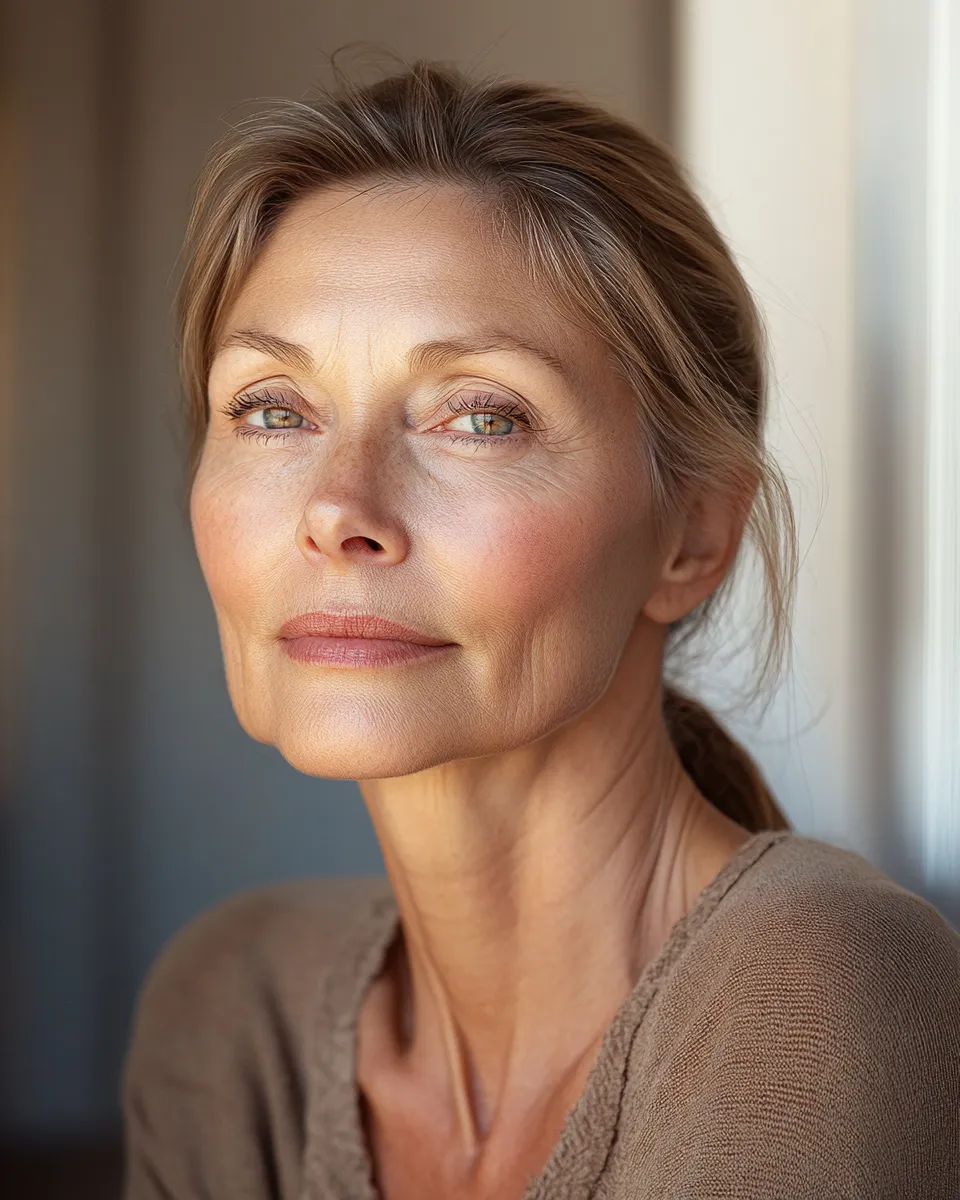
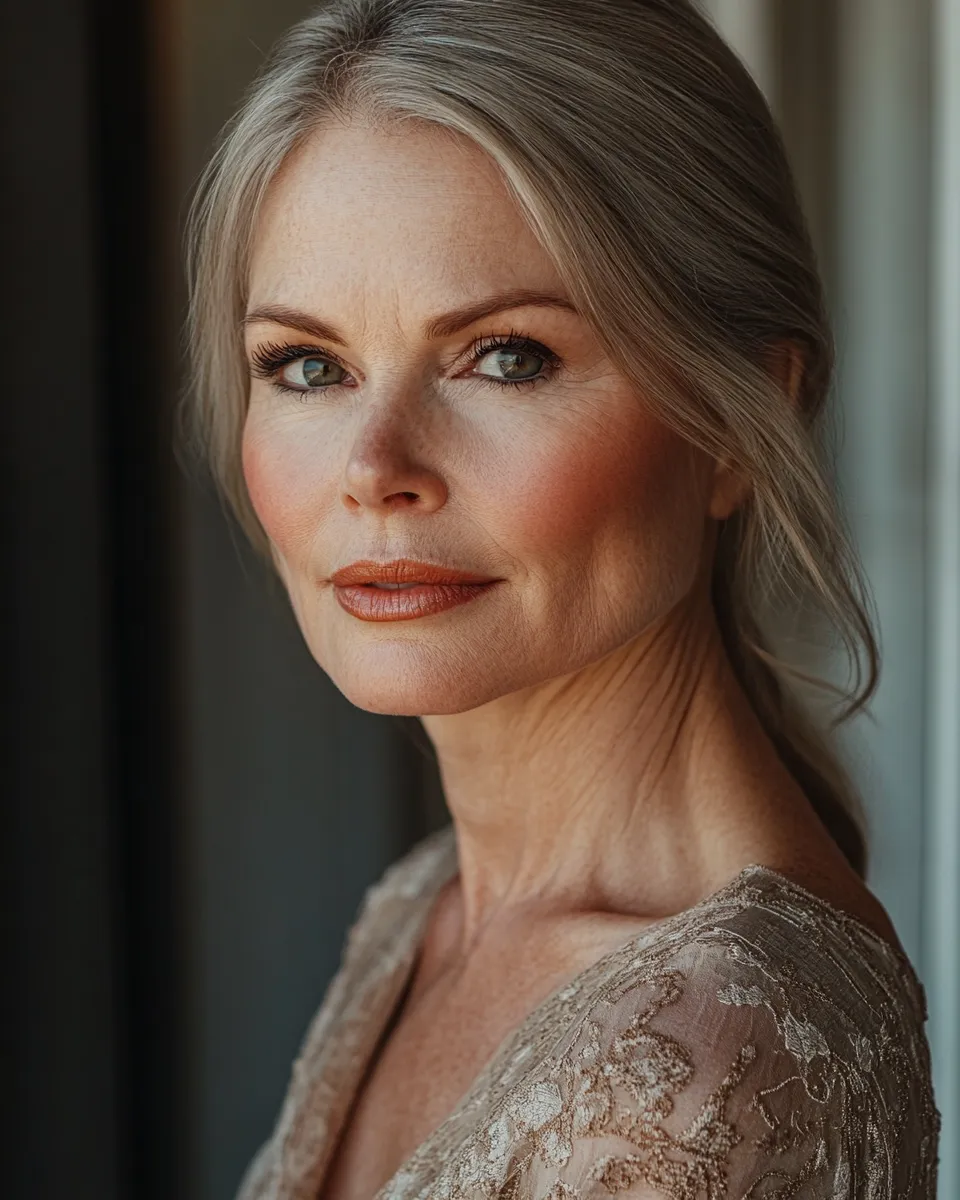
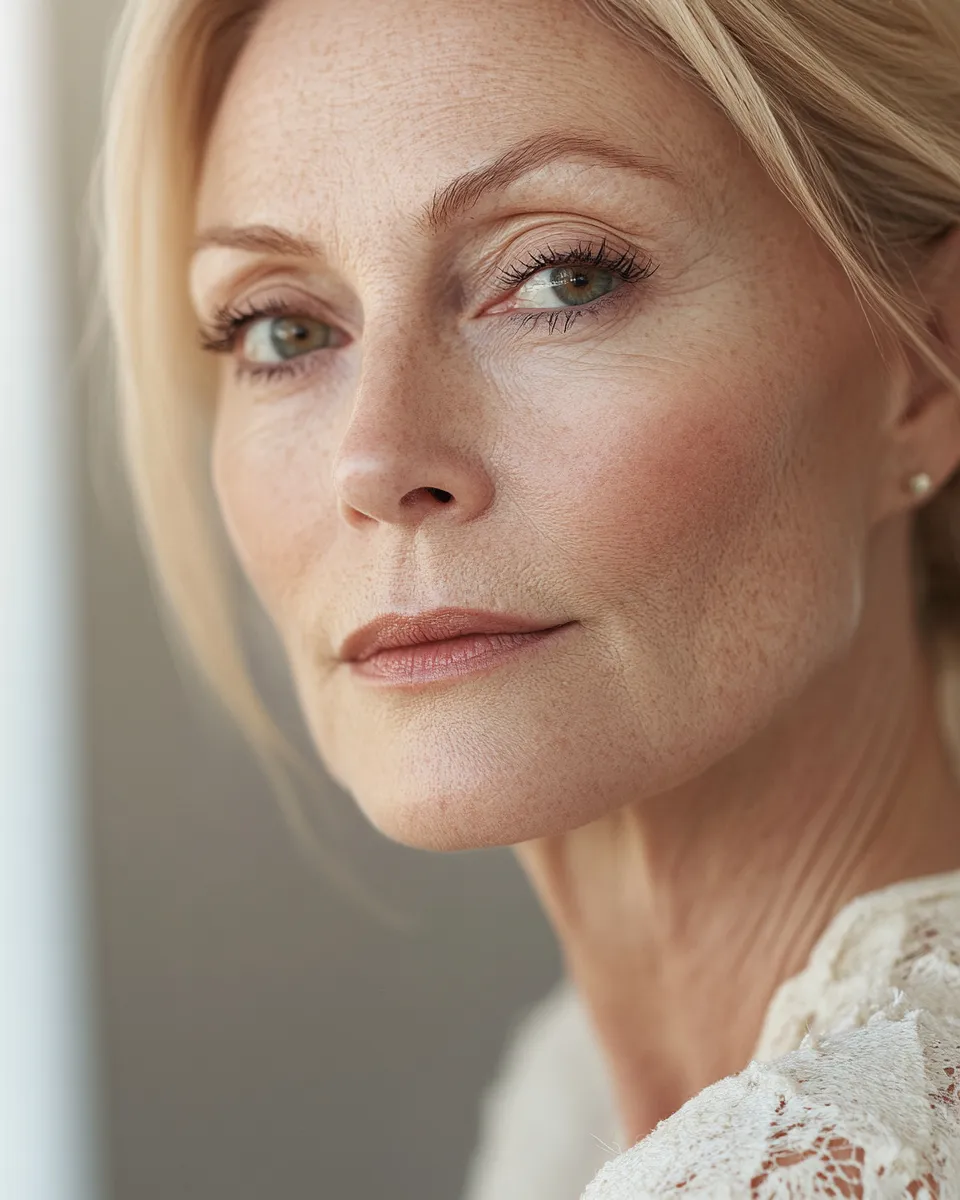
Why Makeup Settles Into Lines on Mature Skin — and the Fix for Each Cause
Settling is not a single problem with a single cause. It is the result of one or more specific formulation or technique issues interacting with the structural characteristics of mature skin. Identifying which cause applies to your skin tells you exactly which part of your routine to change.
Cause 1 — Heavy Coverage Foundation Filling Lines
Full-coverage foundations are formulated with a high pigment load and often contain thick film-forming polymers that physically sit on the skin surface. On mature skin with fine lines and textural variation, these formulas fill every surface irregularity — including every line — with pigment, making lines appear defined and prominent rather than minimized. The fix is not about coverage level; it is about formula. A skin-tint or light-coverage satin foundation with humectants and light-reflecting particles will even tone without filling lines, creating the appearance of smoother skin rather than highlighting its texture.
Cause 2 — Powder Overuse
Powder is the most common settling accelerant on mature skin. Loose or pressed powder applied generously across the full face absorbs the limited natural moisture on the skin surface and collects in every crease and line, making them appear deeper and more numerous as the day progresses. Research from the International Journal of Cosmetic Science confirms that high-powder formulas increase the visual depth of fine lines by up to 27 percent compared to the same coverage in a no-powder formula. The fix: use powder only where absolutely necessary — typically the T-zone or specific areas prone to shine — and only in a translucent, finely-milled micro-powder formula applied with the lightest possible hand.
Cause 3 — Under-Eye Concealer That Creases
The under-eye area on mature skin has less fatty tissue, thinner skin, and often more pronounced orbital hollowing than at younger ages. Standard concealer formulas — particularly those with a matte or high-coverage finish — collect in every crease and orbital line within 1 to 2 hours regardless of how carefully they are applied. The fix is a shift to skin-tint style concealers (half the pigment of standard formula) applied with a damp sponge in a tapping rather than dragging motion, and no powder over the undereye area at all.
Cause 4 — Dehydration During the Day
As mature skin loses moisture throughout the day, makeup that was applied smoothly in the morning begins to shift, crack along dry patches, and emphasize lines that were less visible when the skin was freshly moisturized. The fix is a skincare prep routine specifically designed to create a long-lasting hydration reservoir under the makeup, combined with a setting spray that reintroduces moisture at the end of application rather than a powder that removes it.
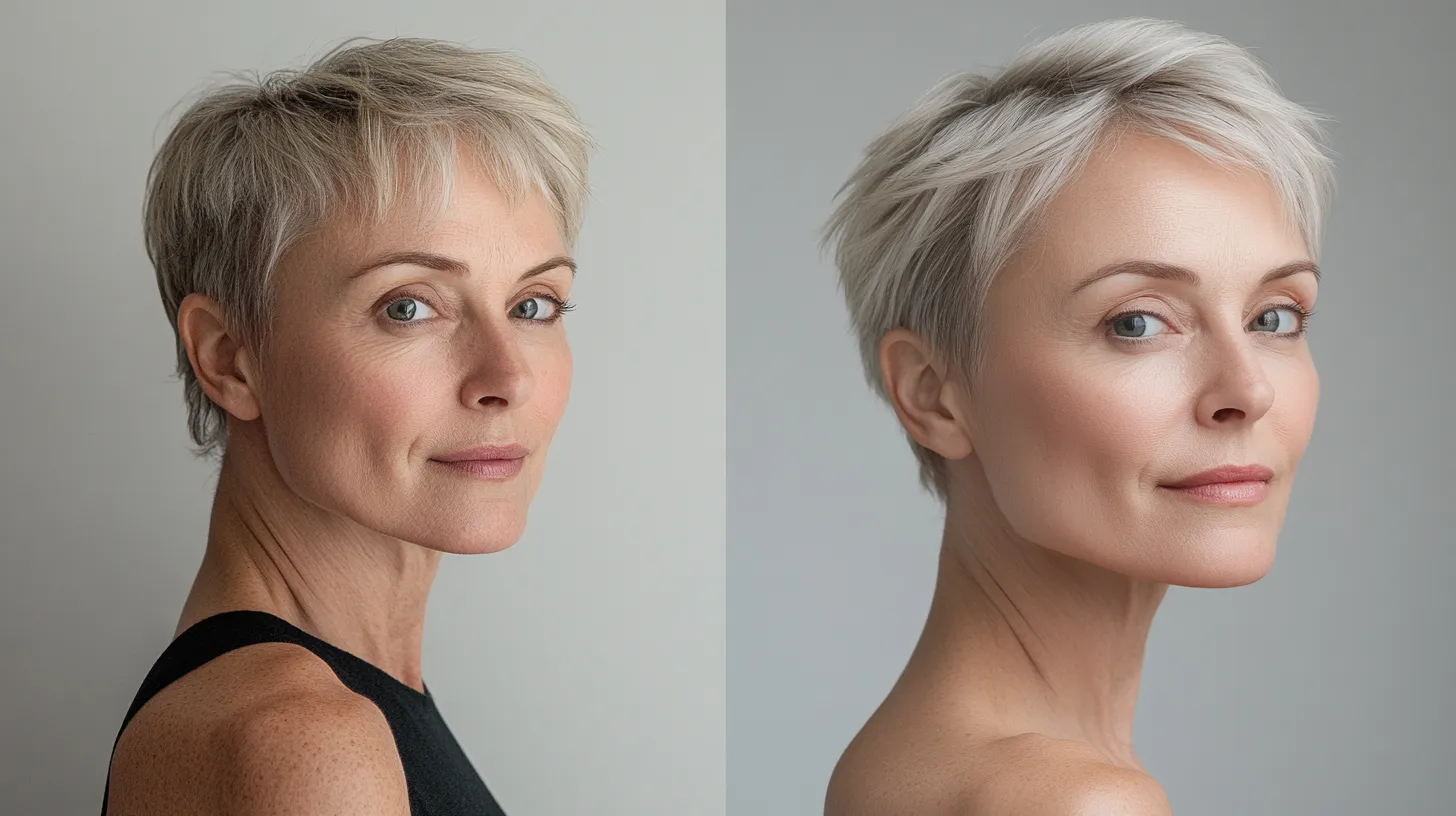
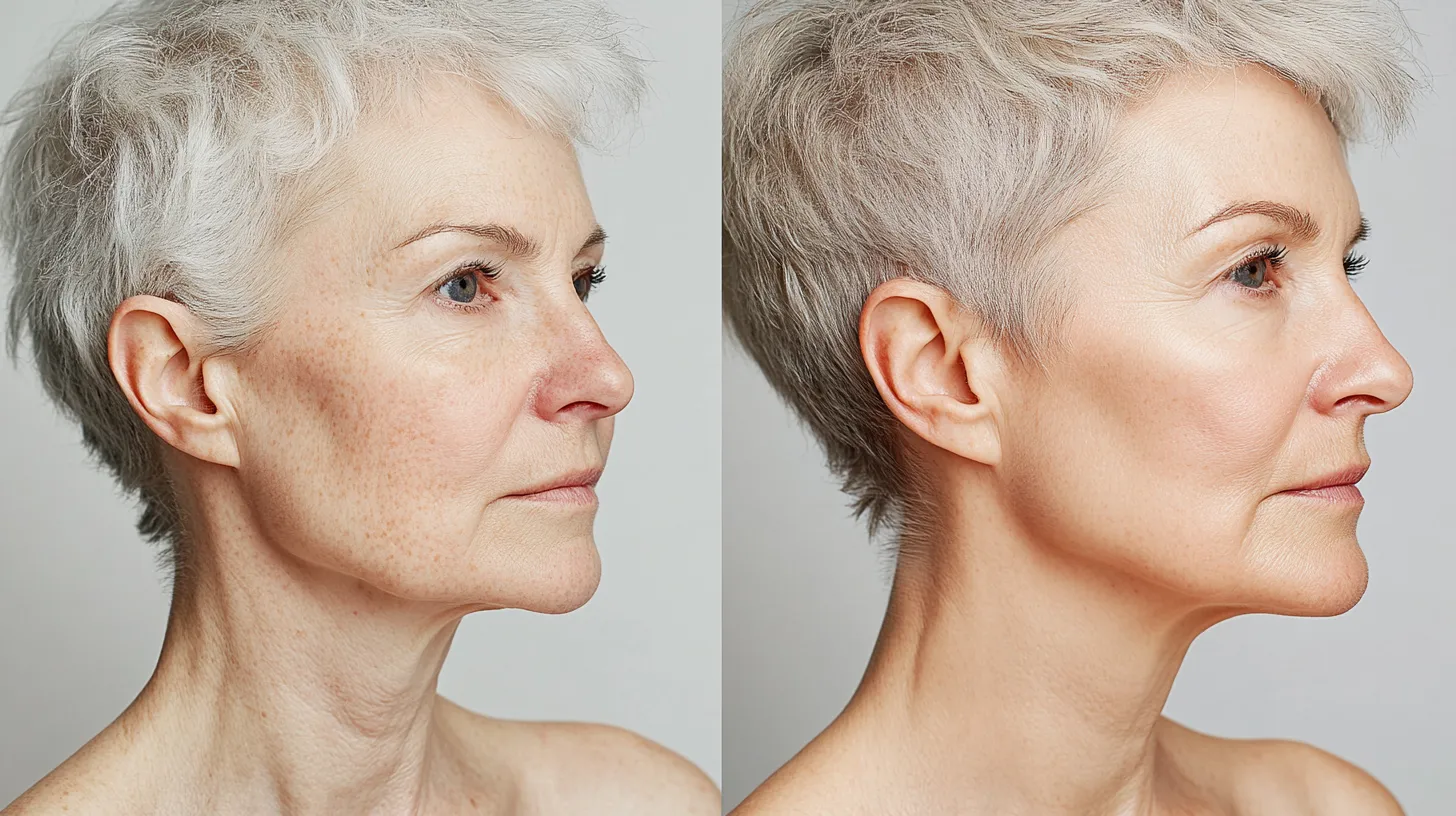
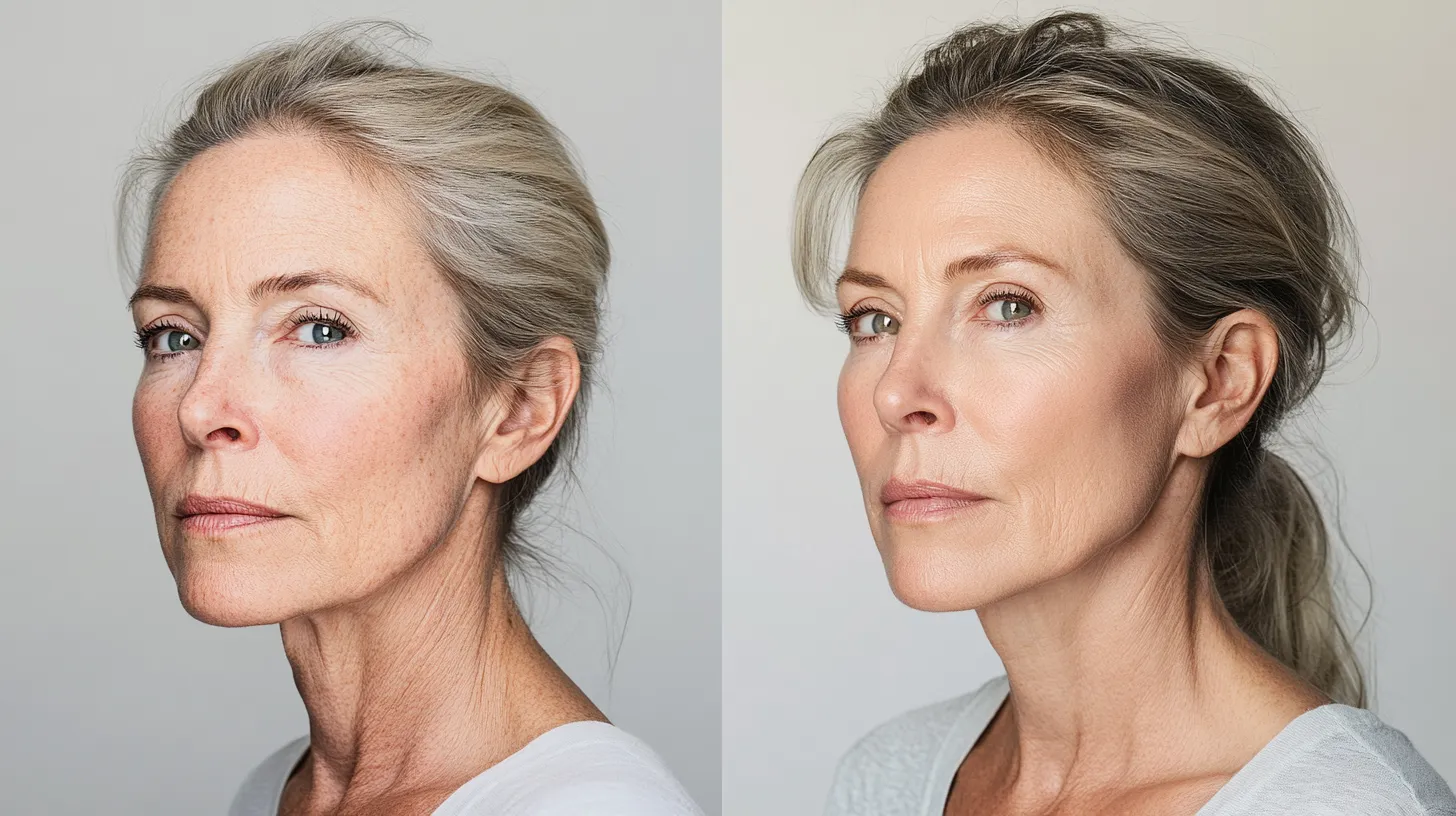
Skincare Prep — the Step That Determines Whether Everything Else Settles
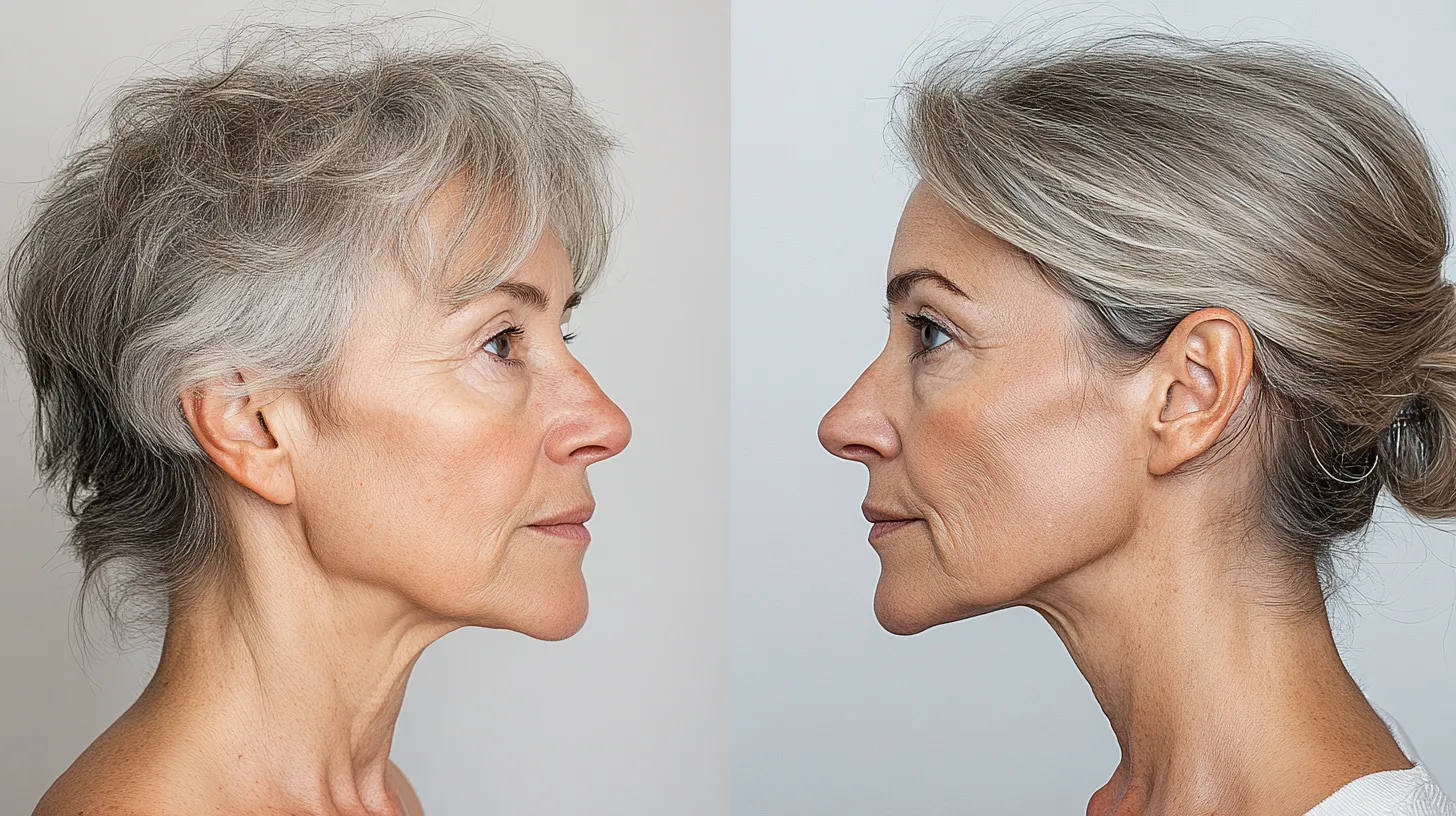
On mature skin over 50, skincare prep is not preliminary — it is the foundation on which every makeup decision rests. The smoothness, hydration level, and surface texture of the skin at the time of makeup application determines whether that makeup will sit beautifully or settle into lines within an hour. Skipping or shortening this step is the single most common reason natural makeup fails to stay natural on mature skin.
Cleanser
Use a cream or oil cleanser in the morning, not a foaming or gel formula. Foaming cleansers strip the lipid layer from the skin surface — on mature skin with already-reduced sebum production, this creates a taut, slightly rough surface that foundation clings to unevenly. A cream cleanser cleans without stripping and leaves the skin surface ready for the next step without needing to recover first. Cerave Hydrating Cleanser, La Roche-Posay Toleriane Hydrating Gentle Cleanser, and Elemis Pro-Collagen Cleansing Balm are all consistently recommended by dermatologists for pre-makeup prep on mature skin types.
Hydrating Serum
Apply a hydrating serum containing hyaluronic acid, glycerin, or both before moisturizer. On mature skin, a dedicated hydrating serum step creates a water-binding reservoir in the upper skin layers that slowly releases moisture throughout the day — significantly reducing the dehydration-related settling that occurs without it. The Ordinary Hyaluronic Acid 2% + B5, Neutrogena Hydro Boost Hydrating Serum, and SkinCeuticals Hydrating B5 Gel are all formulas that have been specifically tested for compatibility with mature skin in clinical aging studies. Allow 60 seconds of absorption before the next step.
Rich but Non-Greasy Moisturizer
Mature skin needs more moisturizer than younger skin to create a smooth, plumped surface for makeup, but the texture matters: a moisturizer that is too rich or too occlusive will prevent foundation from adhering correctly and cause it to slip throughout the day. The correct consistency is a medium-weight cream — richer than a gel, lighter than a balm — containing a combination of humectants (glycerin, hyaluronic acid) and occlusives (shea butter, squalane) in balanced proportions. Allow the moisturizer to absorb fully — at least 5 minutes, ideally 10 — before any makeup application. This absorption time is not negotiable on mature skin; applying foundation over moisturizer that has not fully set is one of the primary causes of immediate settling and pilling.
Silicone-Free Primer Specifically for Mature Skin
Primer is an area where the advice for mature skin differs significantly from general makeup guidance. Heavy silicone primers — the type most commonly recommended for oily or young skin — can ball up on the drier surface of mature skin, pill when foundation is applied over them, and actually emphasize fine lines rather than filling them. For skin over 50, the correct primer category is a hydrating, luminous, silicone-light formula: products like Charlotte Tilbury Magic Primer, Hourglass Veil Mineral Primer, or the budget-friendly Elf Spackle Skin Perfecting Primer in the hydrating formula. These create a smooth, slightly adhesive surface that foundation bonds to without the pilling or balling that standard silicone primers can cause on mature skin.
Choosing the Right Foundation — the Formula Guide for Skin Over 50
Foundation selection for natural makeup on mature skin over 50 comes down to three non-negotiable formula characteristics: hydrating ingredients, a luminous or satin finish (never matte), and medium or buildable coverage rather than full. Every other product feature is secondary.
| Foundation Type | Finish | Best For | Avoid If | Top Picks for Mature Skin |
|---|---|---|---|---|
| Tinted moisturizer | Dewy, sheer | Good skin, minimal coverage needs, everyday natural look | You need moderate coverage or have significant redness | Laura Mercier Tinted Moisturizer, NARS Pure Radiant Tinted Moisturizer |
| Serum foundation | Satin to luminous | Mature skin needing hydration and medium coverage simultaneously | Oily skin — adds too much luminosity | Lancome Teint Idole Ultra Wear Care and Glow, Giorgio Armani Luminous Silk |
| Skin tint | Transparent, natural | Confidence in skin, wanting tone-evening not covering | Visible discolouration or significant redness | Glossier Perfecting Skin Tint, Charlotte Tilbury Flawless Filter |
| Light-coverage liquid foundation | Satin | Most mature skin types, buildable where needed | Avoid powder-heavy or matte-finish formulas in this category | Maybelline Fit Me Dewy + Smooth, IT Cosmetics CC+ Cream |
| Cushion compact | Dewy, buildable | On-the-go application, buildable with control | Very dry skin — can emphasise texture if re-applied without preparation | Sulwhasoo Perfecting Cushion, Laneige Neo Cushion Matte (used lightly) |
Application method is as important as formula on mature skin. Always apply foundation with a damp sponge using pressing and stippling motions — never sweeping or buffing, which drags product into lines and distributes it unevenly over textured areas. Start from the center of the face and work outward, using the least amount of product needed for the coverage you want. A thin, well-pressed application will last significantly longer and settle far less than a thick layer regardless of formula quality.
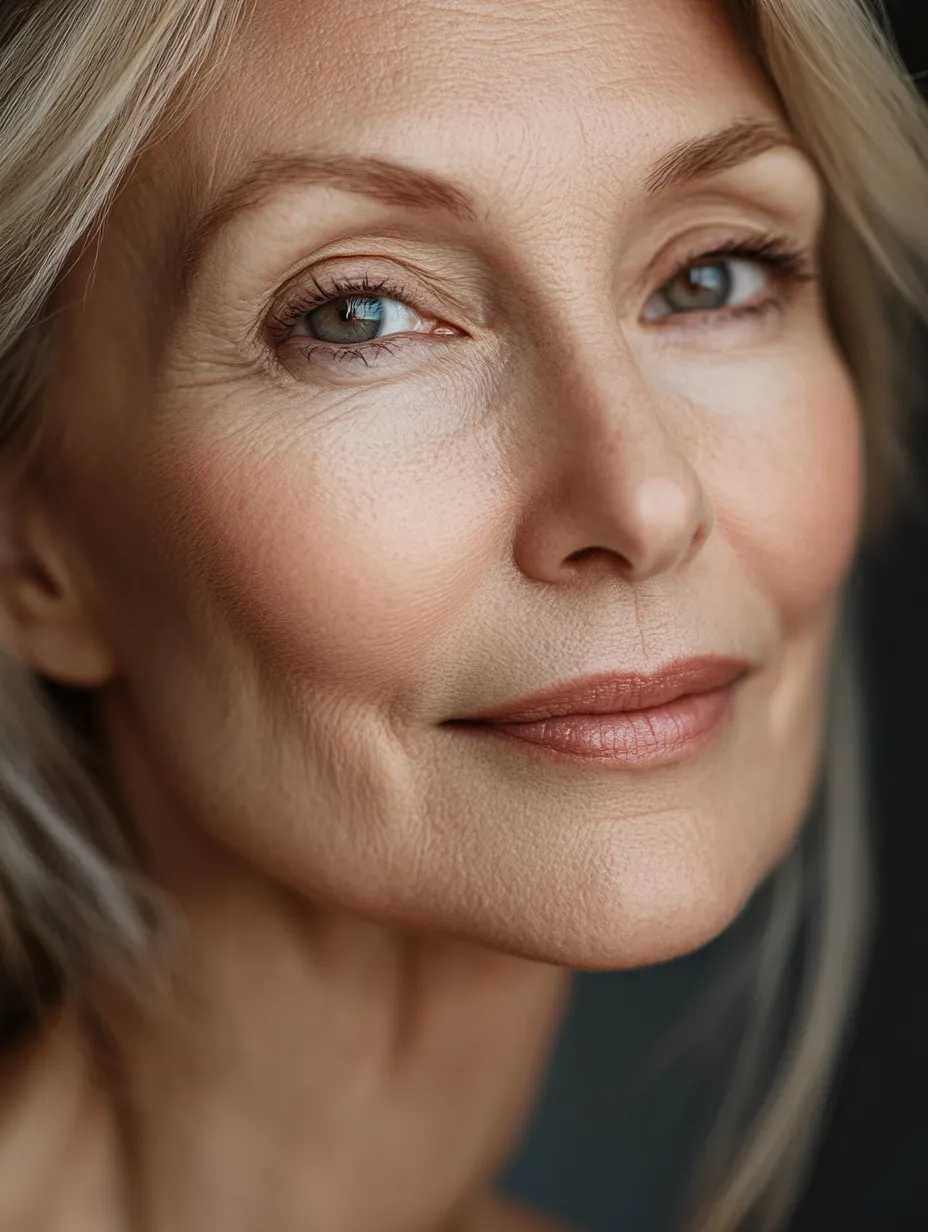
Concealer for Mature Skin — the Anti-Crease Method
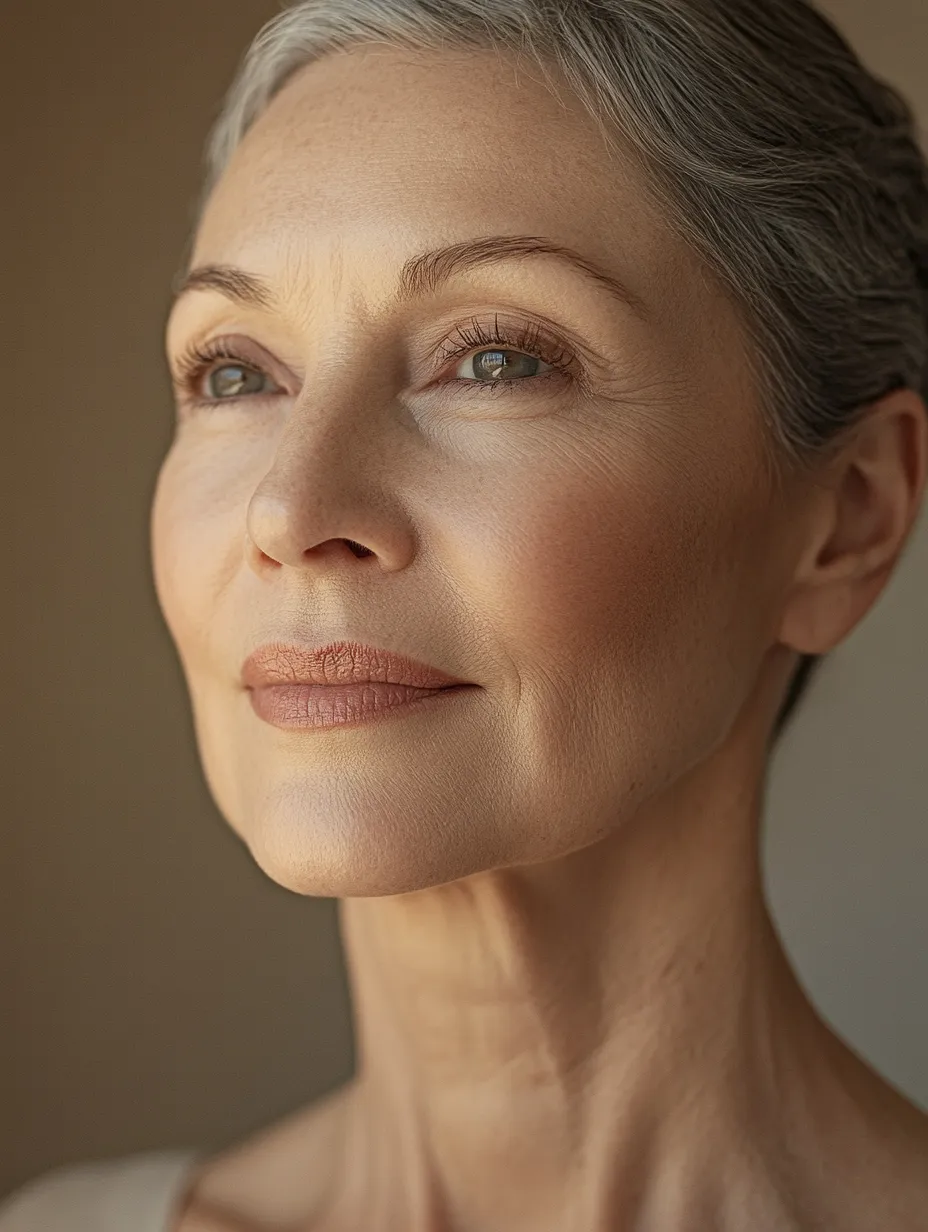
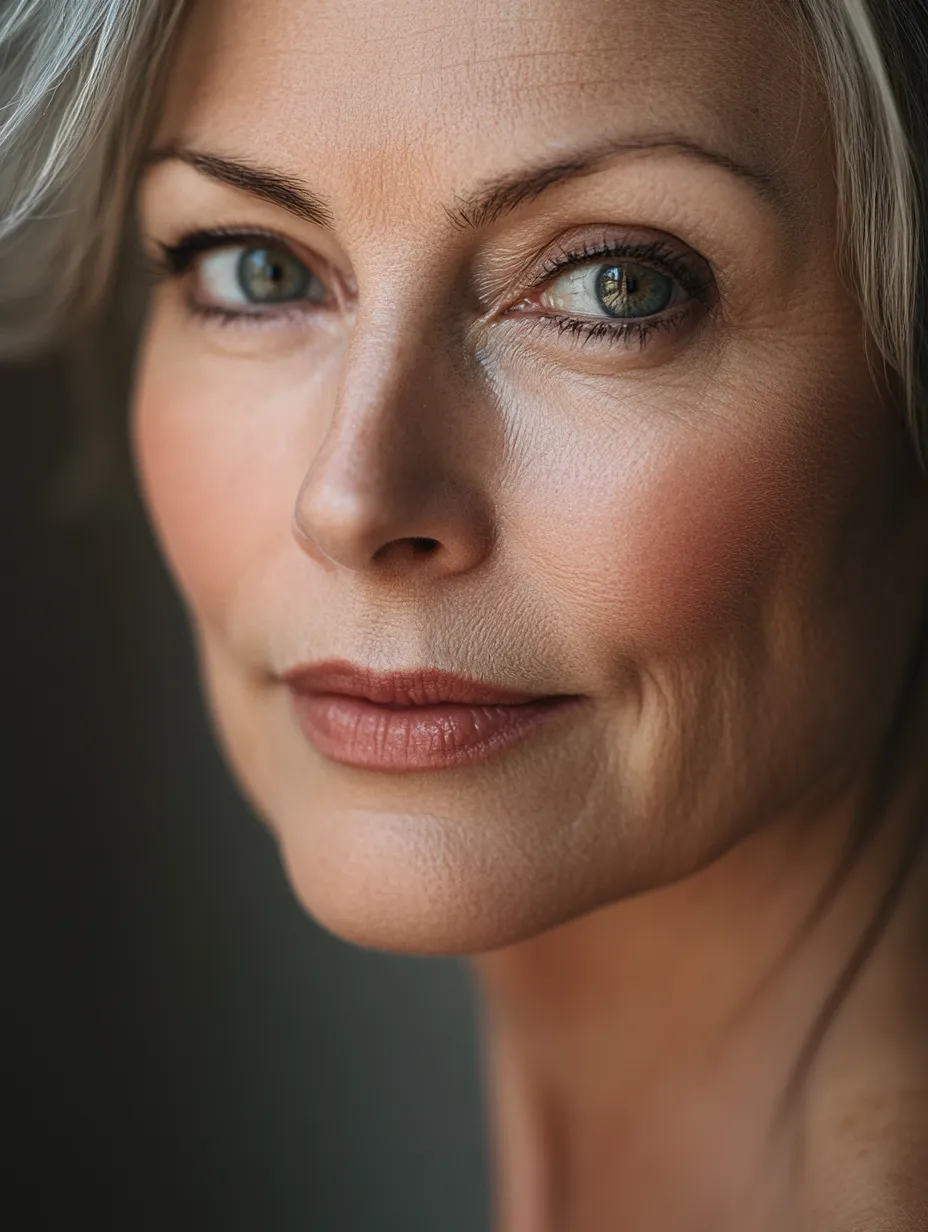
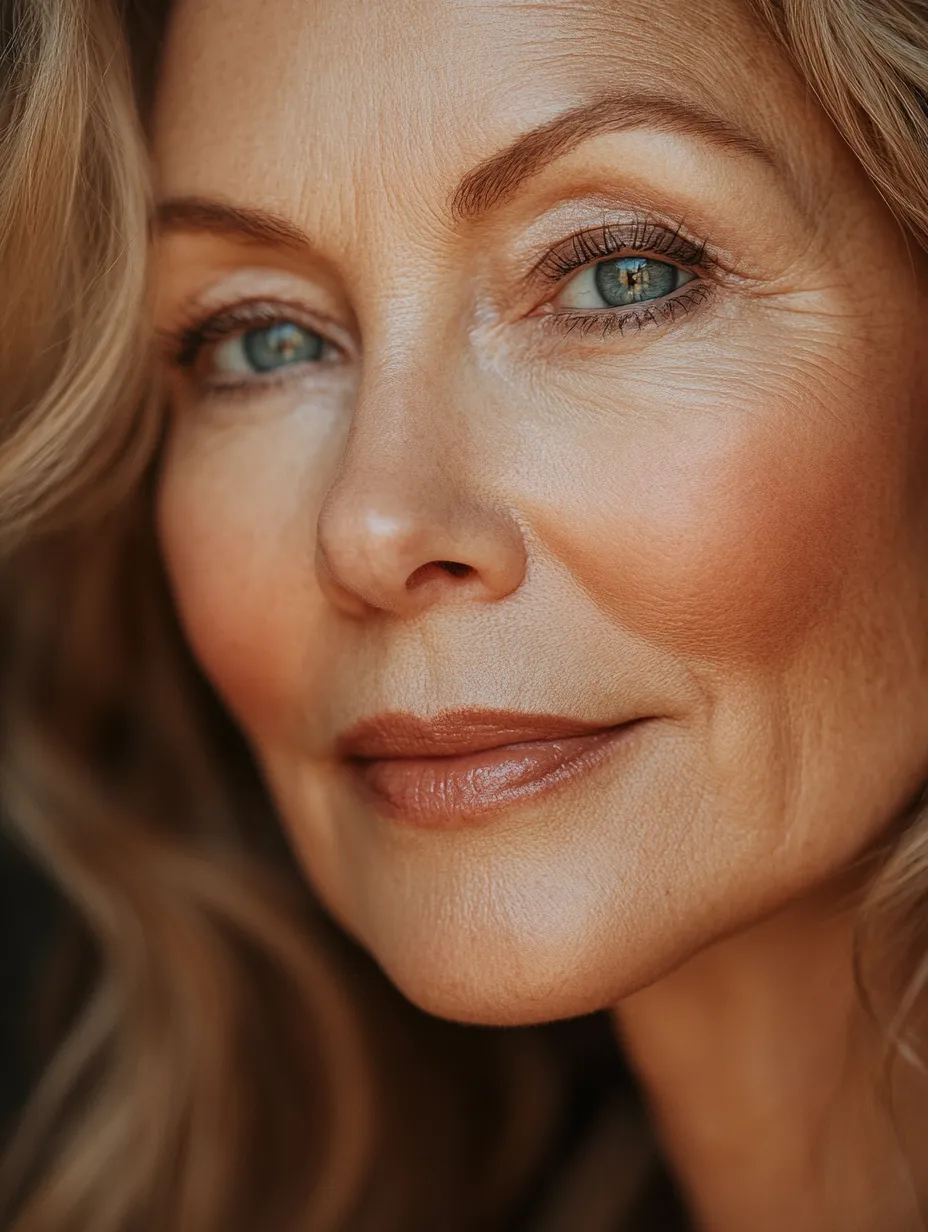
Under-eye concealer is the single product most likely to cause visible settling on mature skin, and it is also one of the most valuable when used correctly. The key is a specific formula-plus-technique combination that is fundamentally different from standard concealer application.
Formula: Choose a concealer that is one shade lighter than your foundation — not two or three, which creates a contrast that draws attention rather than disguising. The formula should be creamy, hydrating, and medium coverage, not high-coverage or matte. Touche Eclat by YSL is specifically formulated with light-reflecting particles that minimize the appearance of hollowness and shadow under the eye without the opacity that settles visibly. NARS Creamy Concealer, IT Cosmetics Bye Bye Under Eye Illumination, and Dior Backstage Eye and Face Glow Primer used as a concealer are all consistently recommended by professional MUAs working with clients over 50 for exactly this reason.
Technique: Apply concealer after foundation, using a damp beauty sponge. Tap — do not drag — a small amount of product onto the inner corner and along the orbital bone. Blend outward with tapping motions only. Never swipe concealer toward the outer corner, as this drags product into the orbital lines at the outer eye and causes immediate creasing. Apply the minimum amount needed to create the effect — a thin, tapped-in layer lasts significantly longer than a thick one, which will fold within an hour regardless of formula.
The most important rule: Do not powder the under-eye area on mature skin. This is the instruction most often ignored, and it is the primary cause of the deep crease lines under the eye that appear by mid-morning on so many women over 50. The under-eye area should remain unfixed with powder — the luminous concealer formula combined with a setting spray at the end of the routine is sufficient to maintain the look without the powdering that causes settling.
The Complete Step by Step Natural Makeup Routine for Mature Skin Over 50
- Cream cleanser (1 min) — Gentle, non-stripping formula. Rinse with cool water, pat dry without rubbing.
- Hydrating serum (1 min application, 60 sec absorption) — Hyaluronic acid or glycerin-based. Pat into damp skin for maximum uptake.
- Rich-but-light moisturizer (1 min application, 5-10 min absorption) — Allow full absorption. Do not rush this step.
- SPF (1 min application, 3 min absorption) — Mineral SPF 50 preferred for mature skin — provides a slightly mattifying, smooth base without chemicals that can irritate sensitized mature skin.
- Hydrating primer (1 min, 60 sec to set) — Tap gently across the face, press lightly to set. Do not rub.
- Foundation or tinted moisturizer (3 min) — Damp sponge, pressing and stippling from center outward. Build only where needed.
- Concealer under eyes (2 min) — Tapping motion only, inner corner and orbital bone. No powder over this area.
- Cream blush (1 min) — Cream formula pressed onto the apples of the cheeks and blended upward. Powder blush settles into skin texture; cream does not.
- Targeted powder only if needed (1 min) — T-zone or specific shine-prone areas only. Never full face. Micro-fine translucent formula, applied with the lightest possible hand using a fluffy brush.
- Eye makeup (3-5 min) — See dedicated section below.
- Brows (2 min) — See dedicated section below.
- Lip color (1 min) — See dedicated section below.
- Setting spray (1 min) — Hydrating formula, not mattifying. Mist from 20 cm, air dry. This is the final seal that prevents settling and dehydration throughout the day.
Total time: 18 to 25 minutes depending on skincare absorption time. The skin prep steps cannot be shortened without reducing the quality and longevity of the result — they are the reason the makeup stays natural and doesn’t settle, not an optional addition to the routine.
Eye Makeup That Flatters Mature Eyes Without Settling or Caking
Eye makeup on mature skin over 50 requires the same formula-first thinking as the base. The changes that come with age — hood formation, crepe texture on the lid, smaller visible lid space, reduced brow volume — each require a specific product or technique adjustment rather than a general reduction of eye makeup.
Eyeshadow — What Works and What Doesn’t
Matte eyeshadows applied heavily to the lid with a dense brush will settle into the lid texture and crease within 2 hours on most mature skin types without primer. The solution is a combination of eyeshadow primer applied as a thin, even layer across the entire lid and brow bone, followed by soft, neutral eyeshadows applied with a light hand. Warm taupes, champagnes, soft browns, and muted peaches are the most flattering shadow shades for mature skin — they add depth and definition without the harshness that cooler, darker shades can create against aging skin tone. For structure, the most effective technique is a soft V in the outer crease using a medium brown, blended thoroughly enough that no hard edges remain visible.
Shimmer shadow used with care is not off-limits for mature skin over 50, contrary to outdated advice. A fine, pressed shimmer in champagne or warm gold applied only to the center of the lid or the inner corner creates light-catching luminosity that works with mature skin rather than against it — the key is avoiding chunky glitter or heavy iridescent particles that catch and exaggerate texture. If you want a more thorough guide to eye techniques that last without settling for every eye shape, our article on eye makeup looks that last all day covers the full primer-and-placement system for long-wear eye results on any age skin.
Eyeliner — Soft and Smudged Is Better Than Sharp and Tight
A precise, sharp gel liner or liquid liner on mature eyes creates a defined edge that emphasizes any unevenness in the lid surface and makes eyes appear smaller rather than more defined. The more flattering approach for natural makeup on mature skin is a soft, slightly smudged line applied with a pencil liner and gently blurred with a cotton tip or small blending brush. This creates definition without a hard edge, making the eye appear larger and the skin around it less prominent. Focus liner on the upper lash line only in its outer two-thirds — inner corner liner on mature eyes tends to make the eyes appear smaller and closer-set.
Mascara — the Specific Rules for Mature Lashes
Lashes thin and lighten with age. Mascara on mature lashes should prioritize lengthening and lifting over volumizing — heavy mascara formulas can weigh lashes down, making them point forward rather than upward and creating a drooping effect. Curl lashes with a heated or standard lash curler before applying mascara. Apply one coat to upper lashes only in most cases — mascara on lower lashes on mature skin can create shadows that emphasize under-eye area. If you choose to apply lower lash mascara, use the tip of the wand for precision and keep it to the outer half only.

Brows Over 50 — the Natural Approach That Frames Without Aging
Eyebrows thin significantly after 50 — the outer third in particular is often reduced to sparse or no hair in many women. The conventional response — filling in brows heavily with pencil or pomade — often produces a drawn-on effect that reads as dated and can age the face rather than refreshing it. The more current, more flattering approach for natural makeup on mature skin is a microblading-adjacent technique using a fine-tipped brow pencil to draw individual hair strokes only in the sparse areas, followed by a tinted brow gel to set and enhance existing hairs.
The shade choice for mature brows is critical: as hair grays or lightens with age, a brow shade that matches your original hair color will look dramatically dark and unnatural. Choose a brow shade one to two shades lighter than you think you need — a soft taupe for gray or silver hair, a cool medium brown for ash-toned hair, a warm brown for naturally lightened or highlighted hair. The goal is a defined but clearly natural brow that frames the eye without competing with the softness of the overall natural makeup look.
Lip Color That Works With Mature Lips — Not Against Them
Lips lose volume and definition with age — the vermilion border becomes less distinct, vertical lip lines appear with increasing frequency after 50, and the overall lip shape becomes less prominent. Makeup choices that conflict with these changes — particularly matte, dark, or heavy lipsticks — emphasize them. Natural makeup on mature lips works with the lip’s changed structure rather than attempting to recreate a younger lip shape.
The most flattering lip approach for mature skin over 50 in a natural makeup context is a hydrating, satin-finish color in a nude-pink, warm rose, or soft berry tone that is close to the natural lip color but enhanced. Completely nude lips can read as washed out against mature skin — the right nude for mature skin is always slightly rosier or warmer than the actual natural lip tone. Apply color with a fingertip or lip brush rather than directly from the bullet, which gives more control over placement and allows you to keep the color slightly inside the natural lip line, reducing the appearance of feathering into vertical lip lines.
Lip liner applied around the perimeter and slightly blurred inward with a fingertip — rather than drawn as a sharp defined line — prevents feathering into lip lines throughout the day without creating the aging effect of obvious lip liner. A light touch of clear or sheer gloss at the center of the lower lip adds the illusion of volume without the cakiness of matte layering. Our detailed breakdown of lip stain layering technique covers the exact two-layer approach that gives mature lips long-wearing color without drying them out during the day.
Products That Settle vs Products That Stay — the Direct Comparison for Mature Skin
| Product Category | Avoid for Mature Skin Over 50 | Use Instead | Why It Matters |
|---|---|---|---|
| Foundation finish | Full matte, high-coverage powder foundations | Satin, luminous, skin tint, serum foundation | Matte formulas emphasize texture and settle into lines within 2 hours |
| Primer type | Heavy silicone primers, pore-filling primers | Hydrating, luminous primers with grip | Silicone pills on dry mature skin and can cause foundation to separate |
| Concealer finish | Matte full-coverage concealer under eyes | Illuminating, medium-coverage with light reflection | Matte concealer creases in orbital lines within 60 to 90 minutes |
| Powder use | Full-face setting powder, heavy pressing | Targeted T-zone only, micro-fine formula, lightest hand | Excess powder collects in every line and increases their visible depth by up to 27% |
| Blush format | Heavy matte powder blush applied with large brush | Cream blush pressed with fingers or damp sponge | Cream blush melts into skin rather than sitting on top of texture |
| Eye shadow formula | Dry powder, dark matte shades, no primer | Satin or pressed shadows over eye primer, warm neutrals | Dry powder without primer creases in lid folds within 2 hours on mature skin |
| Lip finish | Dark matte liquid lipstick, heavy full-coverage lipstick | Hydrating satin, sheer tinted balm, lip stain with gloss over | Matte formulas feather into lip lines and emphasize lost lip definition |
| Setting step | Heavy setting powder across full face as final step | Hydrating setting spray misted as final step | Spray seals makeup without removing moisture; powder removes it |
Blush and Highlighter for a Natural Glow on Skin Over 50
Color is one of the most effective tools in natural makeup for mature skin. As skin tone can become more sallow or less even after 50, a well-placed blush does more to create a fresh, healthy appearance than almost any other product. The instinct to use less blush with age is understandable — heavy blush looks harsh on mature skin — but the solution is not less blush. It is a different format, a different shade, and a different placement.
Cream blush in a warm rose, soft coral, or peachy-pink tone — chosen to complement your current skin tone, not your skin tone at 25 — applied to the apples of the cheeks and blended upward toward the temple creates the natural flush of vitality that is the goal of a natural makeup look on mature skin. The blush should sit slightly higher on the cheekbone than where a younger blush placement would land — as facial volume shifts with age, a higher blush placement balances the visual weight of the face more flattering. Rare Beauty Soft Pinch Liquid Blush, Westman Atelier Baby Cheeks in Petal, and RMS Beauty Cream Blush in Smile are all frequently cited by professional MUAs as exceptional choices for mature skin specifically because of their skin-melting, non-cakey texture.
Highlighter for mature skin follows the same principle as foundation: luminous and light-reflecting, never chunky or glittery. A liquid or cream highlighter — not a pressed powder — applied with a fingertip tap to the tops of the cheekbones and the brow bone creates the lit-from-within glow that is one of the most flattering elements of any natural makeup look on mature skin. If building a comprehensive glow-from-within base is a priority for your skincare and makeup approach, our complete guide to the glass skin routine shows how to layer skincare and makeup prep together to create that effect at the base level rather than adding it on top.
Skincare Habits That Make Natural Makeup Sit Better on Mature Skin
The quality of natural makeup on mature skin is directly linked to the quality of the skin itself — and skin quality after 50 responds significantly to consistent, targeted skincare over weeks and months. Building a skincare routine that specifically addresses the structural changes of mature skin will progressively improve the surface your makeup sits on, reducing the settling, creasing, and patching that currently requires technique-based workarounds.
The most impactful categories for mature skin over 50 are retinoids (prescription or over-the-counter), which increase cell turnover and have the most extensive clinical evidence for visible wrinkle reduction of any cosmetic ingredient — a 2019 meta-analysis in the Journal of Drugs in Dermatology found that 0.025 to 0.1 percent tretinoin produced significant improvement in fine lines in 69 to 92 percent of subjects over 24 weeks. Niacinamide, which strengthens the skin barrier, reduces hyperpigmentation, and improves skin elasticity. And peptides, which signal collagen production and improve skin firmness over the medium term.
For anyone who wants to understand how these ingredients can be structured into a routine that maximizes their benefit without irritation, our guide to skin longevity covers the 2026 approach to long-term skin quality — specifically the shift away from reactive anti-aging treatments toward a proactive, barrier-first skincare philosophy that professional dermatologists now consistently recommend for skin over 50.
The Real Goal — Natural Makeup That Looks Like You on Your Best Day
Natural makeup for mature skin over 50 that doesn’t settle is not about looking younger. It is about looking like yourself — rested, healthy, and present — without the distraction of cakey foundation, settled concealer, or faded lip color pulling attention away from the person wearing the makeup. The goal is makeup that disappears into the impression of the face rather than sitting visibly on top of it.
Every choice in this guide — cream over powder, luminous over matte, satin over full-coverage, hydrating setting spray over powder as the final step — is built around that single principle. The products and techniques that work for mature skin are not compromises or limitations. They are simply the correct tools for this specific skin type, chosen with the same rigor as any other formulation decision in professional makeup artistry. Once you have the right base, the right formula formats, and the correct application technique, natural makeup on mature skin over 50 will stay exactly where you put it, looking exactly as you intended, for as long as your day runs.
If you want to take the clean, natural approach of this guide and apply it to a specific trend look — the strawberry girl aesthetic, the clean girl finish, or a fresh spring blush — our breakdown of the clean girl makeup look shows how the same skin-first principles translate directly into one of the most popular and flattering aesthetics of 2026, adapted here for every skin type and age.