The Rise of Barrier-Focused Skincare Philosophy
The shift toward barrier-focused skincare represents more than a trend—it’s a fundamental reimagining of what healthy skin means. Rather than pursuing aggressive exfoliation and heavy actives, the industry has pivoted toward nurturing and protecting the skin’s natural moisture barrier. This philosophy acknowledges that a compromised barrier leads to sensitivity, inflammation, and accelerated aging, making prevention far more valuable than correction.
Products formulated with ceramides, niacinamide, and hyaluronic acid have become staples in professional routines. Beauty professionals report that clients who prioritize barrier health experience fewer reactions to environmental stressors and maintain more stable skin conditions year-round. This gentler approach has resonated particularly strongly with consumers fatigued by the “more is better” mentality that dominated previous decades.
Clean Girl Makeup Continues Its Evolution
The clean girl aesthetic that emerged in spring has only deepened its influence throughout the year. As covered in our Clean Girl Makeup Dominates May 2026 Beauty Trends Globally report, the movement emphasizes minimal, skin-forward makeup that enhances rather than masks natural features. By mid-year, this trend has matured into a more sophisticated expression where technique matters as much as product selection.
Makeup artists are now blending traditional foundation with skincare serums directly on the palette, creating hybrid products that hydrate while providing coverage. The emphasis remains on luminosity, with dewy finishes dominating over matte textures. Brow grooming has become increasingly detailed, with microblading and feathering techniques creating naturally fuller arches that frame the face with minimal visible makeup.
Hydrating Face Mists Transform Skincare Routines
Hydrating face mists have moved beyond their status as luxurious finishing sprays to become integral components of daily skincare regimens. As detailed in our exploration of Why Hydrating Face Mists Replaced Traditional Toners in Mid-Year Skincare, these products offer immediate hydration and micronutrient delivery without the heavy residue of traditional toners. Professionals appreciate how mists allow for layering of beneficial ingredients without overwhelming the skin.
The versatility of hydrating mists has expanded their appeal across all skin types. Those with oily skin appreciate the lightweight hydration, while combination skin types use mists strategically on dry zones. The ritual aspect—the sensory experience of application—has also contributed to their popularity, creating moments of self-care within busy beauty routines. Brands have responded by developing mists infused with adaptogens, antioxidants, and soothing botanical extracts that address specific skin concerns while providing hydration.
Personalized Skincare Through Technology Integration
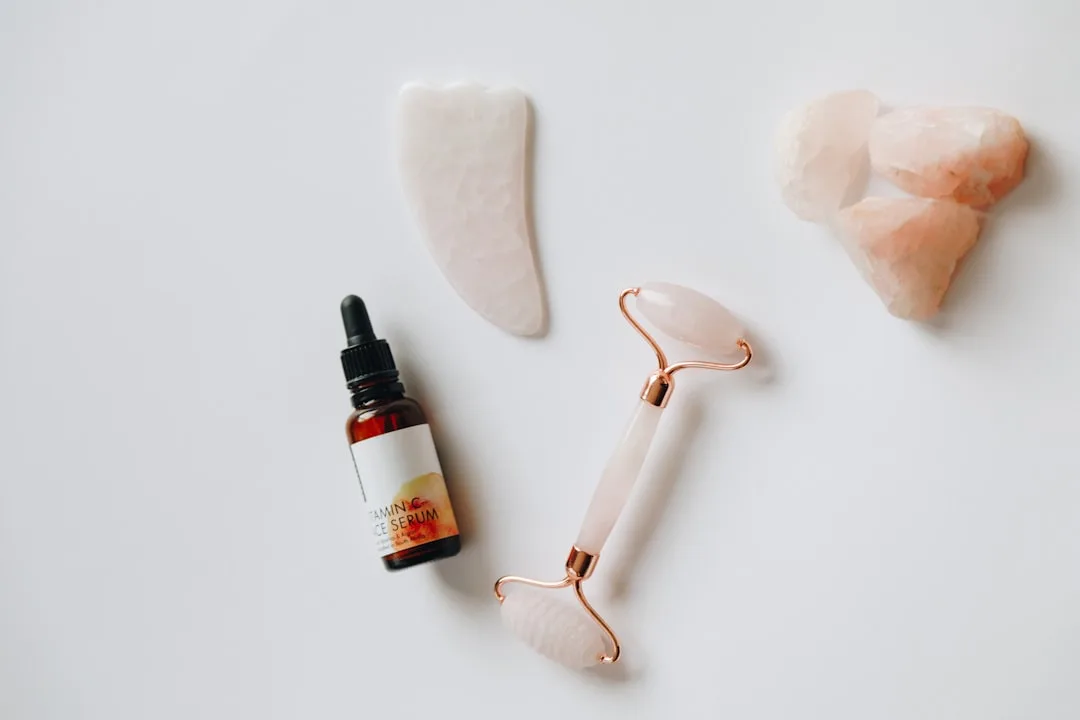
Beauty technology has advanced significantly, enabling consumers to receive personalized skincare recommendations based on their unique skin composition and environmental factors. Devices that analyze skin hydration levels, sebum production, and inflammation markers are becoming more accessible, allowing individuals to make data-informed decisions about their routines. This technological integration removes guesswork from skincare selection and helps consumers invest in products that genuinely address their specific needs.
The future of beauty increasingly relies on this intersection of science and personalization. Consumers who once felt overwhelmed by endless product options now have pathways to discover formulations tailored to their skin’s actual requirements rather than their perceived skin type. This shift toward customization has also reduced product waste, as people purchase only what their skin truly needs rather than cycling through multiple products hoping something works.
Sustainability and Conscious Beauty Consumption
Environmental consciousness has become inseparable from beauty conversations in 2026. Consumers actively question ingredient sourcing, packaging materials, and brand transparency regarding manufacturing practices. The beauty industry has responded with refillable packaging systems, concentrated formulas that reduce water weight in shipments, and commitment to sustainable ingredient harvesting. Clean beauty now encompasses not just what goes on skin, but the entire lifecycle of how products reach consumers.
Brands that communicate their sustainability efforts authentically—without relying on vague greenwashing claims—have earned stronger customer loyalty. The conversation has matured beyond simply avoiding harmful ingredients to examining the entire supply chain. Small-batch skincare companies and established brands alike are investing in regenerative agriculture partnerships and packaging innovations that minimize environmental impact. This conscious consumption approach reflects a generation of beauty enthusiasts who view their purchasing decisions as aligned with their values and vision for a sustainable future.
Personalized skincare powered by technology
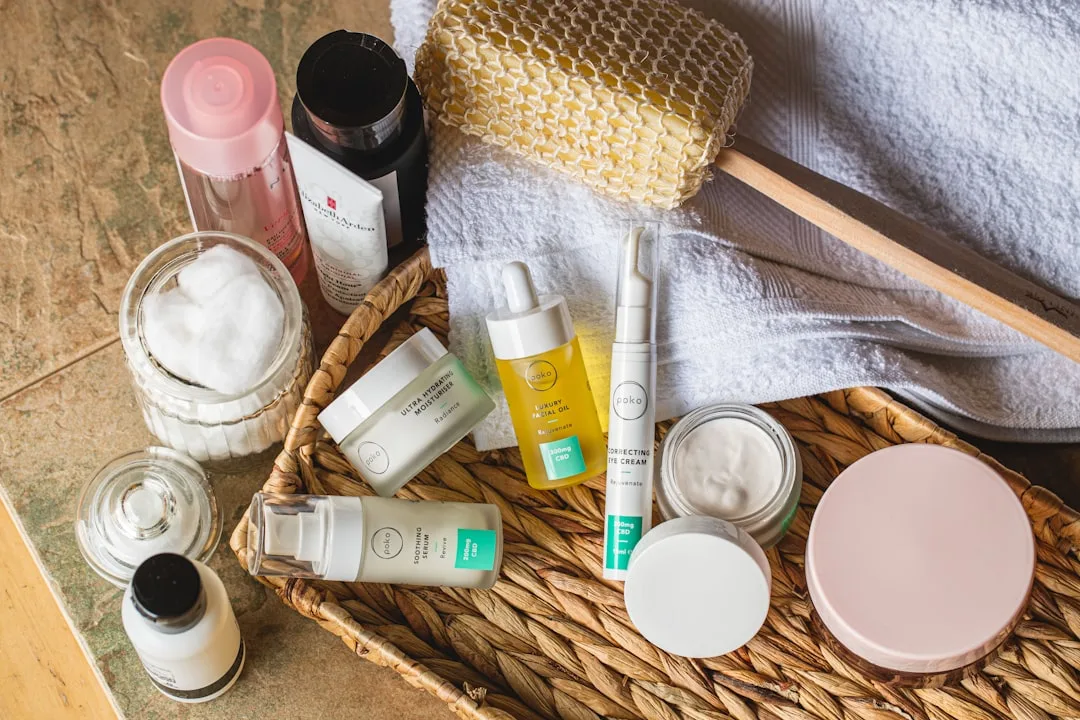
The clean beauty movement has increasingly integrated artificial intelligence and digital tools to help consumers find products tailored to their specific skin needs. Brands like Proven and SkinStation offer personalized product recommendations based on detailed questionnaires about skin type, concerns, and sensitivity levels, allowing customers to receive curated routines rather than generic product collections.
This technological advancement extends beyond simple recommendation systems. Many skincare companies now offer skin analysis through smartphone apps that assess hydration levels, oiliness, and sensitivity, creating a data-driven foundation for product selection. By combining clean ingredients with scientific precision, these platforms demonstrate that natural formulations and customized skincare are not mutually exclusive approaches.
The integration of technology into clean beauty also addresses a common consumer frustration—uncertainty about whether a product will actually work for their individual skin. Rather than purchasing multiple products through trial and error, personalized systems reduce waste and improve efficacy, aligning with both the clean beauty philosophy and the practical needs of conscious consumers.
The rise of multifunctional clean formulations
Contemporary clean beauty products increasingly serve multiple purposes, reflecting both minimalist consumer preferences and ingredient innovation. Products like Augustinus Bader’s The Rich Cream function simultaneously as a moisturizer, barrier repair product, and anti-aging treatment, reducing the number of items needed in a daily routine while maintaining clean ingredient standards.
This shift toward multifunctional formulations addresses practical concerns about product accumulation and bathroom clutter while supporting sustainability goals. Rather than requiring separate serums, moisturizers, and treatments, consolidated products mean fewer bottles in production, less packaging waste, and simplified application routines. Brands developing these formulations must balance efficacy across multiple benefits without relying on synthetic fillers or stabilizing agents.
The challenge of creating truly multifunctional clean products has driven ingredient innovation, with formulators exploring combinations like plant-derived hyaluronic acid, peptides from natural sources, and bioactive compounds that address multiple skin concerns simultaneously. This evolution demonstrates that clean beauty constraints are inspiring rather than limiting creative development in skincare science.