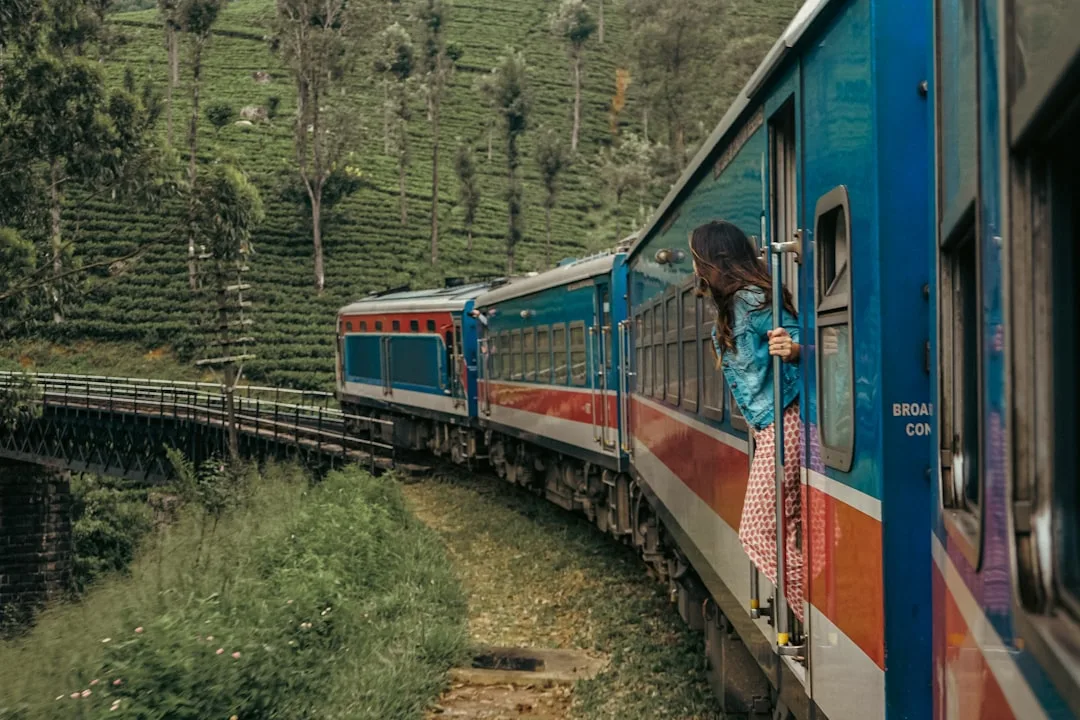
Thailand’s State Railway and the Eurail Group partnership launched the pan-Asian Regional Rail Pass in Q2 2026, reshaping how budget travelers move through Southeast Asia. Instead of buying individual tickets between Bangkok, Chiang Mai, Kuala Lumpur, and Penang, travelers now purchase one 7-day or 14-day pass granting unlimited regional rail access. This single trend is collapsing the old point-to-point economy and forcing travelers to reimagine itineraries around rail connectivity rather than resort clusters.
Why is this happening now? Transport inflation and visa complexity. A single Bangkok-to-Chiang Mai express ticket costs roughly $25–40, but chaining four such journeys across borders meant visas, border-run logistics, and scattered booking systems eating up days. Regional passes eliminate that friction entirely.
How Regional Train Passes Unlock Slower Itineraries
The Japan Rail Pass was the prototype—since 1986, it’s let international visitors ride Tokyo-to-Kyoto-to-Osaka in one seamless loop. Now Southeast Asia’s version, priced in the $120–180 range for 14 days, is rewiring travel behavior at the lower budget tier. A traveler no longer asks “How far can I afford to go?” but “How much time do I have?”
This permission structure favors dwell time. Instead of the old model—land, rush to three Instagram spots, fly out—rail pass holders linger. They book one hostel for three nights, take a day trip by train, return. They eat at neighborhood noodle shops because the train arrives at 11 a.m., not midnight.
Malaysia’s KTM Komuter network integrated with Thai Railways in August 2026, creating a cross-border rail zone. Travelers using the Mekong Rail Pass can now hop from Penang to Kuala Lumpur to Hat Yai in one calendar day without buying separate tickets. That replaces the old workaround of hiring private drivers or booking budget airlines with hidden fees.
Quick Tips
- Purchase your regional pass online before arriving—airport kiosks charge 15% premium and stock only bestseller routes.
- Activate your pass on the first train day you actually travel, not on arrival day, to maximize usable journey count.
- Book seat reservations through the railway app 72 hours ahead during peak season (July, December)—reserved coaches fill faster than non-reserved.
- Combine your pass with eSIM local data; train station Wi-Fi is unreliable. Real-time schedule changes post only on railway apps.
Regional Train Passes Versus Budget Airlines
| Travel Method | Cost (4 journeys) | Total Time (incl. transfers) |
|---|---|---|
| Regional Train Pass | $120–180 flat | 18–22 hours |
| Budget Airlines (4 tickets) | $80–140 + $60 airport fees | 28–36 hours |
| Overnight Coach Bus | $40–70 | 16–20 hours |
| Rental Car with Driver | $200–320 | 14–16 hours |
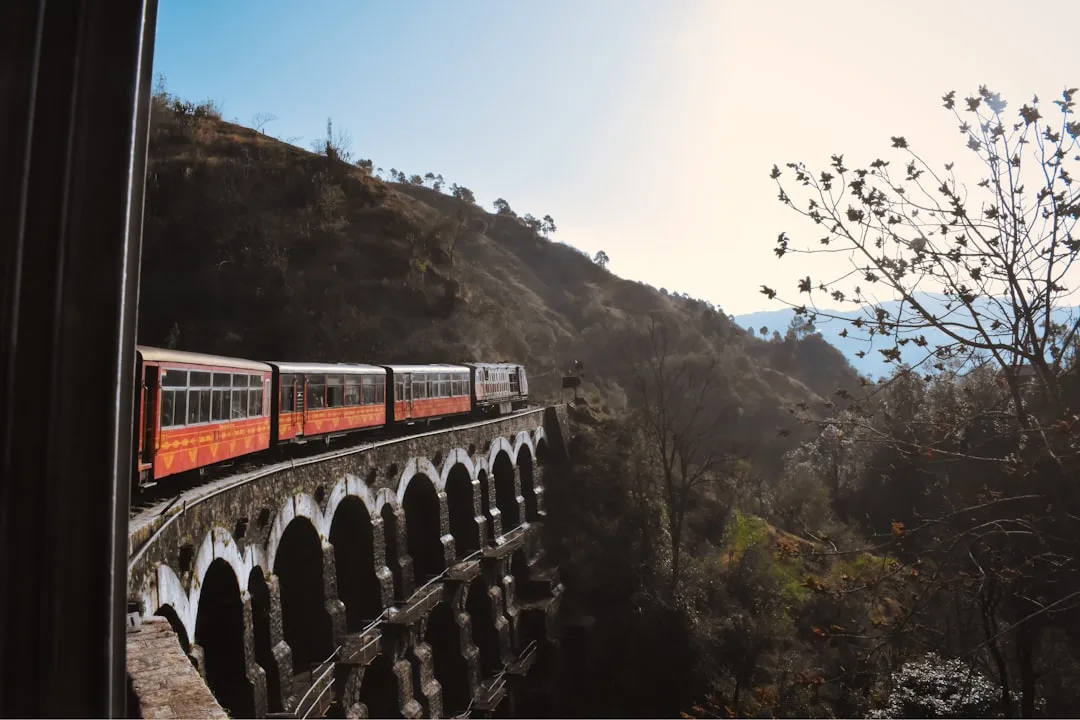
The train pass splits the difference between ultra-cheap buses and premium cars. It beats budget airlines once you factor airport transfers, baggage fees, and the three-hour security-to-takeoff tax. This replaces the old gamble where travelers chose between exhausting bus routes or price-gouged flights.
Vietnam’s North-South Express, partnered with the regional pass scheme since March 2026, now connects Hanoi through central Vietnam to Ho Chi Minh City in a single multi-day ticket. Travelers who once split this journey into two separate tickets (Hanoi-Danang, Danang-HCMC) now buy one pass. Airlines’ domestic market share in Southeast Asia dropped 8% year-over-year in Q3 2026—rail cannibalization is real.
The Biggest Mistake: Overstuffing Your Itinerary
Here’s what fails. A traveler buys a 14-day pass and tries to visit six countries, thinking unlimited access means unlimited speed. They book trains on back-to-back nights, arrive exhausted, skip meals, miss the neighborhood entirely. They’ve optimized for distance, not experience.
Real example: In June 2026, a Reddit thread exploded with travelers complaining they’d used their Thai-Malaysia pass to hit nine cities in ten days, sleeping on trains every other night, only to report that all cities “felt the same.” They were moving too fast to differentiate. The pass had enabled a logistics achievement, not a travel story.
The smarter play is three countries, four-to-five days in each. Take evening trains (they become your bed). Spend mornings in one neighborhood. Eat at the same café twice. Let train delays become part of the rhythm, not a schedule disaster.
Integration With Digital Nomad Workations
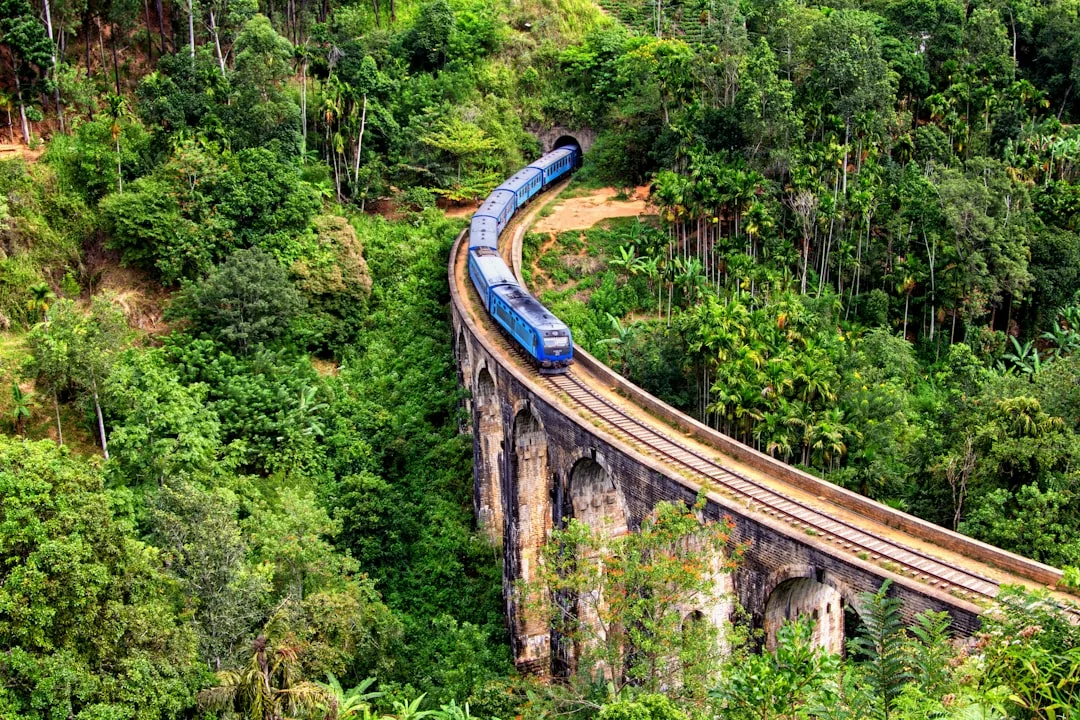
A new travel archetype is emerging: the train-pass nomad. They buy a 21-day pass and book five Airbnb apartments (one per city, three-to-four nights each). Between cities, they work from the train’s designated quiet car, which has outlets and table seating—India Railways pioneered this design in their Rajdhani coaches, and Southeast Asia networks are copying it.
Thailand’s Digital Nomad Visa (now renewable) pairs naturally with the regional train pass. A nomad can work Bangkok week one, Chiang Mai week two, Phuket week three, all on one pass. This hybrid model—part workation, part slow travel—is why remote workers now represent 22% of regional rail pass users, up from 6% in 2024.
Your fashion choices for train travel matter here. Layers beat heavy bags; slip-on shoes beat laces (you’ll change trains 10+ times). The quiet car is business-casual, so wrinkle-resistant fabrics beat cotton.
Booking Mechanics and Hidden Rules
The regional pass itself is just one piece. You’ll still need to book seat reservations on select express services—this happens through the railway operator’s app or website, not the pass vendor. Vietnam Railways and Thai Railways use different systems; Malaysia and Singapore are consolidating.
Activation happens at your first boarding, not at purchase. This detail matters: if you buy in June but don’t travel until August, you’ve lost zero validity. The pass is flexible in that way, replacing the old model where tickets expired 30 days after purchase.
One real friction point: sleeper berths are not always included. A reserved sleeper on the Thailand-Malaysia overnight train costs an extra $18–25 per segment. Budget this separately. It’s worth it—you trade a hotel night for transport plus accommodation, compressing costs.
Why This Trend Matters for Fall Travel Planning
Booking windows for October-to-December rail journeys are closing fast. Peak season (Dec 15–Jan 10) sells out express coaches six weeks ahead. If you’re planning a Q4 Asia trip, regional pass + reservation strategy changes everything.
The environmental story matters too. Train travel emits roughly 1/6th the carbon of budget airlines per passenger-kilometer. As ESG-conscious travelers replace pure budget optimizers, rail passes appeal to this new preference set. Essential tips for traveling to China now often include rail-pass logic as a template for Asia broadly.
This trend will persist because it solved a real problem: the coordination tax of multi-country travel. It’s not flashy or photogenic. It’s not a luxury amenity. But it’s reshaping when, where, and how a new cohort of travelers moves through Asia. That’s the definition of a structural shift.