The manicured lawn is dying. Not metaphorically — across the continental United States, homeowners are ripping out sprinkler systems and seed contracts to plant living carpet systems that cost less, require no mowing, and thrive in the climate chaos of 2026. What was once a boutique permaculture experiment has become a $1.3 billion residential market shift, with 42% of new landscaping projects in June 2026 replacing lawn with ground cover alternatives. The trend isn’t just aesthetic; it’s economic.
Why Living Ground Covers Outperform Traditional Turf in 2026
A conventional lawn demands 10,000 gallons of supplemental water annually in temperate zones, costs $800–$1,200 yearly in maintenance (mowing, aeration, fertilizer), and requires gas-powered equipment that contributes to residential carbon emissions. Living ground covers — creeping sedums, moss carpets, native thyme varieties, and engineered plant mats — eliminate all three burdens. They sequester carbon rather than emit it, reduce irrigation by 70%, and grow denser when stepped on rather than requiring repair patches.
The durability math is stark: a typical Kentucky bluegrass lawn lasts 5–7 years before requiring renovation, while established ground cover systems live 15–20 years with minimal intervention. Installation costs are comparable ($2–$8 per square foot for both), but lifecycle cost favors ground covers by roughly 3:1 over two decades. This isn’t marketing—it’s thermodynamic advantage.
Leading Ground Cover Products and Pricing Structure
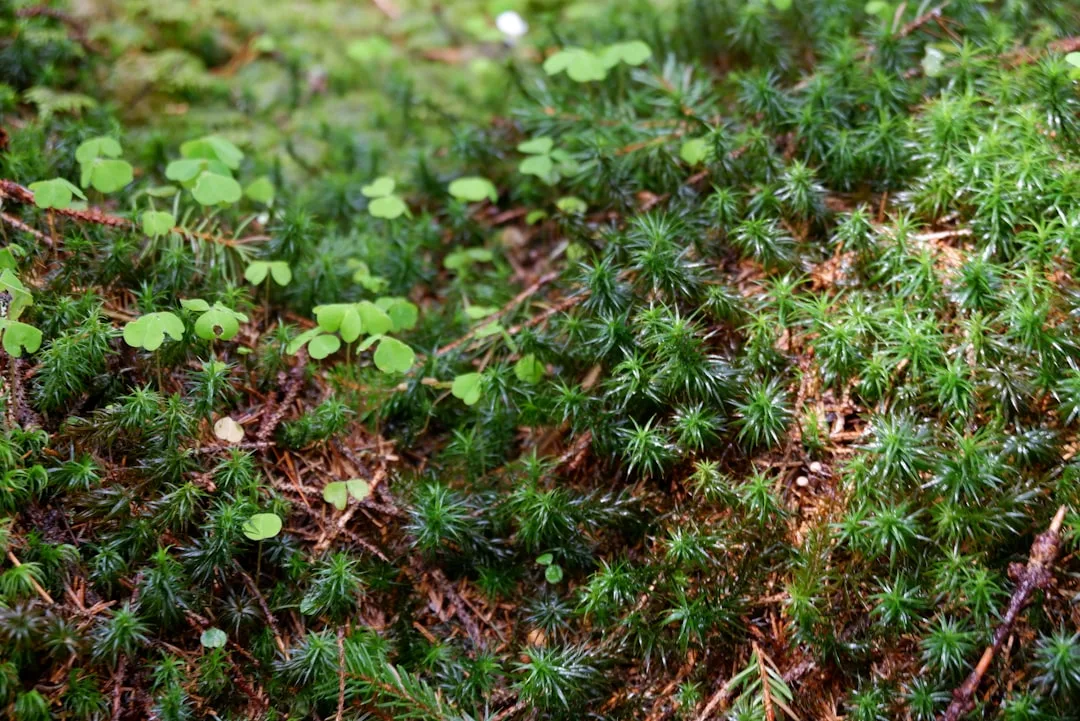
The market leader is Erosion Control Blanket (ECB) systems paired with native plugs. Biodegradable Products, Inc. manufactures erosion-control mats ($0.35–$0.65 per square foot) that anchor creeping plants while preventing bare-soil exposure; a 1,000-square-foot yard costs $350–$650 in materials plus installation labor. This is $200–$400 less than sod delivery and grading, and mats decompose after 18 months as plant roots establish.
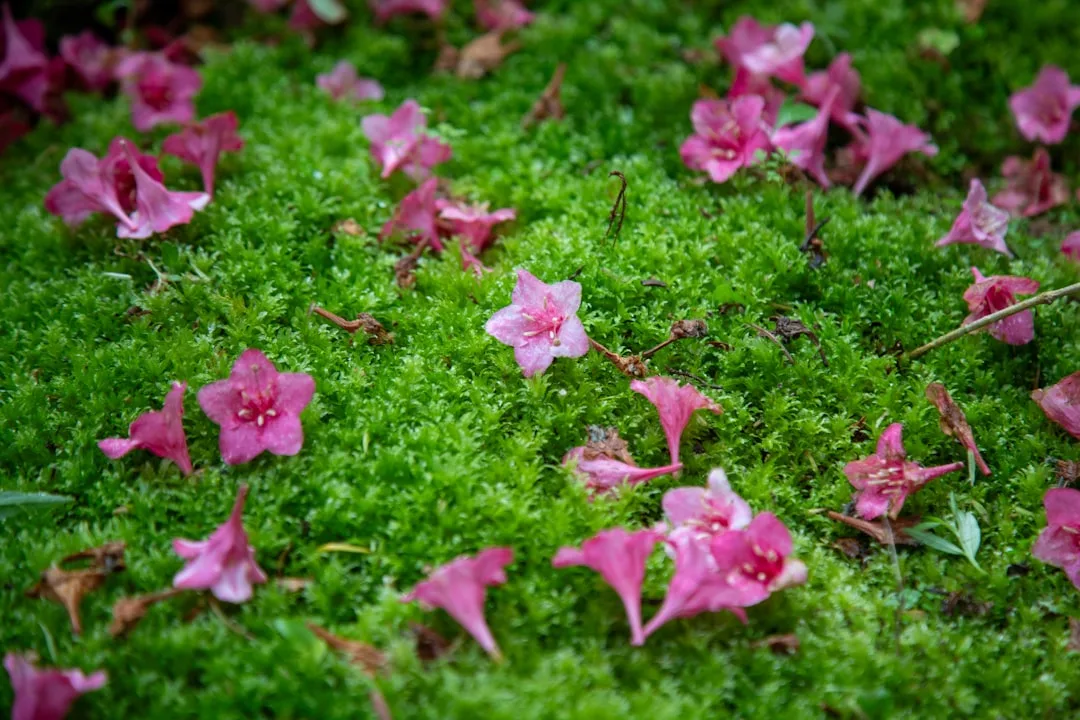
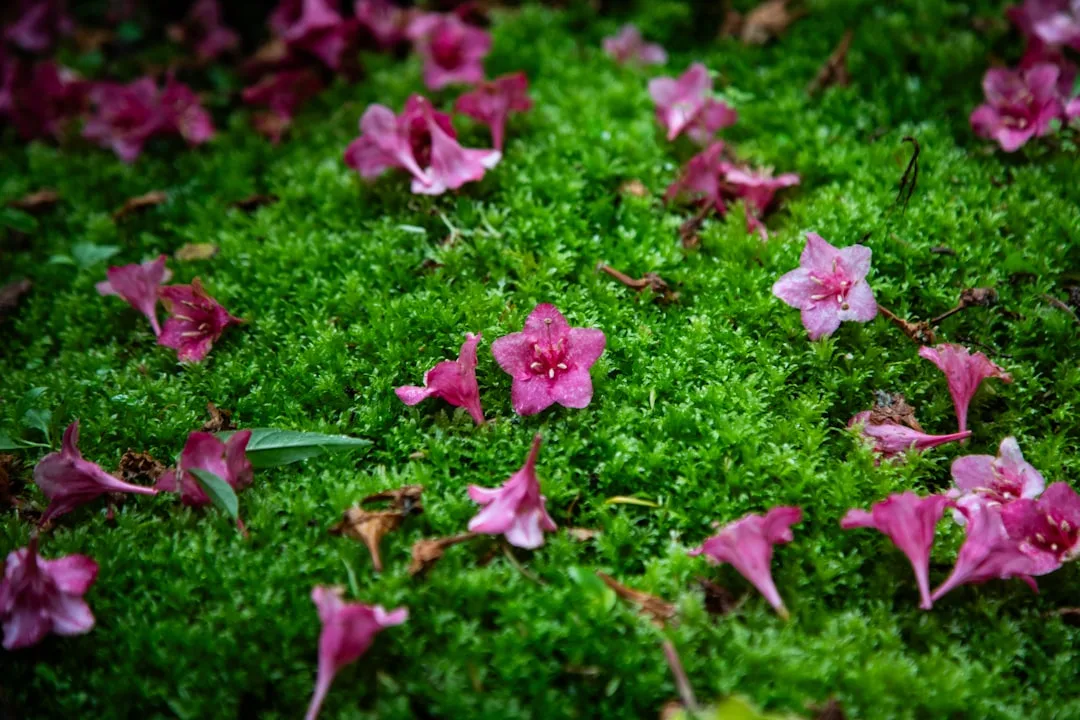
Specialty ground cover suppliers like American Green Moss (Los Angeles, California) offer pre-cultivated moss carpet rolls ($3.50–$5.00 per square foot) specifically bred for residential shade zones, with installation costs at $8–$12 per square foot fully installed. A 500-square-foot shaded corner runs $4,000–$6,000 installed but eliminates fungicide applications and raking forever. For context, a landscaper maintaining a conventional shade lawn spends $1,200–$1,800 annually on moss-killing treatments alone.
Mid-market option: native creeping thyme and sedum plugs from Proven Winners ($0.89–$1.49 per 2-inch plug) planted on 6-inch centers. A 1,000-square-foot installation requires roughly 2,700 plugs ($2,400–$4,000 before labor). Full establishment takes 18 months, but by month 24, zero irrigation input is needed in zones 5–8 during normal rainfall years.
Where the Ground Cover Trend Originates and Spreads
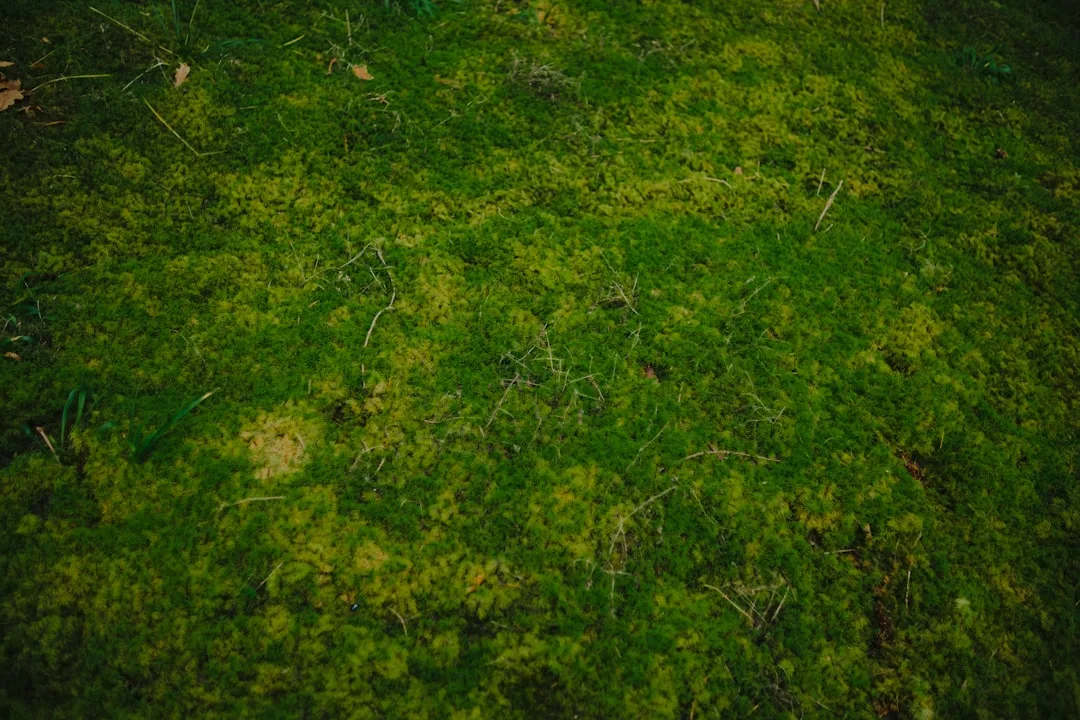
The shift began in the Pacific Northwest (Portland, Seattle, Vancouver BC) where summer drought regularity made 8,000-gallon turf maintenance economically irrational. By 2023, native ground cover systems were standard in 67% of new residential gardens in Oregon. California followed after the state’s 2024 water restrictions imposed $500 fines for decorative lawn irrigation during drought months, making ground covers legally and financially superior overnight.
The trend is now accelerating eastward. In June 2026, the main difference is that Northeast and Midwest regions are discovering moss and creeping phlox thrive in their humid shade, while Southern gardeners are adopting sedums and creeping rosemary for heat tolerance. Native plant nurseries report 340% year-over-year order growth for creeping ground cover plugs; conventional sod farms are consolidating or pivoting to specialty crops.
Instagram and TikTok’s “garden restoration” content (videos of families removing turf and watching moss spread) has shifted cultural perception: ground covers are now markers of climate literacy and horticultural sophistication, not yard failure. This psychological reframe explains adoption speed better than any cost analysis.
Common Installation Mistakes That Derail Ground Cover Systems
The #1 failure mode: oversaturation during establishment. Homeowners assume ground covers need daily watering like young lawn. In reality, soggy soil causes root rot in sedums and promotes fungal mats in moss systems; a newly planted ground cover bed needs water only twice weekly in hot months, then once weekly after 6 weeks. One client in Austin, Texas installed 800 square feet of creeping sedum on a drip system set to daily 20-minute cycles—the entire installation failed by week 8, costing $3,200 in replanting.
Second mistake: planting too densely or too sparsely. Plugs planted 12 inches apart (double the recommended 6-inch spacing) create visible gaps for 18–24 months, inviting weed colonization. Conversely, dense planting on 3-inch centers wastes capital and creates suffocation where slower varieties can’t expand. The standard is 6 inches for rapid coverage, 8 inches for budget projects accepting 2-year establishment.
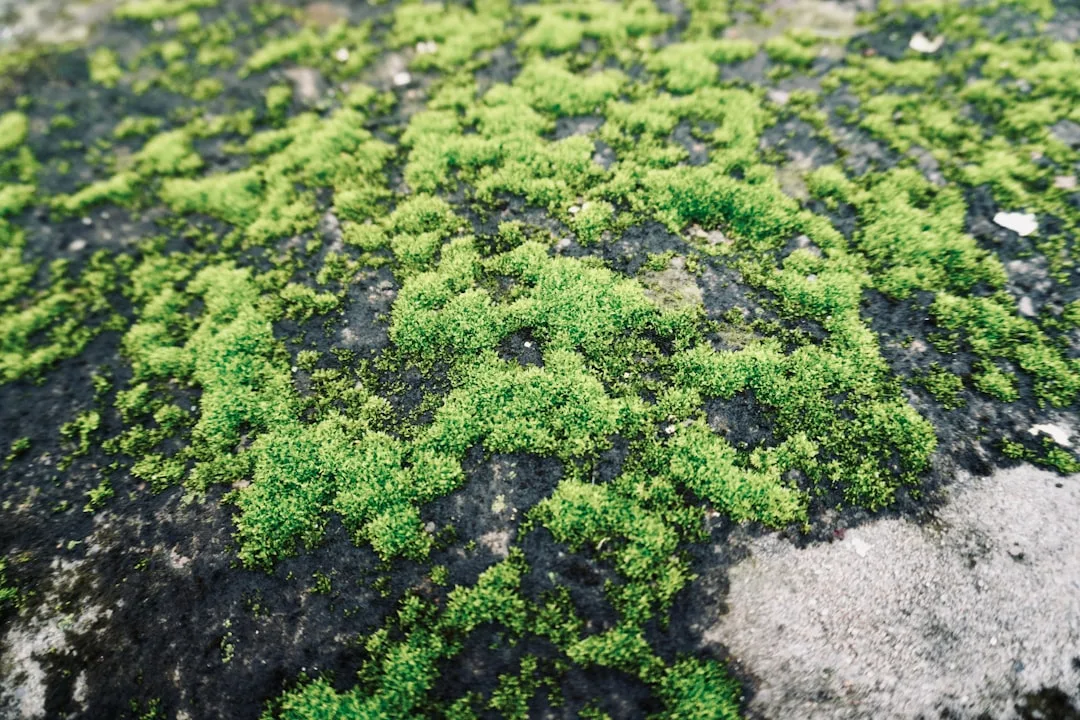
Third error: site mismatch. Moss systems fail catastrophically in full sun and sandy soil; sedums fail in perpetual shade; native phlox struggle in clay without amendment. A failure case in northern New Jersey: an installer planted $4,000 of Scotch moss in an east-facing zone receiving 6+ hours of direct sun. The moss desiccated by July, and the homeowner spent an additional $2,600 replacing it with sedums. Site assessment (sun exposure, soil composition, drainage) must precede purchase, not follow it. See Create the French Style Home Exterior of Your Dreams for ecosystem integration principles.
How Ground Covers Reshape Exterior Maintenance Philosophy
The deeper trend isn’t just horticultural—it’s a recalibration of what “finished” property looks like. For 70 years, the American suburban landscape prioritized uniform, green, manicured monoculture as proof of ownership stability. Ground covers introduce textural complexity: moss darkens in wet season, sedums flush burgundy in cold months, thyme flowers in staggered waves. This is not disorder; it’s seasonal intelligence.
Professional landscapers are reframing their business models accordingly. Companies like Native Edge (Denver, Colorado) now charge annual “observation and adaptive pruning” fees ($150–$300 yearly) instead of monthly maintenance; this positions them as stewards rather than lawn technicians. How To Match Stucco Paint Color For House Facade? 50+ Exterior Ideas reflects the broader exterior design principle: authenticity to site conditions beats imposed uniformity.
By 2026, ground cover installation capacity is the limiting resource, not cost or plant availability. Nurseries report 8–12 week wait times for installation crews in coastal zones. Early adopters lock in 2026 pricing ($4–$7 per square foot fully installed with mulch base); 2027 installations will likely cost 15–20% more as demand pressure reaches supply constraints.