Quick Scan
- Cold plunge pools occupy 120 sq ft versus 600+ for traditional pools, reducing installation time from 12 weeks to 4–6 weeks
- Sauna-to-plunge thermal contrast rituals improve sleep quality and reduce stress through documented parasympathetic activation
- Meditation zones require overhead structure (pergolas, screens) and soft ground covers to create psychological containment and separation from recreational areas
- Permeable pavers (Unilock Beacon Hill, Richcliff) prevent pooling around saunas and integrate meditation platforms with non-slip, moisture-resistant surfaces
- Google Trends data shows Sustainable Luxury outdoor spaces experienced 187% popularity increase in 2025, with wellness amenities as core components
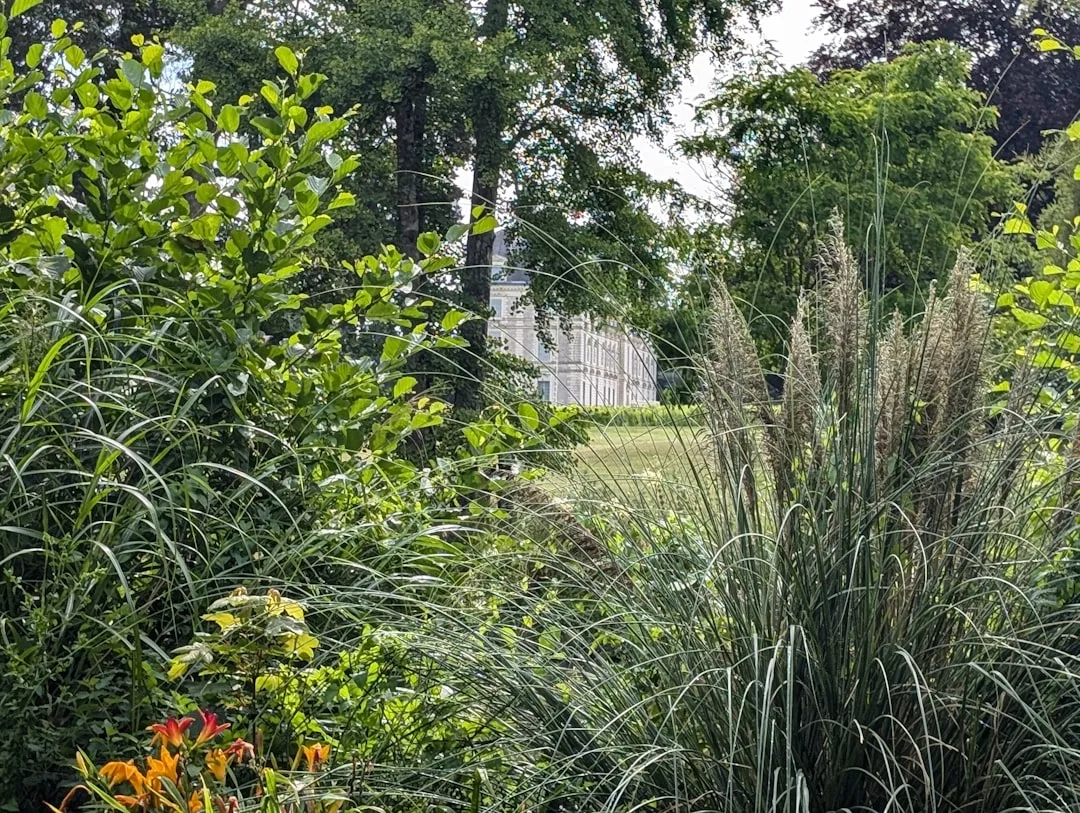
Seventy-seven percent of U.S. homeowners wish they spent more time outside, yet most backyards sit underutilized and disconnected from daily wellness routines. In mid-2026, landscape designers are reporting a dramatic surge in demand for outdoor wellness zones—dedicated spaces combining cold plunge pools, infrared saunas, yoga decks, and meditation gardens that transform backyards from idle gathering spots into therapeutic retreats.
Unlike traditional large-format pools that dominate one corner of a yard, wellness zones integrate multiple therapeutic elements within compact, intentionally designed spaces. This shift reflects a broader homeowner priority: mental and physical health benefits accessible steps from the kitchen door.
Cold Plunge Pools Replace Large Recreational Pools
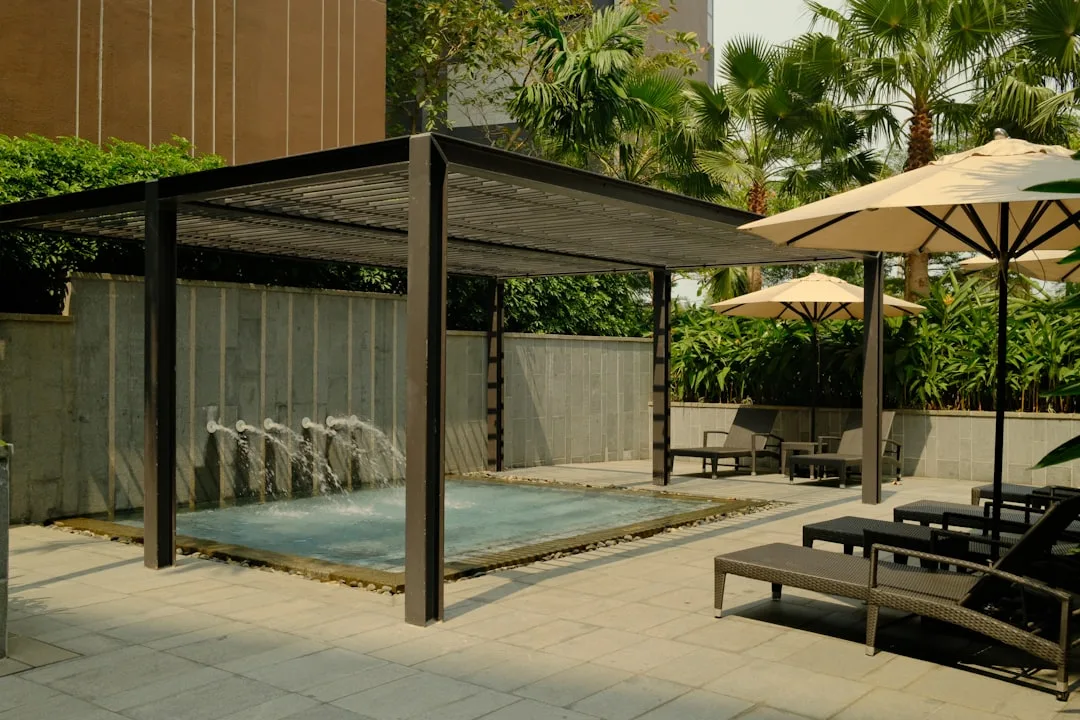
Cold plunge pools—typically 6 to 8 feet long and 3 to 4 feet deep—are outpacing traditional 15,000-gallon pools in design specification. Landscape professionals cite faster installation, lower maintenance costs, and measurable health benefits including improved circulation, reduced inflammation, and enhanced mental clarity as primary drivers.
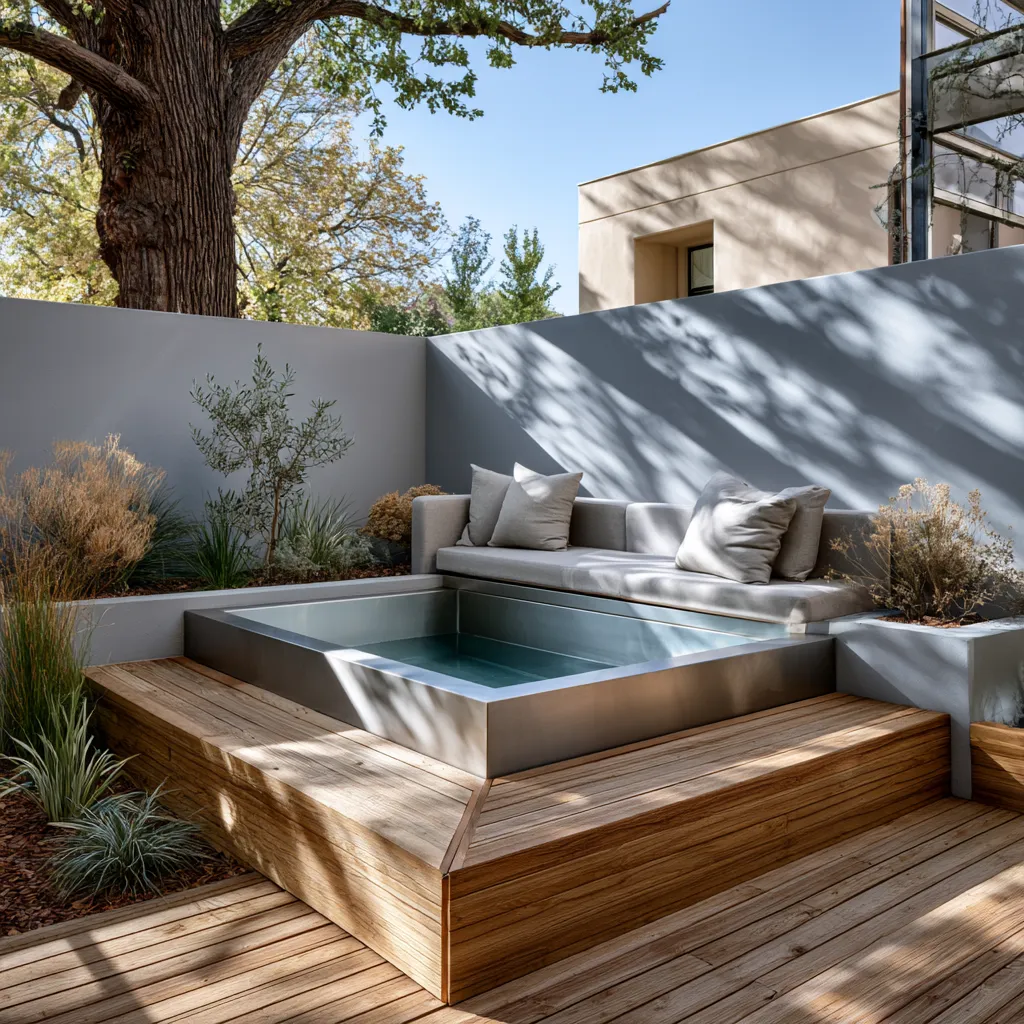
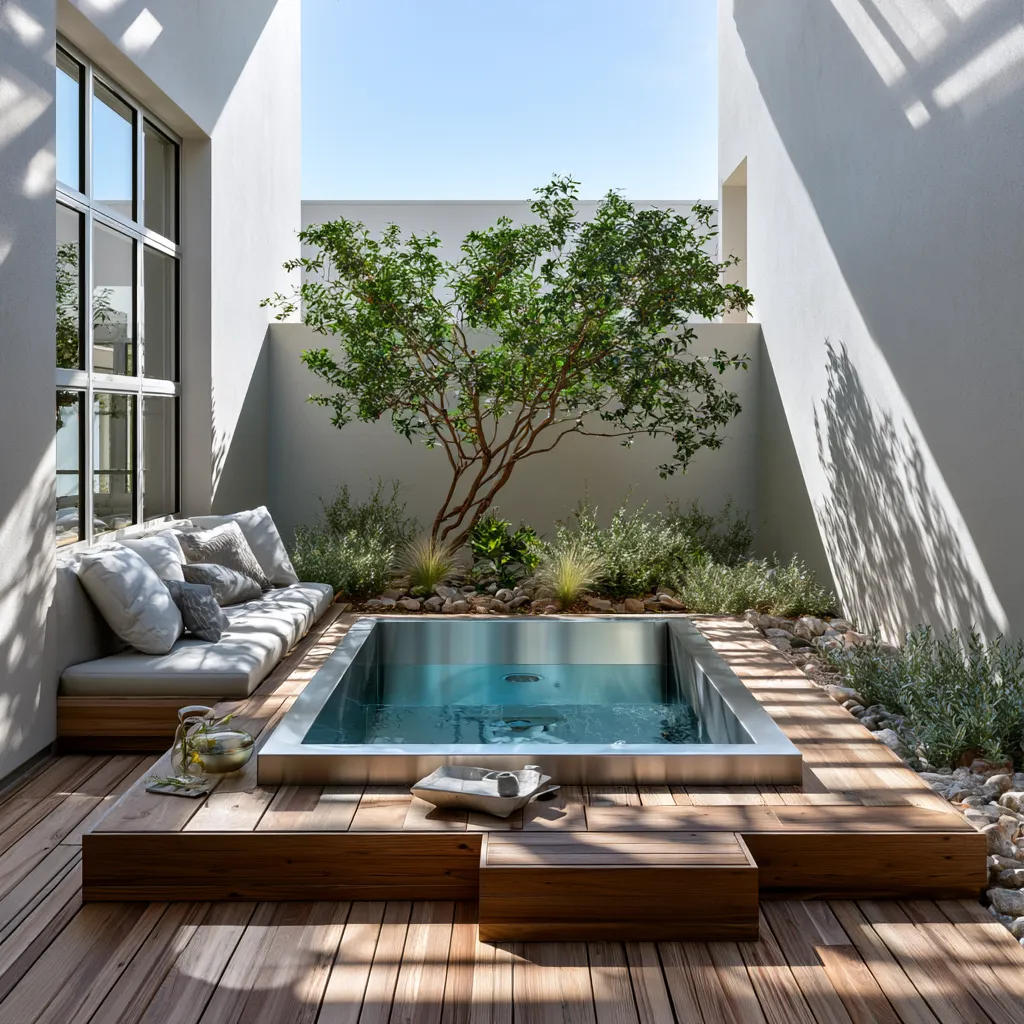
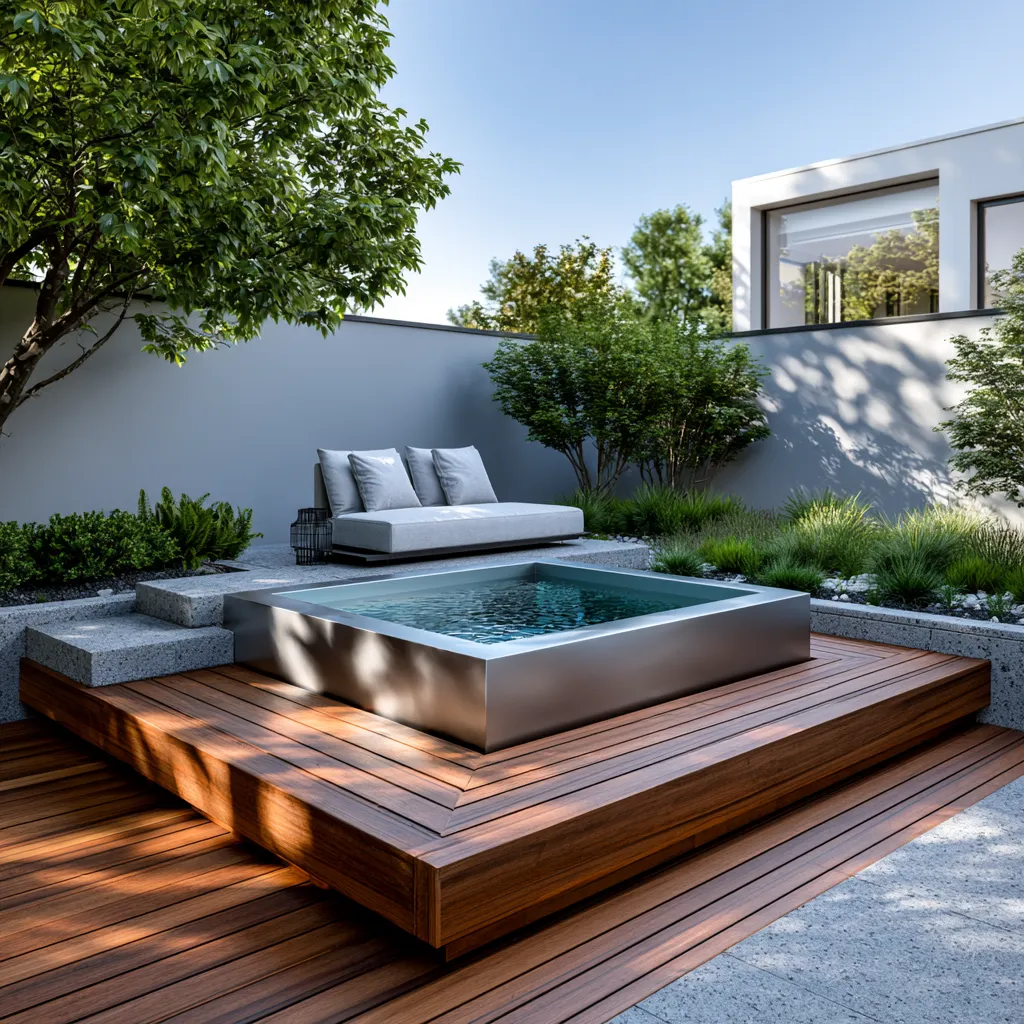
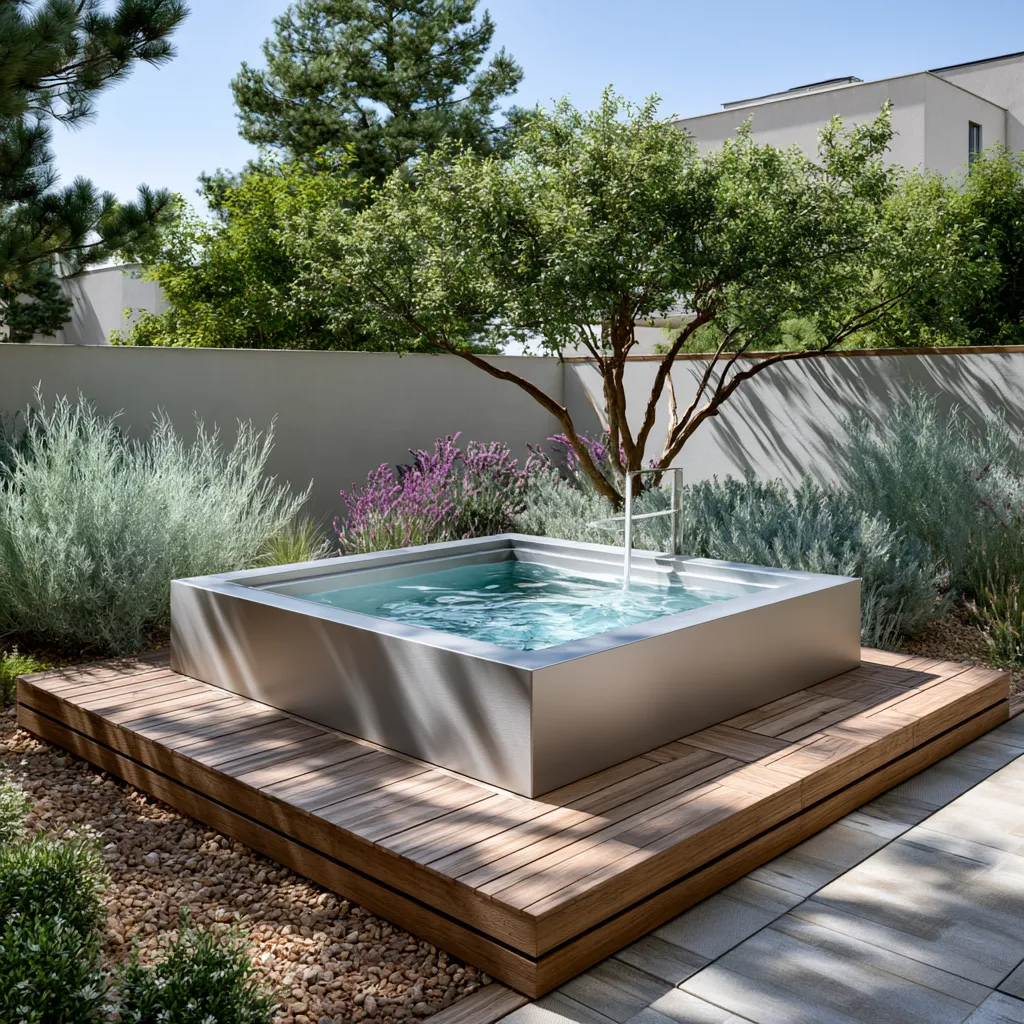
A premium cold plunge from brands like Plungie ($4,500–$7,200) or ColdTub ($6,000–$9,500) occupies roughly 120 square feet of yard space versus 600+ square feet for standard pools. Installation typically requires 4–6 weeks, compared to 8–12 weeks for traditional pools. These pools are often paired with slatted privacy screens to create intimate bathing zones—essential for comfort and home aesthetics, as detailed in our guide on slatted outdoor privacy designs.
Avoid sizing your plunge pool larger than 8 feet unless you plan regular full-body soaking rather than therapeutic immersion. Oversizing increases energy costs and defeats the focused wellness purpose, turning what should be a concentrated health tool into a watered-down luxury that feels scattered and harder to maintain.
Don’t Do This
- Don't size cold plunge pools larger than 8 feet—oversizing increases energy costs and dilutes therapeutic focus without adding wellness benefit
- Don't position sauna directly adjacent to cold plunge without 6–10 foot buffer—removes meditative transition walk and creates rushed, jarring experience
- Don't build open meditation zones without overhead structure or visual anchors—fails to create psychological sanctuary essential for contemplative practice
Sauna and Shower Integration Creates Wellness Anchors
High-end outdoor saunas with integrated shower systems are now specified as core wellness anchors rather than supplementary features. Brands like Finnleo ($8,000–$15,000), Golden Designs ($5,500–$12,000), and Dundalk Cedar Saunas ($6,000–$13,000) offer pre-fabricated modular units that install in 5–7 days without foundation work.
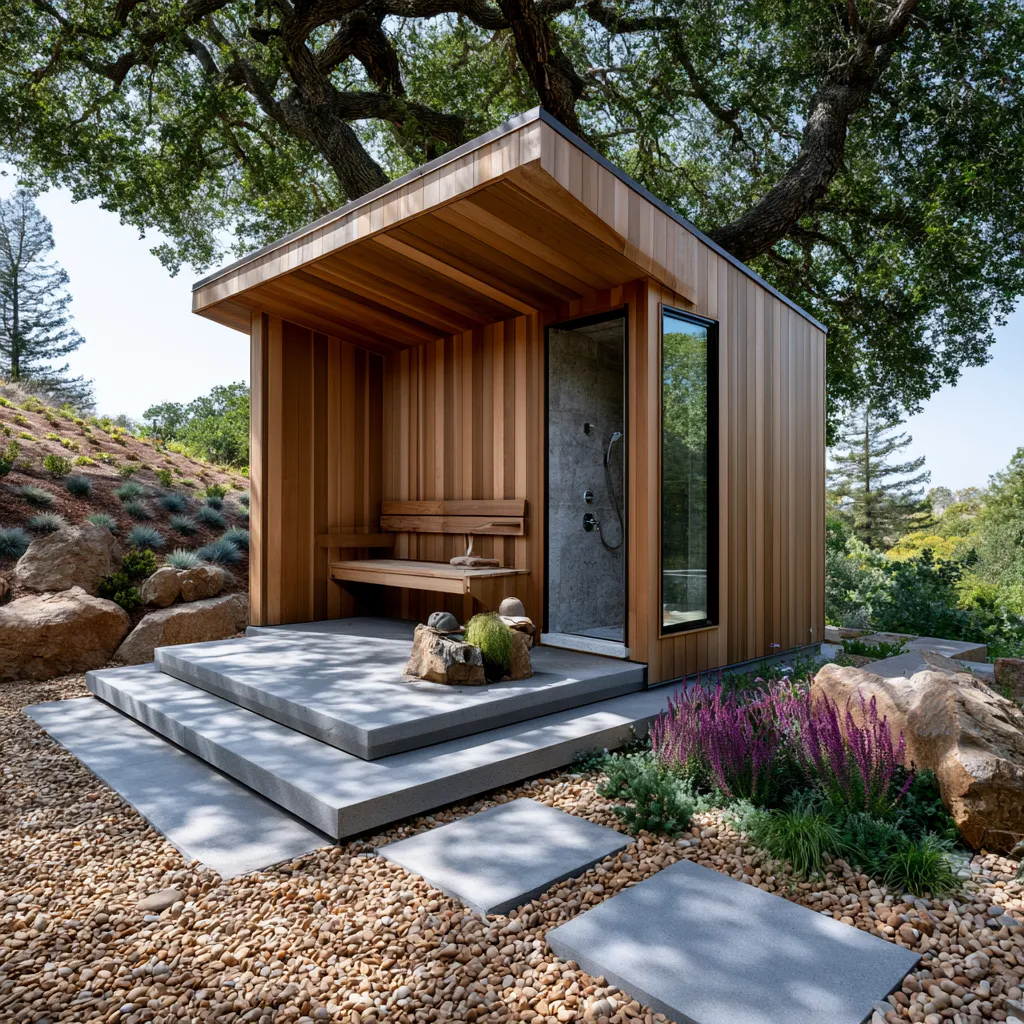
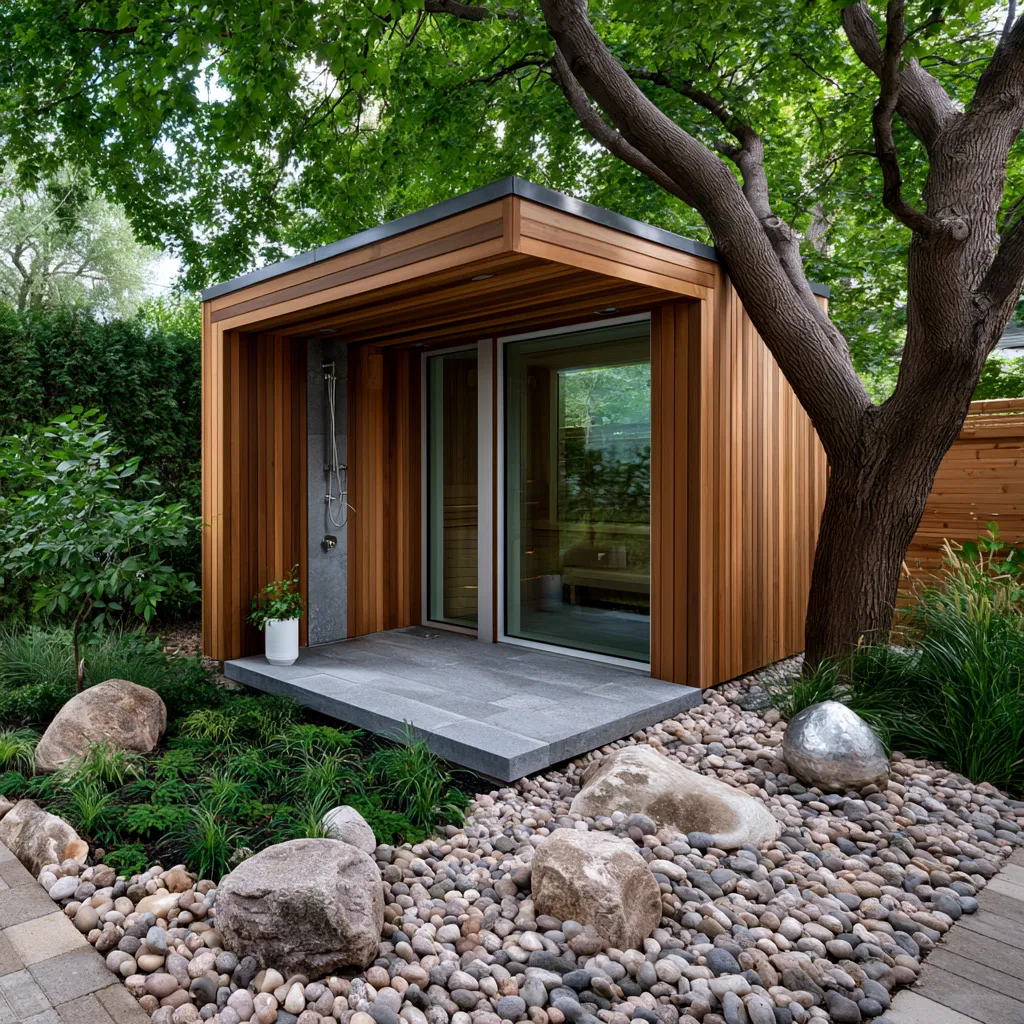
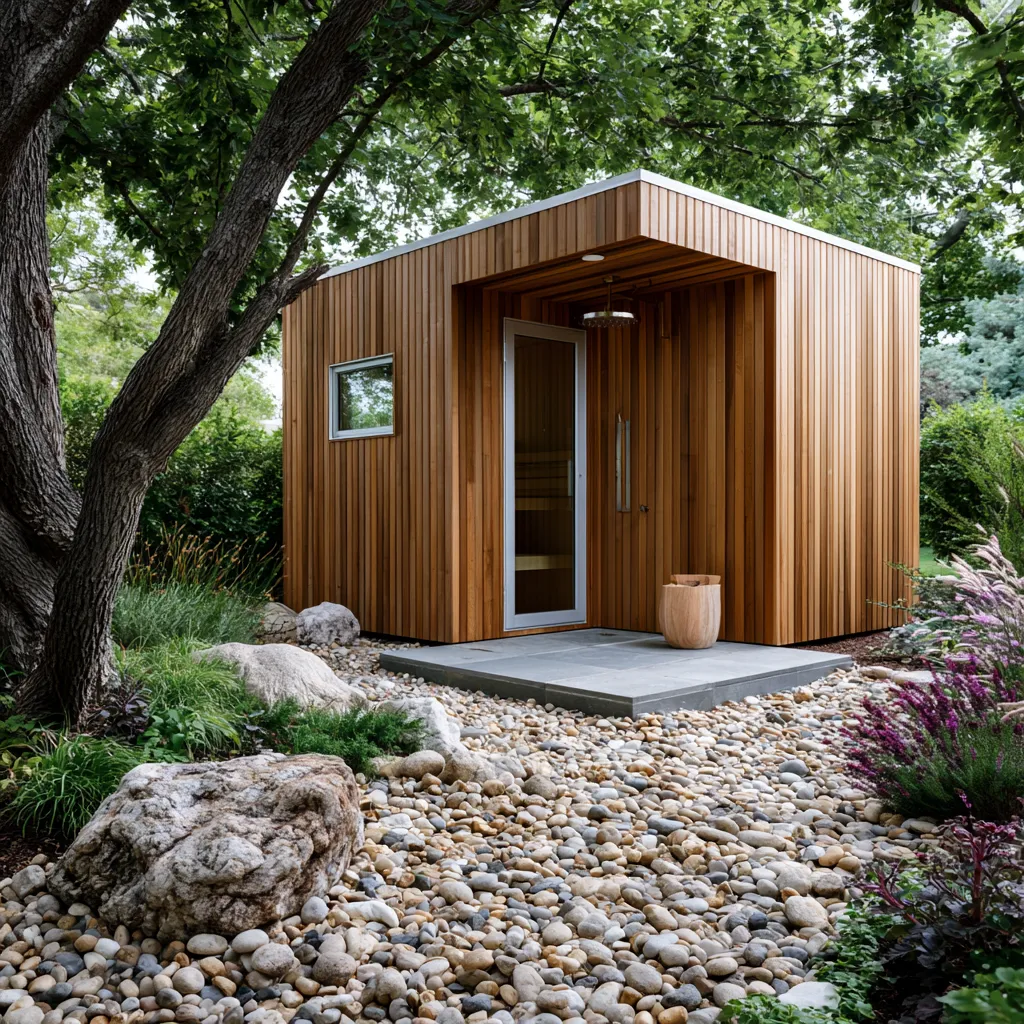
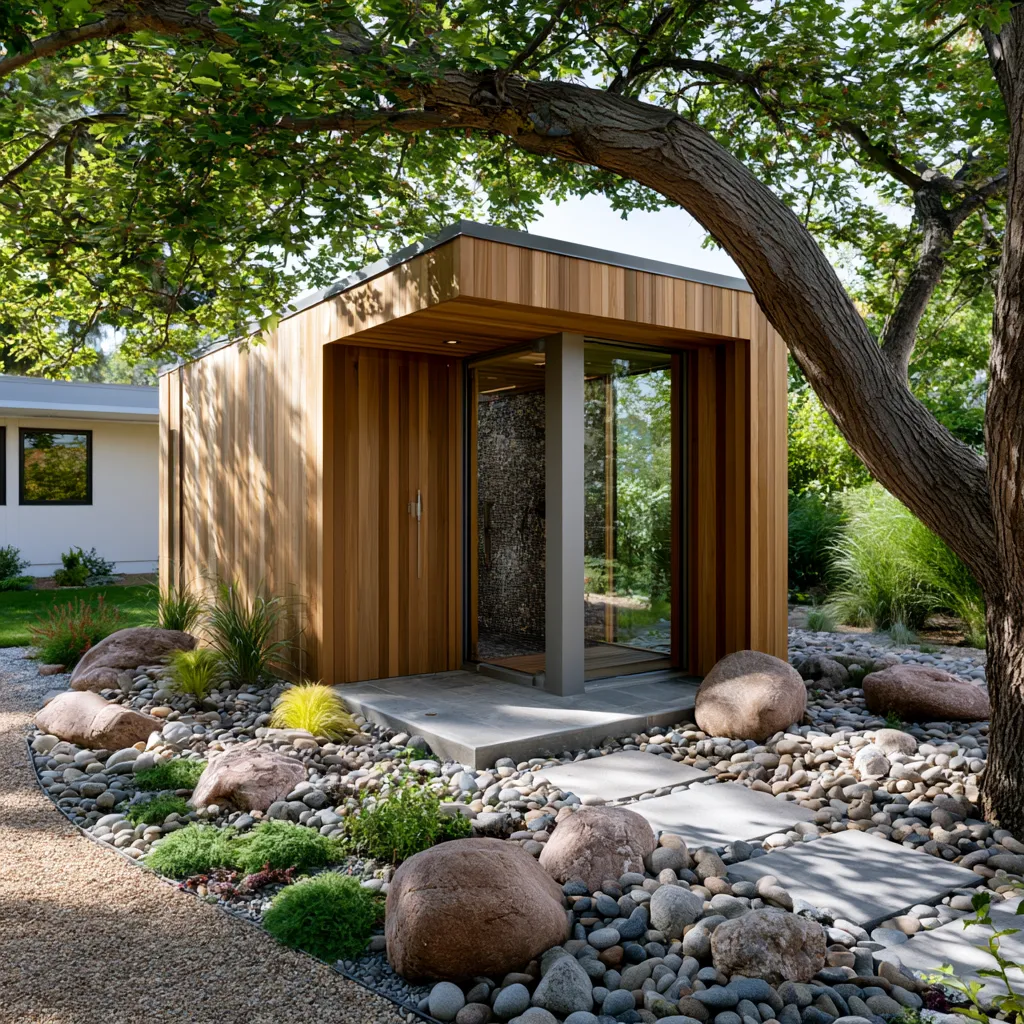
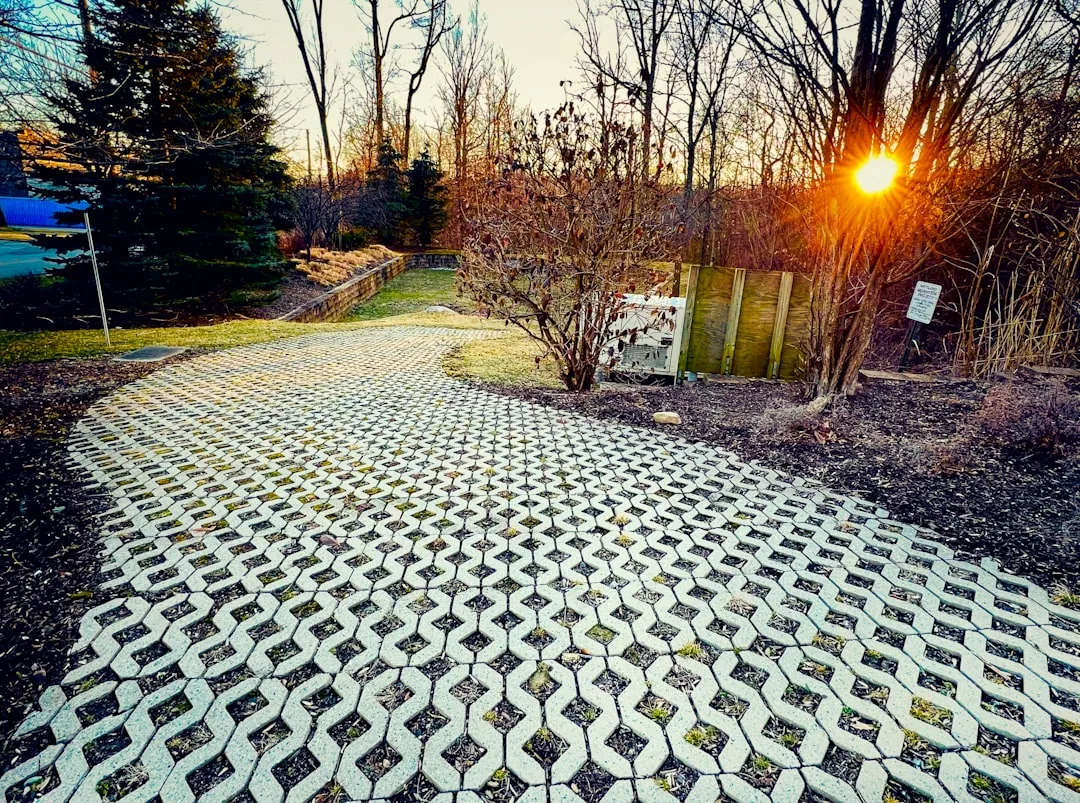
The sauna-to-plunge sequence creates a powerful thermal contrast ritual: heat therapy opens pores and increases circulation, while cold immersion triggers parasympathetic nervous system recovery. This pairing is clinically recognized for reducing stress and improving sleep quality. Pair your sauna with permeable pavers like Unilock’s Beacon Hill Flagstone or Richcliff lines to create non-slip gathering decks that handle moisture without pooling or staining.
Vertical gardens adjacent to saunas amplify the wellness effect through biophilic design. Explore options like vertical garden walls to maximize greenery in compact zones while creating visual separation from neighboring properties and adding humidity regulation through natural plant transpiration.
Never position a sauna directly adjacent to a cold plunge without a 6–10 foot buffer zone or visual screen. This creates jarring transitions and prevents the meditative walk between zones that makes the ritual feel intentional rather than frantic.
| Feature | Cold Plunge Pool | Outdoor Sauna | Meditation Zone |
|---|---|---|---|
| Footprint | 120 sq ft | 80–120 sq ft | 200–400 sq ft |
| Installation Time | 4–6 weeks | 5–7 days | 2–4 weeks |
| Cost Range | $4,500–$9,500 | $5,500–$15,000 | $3,000–$8,000 |
| Primary Benefit | Circulation, inflammation reduction | Sauna + cold contrast therapy | Mental clarity, stress reduction |
| Maintenance Level | Moderate (filtration) | Low (wood maintenance) | Low (landscaping only) |
Meditation Spaces Anchor Mental Wellness Into Outdoor Design
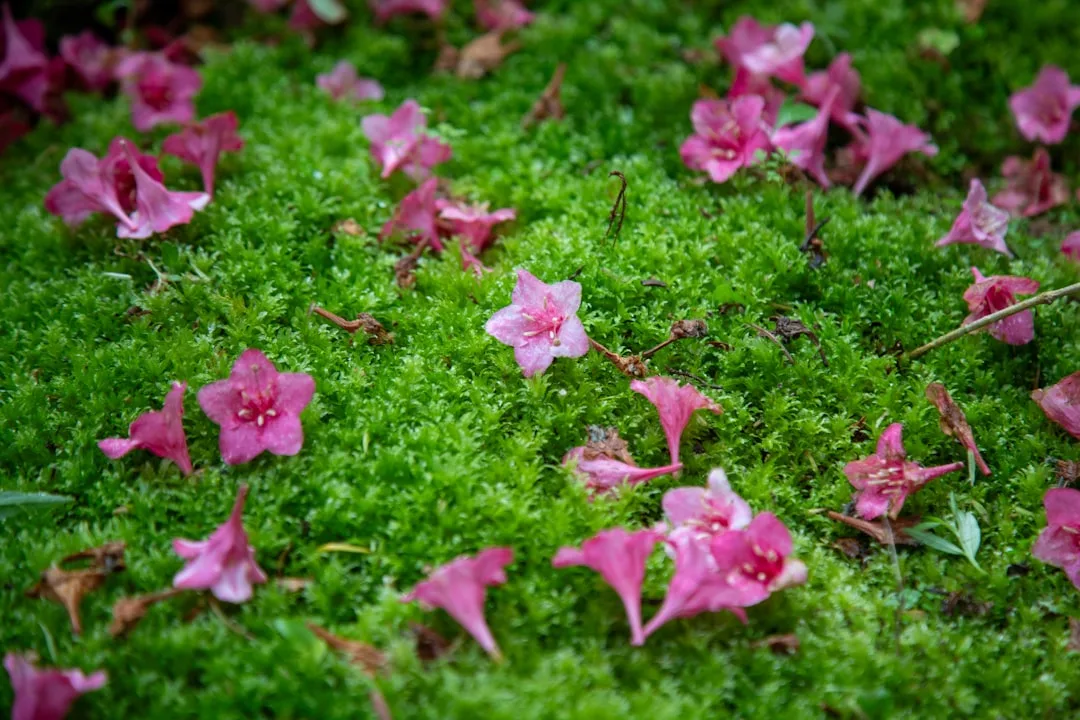
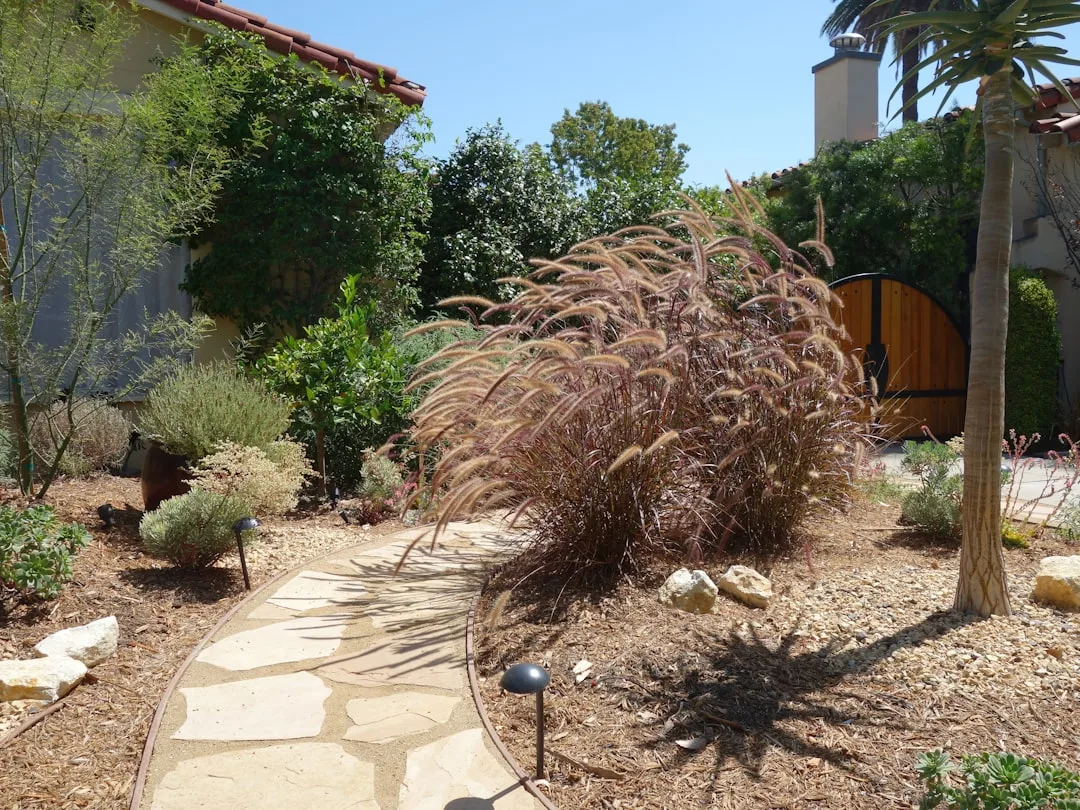
Dedicated meditation zones occupy 200–400 square feet and typically feature raised platforms, soft ground covers, and semi-enclosed structures that separate these spaces from recreational areas. Designers specify decomposed granite pathways, moss-friendly turf alternatives, or permeable pavers to create quiet, low-maintenance surfaces that don’t generate noise underfoot.
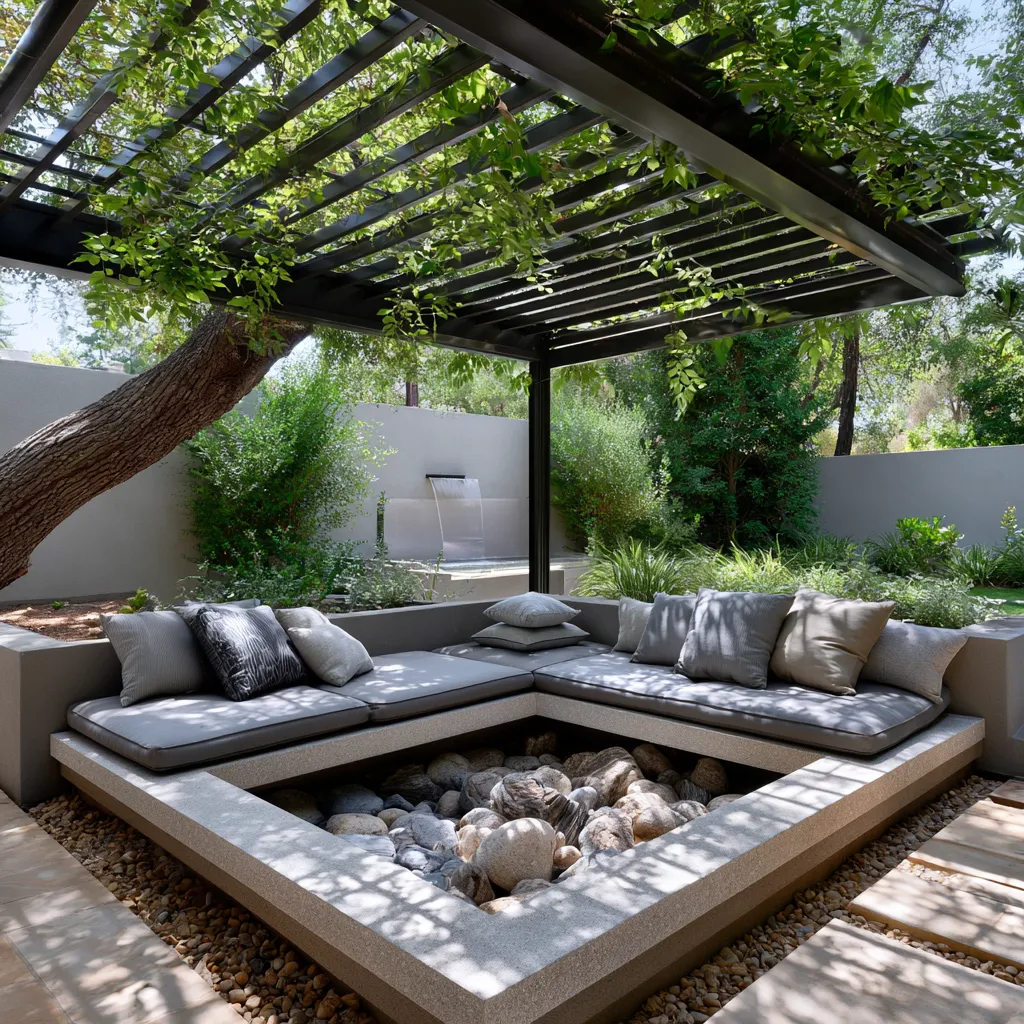
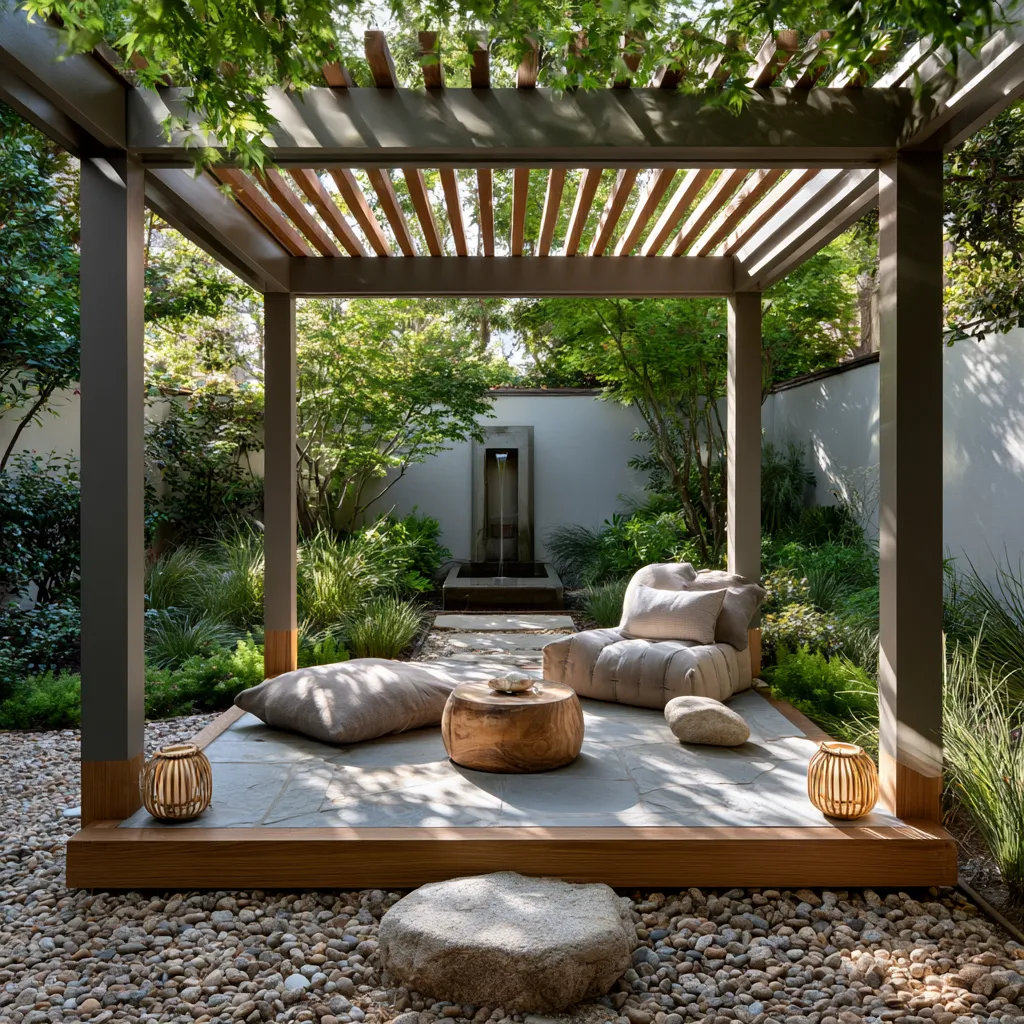
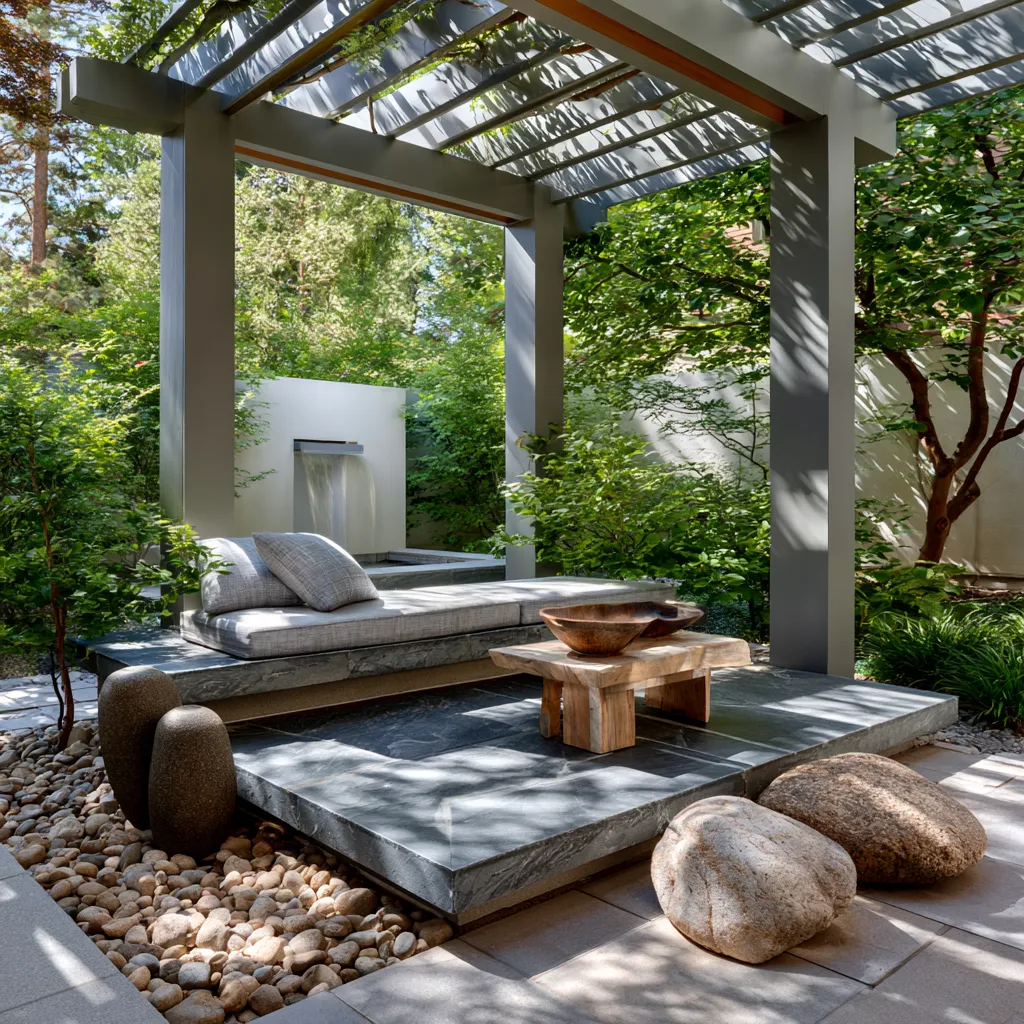
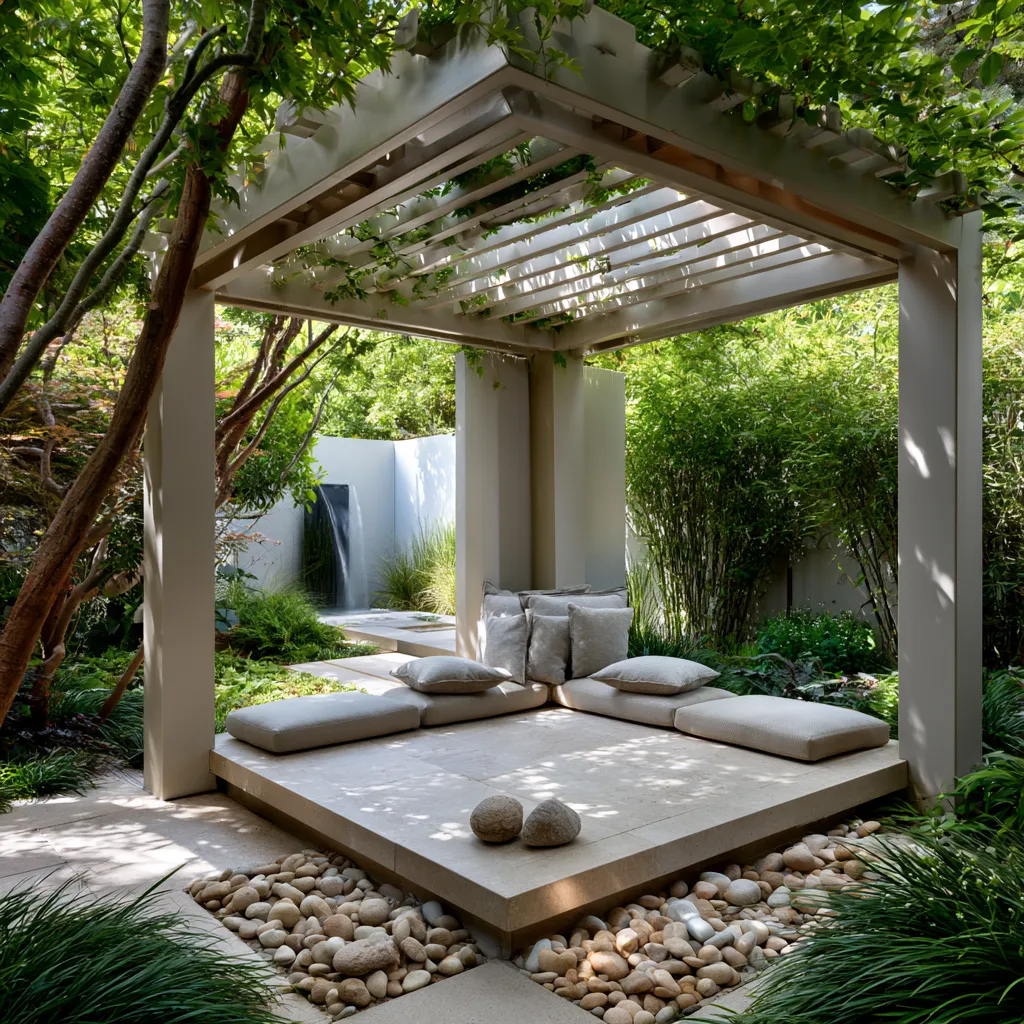
Meditation decks benefit from subtle architectural framing—pergolas, slatted overhead screens, or living walls that create psychological containment without full enclosure. This design language prevents the zone from feeling isolated while maintaining acoustic and visual privacy essential for stillness practices. Many designers integrate water features like recirculating fountains (Aquascape, $800–$2,500) to mask ambient noise and create focal audio elements that support concentration.
Avoid open, fully exposed meditation zones without overhead structure or visual anchors. Backyards without some form of containment—even partial shade—fail to create the psychological sanctuary that separates meditation spaces from ordinary lawn areas, making it hard to shift into contemplative states.
Stone seating benches, low platforms, and strategically placed focal plants (specimen trees, ornamental grasses) guide movement through these zones and encourage extended presence. Lighting design matters too: soft uplighting or warm LED strips (Kichler, $150–$400 per fixture) on pathways maintain evening usability while supporting circadian rhythm alignment—critical for outdoor spaces intended to support sleep and mental recovery.
Save this
Outdoor Wellness Zones Redefine Backyard Function and Daily Ritual
Outdoor wellness zones represent a fundamental shift in how homeowners design and use backyard space—moving beyond decorative landscaping toward deliberate therapeutic architecture. Cold plunge pools, saunas, and meditation spaces address the 77% of Americans who wish they spent more time outside by creating specific reasons to step into yards daily and engage in measurable health practices.
Start with a single anchor feature aligned with your primary wellness goal, whether that's thermal contrast therapy, mindfulness practice, or physical recovery. Layer in secondary elements over 12–24 months, allowing your landscape to evolve organically and your wellness rituals to deepen with seasonal changes.
Save this post for design reference and return to it when planning your specific zone layout, budget, and feature priorities.
📌 Save to Pinterest