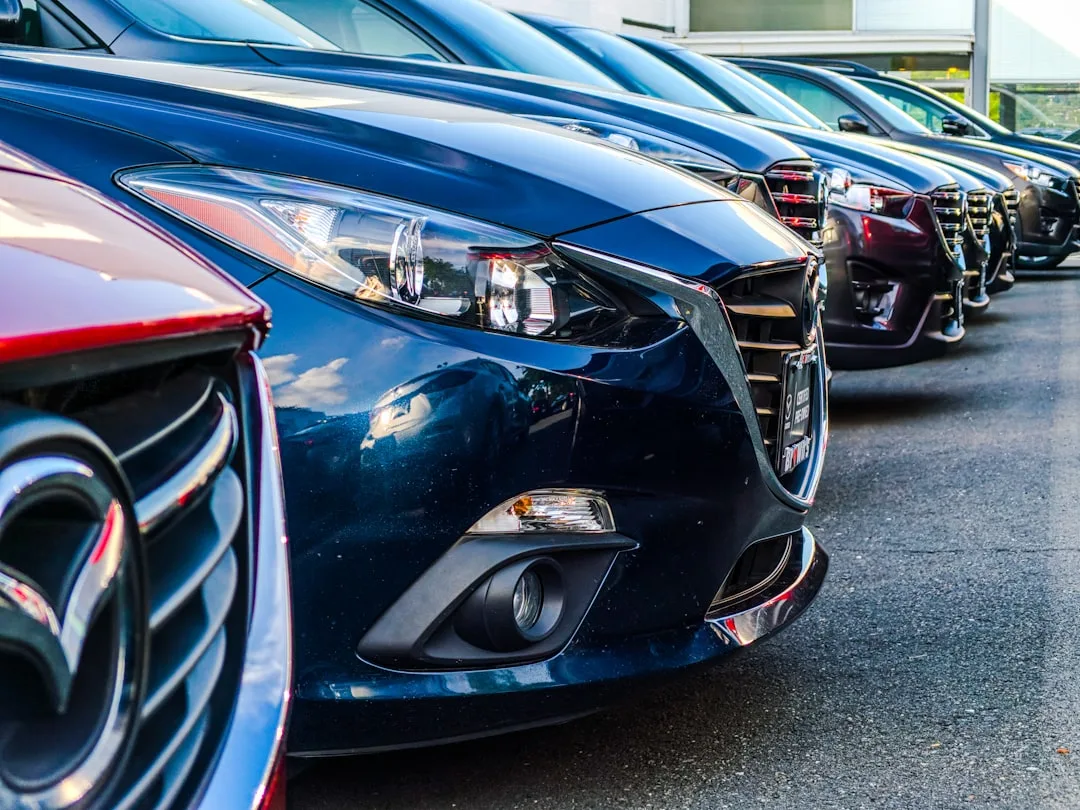
Walk into any major automotive market in July 2026 and the certified pre-owned vehicle market now represents 58% of all transactions—a reversal that would have seemed impossible five years ago. New-car prices, still inflated despite manufacturer claims of normalization, have pushed middle-class buyers toward CPO inventory where transparency and warranty protection become the deciding factors. This isn’t a temporary blip; it’s a structural shift that’s reshaping dealer strategies, auction house operations, and how families evaluate automotive value.
The 34-Percent Growth That Changed Dealer Strategy
Cox Automotive’s mid-2026 data shows the certified pre-owned vehicle market expanded 34% year-over-year, while new-vehicle sales flatlined. That gap isn’t closing. Dealerships that once treated CPO lots as secondary inventory now dedicate 40-50% of floor space and staff to certified vehicles, where margins are predictable and customer acquisition costs drop by nearly half compared to new-car sales.
Hyundai and Kia have taken the most aggressive stance, bundling seven-year powertrain warranties on vehicles with sub-50,000 miles. Their certified programs now process 180,000 vehicles annually across North America. That investment in certification—multi-point inspections, extended warranties, roadside assistance—costs dealers $1,200-$2,800 per vehicle but creates a measurable difference in buyer confidence and resale retention.
Quick Tips
- Request the full pre-purchase inspection report and verify every component tested—don’t accept a summary sheet.
- Compare warranty terms across dealerships; a six-year powertrain warranty beats a three-year bumper-to-bumper offer.
- Check the vehicle history using the dealership’s certified report, then cross-reference with independent sources.
- Negotiate based on the vehicle’s actual market value, not the manufacturer’s suggested CPO price.
- Confirm what repairs are covered under warranty and what deductible applies to claims.
Why New Cars No Longer Compete on Value Proposition
A 2026-model Toyota Camry starts at $32,500 for a base LE trim. A 2023 Camry with 35,000 miles, freshly certified, sells for $24,900—a $7,600 difference that buys four years of maintenance and covers two major battery replacements in a hybrid system. The new car depreciates $4,200 in year one alone; the CPO Camry’s price is already absorbed that loss.
This comparison holds across every segment. New inventory carries the full weight of manufacturer markups, dealer advertising allocation fees, and regional delivery charges that certified pre-owned vehicle market pricing avoids entirely. A CPO 2024 Honda Accord with 28,000 miles undercuts its new 2025 equivalent by $6,800 while offering identical warranty coverage for the next five years if the dealership’s certification standard meets Honda’s protocol.
| Vehicle Type | Average Price | First-Year Depreciation |
|---|---|---|
| New 2026 Sedan | $31,200 | 12–14% |
| Certified 2023 Sedan (35k miles) | $23,400 | 4–6% |
| Non-Certified Used Sedan (35k miles) | $20,800 | 6–8% |
| New 2026 SUV | $38,900 | 13–15% |
| Certified 2023 SUV (40k miles) | $28,600 | 5–7% |
The Common Mistake: Confusing Certified with Clean Title
How Depreciation Rates Differ Between New and Certified Pre-Owned Vehicles
New vehicles experience their steepest depreciation in the first year, typically losing 15–20% of their purchase price. Certified pre-owned vehicles, by contrast, have already absorbed much of that initial depreciation hit, making them attractive to buyers who want newer model features without the financial penalty. The depreciation curve flattens considerably after a vehicle reaches the certified pre-owned market, meaning your investment remains more stable over time.
When comparing a new sedan to a three-year-old certified version of the same model, the certified vehicle often retains better value percentage-wise in years two through five of ownership. This advantage stems from the fact that the new car’s depreciation accelerates during those critical early years. Buyers who understand this cycle can make strategic decisions about whether paying premium prices for a new vehicle aligns with their long-term financial goals.
The rise of subscription vehicle ownership models replacing long-term financing has also influenced how certified pre-owned vehicles are valued. As subscription services capture more of the short-term user market, certified pre-owned inventory grows, and depreciation becomes more predictable for traditional buyers.
Planning Your Purchase Strategy Around Depreciation Costs
Successful vehicle buyers align their purchase timing and vehicle selection with depreciation realities. If you plan to keep a car for seven to ten years, buying a slightly used certified pre-owned model three years into its lifecycle often yields the best total cost of ownership. The depreciation curve is gentler at that stage, and warranty coverage may still be available through certified programs.
Consider how evolving transportation trends affect your choice as well. Autonomous vehicle adoption reshapes how families plan daily commutes, and this shift may influence which vehicles hold value better over the next five years. Electric and hybrid models currently experience variable depreciation depending on battery longevity assumptions and charging infrastructure expansion in your region, adding another layer to your purchase decision.
Document all maintenance records, keep your vehicle in top mechanical condition, and maintain realistic expectations about its resale value. A well-maintained certified pre-owned car often outperforms a neglected new vehicle in the used market, proving that ownership habits matter as much as purchase price when it comes to long-term depreciation costs.