In 2025, nearly 40% of veterinary behaviorist consultations involved pet anxiety complaints, yet pharmaceutical prescriptions for the condition have plateaued. Pet owners now view anxiety medication—particularly prescription benzodiazepines and SSRIs—as a starting point, not a solution. What’s driving this shift? Owners increasingly recognize that pet anxiety medication alternatives address root causes: environmental triggers, insufficient enrichment, and learned stress responses that pills alone cannot fix.
This isn’t rejection of veterinary care. Rather, it’s a maturing understanding that behavior change requires multifaceted intervention. Medication may manage acute episodes, but alternatives reshape daily life.
Behavioral Counterconditioning as the Foundation
Dr. Karen Overall, one of the field’s leading veterinary behaviorists, has spent two decades documenting that systematic desensitization and counterconditioning outperform medication alone for noise and separation anxiety. The mechanism is straightforward: pair anxiety triggers with reward, and the brain rewires its emotional association.
A concrete example: instead of medicating a dog’s thunderstorm panic, a trained behaviorist teaches the owner to create a “safe nest” (usually a small closet or interior bathroom with background noise masking), introduce storm sounds at imperceptible volumes during play and treats, then gradually increase volume over weeks. By the time a real storm arrives, the dog’s nervous system has learned: storm = safe place + food + owner calm.
This takes 8–16 weeks, not five days. It requires consistency and costs upward of $2,000–3,000 in behavioral consultation fees. That replaces the cost of daily medication (typically $30–80 monthly) over years, plus the risk of medication tolerance and side effects.
Quick Tips
- Start behavioral training before or alongside medication—never medication alone
- Create a multi-sensory safe space: white noise, dim lighting, familiar scents
- Schedule desensitization during low-stress periods when your pet’s nervous system is receptive
- Document anxiety triggers in a daily log—patterns reveal what actually causes panic
- Work with a certified behavioral consultant, not just a trainer

Environmental Design Removes Triggers at the Source
Adaptil (a synthetic dog appeasing pheromone) and Feliway (its feline equivalent) represent a category that shifts focus from the animal’s brain chemistry to the animal’s perception of safety. These products, available as diffusers, sprays, and collars, mimic calming pheromones naturally released by mother animals during nursing.
A 2024 study published in the Journal of Veterinary Behavior found that diffusers covering a pet’s primary sleeping area reduced anxiety-related behaviors by 35–50% when combined with environmental modification. The key word: modification.
This means redesigning spaces. A dog prone to separation anxiety shouldn’t sleep in a central living room where it watches owners leave. Instead: a smaller room with visual opacity (curtains or walls blocking sight of exits), sound dampening, and a consistent routine.
| Approach | Cost Range | Time to Effect |
|---|---|---|
| Pheromone diffuser (Adaptil/Feliway) | $25–50/month | 3–7 days |
| Behavioral consultation + counterconditioning | $2,000–3,500 upfront | 8–16 weeks |
| Prescription anxiolytic (trazodone, alprazolam) | $30–80/month | 30 minutes–2 hours |
| Herbal supplement (L-theanine, valerian root blend) | $15–35/month | 2–4 weeks |
| Interactive enrichment toys + routine redesign | $100–300 initial | 4–8 weeks |
The Herbal and Supplement Middle Ground
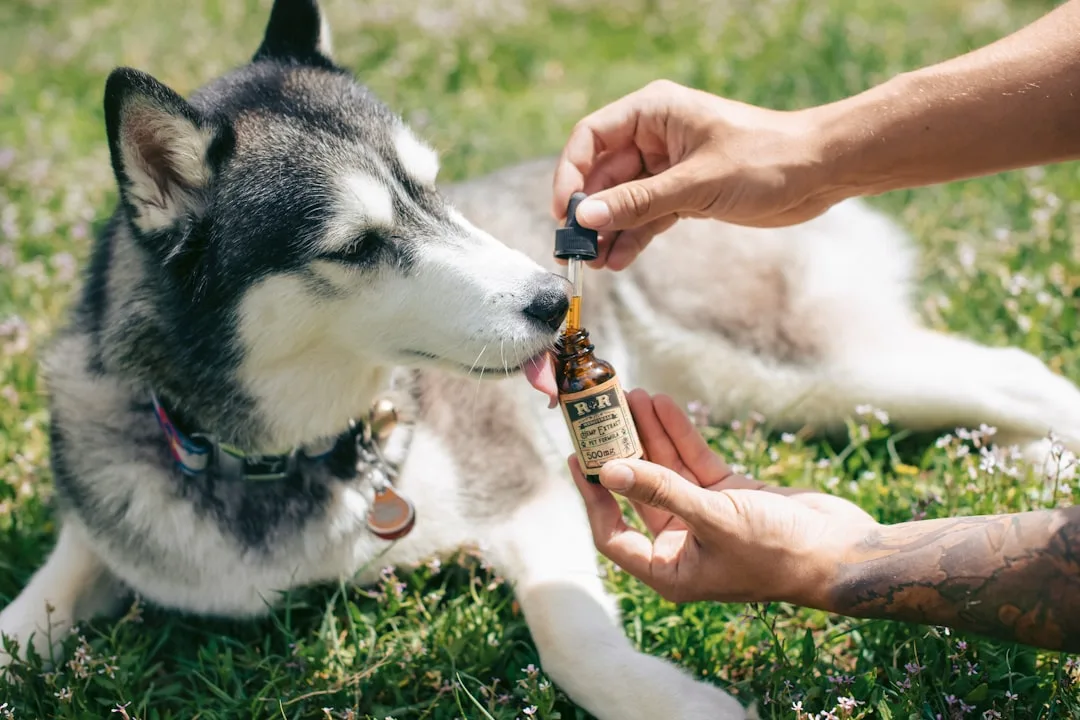
Brands like Composure (featuring L-theanine, a non-sedating amino acid) and Anxitane (L-theanine again, but with added B vitamins) occupy a zone between environmental management and pharmaceuticals. They don’t work like benzodiazepines; they don’t shut off anxiety.
Instead, they lower the neurological threshold for anxiety activation. A dog on L-theanine doesn’t become calm; it becomes slightly less reactive to triggers, allowing training and environmental changes to work more effectively.
The mistake many owners make: treating supplements as replacements for behavior modification. A dog on L-theanine alone in a high-anxiety environment will still panic. Supplements work best as one layer in a multimodal approach—like adding sound-dampening to an already-safe space.
Third-party testing matters. ConsumerLab, a independent testing organization, found that 30% of pet supplements failed label-accuracy testing. Look for brands that publish third-party certificates or partner with veterinary schools.

Wearables and Biofeedback as Emerging Tools
Pulse Petcare and similar pet wearable manufacturers have begun adding biometric feedback loops—the device detects elevated heart rate variability (a sign of anxiety onset) and either alerts the owner or triggers an automated response. Some integrate with smart home systems: cortisol elevation detected, music playlist activates, lights dim.
Real-world use is still emerging, but the theory aligns with human anxiety research: early intervention at the physiological level prevents full panic escalation. A dog’s heart rate elevation detected at minute one can be interrupted before minute five, when panic behavior becomes uncontrollable.
Cost is steep—devices typically run $150–300 with monthly subscription fees. They suit owners who want data-driven intervention and can afford the investment.
Enrichment and Routine as Underrated Prevention
The single biggest oversight: owners assume anxiety requires a diagnosis and treatment, overlooking that chronic understimulation causes 60% of reported anxiety cases. A dog without consistent walk schedule, puzzle feeders, or social contact will develop anxiety regardless of genetics.
Kong Wobbler and similar interactive feeders distribute meals across 20–30 minutes instead of five, engaging the brain and reducing nervous system arousal. A three-mile daily walk regimen with varied routes addresses both exercise and mental novelty—deficiencies that no medication corrects.
An alternative that requires no veterinary visit: redesign the daily routine first. Document baseline anxiety for two weeks. Introduce consistent walk times, enrichment toys, and structured alone-time gradual exposure. If anxiety drops 25%+ without intervention, you’ve solved it.
For owners combining this approach with shelter adoptions, early environmental enrichment prevents anxiety from embedding during the critical first month in a new home.
Integration With Veterinary Care
Medication isn’t the enemy. It’s a tool that makes behavioral work possible when anxiety is severe. A dog in acute panic cannot learn. Trazodone (a sedating antidepressant dosed as needed) may reduce panic enough to allow training during the critical 8–12 week counterconditioning window.
The optimal framework: use medication to lower anxiety to a trainable threshold, apply behavioral modification and environmental changes during that window, then taper medication as the brain rewires. This differs radically from indefinite pharmaceutical dependency.
Veterinarians increasingly recommend this layered model. A behaviorist diagnoses the underlying cause (separation anxiety, noise reactivity, social fear). A multimodal plan combines supplements, environmental design, enrichment, and medication if needed. Gut health improvements from probiotics may also reduce anxiety, as the gut-brain axis influences stress hormone production.
The trend reflects a broader shift: pet anxiety is no longer viewed as a fixed neurological condition requiring lifelong medication, but as a modifiable behavioral state shaped by environment, routine, and learned associations.
Practical Resources for Managing Pet Anxiety
These tools are for the next step after reading: finding a qualified consultant, building a desensitization plan, and setting up enrichment at home without a vet visit.
Where do I find a certified animal behavior consultant who works with anxiety cases?
What does a separation anxiety protocol actually look like, step by step?
How do I actually use an enrichment toy to reduce separation anxiety at home?