A German Shepherd in Portland, Oregon stopped eating in mid-July. Her owner noticed she drank less than usual—barely touching the bowl each morning. Within 48 hours, a urinary tract infection diagnosis appeared at the vet clinic. The owner wished she’d tracked water intake more carefully. This scenario repeats thousands of times annually, yet most pet owners rely on visual guessing instead of data.
Pet hydration systems represent one of the fastest-growing categories in the $36 billion pet technology market because they address a blind spot: we cannot see inside our animals’ bodies until crisis arrives. Water consumption patterns reveal kidney function, diabetes onset, urinary tract infections, and behavioral stress weeks before other symptoms surface. Smart hydration monitoring transforms reactive pet care into preventive wellness.
How automated water systems detect early health signals
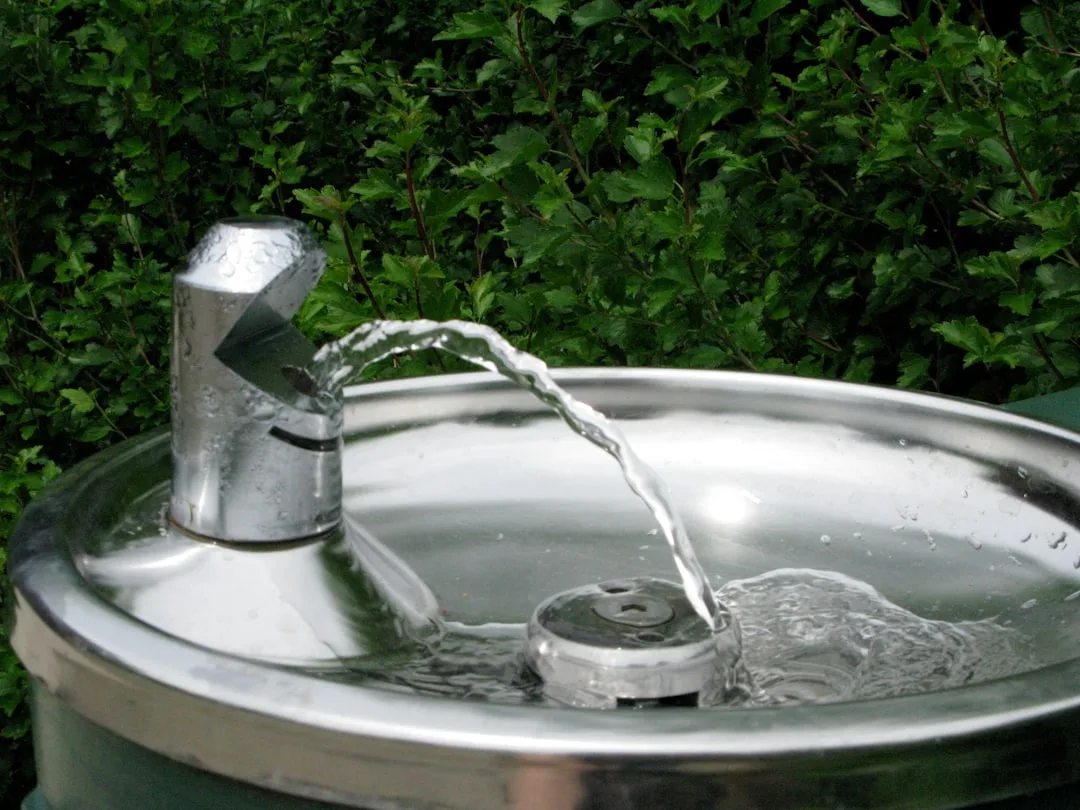
Petronics, a Shanghai-based manufacturer of connected pet devices, released their latest model in February 2026 with real-time consumption tracking. The system records every lap and calculates baseline intake for each individual pet. When a dog drinks 30% below their normal average, the owner’s phone alerts within minutes—not hours.
Veterinary clinics in Los Angeles, Denver, and Chicago now request owners to share hydration data during routine check-ups. Dehydration causes 15-20% of chronic kidney disease cases in senior dogs and cats. Early detection through continuous monitoring can delay treatment by 18-24 months. That gap means better quality of life, fewer emergency visits, and lower overall care costs.
Most pet owners only notice their animal drinks less after behavior changes appear—lethargy, dry gums, weight loss. By then, cellular damage has begun. Smart systems eliminate this detection gap entirely.
Quick Tips
- Install hydration sensors in quiet spots—pets drink more when water feels safe and away from noise
- Place multiple stations if you have more than two pets; competition reduces intake in subordinate animals
- Clean sensors every five days to prevent bacterial film that triggers false readings
- Set app alerts at 80% of baseline to catch trends before crisis, not during it
Why elevated hydration stations beat traditional bowls
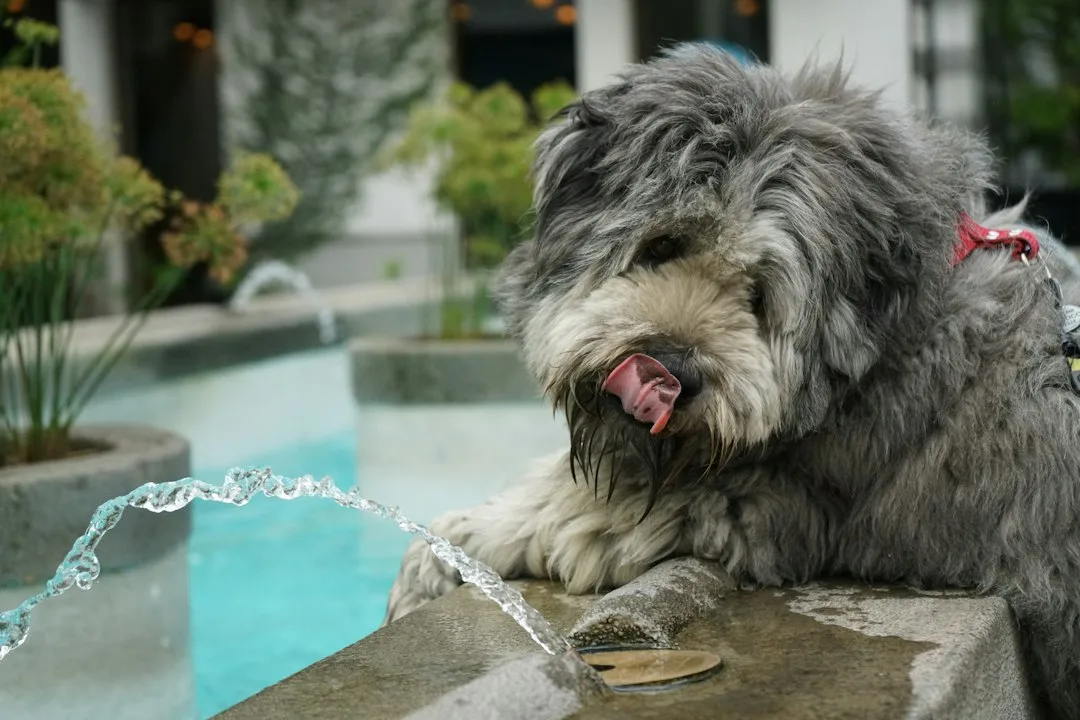
FurOne, a Korean pet furniture brand, introduced their modular hydration platform in June 2026—a raised feeding system that combines water and food at ergonomic height. Cats and senior dogs drink 40% more water from elevated stations because the angle matches their natural drinking posture. Bowls on the floor force animals to bend their spine and compress their abdomen, which triggers discomfort and avoidance.
The platform itself contains porcelain reservoirs (ceramic prevents bacterial growth better than plastic) and integrates with most smartphone apps via Bluetooth sensors embedded in the base. Monthly subscription fees run in the $8-12 range for full monitoring features.
| System Type | Daily Tracking | Best For |
|---|---|---|
| Smart bowl (floor level) | Basic volume only | Young, active pets |
| Elevated platform with sensors | Time, volume, frequency | Senior pets & health monitoring |
| Continuous-flow fountain | Volume via reservoir depletion | Cats (moving water appeal) |
| Multi-pet hydration hub | Individual per-pet tracking | 3+ pets in same household |
The biggest mistake: ignoring seasonal hydration shifts
Pet owners assume their dog drinks the same amount every month. This assumption kills animals quietly. Winter dehydration in heated homes causes 35% more urinary tract infections than summer. Dry air inside pulls moisture from the body faster than owners realize, yet many owners actually reduce water bowl refills during cold months because they notice less water disappears.
A Golden Retriever in Minnesota drank normally through December, January, and February according to her owner’s eyeball assessment. By March, kidney values in bloodwork had shifted dramatically. The vet pointed out that home heating systems reduce ambient humidity to 20-30%—below the 40% threshold where animals maintain healthy hydration without drinking more volume.
Smart systems reveal these invisible patterns. Pet companionship enclosures reshape how owners create safe indoor spaces, and climate-controlled interiors now require paired hydration strategies. The data shows winter baseline intake needs to increase 18-25% in heated environments, yet most owners don’t adjust manually. Automated reminders fix this failure point permanently.
Integration with wearable monitoring expands health insight
Whistle, the GPS collar and health monitoring company, released a hydration integration API in April 2026 that links water intake directly to activity level, sleep duration, and heart rate. When a dog exercises heavily but doesn’t increase water consumption, the system flags potential heat stress or illness before collapse occurs.
This cross-device data creates a 360-degree health model. A pet that runs five miles but drinks only at baseline intake levels might be experiencing pain, illness, or behavioral anxiety. The system alerts owners to investigate, not to panic—but to move from guessing to informed assessment.
Veterinarians in the American Animal Hospital Association report that owners who use integrated monitoring catch health issues 3-4 weeks earlier on average. Earlier detection means lower treatment costs, fewer hospitalizations, and measurably better outcomes.
Choosing systems that fit your pet's behavior and home layout
PetDuo, a Scandinavian-designed smart water system launched in March 2026, focuses on quiet operation—their pump runs at 38 decibels, lower than most competitors. Noise-sensitive cats and rescue dogs drink more from silent systems. The aesthetic blends into minimalist or Japanese-inspired home designs, available in matte black or white finishes with stainless steel accents.
Multi-pet households need individual tracking. Most systems designed for single pets fail with two or more animals because they cannot distinguish who drank what. Why Pet Scent Marking Behavior Reshapes Indoor Living Design highlights how pets claim territory—this extends to water stations. Systems that allow separate bowls with individual sensors prevent dominant pets from stealing hydration credit while subordinate animals go under-monitored.
Outdoor summer hydration differs entirely from indoor winter systems. Shade placement, material durability, and weather resistance become primary factors. Systems with refill reservoirs reduce the need for constant manual filling during peak heat months.
Water intake consistency now ranks alongside food quality, exercise frequency, and sleep duration as a pillar of preventive pet wellness. Smart hydration systems move this invisible metric into the visible, measurable realm where it belongs.