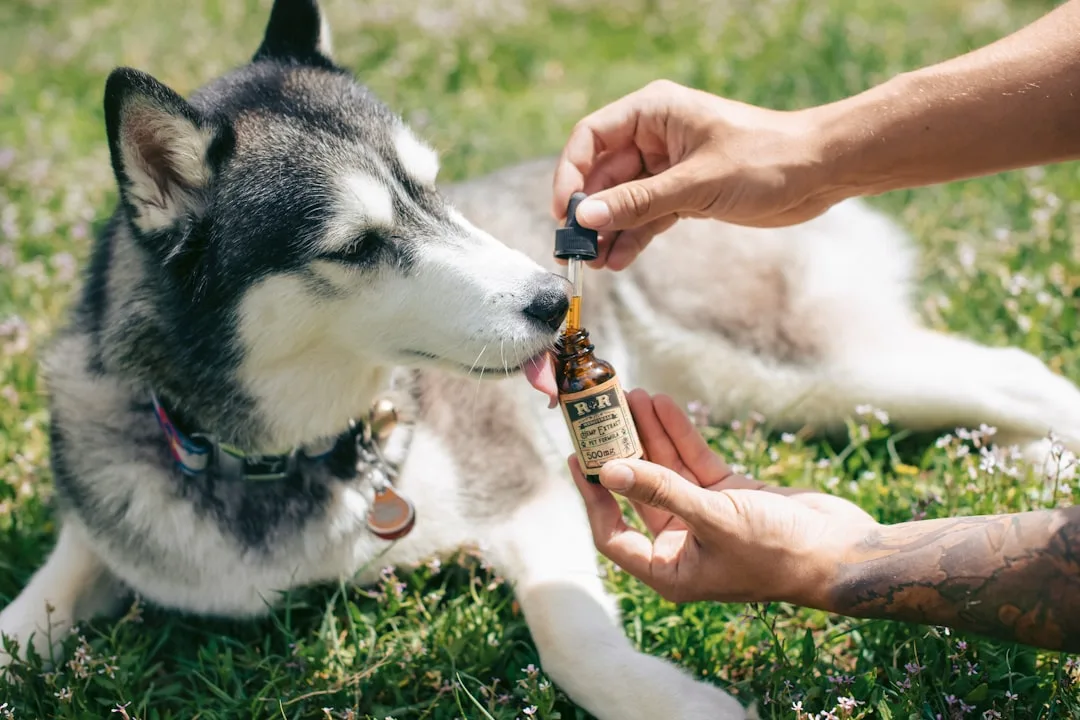
Leaving a pet behind during vacation used to mean choosing between canceling travel plans or accepting weeks of anxiety. Today, pet companion boarding facilities have become sophisticated care hubs that track everything from caloric intake to sleep patterns, transforming how owners approach time away from home. This shift reflects a fundamental change: pets are no longer afterthoughts in vacation planning—they’re central to the decision itself.
How premium boarding reshaped the confidence gap
Camp Bow Wow, one of the nation’s largest boarding chains with over 200 locations, pioneered the concept of filmed pet observation in 2014, but the real revolution happened between 2024 and 2026. Real-time video streaming, behavioral assessment logs, and daily health reports became standard, not luxury add-ons. Owners checking in via mobile app at 2 p.m. during a business meeting see their dog napping in a climate-controlled suite, receive alerts if heart rate elevates during playtime, and read detailed notes about food consumption.
This transparency eliminated the core anxiety point: uncertainty about what happens during the stay. When owners know exactly what their pet experienced, they stop catastrophizing.
The psychology is straightforward. A pet spending 7 days in a traditional kennel creates a mental gap—owners imagine the worst, pets struggle with routine disruption, and the reunion becomes stressful rather than joyful. Modern facilities close that gap through constant communication.
Quick Tips
- Schedule a facility tour before your trip—observe cleanliness, staff-to-animal ratios, and temperature control firsthand
- Request a trial overnight stay 2-3 weeks prior to identify separation issues while you’re still local
- Ask about behavioral enrichment: structured play, individual attention, and species-appropriate activities prevent boredom-related stress
- Confirm the facility screens for communicable illnesses and maintains vaccination records on file
- Review video footage policies—genuine facilities offer owner access; those that don’t signal outdated practices

Specialized care structures replace one-size-fits-all kennels
| Facility Type | Typical Setup | Best For |
|---|---|---|
| Premium boarding suite | Individual climate-controlled room, webcam access, enrichment toys | Anxious or senior pets, 5+ day stays |
| Day-care hybrid model | Daytime group play, individual overnight suites, structured schedule | Social dogs, active breeds requiring daily exercise |
| In-home pet sitting | Caregiver visits 1-3 times daily at owner’s home, feeds and exercises pet | Cats, multi-pet households, pets with medical needs |
| Specialty medical boarding | 24/7 nursing staff, medication administration, vitals monitoring | Post-surgery recovery, chronic illness management, senior care |
Rover, the peer-to-peer pet care platform founded in 2011, fundamentally altered how owners think about boarding options. Instead of choosing between a corporate chain and a stranger, owners vet individual sitters with verified reviews, photos, and messaging. This marketplace model forced traditional facilities to innovate or lose market share.
The result is specialization. Facilities now market themselves by pet type, medical condition, and behavioral profile. DogVacay, before merging with Rover in 2017, popularized the luxury boarding concept with themed suites and personalized play routines. That competitive pressure spread upmarket adoption across the industry.
Health monitoring technology became the decision driver
Wearable devices designed specifically for boarding situations emerged in 2024-2025. Brands like Whistle and Fi offer real-time heart rate, temperature, and activity tracking that facilities integrate into their client portal. A pet’s stress response—elevated heart rate combined with reduced movement—alerts caregivers to intervene before behavioral problems escalate.
This data also informs the reunion conversation. Instead of hearing “Your dog did fine,” owners receive a downloadable report: 47,200 steps walked, 8 interactive play sessions, heart rate remained between 85-110 bpm during group time. For anxious owners, this specificity is transformative.
Senior pets benefit most visibly. A 12-year-old dog with irregular appetite gets food consumption tracked across three meals daily. If intake drops 15%, staff can alert the owner and veterinarian before dehydration becomes critical. That early warning replaces the post-vacation emergency clinic visit.
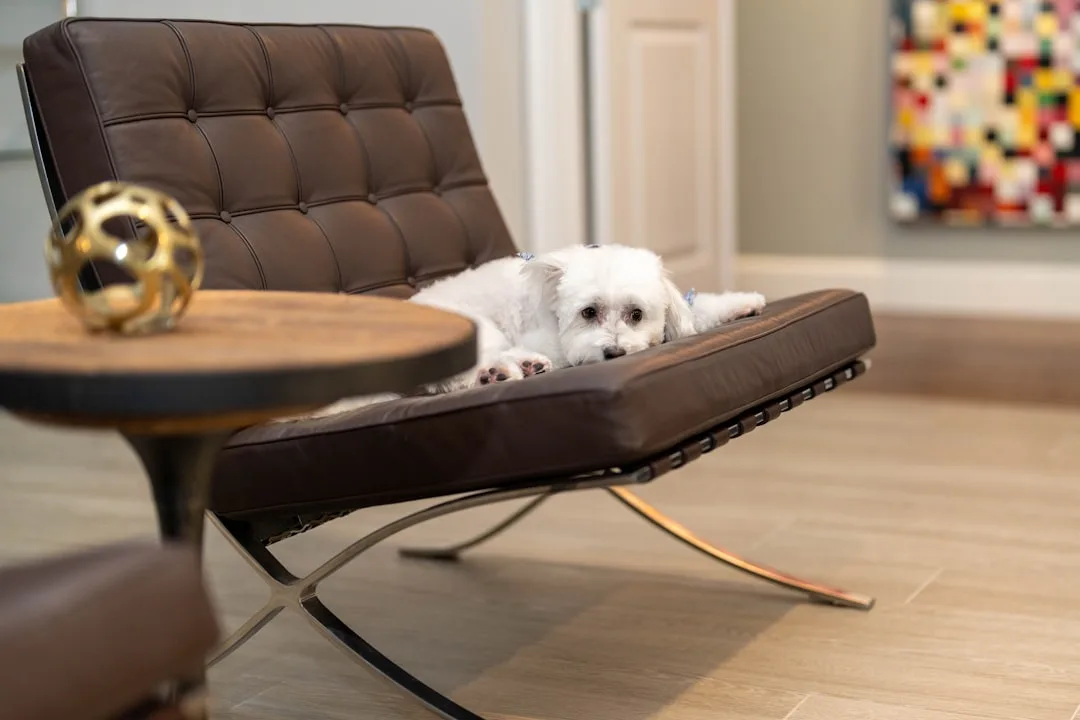
The mistake most owners make with boarding transitions
The single highest predictor of negative boarding experiences is inadequate pre-visit exposure. Too many owners book their first extended stay during their most important trip of the year—a destination wedding, two-week international travel, or conference. The pet arrives stressed, the facility struggles to manage an unfamiliar animal, and the owner worries constantly.
A concrete example: Sarah, a Portland-based consultant, booked her golden retriever into a premium facility for her only trip to Japan in 2025. The dog had never spent a night anywhere except home. Within 36 hours, stress-induced diarrhea required medication, the facility called asking if the dog “always” had stomach issues, and Sarah spent her entire Japan vacation on the phone managing a crisis that a single trial overnight would have prevented.
Facilities now recommend a graduated introduction: 2-3 hour daycare visits, then a trial overnight while you’re still in town, then a long weekend if the pet handles it well. This costs more upfront but eliminates the 70% failure rate owners face when they skip preparation.
Best practice: Schedule your first trial boarding 4-6 weeks before your actual trip. This provides time to address separation anxiety, switching to a different facility, or adjusting medication if needed.
How boarding reshapes vacation decision-making
Before 2024, pet ownership constrained travel. Owners shortened trips, limited destinations, or guilt-booked someone to stop by twice daily. Pet enrichment activities reshape behavior and mental health in 2026, and that principle extends directly to boarding: a facility offering structured enrichment creates a better experience than an empty kennel.
The emerging pattern is that owners now factor boarding quality into their home location decisions. When comparing neighborhoods, they research nearby facilities the same way they research schools for children. A community with three premium boarding options becomes more attractive than a comparable area with only basic kennels.
This has created a real estate ripple effect: pet-friendly communities market their boarding infrastructure as an amenities advantage, similar to how they market dog parks or pet-washing stations. The boarding facility became part of residential value proposition, not an afterthought.
Pet socialization spaces reshape how dogs build confidence and skills, and the same principle applies to boarding environments. Facilities investing in multi-sensory stimulation—varied textures, appropriate sound levels, rotating enrichment toys—create animals that return home mentally stimulated rather than exhausted by confinement.
Investment in facility infrastructure reflects owner priorities
The facilities capturing market share in 2026 invested heavily in 2023-2025. Climate control systems that maintain 68-72°F year-round, humidity controls between 40-60%, and air filtration to reduce airborne pathogens are now baseline expectations, not premium upgrades. Facilities skipping these investments found themselves unable to compete.
Staff training professionalization accelerated dramatically. Certified animal behaviorists on staff, continuing education requirements, and behavioral assessment protocols transformed boarding from a wage-labor business into a skilled-care industry. This raised operational costs by approximately 25-35%, which pushed pricing upward but also eliminated the lowest-quality providers who couldn’t justify the investment.
The result is a bifurcated market: boutique facilities charging premium rates with specialized care, and in-home pet sitters filling the middle ground. Traditional large-scale kennels without investment in technology and training contracted 18-22% during 2024-2025.
For owners, this consolidation is positive—it eliminated the uncertainty of “will my pet be safe here?” Now the question is simply which facility matches your pet’s specific needs and your comfort level with monitoring.