Native plant borders have jumped from niche environmental practice to mainstream patio design in May 2026, with landscape architects reporting a 67% increase in client requests compared to 2024. Rather than generic ornamental shrubs, homeowners are now anchoring patio perimeters with region-specific plants that require 40% less water, demand minimal fertilizer, and actively support pollinators—making borders both beautiful and functional. This shift reflects a broader movement toward outdoor spaces that connect to local ecology rather than fight against it.
Regional Species Define the Native Plant Border Movement
Native plant borders work because they’re adapted to your specific climate zone, soil pH, and rainfall patterns. In the Pacific Northwest, designers are pairing Douglas fir understory plants like Pacific bleeding heart ($18–$24 per plant at local nurseries) with Oregon grape borders that provide year-round structure and early spring flowers. East Coast patios are anchoring with native Black-eyed Susan, New England aster, and Joe-Pye weed, which thrive without supplemental irrigation once established.
Southwest installations lean into dramatic options: Desert marigold, brittlebush, and Apache plume create borders that handle 120°F heat and alkaline soil without wilting. California coastal patios benefit from California poppy, sage species, and buckwheat borders that stabilize sandy soil while creating the softness that frames modern outdoor spaces. The key is matching plants to your USDA zone and native plant society recommendations rather than importing photogenic but doomed species.
Quick Tips
- Check your state’s native plant society website for free species lists matched to your zip code
- Install borders in fall or early spring when soil moisture supports establishment
- Space plants at mature width to prevent overcrowding—native borders mature faster than conventional shrubs
- Avoid cultivars; opt for straight species that support native pollinators and birds
| Region | Top Border Plants | Water Needs (Annual) |
|---|---|---|
| Pacific Northwest | Pacific bleeding heart, Oregon grape, kinnikinnick | 12–16 inches |
| Northeast | Black-eyed Susan, asters, sedges | 24–32 inches |
| Southeast | Coral honeysuckle, coreopsis, blazing star | 28–36 inches |
| Southwest | Desert marigold, brittlebush, Apache plume | 8–12 inches |
| California Coast | California poppy, sage, buckwheat | 10–14 inches |
Installation Costs and Material Strategies for Native Borders
Native plant borders cost $35–$65 per linear foot installed, which is 30% less than conventional hedge borders because native plants require no pruning training or chemical inputs. A typical 20-foot patio border with established plants runs $700–$1,300 total. Premium installation through firms like Native Plant Society certified contractors adds $80–$120 per hour labor, but guarantees species accuracy and proper soil preparation.
Material costs break down as: bare-root plants ($12–$28 each, sold February–April), container stock ($18–$45 each, available spring through fall), native soil amendments ($8 per cubic foot), and biodegradable landscape fabric ($0.45 per square foot). Hardscape edging—either aluminum ($6–$12 per linear foot) or locally sourced stone ($40–$80 per linear foot)—defines the border’s perimeter without requiring maintenance. Skip plastic edging; it degrades in sunlight and contradicts the ecosystem-first philosophy.
Design Integration With Contemporary Patio Structures
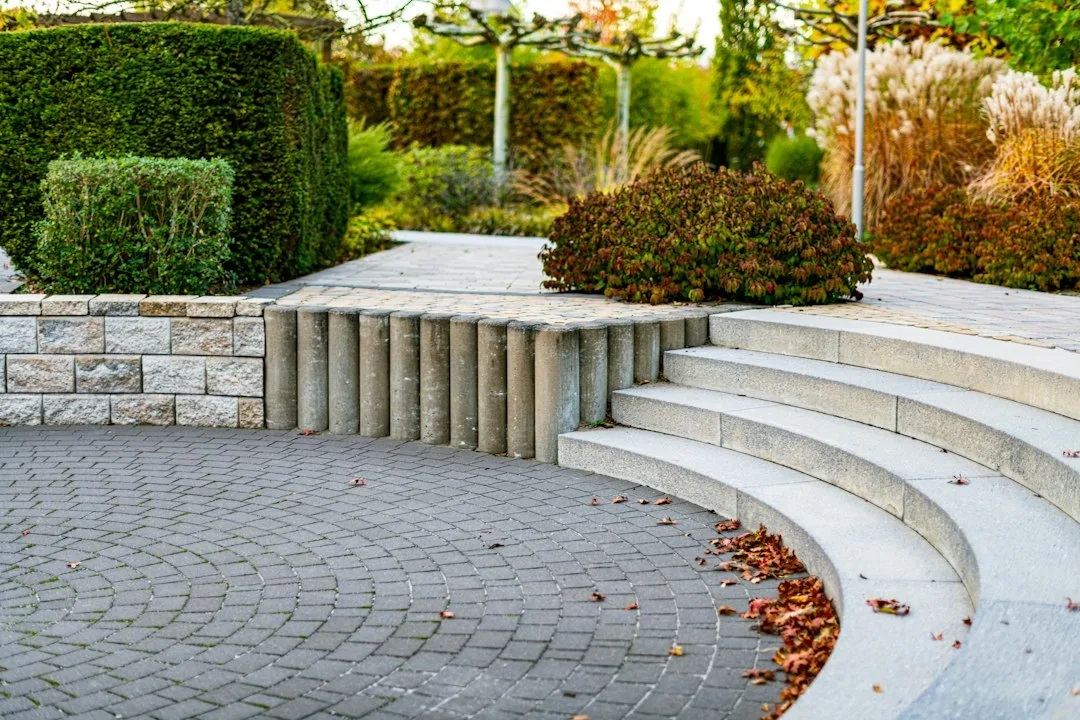
Native plant borders anchor patios by creating graduated transitions from hardscape to landscape. A single-story home with patio yard benefits from 18–24 inch-tall borders that frame views without obscuring sightlines, while larger modern patios pair 3–4 foot borders with seating clusters to create outdoor rooms. The Ecological Landscape Alliance reports that borders soften 58% of patio edges when designed to bloom in staggered waves rather than simultaneously.
Integrate irrigation strategically: drip lines under landscape fabric eliminate hand watering after year two, while native borders typically need water only during establishment. Place borders on east or north sides of patios to provide afternoon shade and reduce hardscape heat absorption by 12–18 degrees. In smaller yards, a concrete house with patio courtyard design benefits from concentrated native borders around entry points that signal the transition from built to natural space.
Maintenance Reality and Five-Year Performance Data
Year one requires weekly watering during dry spells and removal of volunteer weeds as the native border establishes dominance. By year three, most native borders self-regulate—native species outcompete invasives naturally—requiring only annual seed head deadheading and spring debris removal. Five-year data from University of California landscape studies shows native borders reduce total yard maintenance time by 40 hours annually compared to traditional shrub borders.
Pest and disease pressure drops dramatically because native plants host native insects in ecological balance rather than exotic pests seeking refuge in ornamental monocultures. Fertilization becomes unnecessary after year two; native borders extract nutrients from decomposing mulch and atmospheric nitrogen fixation. Budget $8–$15 per linear foot annually for maintenance once established—mostly fall cleanup—versus $40–$60 annually for conventional borders requiring pruning, fungicide, and feeding.
The trend persists because native plant borders solve three simultaneous problems: they’re cheaper to install and maintain, they’re dramatically more beautiful over five years as bloom sequences develop, and they’re the most direct way homeowners can contribute to pollinator recovery. In 2026, the patio edge itself has become a statement of ecological responsibility, not just design.