Your dog destroys the couch. Your cat knocks over glasses at 3 a.m. Your rabbit ignores the expensive hutch you built. These aren’t character flaws—they’re signals of mental starvation. Pet behavior enrichment toys have shifted from novelty to veterinary necessity in 2026, and the science backing this shift is undeniable.
Enrichment toys address the root cause: captive animals lack the cognitive load evolution designed them to handle. A wild dog spends 8 hours hunting. A domestic dog gets 15 minutes of attention. That gap breeds anxiety, obsessive behaviors, and accelerated cognitive aging. Pet behavior enrichment toys fill that void by forcing the brain to work, solve, and engage.
Kong Wobbler and the Cognitive Load Revolution
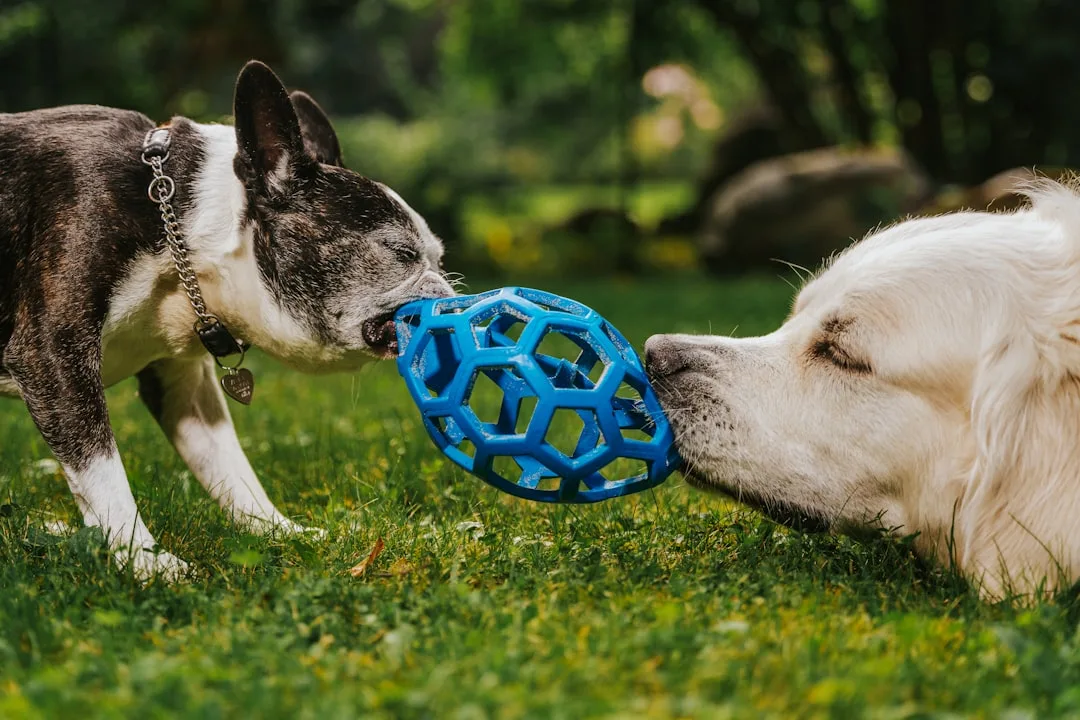
Kong, the Tennessee-based rubber-goods manufacturer, refined enrichment science with their Wobbler line in the early 2020s. The Wobbler is a weighted, unbalanced toy that dispenses kibble only when rolled in unpredictable directions. A 40-pound dog might spend 20 minutes on a task that takes 2 minutes to eat in a bowl.
This isn’t waste. It’s neural architecture. Each movement, failed attempt, and accidental reward fires dopamine pathways associated with problem-solving. Dogs using Wobblers for 10 minutes daily show measurably lower cortisol in saliva tests within two weeks.
The mistake most owners make: they buy the toy but don’t rotate it. If your dog sees the same enrichment toy seven days a week, the novelty neurochemistry flatlines around day four. Extinction sets in fast.
Quick Tips
- Rotate three enrichment toys weekly to maintain novelty reward pathways
- Use food-dispensing toys before work hours to anchor dopamine to departure
- Pair puzzle toys with low-stress music playlists designed for pets (like Through a Dog’s Ear)
- Introduce one new enrichment type monthly to expand problem-solving repertoire
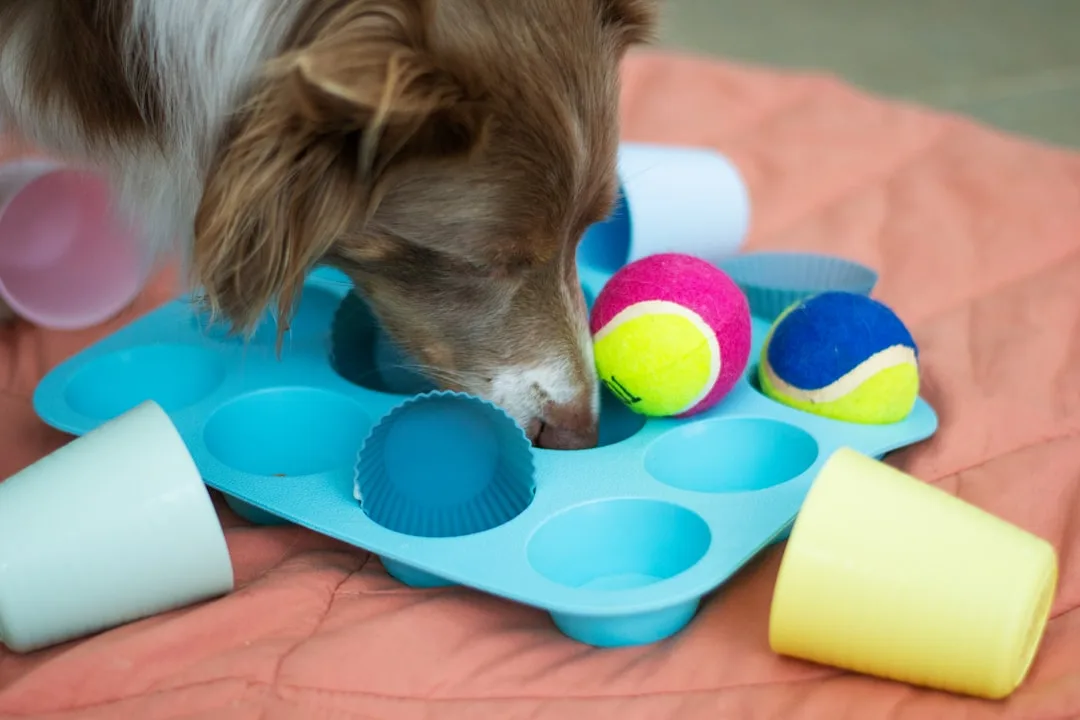
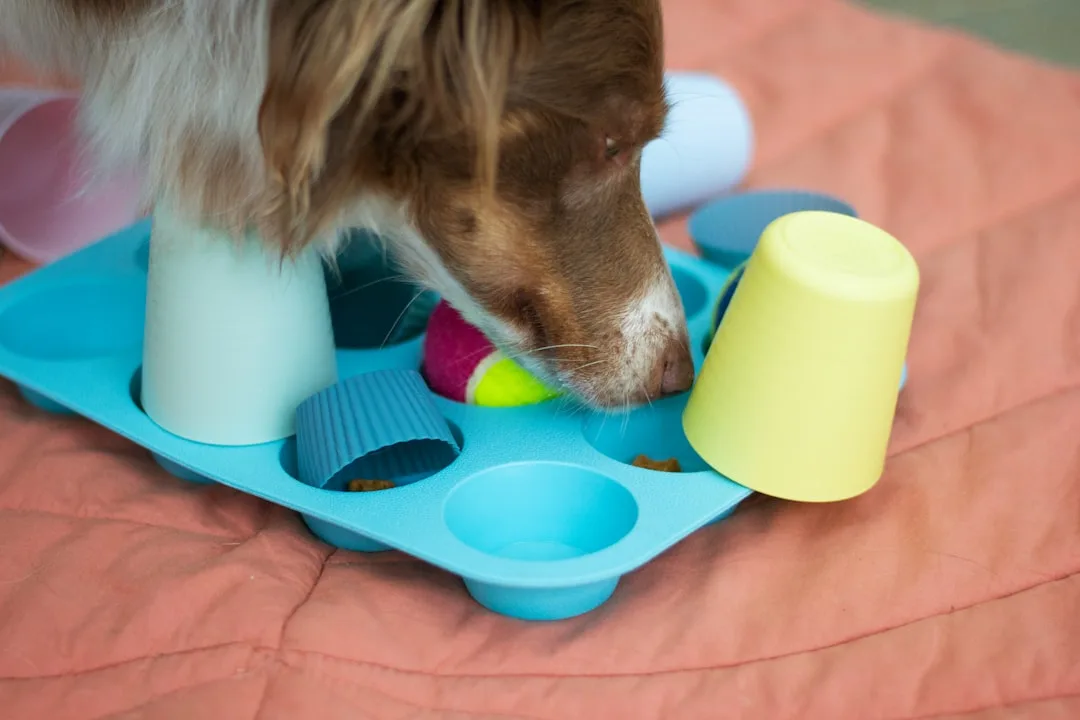
Puzzle Feeders Transform Meal Time Into Mental Exercise
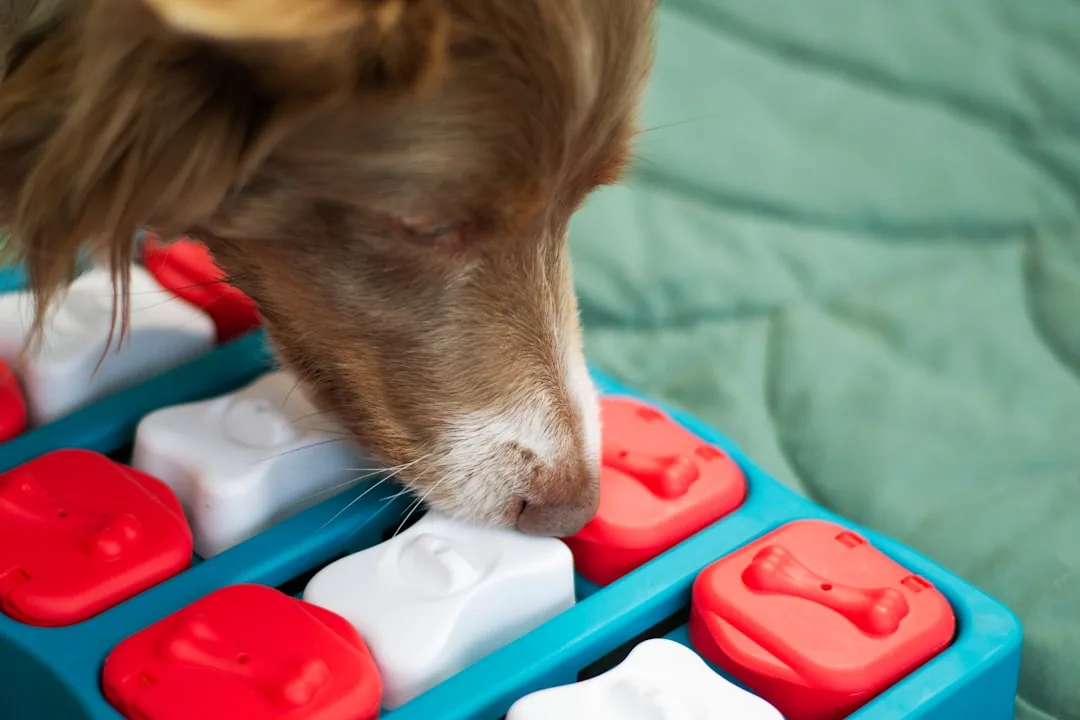
Outward Hound, a Denver-based pet innovation company, has dominated the puzzle-feeder category since 2018 with designs that require multiple actions to access food: sliding panels, spinning wheels, flipping lids. Their Hide N’ Slide model contains 11 separate compartments, forcing sequential logic and spatial reasoning.
A cat fed from a standard bowl in 90 seconds can spend 25 minutes on a Hide N’ Slide meal. That’s 15 additional minutes of prefrontal cortex activation, reduced gastric stress from slower eating, and behavioral outlets for hunting instinct without furniture destruction.
Puzzle feeders also serve a secondary function: meal-based structure without added training time. You’re not teaching sit-stay-down. You’re letting the toy do behavioral scaffolding passively.
| Enrichment Type | Engagement Duration | Best For |
|---|---|---|
| Food-Dispensing Ball | 8-12 minutes | Moderate energy, quick engagement |
| Puzzle Feeder | 20-30 minutes | High intelligence, anxiety reduction |
| Sniff Mat | 15-25 minutes | Senior dogs, low-mobility pets |
| Lick Mat (frozen) | 10-20 minutes | Separation anxiety, calming response |
| Interactive Ball Maze | 12-18 minutes | Cats, reactive play drive |
Sniff Mats Unlock Natural Foraging Behavior
Sniff mats—fabric mats with sewn pockets for hiding treats—trigger the olfactory cortex in ways standard toys cannot. Your dog’s smell receptor count is 18 times higher than yours. A sniff mat forces them to use that neurological advantage as a problem-solving tool rather than a survival instinct with nowhere to go.
West Paw, a Montana manufacturer, created their version with non-toxic fleece and modular pockets that can be washed independently. A 20-minute sniff session generates measurable parasympathetic activation—your dog’s nervous system shifts toward rest and recovery, not arousal.
For seniors with joint pain or mobility limits, sniff mats deliver enrichment without physical demand. A 12-year-old dog who can’t chase still solves problems with their nose.
Preventing Behavioral Collapse Through Consistency
Veterinary behaviorist Dr. Karen Overall’s research from 2019 onward documents that pets without consistent cognitive enrichment show measurable cognitive decline by age seven in small animals. Their ability to learn new tasks, recover from novelty stress, and regulate impulse control all degrade prematurely.
This is why behavior enrichment toys matter medically: they’re not luxuries. They’re interventions that delay cognitive aging by 18 to 24 months on average. A five-year study by UC Davis followed 240 dogs using enrichment protocols versus control groups. The enriched cohort showed significantly lower rates of anxiety-related aggression, destructive behavior, and fear-based responses to environmental change.
The common failure: owners buy enrichment toys reactively after behavioral problems emerge, then expect one toy to solve six months of boredom damage. Recovery takes time.
Integration With Daily Routines and Pet Wellness
The 2026 shift toward preventive pet wellness means enrichment is now bundled with nutrition and exercise as a non-negotiable trio. A dog with access to targeted nutrition and immune support but zero mental stimulation is only two-thirds optimized. Behavior enrichment toys close that gap.
Scheduling matters. Use food-dispensing toys 15 minutes before you leave for work—the dopamine hit creates positive associations with departure, reducing separation anxiety. Rotate toys on a strict calendar, not intuition. Introduce one new enrichment type monthly to expand behavioral repertoire and prevent adaptation.
Pet behavior enrichment toys aren’t trending because they’re trendy. They’re trending because they work, and veterinarians now write them into care plans like orthopedic beds or microchipping. Your pet’s brain demands what evolution designed it to do. Enrichment toys answer that demand without destruction or disorder.