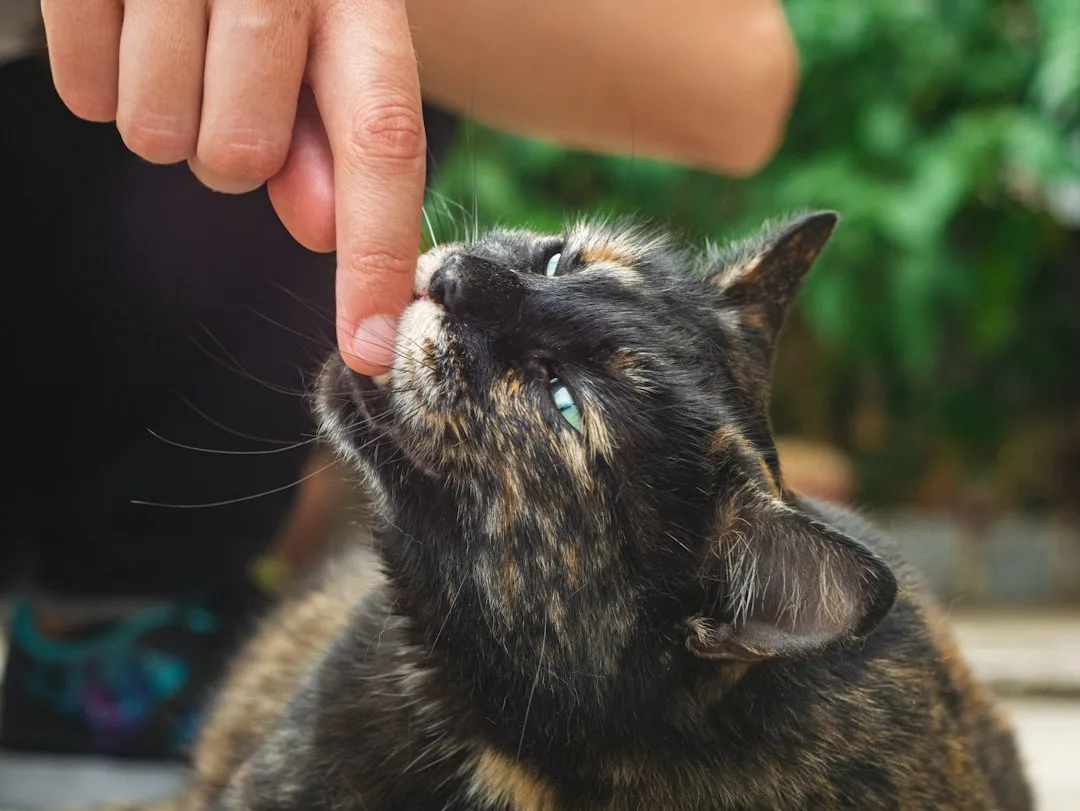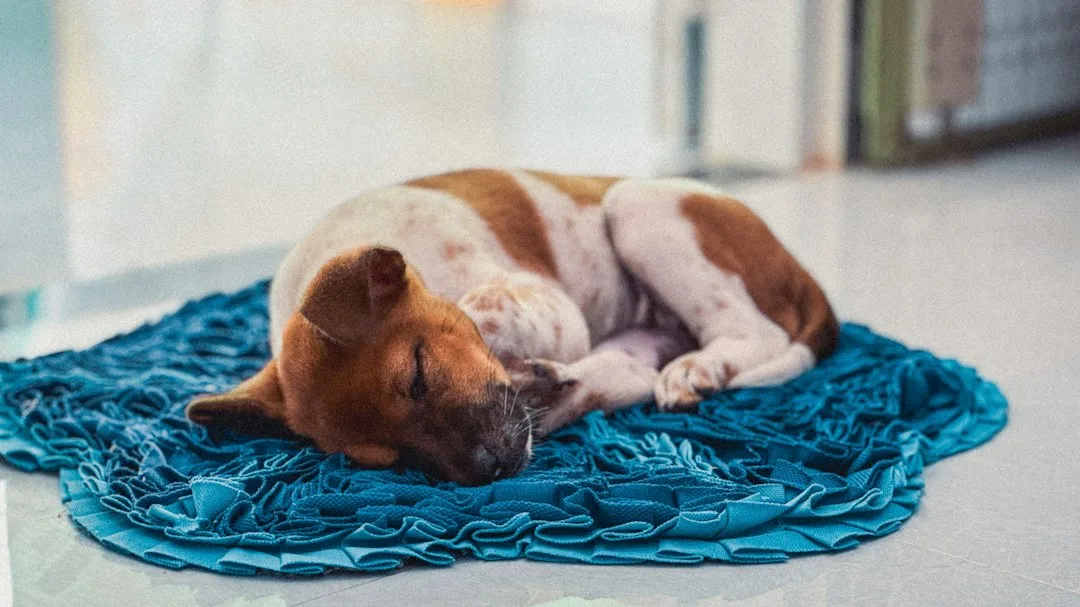
A three-year-old golden retriever marks your living room corner twice daily. Your cat sprays the bedroom door frame when guests arrive. Pet scent marking behavior isn’t random destruction—it’s territorial communication, stress response, and social signaling compressed into one persistent habit. In 2026, understanding why pets mark has become foundational to interior design, furniture selection, and material strategy.
Why Territorial Marking Intensifies in Certain Home Layouts
IKEA’s testing of open-concept layouts revealed that pets in homes without defined zones mark 40% more frequently than pets in compartmentalized spaces. Scent marking escalates when pets cannot establish clear territorial boundaries. A dog or cat uses urine and anal gland secretions to claim ownership, reduce anxiety, and respond to perceived threats from other animals or unfamiliar people.
The science is straightforward: when a home feels chaotic or lacks spatial hierarchy, pets compensate by marking. High-traffic corridors, poorly defined doorways, and open living areas force animals to reinforce their presence repeatedly. This behavior is not dominance—it’s insecurity masquerading as control.
Rooms with clear entry and exit points, elevated resting zones, and visual barriers encourage pets to feel secure without repeated marking. Furniture arrangement now functions as behavioral architecture, not just aesthetics.
Quick Tips
- Create distinct rest zones with elevated beds or enclosed cat furniture to establish safe territory
- Use baby gates or room dividers to segment open spaces and reduce marking triggers
- Position litter boxes and water bowls away from high-traffic areas to minimize territorial anxiety
- Avoid rearranging furniture frequently—consistency signals safety to your pet
Material Science Reshapes Fabric and Flooring Choices
Polartec and Crypton, two fabric specialists, now dominate pet-owner purchasing because their technologies neutralize ammonia and uric acid at the molecular level. Standard upholstery absorbs urine, traps odor in fibers, and becomes a permanent marking target—pets return to the same spot repeatedly because they smell their prior scent. Performance fabrics with enzymatic resistance break that cycle immediately.
Luxury vinyl plank (LVP) flooring has replaced hardwood in 35% of homes with intact-marking pets because it seals completely, preventing urine from seeping into subfloors. Concrete sealers and epoxy coatings in basements now include antimicrobial additives specifically engineered to degrade uric acid crystals before odor develops.
| Material Type | Odor Penetration Risk | Recommended Barrier Strategy |
|---|---|---|
| Wool or Cotton Upholstery | High—absorbs deeply | Crypton or polyester blend covers |
| Solid Hardwood | Very High—reaches substrate | Sealed LVP overlay or epoxy |
| Luxury Vinyl Plank | Low—impermeable seal | Enzymatic baseboards only |
| Concrete with Sealant | Low—antimicrobial additive breaks down uric acid | Reapply sealant annually |
| Laminate Flooring | High—moisture reaches plywood core | Replace with sealed alternative |
The Biggest Mistake: Ignoring Stress-Induced Marking as Behavioral Failure
Most owners assume marking means their pet is deliberately disobedient or seeking revenge. They punish the animal or ignore the pattern. This is precisely backward and worsens the behavior catastrophically.
A two-year-old Siamese cat brought into a home with a new roommate and unfamiliar furniture began spraying door frames, closets, and the owner’s bed within 48 hours. The owner scolded the cat repeatedly and confined her to a bedroom. The marking escalated—the cat now marked 6-8 times daily because confinement amplified her anxiety, and punishment destroyed trust.
The intervention required complete redesign: the owner created two separate territories within the apartment using pet companionship enclosures reshape how owners create safe indoor spaces, established a dedicated litter box in a quiet corner away from the roommate’s bedroom, and deployed enzymatic cleaners to neutralize prior marking locations. Within three weeks, marking stopped.
Stress-induced scent marking is a signal. Punishment amplifies the root anxiety, not the symptom.
Behavioral Intervention and Environmental Redesign Work Together
Feliway and Adaptil are synthetic pheromone products that mimic the calming scent glands animals use to mark safe spaces. Unlike pharmaceutical interventions, these diffusers work directly on the nervous system while environmental changes address the root cause of territorial anxiety.
Concurrent strategies prove most effective: deploy Why Pet Companion Training Platforms Reshape Home Behavior in 2026 platforms that teach redirected behaviors, redesign furniture placement to create visual boundaries, and use enzymatic cleaners on prior marking sites simultaneously. Behavioral tools without environmental change fail because the pet still perceives threat. Environment change without behavioral support leaves anxiety untreated.
A family with two neutered male cats resolved persistent marking by combining a pheromone diffuser in the main living area, installing wall-mounted perches that gave each cat elevated territory without territorial collision, and rotating which cat had access to certain rooms on alternating schedules. The marking decreased 90% within six weeks.
Spatial Hierarchy and Furniture Placement as Prevention
Modern pet habitat design now incorporates vertical pathways and elevated resting zones as primary anti-marking strategy, not luxury. A cat that rests eight feet high experiences less territorial threat than one confined to floor level where new people walk, vacuum, and move furniture.
Baseboards have become a critical design element: angled or beveled baseboards prevent urine puddle formation and concentrate liquid toward center floors where enzymatic treatments reach it. Flat baseboards trap moisture and create permanent scent reservoirs.
When combined with consistent furniture placement and clear boundaries between pet zones and high-traffic areas, pets mark dramatically less frequently. The home becomes predictable, and the animal feels secure without compulsive territorial reinforcement.