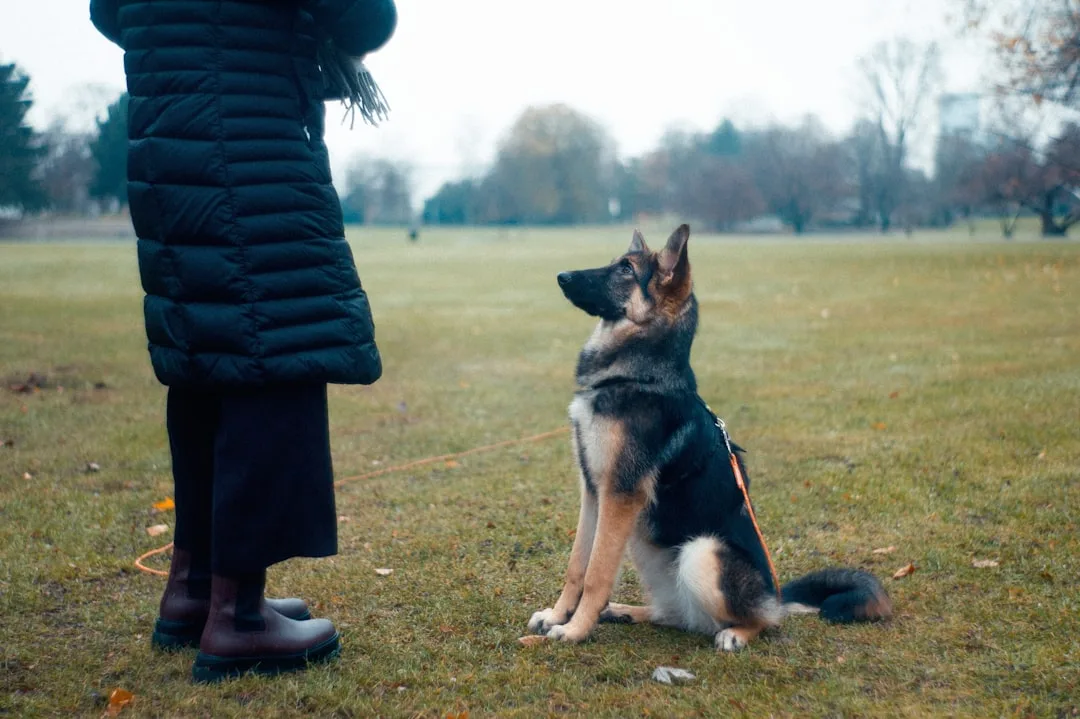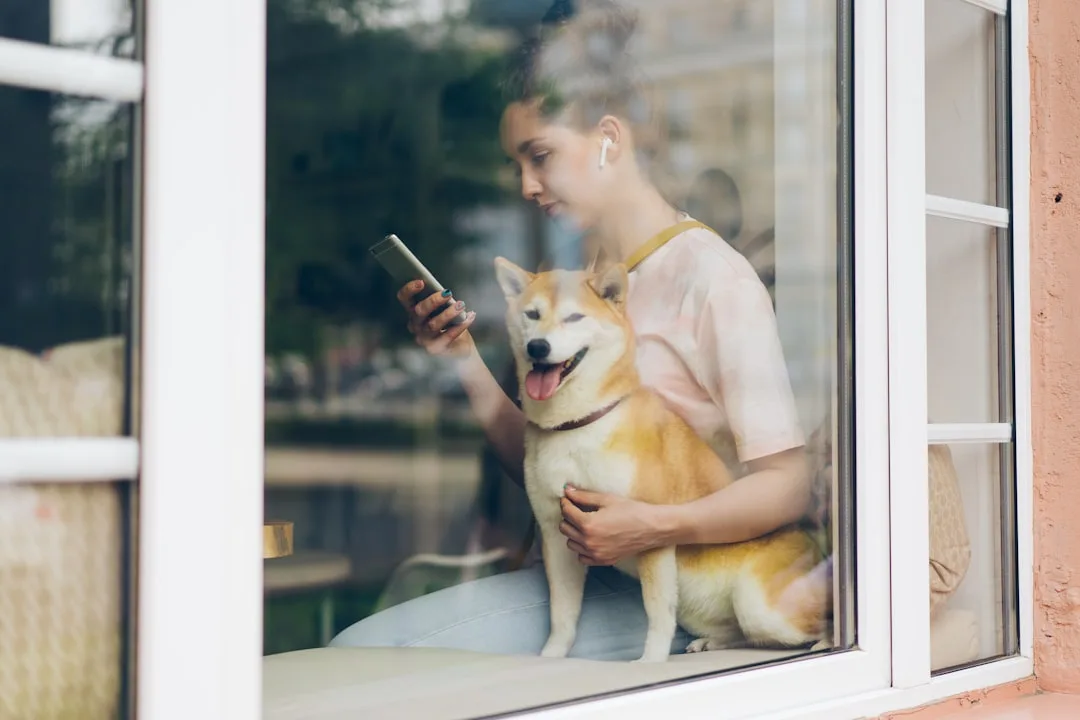
By mid-2026, the gap between professional dog training and what owners can accomplish alone has collapsed. Pet companion training platforms—cloud-based applications that combine video instruction, session logging, and AI-powered feedback—have moved from novelty to standard practice. Unlike boarding facilities or group classes that require scheduling around life, these platforms let owners train on their own timeline while a digital system tracks every interaction.
How Video-Guided Training Platforms Work in Real Homes
Platforms like Zipp (now used across North America and Europe) structure training into bite-sized video lessons linked to the owner’s specific behavior problem: jumping at guests, leash pulling, or separation anxiety. The system plays a 3–5 minute instructional clip, the owner executes the technique with their pet, then records a 30-second video proof-of-attempt. An algorithm flags whether the owner’s form matches the trainer’s model or where correction is needed.
The real power lies in streak tracking and milestone unlocking. When an owner successfully completes five consecutive sessions with correct technique, the platform automatically graduates them to the next difficulty level. This removes the guesswork: no more wondering if you’re making progress or reinforcing the wrong behavior.
Zipp charges a monthly subscription (priced in the $15–25 range) and pairs that with optional 1-on-1 video consultations with certified trainers. That hybrid model costs roughly 60–70% less than hiring a trainer for six weeks of twice-weekly home visits.
Quick Tips
- Record every session in the same room with consistent lighting—AI performance detection relies on clear visibility of your pet’s body position.
- Complete training at the same time each day; platform algorithms learn your schedule and optimize progress predictions around consistency.
- When stuck on a behavior, always rewatch the instructional video at half-speed before recording; owners skip this step 40% of the time and plateau.
- Use high-value treats or toys during platform sessions only, so your pet stays engaged; rotating rewards prevents habituation.

Remote Tracking Replaces Guesswork With Measurable Data
How Real-Time Feedback Accelerates Behavior Change
The moment your dog completes a sit or stays focused during a recall exercise, the platform’s AI system captures that success and logs it into your progress dashboard. This immediate reinforcement creates a feedback loop that manual training methods simply cannot match. Instead of relying on memory or scattered notes, owners receive instant confirmation that their technique is working, which motivates them to practice more consistently.
Real-time alerts also catch mistakes before they become habits. If your dog is learning loose-leash walking and you’re accidentally pulling back on the leash at the wrong moment, the platform’s pose detection can flag that in seconds, allowing you to adjust your approach mid-session. This correction-in-action approach transforms training from a hit-or-miss experience into a precision discipline where both owner and pet understand exactly what behavior is being reinforced.

Integration With Professional Trainers Creates Hybrid Learning
Many modern pet training platforms connect you with certified trainers who review your recorded sessions and provide personalized feedback. Rather than replacing professional expertise, these platforms enhance it by giving trainers detailed video evidence of your pet’s behavior and your technique. A trainer can identify subtle issues—like tension in your shoulders affecting your dog’s anxiety levels—that would take multiple in-person sessions to diagnose. You can then practice the correction at home using the platform’s guidance, and submit follow-up videos for approval.
This hybrid model proves especially valuable when preparing for pet socialization spaces that reshape how dogs build confidence and skills. Your trainer can watch how your dog responds to distractions in your home environment, then guide you through the exact steps needed before introducing your pet to group settings. The combination of AI monitoring and human expertise creates a structured pathway that reduces anxiety for both pet and owner.
Portable Training Keeps Progress Moving During Travel
One of the biggest challenges pet owners face is maintaining training consistency while traveling or staying in temporary accommodations. With platform-based training, you only need a smartphone, a consistent space, and basic treats to continue sessions anywhere in the world. Whether you’re visiting family for the holidays or using pet companion boarding facilities that reshape travel confidence in 2026, you can record progress updates and maintain your pet’s routine without losing momentum.
This portability also means your pet learns that behavioral expectations remain the same regardless of location. Dogs trained exclusively in a home environment sometimes regress when taken to new settings, but platform-based training builds flexibility into the learning process. Your pet associates the training cues with the act of learning itself, not with a specific room or backdrop, making the behaviors more durable across different environments.