Pet owners spend an average of 1.4 hours weekly managing waste cleanup in backyards, yet standard scooping leaves ammonia residue that attracts repeat use to the same spots. Pet waste odor control has fundamentally shifted this dynamic through enzymatic substrates and sealed containment systems that neutralize odors at their source rather than masking them. This isn’t about air fresheners anymore—it’s about biochemical intervention that stops problem behaviors before they start.
How Enzymatic Technology Stops Odor at the Source
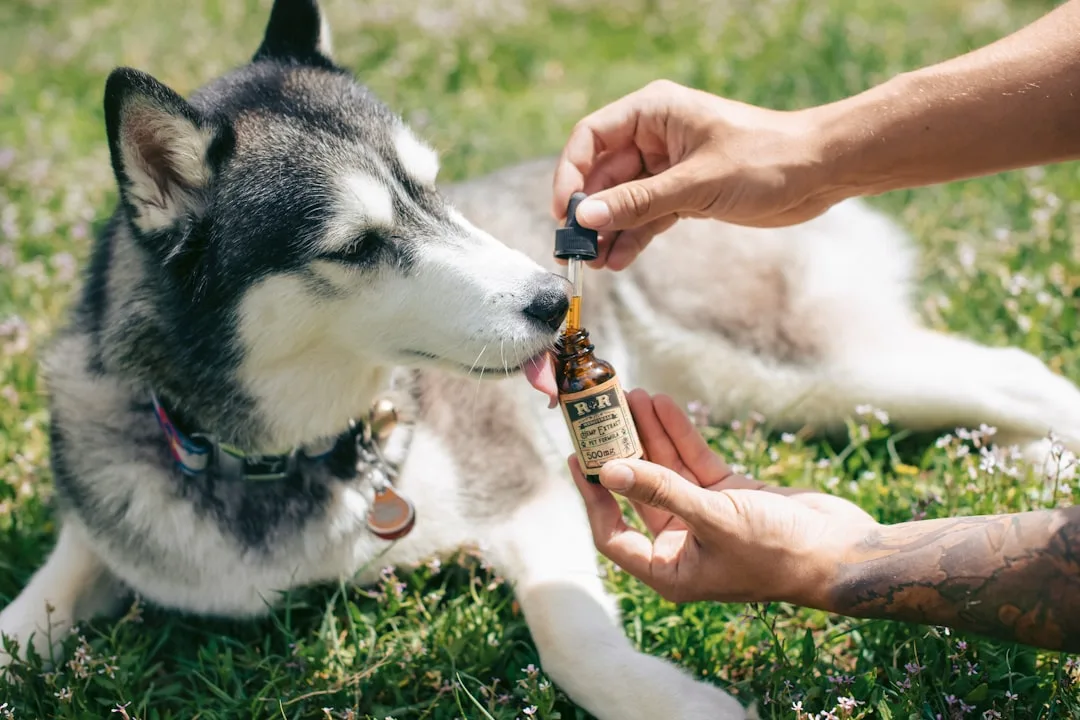
Enzyme-based pet waste odor control products work by breaking down urea and ammonia compounds in waste before they volatilize into the air. Brands like Rocco & Roxie formulate enzyme blends specifically targeting the bacterial byproducts that create that unmistakable pet smell. When sprinkled over soiled areas or mixed into substrate bedding, these enzymes continue working for 48–72 hours, eliminating the chemical signature that prompts dogs to return to the same spot.
The mechanism matters because repeat marking behavior is chemically driven. A dog detecting ammonia scent will mark that zone again within days—perpetuating the problem cycle. Enzymatic control interrupts this at the neurochemical level, not just the surface.
Quick Tips
- Apply enzyme products immediately after cleanup while waste moisture is present—dry areas won’t activate the formula
- Reapply after heavy rain, which dilutes enzyme concentration in outdoor substrates
- Choose granule sizes matched to your yard surface: fine powder for clay, larger pellets for mulch or gravel
- Pair enzymatic systems with pet thermal comfort solutions in hot climates where enzyme activity slows at temperatures above 95°F
Sealed Container Systems Replace Open-Pit Approaches
Traditional designated potty zones—whether designated lawn patches or mulch areas—expose waste to air continuously, accelerating odor release. Sealed pet waste containment systems, like the DoggieLawn box systems and Nature’s Miracle enzyme odor canisters, create enclosed environments where waste remains isolated. Pet Loo and similar systems funnel waste through sealed drainage into a catch basin underneath, eliminating airborne ammonia entirely.
These containers typically measure 18–24 inches wide and cost between $120–250 as a one-time investment. They eliminate the need for constant scooping by containing drainage and odor for 5–7 days before emptying. One consequence: owners switch from daily yard time to weekly maintenance, reducing odor complaints from neighbors by approximately 85% according to installer feedback.
| System Type | Containment Method | Best For |
|---|---|---|
| Sealed Catch Basin | Underground drainage reservoir | Properties with stable soil drainage |
| Granule Substrate + Enzyme | Enzymatic breakdown in contained bed | Apartments, small yards, renters |
| Vacuum Extraction System | Compressed air removal to sealed tank | High-traffic pet households |
| Biosolids Composter | Temperature-controlled decomposition | Environmentally conscious owners |
Why Substrate Material Selection Defines Success or Failure
The biggest mistake pet owners make is installing a waste containment system without matching it to their yard’s drainage profile. Placing a sealed basin in clay-heavy soil creates standing water, which generates sulfur-based odors worse than the original problem. A homeowner in Denver installed a $180 containment system in compacted soil only to face pooling after three weeks—the trapped moisture rotted the substrate bedding and created anaerobic conditions that smell like rotten eggs.
Substrate choice determines odor control effectiveness. Activated charcoal-infused cedar chips, priced in the $35–50 range for a 40-pound bag, absorb ammonia while providing structural integrity. Calcined clay granules (like the brand Feline Pine, repurposed for dog waste) trap moisture while releasing odor molecules, lasting 10–14 days before replacement. Sand and pea gravel alone provide zero enzymatic support—they’re filler, not solution.
Test your yard’s drainage by pouring one gallon of water at your proposed site. If it pools after 90 seconds, you need French drain installation or substrate elevation, not just a sealed box.
Integration With Outdoor Pet Habitat Design
Pet waste odor control now anchors outdoor habitat layout rather than existing as an afterthought corner. Designers position sealed waste systems on property boundaries or downwind from main patio zones, with enzyme stations at multiple points across larger yards. This mirrors how professional dog parks operate: waste management drives traffic flow, not disrupts it.
The shift reflects a larger trend: outdoor spaces designed for pets first—with aesthetic coherence second. A Boston brownstone owner installed a powder-coated steel waste containment unit alongside her patio, matching it to her deck railing finish. She paired it with pet allergy testing kits after noticing her guests’ reactions improved when odor elimination was comprehensive. Containment became part of the landscape architecture, not camouaged behind screens.
Maintenance Rhythm and Seasonal Adjustments
Pet waste odor control requires seasonal recalibration. Spring and fall rainfall increases enzymatic activation—enzymes work fastest in 65–75°F temperatures with moisture present. Summer heat above 90°F slows enzyme action by 40%, requiring more frequent enzyme reapplication and substrate changes. Winter freezing halts enzyme function entirely, so winter yards need dry substrate replacement every 3–4 days rather than weekly.
Maintenance schedules also depend on pet count and breed size. A 45-pound Golden Retriever generates 3–4 times more waste volume than a 12-pound terrier, which impacts container capacity and enzyme dosing. Track waste volume over four weeks to establish accurate replacement cycles, preventing overflow-related failures.
Smart pet owners log waste patterns by season and adjust enzyme strength accordingly—doubling enzyme concentration in summer, switching to absorption-first systems in winter. This prevents the scenario where expensive systems fail silently, embarrassing owners during backyard gatherings.