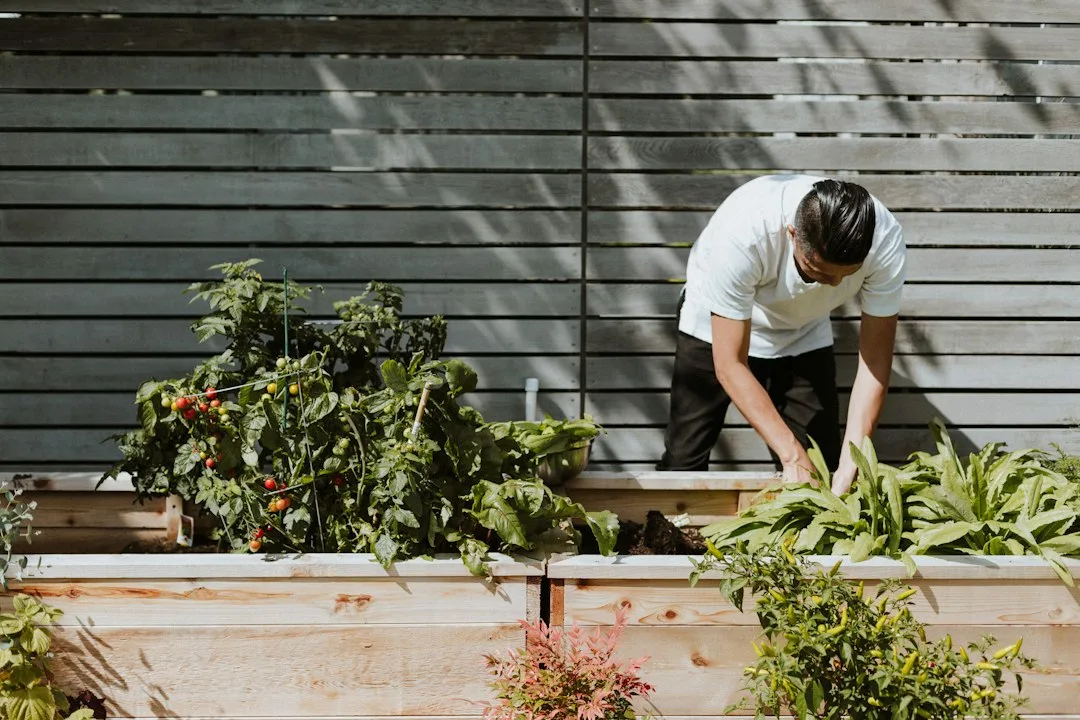
Walk into almost any suburban backyard in spring and you will notice the vegetables sitting higher than the lawn beside them. Gardeners are moving out of tilled rows and into framed boxes at a steady pace. Raised garden beds are behind the shift, and the appeal is practical rather than decorative.
Gardener’s Supply Company, a catalog and online retailer based in Burlington, Vermont, has long sold ready-made bed kits in cedar and recycled plastic. That kind of catalog presence tells you the idea has moved well past early adopters. Home improvement chains now stock similar kits in their outdoor sections, usually near the compost and potting mix.
Raised Garden Beds Are Changing Backyard Vegetable Plots
The core reason is drainage. A bed that sits 10 to 12 inches above native ground sheds standing water after heavy rain instead of holding it around plant roots. Clay-heavy yards, which many older neighborhoods still have, become workable within a single season.
Soil temperature matters too. Raised soil warms faster in March and April, so seeds go in two or three weeks earlier than they would in a cold, wet plot. That head start can add a few harvests before the summer heat arrives.
Quick Tips
- Set bed height between 10 and 18 inches so you can reach the center without kneeling on wet ground.
- Fill with a blend such as Espoma Organic Potting Mix or Miracle-Gro Raised Bed Soil instead of topsoil dug from the yard.
- Lay landscape fabric or cardboard under the bed only if the ground below is lawn, and skip it where roots need to spread.
- Orient long beds north to south so both sides get even sun through the afternoon.
Cedar, Steel, and Composite Materials Compared
Western red cedar is the classic choice because it resists rot without chemical treatment. Expect a usable life of roughly a decade in wet climates, depending on thickness and how well the bottom is ventilated. It is also easy to cut and assemble with basic tools.
Galvanized steel kits, often sold in corrugated panels, last longer and suit a modern look. They heat up faster in full sun, so mulch the top few inches in midsummer. Composite boards made from recycled plastic avoid rot entirely but can bow if the span between supports is too wide.
| Bed Material | Best Use | Main Drawback |
|---|---|---|
| Western red cedar | Classic look and easy assembly | Slow rot over many seasons |
| Galvanized steel panels | Modern lines and long life | Runs hot in full afternoon sun |
| Recycled plastic composite | No rot and low upkeep | Can sag across wide spans |
| Untreated pine boards | Budget builds for one or two seasons | Rots within a few years |
Choose material by how long you plan to stay. A cedar bed suits a renter testing a site, while steel fits a homeowner who wants a permanent layout. Either way, the material decision costs less than redoing a failed bed later.
The Soil Mistake That Quietly Ruins New Beds
The most common failure is filling the box with dirt scooped from the yard. A homeowner in a clay-heavy lot might do exactly this to save money, then wonder why nothing thrives. Clay mixed into a bed compacts within weeks and drains no better than the ground it replaced.
Here is what that looks like in practice. The bed holds water for three days after rain, roots stay shallow, and tomatoes develop blossom end rot by mid-July. The gardener blames the variety, when the real problem was the fill.
Use a bagged bed mix or a homemade blend of compost, topsoil, and aeration material. Refresh the top three inches each spring, because the soil settles and organic matter breaks down faster in a box than in open ground.

Sizing Beds Around Reach, Sun, and Walkways
Keep beds no wider than four feet so you can reach the center from either side. Wider beds force you to step onto the soil, which compresses it and undoes the loosening you paid for. Leave walkways of at least 18 inches for a wheelbarrow or a kneeling pad.
Sun exposure decides what you plant where. Tall crops like pole beans and staked tomatoes belong on the north edge so they do not shade shorter greens. Herbs and lettuces take the south side, where they get steady light through the afternoon.
Where Raised Beds Fit in Small and Narrow Yards
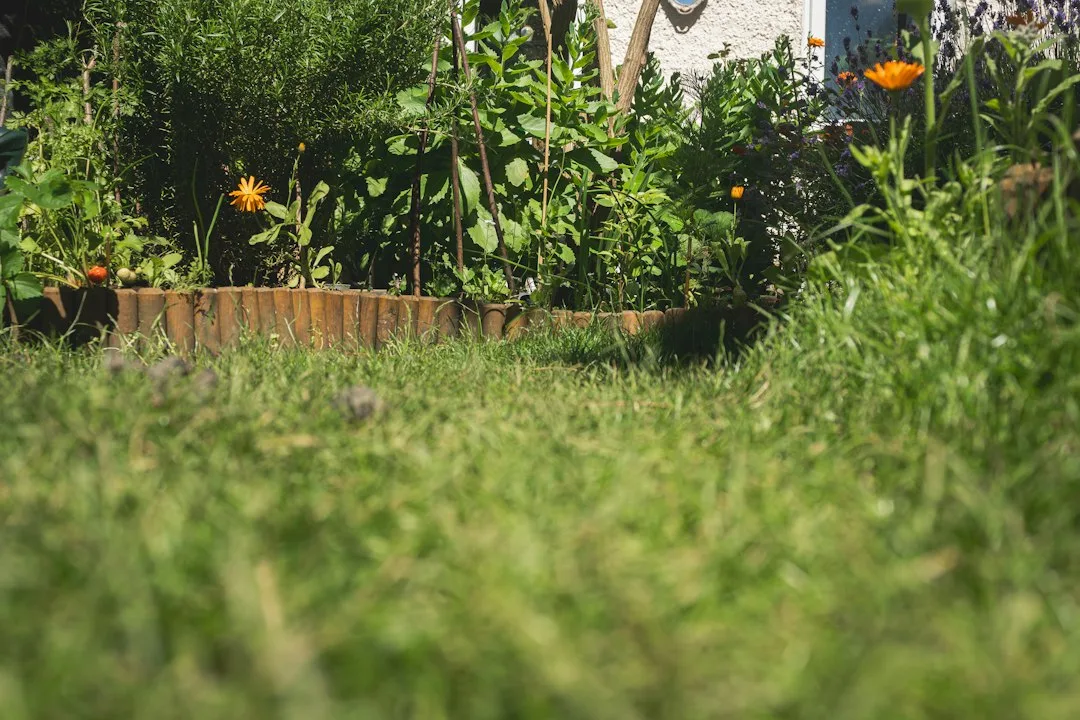
Small yards benefit most, because a bed turns unused ground into productive space without digging up a lawn. A side yard only 40 inches wide can hold a single narrow bed with a path beside it. Garden designers often stack beds at different heights to create visual layers.
If your site is tight, study how designers handle long, slim plots before you sketch your own layout. Our piece on 7+ Modern Garden Ideas In A Narrow Courtyard shows how height changes and clear paths keep a narrow space from feeling cramped. The same logic applies to a row of beds along a fence.
Vertical additions help too. Trellises mounted on the back edge of a bed carry climbing crops upward, which frees floor space. For more ways to use height, see 13+ Cool Vertical Wall Gardening Design Ideas.
Planting Sequence for the First Full Season
Plant cool-season crops first. Peas, spinach, and lettuce can go into a new bed as soon as the soil can be worked, often in early spring in temperate zones. Warm-season crops such as peppers and squash follow after the last frost date for your area.
Seed packets from Burpee list days to maturity and spacing on the back, which makes planning simple. Follow those spacing numbers closely, because crowded beds trade a bigger harvest for weaker plants. Rotate families between beds each year to slow soil-borne disease.
By late fall, clear spent plants and add a layer of compost across the surface. Leave the bed covered with shredded leaves or a cover crop through winter. The soil will be ready to plant again sooner than open ground.