Standing in a garden center with a tape measure, many buyers wonder whether a raised garden bed or planter will suit their yard. The answer depends on whether you want to grow food or create a lasting design feature. Two very different jobs.
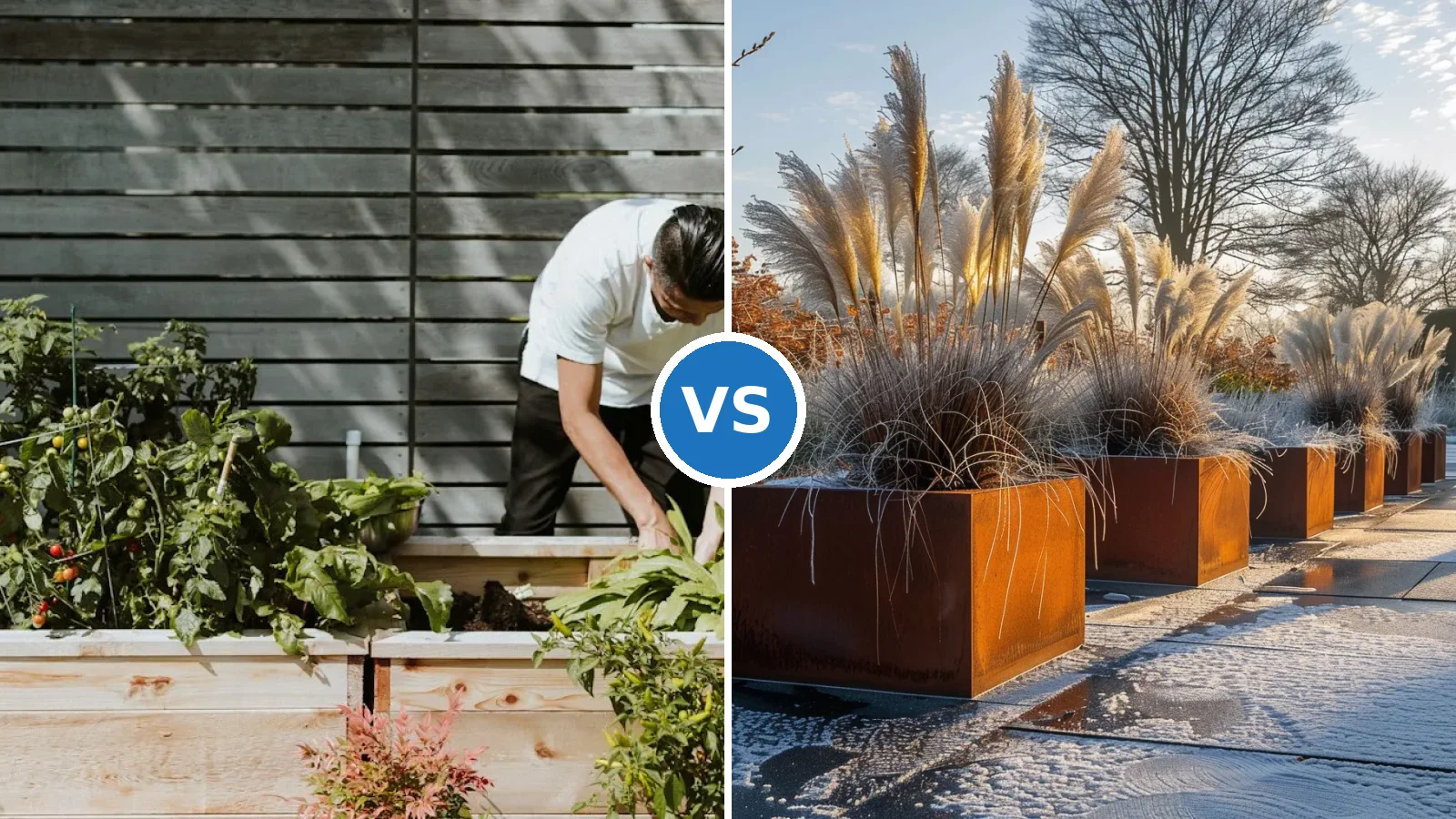
The search covers two builds: the framed vegetable bed we call Raised Garden Beds, and the weathering steel container we call Corten Steel Planters. Raised beds suit gardeners who want vegetables and a modest upfront bill. Corten planters suit owners who want a long-lived sculptural accent.
What a raised garden bed or planter actually is
Quick Verdict
- Choose raised garden beds if you want to grow vegetables and keep upfront spending modest.
- Choose corten steel planters if you want a long-lived, sculptural container that needs little care once it has weathered.
- Choose raised garden beds if your yard drains poorly and you are ready to refresh the soil each spring.
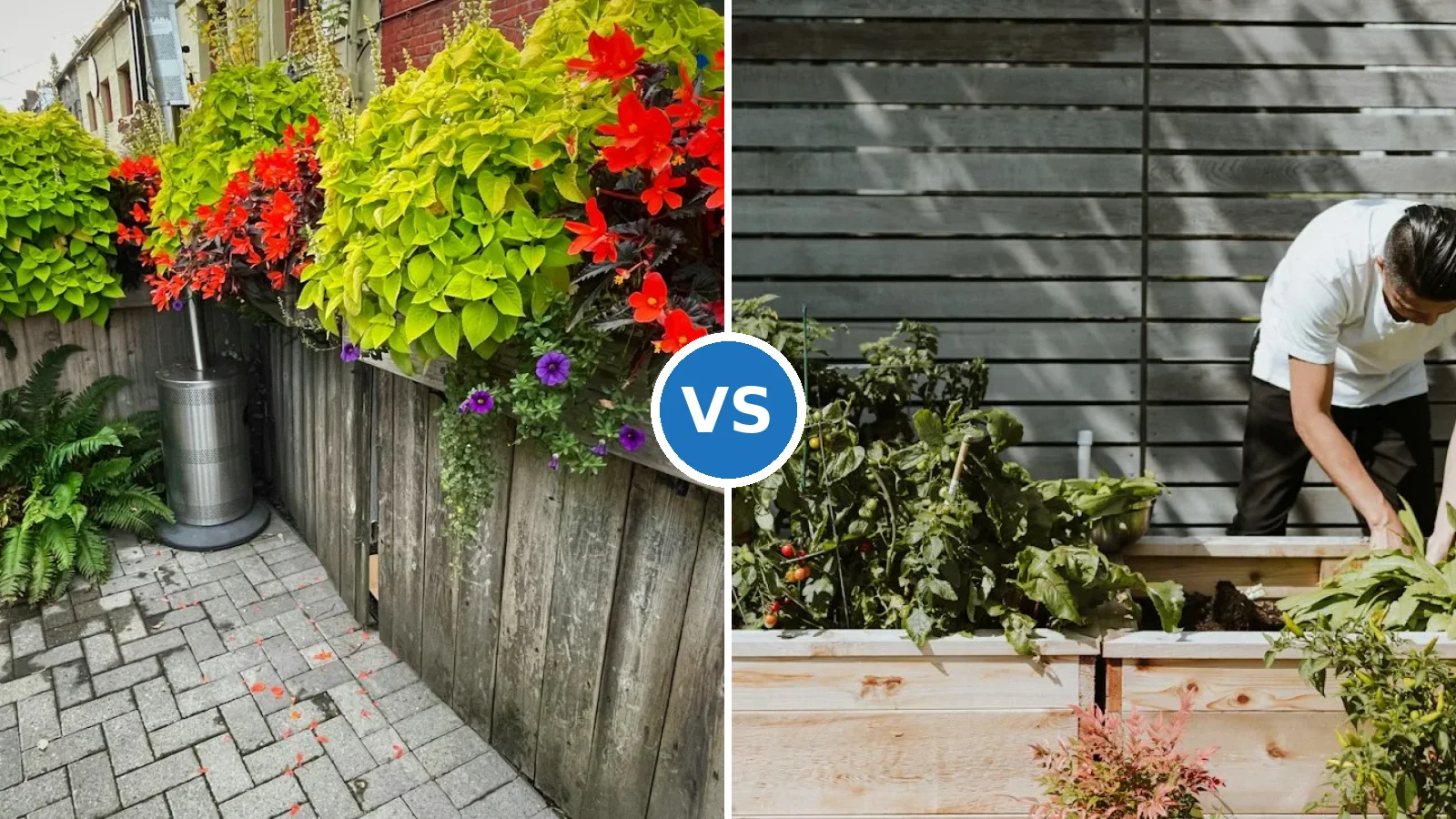
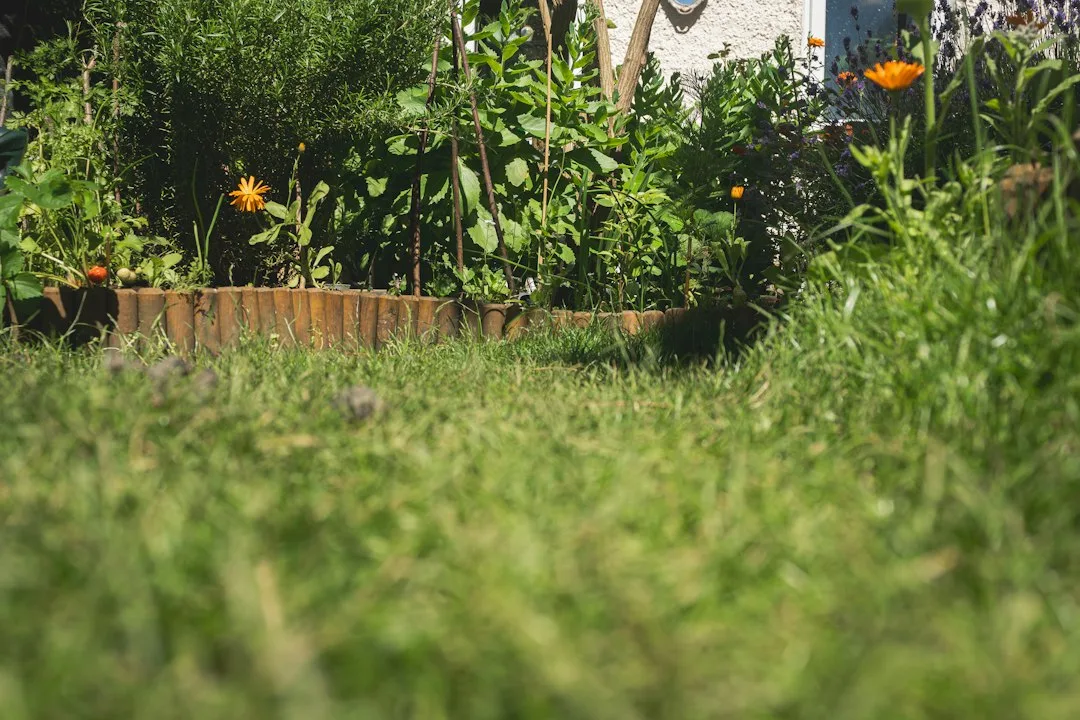
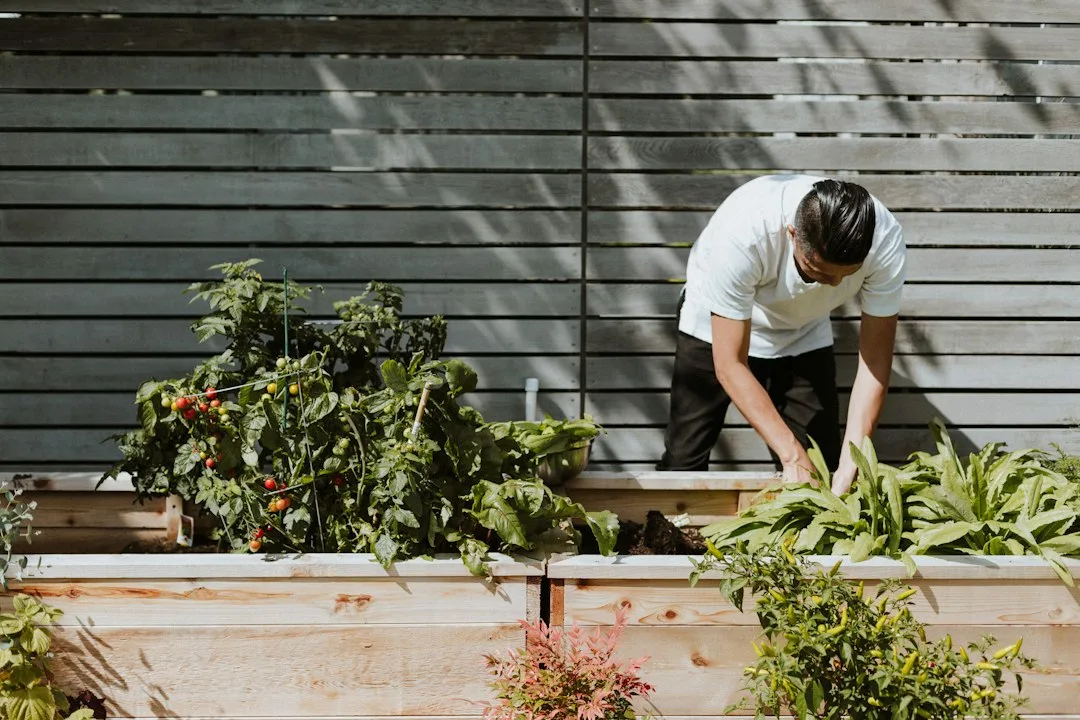
A raised garden bed is a framed box that sits roughly 10 to 12 inches above native ground, filled with a bagged or blended soil mix. The shift toward these beds is covered in our piece on backyard vegetable beds. The main appeal is practical, not decorative.
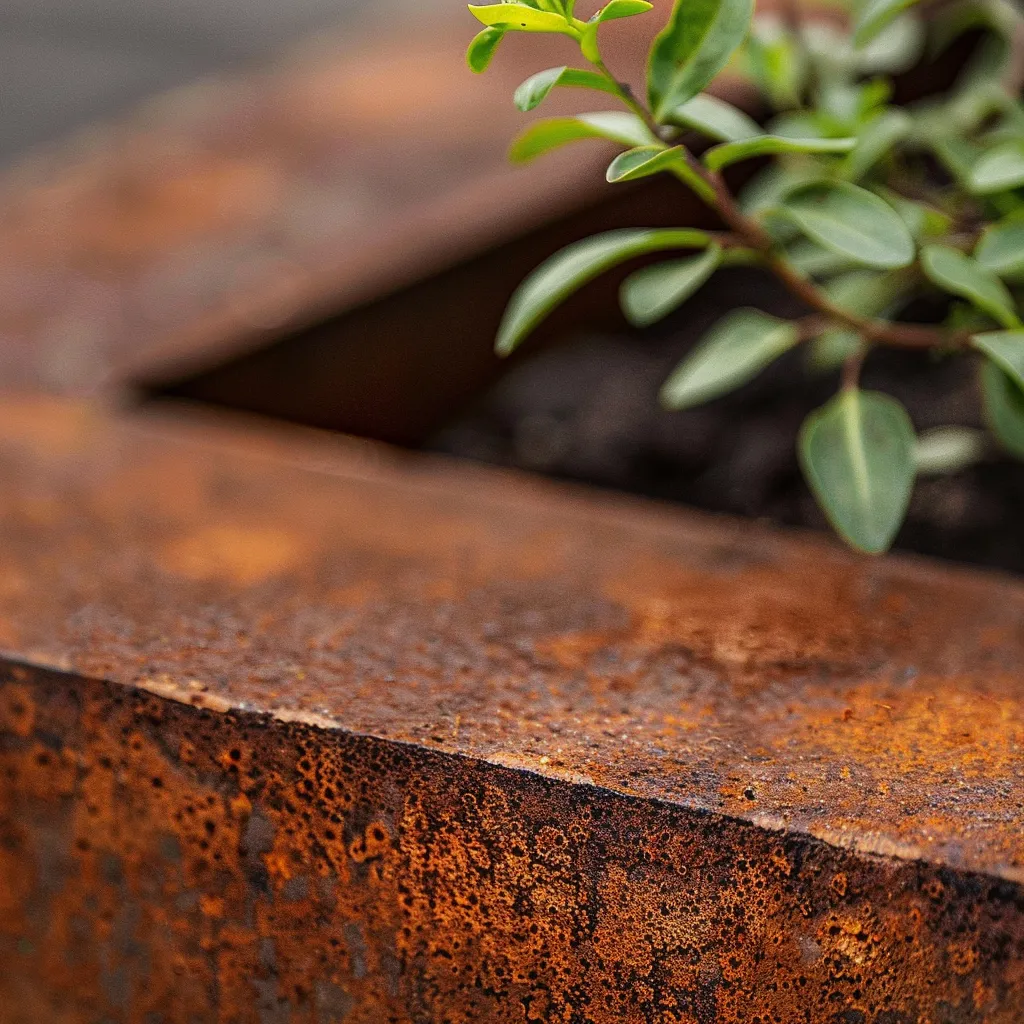
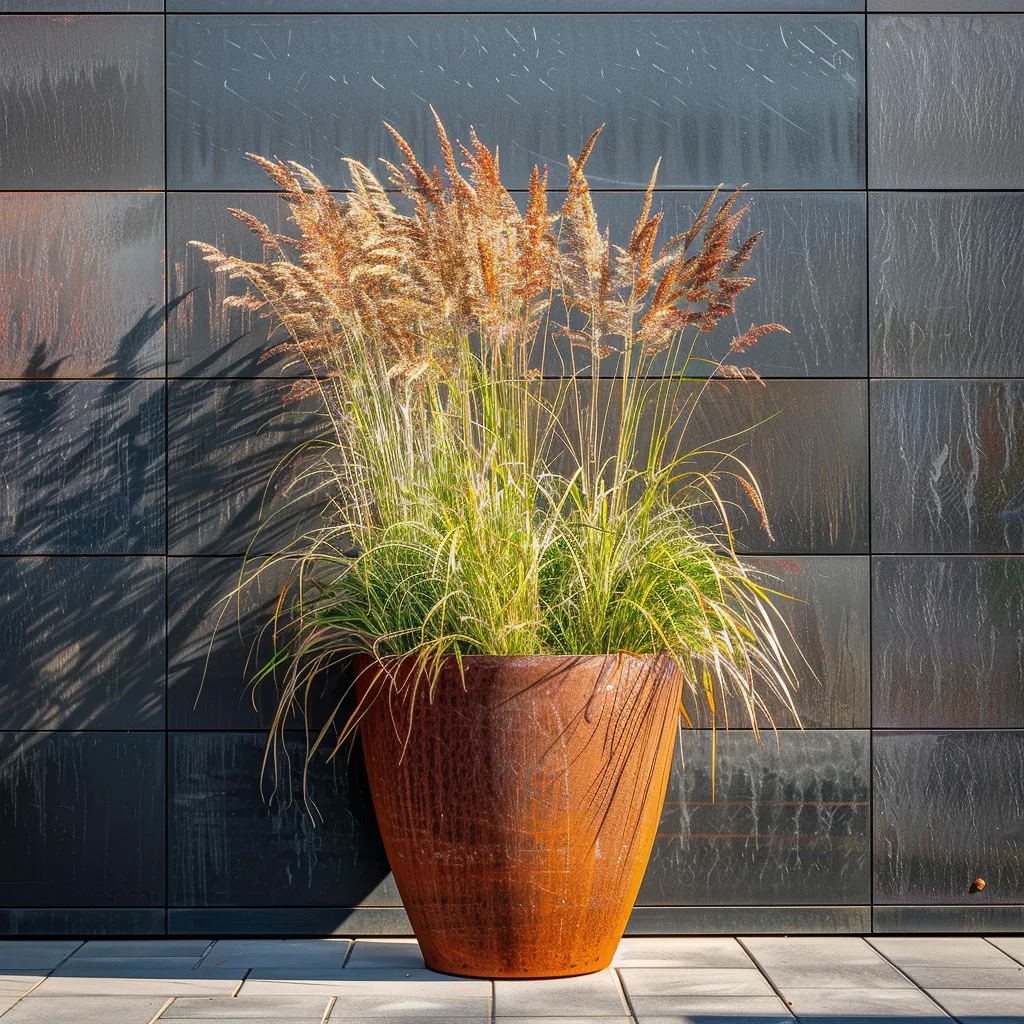
Corten steel is an alloy that forms a stable, rust-toned surface over time. Once that surface sets, the planter needs no paint or sealant. For design context, see our article on corten steel planter ideas.
Head-to-head on cost, care, durability and looks
| Criteria | Raised Garden Beds | Corten Steel Planters |
|---|---|---|
| Main purpose | Growing vegetables in improved soil | Sculptural container for plants and shrubs |
| Upfront cost | Budget-friendly kits and boards | Higher, between powder-coated steel and custom metalwork |
| Expected life | About a decade for cedar in wet climates | Designed for 25 to 30 years at thicker gauges |
| Upkeep | Refresh the top soil each spring | No paint or sealant once weathered |
| Look | Classic wood or modern steel panels | Warm amber to rust-red patina |
| Drainage | Lifts soil above wet, clay-heavy ground | Depends on how the container is set and drained |
Cost is where raised beds pull ahead. Cedar, pine and composite kits are the budget route for most yards. Corten planters sit at a higher price point, between standard powder-coated steel and custom architectural metalwork.
Durability is where corten is strongest. Thicker walls are used in public and commercial projects where a service life of 25 to 30 years is the design expectation. Cedar beds, by comparison, last roughly a decade in wet climates.
Where raised garden beds win
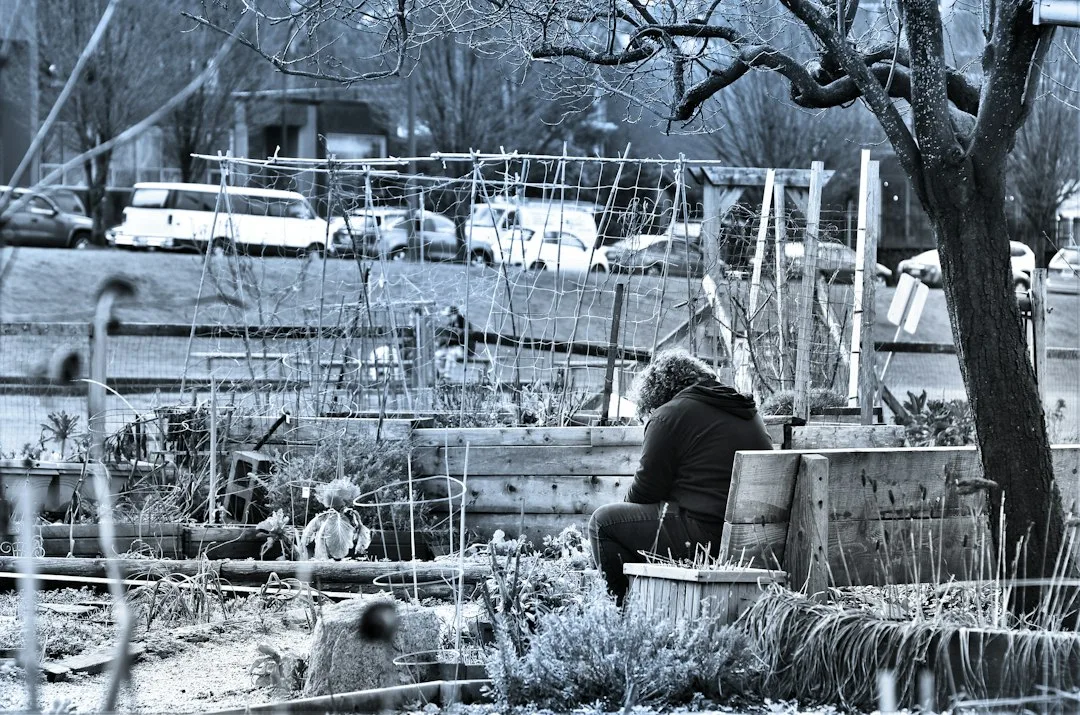
Raised beds win on food growing and flexibility. The soil sits above wet ground, so it warms sooner in spring and sheds standing water after heavy rain. That lets seeds go in two or three weeks earlier than they would in a cold plot.
Setup is simple. Cedar is easy to cut and assemble with basic tools. Keep the bed narrow enough to reach the center from either side, and leave comfortable walkways around it.
Where corten steel planters win
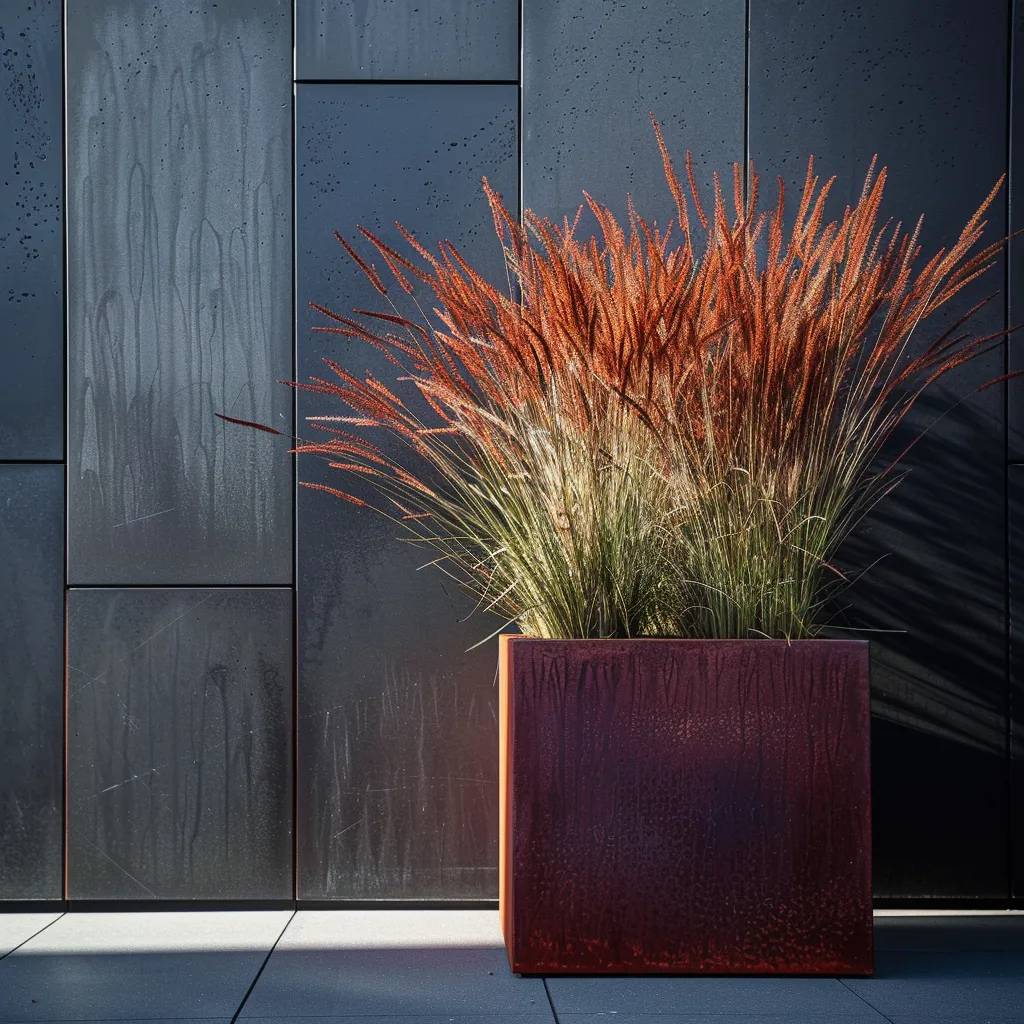
Corten wins on longevity and looks. Once the patina forms, which takes roughly 18 to 36 months outdoors, the surface seals itself against further corrosion. Less fuss follows.
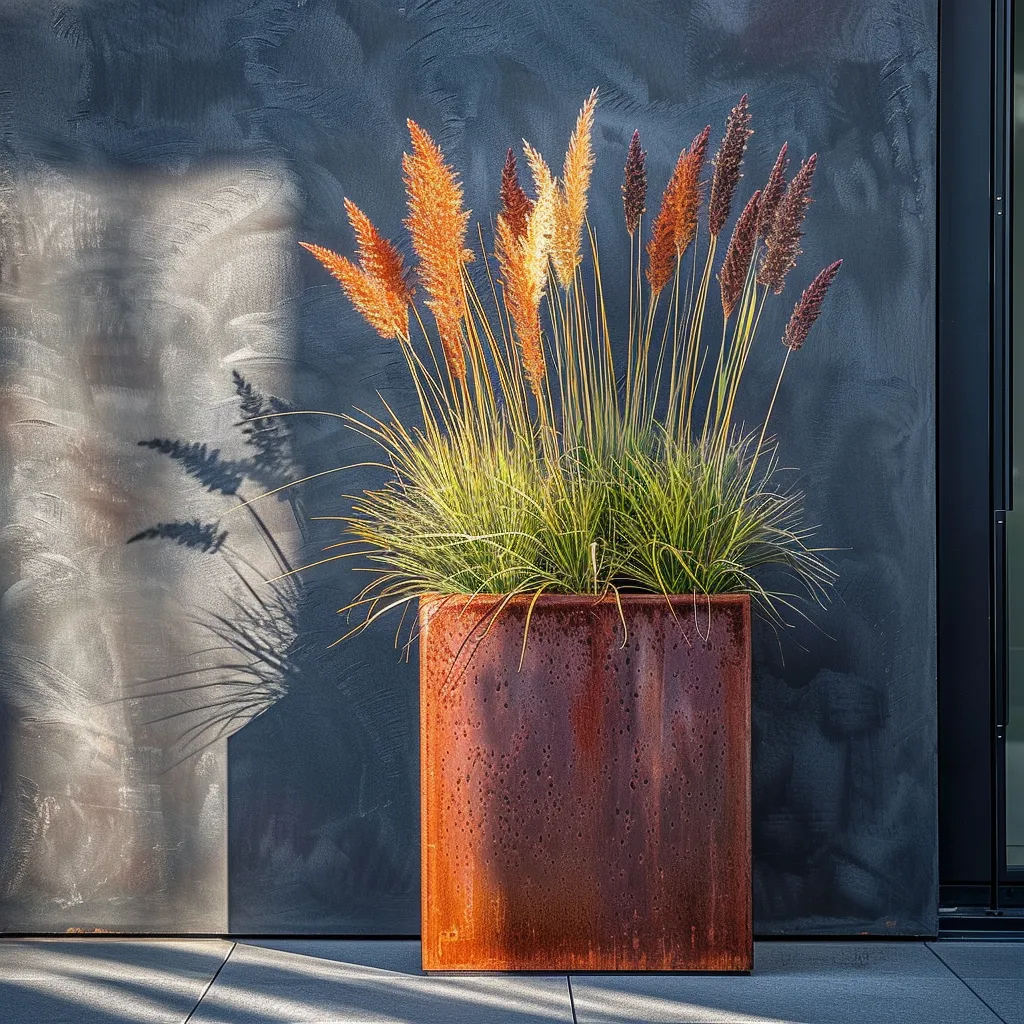
The warm amber and rust-red tones pair well with rendered walls, urban courtyards and minimalist layouts. A single large planter can become the entire design statement. Walls of 5 mm and above hold their structure for years.
The mistake that undoes a corten planter
A common error is choosing corten for its look and ignoring the first few years. Picture a buyer who sets a new planter straight onto pale limestone beside the front door. During the first 18 to 36 months, iron-rich runoff dries into the stone as orange-brown staining that is very hard to remove.
The fix is planning before installation. Use dark paving, raise the planter on feet, or add a gravel reveal around the base. Skipping that step turns a low-maintenance feature into a cleaning problem.
Growing depth and soil care
Raised garden beds give you direct control over what goes into the root zone. A bed that sits 10 to 12 inches above native ground drains better than a clay-heavy plot, and filling it with a blend such as Espoma Organic Potting Mix or Miracle-Gro Raised Bed Soil avoids the compaction and weed seed that often come with topsoil dug from the yard. Keeping the bed between 10 and 18 inches tall means you can work the center without kneeling on wet ground.
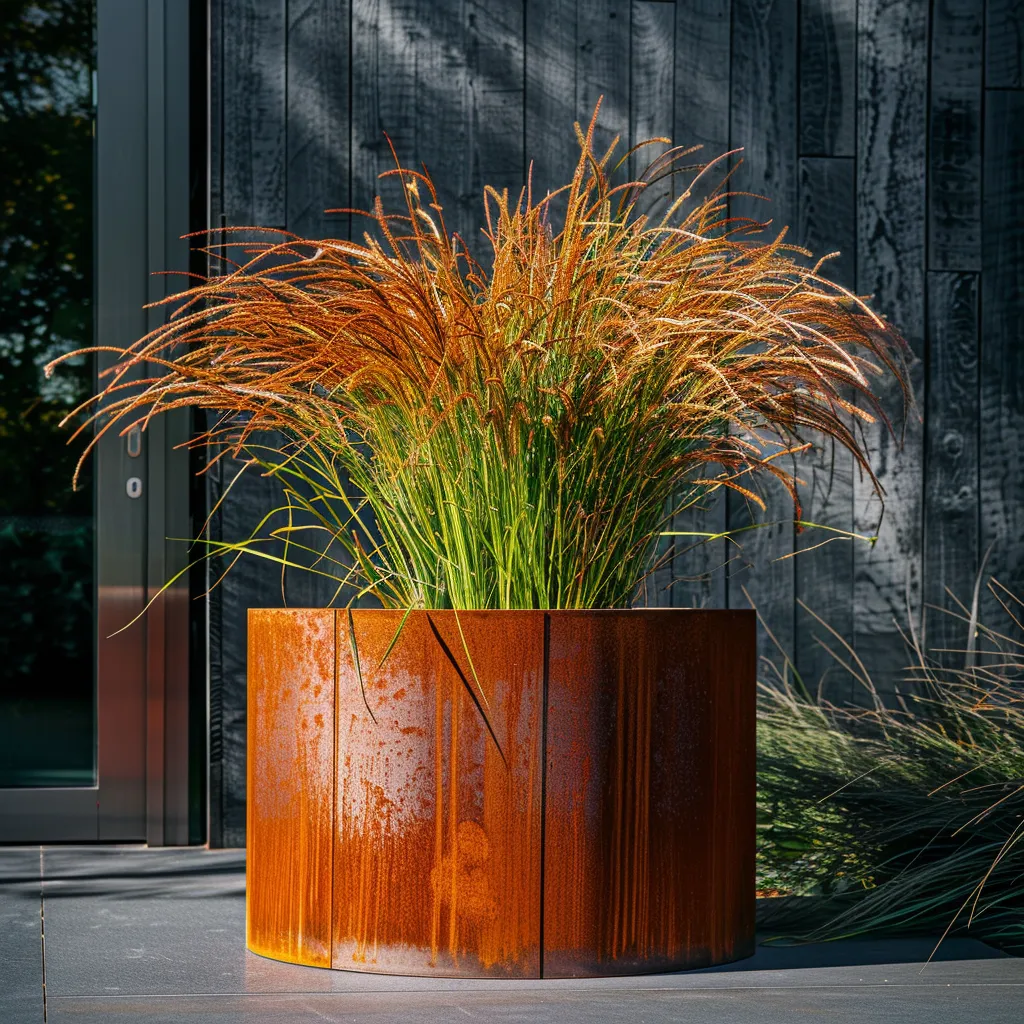
Corten steel planters take a different approach because they are containers rather than soil frames. Their strength is in ornamental planting, such as grasses, shrubs, and seasonal perennials, where a single heavy vessel anchors a bed or courtyard. Growing vegetables in one would require careful attention to drainage holes, depth, and the amount of soil you can realistically replace each year. For that reason, most gardeners treat a corten planter as a feature and reserve the open-ground bed for crops that need to be rotated and refreshed.
Weathering, siting and day-to-day upkeep
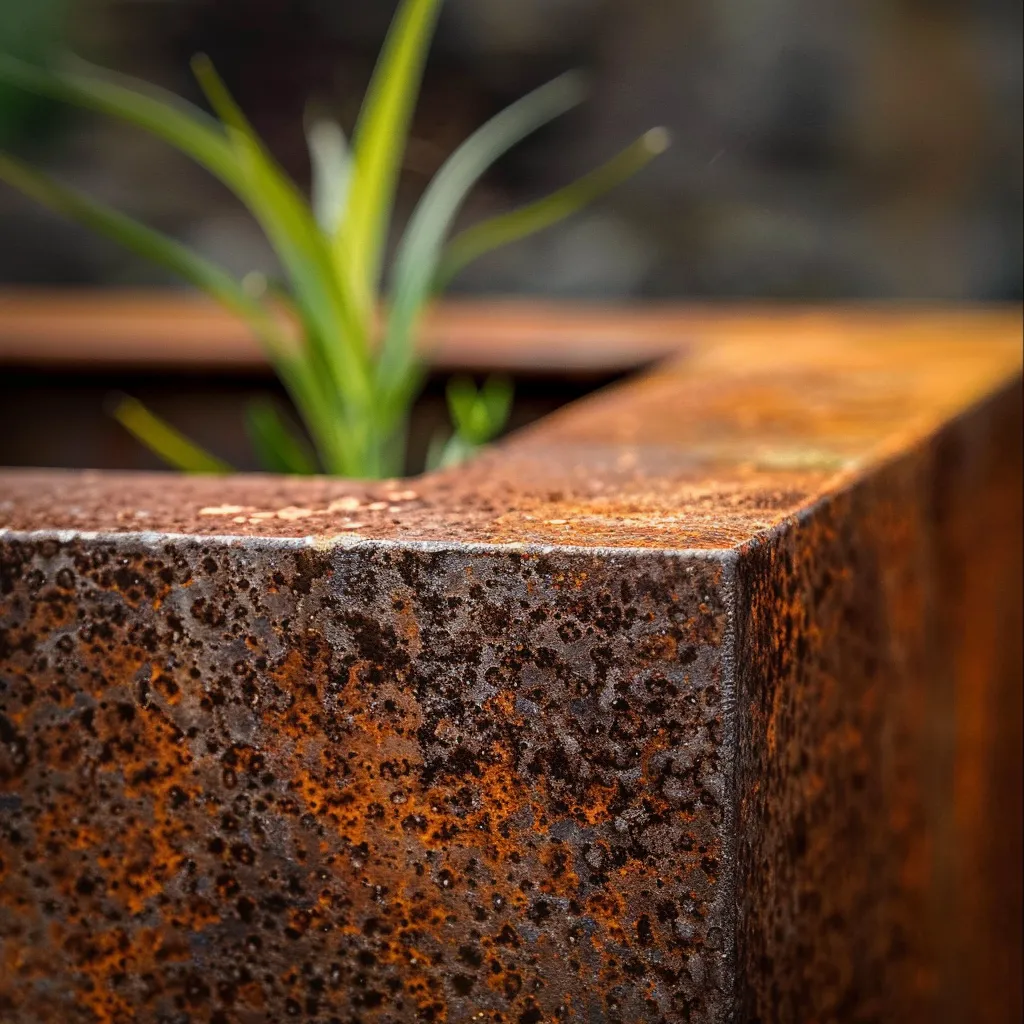
Corten steel asks you to accept a changing surface during the first few years. The iron oxide patina usually takes 18 to 36 months to reach its finished state, and during that period rain can carry rust-coloured runoff onto nearby paving or a rendered wall. A dark paving slab, a gravel reveal, or a planter raised on feet all reduce that staining and make later cleaning much easier.
Raised garden beds avoid that problem entirely because the common materials, whether cedar or recycled plastic kits, do not oxidise into a finish that marks surrounding surfaces. The trade-off is that wood and plastic need their own attention over time, and cedar in particular will grey and eventually need replacing.
Beds are also easy to move or extend as the yard changes, which a heavy steel planter is not. Choosing between them therefore comes down to whether you want a fixed, weathering feature or a flexible growing space that can be reshaped with the seasons.
Final verdict on which one to choose
Choose raised garden beds if your priority is growing food, keeping upfront costs low, and adjusting the layout as your yard changes. Pick the cedar or steel kit that fits your reach and sun exposure.
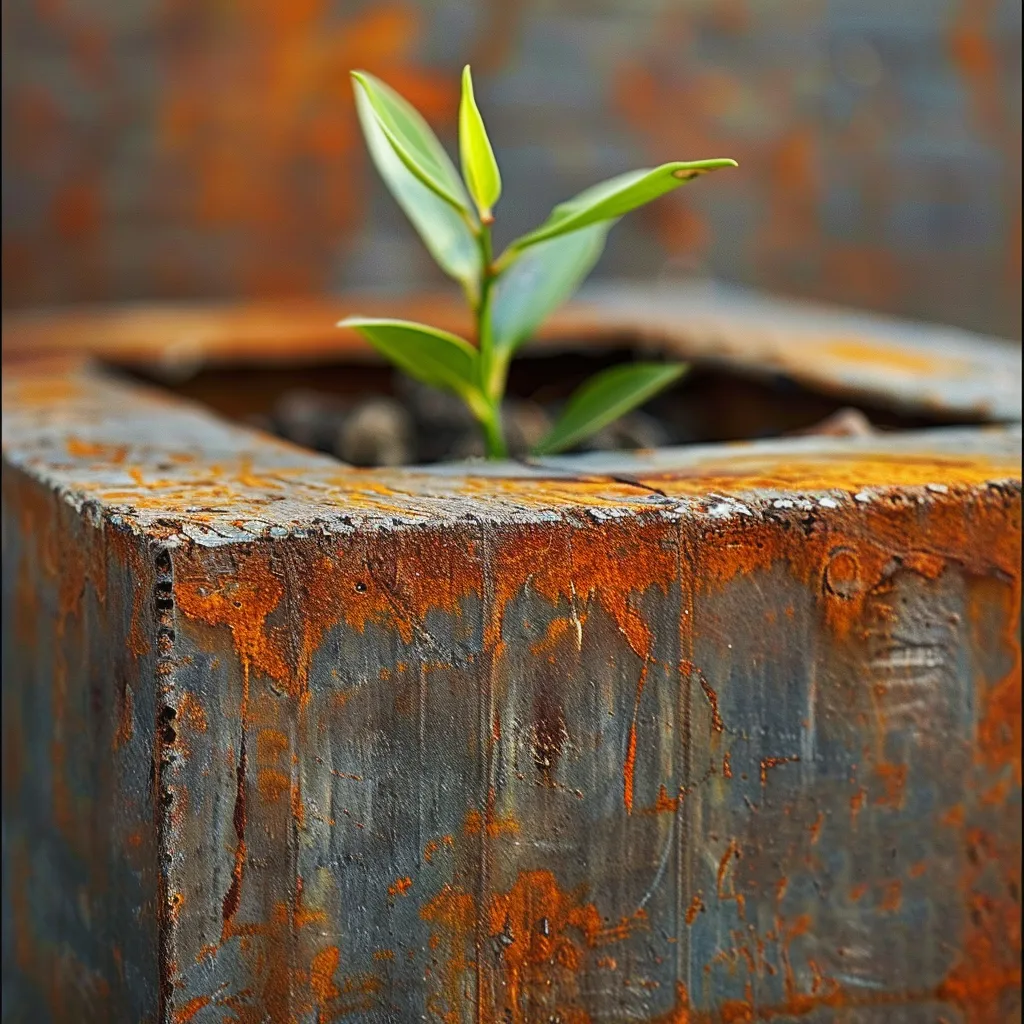
Choose corten steel planters if you want a permanent design feature that ages well and needs little care after it has weathered. Set it on dark paving or a gravel reveal and plan for the first season of staining. Many yards benefit from both: beds for vegetables, and a corten planter as an accent.