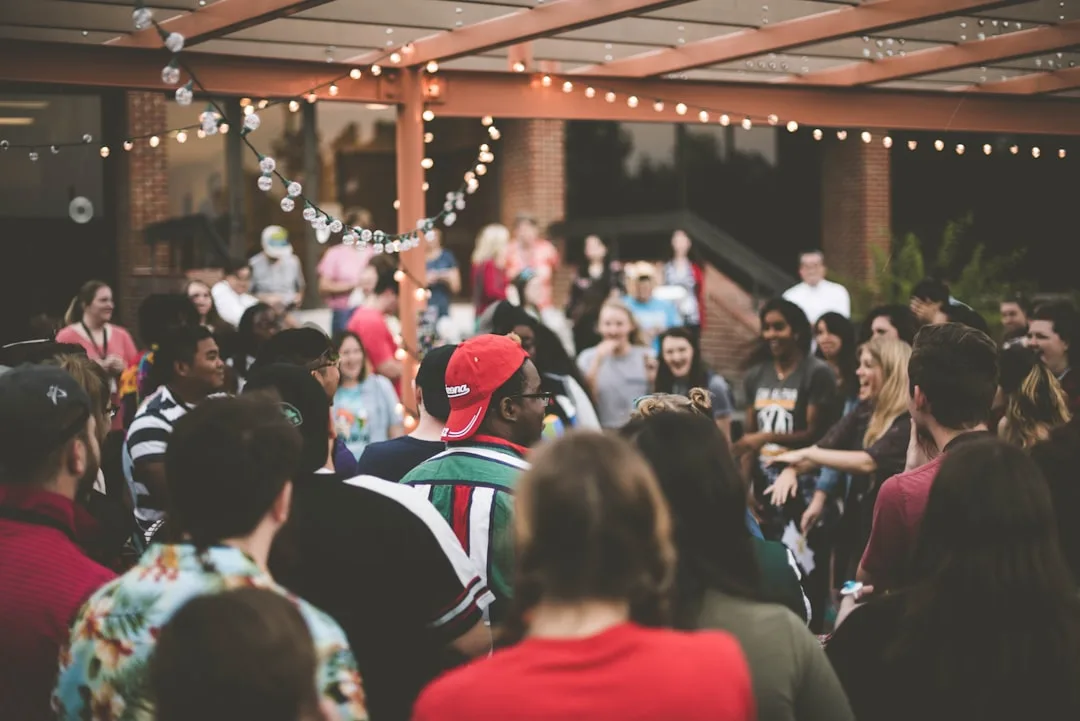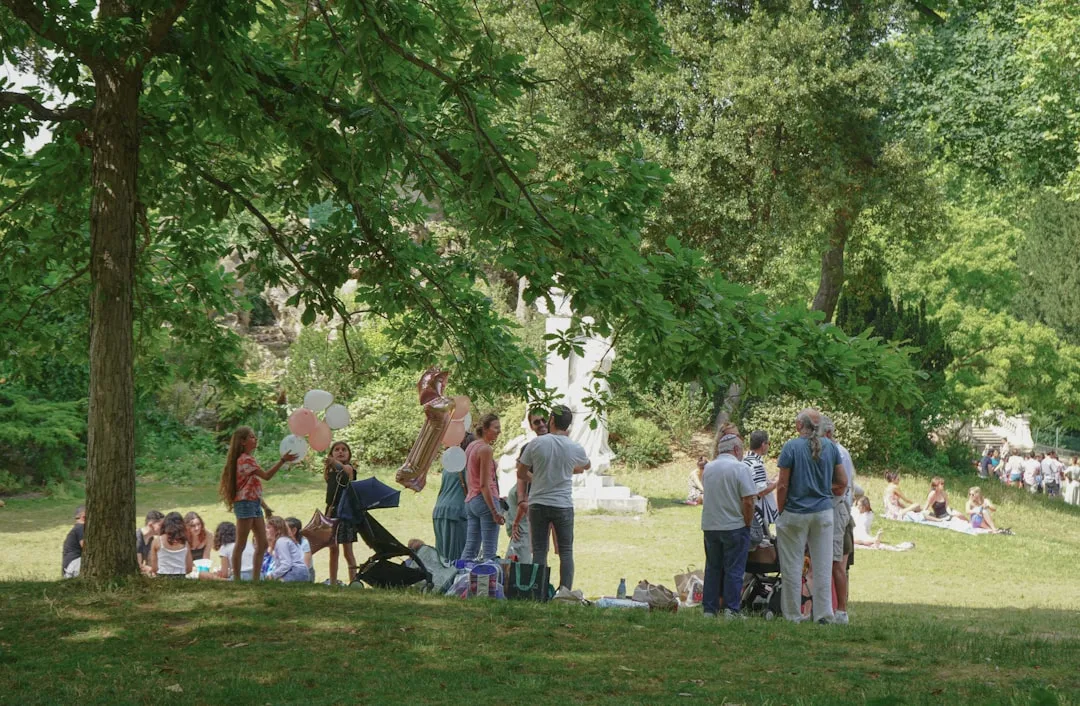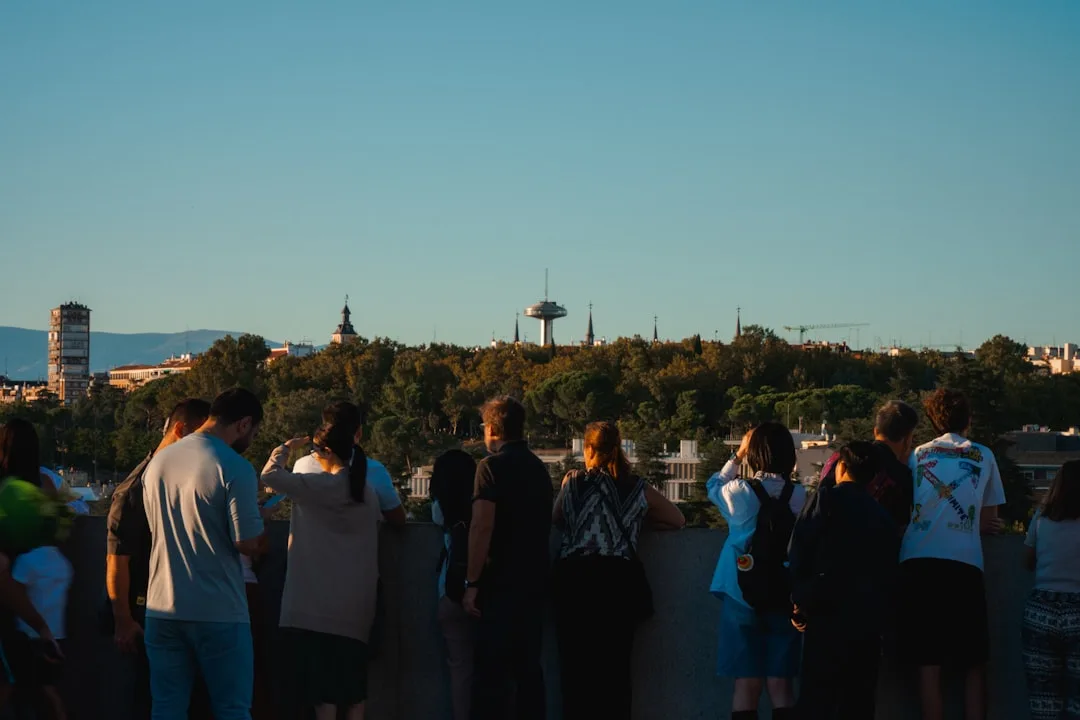
Destination event weekends are reshaping how people commemorate milestones, build professional relationships, and strengthen social bonds. Instead of cramming celebrations into a single afternoon or evening, groups now invest three to four days in immersive experiences at intentional venues—mountain lodges, coastal resorts, vineyard estates, or urban boutique hotels. This shift reflects a broader rejection of transactional events in favor of memorable, connection-driven gatherings.
Why Multi-Day Formats Drive Deeper Engagement
The multi-day destination event weekend model builds relationships in ways single-day celebrations cannot. When attendees spend 48 to 72 hours together, casual conversations deepen into substantive exchanges. Shared meals, evening activities, and unstructured time create moments that feel less performative than traditional sit-down dinners.
Brands like Airbnb Luxe have capitalized on this trend by offering curated weekend packages that bundle accommodation with vetted activities and local experiences. The extended timeline allows event planners to layer programming—think Friday welcome dinners, Saturday workshops or outdoor activities, and Sunday closing brunches. Attendees travel less frequently but stay longer when they do.
Hotels and resort operators report that weekend-long bookings now represent a higher revenue per guest than single-night stays, even when rate discounts apply. This justifies the travel investment for attendees and the operational complexity for hosts.
Quick Tips
- Choose venues with built-in programming (spa, hiking, water sports) to reduce planning burden
- Stagger arrivals across Friday afternoon to allow guests flexibility with work schedules
- Pair daytime activities with evening downtime—overscheduling kills organic connection
- Communicate itineraries 6-8 weeks ahead so guests can request time off and arrange travel
- Provide transportation between accommodation and venues to remove logistical friction
Destination Event Weekends Across Industries
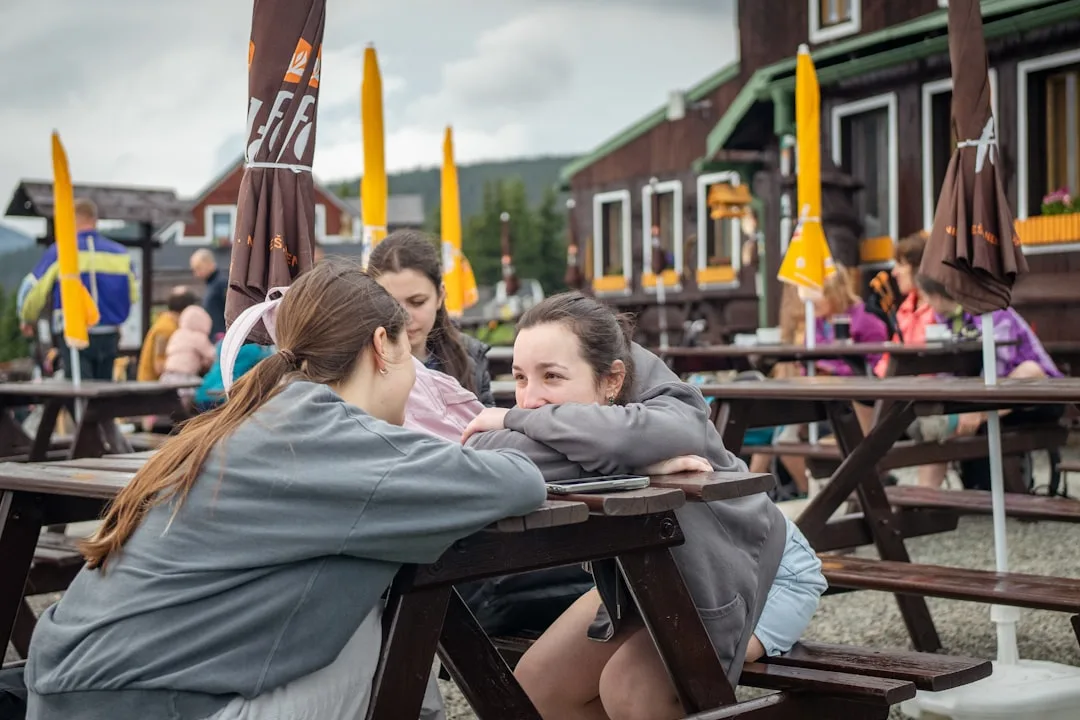
Corporate teams, wedding parties, friend groups, and professional associations all deploy the destination weekend model. Corporate Team Building Events 2026 — Why Hybrid Experiences Drive Employee Retention explores how companies use multi-day off-sites to strengthen retention and culture.
Wedding parties have expanded the concept beyond the rehearsal dinner and wedding day itself. Many couples now host a full weekend itinerary—Friday welcome evening, Saturday ceremony and reception, Sunday group breakfast or activity. This extended format creates breathing room and allows out-of-town guests to feel less rushed.
| Event Type | Typical Duration | Key Benefit |
|---|---|---|
| Corporate Retreat | 2–3 nights | Deep team bonding, strategic planning time |
| Wedding Weekend | 2–3 nights | Guest immersion, reduced travel friction |
| Friend Reunion | 2–4 nights | Nostalgia, unstructured quality time |
| Professional Conference | 3–4 nights | Networking depth, hybrid learning formats |
Location Curation Replaces Generic Venues
The destination event weekend trend has revived interest in regional boutique accommodations and lesser-known locales. Instead of defaulting to large convention centers or chain hotels, planners now scout properties with distinctive character—historic estates, restored barns, lakefront cabins, or wellness-focused retreats.
Venues like Montage Palmetto Bluff in South Carolina and similar properties have repositioned themselves as destination event hubs, offering flexible accommodation alongside on-site activities like cooking classes, nature tours, or wellness sessions. The specificity of location becomes part of the event’s narrative.
This shift has also boosted regional tourism economies. Small towns that once lost event revenue to major metropolitan conference centers now attract groups seeking authenticity and local flavor. A destination event weekend in a mountain town or coastal village generates repeat visits and word-of-mouth promotion.
Budget and Logistics: The Common Pitfall
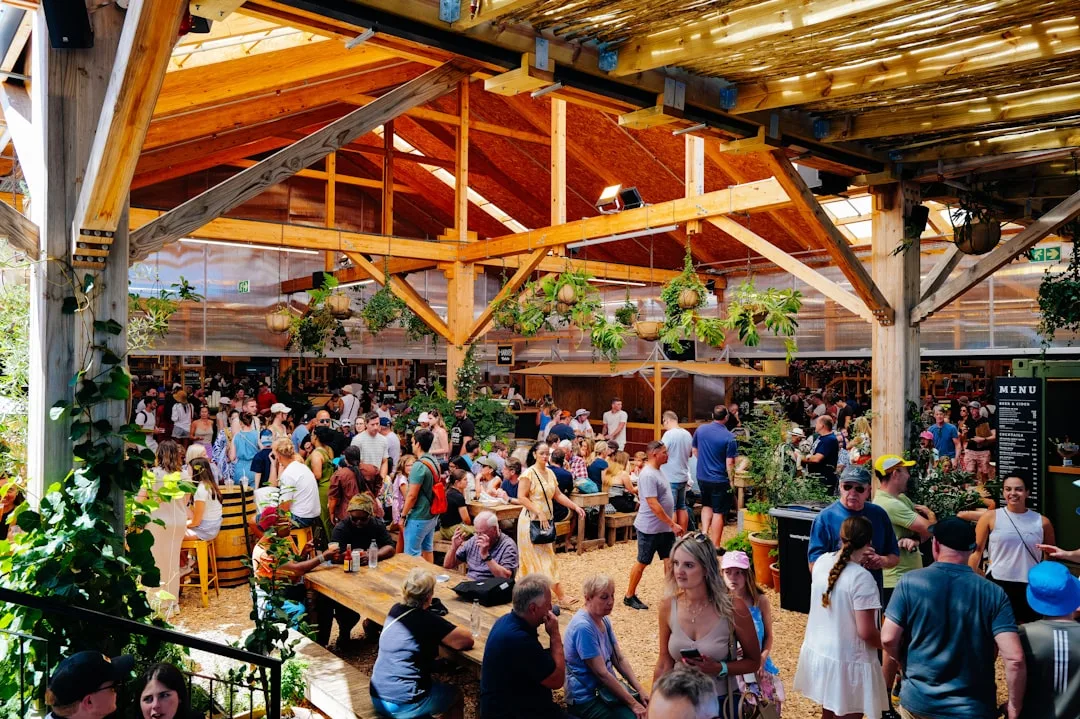
The most frequent mistake planners make is underestimating the hidden costs and logistical complexity of multi-day events. A couple planning a wedding weekend at a remote resort might book accommodation and catering, then discover they need to arrange shuttle transportation from the nearest airport, hire an event coordinator on-site to manage day-of operations, and account for meal costs for attendees with dietary restrictions.
One real example: a corporate team planned a three-day retreat at a mountain lodge without factoring in transportation costs between the lodge and the nearest airport (45 minutes away). They originally budgeted shuttle service at $30 per person round-trip, but the actual cost was $65 per person because the vendor charged premium rates for multiple daily trips. This oversight added $2,000 to the overall budget mid-planning.
To avoid this, build a contingency of 15–20% into your destination event weekend budget and confirm all vendor logistics (parking, airport proximity, meal service capacity) before signing contracts. Request a walkthrough at the venue during a time similar to your event to identify bottlenecks.
How Destination Wedding Events Drive Luxury Travel Growth in 2026 Extends Beyond Weddings
While destination weddings remain a primary driver of multi-day event travel, the model now applies across celebrations. Birthday milestone weekends, family reunions, and professional associations host retreats at curated locations. The psychology is identical: extended time in a singular location justifies the travel expense and creates lasting memories.
Luxury brands and hospitality companies recognize this trend. Ritz-Carlton and similar properties now staff dedicated event planners who specialize in multi-day group experiences. They understand that a single weekend booking generates ancillary revenue through spa services, private dining, and activity upsells.
The Social and Emotional ROI
Destination event weekends succeed because they prioritize presence and connection over passive attendance. Attendees return to daily life with shared inside jokes, photos, and stories that strengthen group identity. For corporate teams, this translates into measurable retention and collaboration benefits.
The format also democratizes access—groups of varied sizes (8 people or 80) can find appropriate venues, whereas large conferences demand economies of scale that exclude smaller professional communities. This explains why destination event weekends are reshaping not just how we celebrate, but how groups of all sizes choose to invest in face-to-face experiences.